21 Ways To Stop Your Toddler From Hitting
Are you searching for Best ways to stop your toddler from hitting, no worries you are in the right place.
We have curated 21 Best ways to stop your toddler from hitting you will love.
It can catch you completely off guard, one moment your toddler is playing sweetly, the next they are swinging tiny hands with surprising force.
For many parents and caregivers, this phase feels confusing, frustrating, and sometimes even a little embarrassing, especially when it happens in public or around other children.
You might find yourself wondering where the behavior is coming from, or if you are somehow doing something wrong.
The truth is, toddlerhood is a time of big emotions packed into very small bodies, and not every feeling comes with the words to express it.
Hitting often becomes a quick, instinctive way for them to communicate something they cannot yet explain.
While that does not make it acceptable, it does make it understandable.
In this post, we will take a closer look at why this behavior shows up and what it really means beneath the surface, setting the stage for practical, effective ways to respond with confidence and calm.
21 Best Ways To Stop Your Toddler From Hitting
1. Stay calm in the moment
 When your toddler hits, it can feel shocking and even upsetting, especially if it happens suddenly or in front of others.
Your natural reaction might be to raise your voice or react quickly out of frustration.
However, staying calm is one of the most effective tools you have.
Toddlers are highly sensitive to your emotional tone, and they often mirror what they see.
If you respond with anger, they may either become more overwhelmed or learn that strong reactions are acceptable ways to handle emotions.
A calm response, even if it is firm, communicates safety and control.
It shows your child that big feelings can be handled without losing control, which is exactly what they are still learning to do.
2. Set a clear and simple boundary
 Toddlers do not process long explanations very well, especially in emotionally charged moments.
That is why it is important to keep your message short, clear, and consistent.
Phrases like “I won’t let you hit” or “Hitting hurts” are easy for them to understand and remember.
Over time, hearing the same words in the same situations helps your child connect the behavior with the boundary.
It also removes confusion, because they know exactly where the limit is.
The key here is repetition and clarity, not length or complexity.
3. Gently stop the action
 In the moment, your priority is safety.
If your toddler is trying to hit again, gently but firmly stop them by holding their hand or moving them slightly away from the situation.
This is not about punishment, it is about guidance and protection.
Physical intervention, when done calmly, shows them that hitting will not be allowed to continue. It also prevents escalation.
Over time, this consistent response helps them understand that there is a clear limit to their behavior.
4. Teach the word for the feeling
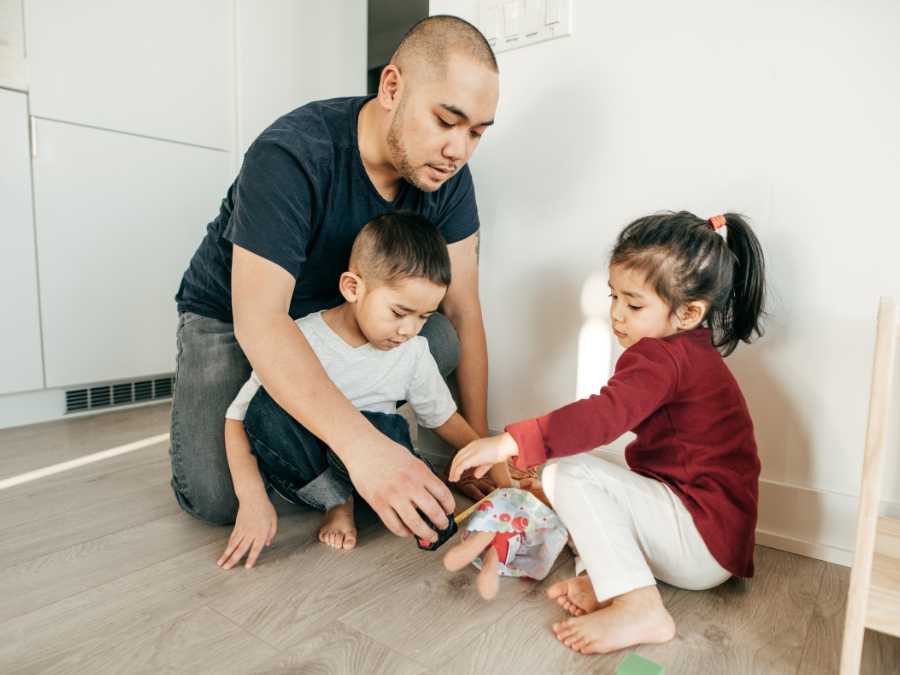 Many toddlers hit because they do not yet have the language skills to express what they are feeling.
Instead of assuming they understand their emotions, help them build that understanding.
In the moment, calmly say things like “You are angry” or “You are frustrated because you wanted the toy.”
This helps them connect their internal feelings with words.
As their vocabulary grows, they will rely less on physical actions and more on verbal expression.
This is a long term skill that benefits them far beyond this phase.
5. Avoid hitting back or harsh punishment
 It might feel tempting to respond with a quick slap on the hand or a harsh punishment to make a point, especially when you are frustrated.
However, this often sends mixed signals.
If you hit them to show that hitting is wrong, it can confuse them and even reinforce the behavior.
Toddlers learn best through consistent modeling and clear guidance, not fear.
Gentle but firm correction helps them understand limits without creating anxiety or resentment.
6. Give attention to positive behavior
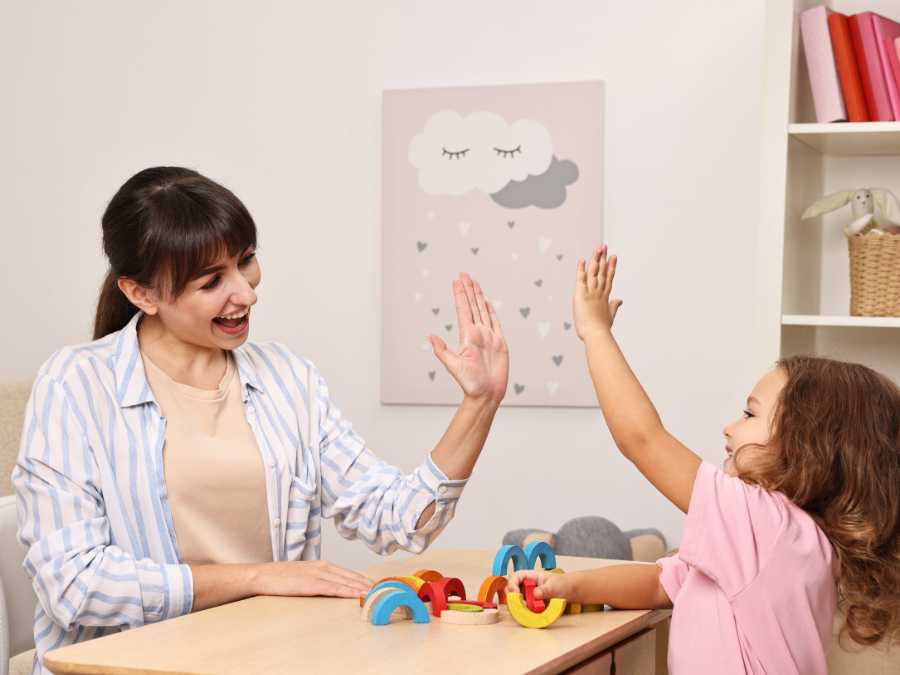 It is easy to focus on what your child is doing wrong, but noticing what they are doing right can be even more powerful.
When your toddler plays gently, shares, or expresses frustration without hitting, point it out.
Say things like “I like how you used gentle hands” or “You did a good job using your words.”
This kind of attention reinforces the behavior you want to see more often.
Over time, your child will begin to repeat these positive actions because they feel seen and encouraged.
7. Be consistent every time
 Consistency is one of the most important parts of guiding toddler behavior.
If hitting is ignored sometimes but corrected other times, it creates confusion.
Your child may not understand when it is acceptable and when it is not.
By responding the same way each time, you create a predictable pattern that they can learn from.
Consistency does not mean perfection, but it does mean making a steady effort to respond in a similar way across situations.
8. Watch for triggers
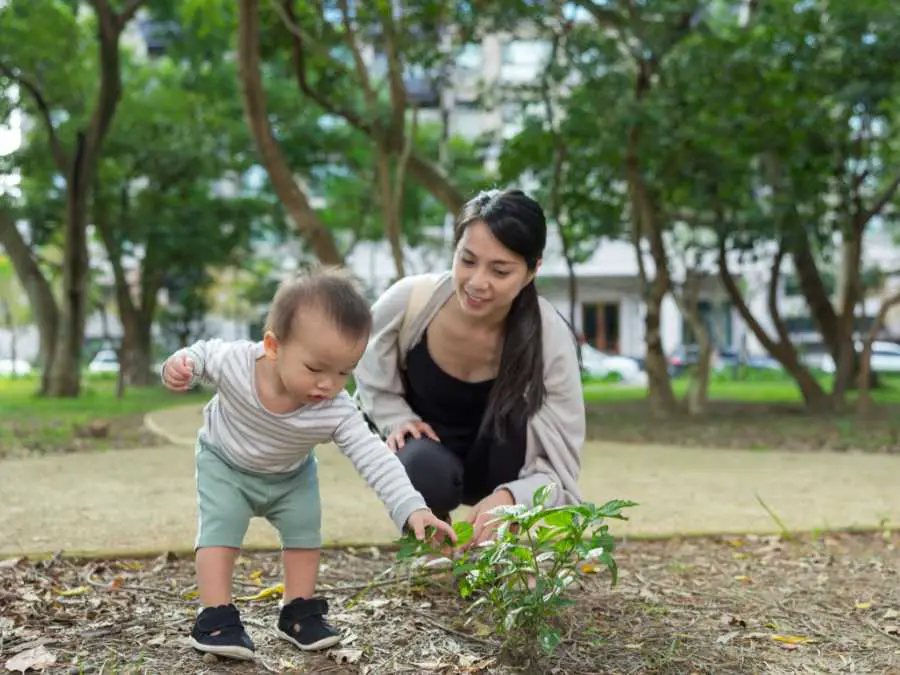 Hitting often does not come out of nowhere.
There are usually patterns or triggers behind it.
Your toddler might be more likely to hit when they are tired, hungry, overstimulated, or frustrated.
Paying attention to these patterns can help you prevent situations before they escalate.
For example, if you notice hitting happens close to nap time, it might be a sign they need more rest.
Understanding the “why” behind the behavior gives you a huge advantage in managing it.
9. Teach “gentle hands”
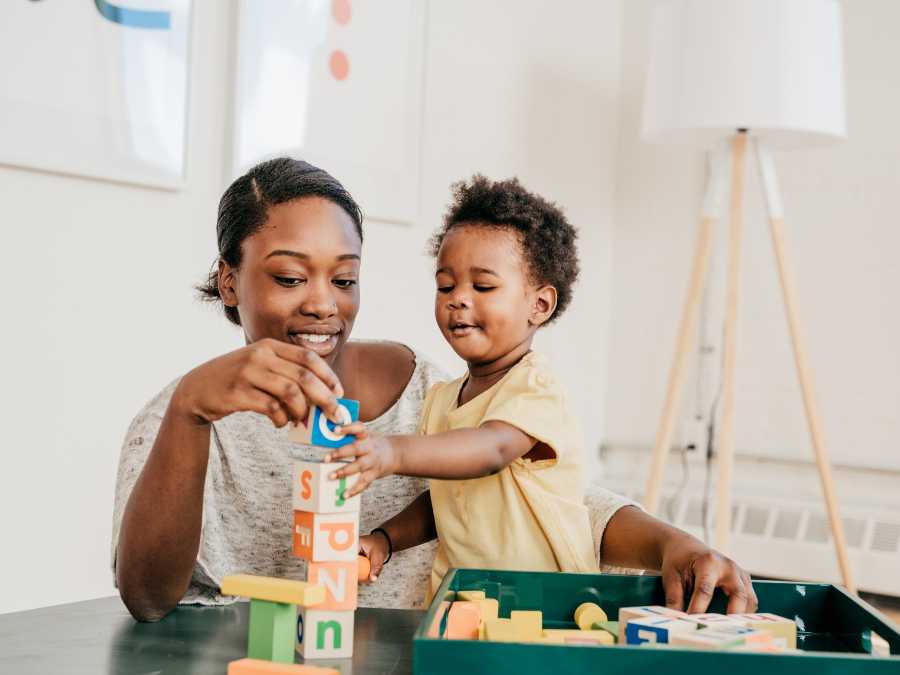 Instead of only telling your toddler what not to do, show them what to do instead.
Teaching “gentle hands” is a simple but powerful approach.
Take their hand and demonstrate soft touches, either on your arm or on a toy.
Use the words “gentle” while guiding them.
Practice this when they are calm so it becomes familiar.
Over time, they will begin to understand the difference between hitting and gentle touch.
10. Offer alternatives to express anger
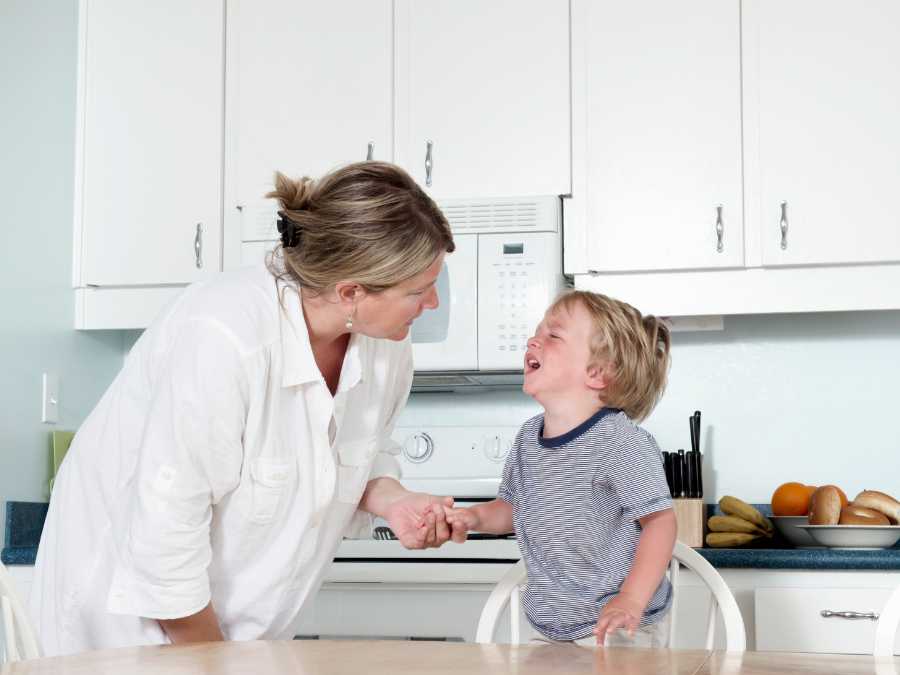 Toddlers experience strong emotions, but they do not always know how to handle them.
Giving them safe alternatives can make a big difference.
You can encourage actions like stomping their feet, squeezing a soft toy, or saying “I am mad.”
These alternatives allow them to release their emotions without hurting others.
The goal is not to stop the feeling, but to guide how it is expressed.
11. Reduce overstimulation
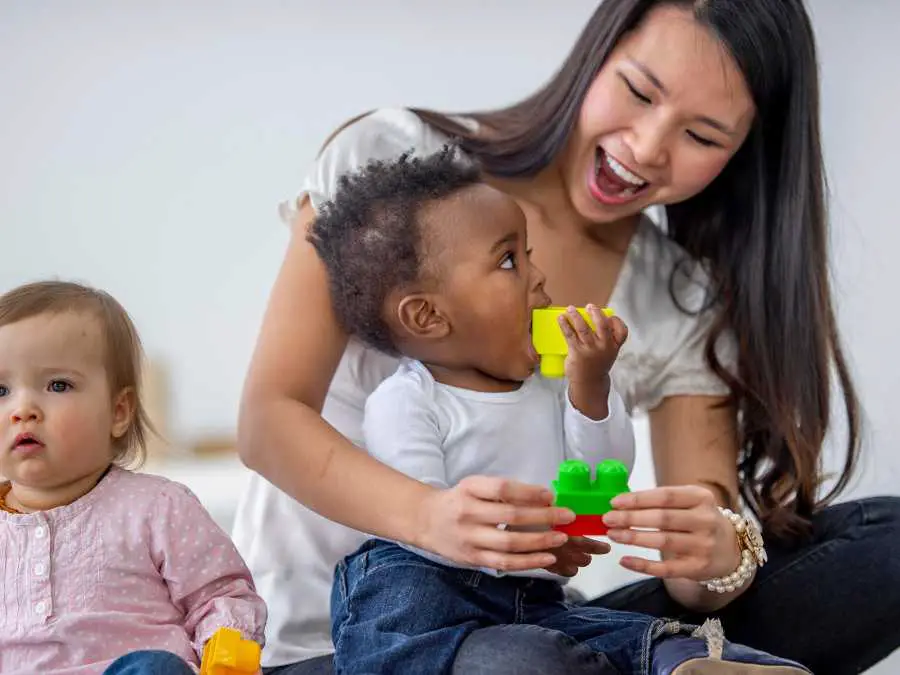 Busy environments, loud noises, and too much activity can overwhelm toddlers.
When they feel overstimulated, they may lash out because they do not know how to cope.
If you notice hitting happening in crowded or noisy places, consider creating opportunities for quiet breaks.
Even a few minutes in a calmer space can help them reset.
Managing their environment is just as important as managing their behavior.
12. Use short time-ins instead of time-outs
 Instead of sending your toddler away when they hit, try staying close and helping them calm down.
This approach, often called a time-in, focuses on connection rather than isolation.
Sit with them, keep your voice calm, and help them process what happened.
This teaches them how to regulate their emotions with support, rather than feeling alone or confused.
13. Model the behavior you want
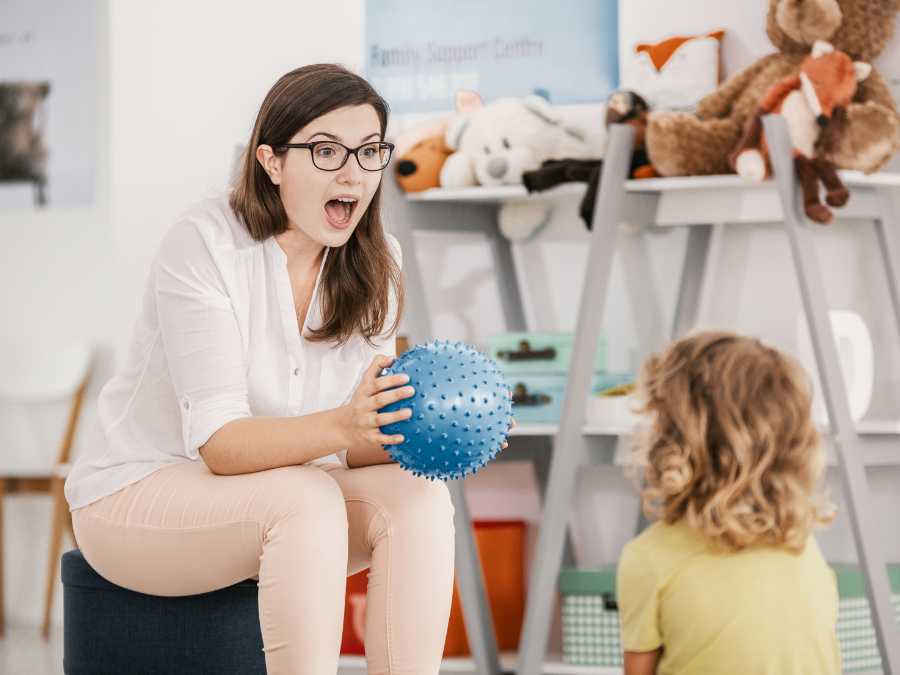 Your toddler is always watching you, even when you do not realize it.
The way you handle frustration, conflict, and stress becomes their example.
If they see you staying calm, using words, and showing respect, they are more likely to copy those behaviors.
Modeling does not mean being perfect, but it does mean being mindful of the example you set.
14. Keep routines predictable
 A predictable routine gives toddlers a sense of security.
When they know what to expect, they feel more in control of their world.
This reduces anxiety and emotional outbursts, including hitting.
Regular meal times, nap times, and play times create a stable environment that supports better behavior.
15. Avoid labeling your child
 It can be frustrating when your child hits repeatedly, but labeling them as “naughty” or “aggressive” does not help.
These labels can stick and shape how they see themselves.
Instead, focus on the behavior. Say things like “Hitting is not okay” rather than “You are bad.”
This separates the action from the child and encourages growth.
16. Prepare them before social situation
 Before going to a playdate or a busy place, take a moment to set expectations.
Keep it simple and clear, like “We use gentle hands with friends.” This helps your toddler know what is expected before situations become overwhelming.
Preparation can prevent many issues before they even start.
17. Limit exposure to aggressive behavior
 Children learn a lot from what they see, even if it is from other kids, older siblings, or media.
If they are frequently exposed to hitting or aggressive actions, they may imitate it.
Being mindful of their environment and gently correcting what they see can help shape their understanding of acceptable behavior.
18. Acknowledge their feelings, not the behavior
 It is important to separate feelings from actions.
You can let your toddler know that their emotions are valid while still setting limits on their behavior.
For example, “I see you are angry, but I won’t let you hit.”
This approach teaches them that feelings are okay, but certain actions are not.
19. Give them your attention before they demand it
 Sometimes hitting is a way for toddlers to get attention, especially if they feel overlooked.
Spending intentional time with your child, even in short bursts, can reduce this need.
Simple activities like playing together, reading, or talking can fill their emotional tank and make negative attention-seeking behaviors less likely.
20. Be patient with the process
 Learning not to hit is not something that happens overnight.
It takes time, repetition, and guidance.
There will be setbacks, and that is completely normal.
What matters most is your consistency and patience.
Over time, your efforts will pay off, even if progress feels slow at first.
21. Take care of yourself too
 Dealing with repeated hitting can be exhausting and emotionally draining.
It is important to recognize your own needs as well.
Taking small breaks, asking for support, or simply giving yourself a moment to breathe can help you stay calm and present.
When you are in a better state, you are better able to guide your child effectively.
Parenting a toddler through this stage can feel challenging, especially when hitting becomes a repeated pattern.
It is one of those moments that can leave you feeling tired, unsure, or even a bit discouraged at times.
But what is important to remember is that this behavior is not a reflection of failure, it is a reflection of development.
Your toddler is still learning how to understand big emotions, how to express them, and how to connect feelings with the right words and actions.
Progress often comes in small steps rather than sudden change.
There will be good days where everything seems to click, and there will also be days where old patterns show up again.
Both are part of the process.
What matters most is the steady guidance you provide, the consistency in your response, and the calm reassurance that helps your child feel safe while they learn.
With time, patience, and the right approach, your toddler will begin to replace hitting with healthier ways of communicating.
And as that happens, you will not only see a change in behavior, but also a growing ability in your child to express themselves with more confidence and understanding.