25 Ways To Set Boundaries As A Mom
Are you searching for ways to set boundaries as a mom, no worries you are in the right place.
We have curated 25 Creative ways to set boundaries as a mom you will love.
Motherhood has a way of stretching you in directions you never imagined, physically, emotionally, and mentally.
Somewhere between caring for everyone else and trying to keep your own head above water, it becomes easy to forget that your time, your energy, and your peace matter too.
The truth is, being a loving, present mom does not mean being endlessly available or saying yes to everything that comes your way.
Boundaries can feel uncomfortable at first, especially when you are used to putting others first.
You might worry about disappointing your children, your partner, or even yourself.
But creating space for your needs is not selfish, it is essential.
It is one of the quiet, powerful ways you teach your children about respect, balance, and self worth, not just through words, but through how you live your life every day.
This conversation is not about doing less for your family, it is about showing up in a way that feels sustainable, grounded, and true to who you are.
Because when you protect your energy, you are not taking away from your family, you are actually giving them a version of you that is more present, more patient, and more whole.
25 Creative Ways To Set Boundaries As A Mom
1. Turn “no” into a calm, confident sentence
 Many moms struggle with saying no without attaching a long explanation or apology.
The truth is, the more you explain, the more it can sound like your decision is open for negotiation.
A calm, simple response like “That won’t work for me” or “I’m not available for that” is enough.
The key is not just the words, but how you deliver them.
When you speak with quiet confidence, people begin to understand that your limits are not temporary or emotional, they are intentional.
Over time, this reduces pushback because your family learns that your no is not something that will easily turn into a yes.
2. Use “later” as a boundary tool
 Not every request deserves an immediate answer.
When your child asks for something or someone expects your time right away, saying “I’ll think about it” or “Let me get back to you” creates space between the request and your response.
That space is powerful.
It allows you to check in with your energy, your schedule, and your priorities instead of reacting out of habit or guilt.
It also teaches your children that they cannot always expect instant gratification, which is a valuable life skill in itself.
3. Create visible “mom is off duty” moments
 Boundaries become clearer when they are visible.
Instead of constantly announcing that you need a break, create consistent signals that show it.
Maybe it is sitting in a particular chair with a book, putting on headphones, or taking a quiet tea break at the same time every day.
These small, repeated actions help your children recognize that you are not always available, even without words.
At first, they may interrupt, but with consistency, they begin to respect that space as part of the household rhythm.
4. Let your schedule speak for you
 A well structured routine can quietly enforce boundaries without constant reminders.
When your day has clear blocks for meals, rest, family time, and personal time, it becomes easier to say no to things that do not fit.
For example, if evenings are reserved for winding down, you are less likely to accept last minute obligations or requests that drain you.
Instead of feeling like you are constantly rejecting people, your schedule becomes the reason, and it feels less personal to others.
5. Stop answering every call or message immediately
 There is an unspoken pressure to always be reachable, especially as a mom.
But constantly responding the moment your phone rings or buzzes can create the expectation that you are always on call.
Choosing to respond when it is convenient for you is a simple but powerful boundary.
It gives you control over your time and attention, and it helps break the cycle of urgency that is often unnecessary.
People will adjust, and you will feel less overwhelmed.
6. Give your children “independent time” daily
 Independent time is not about neglect, it is about growth, both for you and your children.
Setting aside time each day where your kids play or engage on their own teaches them creativity, patience, and self reliance.
It also gives you a much needed pause from constant interaction.
Start small if needed, and gradually increase the time.
When it becomes part of your routine, it stops feeling like a separation and starts feeling like a normal, healthy rhythm in your home.
7. Use gentle repetition instead of arguing
 When boundaries are new, they are often tested.
Instead of getting pulled into long explanations or emotional back and forth, try calmly repeating your response.
For example, “I understand you want that, but the answer is still no.” This approach keeps you grounded and avoids unnecessary conflict.
Repetition shows consistency, and consistency builds respect.
Over time, your family learns that pushing does not change your answer, so the pushing decreases.
8. Set limits around your physical space
 Physical boundaries are often overlooked, but they matter deeply.
Being constantly touched, climbed on, or interrupted can feel overwhelming, even if it comes from love.
It is okay to say, “I need a little space right now” or “My body needs a break.” Teaching your children to respect physical space helps them understand consent and personal comfort from an early age.
It also allows you to recharge without feeling guilty.
9. Turn chores into shared responsibility, not rescue missions
 It can be tempting to step in and fix everything, especially when it feels faster or easier.
But constantly rescuing your family from their responsibilities creates more work for you and less accountability for them.
By assigning age appropriate tasks and allowing others to handle their share, you create a more balanced home.
It may take longer at first, but in the long run, it reduces your mental and physical load significantly.
10. Create a “pause before yes” rule for yourself
 Saying yes too quickly often comes from habit, not intention.
By creating a personal rule to pause before agreeing to anything, you give yourself the chance to think.
Even a brief moment can help you recognize whether you truly have the time and energy.
This small shift can prevent overcommitment and resentment later on.
It helps you make choices that align with your capacity, not just with expectations.
11. Protect your mornings or nights intentionally
 Choosing a specific time of day that belongs to you can make a big difference in how you feel.
Even if it is a quiet morning before everyone wakes up or a peaceful moment at night, protecting that time sends a message that your needs matter too.
It does not have to be long, what matters is consistency.
Over time, this becomes something you and your family respect and protect.
12. Let natural consequences do the teaching
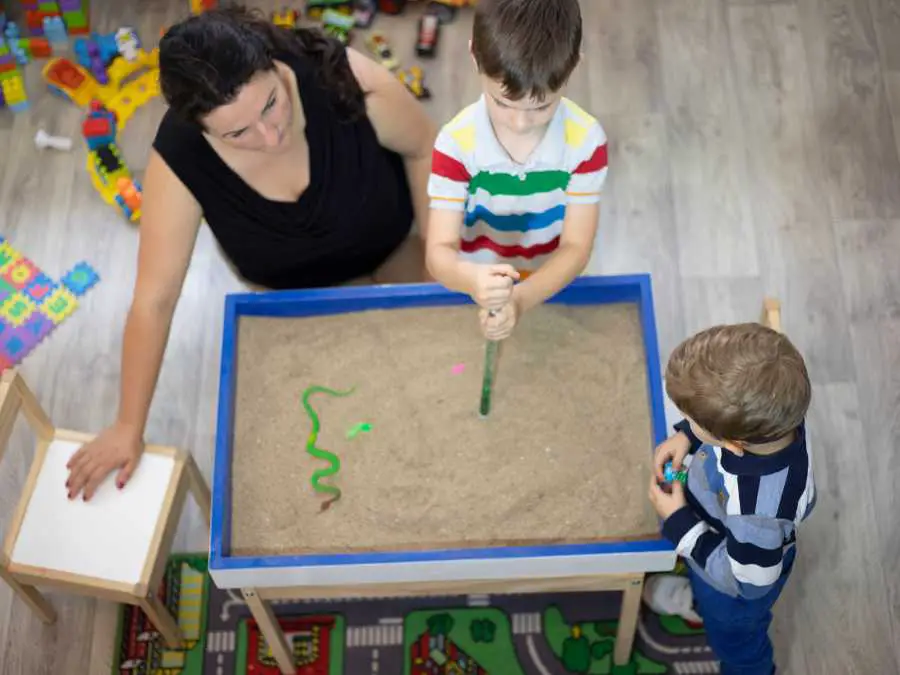 You do not have to solve every problem your child faces.
Allowing natural consequences to unfold, when safe to do so, teaches responsibility and independence.
If they forget something or make a mistake, experiencing the outcome helps them learn in a way that constant reminders cannot.
It also removes the pressure from you to be in control of every detail.
13. Say yes without sacrificing yourself
 Boundaries do not always mean saying no, sometimes they mean adjusting how you say yes.
You can agree to something while still protecting your time and energy.
For example, you might say, “Yes, we can do that tomorrow” or “Yes, but only for a short time.”
This approach allows you to stay engaged and supportive without stretching yourself too thin.
14. Set emotional boundaries, not just physical ones
 It is easy to feel responsible for everyone’s feelings, especially as a mom.
But emotional boundaries remind you that you are not in charge of how others react.
If someone is disappointed or upset because of your decision, that does not mean you made the wrong choice.
You can be kind and understanding without taking on their emotions as your responsibility.
15. Use routines to reduce negotiation
 When daily activities follow a predictable pattern, there is less room for constant discussion or resistance.
Bedtimes, meals, and screen time become expected parts of the day instead of ongoing debates.
This not only makes your life easier, but also provides a sense of security for your children.
They know what to expect, and you do not have to keep re establishing the same boundaries.
16. Stop explaining your decisions in detail
 It is natural to want to justify your choices, but too much explanation can weaken your boundaries.
A simple reason is enough, When you keep your responses clear and concise, it shows confidence and reduces the chance of your decision being challenged.
It also saves you emotional energy that can be better used elsewhere.
17. Build in “do nothing” time
 Rest is often seen as something you earn after everything else is done, but in reality, it is something you need regularly.
Scheduling time to simply sit, think, or do nothing at all can feel uncomfortable at first, but it is incredibly important.
Protecting this time helps you recharge and prevents burnout, making you more present in the long run.
18. Teach your kids to wait
 In a world that moves quickly, patience is a skill that needs to be taught.
When your children ask for something, it is okay to let them wait a few minutes.
This shows them that your time is valuable and not always immediately available.
It also helps them develop patience and resilience, which will benefit them far beyond childhood.
19. Say no to unnecessary guilt
 Guilt often shows up when you start setting boundaries, especially if you are not used to it.
But feeling guilty does not mean you are doing something wrong, it often means you are doing something different.
Recognizing this can help you move through the discomfort without giving up on your boundaries.
Over time, the guilt fades, and the benefits remain.
20. Use humor to soften firm limits
 Boundaries do not always have to feel serious or heavy.
Adding a bit of humor can make them easier to accept, especially with children.
A light tone can reduce tension while still keeping your message clear.
It allows you to hold your ground without creating unnecessary conflict.
21. Limit how much you take on for others outside your home
 Your energy is not unlimited, and spreading yourself too thin outside your home can leave you drained.
Being selective about what you commit to, whether it is social events, favors, or extra responsibilities, helps you protect your time.
It allows you to focus on what truly matters to you and your family.
22. Model self respect in small ways
 Your children learn more from what you do than what you say.
When they see you taking breaks, saying no, and valuing your own needs, they begin to understand that self respect is important.
These small actions teach them that boundaries are a normal and healthy part of life.
23. Create a personal “energy check” habit
 Before agreeing to anything, take a moment to ask yourself if you truly have the energy for it.
This quick check can help you avoid overcommitting and feeling overwhelmed later.
It keeps you connected to your own needs and helps you make more intentional choices.
24. Accept that boundaries may disappoint people
 Not everyone will like your limits, and that is okay.
Disappointment is a natural reaction, not a sign that you have done something wrong.
When you accept this, it becomes easier to stand firm without feeling the need to fix everyone’s feelings.
Respect often grows from consistency, even if it takes time.
25. Start small and stay consistent
 You do not have to change everything overnight.
In fact, trying to do too much at once can be overwhelming.
Start with one or two boundaries that feel most important to you and practice them consistently.
Small, steady changes build confidence and create lasting impact over time.
Motherhood asks a lot from you, often more than you feel you have to give in a single day.
That is exactly why boundaries are not a luxury, but a form of care, for you and for the people who depend on you.
When you start to protect your time, your energy, and your emotional space, you are not stepping away from your role as a mom, you are strengthening it in a way that makes it more sustainable and more honest.
The process will not always feel smooth.
Some days it may feel easier to fall back into old patterns, and other days you might second guess yourself.
That is normal. Boundaries are not built in a moment, they are built in repetition, in small decisions that slowly reshape how you move through your days.
What matters most is not perfection, but consistency.
Every time you choose to honor your limits, you are also teaching your children what self respect looks like in real life.
You are showing them that love and care do not require self neglect.
In the end, boundaries are not about creating distance between you and your family.
They are about creating a healthier closeness, one where you are not running on empty, and where your presence feels grounded, patient, and fully yours.