21 Emotional Regulation Activities For Kids
Are you searching for Emotional Regulation Activities For Kids, search no more you are in the right place.
We have curated 21 Emotional Regulation Activities For Kids you will love.
Children experience a wide range of emotions every day, from excitement and joy to frustration, disappointment, and anxiety.
While these feelings are a natural part of growing up, learning how to manage them in healthy ways is an important skill that can shape a child’s relationships, behavior, and overall well being.
Emotional regulation is not about suppressing emotions or expecting children to stay calm at all times.
Instead, it involves helping them understand their feelings, respond appropriately to challenges, and develop the confidence to navigate difficult situations.
As children grow, they encounter new experiences, social interactions, and expectations that can sometimes feel overwhelming.
Without the tools to process and manage their emotions, they may struggle to express themselves effectively or cope with everyday stress.
This is why emotional regulation plays such a vital role in a child’s development, supporting not only their emotional health but also their academic success, social connections, and resilience.
Fortunately, emotional regulation is a skill that can be nurtured and strengthened over time.
Through intentional support and age appropriate experiences, children can learn to recognize their emotions, build self awareness, and develop healthy coping habits that will benefit them throughout their lives.
21 Emotional Regulation Activities for Kids
1. Deep Breathing Exercises
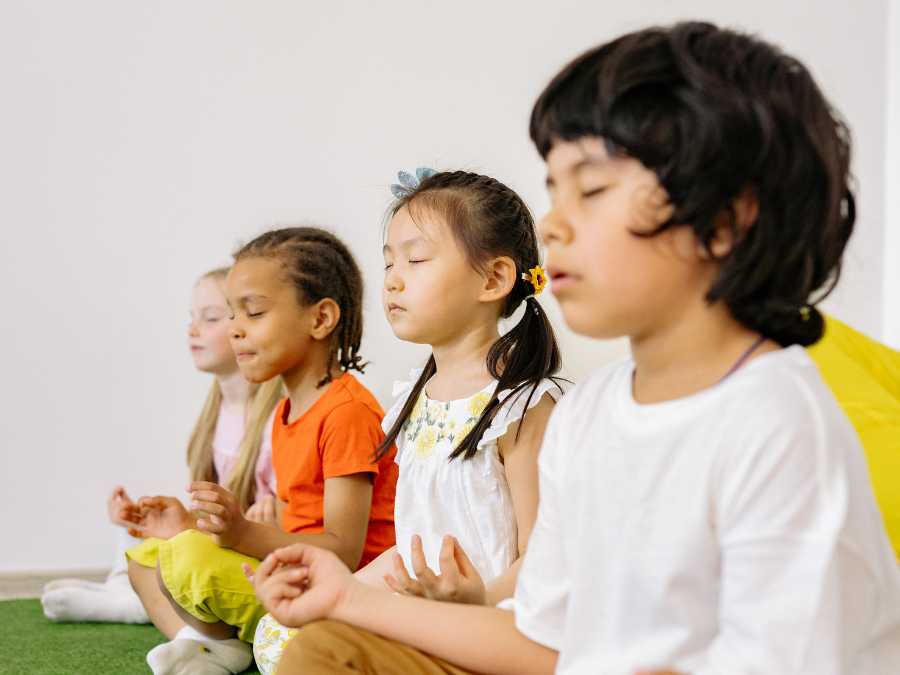 Deep breathing is one of the simplest and most effective ways to help children calm their minds and bodies.
When children feel overwhelmed, angry, or anxious, their breathing often becomes shallow and rapid.
Teaching them to slow their breathing can reduce stress and help them regain control of their emotions.
Ask children to take a slow breath in through their nose, hold it for a few seconds, and then slowly exhale through their mouth.
Encourage them to focus on the sensation of breathing rather than the emotion they are experiencing.
Practicing deep breathing regularly can make it easier for children to use this technique during emotionally challenging moments.
2. Emotion Charades

Emotion charades helps children identify and understand different feelings through play.
Write various emotions on small slips of paper and place them in a container.
Children take turns selecting an emotion and acting it out without speaking while others guess the feeling.
This activity encourages emotional awareness and helps children recognize facial expressions and body language associated with different emotions.
It also opens opportunities for conversations about what causes certain feelings and how to respond to them.
3. Feelings Journal
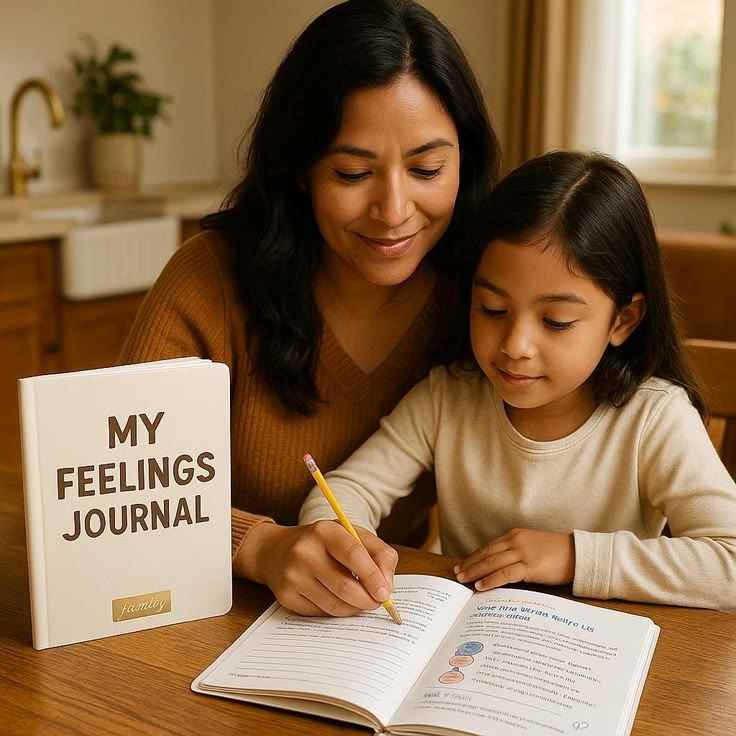
A feelings journal provides children with a safe space to express and explore their emotions.
Encourage children to write about their day, describe situations that triggered strong emotions, and explain how they responded.
For younger children who may not be comfortable writing, drawing pictures can serve the same purpose.
Over time, journaling helps children identify emotional patterns and develop greater self awareness.
4. Emotion Check In Circle
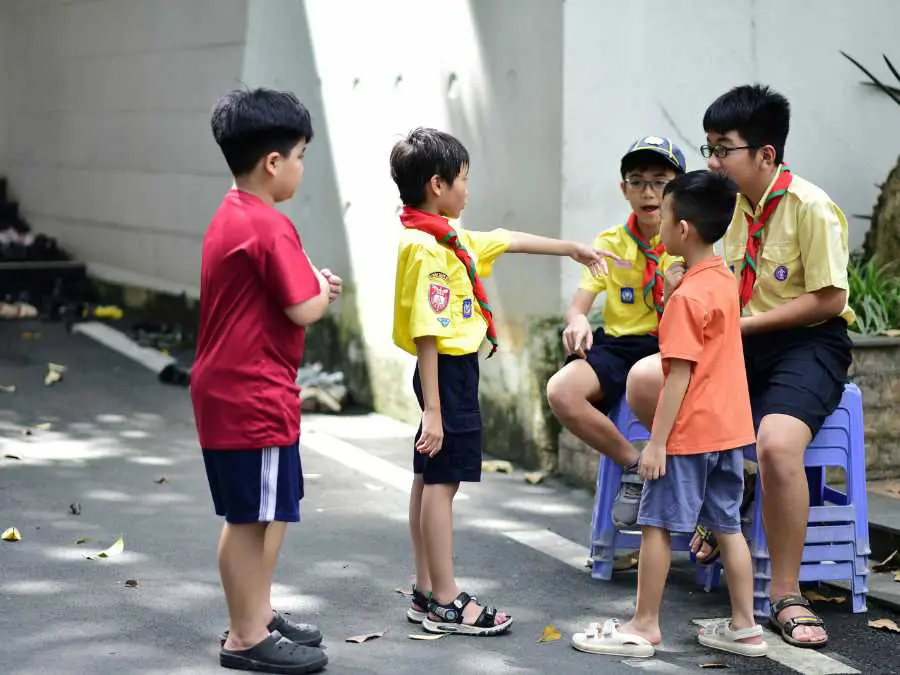 An emotion check in circle allows children to share how they are feeling in a supportive environment.
This activity works particularly well in classrooms or family settings.
Each child can take a turn describing their current emotion and, if they feel comfortable, explaining why they feel that way.
Listening to others helps children understand that everyone experiences emotions and that feelings are a normal part of life.
5. Calm Down Jar
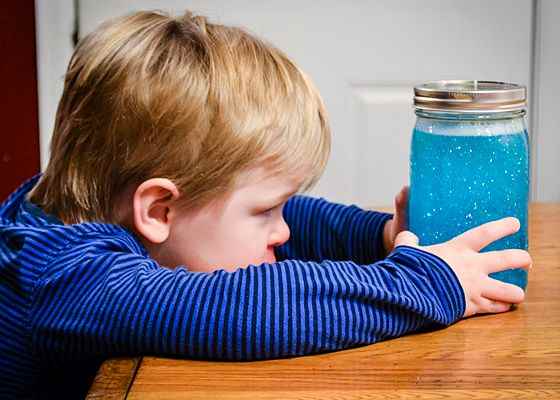
A calm down jar is a visual tool that helps children slow down and refocus when emotions become intense.
Fill a clear container with water, glitter, and a small amount of glue.
When a child feels upset, they can shake the jar and watch the glitter slowly settle.
The settling glitter serves as a reminder that emotions may feel chaotic at first but can gradually become calmer with time and patience.
6. Guided Imagery
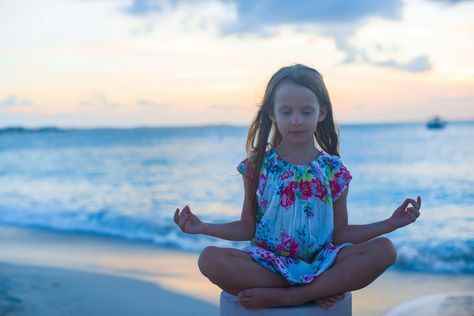
Guided imagery encourages children to use their imagination to create calming mental pictures.
Ask them to close their eyes and imagine a peaceful place, such as a beach, forest, or favorite playground.
Guide them through the scene by describing what they might see, hear, smell, and feel.
This activity helps reduce stress and promotes relaxation by shifting attention away from emotional distress.
7. Feelings Thermometer
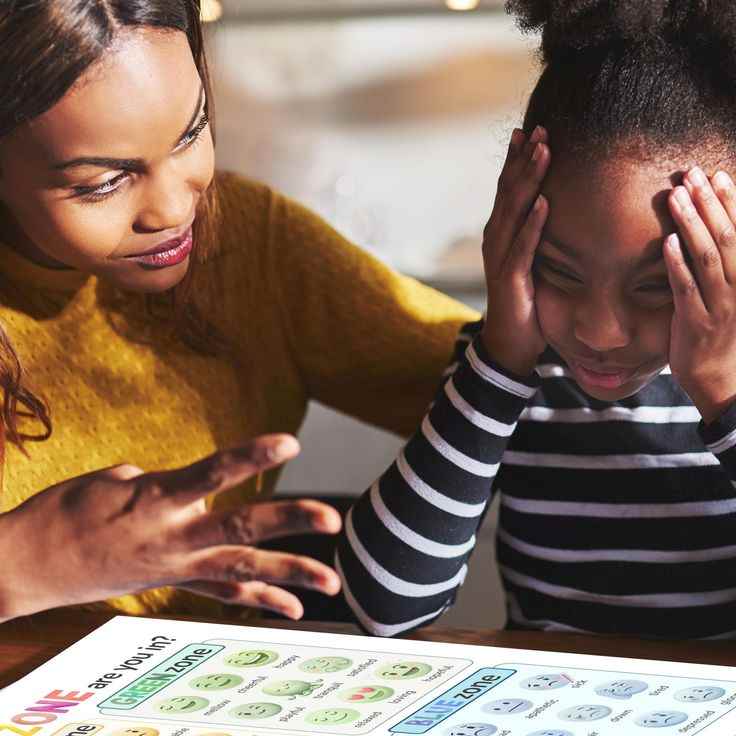
A feelings thermometer helps children measure the intensity of their emotions.
Create a visual scale ranging from calm at the bottom to extremely upset at the top.
When children experience strong emotions, ask them to point to where they are on the thermometer.
This encourages emotional awareness and helps them recognize when they may need coping strategies before emotions escalate further.
8. Yoga for Kids
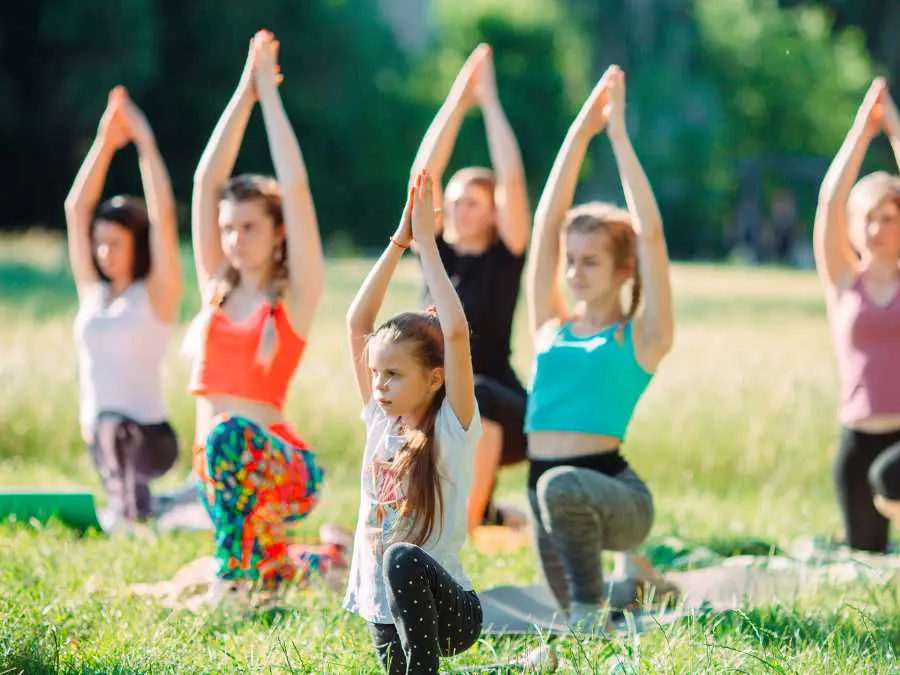 Yoga combines movement, breathing, and mindfulness to support emotional regulation.
Simple poses can help children relax, improve focus, and release physical tension associated with stress.
Regular yoga practice encourages body awareness and teaches children how physical sensations can be connected to emotions.
9. Storytelling About Feelings
 Stories provide a powerful way to explore emotions.
Read books that feature characters dealing with challenges, disappointment, excitement, or fear.
After reading, discuss how the characters felt, what caused those feelings, and how they managed them.
These discussions help children connect emotional concepts to real life situations.
10. Emotion Sorting Activity
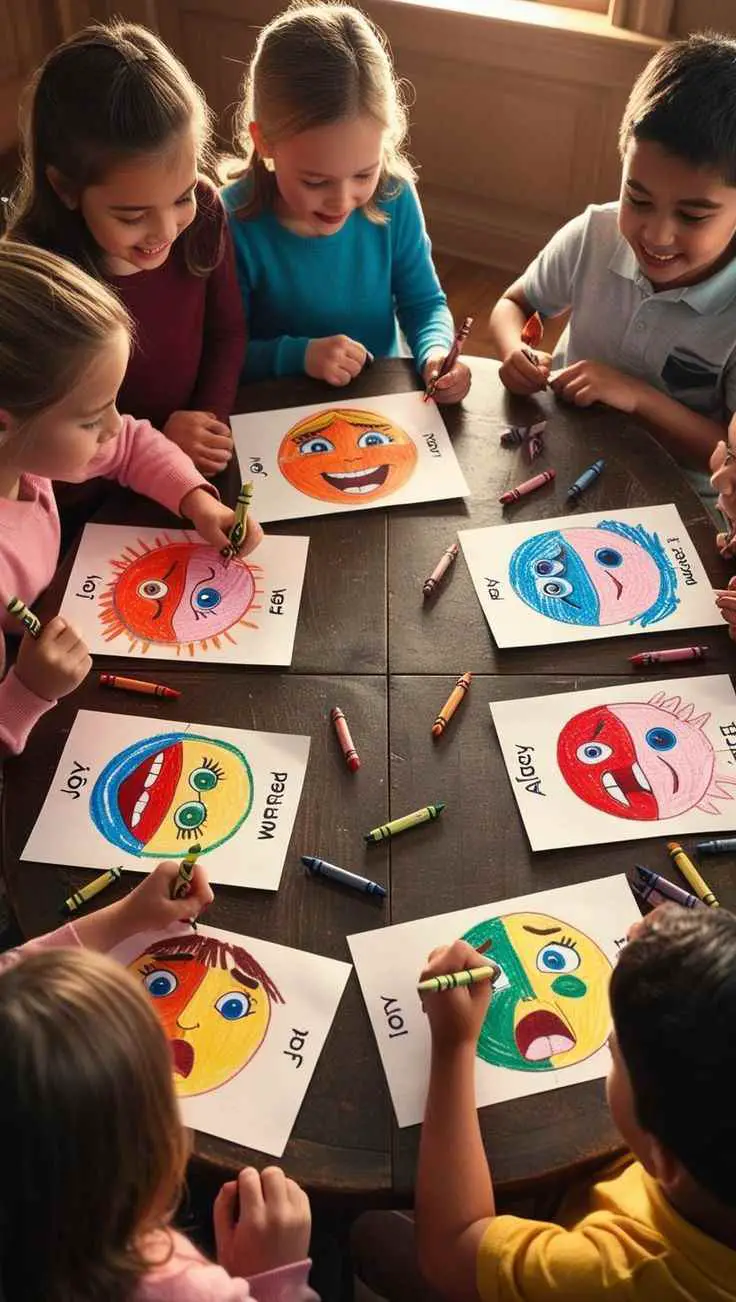
Create cards with different emotional words or facial expressions.
Ask children to sort them into categories such as pleasant feelings, unpleasant feelings, strong emotions, or mild emotions.
This activity strengthens emotional vocabulary and helps children better understand the wide range of feelings they may experience.
11. Music and Mood Exploration
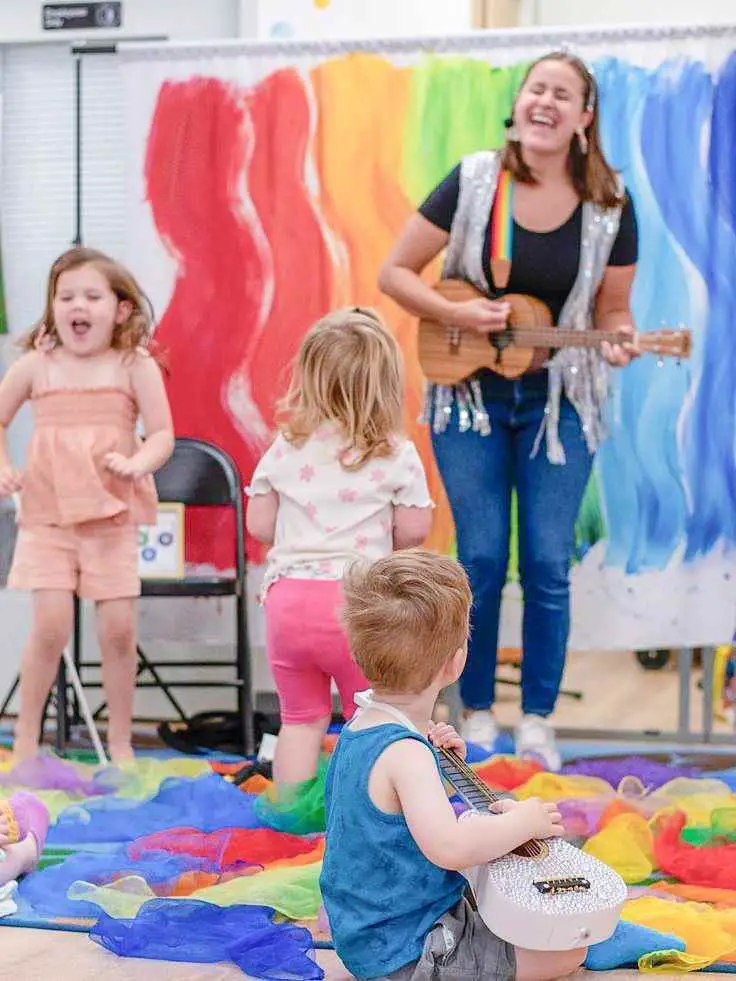
Music has a strong influence on emotions.
Play different types of music and ask children to identify how each piece makes them feel.
Discuss why certain songs create specific emotional responses.
This activity helps children become more aware of their emotional experiences and learn how music can be used to support emotional well being.
12. Mindful Coloring
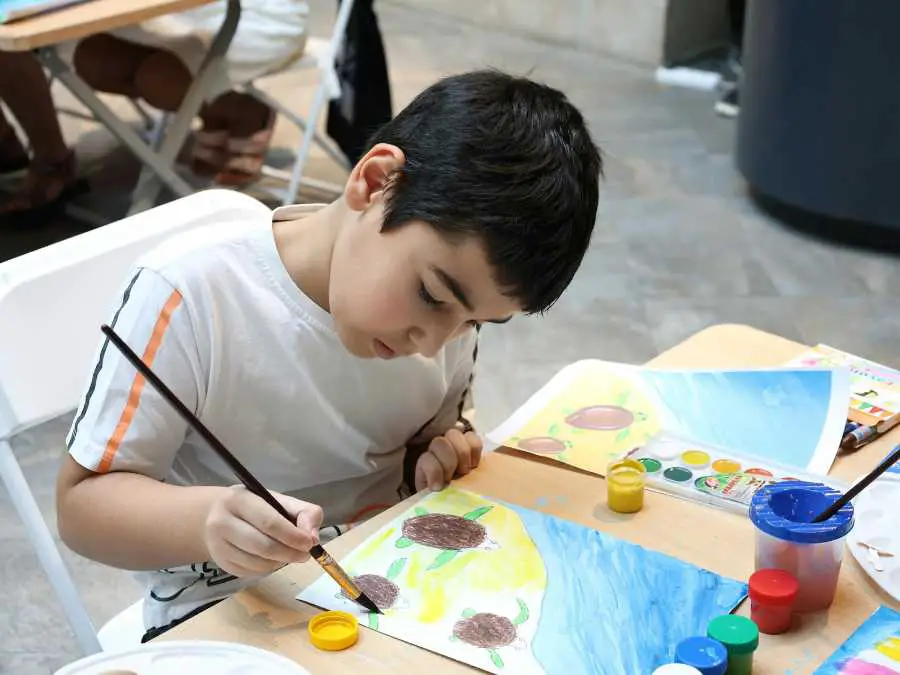 Coloring can provide a calming and focused activity for children experiencing stress or frustration.
Encourage children to concentrate on the colors, shapes, and movements of their coloring rather than rushing to finish.
Mindful coloring promotes relaxation and helps redirect attention away from overwhelming emotions.
13. Positive Affirmation Practice
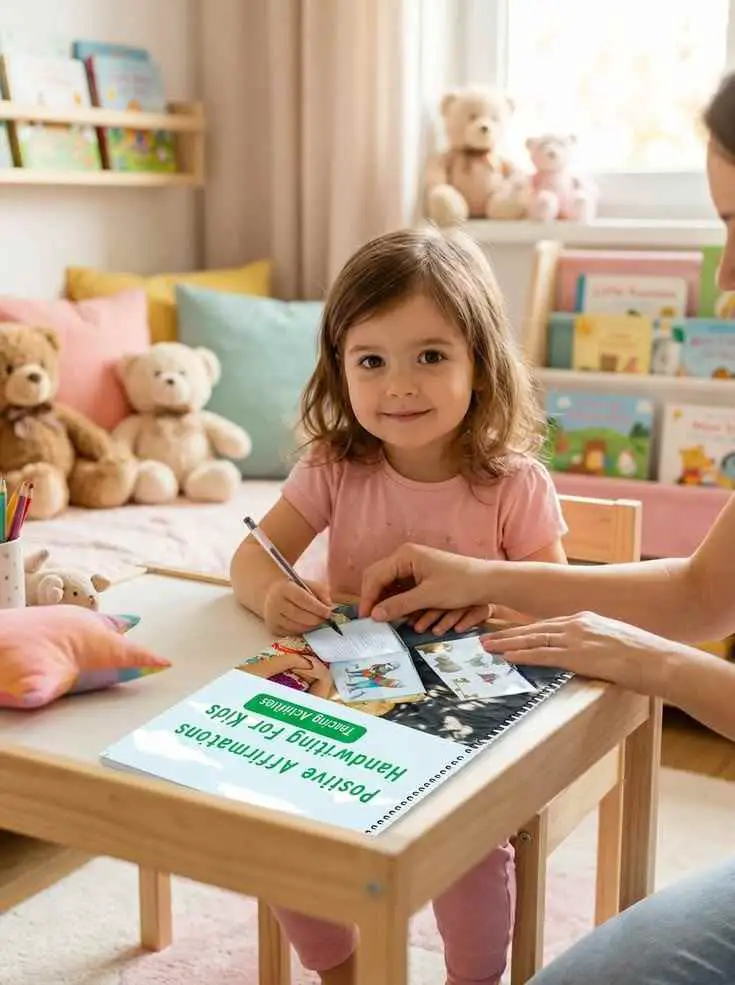
Positive affirmations help children build confidence and emotional resilience.
Encourage them to repeat statements such as “I can handle difficult situations” or “My feelings are important and manageable.”
Regular practice can help children develop a more positive and balanced view of themselves and their abilities.
14. Emotion Matching Games
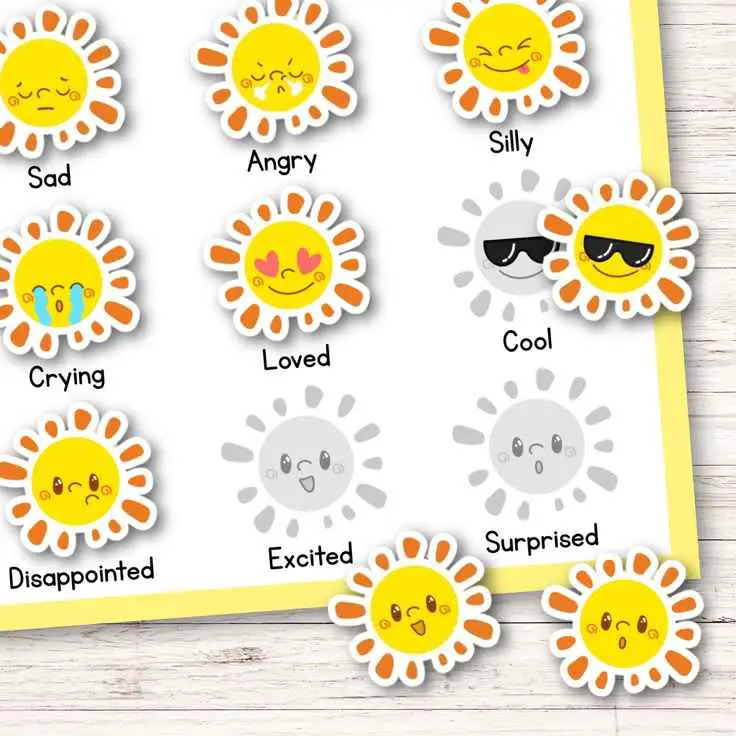
Create cards showing different emotional expressions and matching emotion words.
Children pair the facial expression with the correct feeling word.
This activity strengthens emotional recognition skills and expands emotional vocabulary, making it easier for children to communicate their feelings.
15. Nature Walk Reflection
 Spending time outdoors can have a calming effect on children.
During a nature walk, encourage children to observe their surroundings carefully and discuss what they notice.
Afterward, ask how the experience affected their mood.
Connecting with nature can reduce stress and promote emotional balance.
16. Bubble Breathing
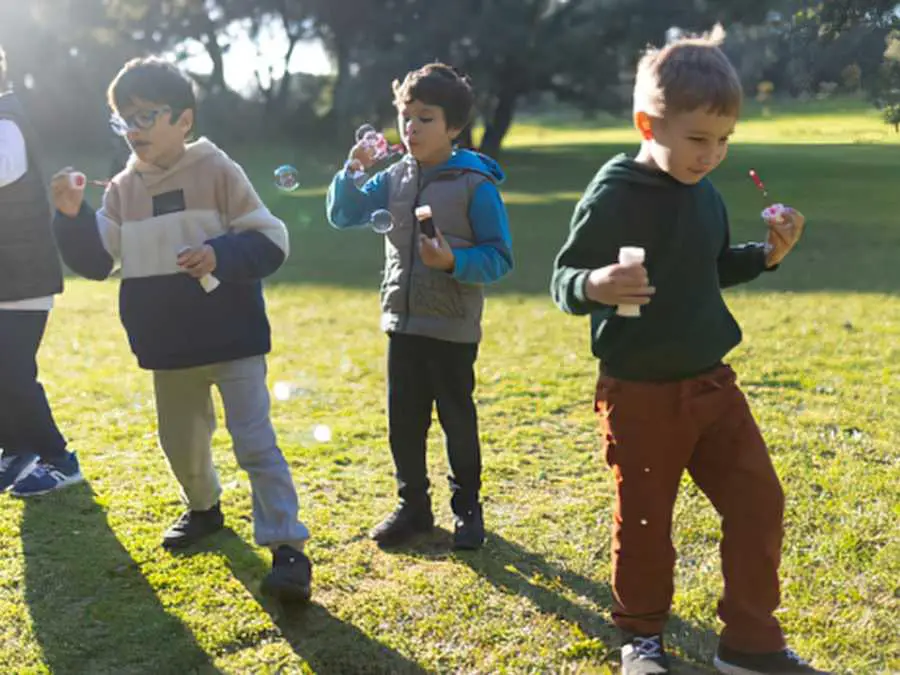 Bubble breathing combines play with emotional regulation.
Give children bubble solution and encourage them to blow slow, gentle bubbles.
Since blowing large bubbles requires controlled breathing, children naturally practice calming breaths while enjoying a fun activity.
17. Gratitude Practice
 Gratitude helps shift focus from negative emotions to positive experiences.
Encourage children to identify a few things they appreciate each day.
These can be simple, such as a favorite meal, a kind friend, or a fun activity.
Regular gratitude practice can improve emotional well being and foster a positive mindset.
18. Role Playing Difficult Situations
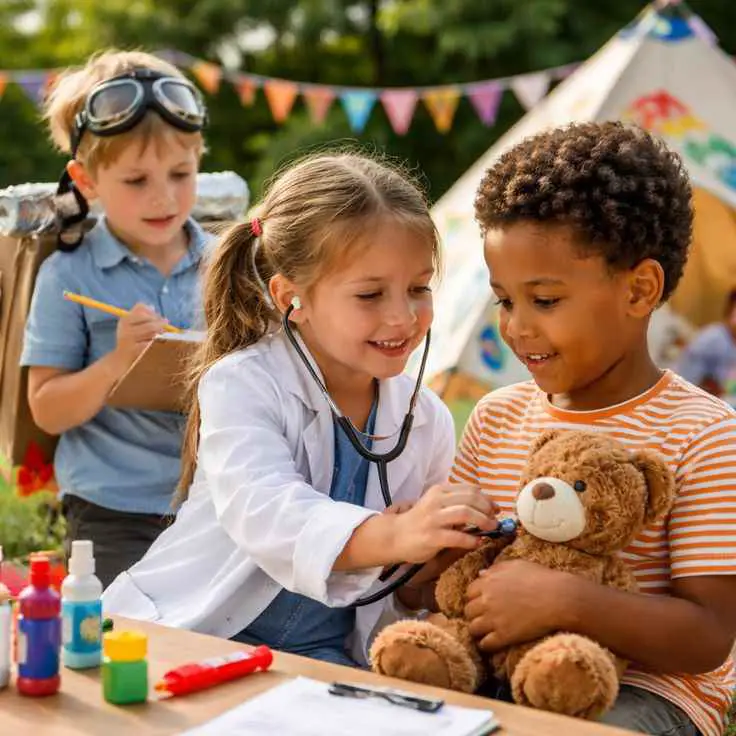
Role playing allows children to practice handling challenging emotions in a safe environment.
Create scenarios involving disappointment, frustration, or conflict and act them out together.
Discuss different ways to respond and explore the potential outcomes of each choice.
This helps children build problem solving and emotional coping skills.
19. Sensory Exploration Box
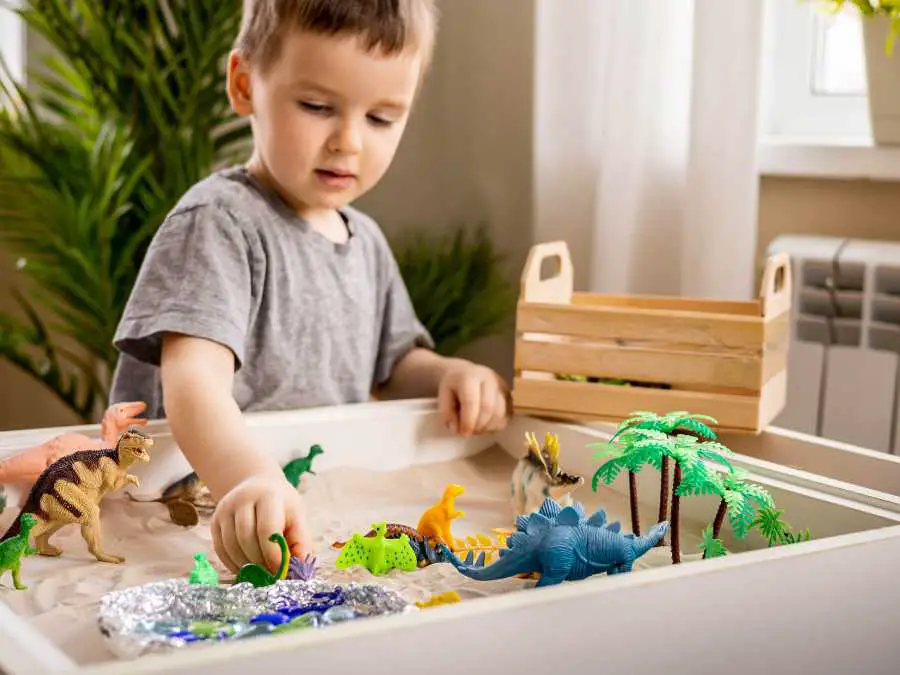 Fill a box with calming sensory items such as soft fabrics, stress balls, textured objects, or scented materials.
When children feel overwhelmed, they can explore the items using their senses.
Sensory experiences can help children ground themselves and regain emotional control during stressful moments.
20. Emotion Drawing Activity
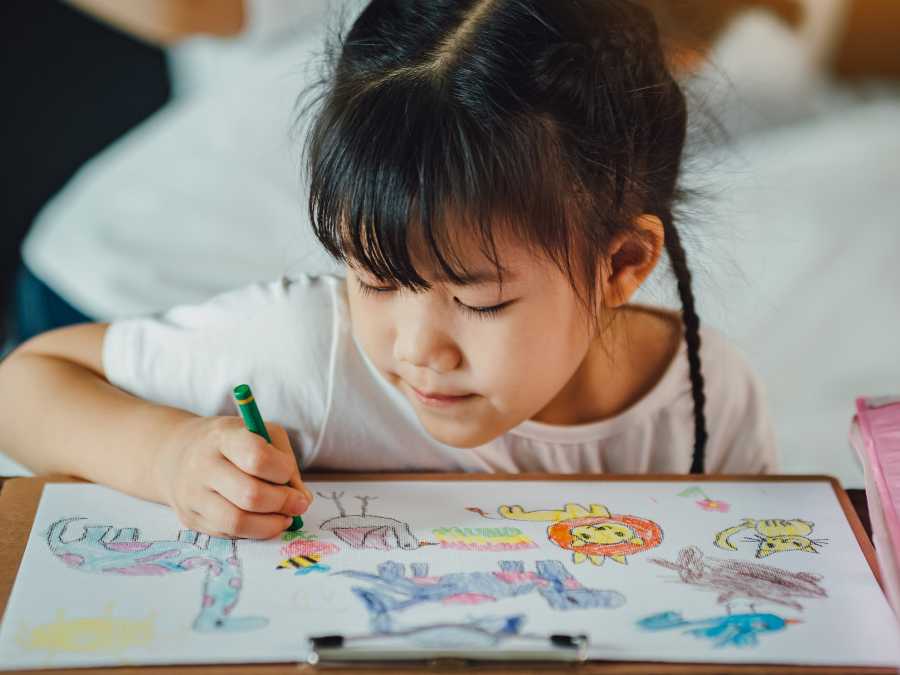 Ask children to draw what a specific emotion looks like to them.
They might use colors, shapes, or symbols to represent feelings such as happiness, anger, sadness, or excitement.
Afterward, discuss the artwork and what it reveals about their emotional experiences.
This activity encourages emotional expression in a creative and non threatening way.
21. Mindfulness Listening Exercise
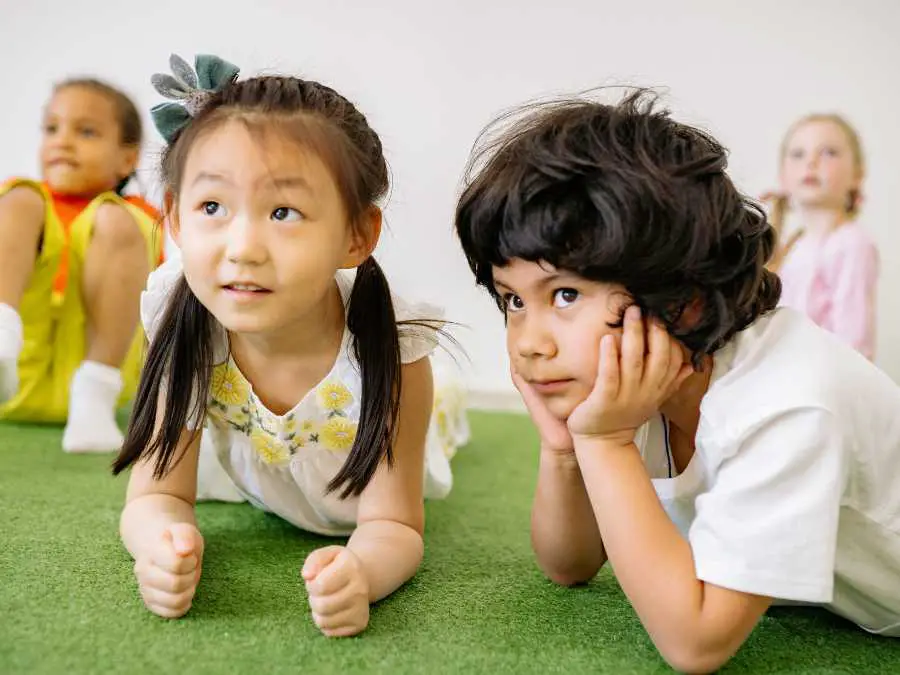 Invite children to sit quietly and focus on the sounds around them for a few minutes.
They might notice birds, distant traffic, voices, or the sound of a fan.
After the exercise, discuss what they heard and how focusing on sounds affected their feelings.
Mindfulness listening improves attention, promotes calmness, and helps children become more present in the moment.
Conclusion
Helping children develop emotional regulation skills is one of the most valuable investments adults can make in their growth and well being.
As children learn to recognize, understand, and manage their emotions, they become better equipped to handle challenges, build healthy relationships, and navigate everyday situations with greater confidence.
While emotional regulation does not happen overnight, consistent guidance, patience, and practice can make a meaningful difference over time.
The activities discussed in this article offer simple yet effective ways to support children as they develop these important life skills.
Every child is unique, so it may take some exploration to discover which approaches work best for their personality and needs.
What matters most is creating a supportive environment where children feel safe expressing their emotions and learning from their experiences.
By encouraging emotional awareness and providing opportunities to practice healthy coping skills, parents, teachers, and caregivers can help children build a strong foundation for emotional resilience that will benefit them throughout childhood and well into adulthood.