29 Innovative Learning Activities For Toddlers
Are you searching for creative ways to style your learning activities for toddlers, no worries you are in the right place.
We have curated 29 Creative learning activities for toddlers you will love.
There is something quietly magical about the way toddlers experience the world.
Every sound, texture, and color feels brand new, and their curiosity seems almost limitless.
At this stage, learning is not something separate from play, it is woven into every moment, from stacking blocks to splashing water.
For parents and caregivers, this presents both an opportunity and a challenge, how do you nurture that natural curiosity in ways that feel joyful rather than forced?
Creative learning activities offer a gentle answer.
They invite toddlers to explore, imagine, and express themselves while building important skills without even realizing it.
More importantly, these moments create connection, turning everyday interactions into meaningful experiences that shape how children see themselves and the world around them.
29 Creative Learning Activities For Toddlers
1. Sensory Bins
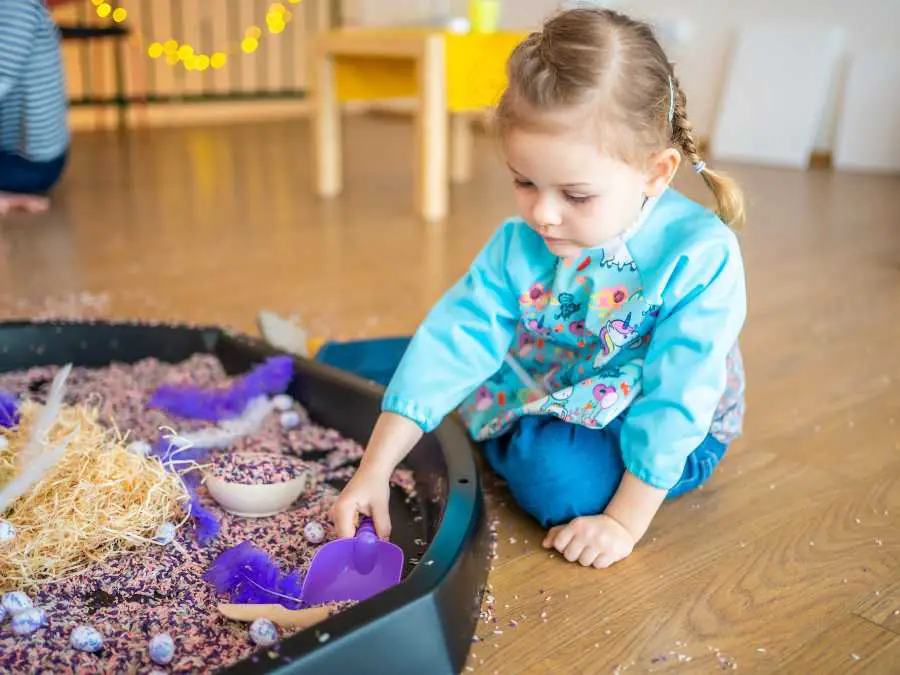 Sensory bins are a simple yet powerful way to engage a toddler’s curiosity.
You can fill a shallow container with materials like rice, beans, sand, or even water, then add scoops, cups, or small toys for exploration.
As toddlers dig, pour, and sift through the materials, they are not just playing, they are learning how different textures feel and how objects interact.
This kind of hands on activity strengthens fine motor skills and introduces early problem solving, as they figure out how to move items from one place to another.
It also encourages focus, as many toddlers can stay engaged for surprisingly long periods when immersed in sensory play.
2. Finger Painting
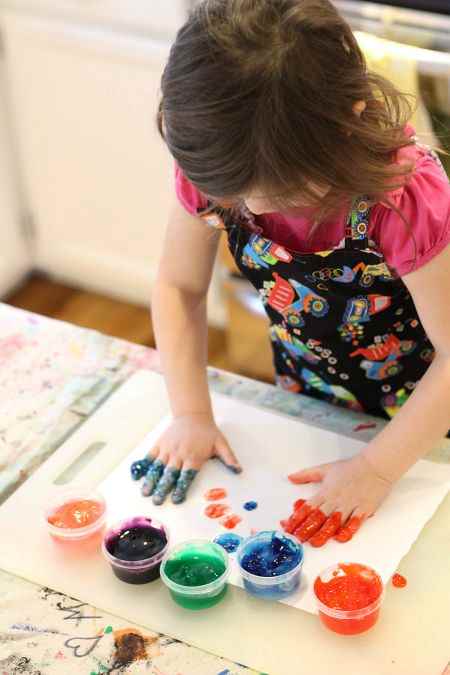
Finger painting allows toddlers to explore creativity without limits or expectations.
Instead of using brushes, they use their hands to spread paint across paper, which makes the experience more tactile and engaging.
As they swirl colors and create patterns, they begin to understand cause and effect, like how mixing colors can produce something new.
This activity also helps build the small muscles in their hands and fingers, which are essential for later skills like writing.
Beyond development, it gives toddlers a sense of freedom and self expression, allowing them to create without needing to “get it right.”
3. Storytelling with Picture Cards
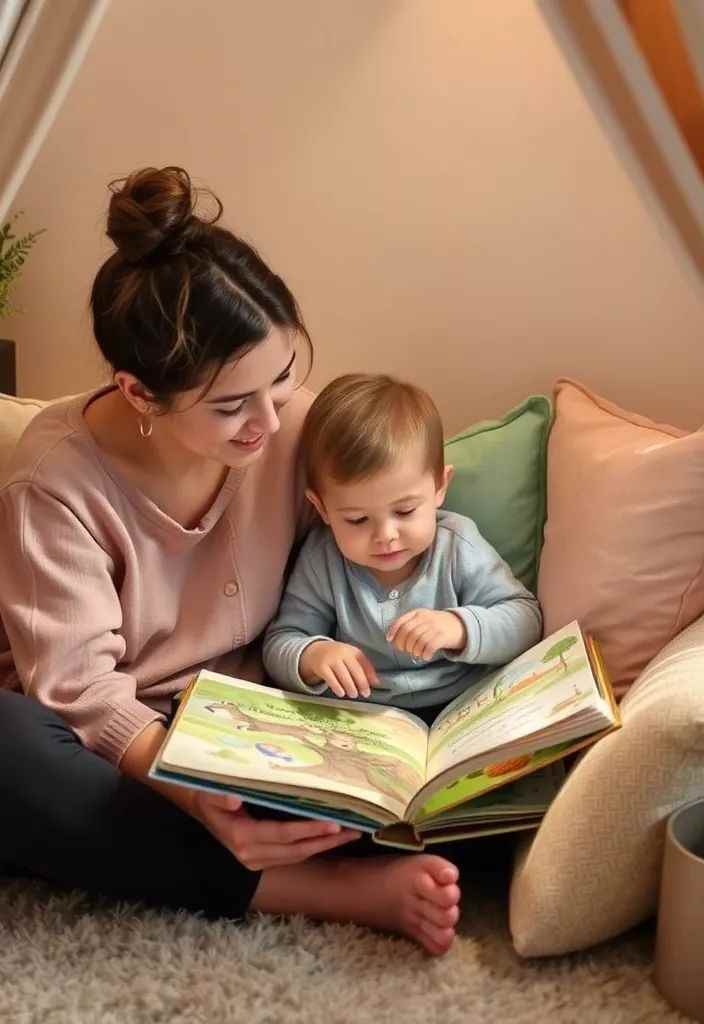
Using picture cards to tell simple stories is a great way to build early language skills.
Show your toddler an image and ask open ended questions about what they see, even if their response is just a few words or gestures.
Over time, they begin to connect visuals with language and meaning.
This activity also nurtures imagination, as toddlers start to create their own little narratives.
It encourages communication in a low pressure way, helping them feel confident using words, sounds, or even facial expressions to share their thoughts.
4. Building Blocks Play
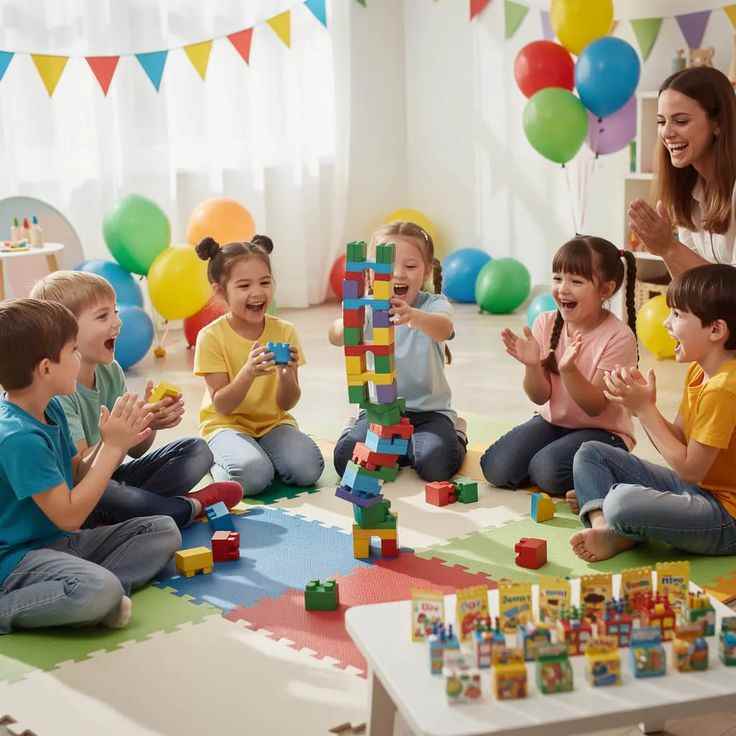
Playing with blocks might look simple, but it offers deep learning opportunities.
Toddlers experiment with stacking, balancing, and knocking things down, which helps them understand spatial awareness and basic engineering concepts.
When a tower falls, they learn persistence by trying again.
Blocks also introduce early math ideas like size, shape, and symmetry.
As toddlers grow more confident, they begin to build more complex structures, which boosts both creativity and problem solving skills.
5. Music and Movement Time

Music naturally draws toddlers in, and adding movement makes it even more engaging.
Playing songs and encouraging your child to dance, clap, or sway helps develop coordination and rhythm.
It also supports emotional expression, as toddlers often use movement to show how they feel.
Different types of music can expose them to varying sounds and patterns, enhancing listening skills.
This activity is especially helpful for releasing energy in a positive way while strengthening body awareness.
6. Nature Walk Exploration
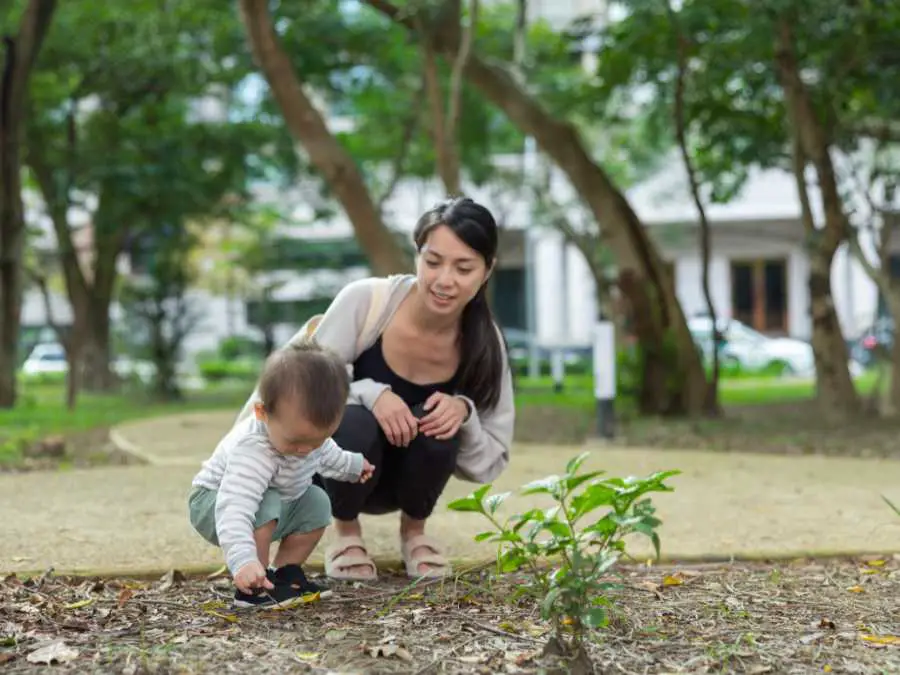 A simple walk outside can turn into a rich learning experience for a toddler.
Encourage them to notice leaves, stones, birds, and other elements in their environment.
Let them collect small items and talk about what they see, hear, and feel.
This helps develop observation skills and introduces basic science concepts in a natural setting.
Nature walks also stimulate curiosity and provide a calm, open space for exploration, which can be refreshing for both toddlers and caregivers.
7. Sorting Games
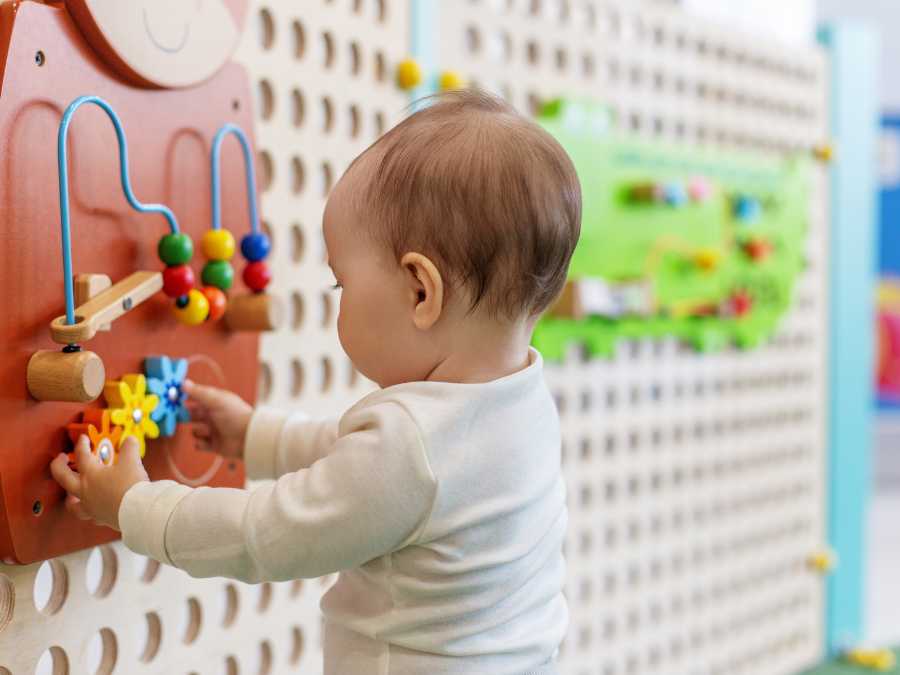 Sorting activities help toddlers begin to make sense of the world around them.
You can give them objects in different colors, shapes, or sizes and encourage them to group similar items together.
As they do this, they are learning classification, an important early math skill.
It also strengthens their attention span and ability to notice patterns.
Over time, you can increase the challenge by mixing more categories or asking them to explain their choices.
8. Water Play Activities
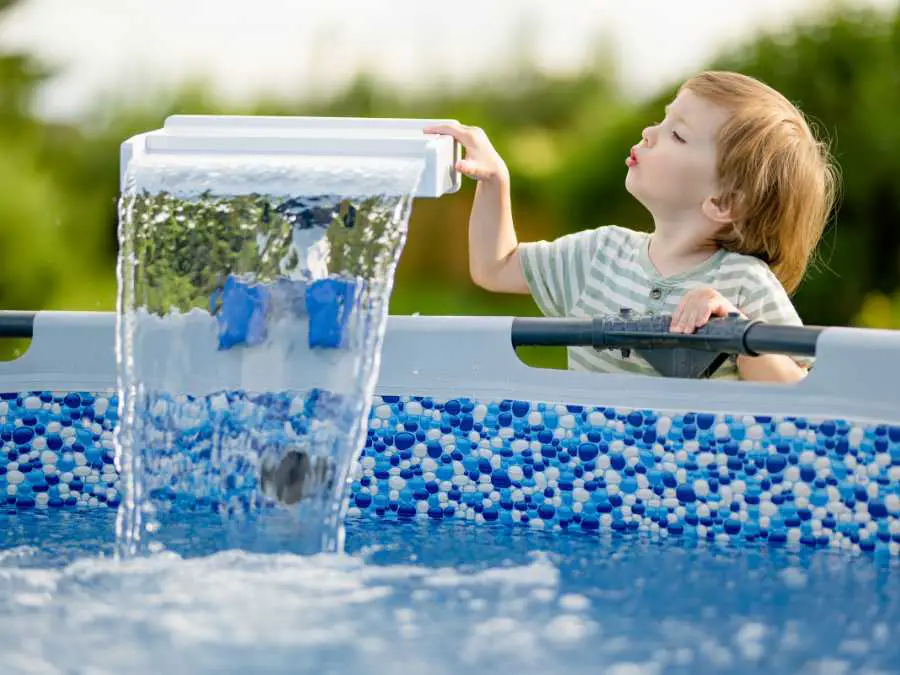 Water play is both calming and exciting for toddlers.
With just a bowl of water and a few cups or spoons, they can pour, scoop, and experiment freely.
This introduces concepts like volume, empty and full, and cause and effect.
It also enhances fine motor coordination as they try to control their movements.
Because water play feels less structured, toddlers often explore more confidently, making it a great way to encourage independent learning.
9. Simple Puzzle Solving
 Puzzles designed for toddlers usually have large, easy to handle pieces that fit into specific spaces.
As they try to match pieces correctly, they develop problem solving skills and hand eye coordination.
Puzzles also teach patience, as toddlers may need to try several times before getting it right.
Over time, they begin to recognize patterns and shapes more quickly, which builds confidence and a sense of achievement.
10. Pretend Play with Toys
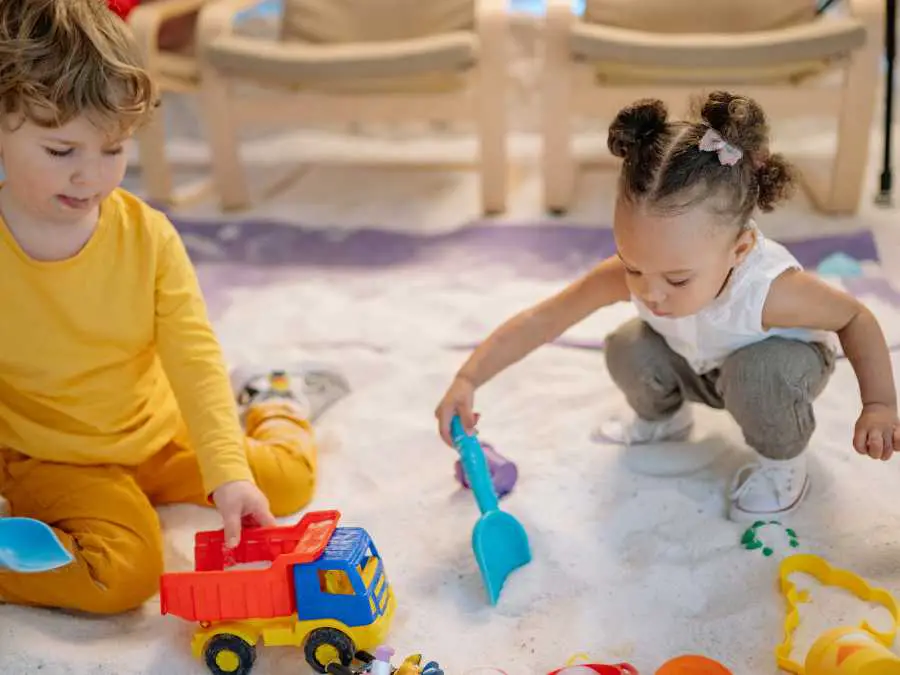 Pretend play allows toddlers to make sense of the world by acting out familiar situations.
Even dou they are feeding a doll or pretending to cook, they are practicing social roles and developing empathy.
This kind of play encourages imagination and helps toddlers express thoughts and emotions that they may not yet have words for.
It also supports language development, as they often talk through their actions while playing.
11. Crayon Scribbling
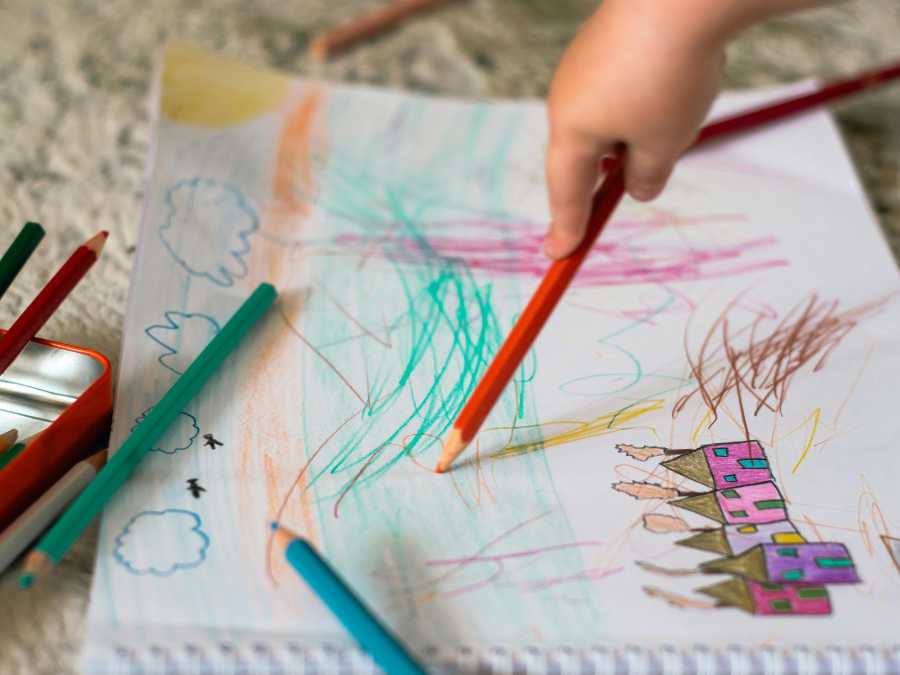 Scribbling with crayons might seem basic, but it is an important step in early development.
As toddlers move crayons across paper, they are building control over their hand movements.
This activity lays the foundation for writing later on.
It also allows for creative expression without pressure, giving toddlers the freedom to explore marks, shapes, and colors in their own way.
12. Singing Nursery Rhymes
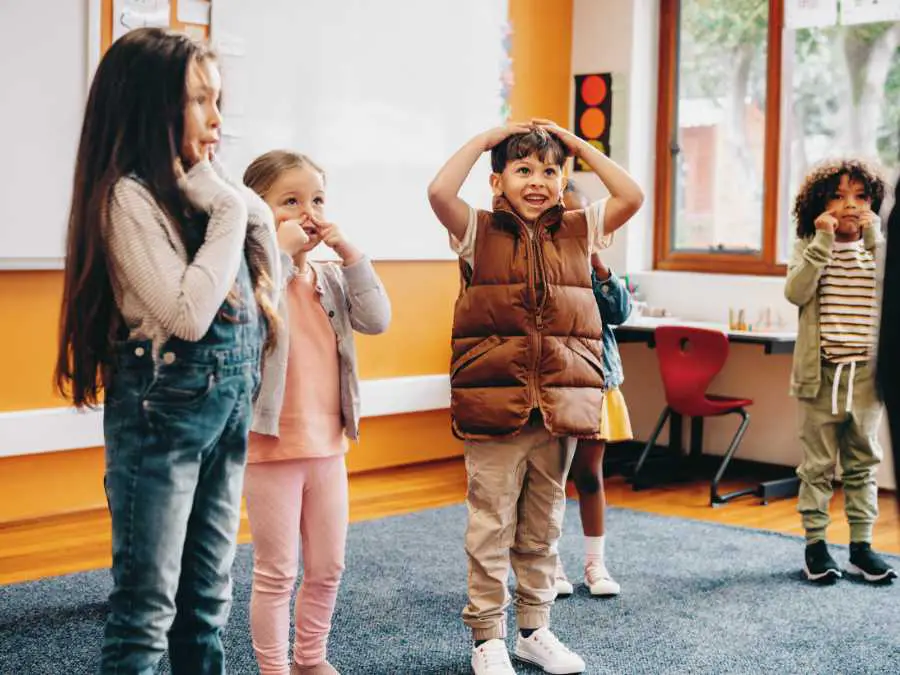 Nursery rhymes are more than just fun songs, they are tools for language development.
Repetition helps toddlers recognize sounds, rhythms, and word patterns.
Singing together also strengthens memory and listening skills.
Over time, toddlers may begin to join in, repeating words or phrases, which builds confidence in communication.
13. Matching Games
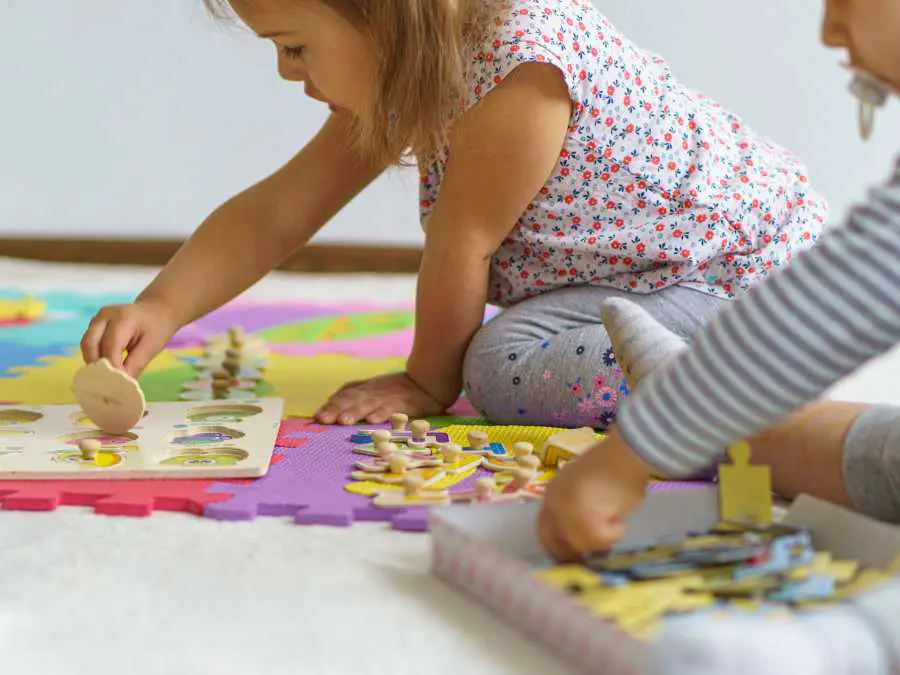 Matching games encourage toddlers to identify similarities and differences.
Whether using cards, toys, or everyday objects, finding pairs helps develop memory and attention to detail.
This activity also strengthens visual recognition skills and can be adjusted in difficulty as the child grows.
14. Playdough Creations
 Playdough offers endless opportunities for creativity and sensory exploration.
Toddlers can squeeze, roll, flatten, and shape it into anything they imagine.
These actions strengthen hand muscles and improve coordination.
It also provides a calming effect, making it a great activity for quiet playtime.
15. Obstacle Course at Home
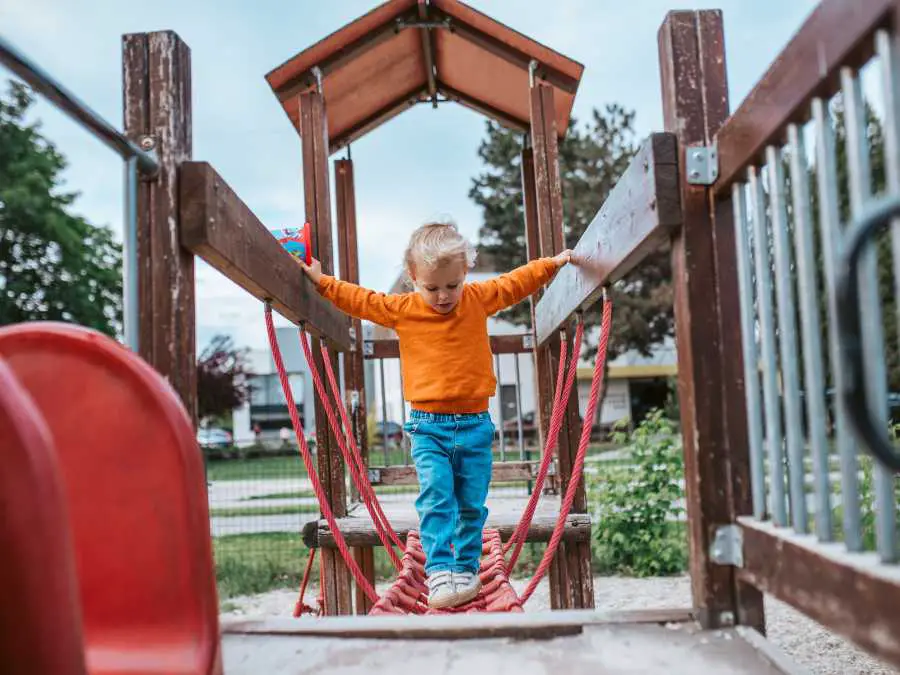 Creating a simple obstacle course using pillows, boxes, or furniture can turn your living space into an adventure zone.
Toddlers can crawl under, climb over, and move around obstacles, which improves balance and coordination.
It also builds confidence as they navigate new challenges and complete the course.
16. Color Mixing Experiments
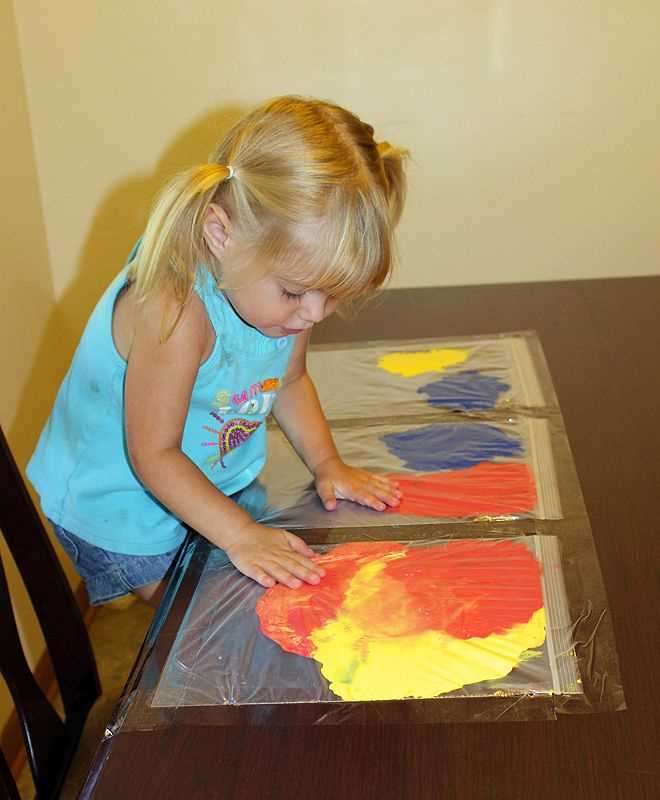
Introducing toddlers to color mixing can feel almost magical to them.
By combining two colors of paint and watching a new one appear, they begin to understand basic science concepts.
This activity encourages curiosity and experimentation, as toddlers often want to try different combinations to see what happens next.
17. Sticker Play
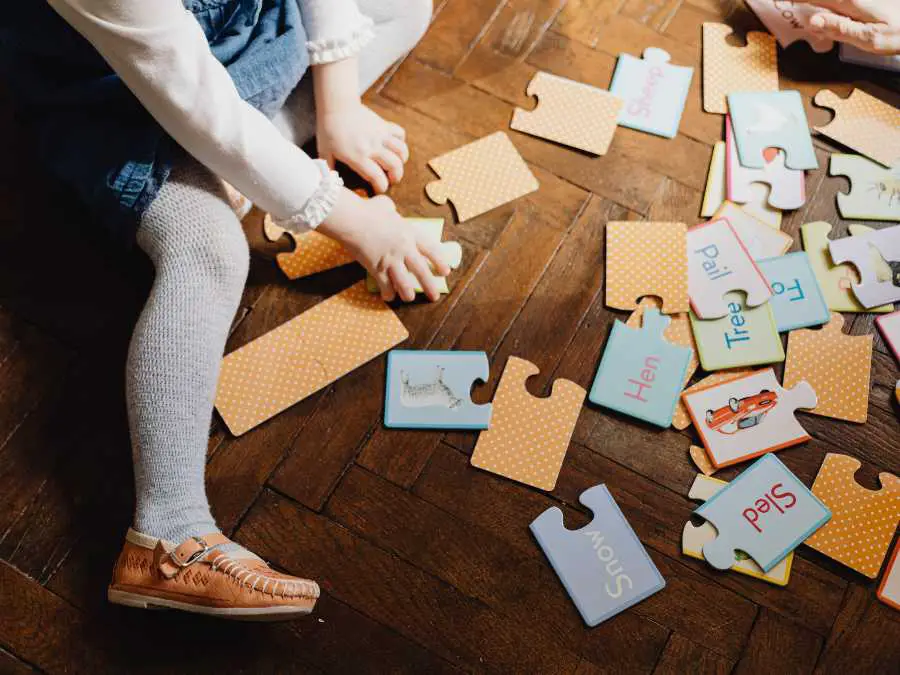 Peeling and sticking stickers may seem simple, but it requires focus and coordination.
This activity strengthens the pincer grip, which is important for writing and other fine motor tasks.
It also allows toddlers to create their own designs, encouraging creativity and independence.
18. Mirror Play
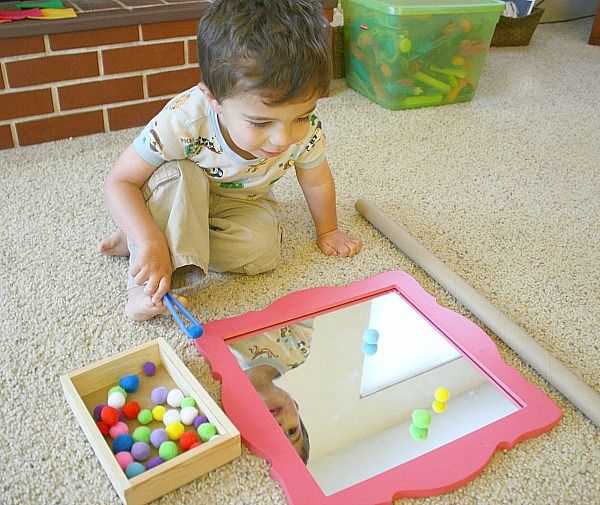
Looking into a mirror can be fascinating for toddlers.
They begin to recognize themselves and experiment with facial expressions and movements.
This helps build self awareness and emotional understanding, as they connect what they feel with what they see.
19. Simple Cooking Tasks
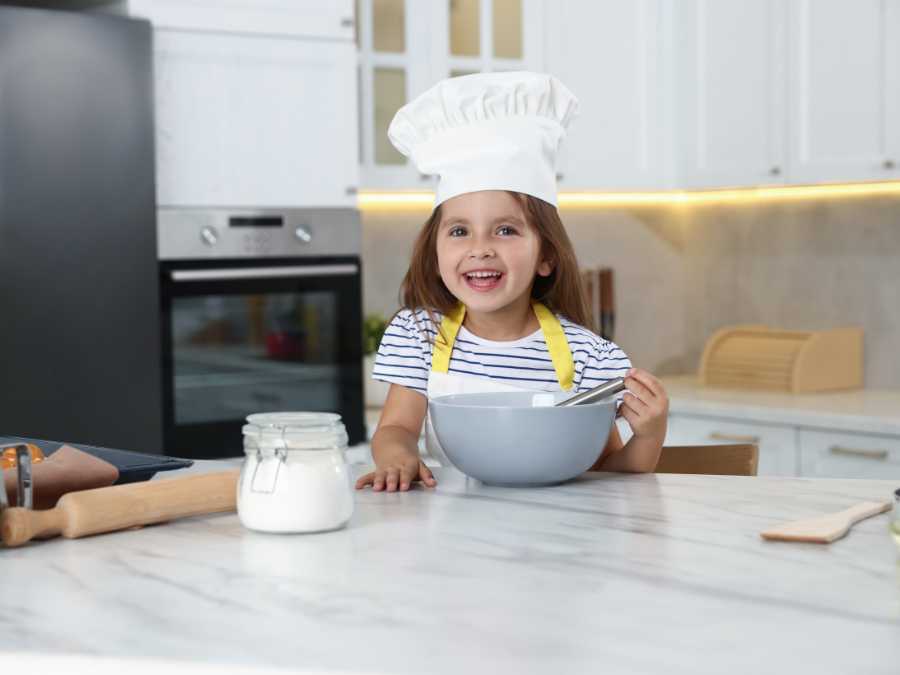 Involving toddlers in the kitchen, even in small ways, can be both fun and educational.
Tasks like stirring, pouring, or mixing introduce sequencing and basic concepts like measuring.
It also builds confidence, as toddlers feel included in real life activities.
The sensory experience of touching and smelling ingredients adds another layer of learning.
20. Animal Sound Games
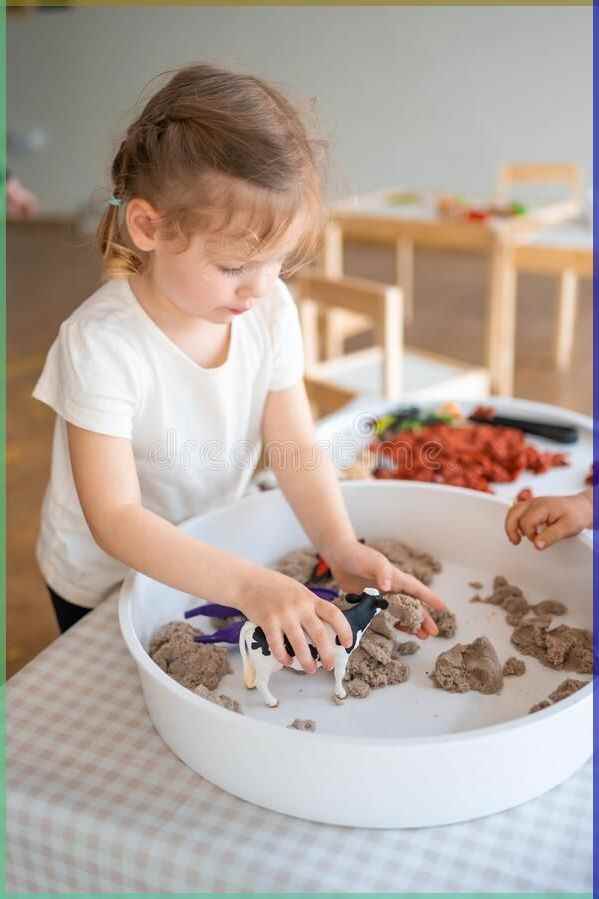
Making and identifying animal sounds is a playful way to support language development.
Toddlers learn to associate sounds with specific animals, which strengthens memory and listening skills.
It also encourages imitation, an important part of early learning.
21. Shape Sorting Toys
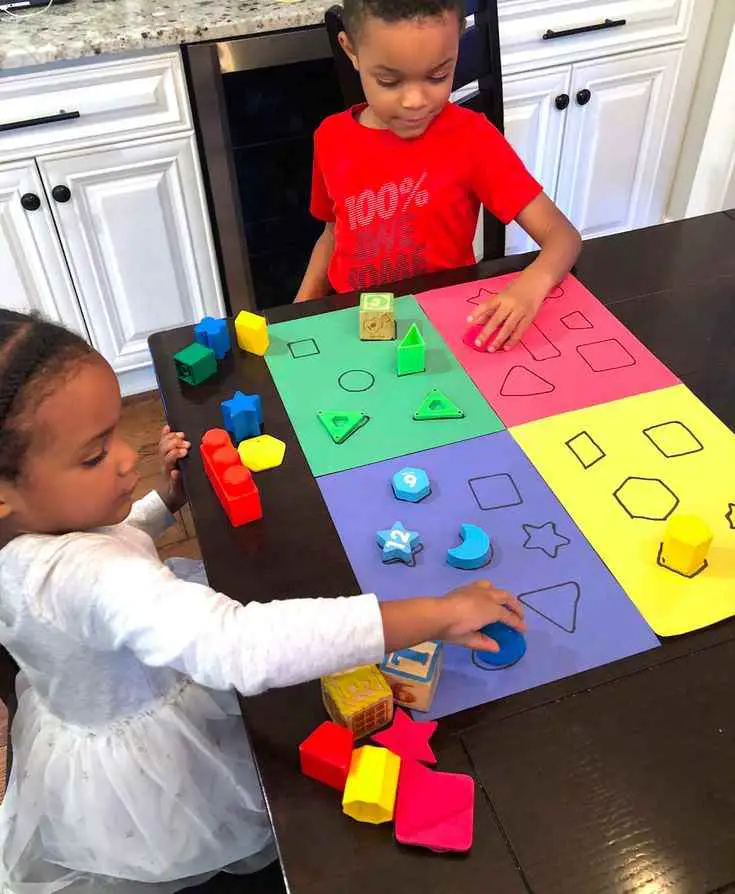
Shape sorters help toddlers understand how different forms fit into specific spaces.
This builds problem solving skills and introduces early geometry concepts.
It also improves hand eye coordination as they try to match each shape correctly.
22. Bubble Play
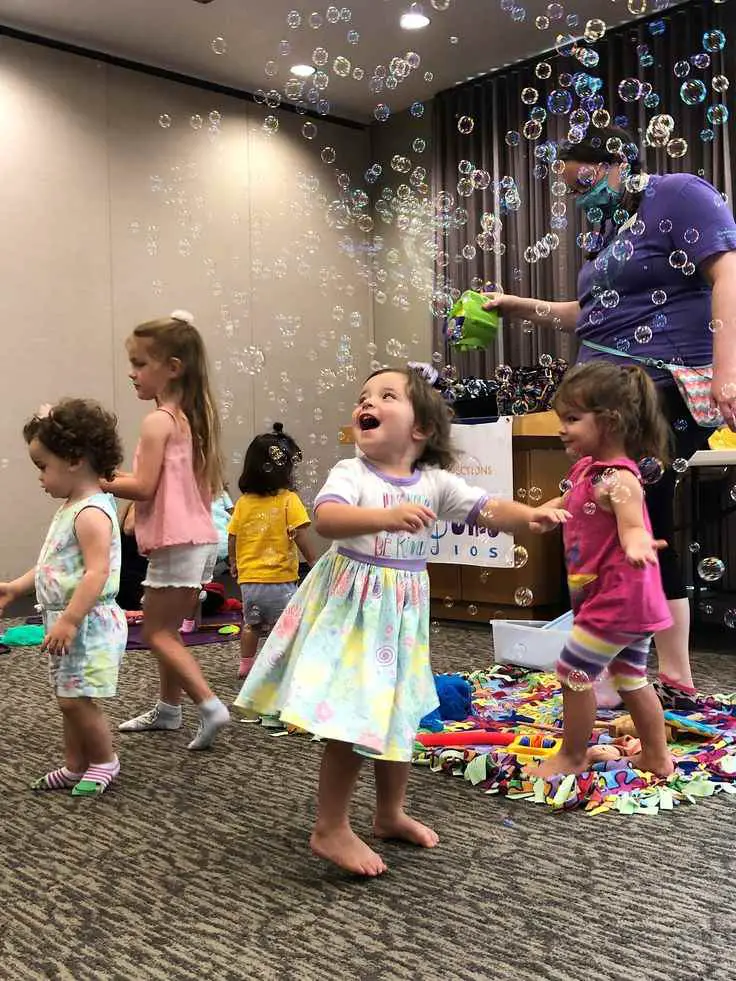
Bubbles are simple but endlessly entertaining.
Chasing and popping them helps improve coordination and visual tracking.
Blowing bubbles, with help, can also strengthen oral muscles.
This activity encourages movement and joy, making learning feel effortless.
23. Flashlight Exploration
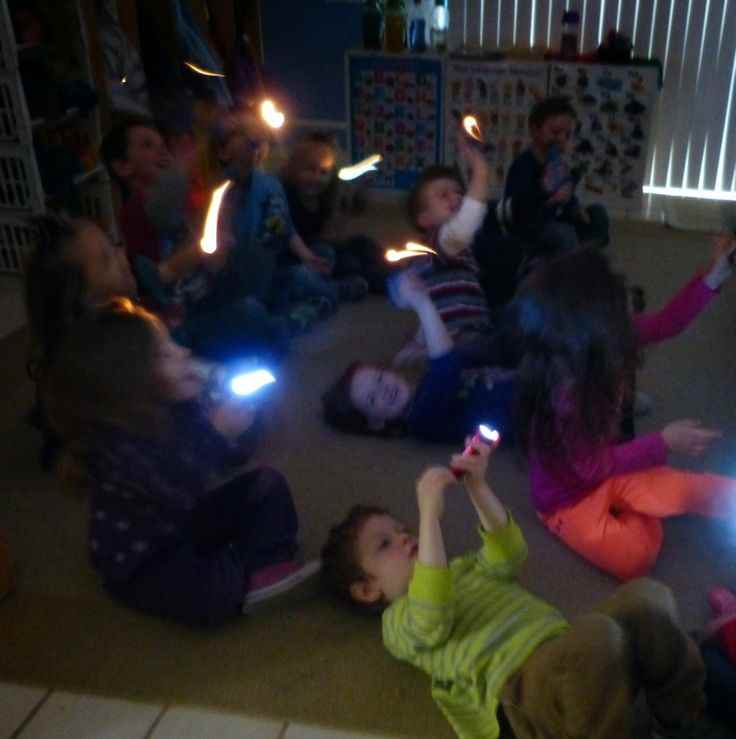
Using a flashlight in a dim or darkened room can feel like a mini adventure for a toddler.
As they move the light around, they begin to notice how shadows form and how objects look different depending on where the light shines.
This simple activity introduces early science concepts like light, shadow, and movement in a way that feels playful rather than instructional.
It also builds curiosity, as toddlers often experiment by placing objects in front of the light to see what happens.
Beyond learning, it creates a calm and focused environment that can be especially useful during quiet time.
24. Dress Up Play
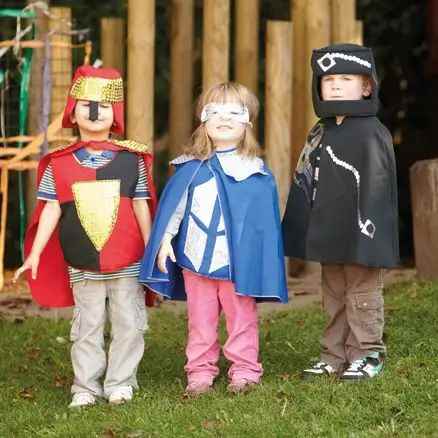
Dress up play allows toddlers to step into different roles using simple clothing items like hats, scarves, or oversized shirts.
As they pretend to be different characters, they explore imagination and begin to understand social roles in a gentle, playful way.
This kind of activity also encourages storytelling, even if it is expressed through actions rather than words.
It helps build confidence, as toddlers enjoy the freedom to express themselves without rules, and it can also support emotional development by allowing them to act out familiar situations.
25. Texture Exploration Boards
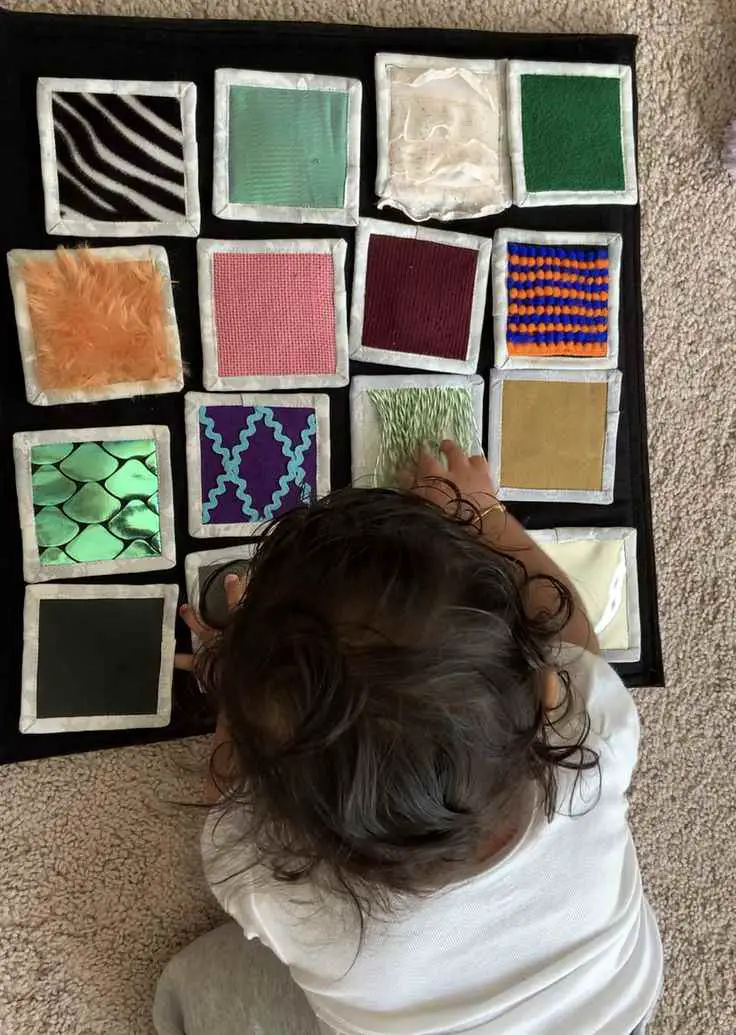
A texture board can be made by attaching different materials like fabric, foil, sponge, or soft paper onto a surface.
Toddlers can touch, press, and compare how each material feels.
This strengthens sensory awareness and helps them describe their experiences, even if it starts with simple reactions.
Over time, they begin to notice differences and similarities, which builds observation skills.
This activity is especially helpful for toddlers who enjoy hands on exploration and can be a calming, focused experience.
26. Counting with Objects
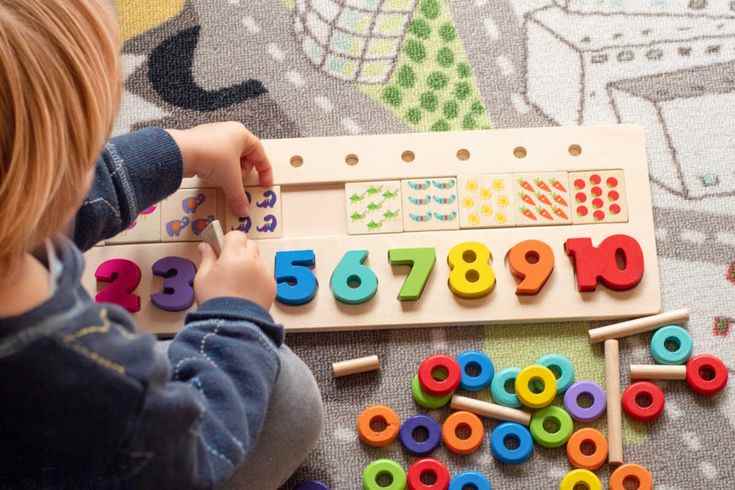
Using everyday items like fruits, toys, or even snacks, you can introduce counting in a natural and relaxed way.
As you count aloud together, toddlers begin to associate numbers with actual quantities.
This builds a foundation for early math skills without making it feel like a lesson.
Repetition plays a big role here, and over time, toddlers may start to anticipate the next number or try counting on their own.
It also creates opportunities for interaction and bonding during simple daily routines.
27. Ball Rolling Games
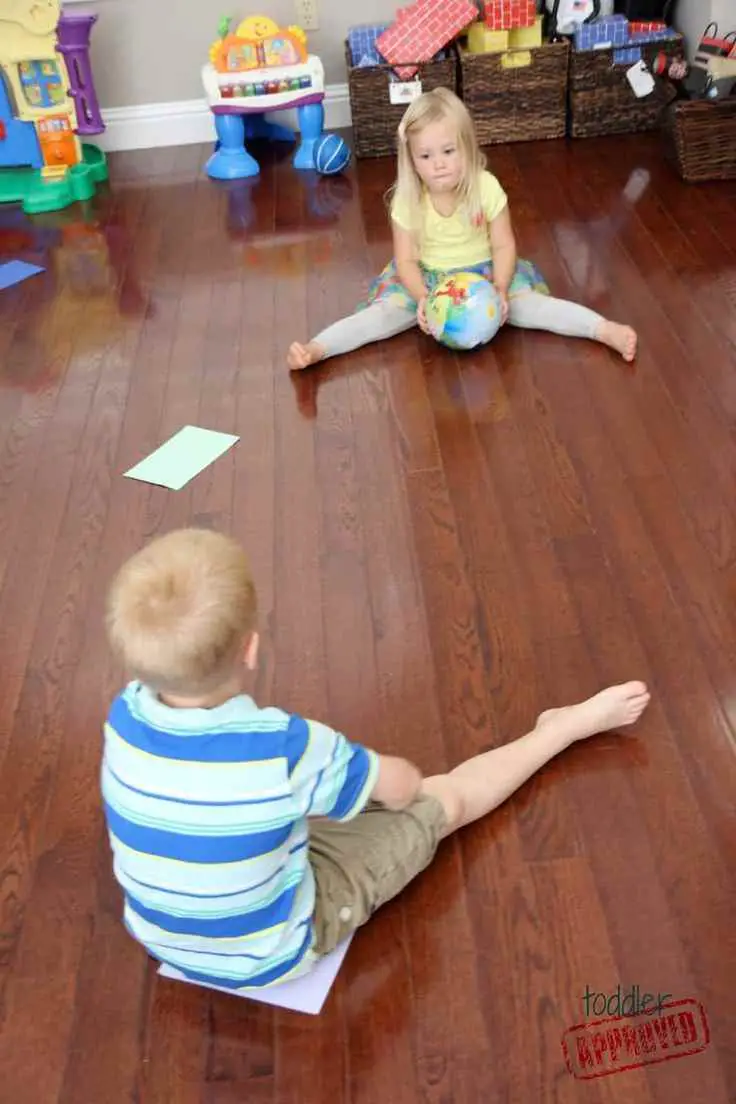
Rolling a ball back and forth may seem basic, but it is a great activity for developing coordination and social interaction.
Toddlers learn to track movement with their eyes and adjust their actions to respond, which builds both physical and cognitive skills.
This activity also introduces the idea of turn taking, an important social skill.
It is easy to set up and can be done indoors or outdoors, making it a reliable go to activity.
28. Paper Tearing and Collage
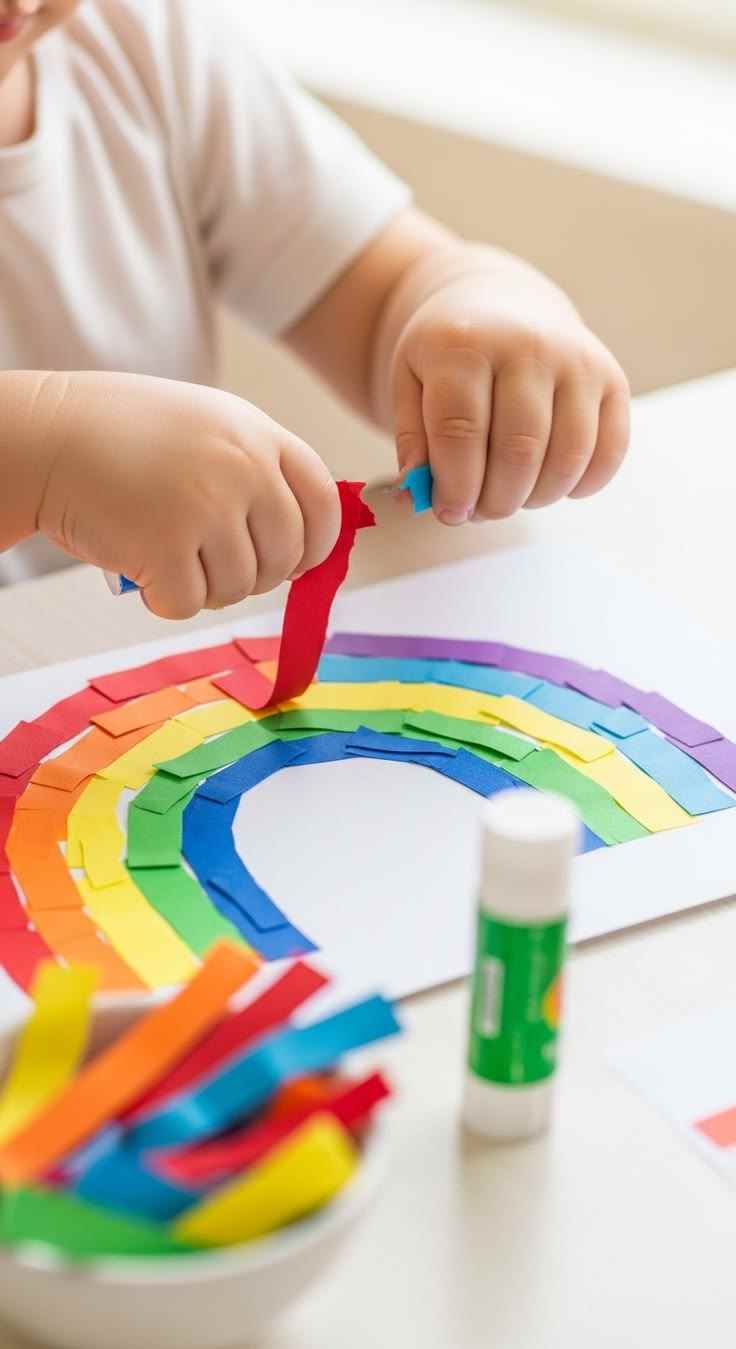
Giving toddlers paper to tear and glue onto another sheet allows them to explore creativity while strengthening their hand muscles.
Tearing paper requires control and effort, which helps develop fine motor skills.
Once they have pieces, they can arrange and stick them however they like, encouraging independence and imagination.
There is no right or wrong outcome, which makes it a stress free way for toddlers to create something of their own.
29. Rhythm Clapping Games

Clapping simple rhythms and encouraging toddlers to copy them helps develop listening and memory skills.
At first, they may just imitate loosely, but over time they begin to recognize patterns and repeat them more accurately.
This activity also supports coordination and timing, as they learn to match their movements to a beat.
It can be turned into a fun interaction by adding songs or varying the patterns, keeping toddlers engaged while learning through play.
After exploring all these creative learning activities, it’s clear that the early years are full of opportunities to nurture curiosity, imagination, and essential skills.
Toddlers learn best when play and learning are intertwined, when exploration feels safe, and when they are free to make discoveries at their own pace.
These activities are not just about keeping little hands busy, they are about fostering confidence, encouraging problem solving, and supporting social and emotional growth.
By embracing creativity in everyday moments, parents and caregivers can help toddlers develop a love for learning that lasts a lifetime, turning ordinary days into meaningful, joyful experiences.