31 Educational Activities For Preschoolers
We have curated 31 Educational activities for preschoolers you will love.
There is something quietly magical about the early years of a child’s life. It is a time when curiosity comes naturally, when questions seem endless, and when even the simplest moments can turn into meaningful learning experiences. For preschoolers, the world is still new, full of color, sound, movement, and discovery. Every day presents an opportunity to explore, to imagine, and to begin making sense of everything around them.
As parents, caregivers, or educators, it is easy to overlook just how important these early moments are. What may seem like ordinary play or routine interaction often shapes how a child thinks, communicates, and connects with others. These formative years lay the groundwork for future learning, not only in academics but also in confidence, creativity, and emotional development.
Understanding how to engage preschoolers in ways that nurture their natural curiosity is both an exciting and meaningful journey. It is not just about keeping them busy, it is about creating experiences that spark interest and gently guide their growth in ways that feel enjoyable and natural.
In this post, we will take a closer look at the role educational activities play in early childhood, and why they matter more than we sometimes realize.
31 Educational Activities For Preschoolers
1. Color Sorting Game
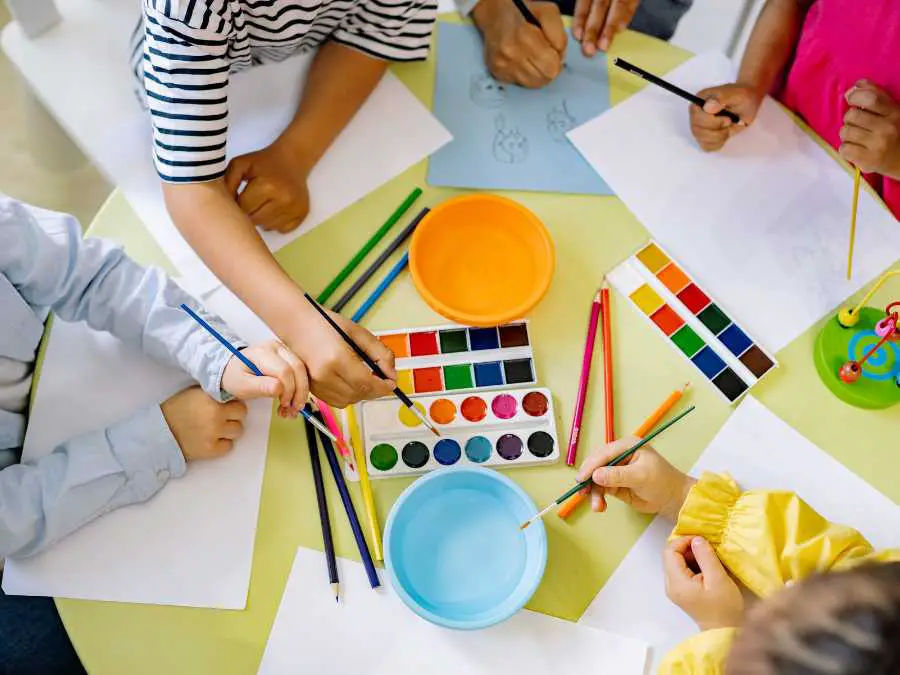 Color sorting is one of the simplest yet most effective ways to introduce preschoolers to early learning concepts.
You can provide a mix of everyday objects such as blocks, buttons, bottle caps, or even pieces of paper in different colors.
Ask the child to group items based on their colors, guiding them gently if needed.
This activity not only strengthens color recognition but also introduces basic classification skills.
Over time, you can make it more challenging by adding more colors or similar shades, helping children refine their observation skills and attention to detail.
2. Alphabet Matching
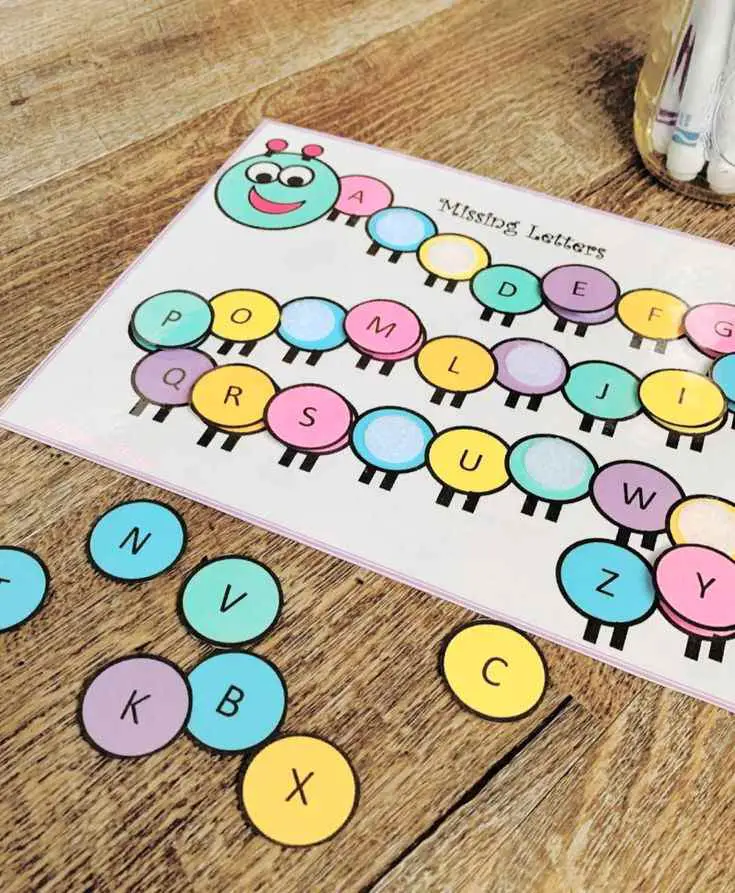
Alphabet matching helps preschoolers connect letters with familiar objects, making early literacy more meaningful.
You can create cards with letters and pair them with pictures or physical items, such as matching “A” with an apple or “B” with a ball.
As children engage in this activity, they begin to recognize letter shapes and sounds naturally.
It also builds confidence as they start identifying letters in their environment, such as on signs or books.
Repetition in a playful setting helps reinforce their learning without pressure.
3. Story Time with Questions
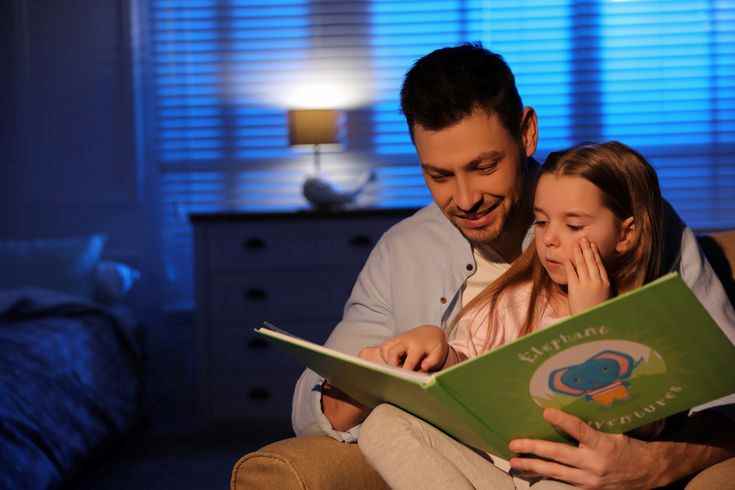
Reading to preschoolers becomes even more impactful when you turn it into an interactive experience.
Instead of simply reading from start to finish, pause occasionally to ask simple questions about the story.
You might ask what they think will happen next or how a character feels.
This encourages active listening and helps children develop comprehension skills.
It also gives them the confidence to express their thoughts and ideas, even if their answers are not fully formed.
4. Counting with Everyday Items
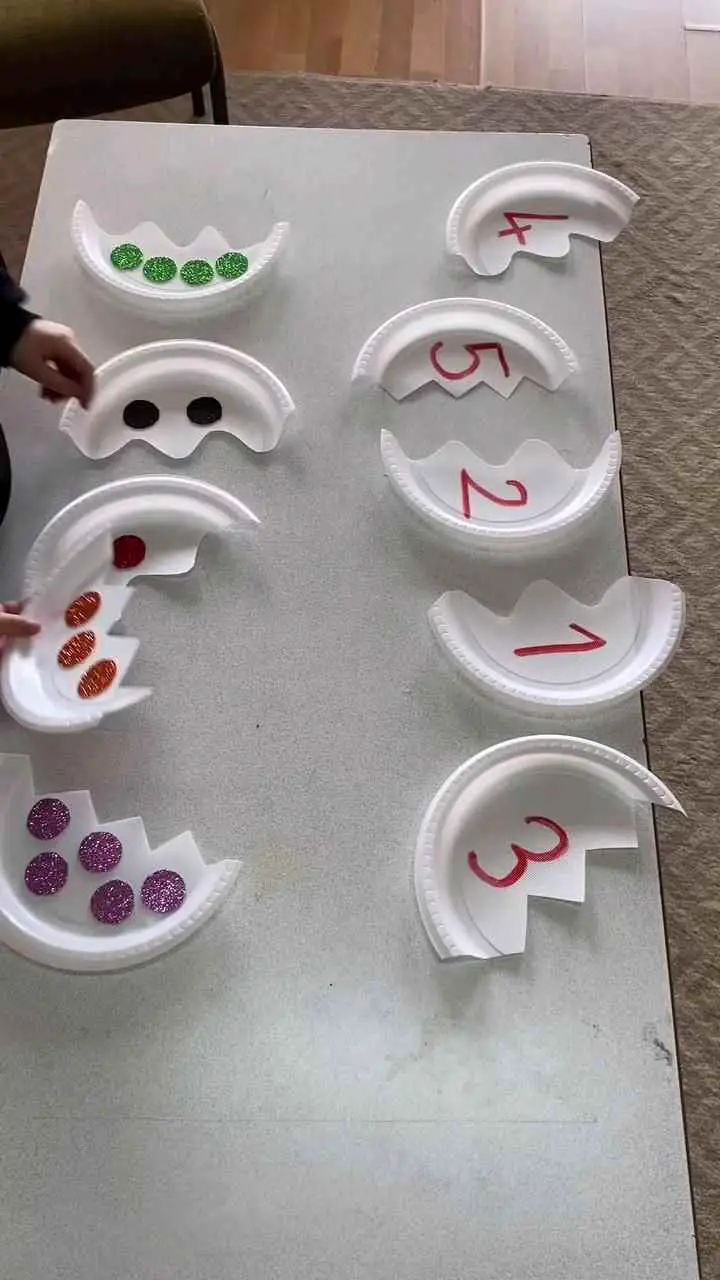
Using familiar objects to teach counting makes the learning process more relatable and engaging.
You can use items like fruits, toys, or small household objects and ask children to count them one by one.
This hands-on approach helps children understand numbers in a concrete way rather than as abstract ideas.
It also improves coordination as they point to or move each item while counting.
Gradually, you can introduce simple addition or subtraction through playful interaction.
5. Shape Hunt
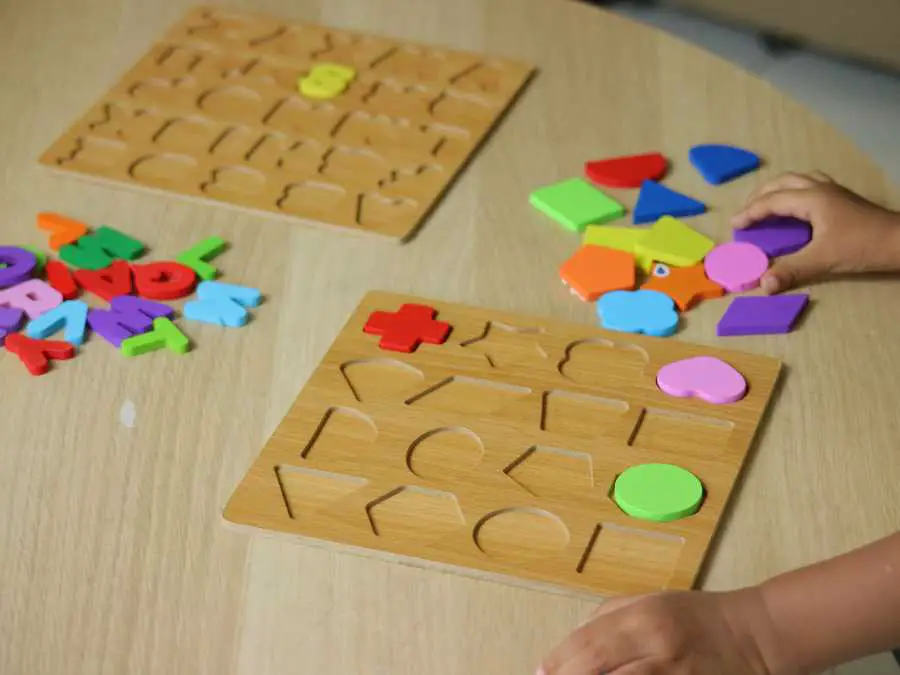 A shape hunt turns learning into an exciting exploration activity.
Ask preschoolers to look around their environment and identify different shapes, such as circles, squares, or triangles.
For example, they might notice a clock is a circle or a door is a rectangle.
This activity helps children connect abstract concepts to real-world objects, making learning more meaningful.
It also sharpens their observation skills and encourages curiosity about their surroundings.
6. Simple Puzzle Solving
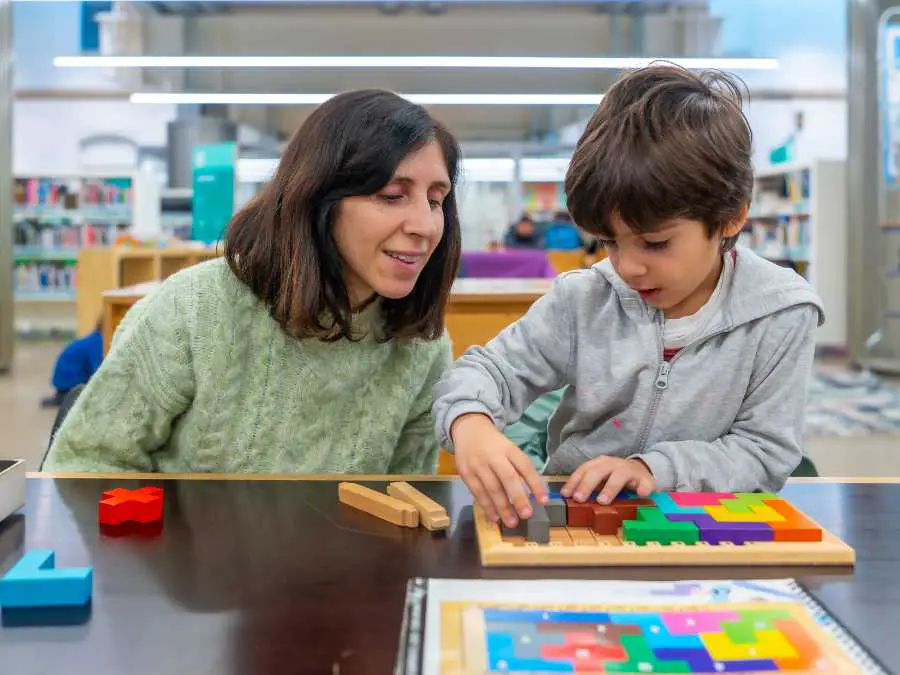 Puzzles are excellent tools for developing problem solving skills in young children.
Providing age-appropriate puzzles allows preschoolers to experiment with fitting pieces together, recognizing patterns, and understanding spatial relationships.
As they work through a puzzle, they learn patience and persistence.
Completing a puzzle also gives them a sense of accomplishment, which boosts their confidence and motivation to try new challenges.
7. Singing Educational Songs
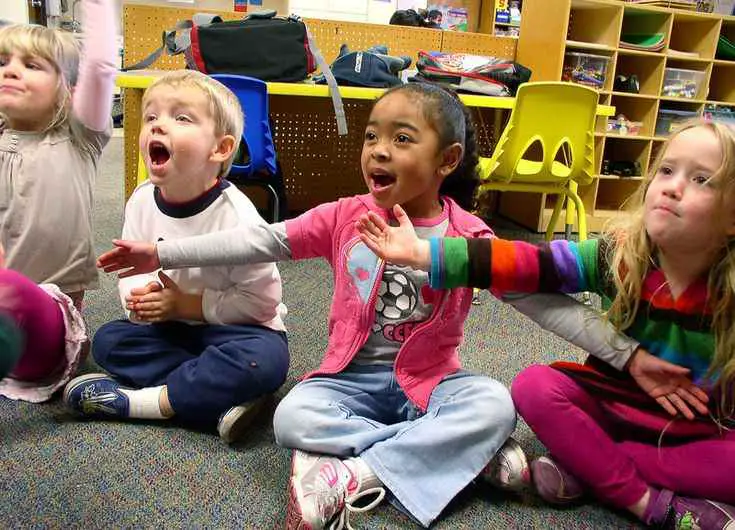
Music has a powerful impact on memory and learning, especially for young children.
Singing songs that include numbers, letters, or simple concepts helps preschoolers absorb information in a fun and natural way.
Repetition through rhythm and melody makes it easier for them to remember what they learn.
In addition, singing improves language development and listening skills, while also creating a joyful learning environment.
8. Drawing and Coloring
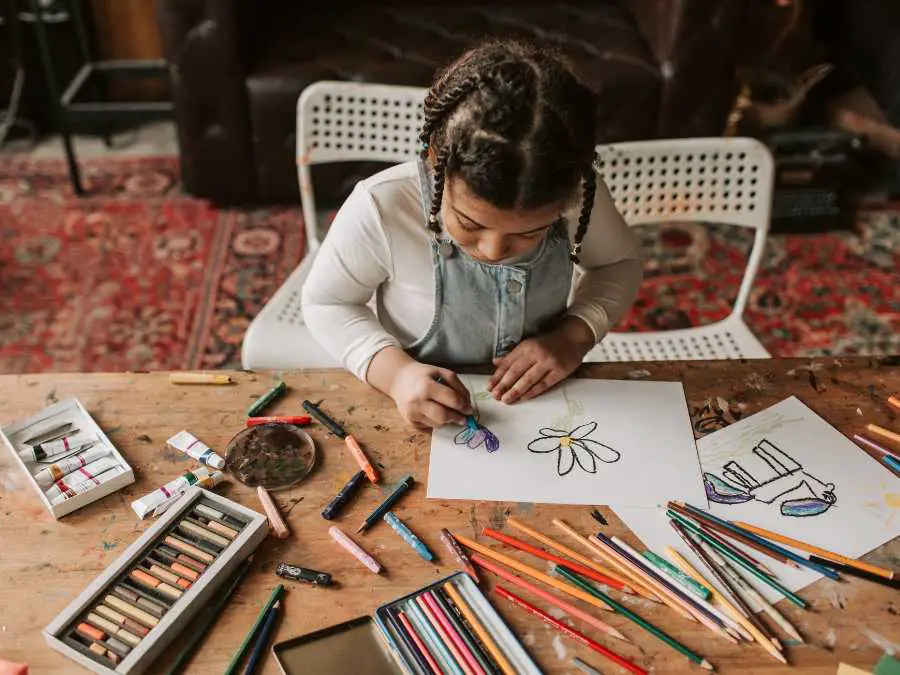 Drawing and coloring provide preschoolers with a creative outlet while also supporting their development.
When children use crayons, pencils, or markers, they strengthen their hand muscles and improve fine motor skills.
Encouraging them to draw freely allows them to express their thoughts and emotions visually.
Coloring within lines can also help improve focus and control, preparing them for writing tasks later on.
9. Nature Walk Exploration
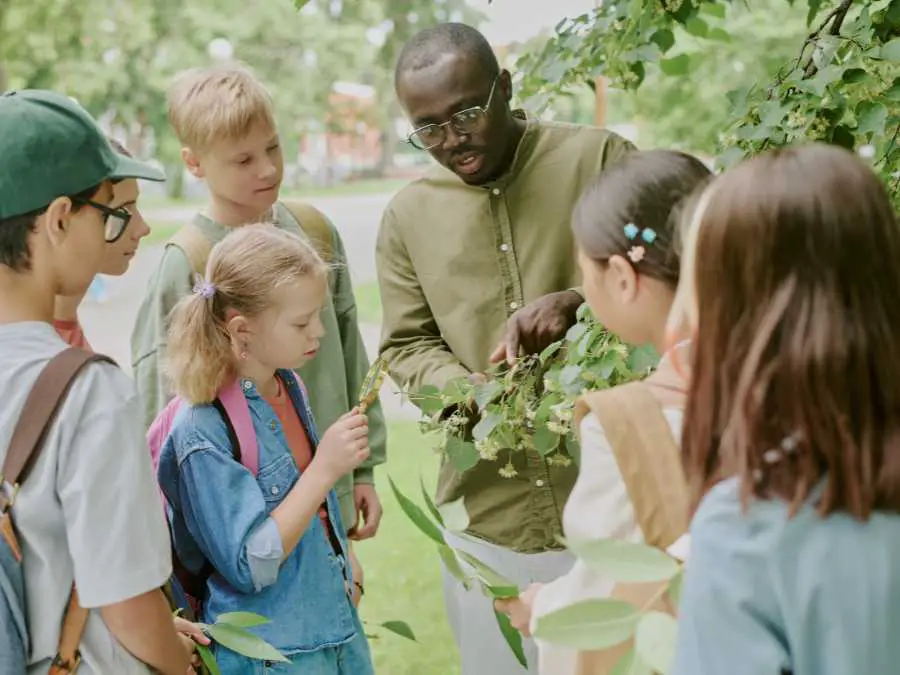 Taking preschoolers on a nature walk is a wonderful way to introduce them to the world around them.
As they observe plants, insects, and natural elements, they begin to develop curiosity and appreciation for nature.
You can encourage them to describe what they see, hear, or feel, which enhances their language and observation skills.
This activity also provides a refreshing break from indoor routines and promotes physical movement.
10. Building with Blocks
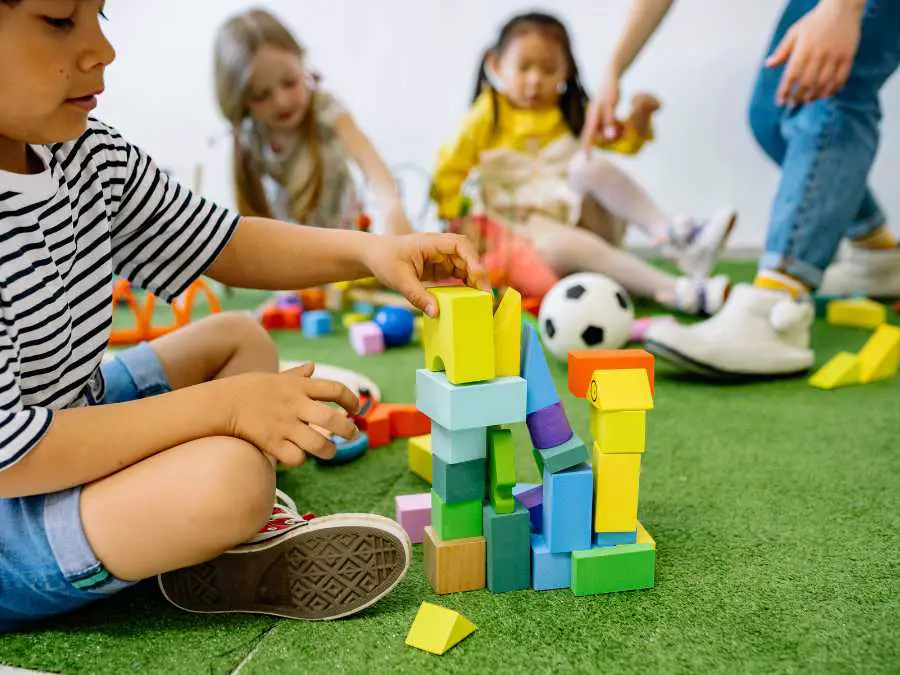 Building with blocks allows children to explore creativity while developing important cognitive skills.
As they stack, arrange, and balance blocks, they learn about shapes, sizes, and structure.
This activity also encourages problem solving, as children figure out how to build stable structures.
It supports both independent play and collaboration when done in groups, helping children learn to share and communicate.
11. Role Playing
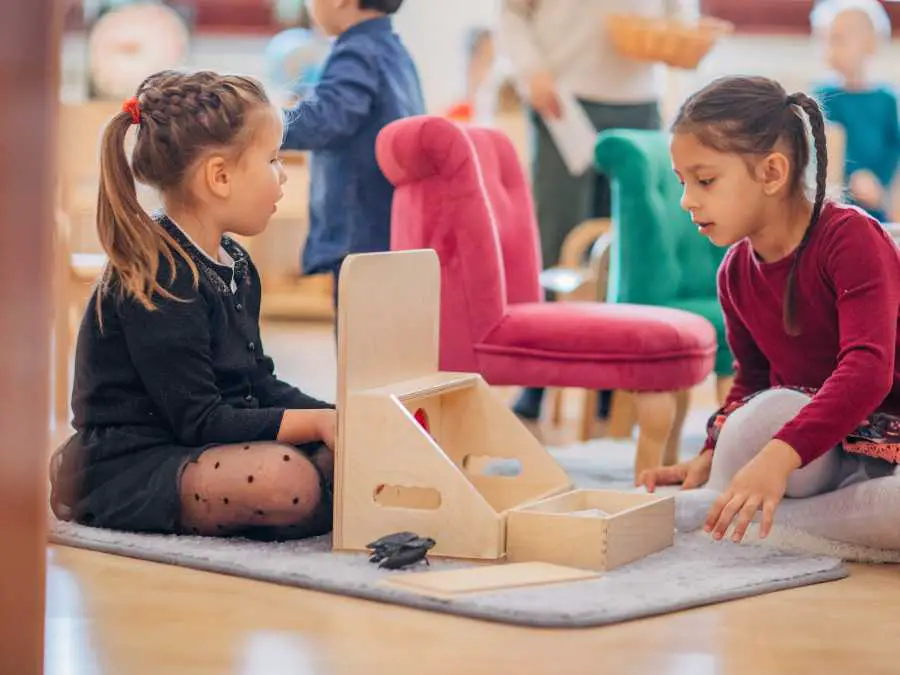 Role playing allows preschoolers to explore different roles and situations in a safe and imaginative way.
Even when pretending to be a teacher, doctor, or parent, children begin to understand social roles and relationships.
This activity encourages creativity and helps develop communication skills.
It also allows children to express emotions and experiences, making it an important part of social and emotional development.
12. Memory Card Game
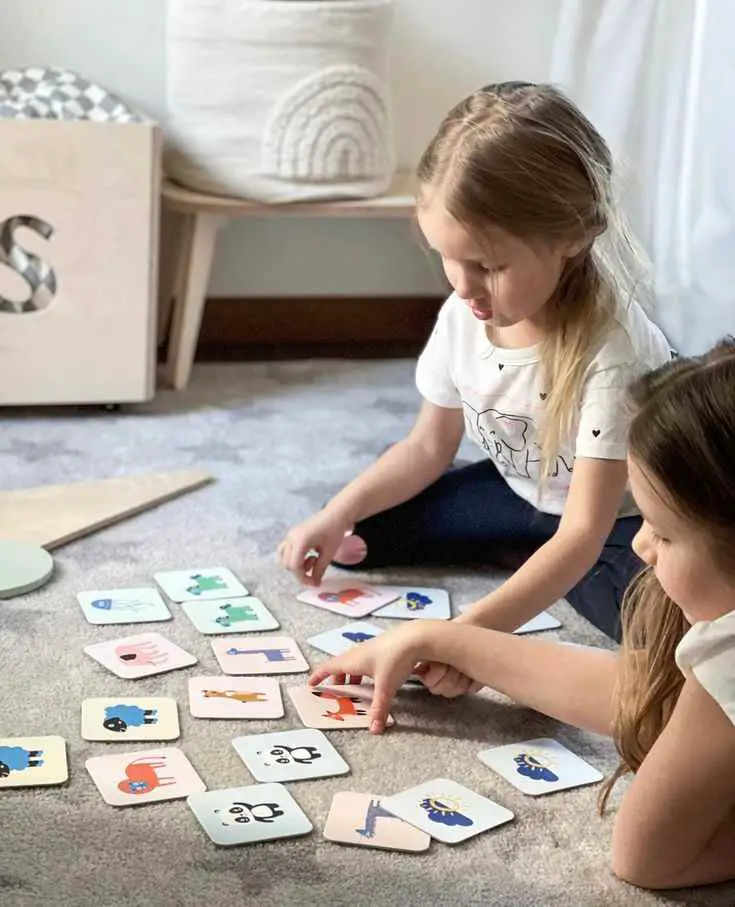
Memory games are simple yet highly effective for improving concentration and recall.
By placing cards face down and asking children to find matching pairs, you encourage them to focus and remember positions.
This strengthens their memory over time and teaches patience.
It also introduces a playful challenge that keeps them engaged and motivated.
13. Clay or Playdough Modeling
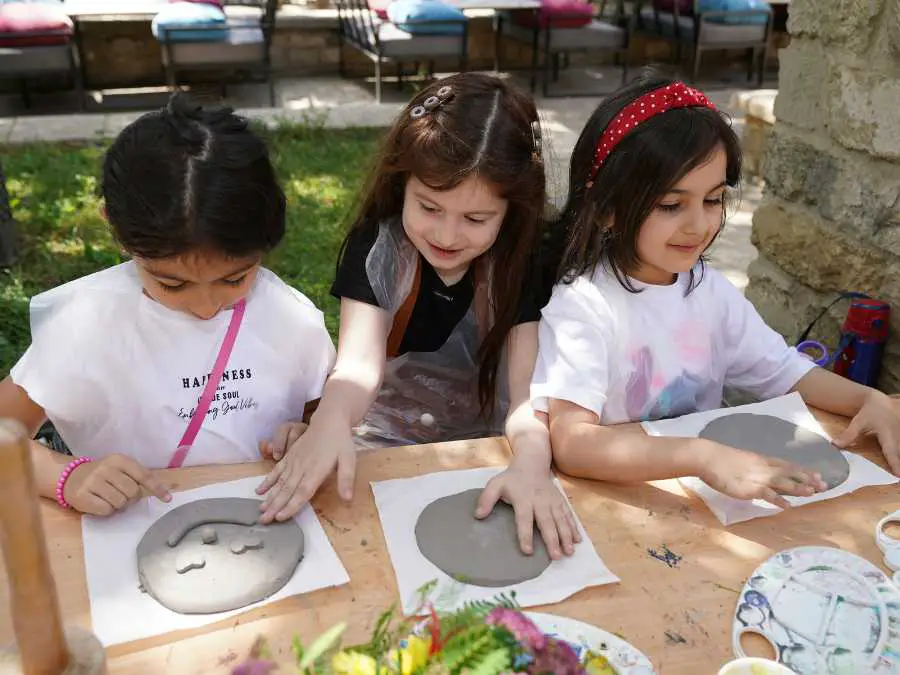 Playing with clay or playdough is both fun and educational for preschoolers.
As children mold and shape the material, they develop fine motor skills and hand strength.
This activity also encourages creativity, as they can create anything from simple shapes to imaginative figures.
It provides a sensory experience that supports overall development.
14. Simple Science Experiments
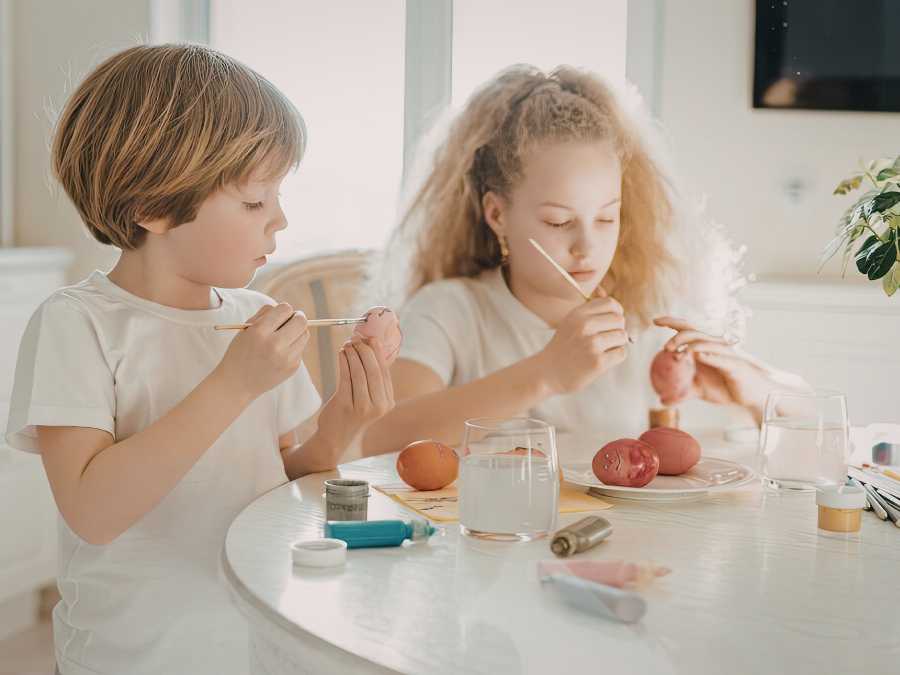 Introducing preschoolers to simple science experiments sparks curiosity and wonder.
Activities like mixing colors or observing how ice melts help children understand basic scientific concepts.
These experiments encourage them to ask questions and make observations.
It also builds early critical thinking skills as they explore cause and effect in a hands-on way.
15. Sorting by Size
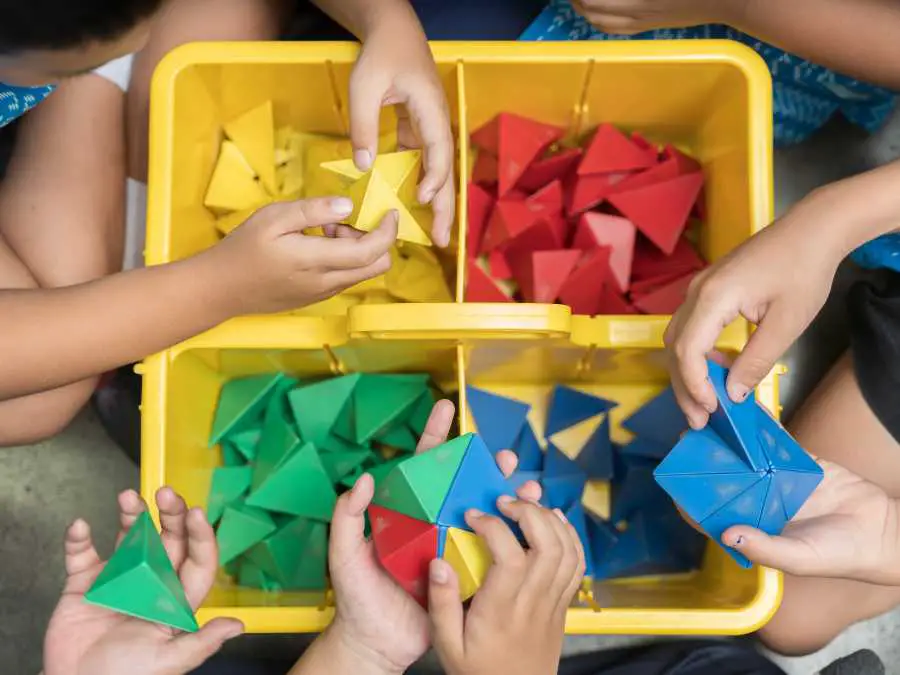 Sorting objects by size helps children understand comparison and measurement concepts.
You can provide items of different sizes and ask them to arrange them from smallest to largest.
This activity strengthens logical thinking and attention to detail.
It also lays the foundation for more advanced math skills in the future.
16. Name Recognition Activity
Helping children recognize their names is an important step in early literacy.
You can write their name clearly and encourage them to identify it among other names.
This builds familiarity with letters and boosts confidence.
Over time, children may begin to recognize the letters that make up their name and even attempt to write it.
17. Rhyming Words Gam
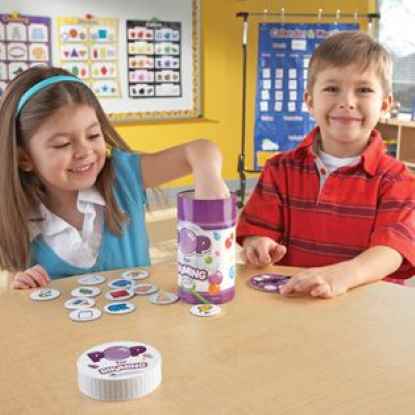
Rhyming games help preschoolers develop an understanding of sounds in language.
By introducing simple words and asking children to find rhymes, you strengthen their phonetic awareness.
This skill is essential for reading and language development. It also makes learning playful and engaging.
18. Threading Beads
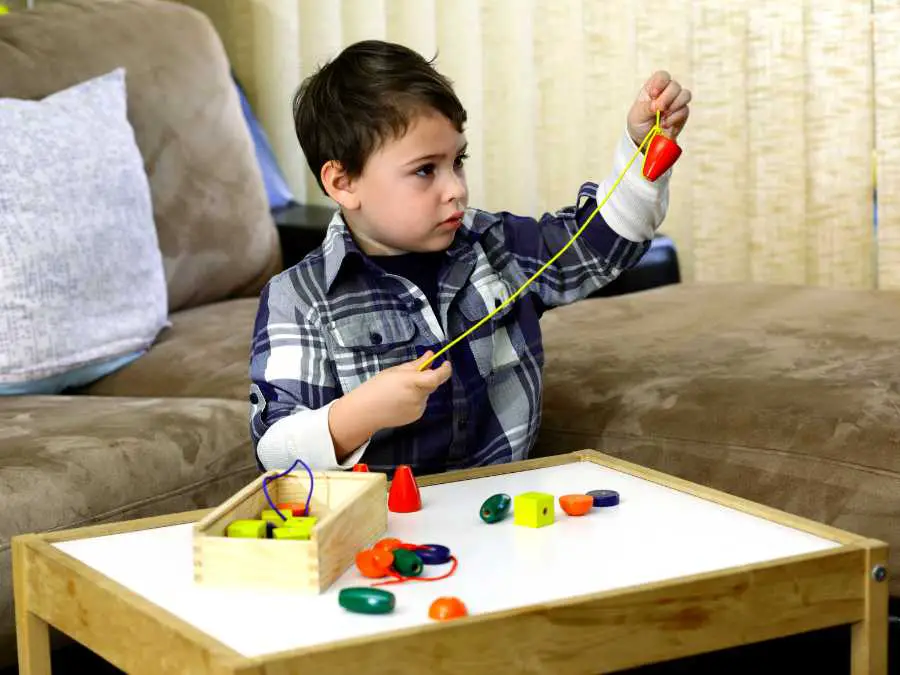 Threading beads onto a string is a great way to improve hand-eye coordination and concentration.
This activity requires focus and precision, helping children develop fine motor skills.
It also allows for creativity, as children can create patterns or designs with the beads.
19. Matching Sounds
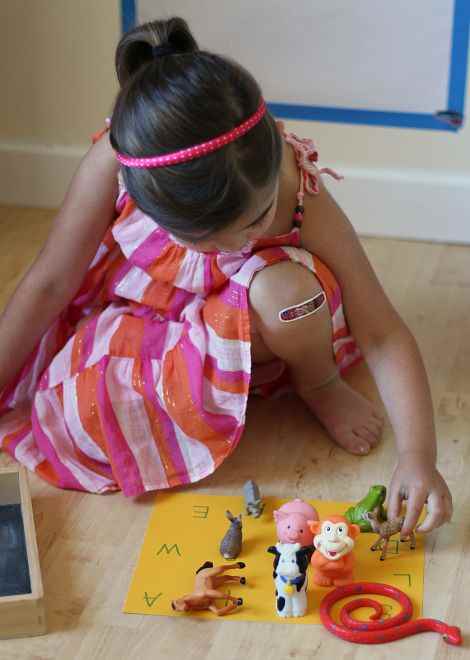
Sound matching activities sharpen listening skills and auditory recognition.
You can play sounds of animals, vehicles, or everyday objects and ask children to identify them.
This helps improve their ability to distinguish between different sounds, which is important for language development.
20. Pattern Making
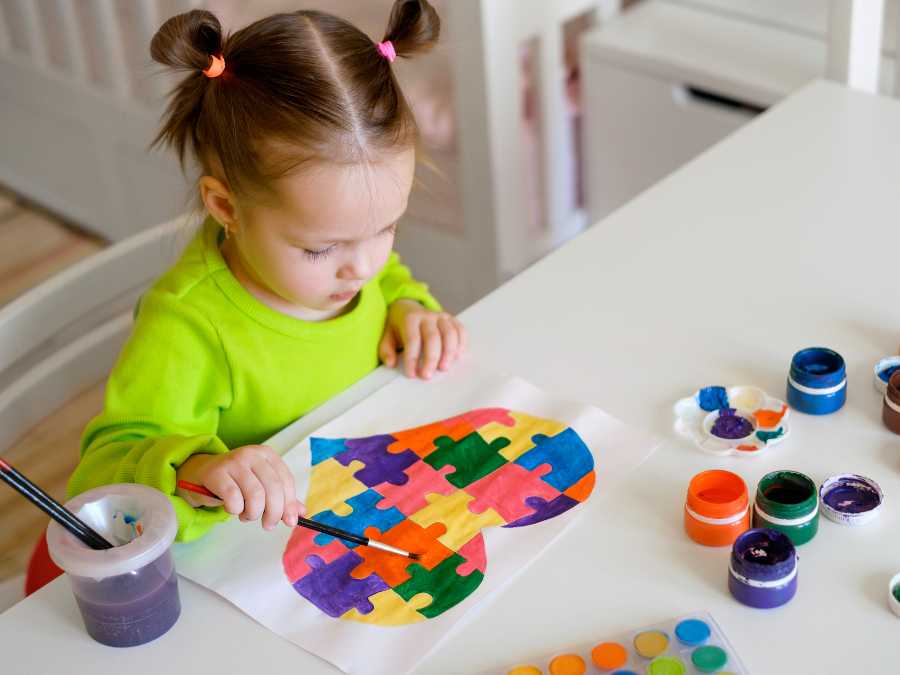 Creating and continuing patterns helps children develop logical thinking skills.
You can use colors, shapes, or objects to form simple patterns and ask children to repeat or extend them.
This activity introduces early math concepts in a fun and interactive way.
21. Counting Songs with Actions
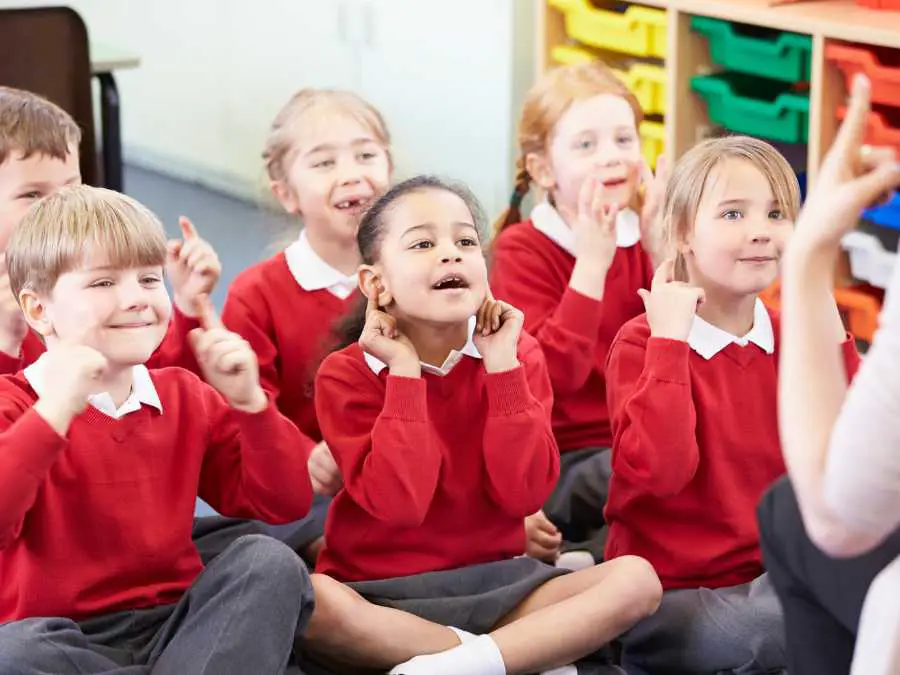 Combining counting with physical actions makes learning more dynamic.
Children can clap, jump, or move as they count, which reinforces number recognition.
This activity also supports physical development and keeps children engaged through movement.
22. Picture Description

Showing children a picture and asking them to describe it encourages observation and language use.
They learn to notice details and express their thoughts clearly.
This activity helps expand vocabulary and builds confidence in communication.
23. Water Play Learning
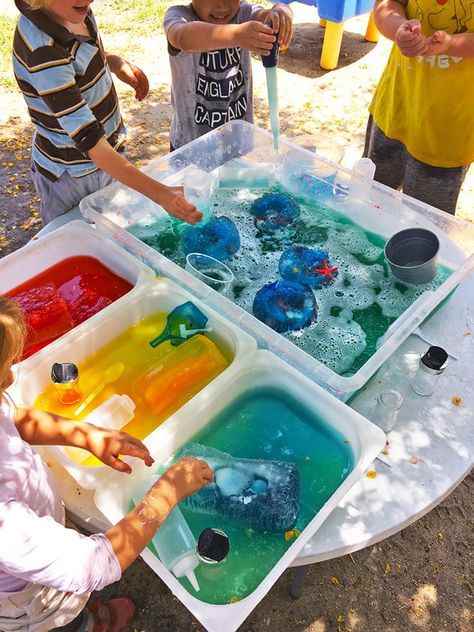
Water play is both enjoyable and educational for preschoolers.
Using cups and containers, children can explore pouring and measuring.
This introduces basic concepts of volume and improves coordination.
It also provides a calming and engaging sensory experience.
24. Flashcard Learning
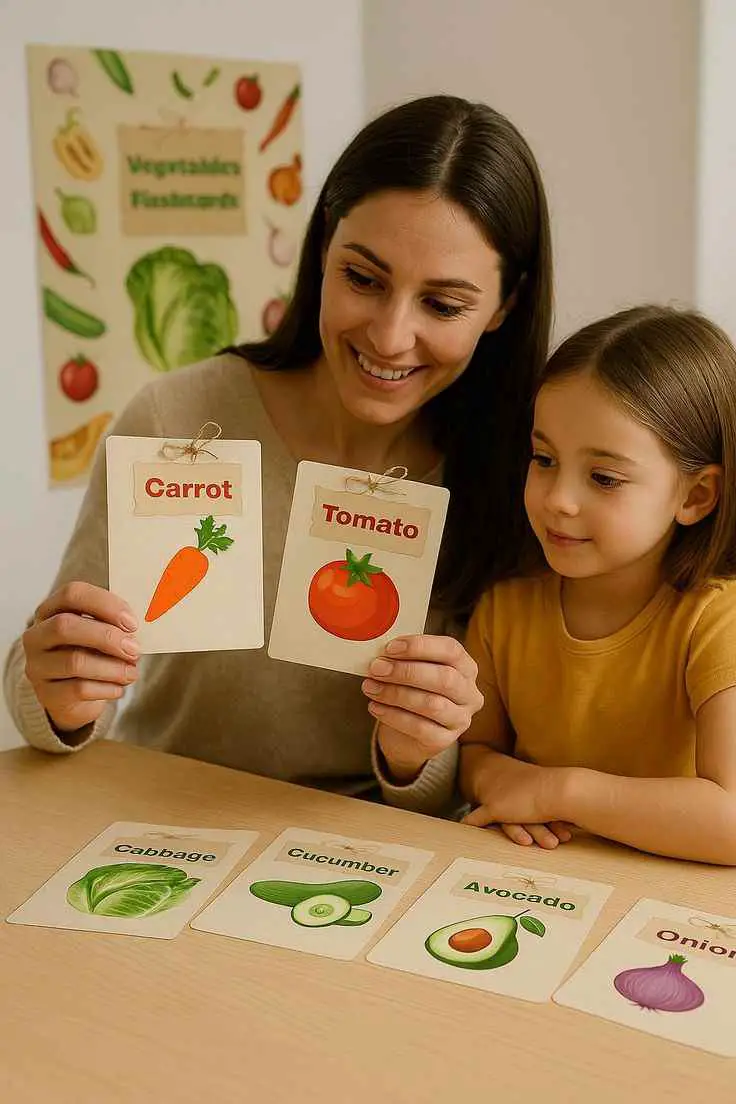
Flashcards are a useful tool for introducing letters, numbers, and objects.
Keeping sessions short and interactive helps maintain the child’s attention.
This activity reinforces recognition and memory through repetition.
25. Scavenger Hunt
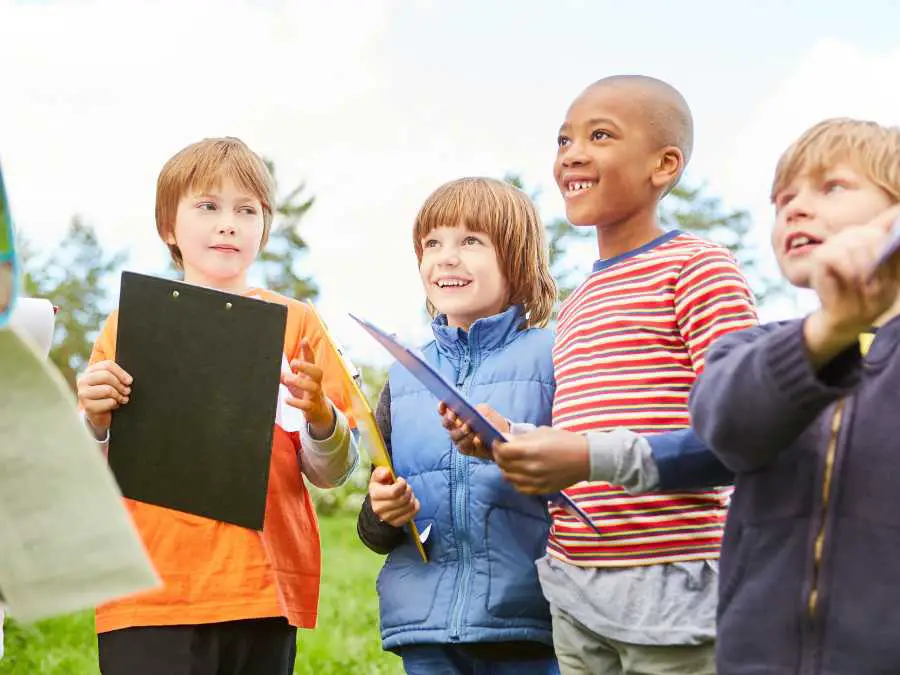 A simple scavenger hunt encourages children to explore and think critically.
Giving instructions like finding something red or soft helps develop observation skills.
It also adds excitement to the learning process.
26. Music and Movement
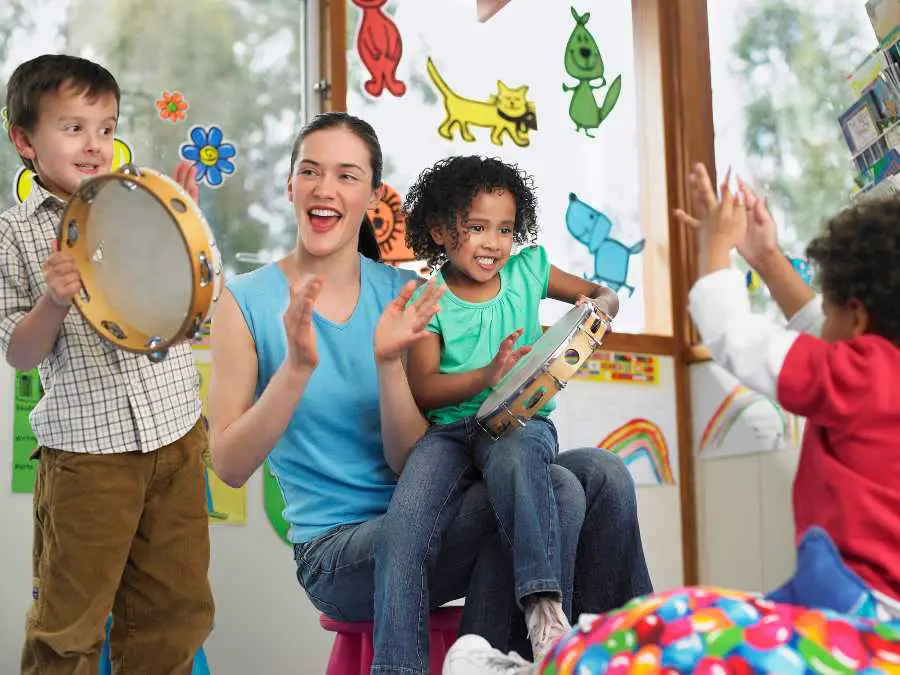 Music and movement activities allow children to express themselves physically while developing coordination.
Dancing or moving to rhythm improves balance and motor skills.
It also creates a joyful learning environment.
27. Simple Cooking Activity
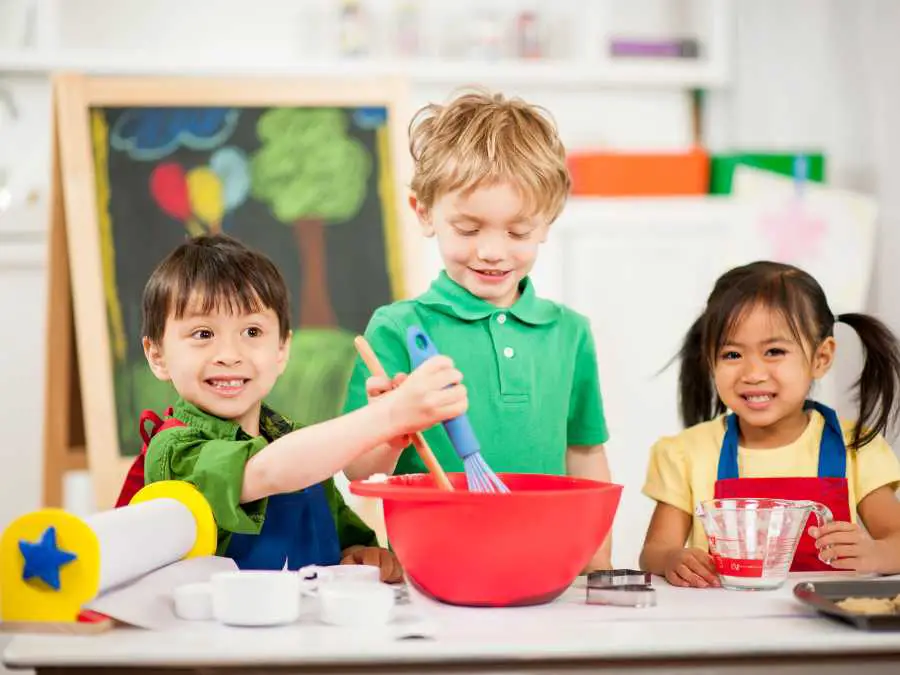 Involving children in simple cooking tasks helps them learn practical skills.
Activities like mixing ingredients or arranging food teach them to follow instructions.
It also introduces basic math and science concepts in a real-life context.
28. Object Classification
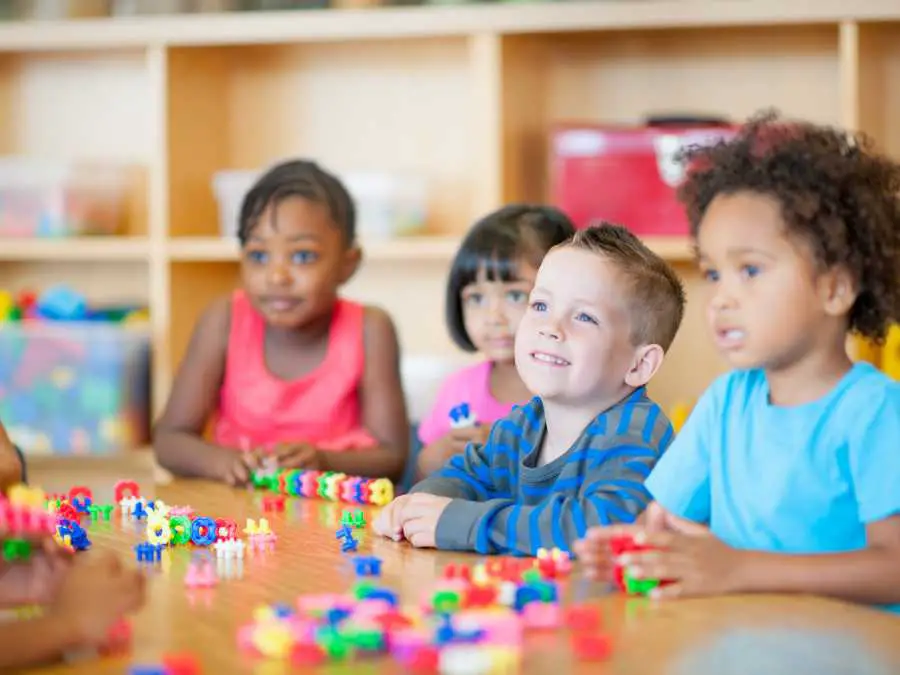 Grouping objects based on type helps children understand categorization.
You can ask them to separate items like fruits, toys, or clothes.
This activity strengthens logical thinking and organization skills.
29. Story Creation
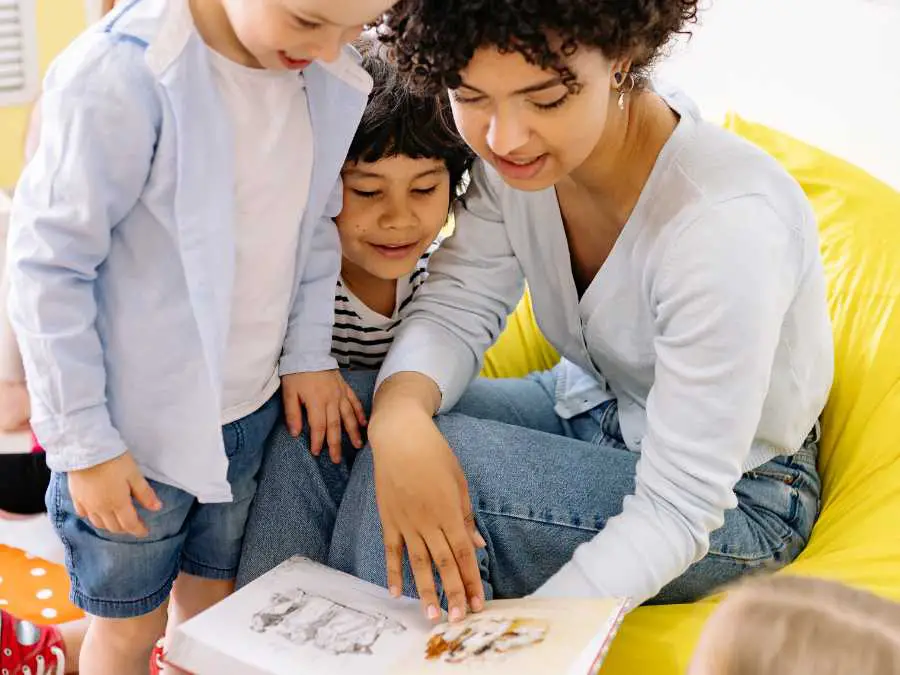 Encouraging children to create their own stories boosts imagination and creativity.
You can provide pictures or prompts to guide them.
This activity also improves language skills and confidence in expression.
30. Mirror Play
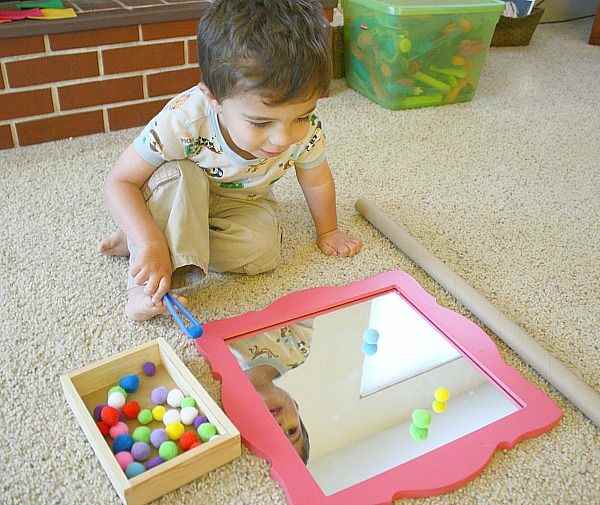
Mirror play helps children become aware of their expressions and emotions.
By observing themselves, they learn about different facial expressions and feelings.
This supports emotional development and self recognition.
31. Daily Routine Chart
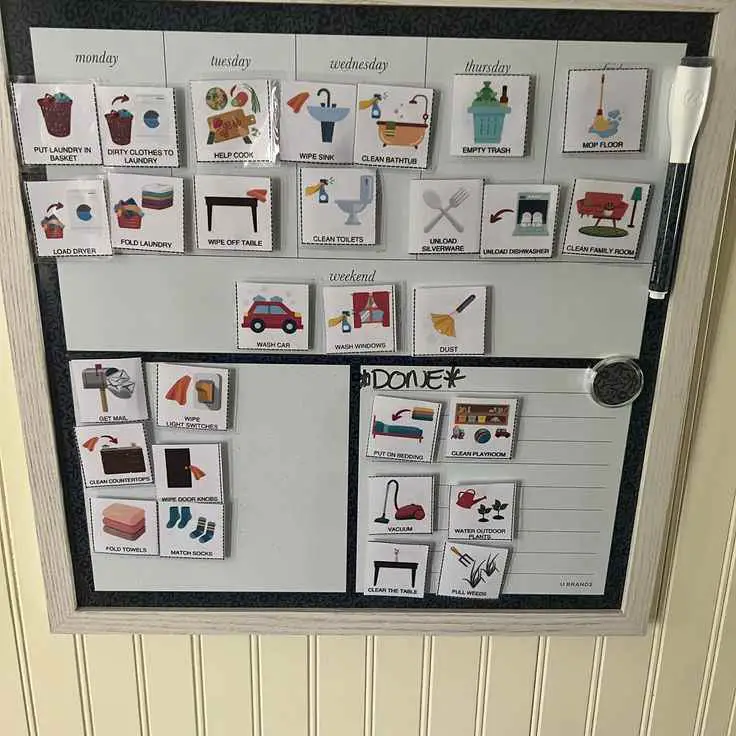
A daily routine chart helps preschoolers understand structure and time.
Using pictures to represent activities makes it easy for them to follow.
This activity promotes independence and organization.
In the early years, learning does not have to feel structured or complicated to be meaningful.
For preschoolers, growth happens most naturally through simple, engaging experiences that allow them to explore, question, and express themselves freely.
What may look like ordinary play often carries deep value, shaping how a child thinks, communicates, and interacts with the world around them.
By creating opportunities for these kinds of activities, you are not just keeping a child occupied, you are laying the foundation for lifelong learning.
Each small moment of curiosity, creativity, and discovery adds up, building confidence and a genuine love for learning that can stay with them for years to come.
As you introduce different activities into a child’s daily routine, the focus should always remain on enjoyment and connection.
When children feel encouraged and supported, they are more likely to engage, try new things, and develop at their own pace.
In the end, it is these consistent, thoughtful experiences that make the greatest impact, turning everyday moments into meaningful steps in a child’s educational journey.
27 FUN AND CREATIVE EASTER ACTIVITIES FOR PRESCHOOLERS
25 SAFE INDOOR ACTIVITIES FOR TODDLERS