23 After School Routine
We have curated 23 After school routine you will love.
The final school bell often feels like a release, a shift from structure into freedom, but what happens in those hours that follow can quietly shape a student’s day, mindset, and even long term growth.
The after school period is more than just a break from classrooms and assignments, it is a window of time filled with choices, habits, and rhythms that differ from person to person.
Some moments are intentional, others unfold naturally, yet together they form a routine that can influence both productivity and well being.
In many ways, this part of the day reflects a balance between responsibility and relaxation, between what must be done and what feels good to do.
It is a space where energy levels change, motivation rises or falls, and personal preferences begin to take the lead.
Understanding this routine is not just about observing actions, it is about recognizing how these hours contribute to a larger daily pattern.
23 After School Routine
1. Homework and Assignments
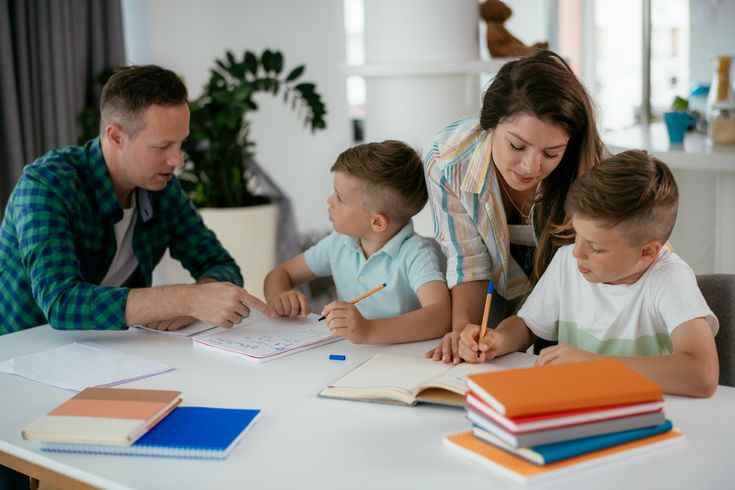
Completing homework right after school allows students to apply what they’ve just learned while it’s still fresh in their minds.
Breaking tasks into manageable chunks not only makes the workload seem less overwhelming but also reinforces understanding of the subject matter.
A consistent homework routine helps build self-discipline, time management skills, and a sense of accomplishment once tasks are completed.
2. Reading for Pleasure

Reading outside of schoolwork is not just about literacy; it’s a chance for students to explore new worlds, ideas, and perspectives.
Even if it’s a novel, comic book, or magazine, reading for enjoyment enhances vocabulary, critical thinking, and imagination.
Over time, it encourages a lifelong love for learning and offers a peaceful break from the structured demands of the school day.
3. Snack or Small Meal
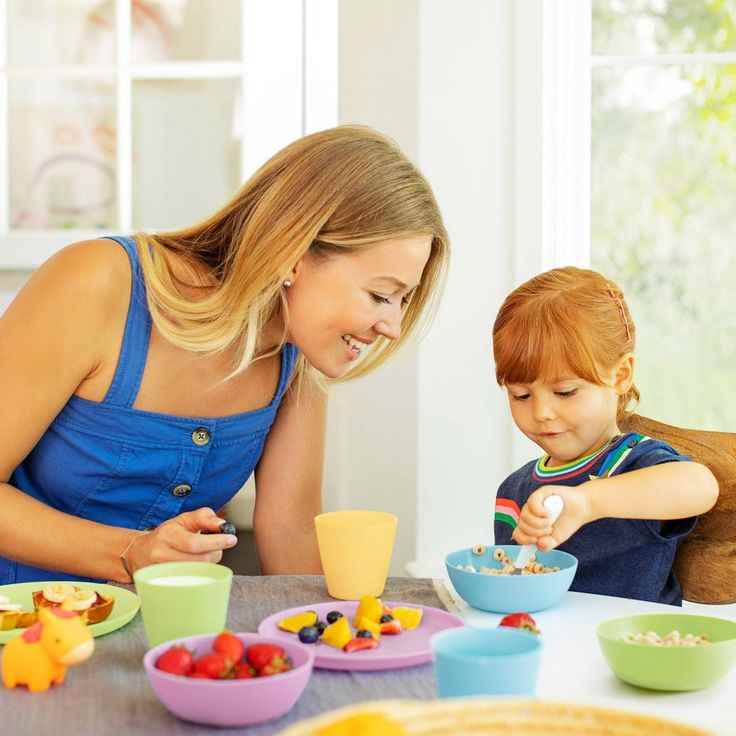
After several hours of classes and activities, the body and brain need fuel.
Having a balanced snack or light meal provides energy, improves concentration for homework or other tasks, and can be an opportunity for family interaction.
Choosing healthy snacks like fruits, nuts, or yogurt also encourages better eating habits that support long-term wellness.
4. Physical Exercise
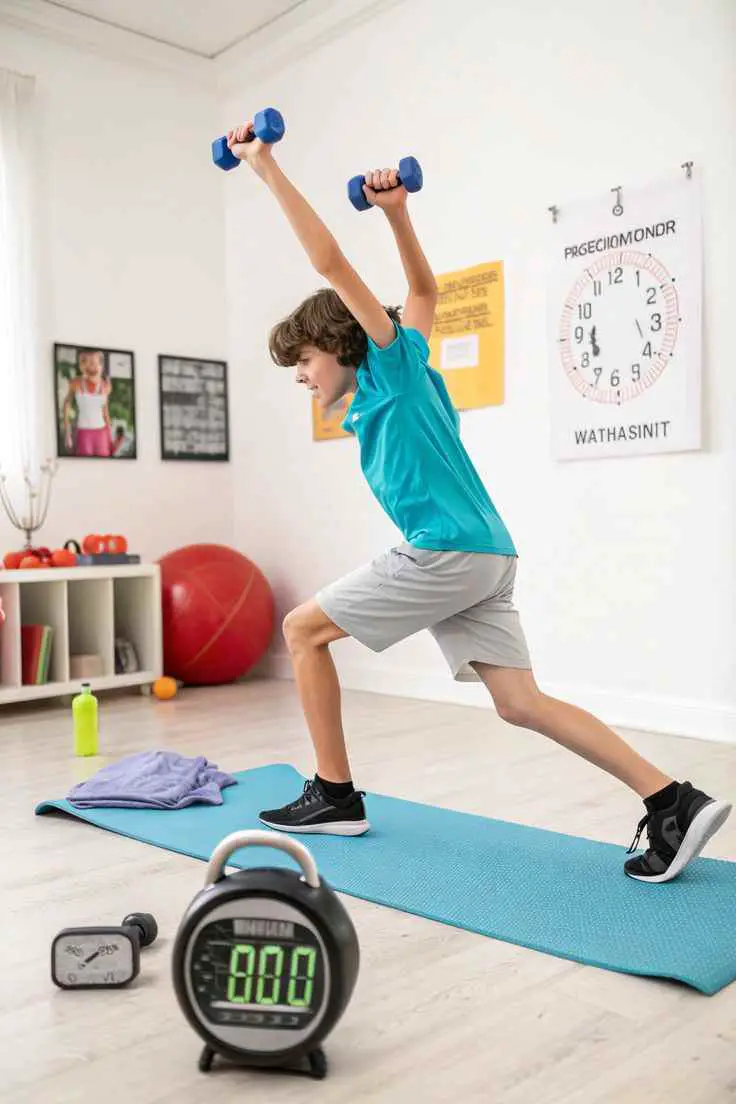
Engaging in physical activity after school is essential for both mental and physical health.
Activities like jogging, cycling, yoga, or even a short home workout release endorphins that improve mood, reduce stress, and increase energy levels.
Regular exercise also helps students develop discipline, coordination, and a healthy lifestyle habit that can last a lifetime.
5. Extracurricular Practice
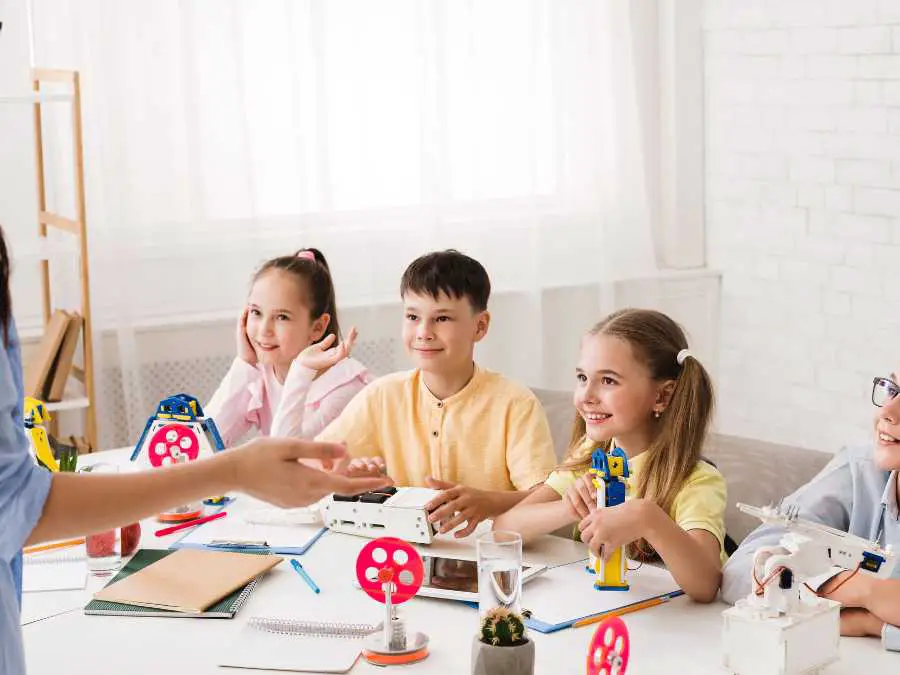 Many students are involved in sports, music, dance, or art classes outside of school hours.
Practicing these skills consistently after school not only improves technique and performance but also teaches perseverance, time management, and goal setting.
Extracurricular activities provide a creative outlet and help students build confidence and self-expression.
6. Organizing School Materials
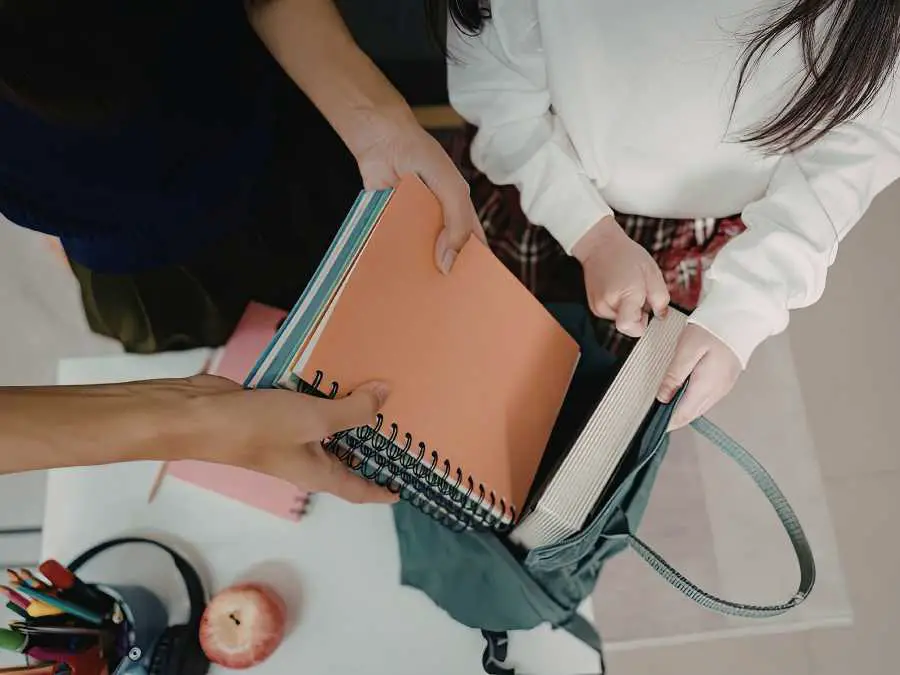 Setting aside time to organize books, notebooks, and supplies keeps students prepared for the following day.
A clean and orderly study space reduces distractions, improves focus, and fosters responsibility.
This simple routine can also prevent lost assignments and creates a sense of control and accomplishment in everyday life.
7. Family Time
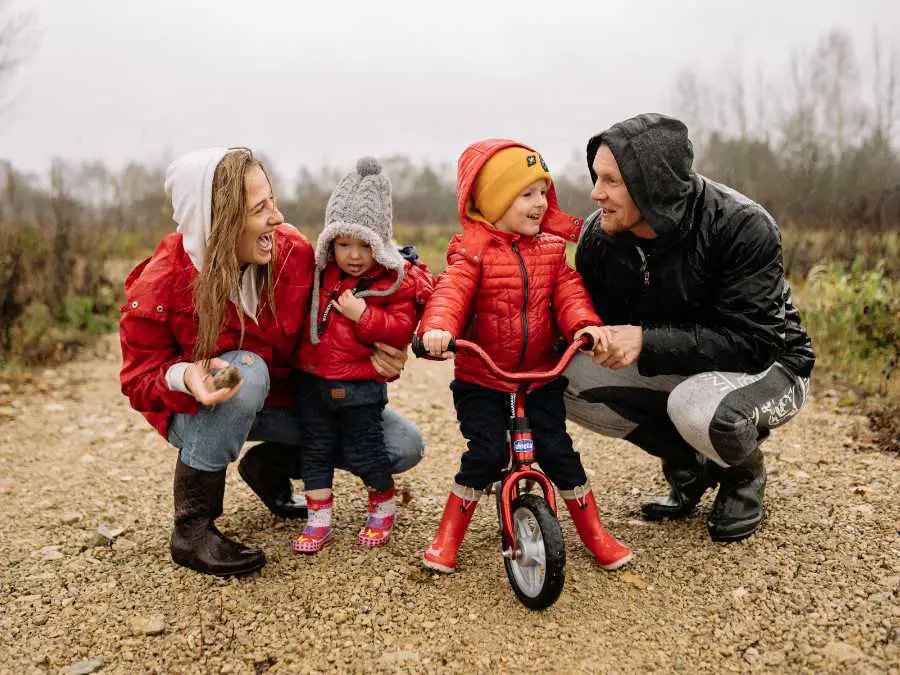 Spending quality time with family after school strengthens emotional bonds and provides support during a busy day.
Simple activities like sharing stories, helping with household tasks, or having dinner together create a sense of belonging and stability.
Regular family interactions can boost a student’s confidence, reduce stress, and promote healthy communication skills.
8. Socializing with Friends
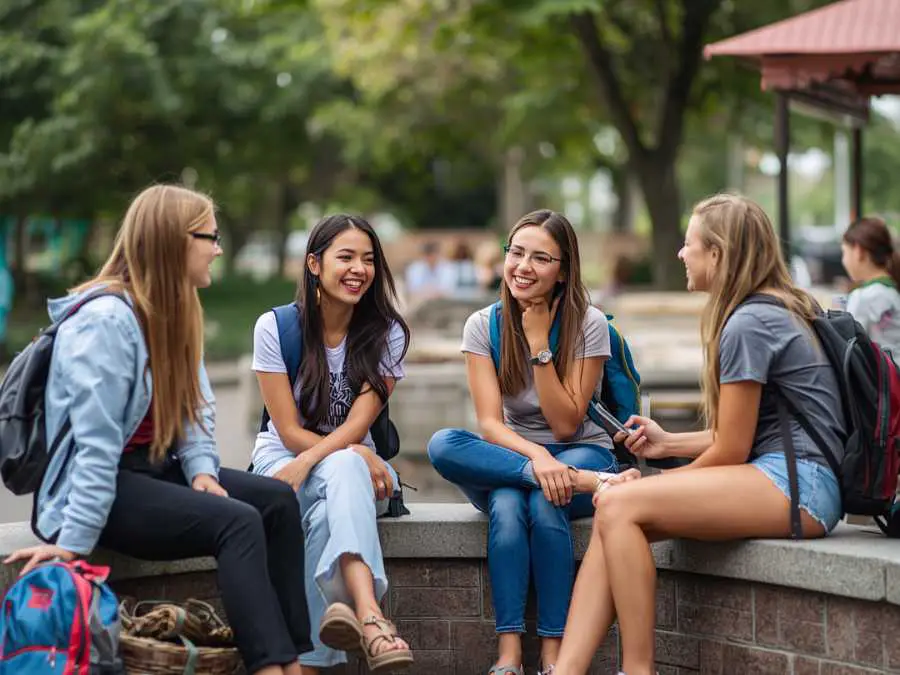 Maintaining friendships is a vital part of social development.
After school, meeting friends in person or virtually allows students to share experiences, exchange ideas, and relax together.
Social interactions build communication skills, empathy, and teamwork, while also providing a fun and lighthearted break from academic responsibilities.
9. Creative Hobbies
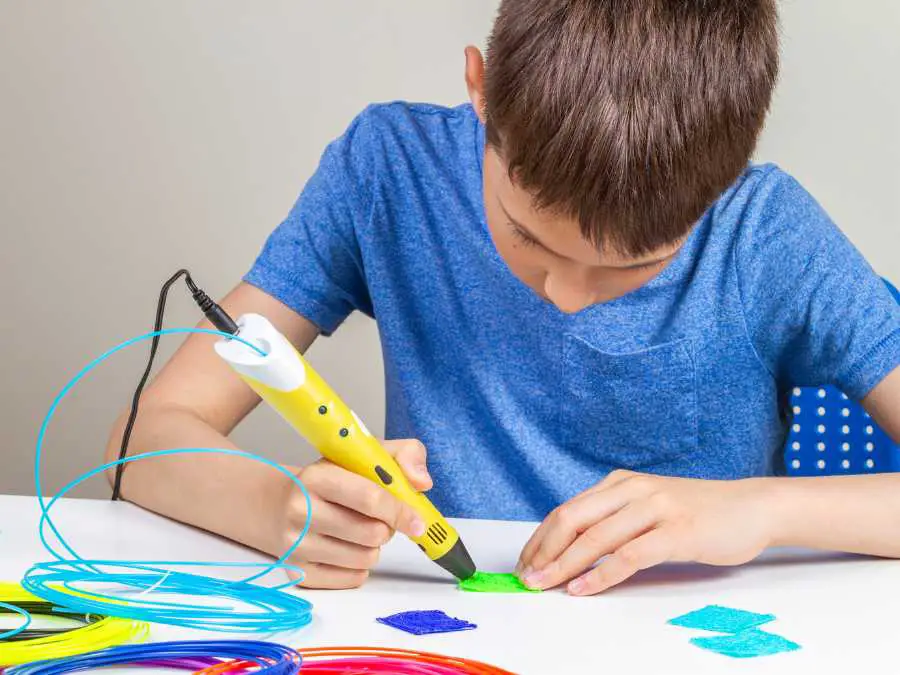 Pursuing hobbies like drawing, crafting, writing, or DIY projects allows students to explore their creativity and express themselves.
Engaging in creative activities after school can reduce stress, encourage problem-solving, and boost confidence.
Over time, hobbies can also become skills or passions that offer long-term personal fulfillment.
10. Screen Time for Leisure
 Watching shows, playing video games, or browsing online content can be enjoyable after school, but moderation is key.
Controlled screen time can offer relaxation, entertainment, and inspiration.
Balancing it with other activities ensures students remain active and engaged without overreliance on digital media, which can negatively affect sleep and focus.
11. Mindfulness or Meditation
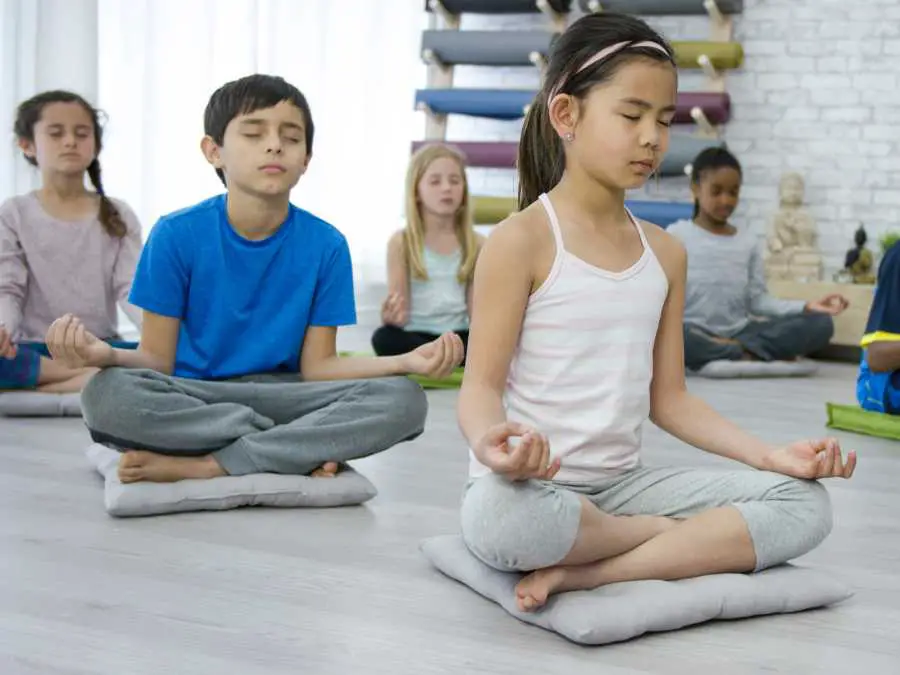 Incorporating mindfulness practices like meditation, deep breathing, or quiet reflection helps students unwind and refocus after a busy school day.
These practices improve concentration, emotional regulation, and stress management.
Even a few minutes of mindful breathing can create a calmer mindset and prepare students for homework, practice, or family interactions.
12. Pet Care
 For students with pets, taking care of them after school is both a responsibility and a source of joy.
Feeding, walking, or simply playing with pets encourages empathy, nurtures patience, and provides comfort.
Interacting with animals can reduce anxiety and loneliness, making it a positive and rewarding part of an after school routine.
13. Household Chores
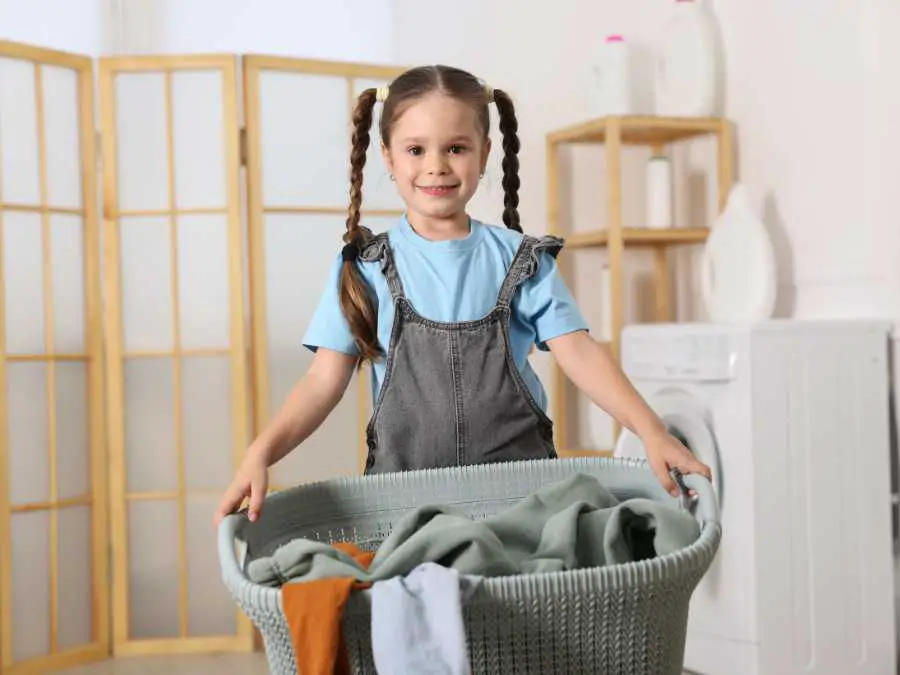 Participating in chores such as cleaning, organizing, or helping with meals teaches responsibility, teamwork, and practical life skills.
Chores also provide a sense of contribution to the household, help students develop time management, and can create a productive rhythm in the after school hours.
14. Learning a New Skill
 After school is a perfect time to explore interests outside the academic curriculum.
Whether it’s learning to code, practicing a new language, or experimenting with science projects, acquiring new skills keeps the mind active and engaged.
This habit encourages curiosity, problem-solving, and the development of abilities that may be valuable in the future.
15. Outdoor Play or Nature Walks
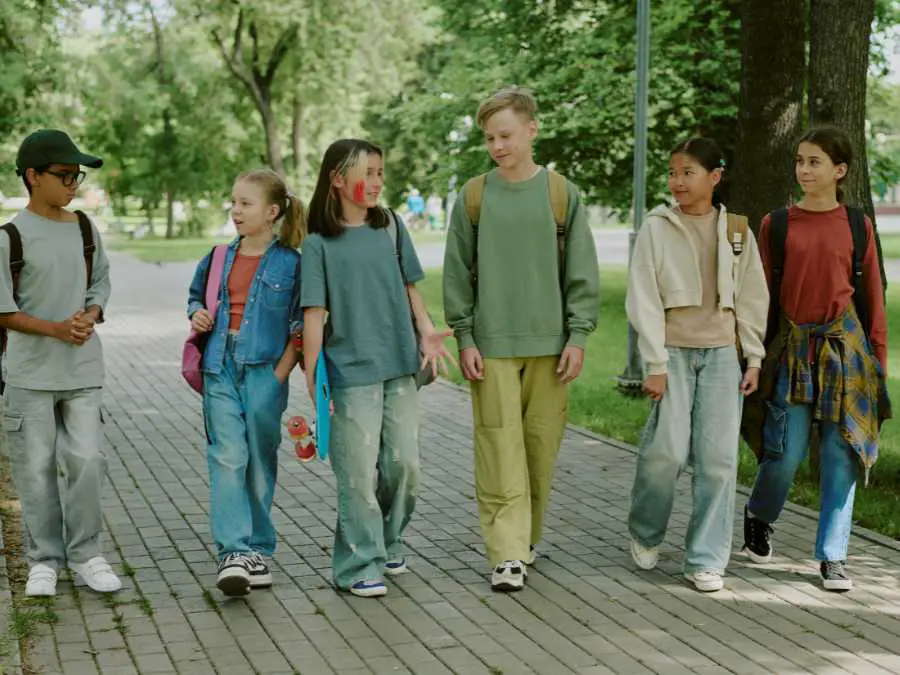 Spending time outside, whether playing sports, exploring a park, or simply walking, provides fresh air, sunlight, and a break from indoor environments.
Outdoor activity stimulates physical health, improves mood, and encourages observation and appreciation of nature.
It also offers a natural way to release energy and unwind after a structured school day.
16. Planning for the Next Day
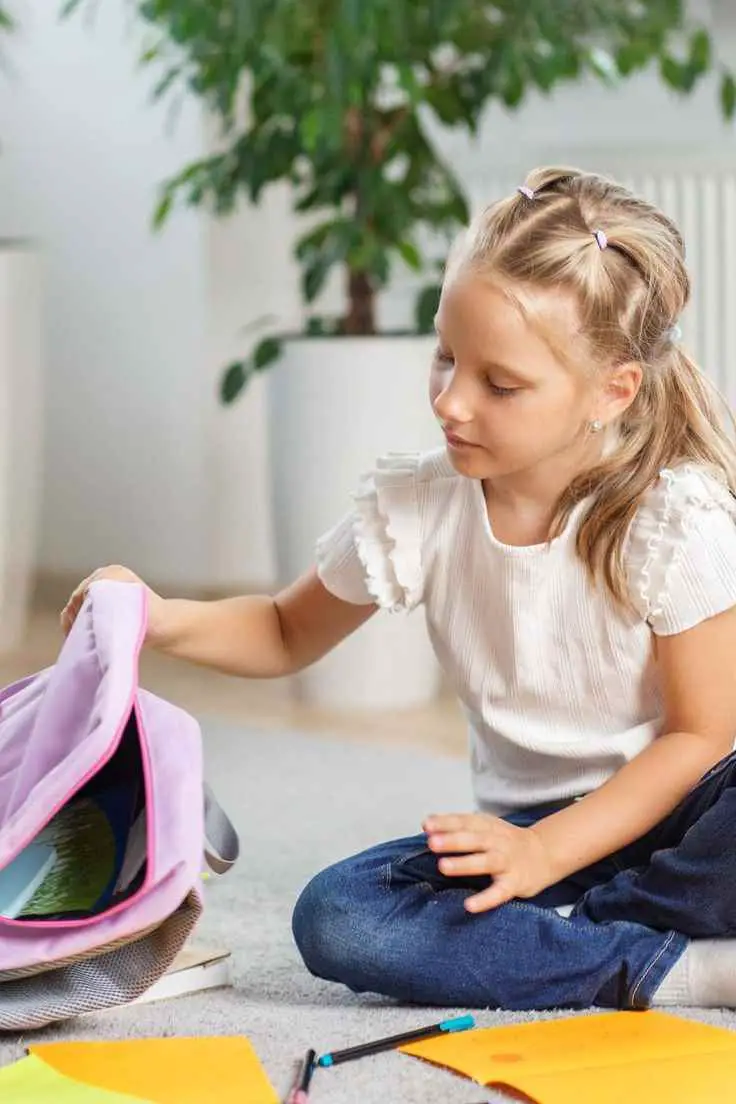
Reviewing tasks, packing bags, and organizing schedules for the following day reduces stress and improves productivity.
This habit allows students to prioritize responsibilities, set goals, and avoid last-minute confusion.
A little time spent planning can make mornings smoother and increase confidence in managing daily tasks.
17. Music Practice
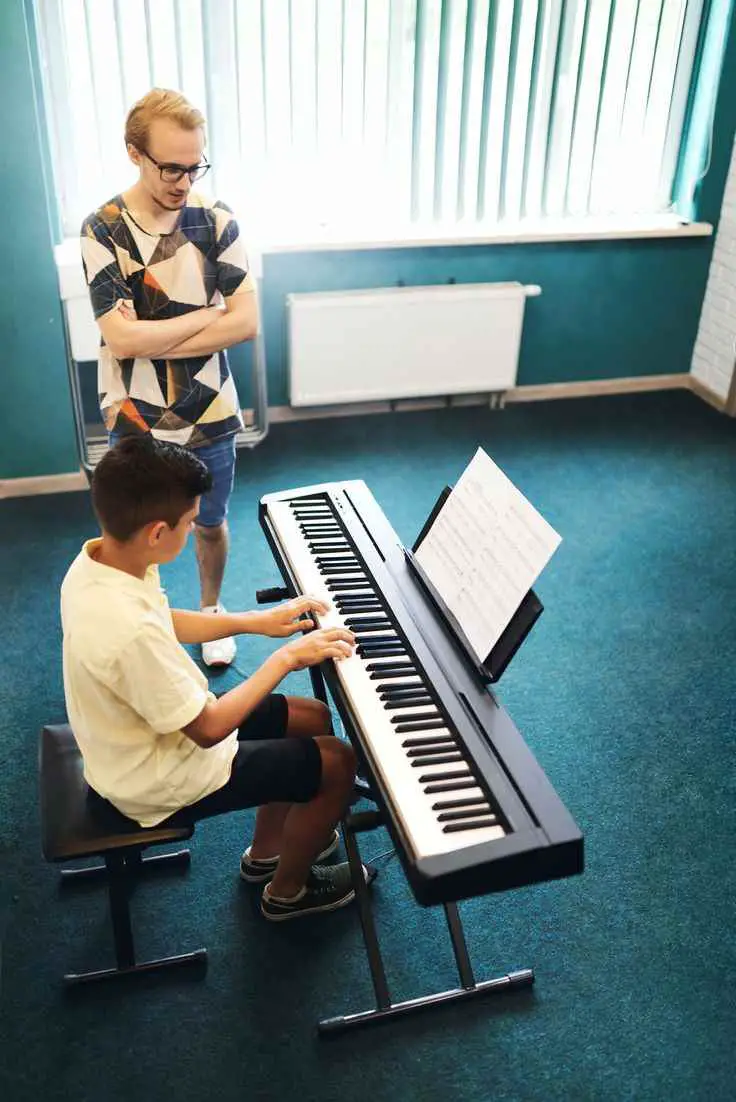
Practicing an instrument or singing after school enhances discipline, coordination, and memory.
Music also serves as a creative outlet and a source of relaxation, helping students express emotions and build confidence.
Over time, consistent practice strengthens technical skills and fosters a deeper appreciation for the art form.
18. Journaling or Reflection

Writing down thoughts, daily experiences, or personal reflections helps students process emotions, track progress, and develop self-awareness.
Journaling can reduce stress, improve writing skills, and provide insight into personal growth.
Reflecting on successes and challenges encourages mindfulness and supports emotional development.
19. Community or Volunteer Work
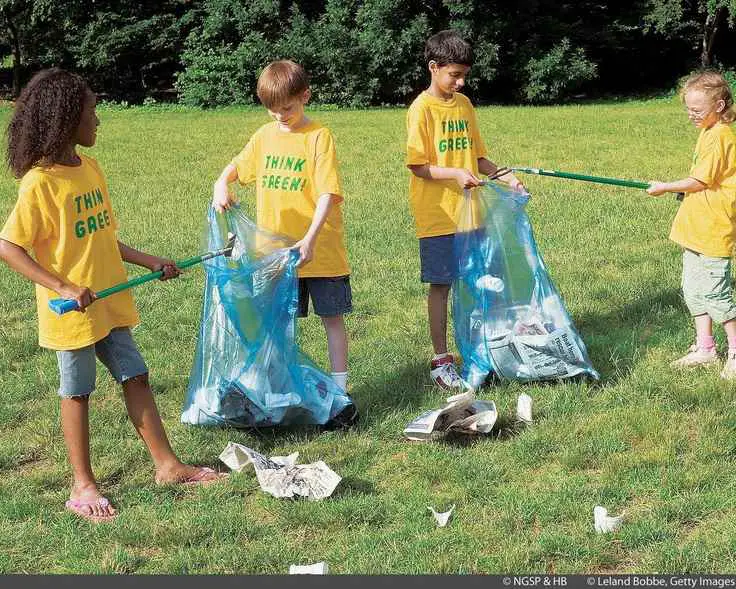
Engaging in volunteer activities or community service teaches empathy, social responsibility, and teamwork.
Helping others provides a sense of purpose and fulfillment, while also exposing students to different perspectives and life experiences.
Community involvement can instill values of kindness, compassion, and active citizenship.
20. Rest or Short Nap
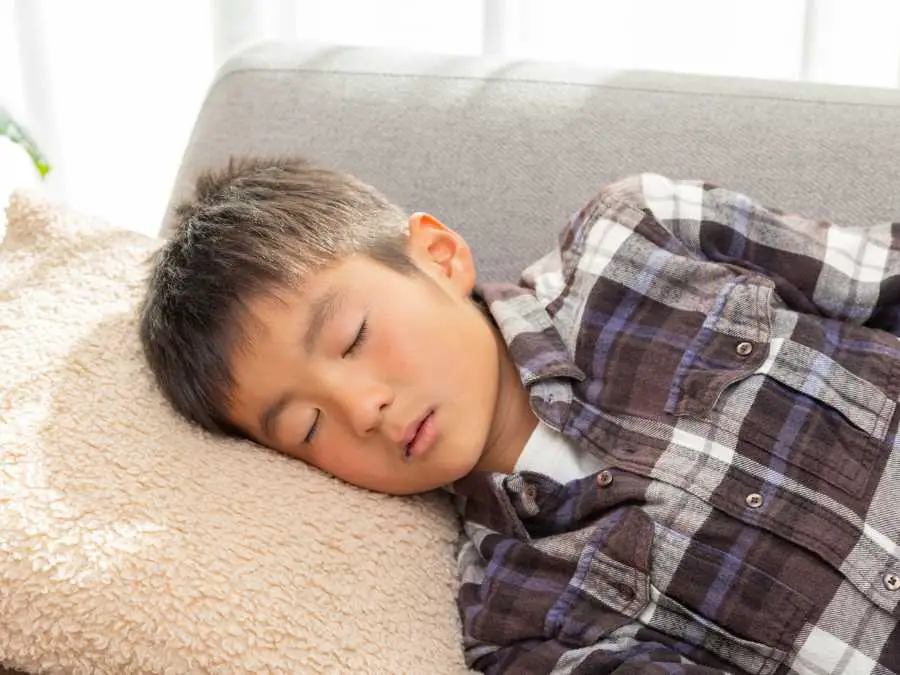 Taking a brief rest or power nap after school can restore energy, improve focus, and reduce fatigue.
Even a short 20 to 30-minute nap can enhance cognitive performance and mood.
Incorporating rest into the routine ensures students remain balanced and able to participate fully in evening activities.
21. Snack Prep or Cooking
 Learning to prepare snacks or simple meals teaches independence and practical life skills.
Cooking after school can also be a creative and enjoyable activity, allowing students to experiment with flavors, follow instructions, and take pride in completing a task.
It encourages healthy eating habits and self-sufficiency.
22. Attending Clubs or Study Groups
 Participating in clubs or study groups allows students to collaborate with peers, deepen understanding of subjects, and build social skills.
Group activities foster teamwork, problem-solving, and communication while providing structured support for academic and personal growth.
23. Personal Projects or Goals
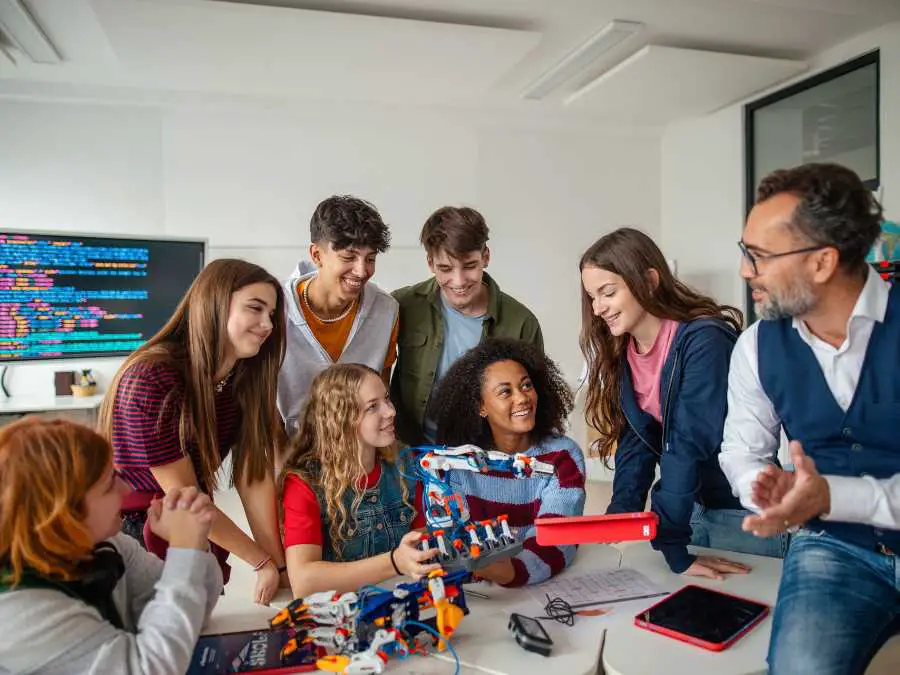 Spending time on personal ambitions, like writing a story, building a project, or developing a skill, instills motivation, focus, and a sense of accomplishment.
Dedicating time to personal goals teaches perseverance and self-direction, while encouraging students to pursue their passions and take ownership of their growth.
The hours after school may seem unstructured at first, but they hold a surprising amount of potential.
How students spend this time can shape not only their academic success but also their personal growth, creativity, and overall well-being.
A thoughtful routine offers a balance between responsibility and relaxation, helping students recharge, explore new interests, and build habits that last a lifetime.
By being intentional with these hours, after school becomes more than just a transition period—it becomes an opportunity for learning, connection, and self-discovery that extends far beyond the classroom.