23 play-based learning at home for working parents
We have curated 23 play-based learning at home for working parents you will like.
For many working parents, home can feel like a place where time is always running short.
Between jobs, chores, and the constant mental load of caring for a family, finding meaningful ways to support a child’s learning can feel overwhelming.
There is often pressure to do more, plan more, and teach more, even when energy is already stretched thin.
In the middle of this reality, learning at home does not always look like quiet tables, worksheets, or carefully structured lessons.
Play-based learning offers a different lens, one that fits more naturally into real family life.
It recognizes that children are constantly learning through curiosity, movement, and interaction, even during everyday moments.
For working parents, this approach can feel both reassuring and realistic, because it aligns with how children already explore the world and how families already live.
Understanding what play-based learning truly means at home can help parents feel more confident, less pressured, and more connected to their children’s growth, even on the busiest days.
23 play-based learning at home for working parents
1. Pretend play with everyday roles
 When children pretend to be parents, shopkeepers, doctors, or teachers, they are making sense of the adult world around them.
This kind of play builds language, emotional understanding, and problem-solving skills.
For working parents, pretend play often reflects what children observe at home, including routines, conversations, and responsibilities.
2. Building with blocks or household items
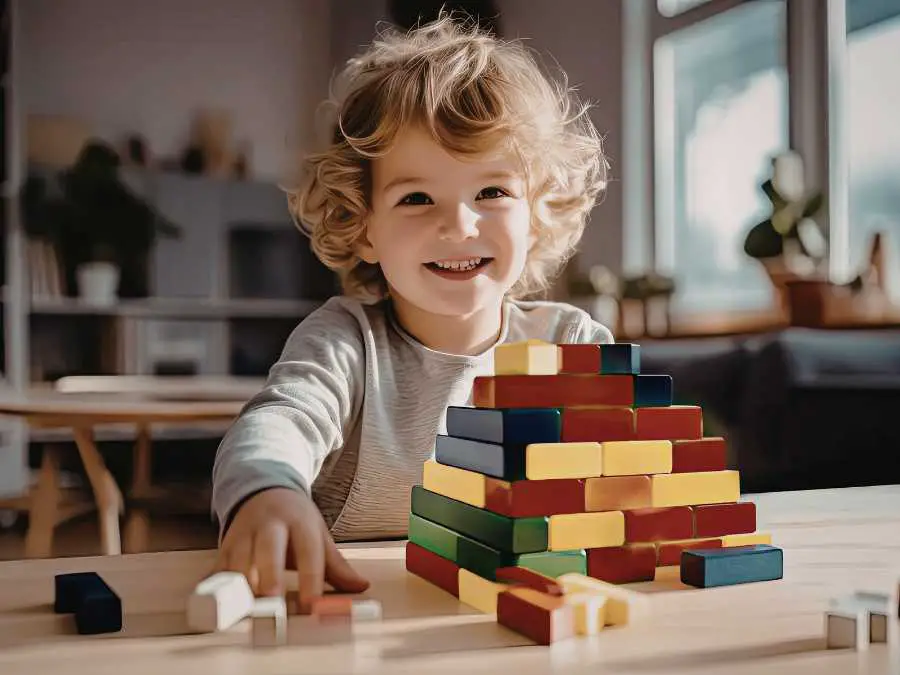 Stacking, balancing, and designing structures supports early math concepts like size, shape, and spatial awareness.
It also strengthens patience and planning.
Children learn through trial and error, which is a powerful form of learning that does not require adult direction.
3. Drawing, coloring, and open art
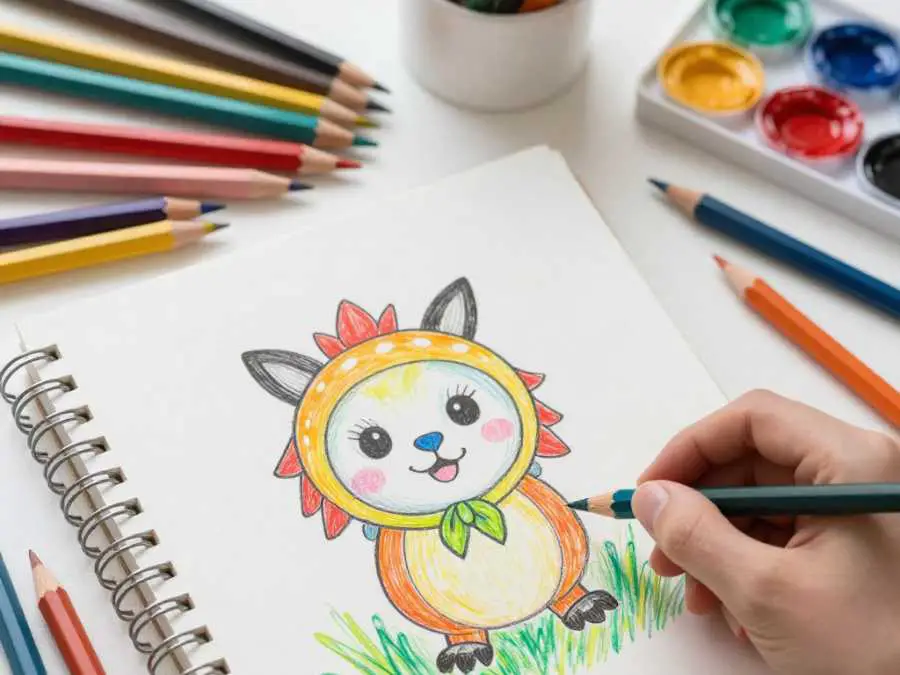 Art allows children to express thoughts they may not yet have words for.
It supports creativity, fine motor skills, and emotional release.
Open-ended art, where the focus is on the process rather than the outcome, helps children feel confident in their ideas.
4. Storytelling through pictures or objects
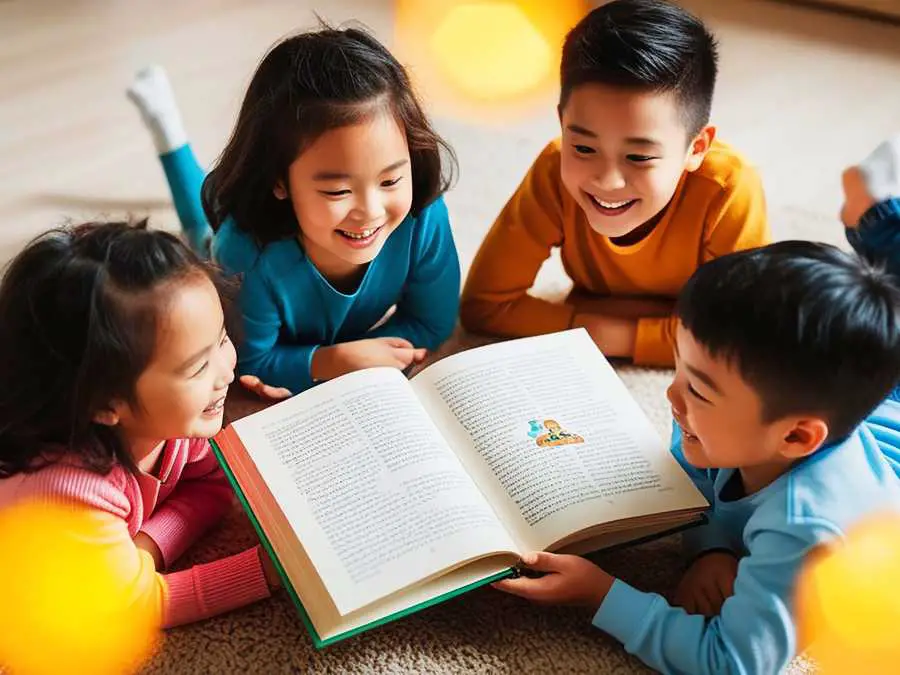 When children create stories using toys, drawings, or random objects, they practice sequencing, imagination, and communication.
This kind of play strengthens early literacy skills and helps children organize their thoughts in a meaningful way.
5. Music and movement play
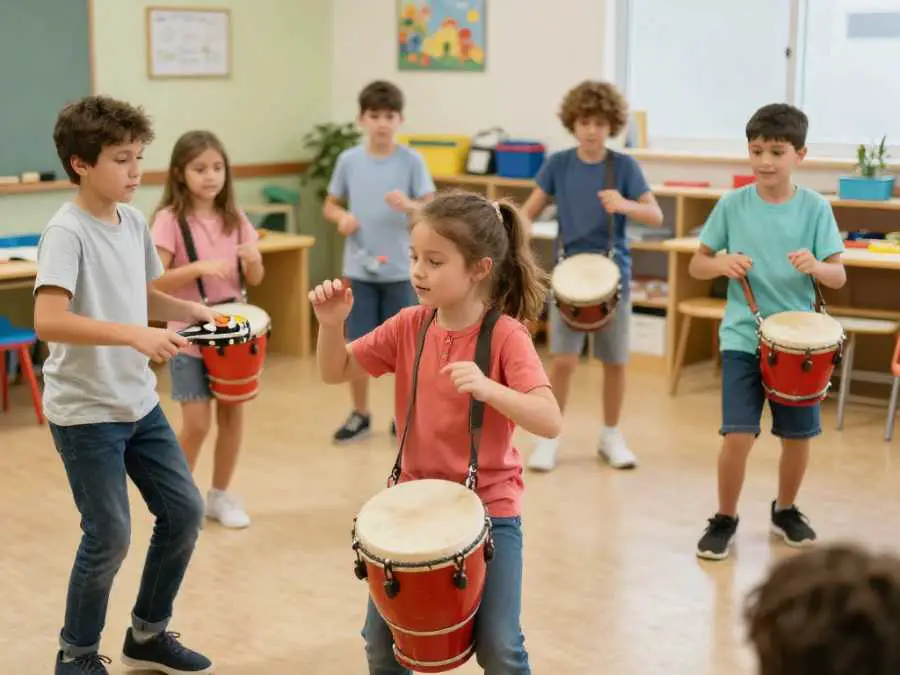 Singing, clapping, dancing, or making rhythms supports memory, coordination, and emotional regulation.
Movement-based play also helps children release energy, especially after long days that may involve waiting or quiet time.
6. Sorting and organizing games
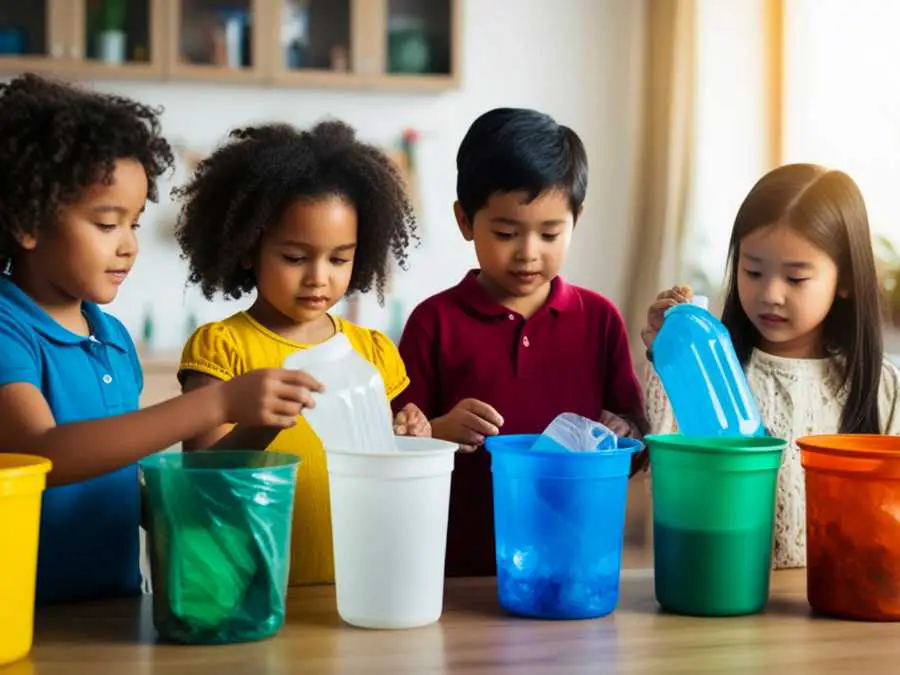 Children naturally enjoy sorting objects by color, size, or type.
This supports early math skills and logical thinking.
It also helps children develop focus and attention in a playful way.
7. Role play with emotions
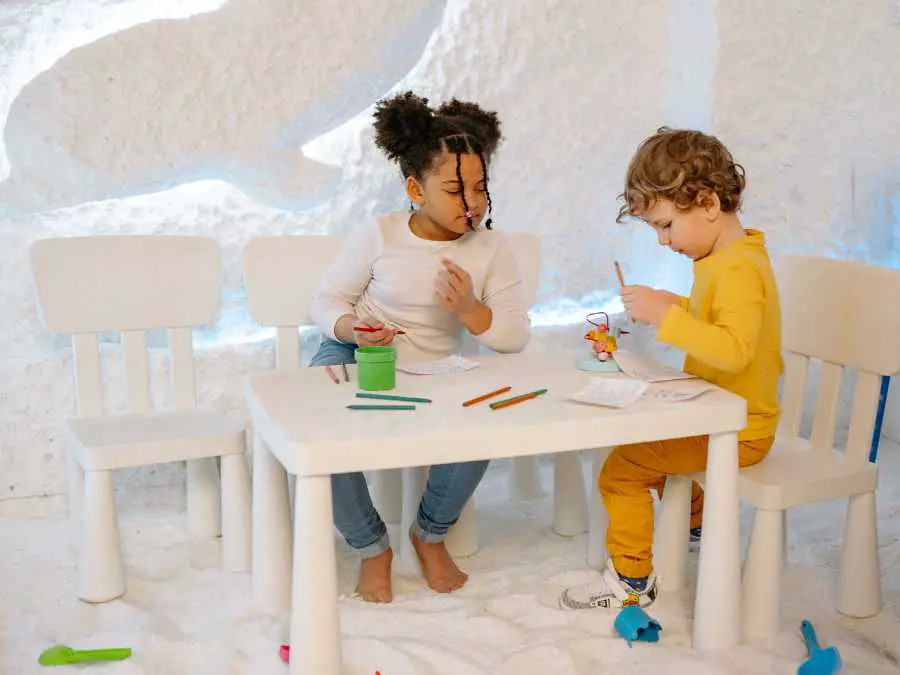 Using dolls, toys, or drawings to act out feelings helps children understand emotions and social situations.
This kind of play is especially important for children of working parents, as it gives them a safe space to process separation, routines, and daily transitions.
8. Cooking-related play
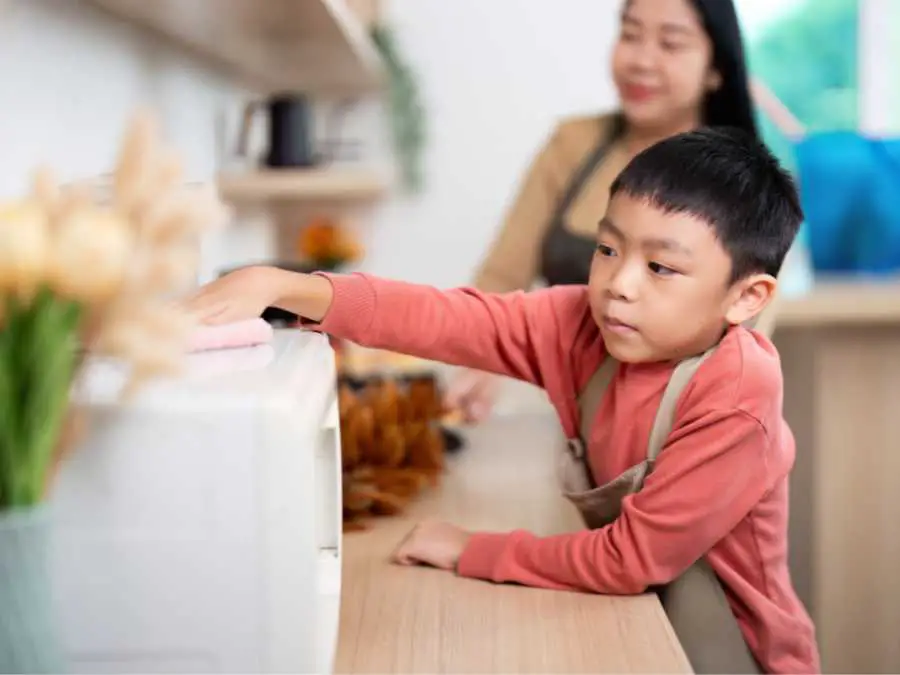 Pretend cooking or helping with simple kitchen tasks supports math concepts, language development, and independence.
It also helps children feel included in family routines, which strengthens connection.
9. Puzzle play
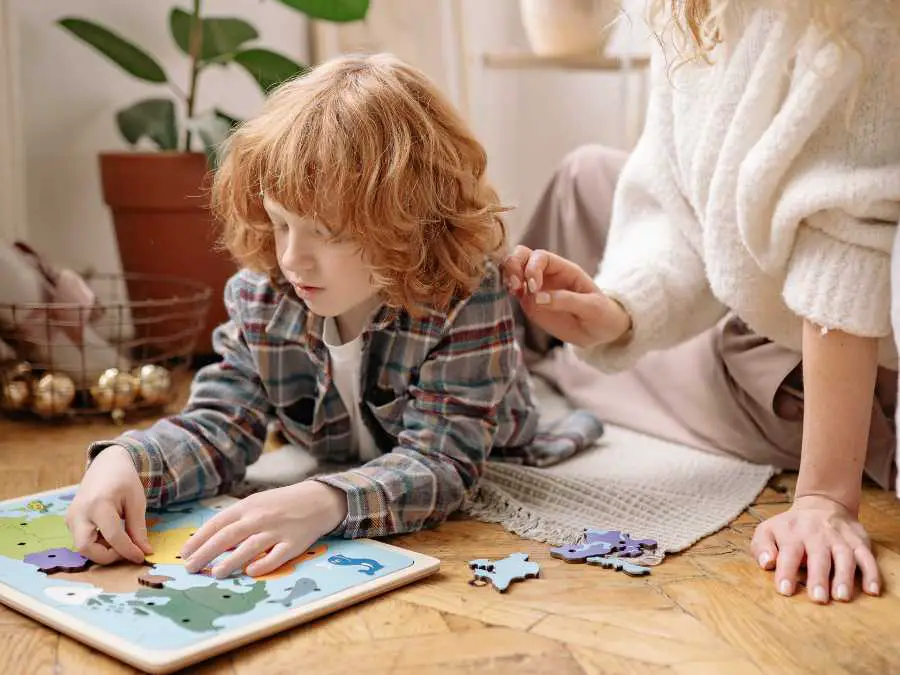 Puzzles encourage problem solving, persistence, and visual reasoning.
Children learn to manage frustration and experience the satisfaction of completing a challenge, which builds confidence.
10. Outdoor free play
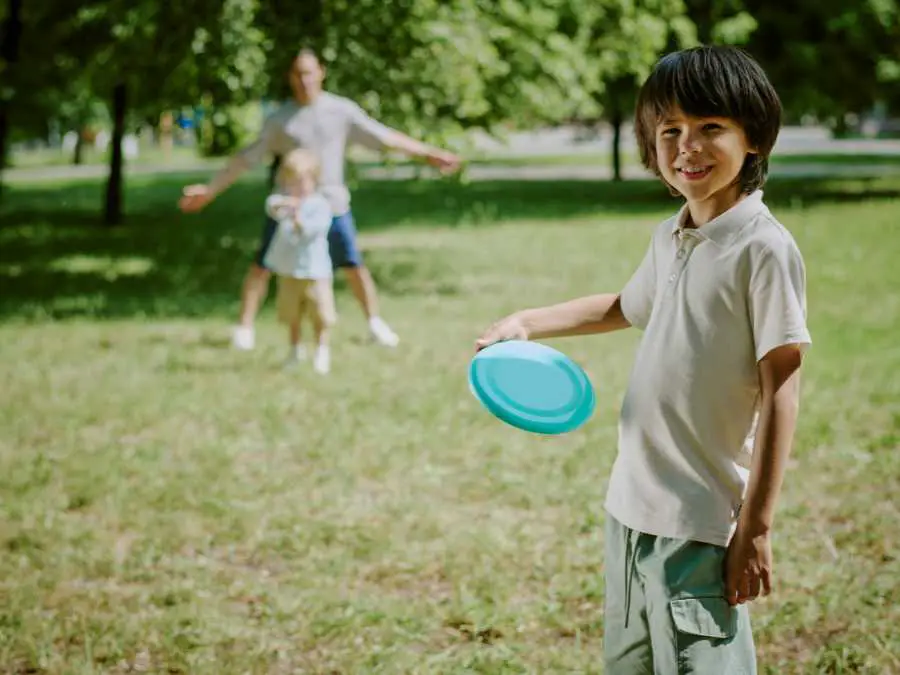 Unstructured outdoor play supports physical development, creativity, and emotional well-being.
Nature-based play also encourages curiosity and exploration, allowing children to learn through their senses.
11. Imaginative play with small toys
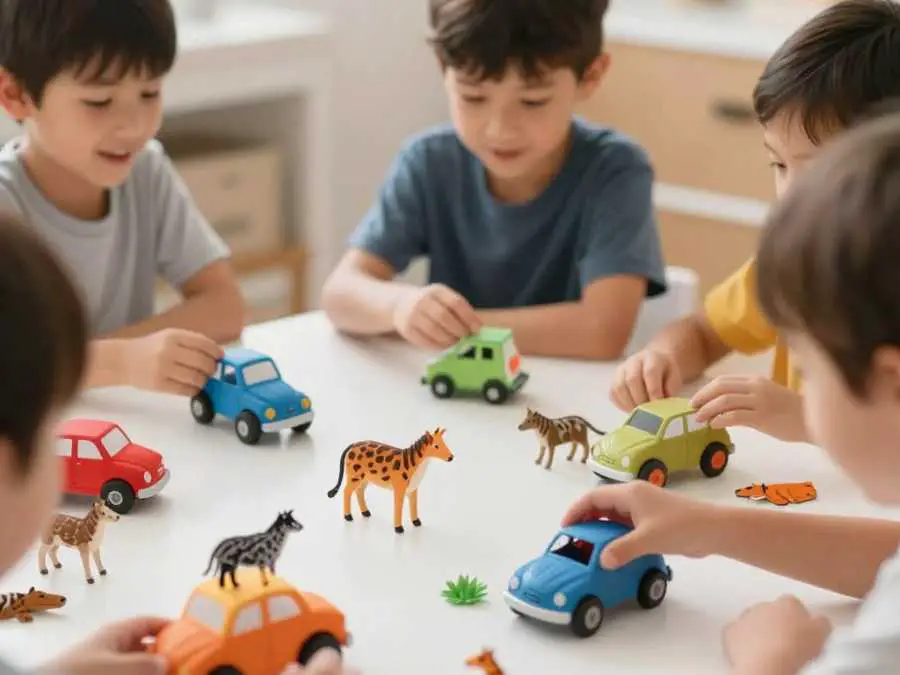 Using cars, animals, or figures to create scenes supports storytelling and social understanding.
Children often replay real-life experiences through this type of play, which helps them make sense of their world.
12. Sensory play experiences
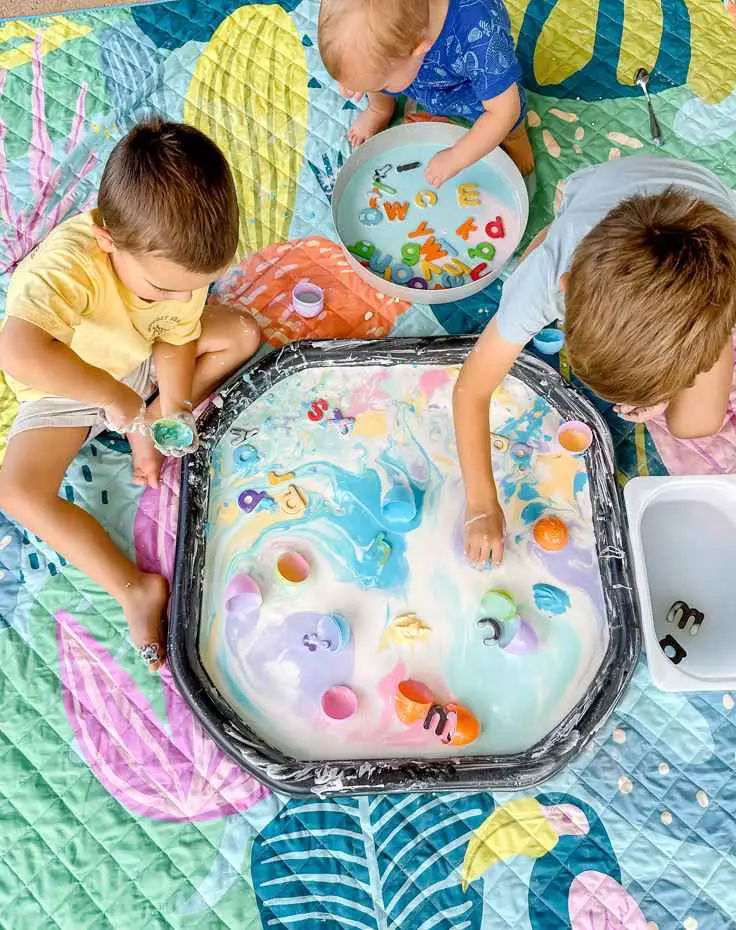
Playing with textures, sounds, and materials supports brain development and emotional regulation.
Sensory play can be calming and grounding, especially after busy or stimulating days.
13. Dress up play
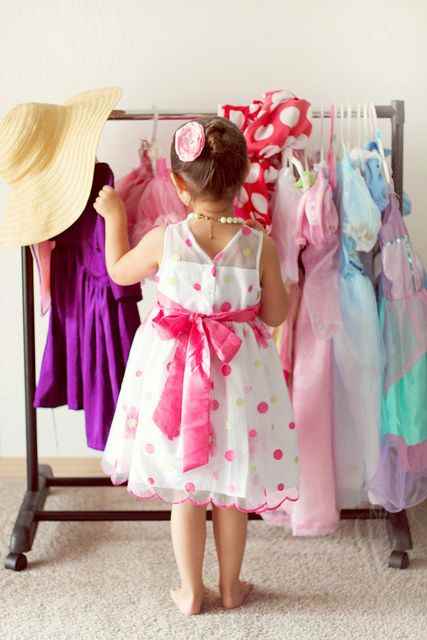
Trying on clothes and costumes supports self-expression and identity development.
It also encourages creativity and role exploration in a joyful, pressure-free way.
14. Language play through rhymes and word games
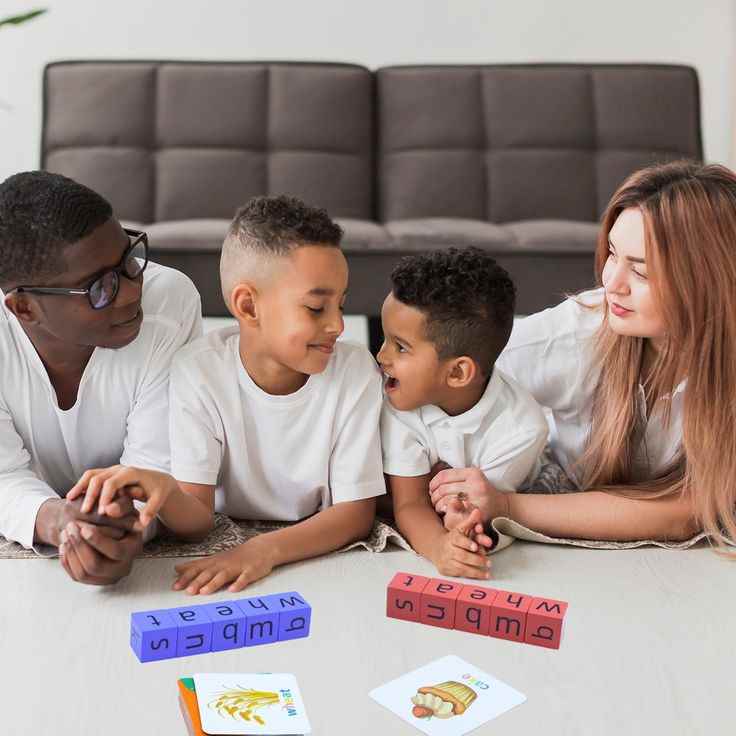
Simple word play supports vocabulary, listening skills, and memory.
It also builds confidence in communication without feeling like formal learning.
15. Problem-solving play
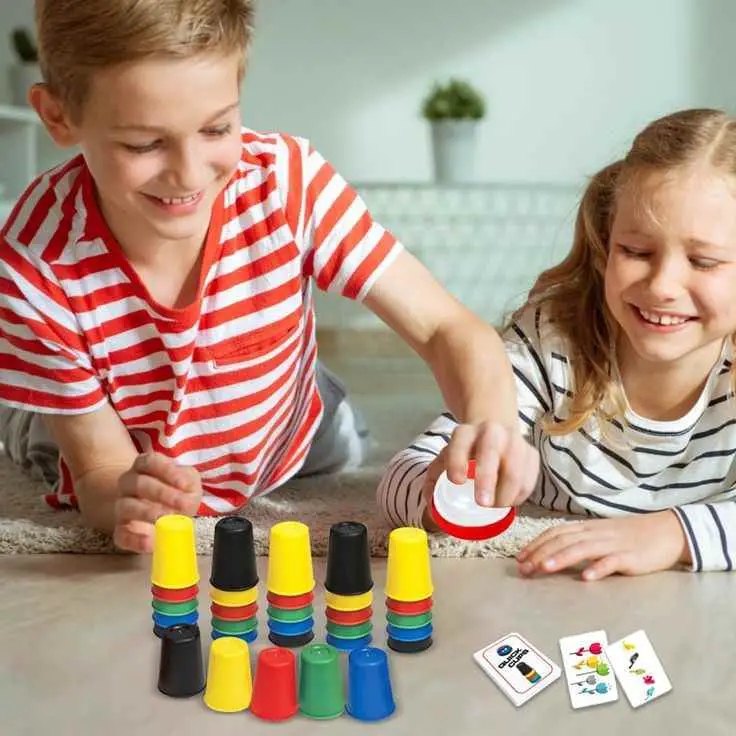
Games that involve figuring things out, fixing something, or finding solutions help children develop critical thinking.
This type of play teaches flexibility and resilience.
16. Construction play with loose parts
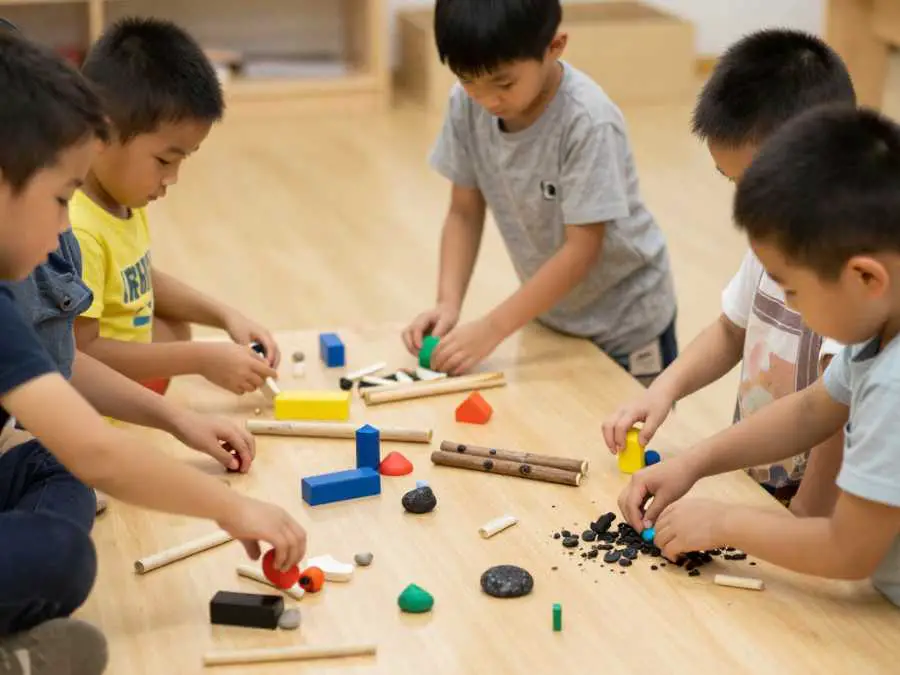 Using everyday items like boxes or containers encourages creativity and engineering thinking.
Children learn that there is more than one way to create or solve a problem.
17. Social play with siblings or peers
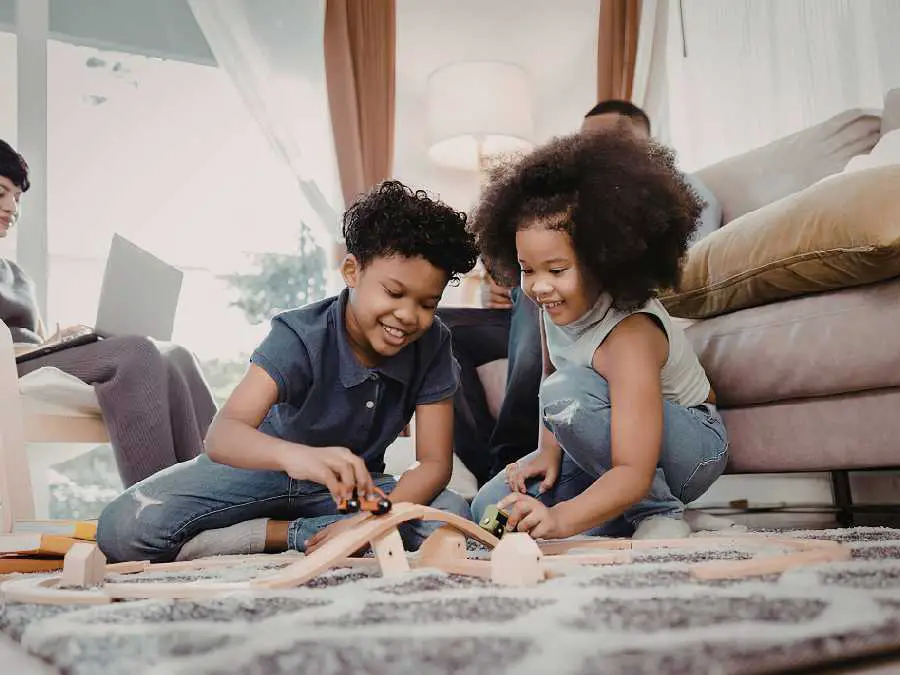 Playing with others helps children learn cooperation, negotiation, and empathy.
These skills are essential for emotional development and future relationships.
18. Nature-based imaginative play
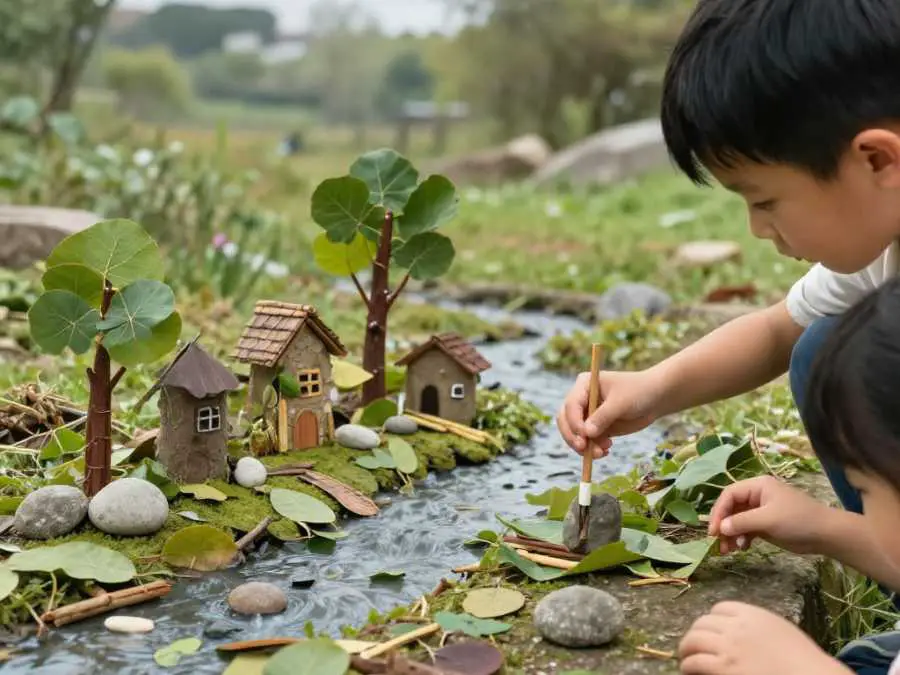 Using leaves, sticks, or stones in play encourages creativity and connection to the environment.
Children learn to see learning opportunities in simple materials.
19. Memory and matching games
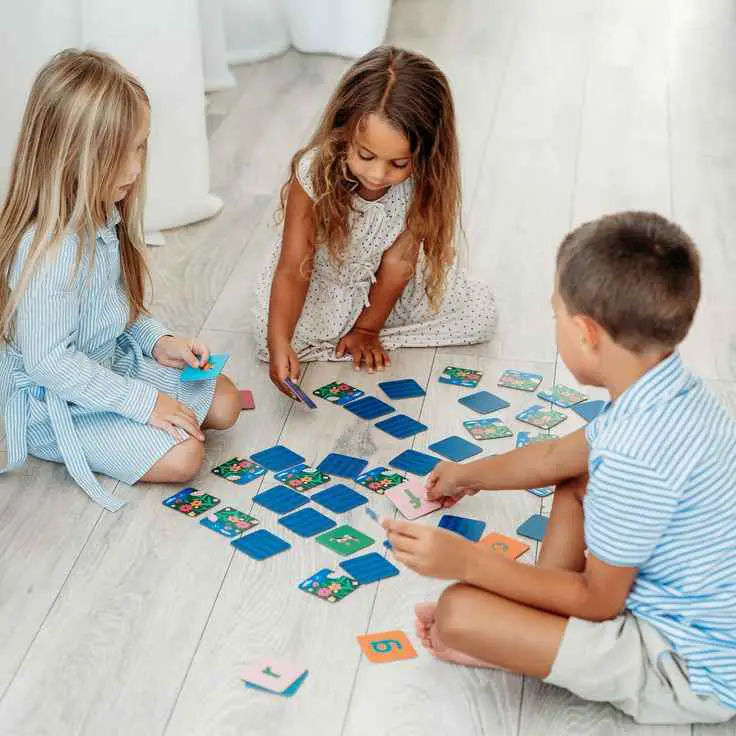
These games support concentration, recall, and attention skills.
They also help children practice turn-taking and patience.
20. Dramatic play with household routines

Children enjoy acting out routines like bedtime or work scenes.
This helps them understand structure, time, and expectations in a way that feels safe and familiar.
21. Creative movement and body play
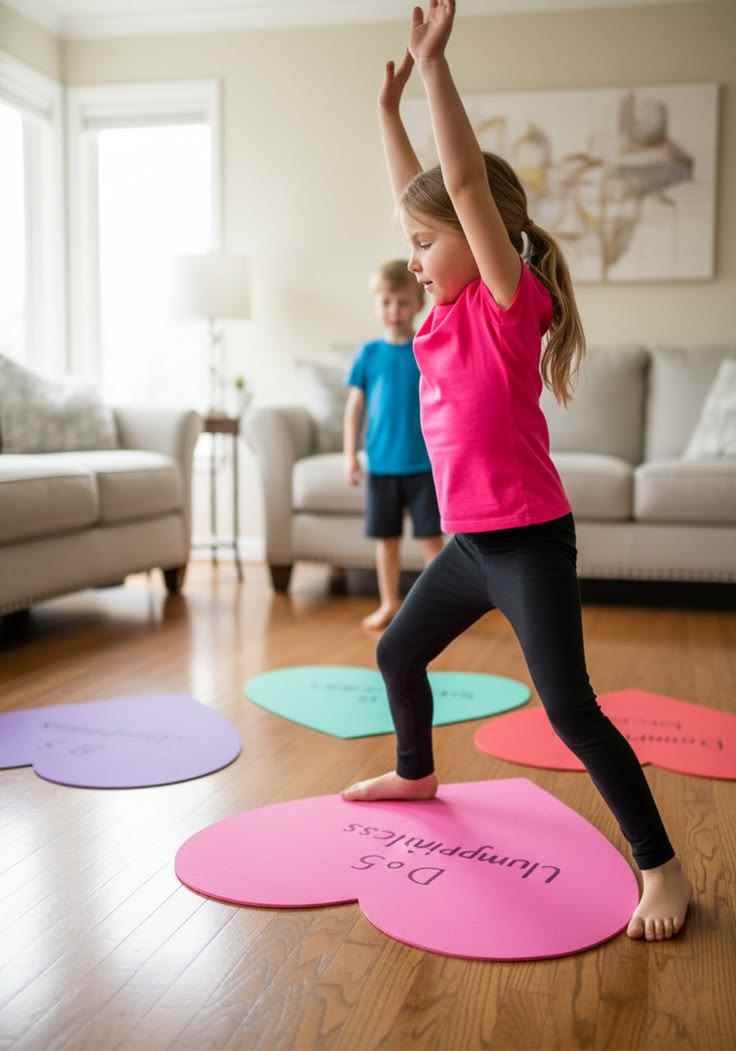
Exploring movement through stretching, jumping, or balancing supports body awareness and confidence.
It also helps children listen to and respect their physical limits.
22. Play with rules created by the child
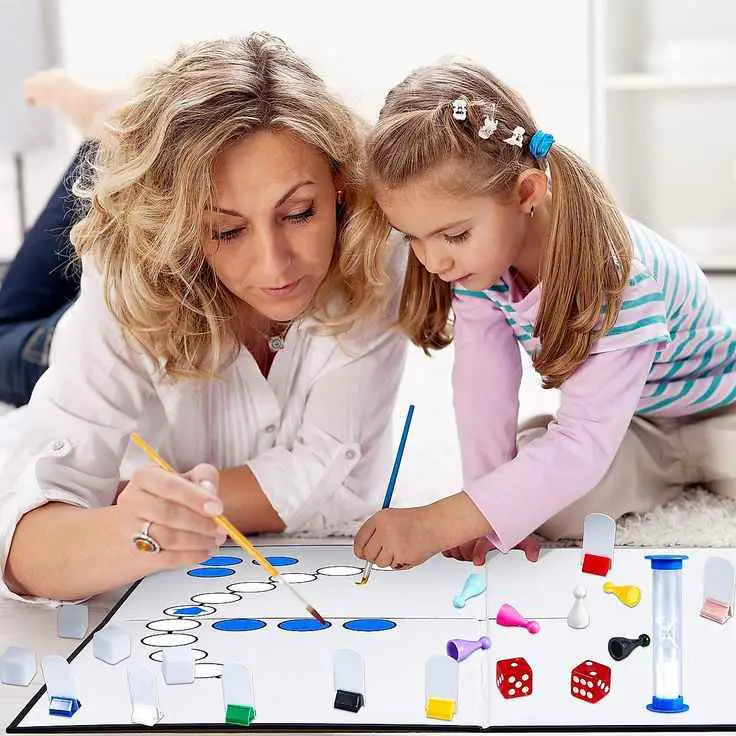
When children invent their own games and rules, they practice leadership, logic, and flexibility.
It also shows respect for their ideas and independence.
23. Quiet-imaginative solo play
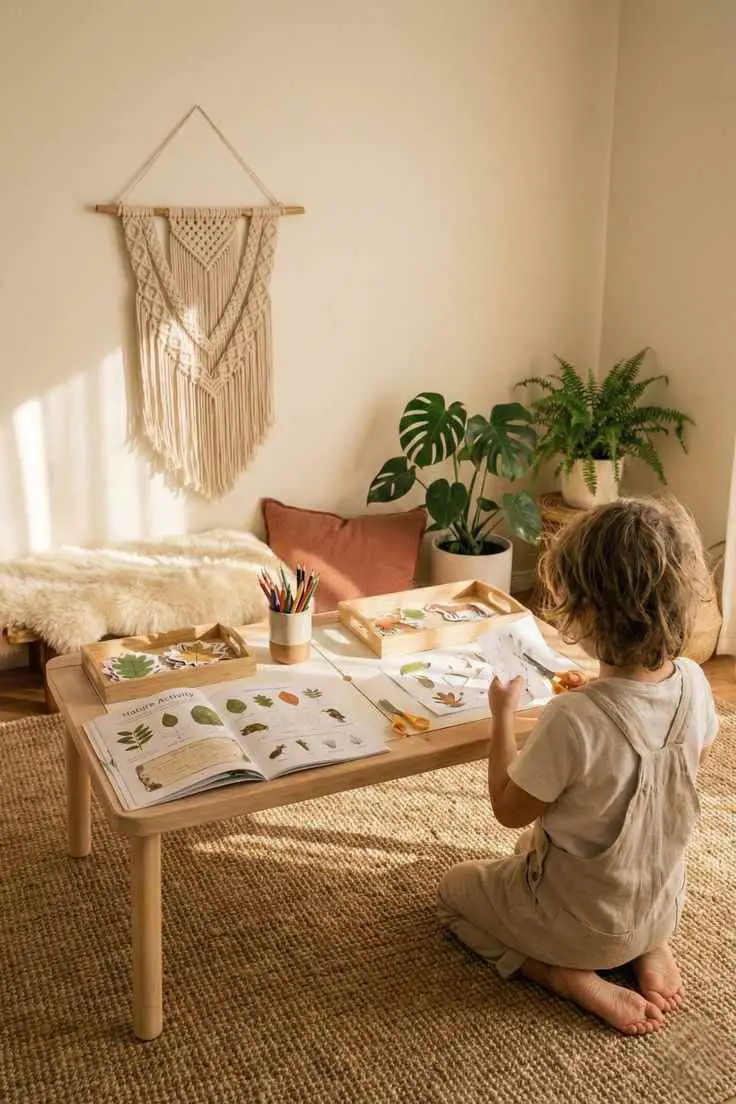
Independent play allows children to explore their thoughts and interests at their own pace.
This builds focus, creativity, and emotional security, which is especially valuable in busy households.
Here is a thoughtful, human-sounding conclusion that gently ties everything together without repeating specific activities or sounding instructional:
Play-based learning at home does not require perfect schedules, expensive materials, or extra hours that working parents simply do not have.
It grows naturally out of everyday life, shared spaces, and small moments of connection.
When learning is woven into play, children feel safe to explore, experiment, and express themselves, while parents can feel reassured that meaningful learning is already happening.
For working parents, this approach offers relief from the pressure to constantly do more.
It shifts the focus from structured outcomes to presence, trust, and understanding how children learn best.
By valuing play as a powerful form of learning, families create an environment where growth happens organically, relationships are strengthened, and children develop skills that will support them far beyond childhood.
You could also like;
50 Gentle Parenting Phrases for Setting Firm Boundaries
How to Make Siblings Share a Room Without the Constant Fighting
Leave a Reply