25 gentle parenting tips for toddlers
Are you searching for gentle parenting tips for toddlers, no worries you are in the right place.
We have curated 25 gentle parenting tips for toddlers you will love.
There is something deeply humbling about raising a toddler.
One moment, they are wrapped around your leg asking for snacks, the next, they are on the floor in tears because you peeled the banana the “wrong” way.
In the middle of the chaos, many parents find themselves searching for a calmer, more connected way to respond, especially during the challenging early years.
Gentle parenting has become a growing conversation among modern families, not because it promises perfect children or peaceful days all the time, but because it encourages a different kind of relationship between parent and child.
At its core, it is about understanding, communication, and guiding toddlers with patience while still holding healthy boundaries.
For parents of toddlers, this approach can feel both comforting and confusing.
These little humans are learning how to express big emotions without fully knowing how to manage them yet.
That often leaves parents trying to balance empathy with discipline, connection with correction, and love with exhaustion.
In this post, we will explore gentle parenting for toddlers in a realistic and practical way, looking at how parents can nurture cooperation, emotional security, and trust during one of the most demanding stages of childhood.
25 Gentle Parenting Tips For Toddlers
1. Get down to your toddler’s eye level when speaking

Toddlers respond better when they feel seen and heard. Instead of calling instructions across the room, kneel or sit so you are face to face with them.
Eye contact creates connection, and connection often leads to cooperation.
It also helps your child focus on what you are saying without feeling intimidated or ignored.
When toddlers are overwhelmed or distracted, a calm voice and close presence can make a huge difference.
This approach teaches respect because you are communicating with them, not talking down to them.
2. Focus on connection before correction
 Children are more likely to listen when they feel emotionally connected to you.
If your toddler is acting out, try to understand what may be happening underneath the behavior before jumping straight into discipline.
A toddler who is tired, overstimulated, hungry, or seeking attention may not actually be trying to be “bad.”
Gentle parenting encourages parents to pause and reconnect first. A hug, a calm tone, or simply acknowledging their feelings can often reduce tension faster than punishment.
3. Acknowledge big feelings without dismissing them
 Toddlers experience emotions intensely, even when the reason seems small to adults.
Crying because a cup is the wrong color may seem dramatic, but to them, the disappointment feels real.
Instead of saying, “Stop crying” or “It’s not a big deal,” try validating the feeling.
Let them know you understand they are upset.
This helps children feel emotionally safe and teaches them that emotions are normal, not something to hide or fear.
4. Set clear and consistent boundaries
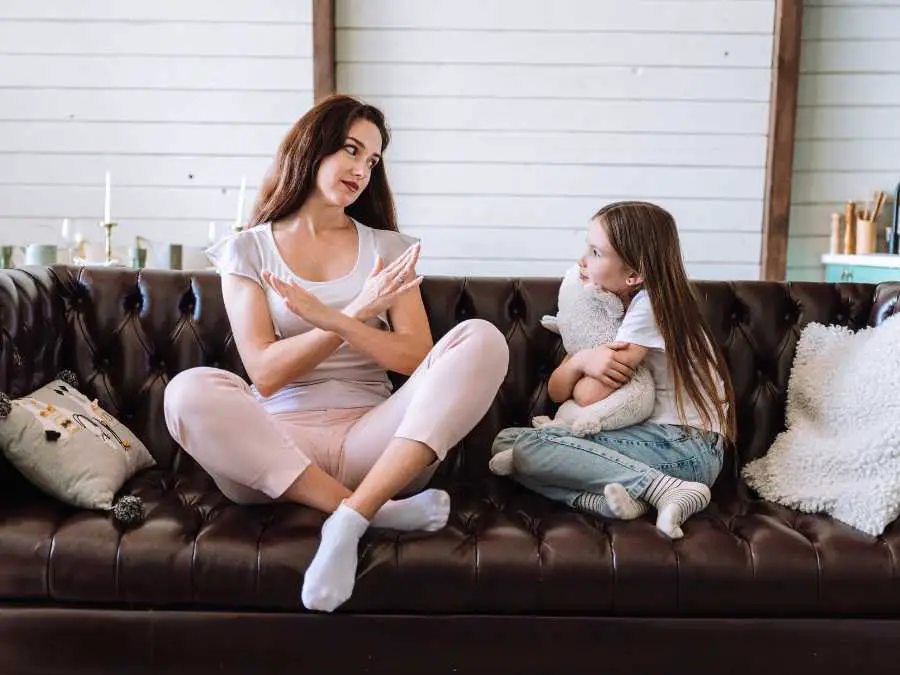 Gentle parenting is not permissive parenting.
Toddlers still need structure and limits to feel secure.
The difference is that boundaries are enforced calmly instead of through fear or harsh punishment.
If a behavior is not acceptable, stay firm while remaining kind.
Consistency helps toddlers understand expectations over time.
When boundaries constantly change, children often become more frustrated and confused.
5. Offer choices whenever possible
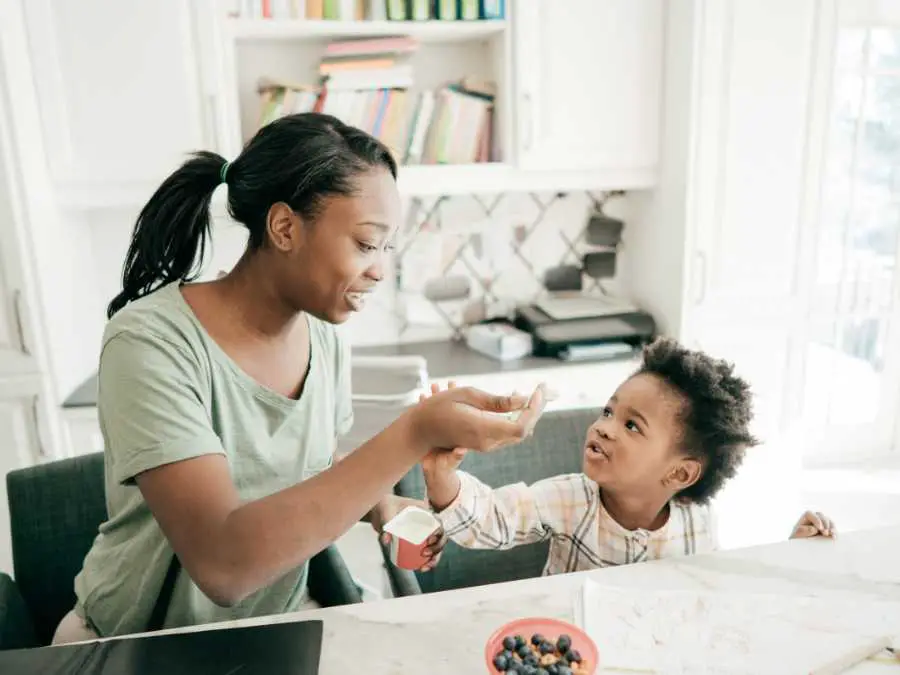 Toddlers crave independence.
Giving small choices helps them feel capable and involved while reducing power struggles.
Simple options like choosing between two shirts or deciding whether to brush teeth before or after pajamas can make toddlers feel respected.
The choices should remain reasonable and controlled by the parent, but still allow the child some autonomy.
6. Speak calmly during tantrums
 Toddlers borrow emotional regulation from adults.
If a parent begins yelling during a meltdown, the situation usually escalates.
Remaining calm does not mean ignoring bad behavior, it means becoming the steady presence your child needs during emotional storms.
A calm response teaches children that difficult feelings can be handled without aggression or panic.
Over time, they begin to mirror that emotional control themselves.
7. Avoid labeling your child
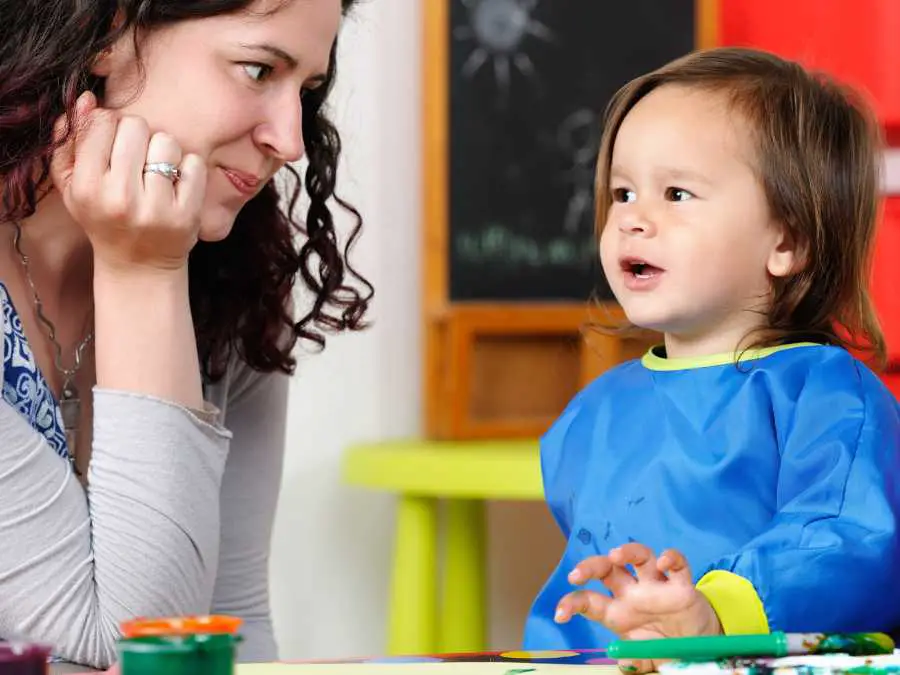 Words like “naughty,” “difficult,” or “bad” can shape how children see themselves.
Instead of labeling the child, address the behavior directly.
For example, instead of saying, “You are so messy,” you can say, “The toys need to be cleaned up.”
This separates the child’s identity from the mistake and protects their self esteem.
8. Use routines to create security
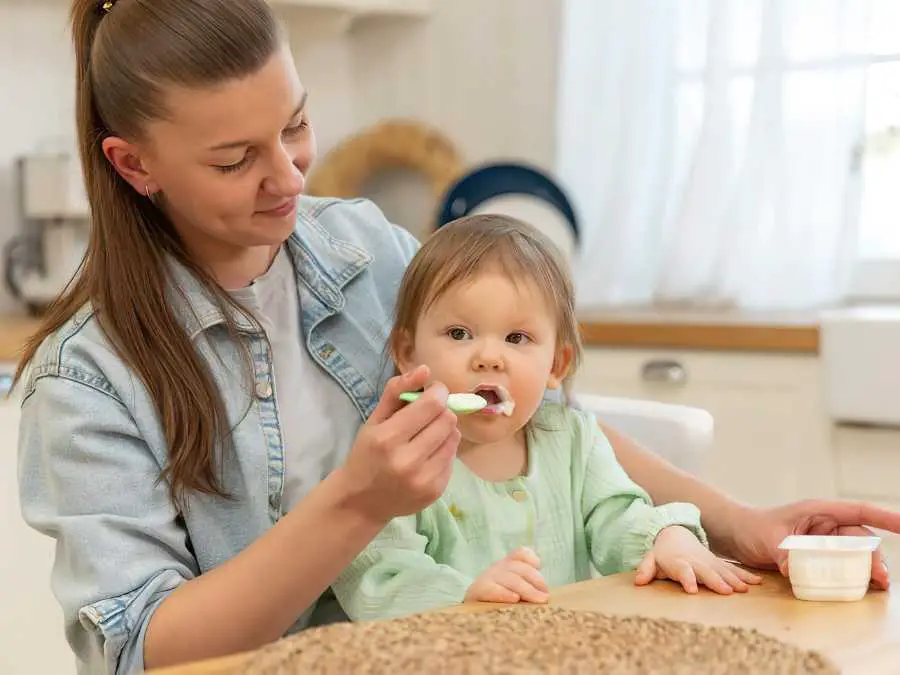 Toddlers thrive on predictability.
Regular routines help children know what to expect, which often reduces anxiety and resistance.
Simple routines around meals, naps, playtime, and bedtime create a sense of safety.
Children feel calmer when their world feels consistent and manageable.
9. Redirect instead of constantly saying no
 Hearing “no” all day can frustrate toddlers and sometimes make them more determined to continue unwanted behavior.
Redirection shifts their attention toward something acceptable.
If your toddler is throwing blocks, you might redirect them toward stacking or tossing soft balls instead.
This keeps discipline constructive rather than confrontational.
10. Model the behavior you want to see
 Toddlers learn far more from observation than lectures.
If parents want respectful communication, patience, and kindness, children need to see those behaviors regularly.
When you apologize after losing your temper or speak politely during stressful moments, you teach emotional responsibility in a powerful way.
Children absorb how adults handle conflict and emotions.
11. Give warnings before transitions
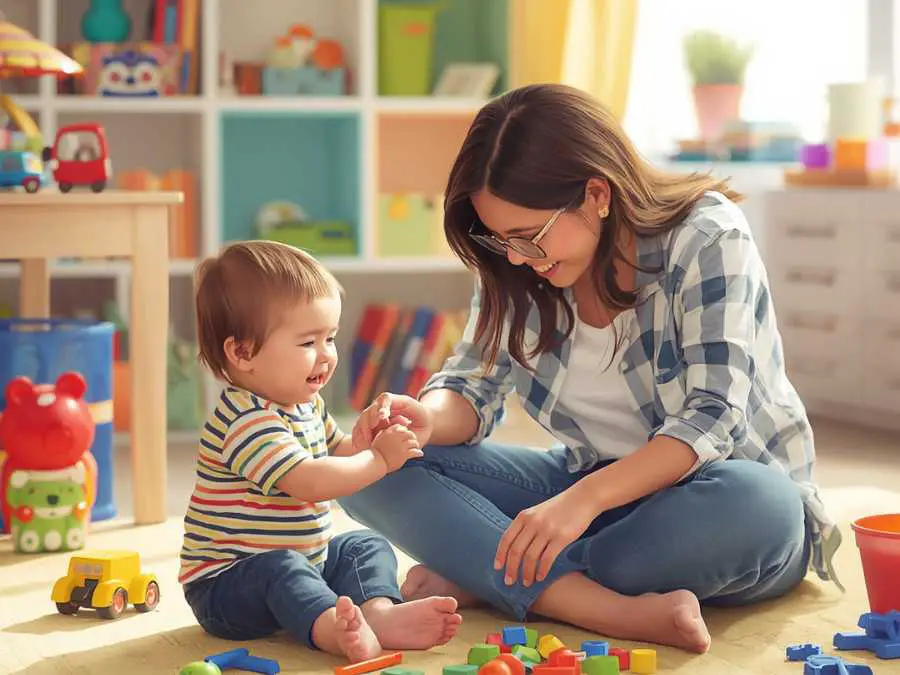 Sudden transitions can feel overwhelming for toddlers, especially when they are deeply engaged in play.
Giving advance notice helps them prepare mentally for what comes next.
A gentle reminder like, “We are leaving the park in five minutes,” gives children time to adjust instead of feeling abruptly controlled.
12. Encourage independence patiently
 Toddlers often want to do things on their own, even when they are slow or messy.
Allowing them to try builds confidence and problem solving skills.
Even if they are putting on shoes or pouring water into a cup, giving them space to practice communicates trust in their abilities.
Patience during these moments supports healthy development.
13. Avoid punishments based on shame
 Shame may stop behavior temporarily, but it can damage trust and emotional security.
Humiliating a child, threatening abandonment, or embarrassing them publicly can leave lasting emotional effects.
Gentle parenting focuses on teaching rather than shaming.
The goal is to help children understand behavior and develop self control, not fear.
14. Teach emotional vocabulary early
 Toddlers often act out because they cannot fully express what they feel.
Teaching simple emotional words like “angry,” “sad,” “frustrated,” or “scared” helps children communicate more effectively.
As their emotional vocabulary grows, many children become less reactive because they can express themselves verbally instead of physically.
15. Repair after difficult moments
 No parent stays calm all the time. Gentle parenting does not require perfection.
What matters is the willingness to repair the relationship afterward.
If you yell or react harshly, apologize sincerely and reconnect with your child.
This teaches accountability and shows that relationships can recover after mistakes.
16. Pay attention to the reason behind behavior
 Behavior is communication, especially in toddlers.
A child hitting, screaming, or refusing instructions is often expressing an unmet need or emotional struggle.
Instead of focusing only on stopping the behavior, try asking what may be driving it.
Understanding the root cause helps parents respond more effectively and compassionately.
17. Keep expectations age appropriate
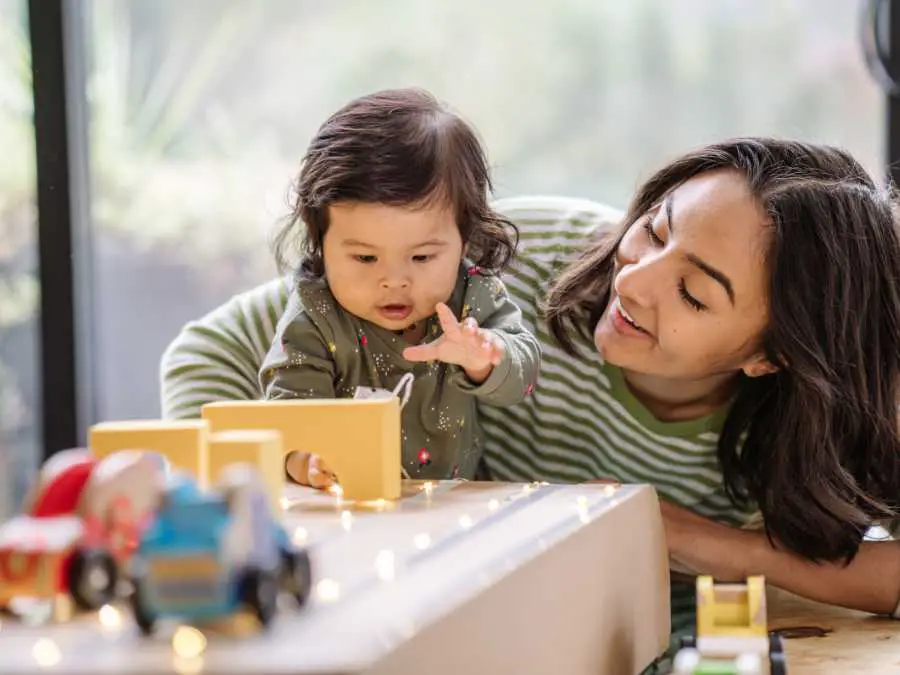 Toddlers are still developing impulse control, emotional regulation, and communication skills.
Expecting them to behave like older children can create unnecessary frustration for both parent and child.
Understanding what is developmentally normal helps parents respond with more patience and realistic expectations.
18. Use play to strengthen connection
 Play is one of the most powerful ways toddlers connect emotionally with caregivers.
Even short periods of focused play can improve cooperation and reduce attention seeking behavior.
Children often feel more secure and valued when parents enter their world through laughter, imagination, and shared activities.
19. Give positive attention before negative behavior starts
 Sometimes toddlers misbehave because negative attention still feels better than no attention at all.
Regular moments of connection throughout the day can reduce this pattern.
Simple acts like reading together, cuddling, or talking during meals help children feel emotionally filled before behavior problems escalate.
20. Stay firm without becoming harsh
 Toddlers need limits, but they do not need fear to learn them.
You can hold a boundary confidently while remaining calm and respectful.
For example, if your child is hitting, you can gently stop the behavior and firmly say, “I will not let you hit.”
This communicates safety and authority without intimidation.
21. Avoid comparing your child to others
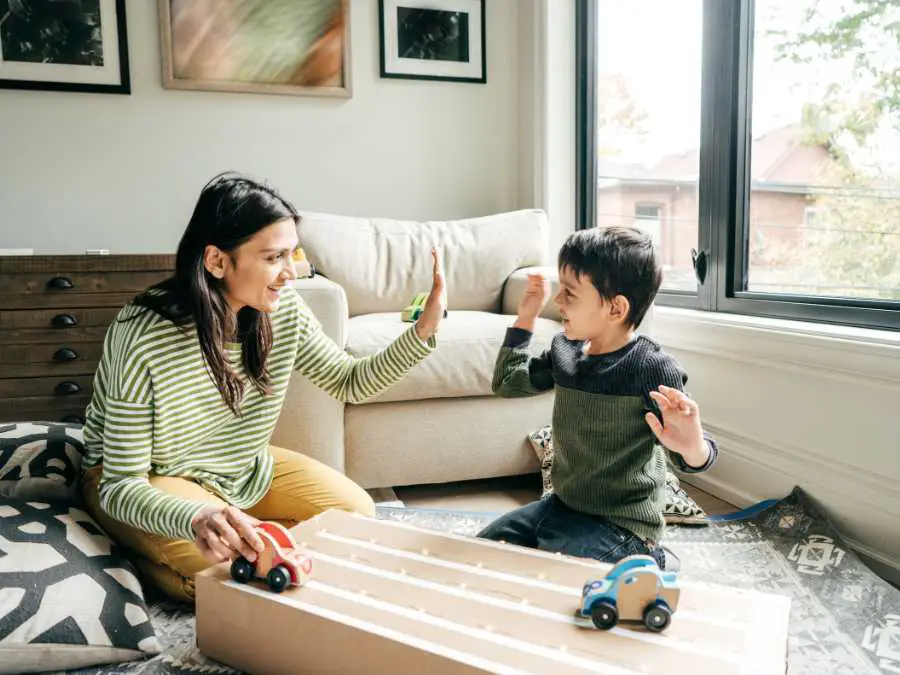 Every toddler develops differently.
Comparisons can create pressure for both parents and children while damaging confidence over time.
Instead of focusing on what another child is doing, pay attention to your own child’s progress, personality, and unique needs.
22. Create opportunities for cooperation
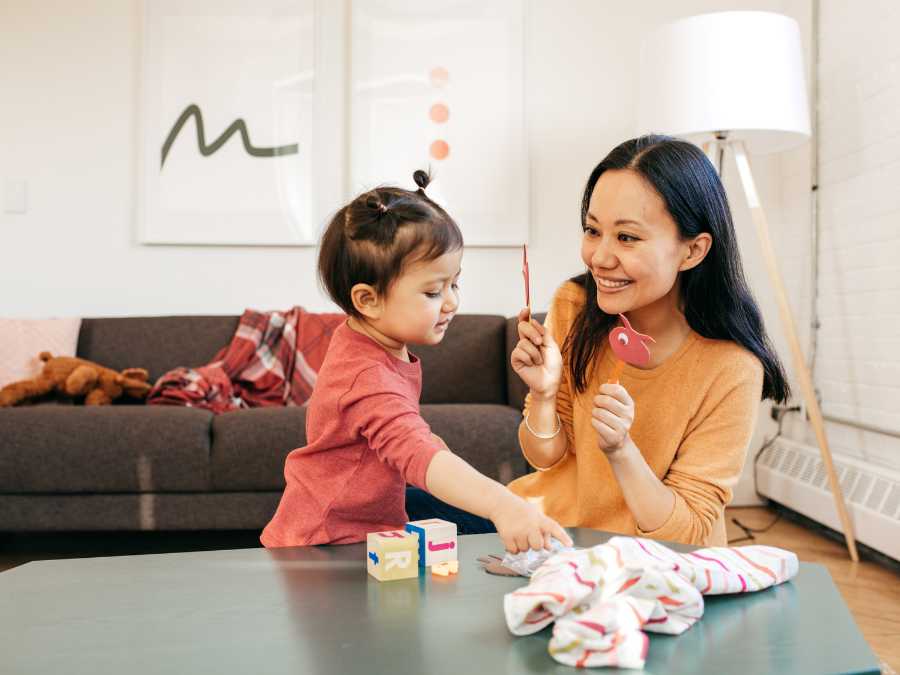 Toddlers enjoy feeling helpful and included.
Involving them in simple tasks can encourage cooperation and reduce resistance.
Small responsibilities like carrying napkins, helping pack toys away, or choosing a bedtime story build confidence and strengthen connection.
23. Protect your child’s emotional safety
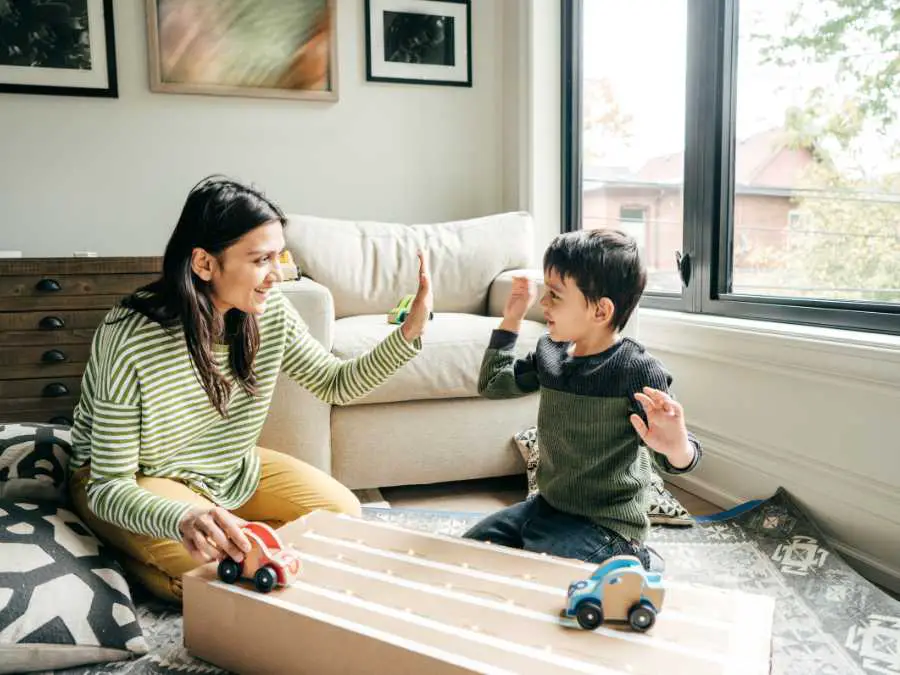 Children need to feel emotionally safe with their caregivers.
This means knowing they can express feelings without fear of rejection, ridicule, or constant criticism.
Emotional safety builds trust, and trust forms the foundation of healthy communication as children grow older.
24. Be patient with repetition
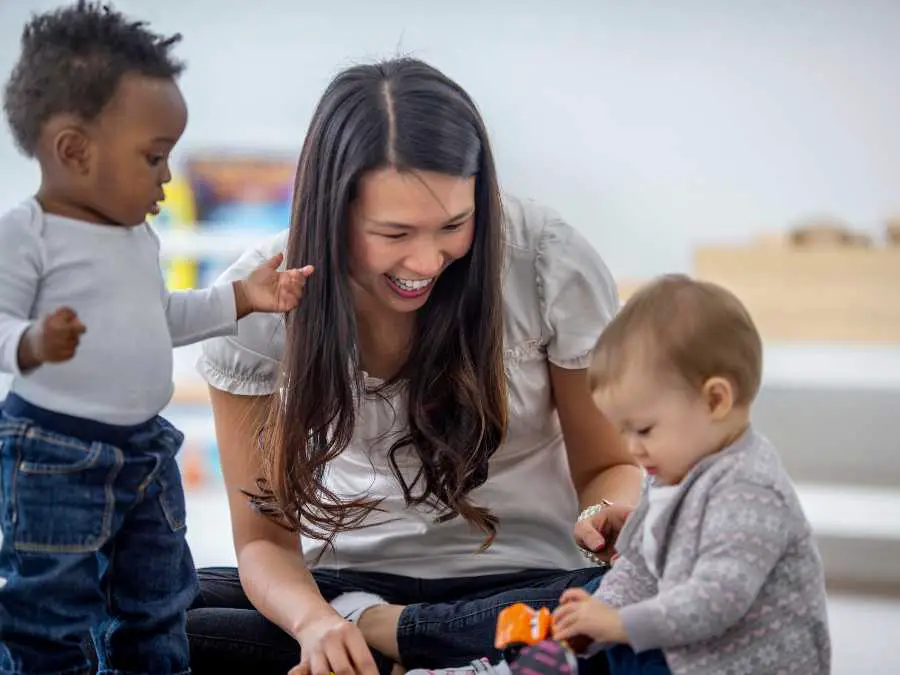 Toddlers learn through repetition.
They may need reminders many times before a lesson truly sticks.
This can feel exhausting, but it is a normal part of early childhood development.
Responding with patience instead of frustration helps children learn in a supportive environment rather than one driven by fear.
25. Remember that progress matters more than perfection
 Gentle parenting is not about becoming a perfect parent or raising a perfectly behaved child.
Some days will feel calm and connected, while others will feel messy and overwhelming.
What matters most is the overall pattern of love, respect, consistency, and emotional support.
Small everyday moments of patience and connection often shape children far more than occasional mistakes ever will.
Gentle parenting is not about getting everything right every single day.
It is about creating a relationship with your toddler that is rooted in trust, respect, patience, and understanding.
There will be difficult moments, emotional outbursts, and days when parenting feels overwhelming, but those moments do not define your entire journey.
Toddlers are still learning how to communicate, regulate emotions, and understand the world around them.
With gentle parenting, the goal is not simply to control behavior, but to guide children with empathy while helping them feel safe, valued, and supported as they grow.
Every calm response, every moment of connection, and every effort to understand your child a little better helps build a stronger foundation for the future.
Progress may feel slow at times, but the consistency of love, patience, and healthy boundaries can leave a lasting impact far beyond the toddler years.