27 Positive Parenting Techniques
Are you searching for positive parenting techniques, no worries you are in the right place.
We have curated 27 positive parenting techniques you will love.
Parenting has never come with a perfect manual, yet every parent wants the same thing, to raise children who feel loved, confident, and emotionally secure.
In today’s fast paced world, where families juggle work, school, technology, and endless responsibilities, many parents are searching for healthier and more meaningful ways to connect with their children.
This is where positive parenting comes in.
Positive parenting is more than just a modern parenting trend, it is an approach built on understanding, communication, patience, and mutual respect.
Rather than focusing only on correcting behavior, it encourages parents to build strong emotional bonds that help children grow into responsible and well balanced individuals.
It is about guiding instead of controlling, listening instead of reacting, and creating a home environment where children feel safe enough to learn and thrive.
As more families begin to move away from harsh discipline and fear based methods, positive parenting continues to gain attention for the long term impact it can have on a child’s emotional and social development.
Even dou you are a new parent, an experienced caregiver, or simply curious about healthier family dynamics, understanding this approach can open the door to stronger relationships and a more peaceful home.
27 Positive Parenting Techniques
1. Active Listening
 Active listening means giving your child your full attention when they speak, even when the topic seems small or unimportant.
Children often measure their value by how adults respond to them.
When parents truly listen, children feel respected, understood, and emotionally safe.
This technique involves maintaining eye contact, avoiding interruptions, and responding thoughtfully instead of dismissing feelings.
For example, if a child says they had a bad day at school, instead of quickly offering solutions or saying “you will be fine,” a parent can ask questions and allow the child to express emotions freely.
Active listening strengthens trust and encourages children to communicate openly as they grow older.
It also helps parents better understand the emotional needs behind certain behaviors.
2. Setting Clear Boundaries
 Children thrive when they know what is expected of them.
Clear boundaries create structure, consistency, and a sense of security.
Positive parenting does not mean allowing children to do whatever they want.
It means guiding behavior with reasonable and respectful limits.
Rules should be simple, understandable, and age appropriate.
Instead of using threats or fear, parents explain why certain boundaries exist.
For example, a parent may explain that bedtime matters because the body needs rest to stay healthy and focused.
When boundaries are consistent, children learn responsibility, self control, and respect for others.
3. Using Positive Reinforcement
 Positive reinforcement focuses on encouraging good behavior instead of constantly criticizing mistakes.
When children receive praise for positive actions, they are more likely to repeat those behaviors.
This does not mean excessive compliments for everything they do.
Meaningful encouragement works best when it is specific.
Saying “I am proud of how patiently you waited your turn” is more effective than a general “good job.”
Positive reinforcement builds confidence and teaches children that effort, kindness, honesty, and responsibility are valued.
4. Leading by Example
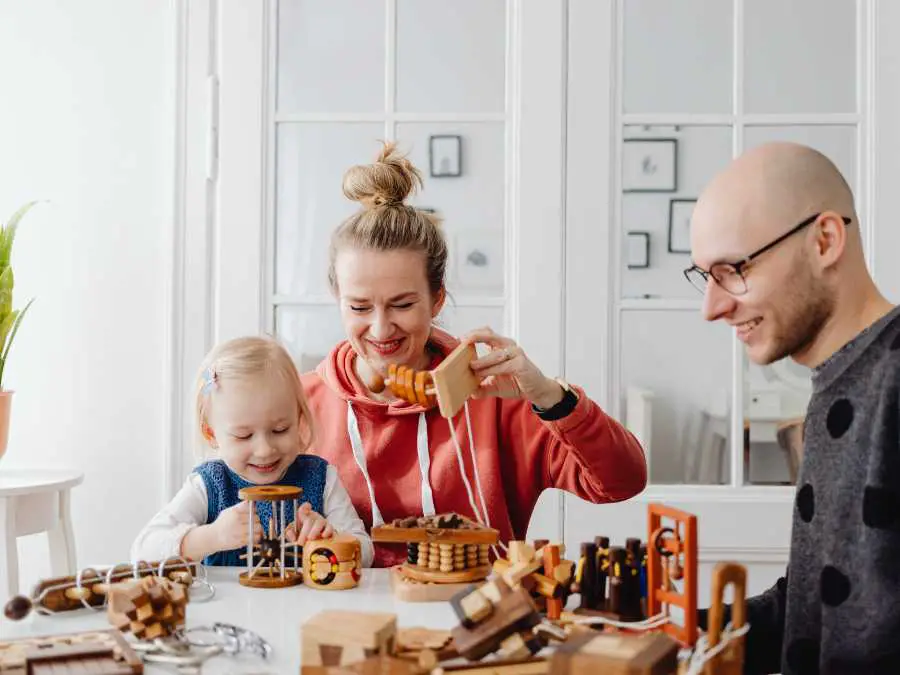 Children learn more from what parents do than from what parents say.
Parents who model respect, honesty, patience, and kindness naturally teach those values to their children.
If a parent wants a child to speak calmly during disagreements, the parent must also communicate calmly.
If parents want children to apologize when wrong, they should also apologize when they make mistakes.
This technique teaches children through daily observation and creates a stronger sense of authenticity in parenting.
5. Encouraging Open Communication
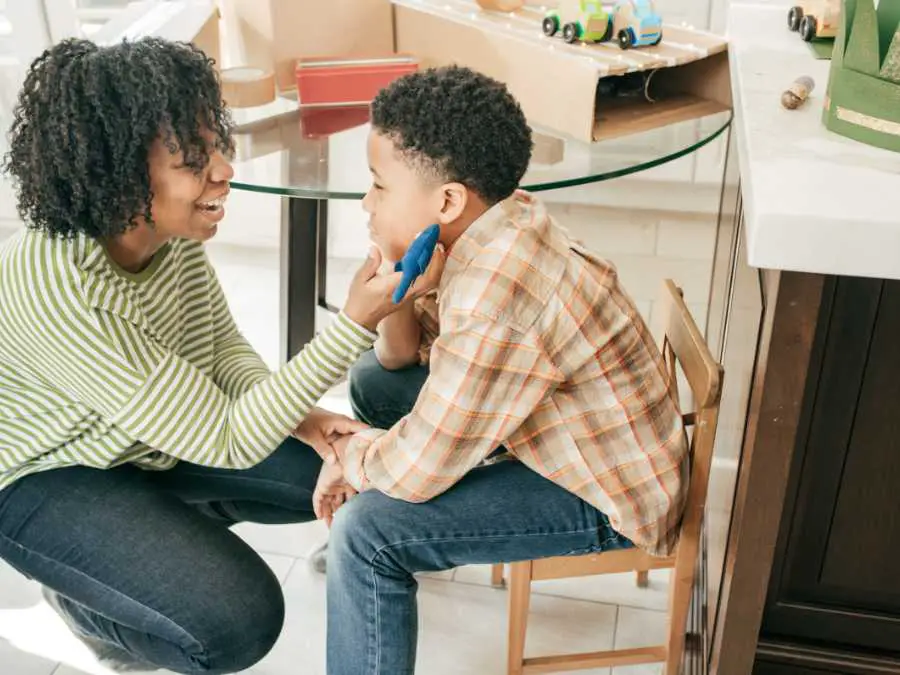 Children should feel comfortable expressing their thoughts, feelings, and concerns without fear of punishment or ridicule.
Open communication creates emotional closeness and reduces secrecy.
Parents can encourage this by asking open ended questions, remaining approachable, and avoiding harsh reactions when children share difficult truths.
When children grow up in environments where communication is welcomed, they are more likely to seek guidance during challenges rather than hide problems.
6. Offering Choices
 Giving children reasonable choices helps them feel respected and independent. Instead of controlling every decision, parents allow children to participate in age appropriate choices.
For example, a parent might ask, “Would you like to wear the blue shirt or the red one?” or “Would you prefer to do homework before dinner or after dinner?”
Offering choices teaches decision making skills, responsibility, and confidence while reducing unnecessary power struggles.
7. Practicing Patience

Parenting can be stressful, especially during difficult moments, but patience is one of the most important positive parenting techniques.
Children are still learning how to manage emotions, communicate properly, and behave appropriately.
Responding with patience instead of anger allows parents to teach rather than simply punish.
It also helps children feel emotionally secure.
Patience does not mean ignoring bad behavior.
It means correcting behavior calmly and thoughtfully.
8. Focusing on Connection Before Correction
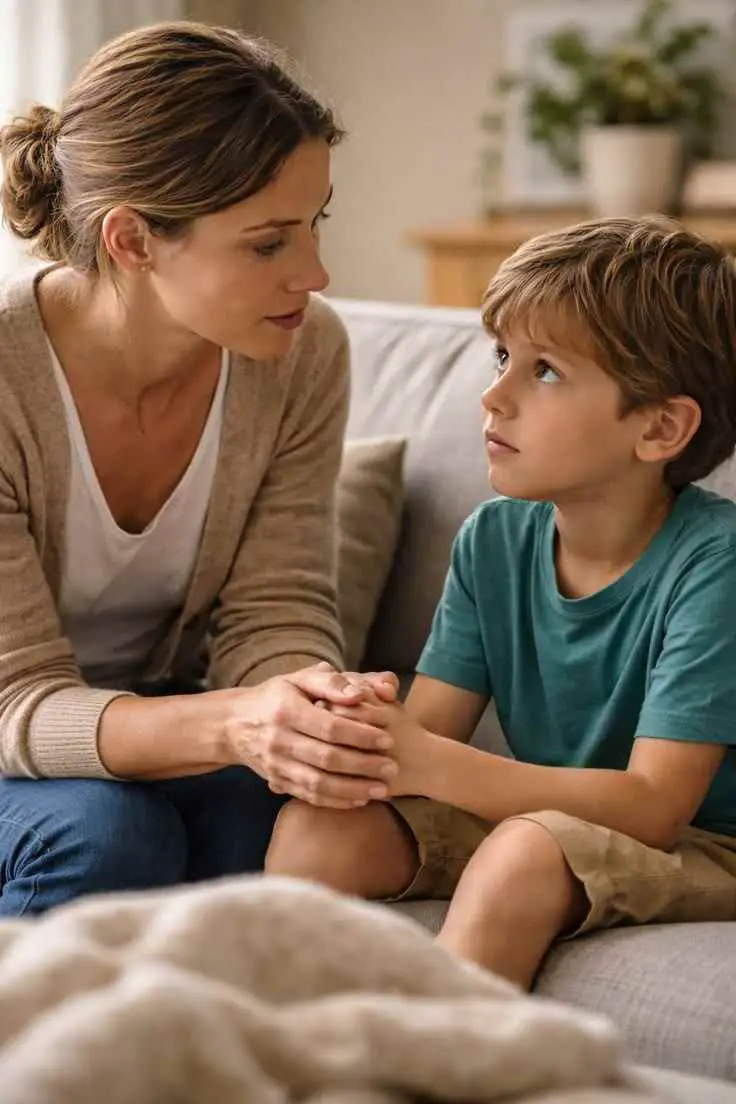
Children respond better to guidance when they feel emotionally connected to their parents.
Before correcting behavior, positive parenting encourages parents to first acknowledge the child’s emotions.
For example, instead of immediately scolding a frustrated child, a parent might say, “I can see that you are upset right now.”
This approach helps children feel understood, making them more willing to listen and cooperate.
9. Teaching Emotional Intelligence
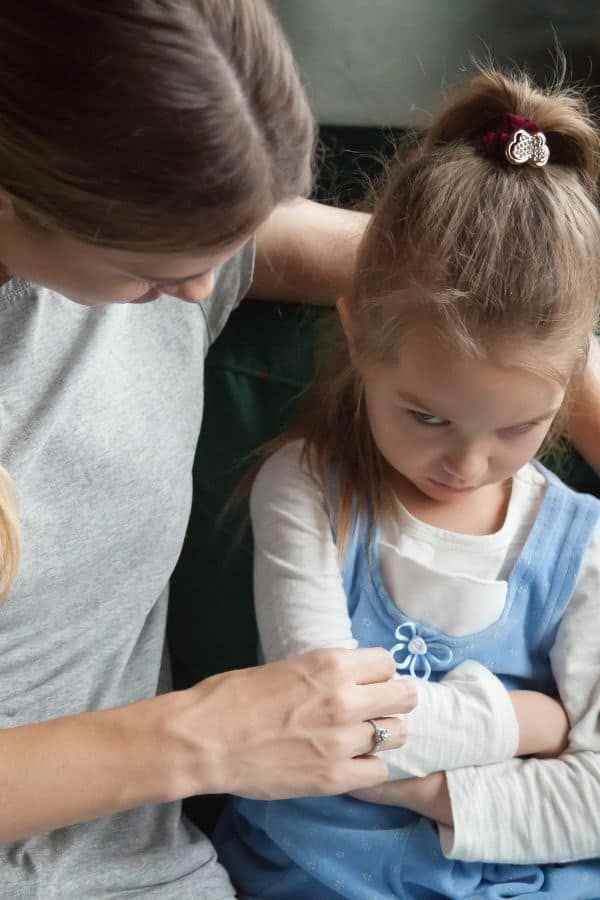
Emotional intelligence involves recognizing, understanding, and managing emotions.
Parents can help children identify feelings by naming emotions and discussing them openly.
Instead of dismissing sadness or anger, parents teach children healthy ways to express emotions.
For example, a child can learn to say “I feel frustrated” instead of acting aggressively.
Children with strong emotional intelligence often develop healthier relationships and better coping skills later in life.
10. Avoiding Harsh Punishment
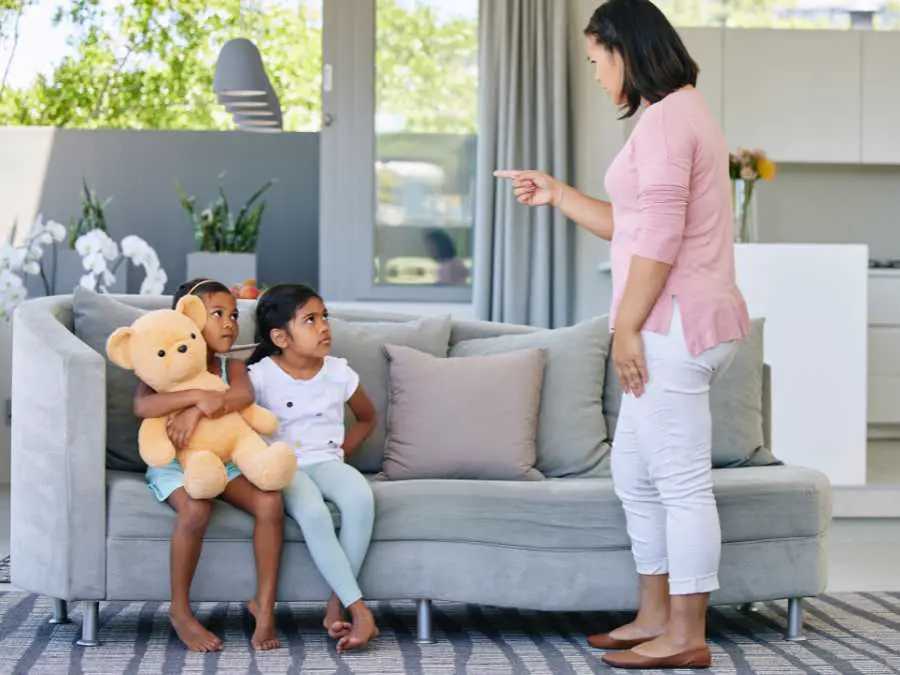 Positive parenting discourages harsh punishment, yelling, humiliation, or physical discipline.
These methods may create fear, but they often damage trust and emotional security.
Instead, positive parenting focuses on teaching consequences and helping children understand the impact of their actions.
Children learn better when discipline is respectful, calm, and connected to learning rather than fear.
11. Creating Daily Routines
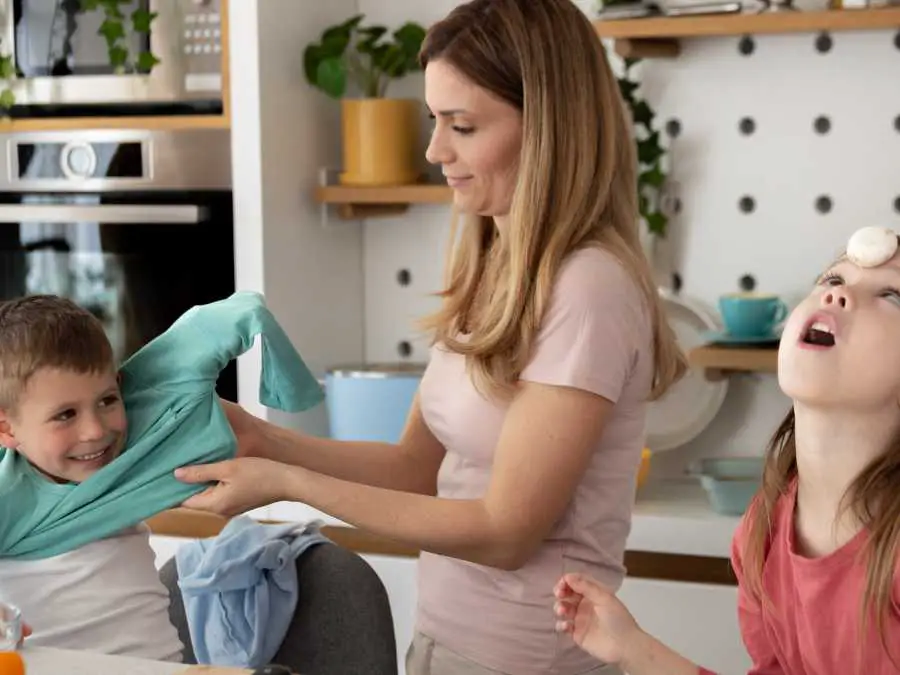 Routines help children feel stable and secure.
Regular schedules for meals, homework, bedtime, and family activities reduce confusion and stress.
Children often behave better when they know what to expect.
Predictable routines also help develop responsibility and time management skills.
A structured environment creates balance while still allowing flexibility when needed.
12. Spending Quality Time Together
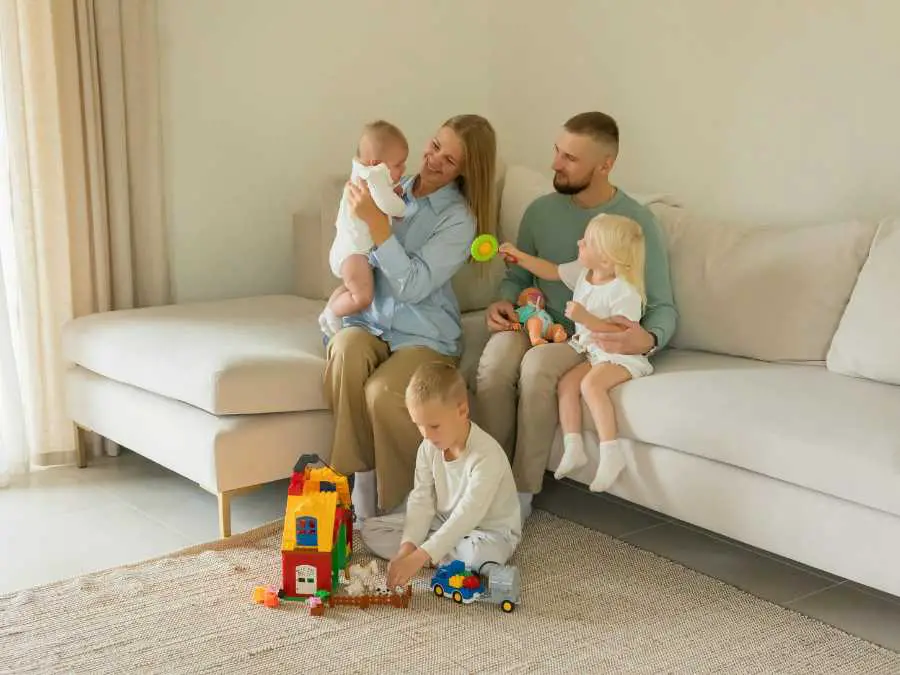 Children need attention and connection more than expensive gifts or constant entertainment.
Spending quality time together strengthens relationships and creates lasting memories.
Simple activities like talking during meals, reading together, playing games, or taking walks can make children feel valued and loved.
Consistent quality time also improves communication and emotional bonding.
13. Encouraging Independence
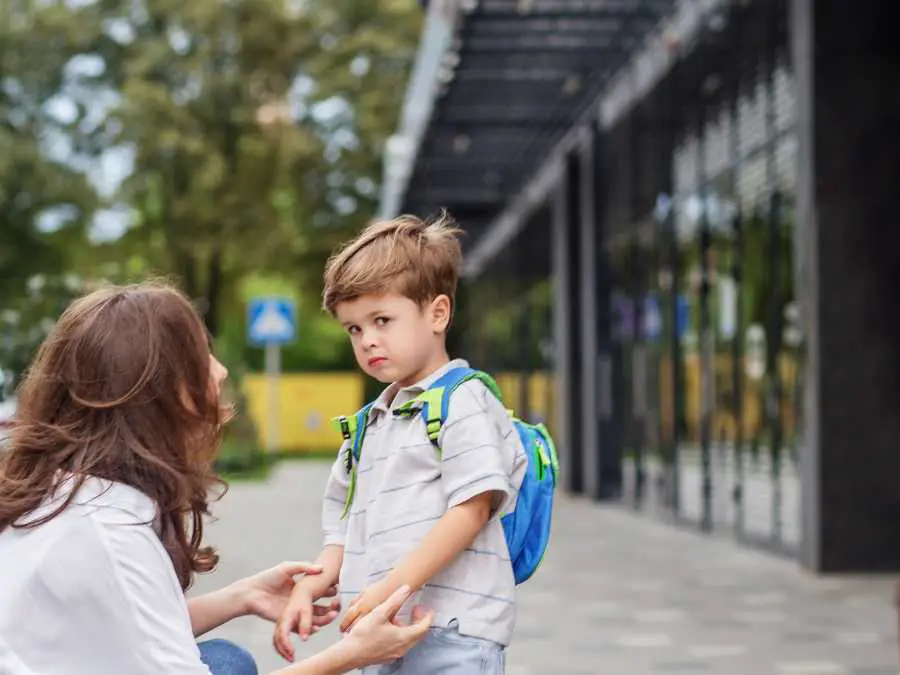 Positive parenting supports children in becoming capable and confident individuals.
Parents can encourage independence by allowing children to try tasks on their own instead of doing everything for them.
This may include dressing themselves, organizing school materials, or solving simple problems independently.
Allowing children to take responsibility builds confidence, resilience, and problem solving abilities.
14. Using Gentle Discipline
 Gentle discipline focuses on teaching rather than controlling.
Instead of reacting emotionally, parents calmly explain why behavior is inappropriate and guide children toward better choices.
Consequences are fair, respectful, and connected to the behavior.
For example, if a child draws on the wall, they may help clean it.
This teaches accountability while maintaining emotional respect.
15. Praising Effort Instead of Perfection
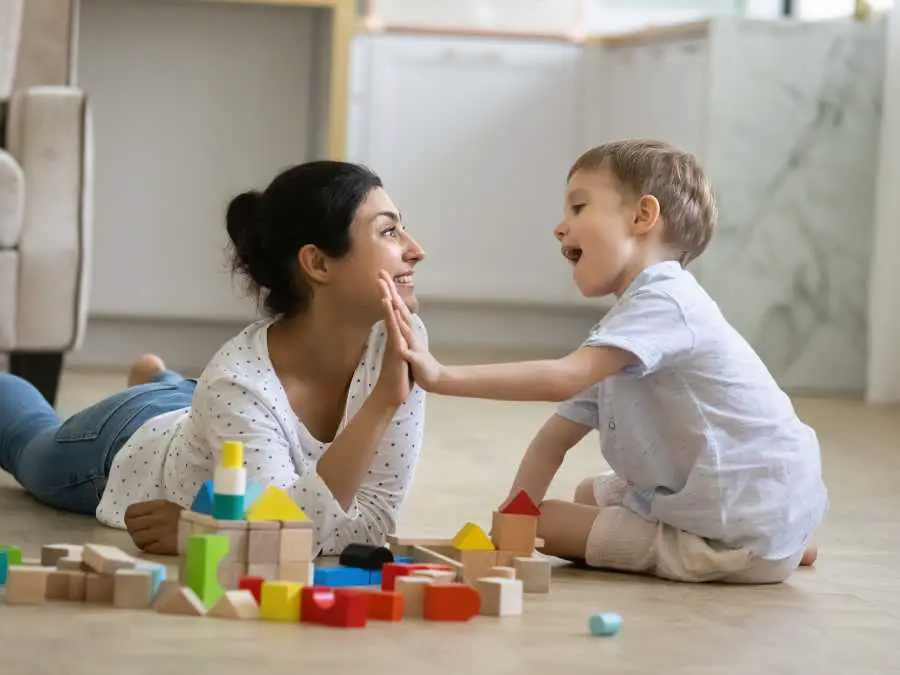 Children should understand that effort matters more than being perfect.
Constant pressure to achieve perfection can create anxiety and fear of failure.
Parents who praise effort encourage persistence and resilience.
Saying “I admire how hard you worked on this” teaches children that growth and improvement are valuable.
This mindset helps children become more confident learners and problem solvers.
16. Teaching Problem Solving Skills
 Instead of solving every issue for children, parents can guide them through finding solutions independently.
For example, if siblings argue over a toy, parents can ask questions like “How can we solve this fairly?”
This encourages critical thinking, cooperation, and responsibility while helping children become more independent.
17. Showing Unconditional Love
 Children need reassurance that they are loved even when they make mistakes.
Positive parenting separates behavior from personal worth.
A parent may disapprove of an action while still expressing love and support.
This creates emotional security and healthy self esteem.
Children who feel unconditionally loved are often more confident and emotionally stable.
18. Respecting a Child’s Feelings
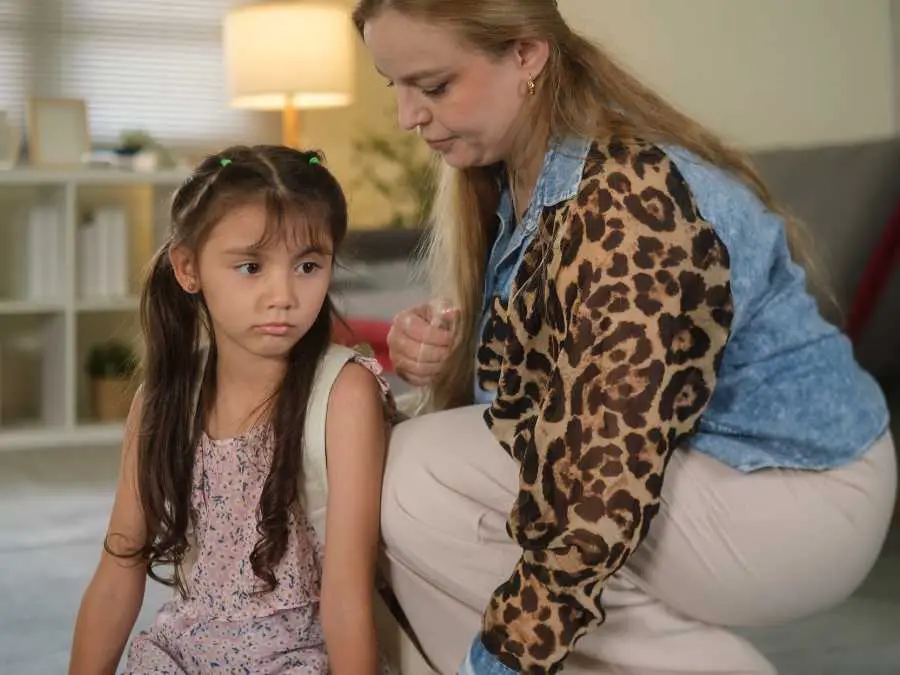 Children’s emotions should not be ignored or mocked.
Even small problems may feel significant to them.
Respecting feelings means acknowledging emotions without immediately dismissing them.
For example, saying “I understand why you feel disappointed” validates the child’s experience.
Emotional validation helps children feel heard and understood.
19. Encouraging Responsibility
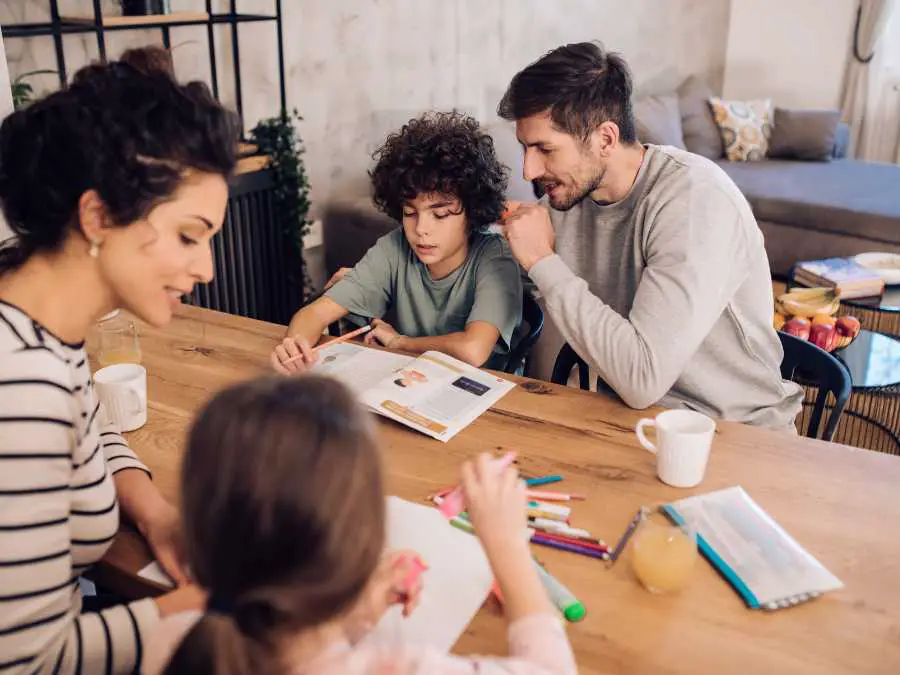 Children benefit from learning responsibility early in life.
Age appropriate chores and responsibilities teach accountability, discipline, and teamwork.
Simple tasks like cleaning up toys, feeding pets, or helping set the table can build a sense of contribution and independence.
Responsibility also prepares children for adulthood.
20. Staying Consistent
 Consistency is essential in positive parenting.
When rules constantly change, children become confused and may test limits more often.
Consistent expectations help children understand consequences and develop trust in parental guidance.
Parents do not need to be perfect, but consistency creates stability and fairness.
21. Practicing Empathy
 Empathy involves understanding a child’s emotions and perspective.
Instead of immediately judging behavior, parents try to understand what the child may be feeling.
For example, a child acting out may actually be tired, overwhelmed, or seeking attention.
Empathy strengthens emotional connection and helps parents respond more effectively.
22. Encouraging Healthy Independence
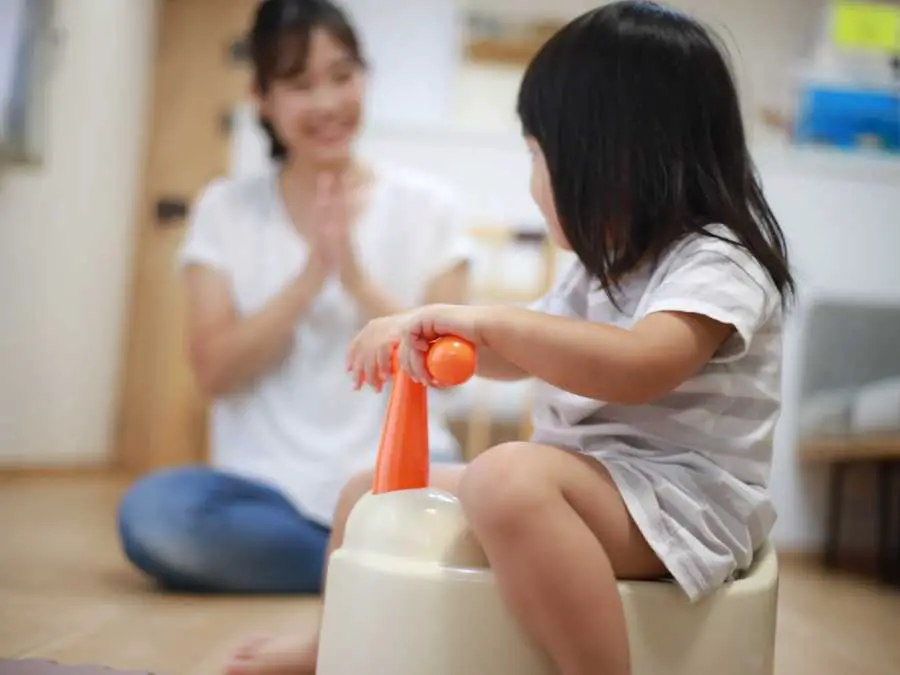 Children should gradually learn how to think, make decisions, and manage responsibilities independently.
Positive parenting avoids excessive control while still offering guidance and support.
Healthy independence helps children develop confidence, maturity, and decision making skills.
23. Using Encouraging Language
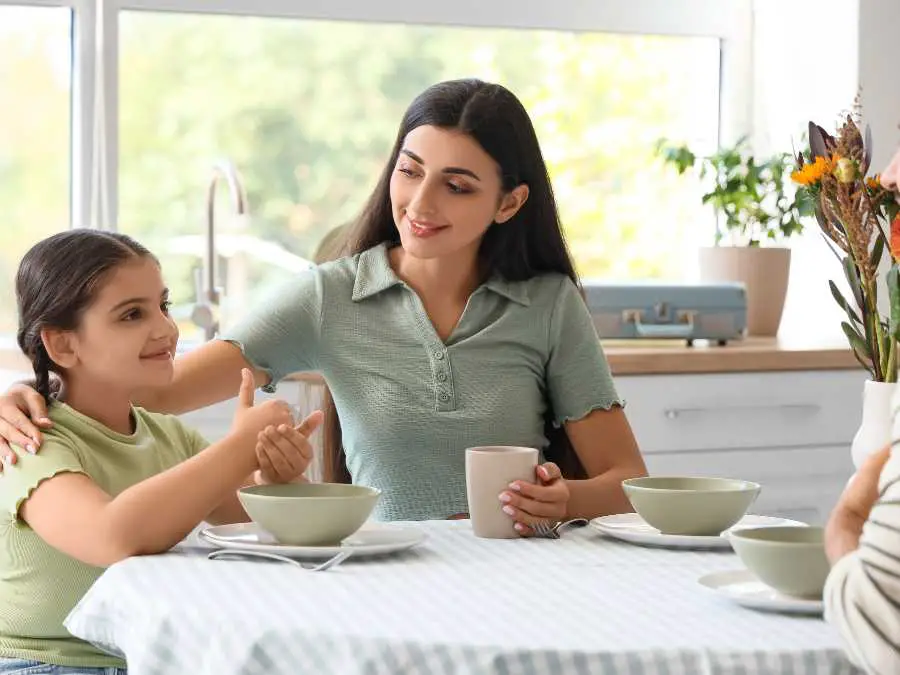 Words have a powerful impact on children’s self image.
Positive parenting encourages supportive and respectful communication.
Instead of saying “You are lazy,” a parent might say “I know you can do better when you focus.”
Encouraging language motivates children without damaging self esteem.
24. Allowing Natural Consequences
 Natural consequences help children learn from experiences.
If a child forgets homework, they may experience disappointment at school.
Parents do not always need to rescue children from every mistake.
Allowing safe and reasonable consequences teaches accountability and responsibility.
This approach helps children connect actions with outcomes.
25. Teaching Gratitude
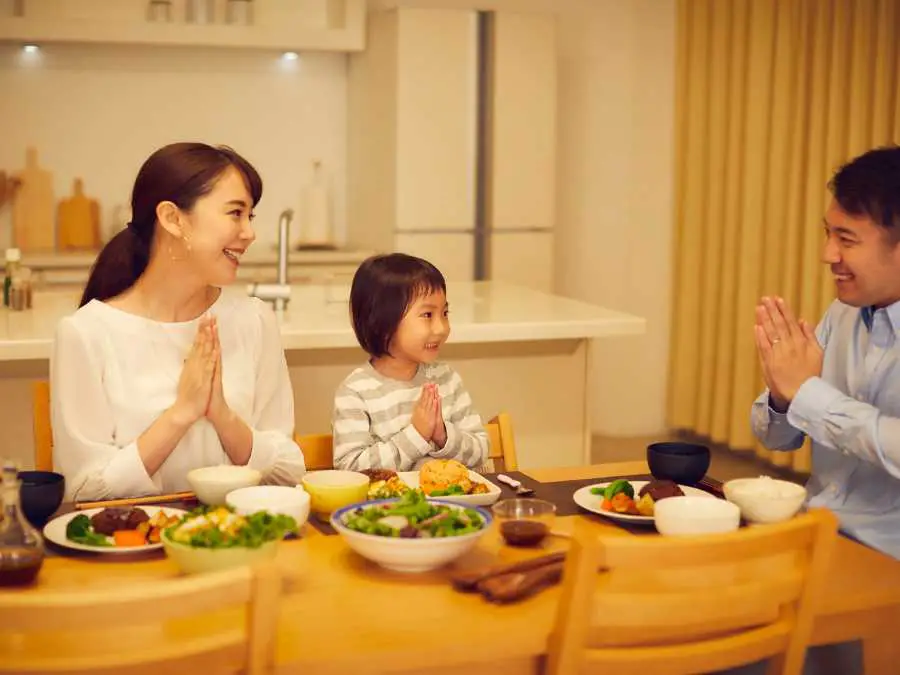 Gratitude helps children appreciate what they have and recognize the kindness of others.
Parents can encourage gratitude by modeling appreciation, discussing positive experiences, and encouraging children to say thank you sincerely.
Grateful children often develop stronger emotional well being and healthier social relationships.
26. Managing Parental Stress
 Positive parenting also requires self awareness from parents. Stress, exhaustion, and frustration can affect how parents respond to children.
Taking care of mental and emotional health allows parents to respond more calmly and patiently.
Parents who model healthy stress management also teach children important coping skills.
27. Building Trust Through Honesty
 Trust is one of the strongest foundations in parenting.
Being honest with children in age appropriate ways teaches integrity and reliability.
Children are more likely to trust parents who keep promises, admit mistakes, and communicate truthfully.
A trusting relationship encourages openness, emotional security, and long term respect between parents and children.
Positive parenting is not about being a perfect parent or raising perfect children.
It is about creating a healthy and supportive relationship where children feel valued, understood, and guided with love and respect.
Every interaction, from the way parents communicate to the way they respond during difficult moments, plays a role in shaping a child’s emotional growth and confidence.
While parenting comes with challenges, choosing positive approaches can strengthen family bonds and create a more peaceful home environment.
Small, consistent efforts often make the biggest difference over time.
By focusing on understanding, patience, encouragement, and connection, parents can help children develop into responsible, compassionate, and emotionally secure individuals.
In the end, positive parenting is not simply a technique, it is a long term investment in a child’s future and in the strength of the parent child relationship itself.