27 Effective Ways Of Parenting An Only Child Without Overscheduling.
Here are 27 effective ways of parenting an only child without overscheduling you need to check out.
Experience and research gave birth to this creative and effective piece.
Parenting an only child often comes with a unique mix of attention, intention, and quiet pressure.
With no siblings to share time or space, parents can feel a constant pull to fill every hour with something meaningful, enriching, or impressive.
The modern parenting world does not help, it is loud with advice, comparisons, and a steady hum of expectations that can make stillness feel like a missed opportunity.
Yet many parents sense that too much structure can crowd out something essential, the space for a child to breathe, imagine, and grow into themselves at their own pace.
This tension between doing enough and doing too much sits at the heart of raising an only child today.
Exploring how to nurture confidence, connection, and balance without turning childhood into a packed calendar begins with understanding that fullness does not always come from being busy.
27 effective ways of parenting an only child without overscheduling
- Value unstructured time
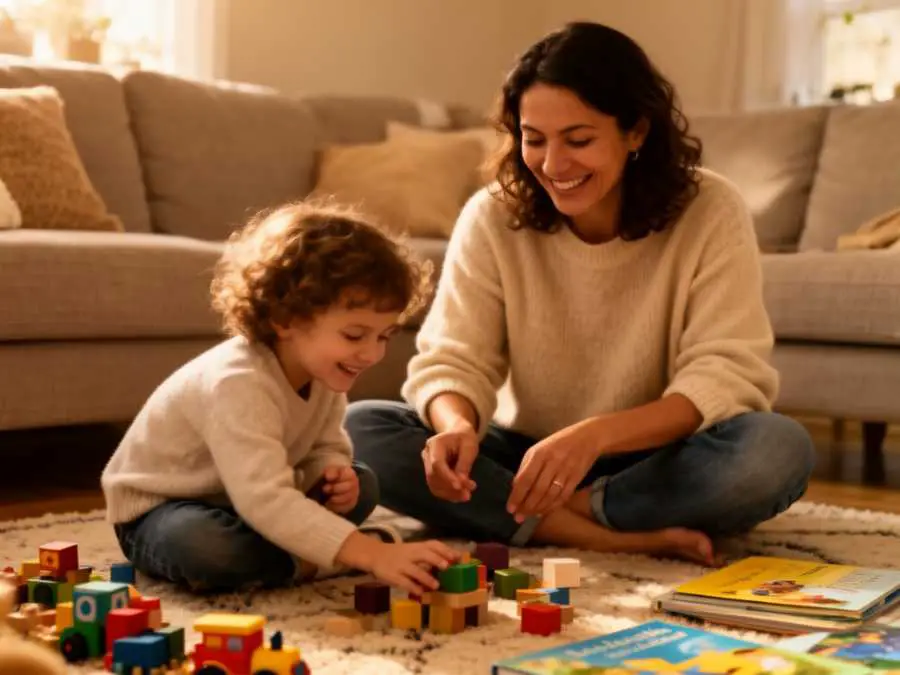 Unplanned time allows an only child to explore interests naturally.
When children are not rushed from one activity to another, they learn how to manage boredom, create their own games, and listen to their inner curiosity.
This builds independence and creativity in ways structured activities cannot.
- Let boredom do its job

Boredom is often uncomfortable for parents, but it is a powerful teacher.
When a child has nothing scheduled, they are pushed to problem solve, imagine, and engage with their environment.
These moments help children develop patience and self motivation.
- Prioritize connection over activity
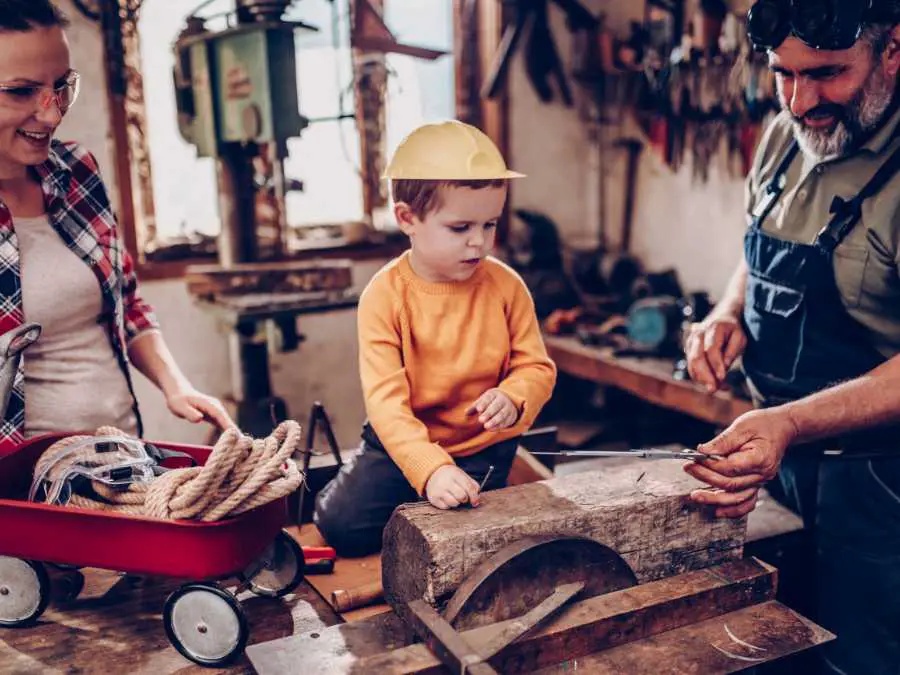 An only child does not need constant stimulation, they need meaningful connection.
Simple daily moments like talking during meals or taking a walk together strengthen emotional security more than a packed schedule ever could.
- Encourage independent play
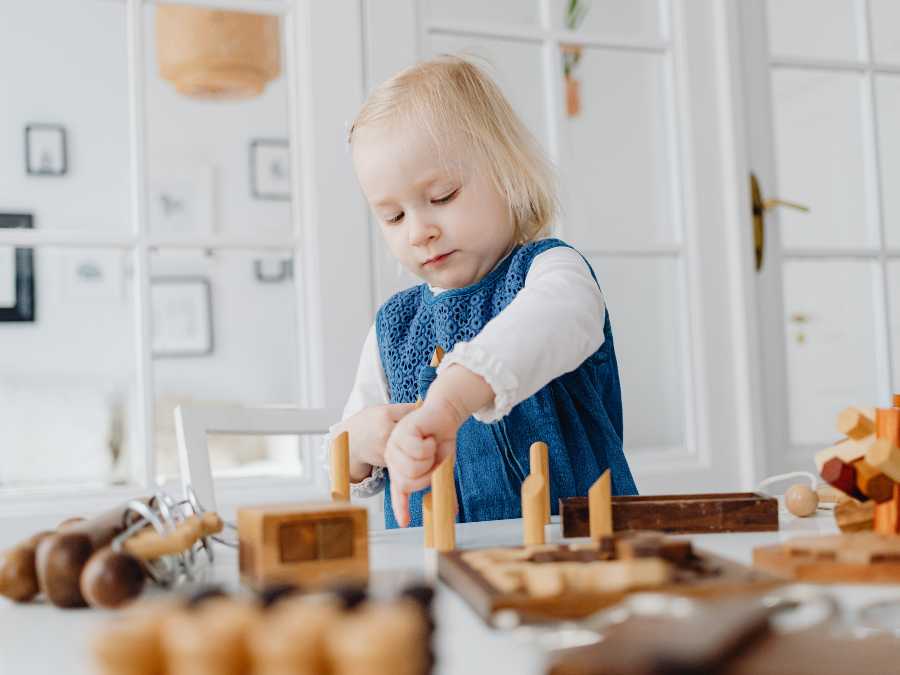 Independent play teaches focus and self confidence.
When an only child learns to enjoy their own company, they become more comfortable making decisions and following their interests without needing constant adult direction.
- Choose depth instead of variety
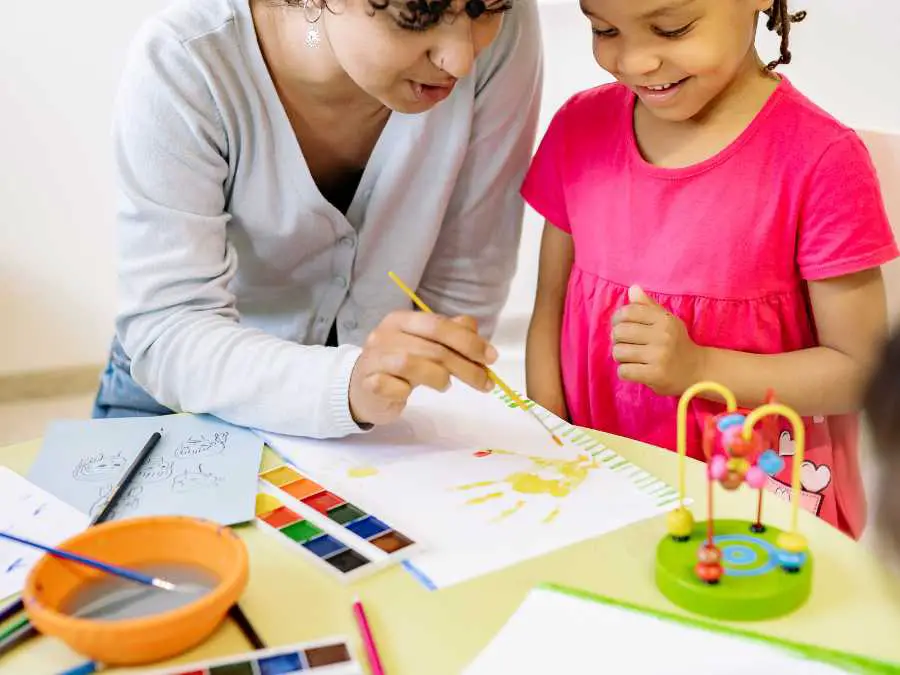 Rather than signing up for many activities, allow your child to go deeper into a few interests.
This helps them develop persistence, mastery, and a stronger sense of identity without the stress of constant transitions.
- Protect downtime after school
 After school hours can be mentally exhausting.
Allowing time to decompress help children process their day emotionally and mentally.
This quiet transition supports better mood, behavior, and sleep.
- Avoid using activities to ease guilt
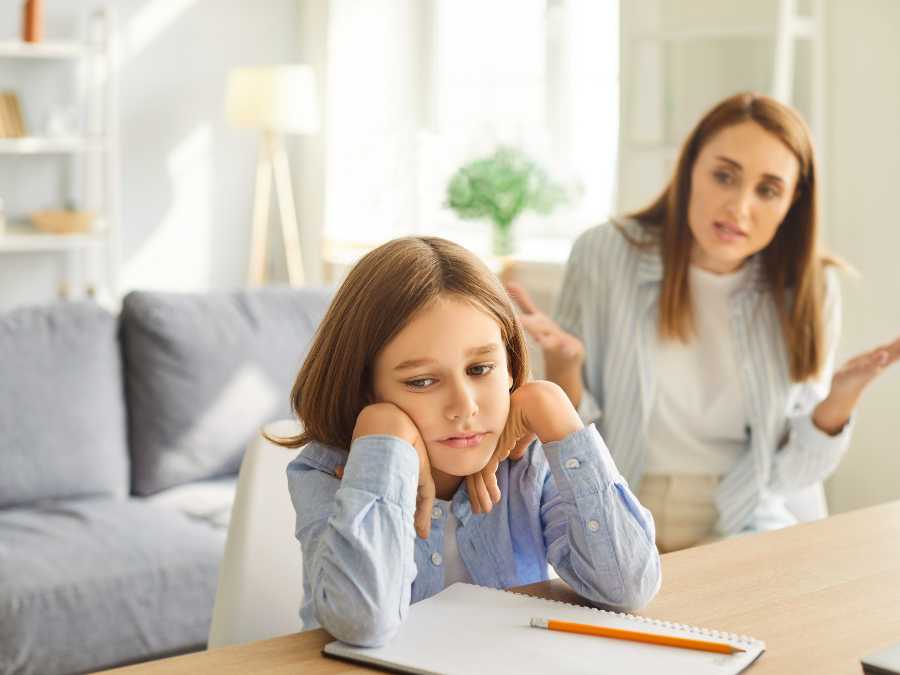 Parents of only children sometimes feel pressure to compensate by offering more opportunities.
It is important to remember that presence, not programming, is what children value most.
- Let your child lead their interests
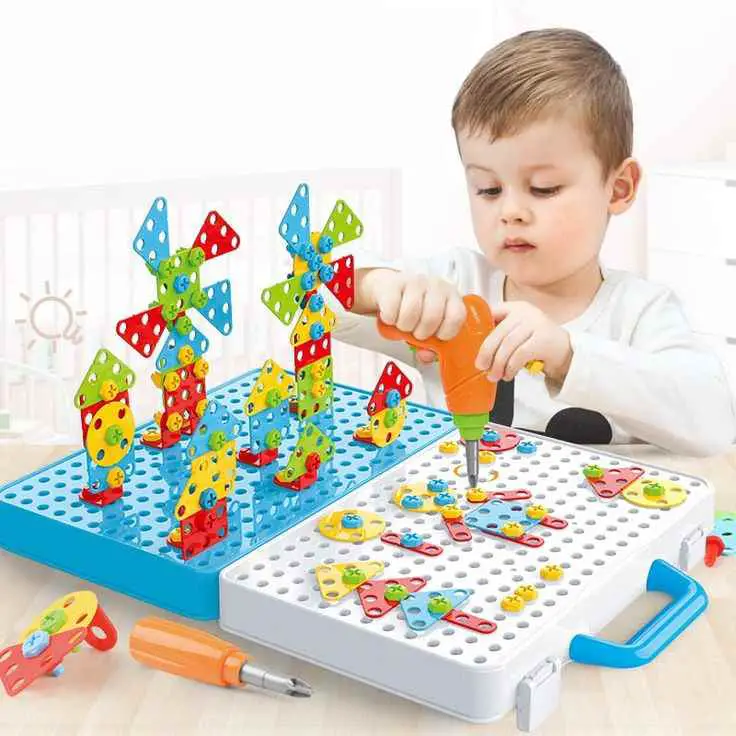
When children choose what they want to explore, they feel respected and empowered.
This also reduces resistance and burnout that often come from adult driven schedules.
- Normalize saying no
 Not every opportunity needs to be accepted.
Teaching your child that it is okay to decline activities helps them learn boundaries and understand that rest is valuable.
- Build predictable daily rhythms
 Simple routines like consistent meal times and bedtime rituals provide stability without rigidity.
This sense of order allows children to feel safe while still having freedom within their day.
- Encourage outdoor free play
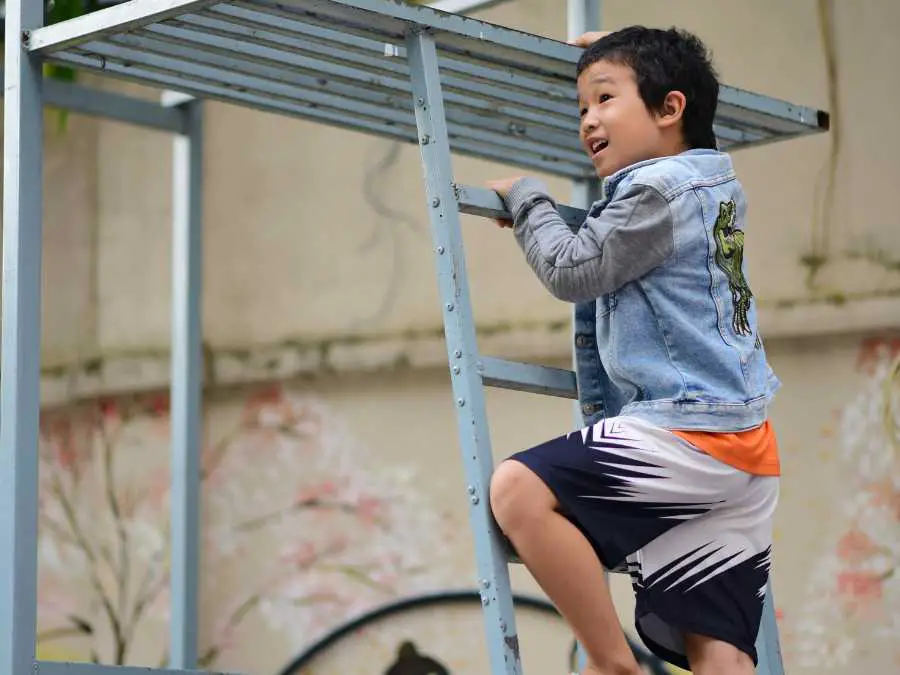 Time outside supports physical health and emotional regulation.
Nature invites movement, curiosity, and calm without needing structured plans or adult control.
- Avoid comparison with other families
 Every child and family has different needs.
Comparing schedules often leads to unnecessary pressure and overscheduling.
Trusting your own child’s pace leads to healthier choices.
- Teach emotional awareness during quiet moments
 Unscheduled time creates space for feelings to surface.
Talking about emotions during calm moments helps children build emotional intelligence and resilience.
- Limit adult directed enrichment at home
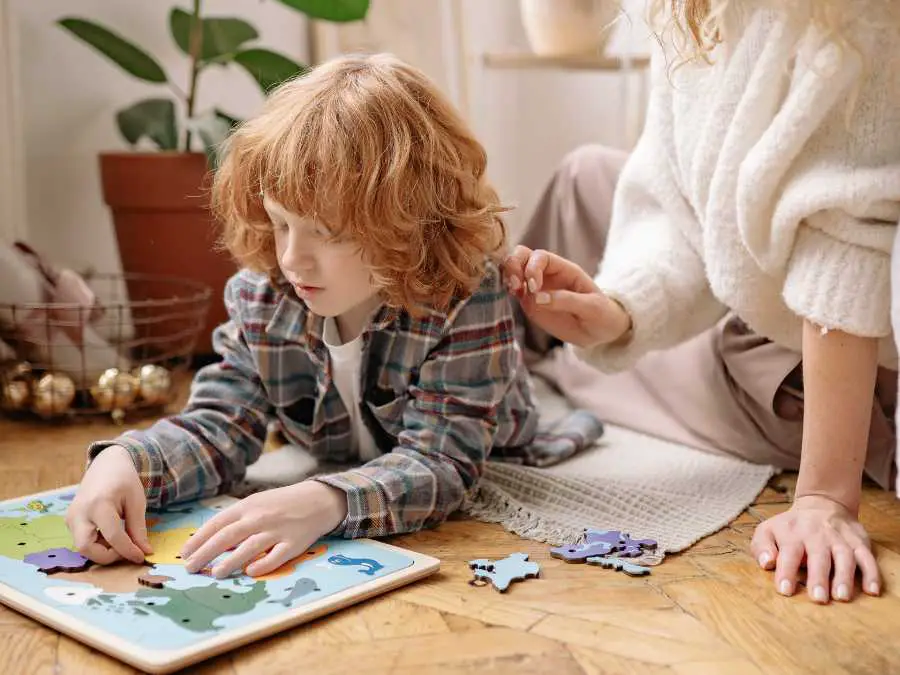 Homes do not need to function like classrooms.
Leaving space for relaxed play helps children associate home with comfort and safety rather than performance.
- Support slow mornings when possible
 Rushing first thing in the day can create stress that carries forward.
Allowing a calm start builds emotional balance and sets a positive tone.
- Encourage real world responsibilities
 Simple household tasks teach competence and belonging.
These moments are valuable learning experiences without adding extra activities to the schedule.
- Model rest and balance

Children learn from what they see.
When parents value rest and personal time, children understand that productivity is not the measure of worth.
- Allow friendships to develop naturally
 Rather than scheduling constant social activities, allow friendships to grow through school, neighborhood play, and shared interests.
This feels more organic and less pressured.
- Respect your child’s energy levels
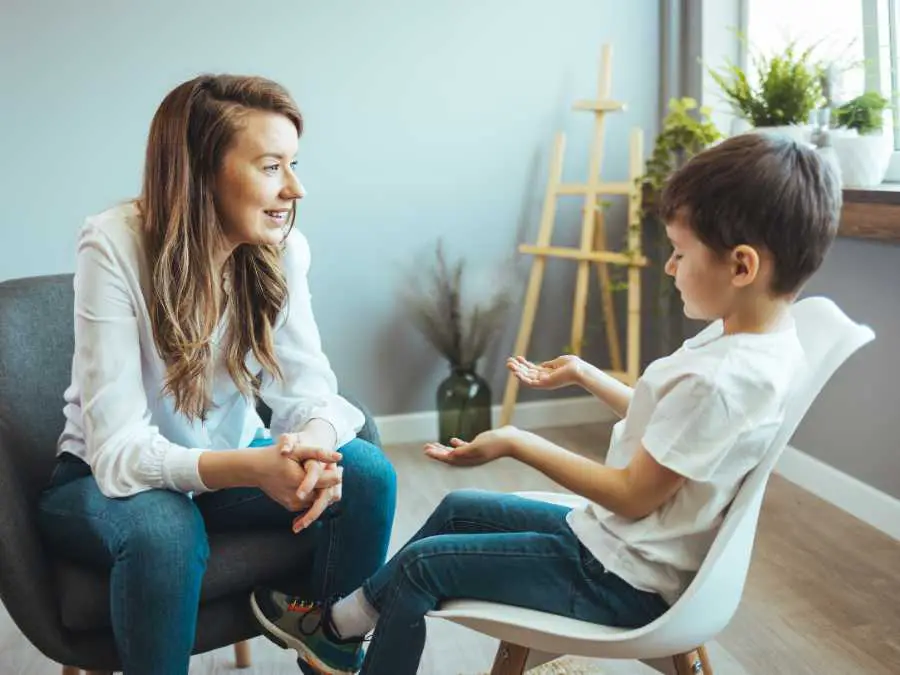 Some children need more quiet than others.
Paying attention to signs of fatigue helps prevent emotional overload and supports overall well being.
- Use weekends for breathing room
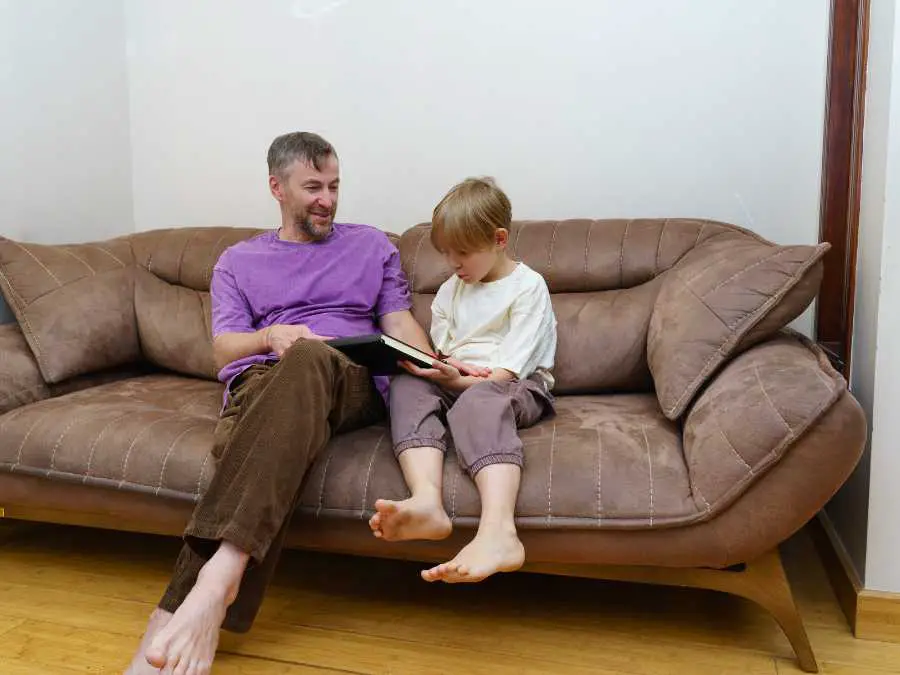 Weekends do not need to be packed to be meaningful.
Leaving open space allows families to reconnect and children to reset.
- Encourage creativity without instruction
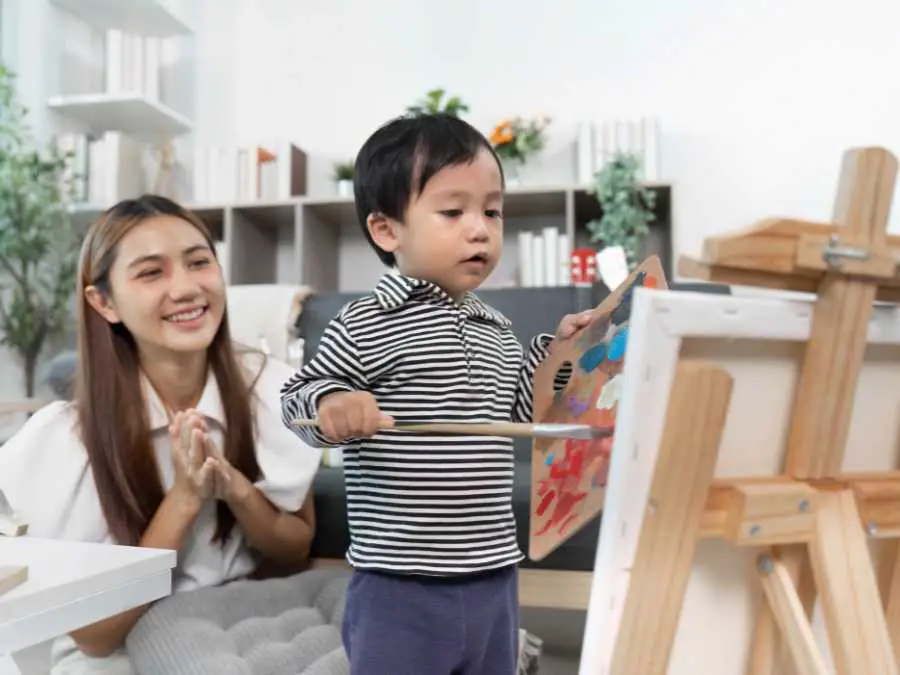 Art, music, and storytelling do not need formal lessons to be valuable.
Open ended creative time supports self expression and confidence.
- Avoid treating childhood as preparation
 When every activity is framed as preparation for the future, children feel pressure to perform.
Let childhood be about growth, not constant achievement.
- Invite reflection instead of evaluation
 Talking with your child about what they enjoyed or disliked helps them learn self awareness without judgment or pressure to improve.
- Allow interests to change
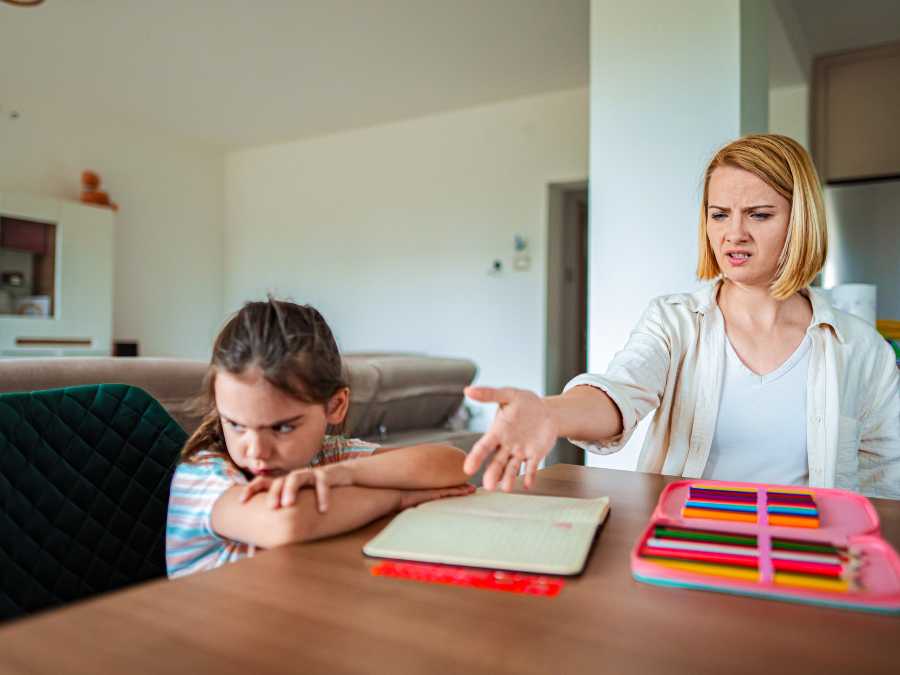 Only children often feel pressure to stick with activities they once chose.
Letting them evolve teaches flexibility and trust in themselves.
- Protect sleep as a priority
 Overscheduling often cuts into rest.
Consistent sleep supports mood, learning, and physical health, and it is one of the most important gifts you can give.
- Trust that enough is enough
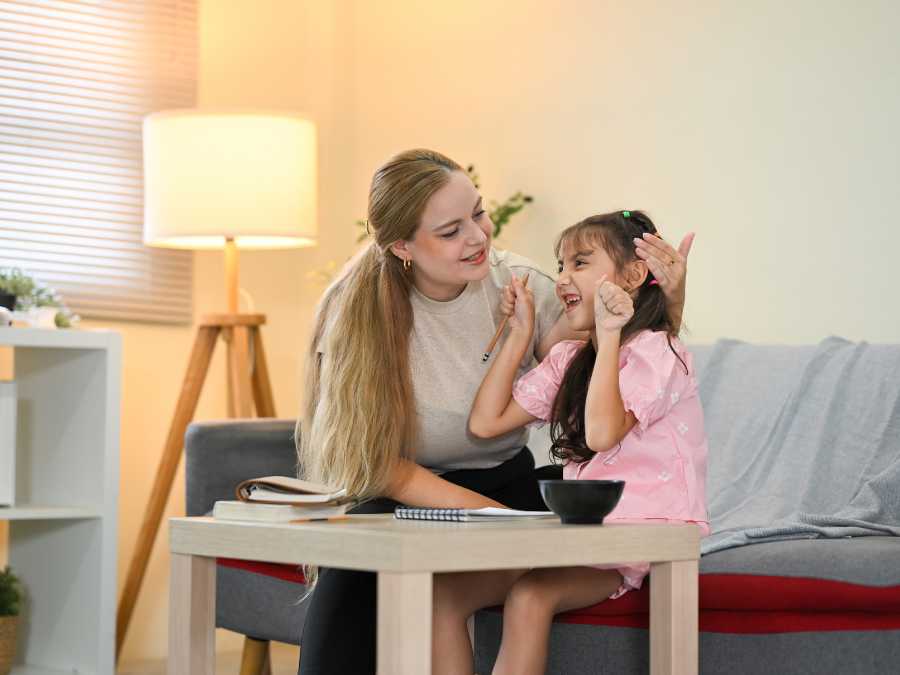 A child does not need to be busy to be thriving.
Growth happens in quiet moments as much as in active ones.
- Redefine success in your family
 When success is measured by well being, curiosity, and connection rather than packed calendars, children feel valued for who they are, not for how much they do.
Raising an only child without overscheduling is less about doing less and more about choosing with intention.
It asks parents to slow down, tune in, and trust that growth does not require constant motion.
When space is left for rest, play, and genuine connection, children learn who they are beyond achievements and calendars.
They discover how to listen to themselves, manage their energy, and find joy in ordinary moments.
In the end, a balanced childhood is not measured by how full the schedule looks, but by how supported, secure, and free a child feels as they grow.
Leave a Reply