How To Manage Screen Time For Neurodiverse Kids, 25 Creative Ways.
We have curated 25 ways on how to manage screen time for neurodiverse kids you should check out.
Screen time has become a normal part of childhood, woven into learning, play, and connection.
For many families raising neurodiverse kids, this reality can feel especially complex.
Screens can be calming, engaging, and even supportive, yet they can also bring worries about balance, boundaries, and well-being.
Parents and caregivers are often left navigating these questions without clear guidance, while trying to honor their child’s unique needs and experiences.
Talking about screen time for neurodiverse kids means moving beyond one size fits all advice.
It asks us to slow down, listen closely, and recognize that every child interacts with technology in their own way.
This conversation is not about blame or strict rules, but about understanding, intention, and support.
By approaching the topic with curiosity and compassion, families can begin to explore what healthy screen use can look like in a way that truly fits their child and their everyday life.
25 Easy and Creative Ways To Manage Screen Time For Neurodiverse Kids
1. Start with understanding your child’s relationship with screens

Before setting limits, observe how your child uses screens and how it affects them.
Some children use screens to calm their nervous system, others for stimulation or predictability.
Understanding whether screens help your child regulate, connect, or cope gives you a strong foundation for making supportive choices.
2. Focus on purpose rather than minutes
 Instead of counting the exact time spent on screens, pay attention to why your child is using them.
Are they learning, relaxing, escaping stress, or seeking routine.
When the purpose is clear, it becomes easier to guide screen use in a way that feels meaningful rather than restrictive.
3. Create predictable routines around screen use
 Many neurodiverse kids thrive on predictability.
Having consistent times when screens are available can reduce anxiety and power struggles.
When children know what to expect, transitions tend to feel safer and more manageable.
4. Use visual schedules to support understanding
 Visual schedules can help children see when screen time happens and what comes next.
This makes abstract concepts like time easier to grasp and gives children a sense of control and preparation, especially during transitions.
5. Build in transition support
 Moving away from screens can be difficult, particularly for children who struggle with transitions.
Giving warnings, countdowns, or visual timers can help your child mentally prepare for the change and reduce emotional overwhelm.
6. Notice sensory needs and responses
 Screens provide specific sensory input such as light, sound, and movement.
Some children find this soothing, others find it overstimulating.
Paying attention to your child’s sensory responses helps you decide when screens are helpful and when they may need a break.
7. Prioritize emotional regulation over compliance
 If a child becomes distressed when screen time ends, it is often about regulation, not behavior.
Supporting their emotions first builds trust and teaches coping skills, which is more effective than enforcing rules through pressure.
8. Involve your child in decision-making
 When possible, include your child in conversations about screen use.
This could mean choosing when screen time fits best in the day or agreeing on what comes after.
Feeling heard can reduce resistance and build cooperation.
9. Offer clear and simple expectations
 Clear expectations help reduce confusion and anxiety.
Use language your child understands and keep it consistent.
Knowing the boundaries ahead of time helps children feel safer within them.
10. Balance screens with preferred off-screen activities

Rather than framing screens as something to be taken away, gently introduce other activities your child enjoys.
When off-screen options are genuinely appealing, the balance feels more natural and less forced.
11. Use screens as tools, not rewards or punishments
 When screens are used as leverage, they can gain more emotional power.
Treating screens as one of many tools for learning and relaxation helps keep them in a healthy perspective.
12. Pay attention to content quality

Not all screen experiences are the same.
Some content supports creativity, communication, and learning, while others may increase dysregulation.
Choosing content that aligns with your child’s needs can make screen time more beneficial.
13. Model healthy screen habits yourself
 Children notice adult behavior closely.
When caregivers show balanced screen use and take breaks, it sends a powerful message without needing constant reminders or rules.
14. Build connections before correction

If screen use becomes a struggle, focus on strengthening connections first.
A child who feels understood and supported is more likely to work with you on changes, rather than against you.
15. Adjust expectations based on energy levels
 Some days are harder than others.
Being flexible during times of illness, stress, or overload allows screens to serve as support rather than something that adds pressure.
16. Use screens to support learning and strengths

For many neurodiverse kids, screens open doors to interests, communication, and skill building.
Honoring these strengths helps reframe screen time as a resource rather than a problem.
17. Watch for signs of overload
 Irritability, withdrawal, or difficulty sleeping can signal that screen use needs adjusting.
These signs are information, not failure, and they guide you toward what your child needs next.
18. Create calming screen-free spaces
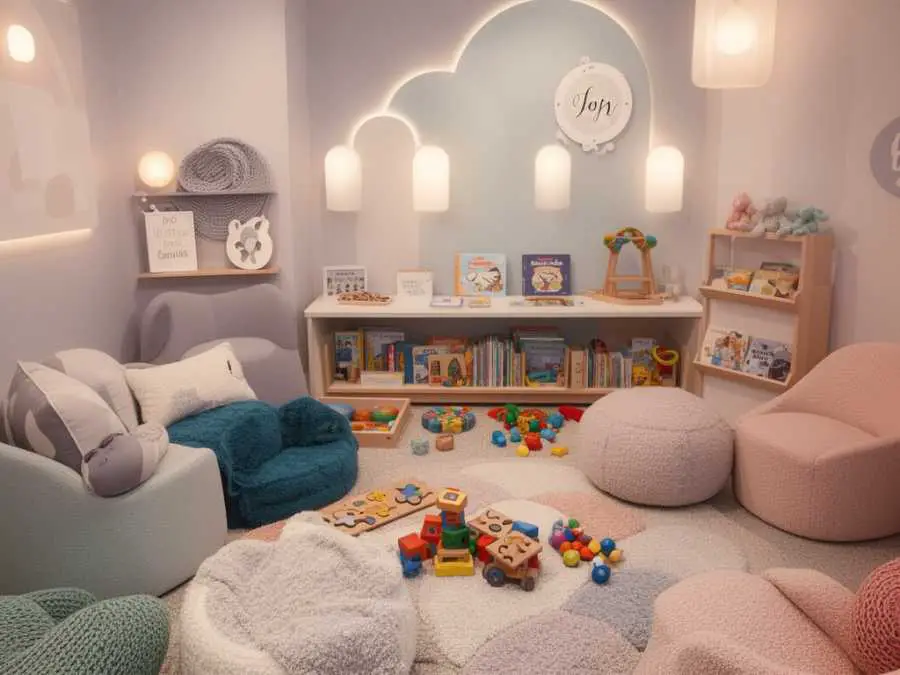 Having certain areas of the home where screens are not used can support regulation and rest.
These spaces can become associated with safety, calm, and connection.
19. Support social needs intentionally

Some children use screens to connect socially in ways that feel safer or more accessible.
Recognizing this helps families support social development without dismissing the value of digital interaction.
20. Avoid comparisons with other children
 Every neurodiverse child has different needs and capacities.
Comparing screen habits with siblings or peers can create unnecessary stress and overlook what truly works for your child.
21. Revisit and adjust strategies regularly

What works now may not work later.
As children grow and their needs change, screen management should evolve too.
Regular reflection keeps strategies relevant and supportive.
22. Use curiosity instead of judgment

When challenges arise, approach them with curiosity.
Asking what your child is communicating through their screen use opens the door to understanding and problem-solving.
23. Collaborate with professionals when helpful

Therapists, educators, and support professionals can offer insight tailored to your child.
Their perspective can help families feel less alone and more confident in their approach.
24. Celebrate small successes
 Progress does not have to be dramatic to matter.
Noticing small improvements builds confidence for both you and your child, and reinforces positive patterns over time.
25. Lead with compassion, for your child and yourself

Managing screen time is not about perfection.
It is an ongoing process shaped by patience, learning, and care.
Being kind to yourself allows you to show up with the calm and understanding your child needs.
Managing screen time for neurodiverse kids is not about strict rules or perfect schedules.
It is about understanding, flexibility, and intentional support.
Every child interacts with technology differently, and what works well for one child may not work for another.
By paying attention to individual needs, building predictable routines, and focusing on connection and emotional well-being, families can create a healthier and more balanced relationship with screens.
Ultimately, screen time is just one part of a child’s environment.
When guided with empathy and thoughtful structure, it can become a helpful tool rather than a constant source of stress.
With patience, reflection, and ongoing adjustment, parents and caregivers can support neurodiverse kids in using technology in ways that enhance learning, comfort, and everyday life, while still leaving room for rest, creativity, and meaningful human connection.
You could also like;
Leave a Reply