37 Best Hair Growth Tips
Are you dreaming of long, flowing locks or trying to restore your hair’s natural strength and beauty?
This article is a complete guide that will walk you through the journey to healthy hair growth.
Achieving noticeable hair growth is not about quick fixes, it’s about understanding your hair’s unique needs and making consistent effort and informed choices.
These powerful 37 hair growth tips are proven and are game-changing
Let us look at some of the creative ways we can achieve these hair goals and regain them with ease and consistency. .
How to Grow Your Hair Faster and Healthier—Step-by-Step Tips
1. Keep Your Scalp Clean and Healthy
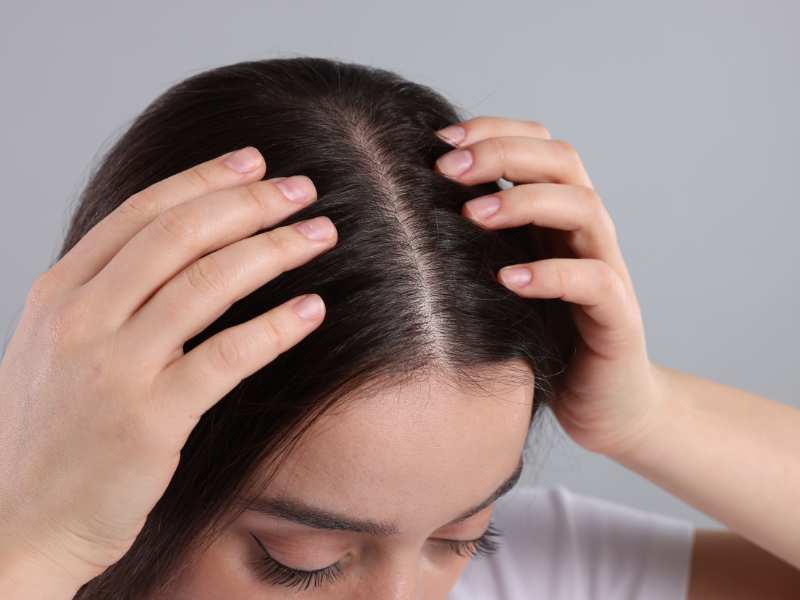
A healthy scalp is the foundation for hair growth.
Product buildup, excess oil, and environmental pollutants can clog follicles and hinder hair growth.
To promote a thriving environment for your roots, cleanse your scalp regularly with a gentle, sulfate-free shampoo that maintains your natural pH balance.
You can also incorporate a scalp scrub or clarifying treatment every few weeks to lift away stubborn residue and dead skin cells.
2. Massage Your Scalp Regularly
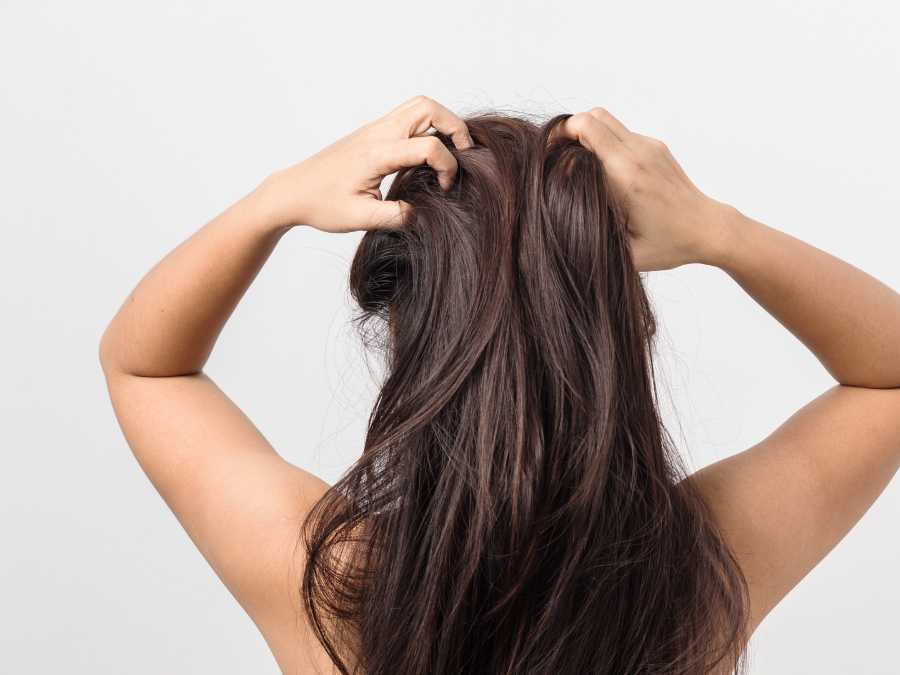 Scalp massages not only feel amazing, they also encourage hair growth by boosting circulation.
Better blood flow means more oxygen and nutrients reach the hair follicles, which can stimulate growth.
Use your fingertips or a dedicated scalp massager and apply light pressure in circular motions for 5 to 10 minutes daily.
You can enhance the experience by adding essential oils like rosemary or peppermint to nourish the scalp.
3. Use Natural Oils
 Nature has provided some of the best remedies for hair growth in the form of oils.
Castor oil, known for its high ricinoleic acid content, helps increase blood circulation to the scalp.
Coconut oil penetrates the hair shaft deeply, reducing protein loss.
Peppermint and rosemary oils stimulate follicles and improve hair density.
Apply your oil of choice weekly as a pre-shampoo treatment or leave-in scalp massage oil for best results.
4. Avoid Tight Hairstyles

Tight ponytails, buns, and braids may look stylish, but they can put a lot of stress on your scalp and hairline.
Consistent tension can lead to traction alopecia, a form of hair loss caused by pulling on the roots.
Go for looser styles that don’t tug at your hair, and give your scalp a break between protective or high-tension hairstyles to maintain long-term follicle health.
5. Trim Split Ends
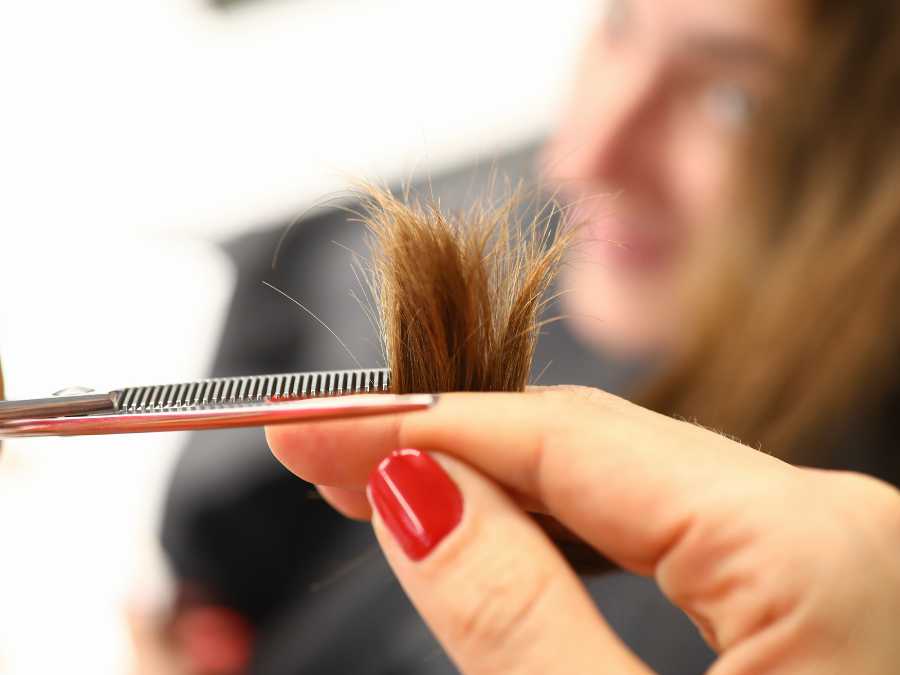 While trimming doesn’t directly make your hair grow faster, it keeps your ends from splitting upward, which can lead to more breakage and shorter-looking hair.
Regular trims, every 8 to 12 weeks, help maintain the integrity of your strands.
Healthy ends make your hair appear thicker, smoother, and longer over time by preventing loss from the tips.
6. Eat Protein-Rich Foods
 Hair is made of a tough protein called keratin, so it makes sense that your diet should support this structure.
Consuming protein-rich foods like eggs, salmon, beans, nuts, and yogurt provides the amino acids necessary for strong, healthy hair.
Without enough protein, hair becomes weak and brittle, and new growth may slow significantly or stop altogether.
7. Drink Plenty of Water
 Hydration is just as important for your hair as it is for your skin and body.
Dehydrated hair becomes dry, dull, and more susceptible to breakage.
Drinking enough water, typically 8 to 10 glasses a day, helps keep the scalp hydrated and the hair follicles nourished.
Add hydrating foods like cucumbers, melons, and leafy greens to your diet for an extra boost.
8. Protect Hair While Sleeping

Friction between your hair and a cotton pillowcase can lead to breakage, tangles, and moisture loss while you sleep.
To protect your strands, switch to a satin or silk pillowcase, which reduces rubbing and retains hair’s natural oils.
You can also wrap your hair in a silk scarf or use a satin bonnet for additional nighttime protection, especially helpful for curly or textured hair.
9. Minimize Heat Styling
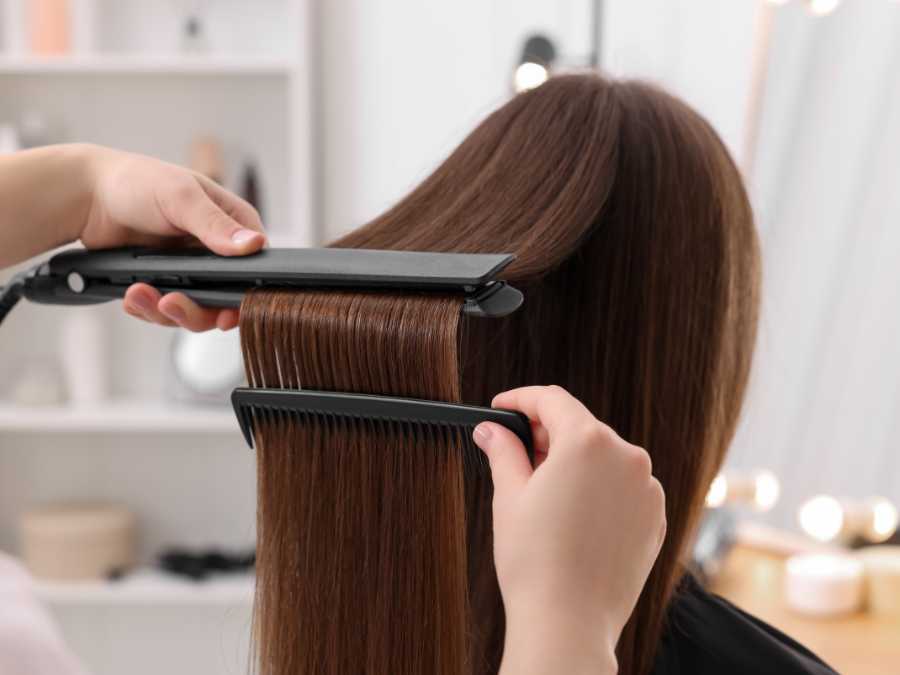 Frequent use of heat tools like blow dryers, straighteners, and curling wands can weaken your hair over time, leading to dryness and breakage.
If you must use heat, always apply a heat protectant spray beforehand and keep the temperature as low as possible.
Embrace heat-free styles like braids, twists, or rollers to give your strands time to recover and strengthen.
10. Use a Wide-Tooth Comb
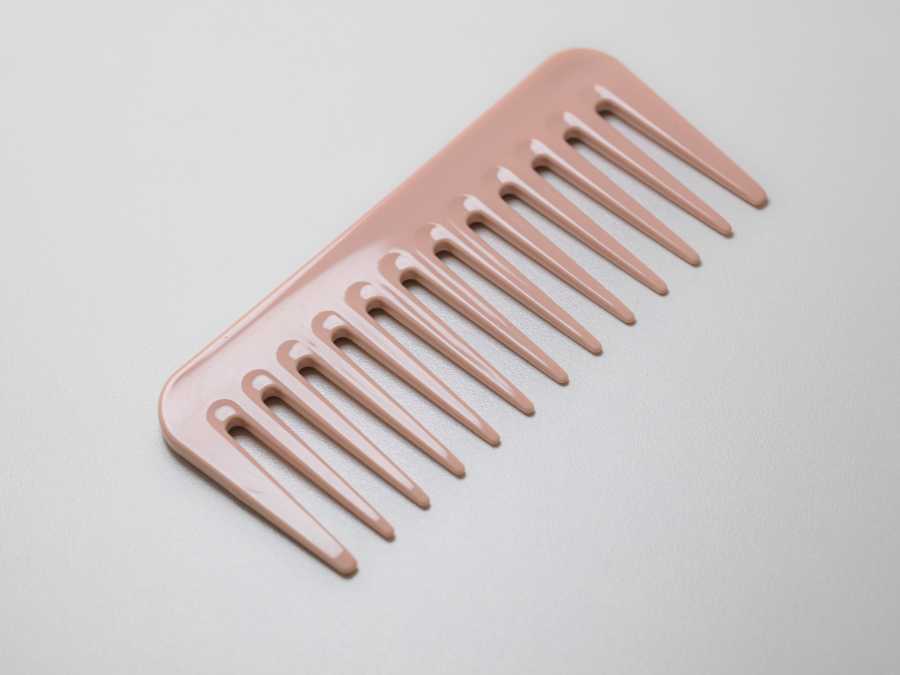 Wet hair is at its most fragile and prone to snapping when handled aggressively.
Instead of using a brush, opt for a wide-tooth comb to gently detangle your strands, starting from the tips and working your way up.
This method reduces breakage and protects your hair from unnecessary stress, especially if you have curly, coily, or chemically treated hair.
11. Try the Inversion Method

The inversion method is a simple technique believed to promote hair growth by increasing blood flow to the scalp.
It involves flipping your head upside down for about 4–5 minutes daily while gently massaging the scalp with your fingertips.
Pairing this method with nourishing oils like coconut or castor oil can enhance its effectiveness.
Though not scientifically proven, many people report noticeable results with consistent use over time.
12. Deep Condition Weekly
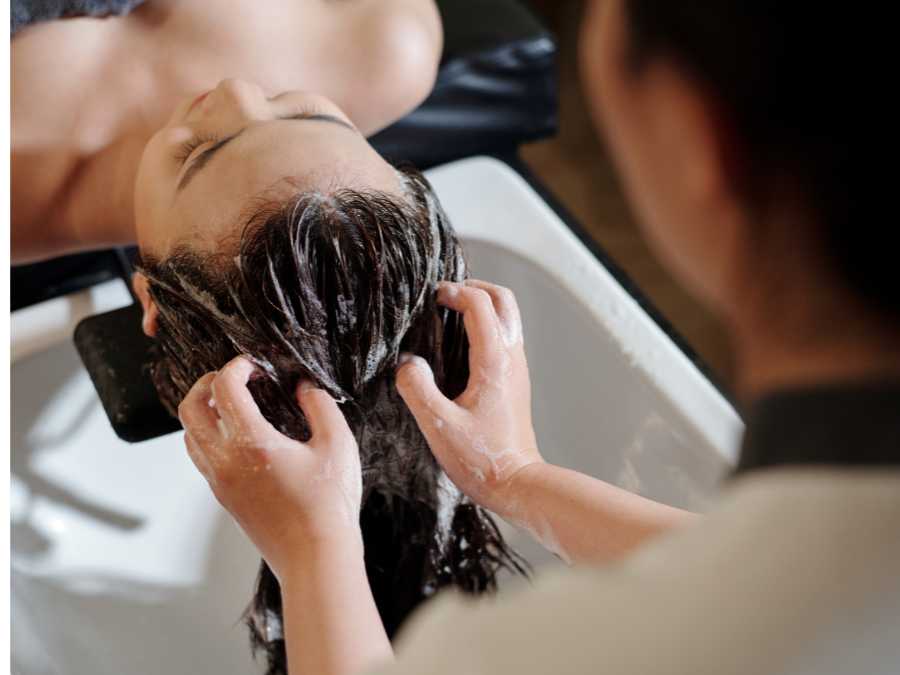 Deep conditioning is like giving your hair a much-needed spa day.
These intensive treatments penetrate the hair shaft, restoring lost moisture and repairing damage from heat, chemicals, or environmental stress.
Choose a deep conditioner rich in proteins, oils, and vitamins, and use it once a week.
Leave it on for 20–30 minutes under a shower cap or heat cap to allow maximum absorption and softness.
13. Take Hair-Healthy Supplements
 Sometimes, even a balanced diet doesn’t provide all the nutrients your hair needs.
Supplements like biotin, vitamin D, zinc, iron, and collagen can support the hair growth cycle, especially if you’re dealing with deficiencies.
However, it’s essential to consult with a healthcare provider before starting any supplement to ensure it’s safe and suitable for your needs.
14. Don’t Over wash Your Hair
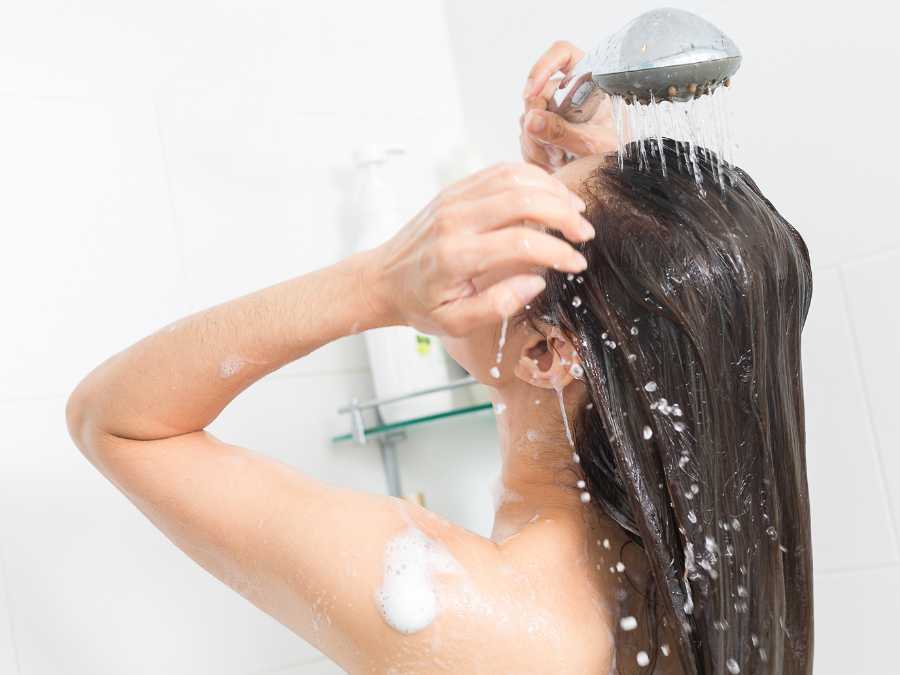 Washing your hair too frequently can strip away the natural oils your scalp produces to keep your hair healthy and moisturized.
This can lead to dryness, breakage, and even an overproduction of oil as your scalp tries to compensate.
Aim to wash your hair 2–3 times a week unless your hair is particularly oily or you’ve used heavy styling products.
Dry shampoo or co-washing can help in between.
15. Avoid Harsh Chemicals
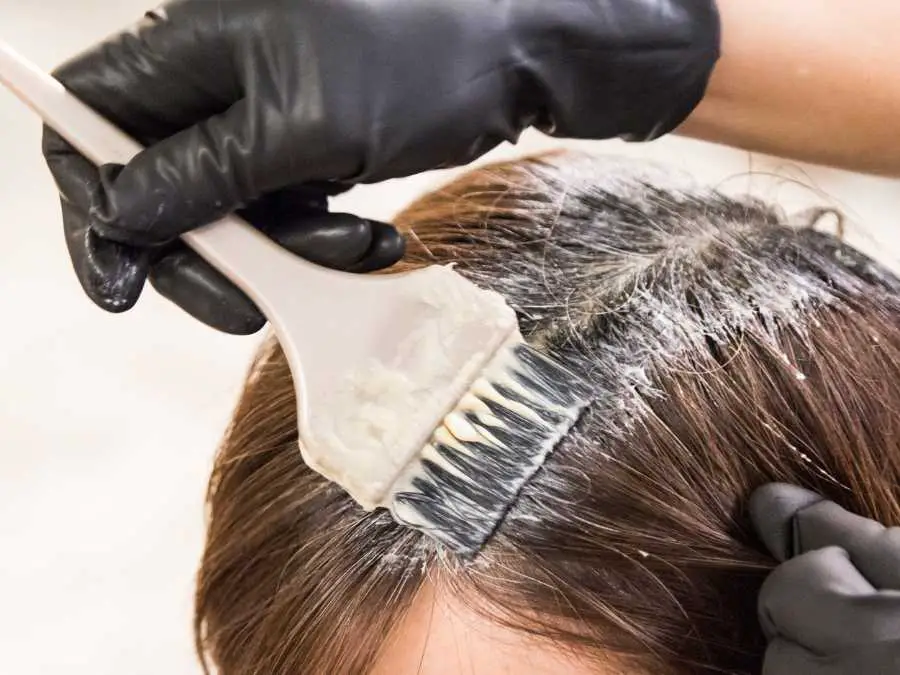 Chemical treatments like relaxers, perms, and some hair dyes can weaken the hair structure over time, causing breakage, thinning, and even hair loss.
Try to minimize the frequency of chemical processing and opt for safer, more natural alternatives whenever possible.
If you must use chemical treatments, ensure you deeply nourish and care for your hair afterward to maintain strength and moisture.
16. Use Rice Water Rinse
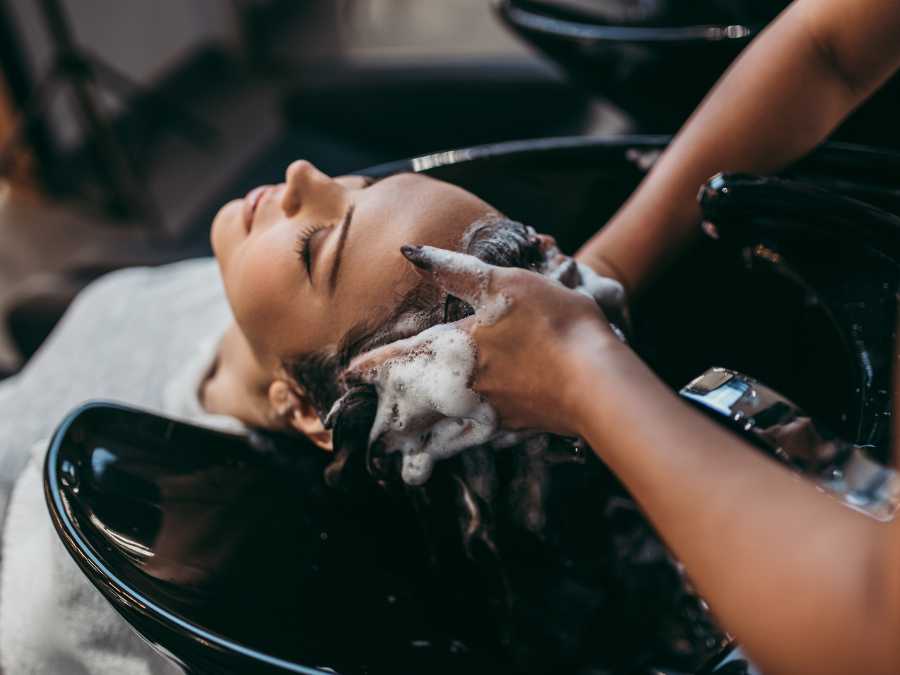 Rice water is rich in amino acids, vitamins, and minerals that nourish hair follicles, strengthen strands, and improve shine.
This centuries-old remedy involves soaking or fermenting rice in water, then straining it to use as a rinse after shampooing.
Apply the rice water to your scalp and hair, leave it on for 20 minutes, then rinse thoroughly. Use it once or twice a week to avoid protein overload.
17. Stay Stress-Free
 Stress has a direct impact on hair health and growth.
Conditions like telogen effluvium, where hair sheds more than usual, are often triggered by physical or emotional stress.
To protect your hair, practice stress management techniques like deep breathing, yoga, meditation, regular exercise, or even taking a relaxing walk.
A calm mind contributes to a healthy body, and scalp.
18. Choose the Right Shampoo and Conditioner
 Not all shampoos and conditioners are created equal.
The right formula can make a big difference in how your hair feels and grows.
For example, moisturizing shampoos benefit dry hair, while volumizing products are great for fine or thinning hair.
Avoid products with sulfates, parabens, and silicones, which can dry out or weigh down the hair.
Look for formulas enriched with natural ingredients that support your specific hair type and goals.
19. Limit Hair Coloring
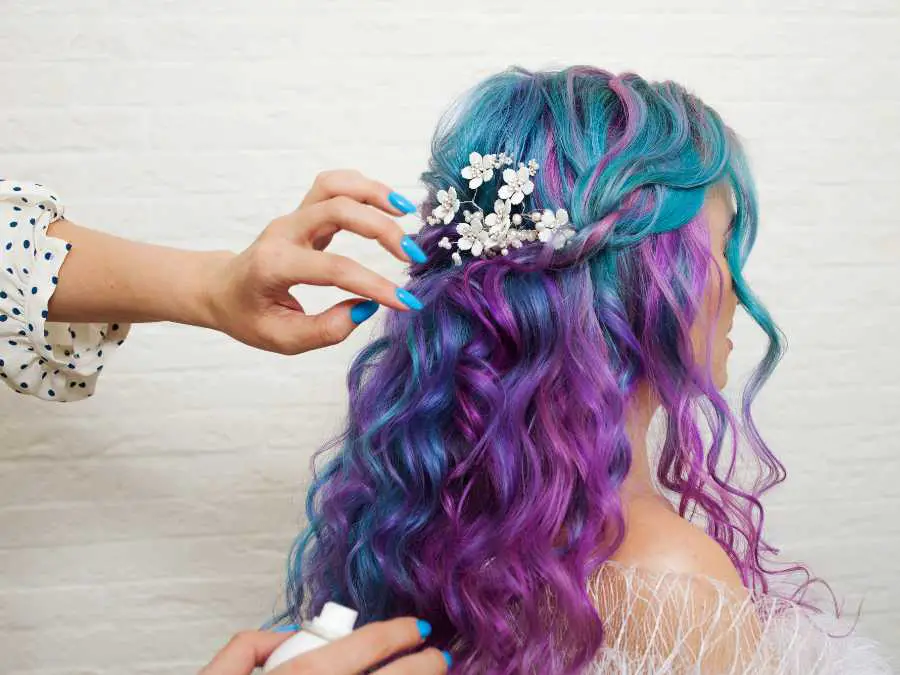 Frequent hair coloring, especially with permanent dyes and bleaching agents, can cause significant damage to your strands.
The chemicals involved strip the hair of its natural pigments and proteins, making it more prone to dryness and breakage.
If you love coloring your hair, opt for gentler alternatives like semi-permanent dyes, natural henna, or root touch-ups, and follow up with deep conditioning treatments to minimize damage.
20. Use Aloe Vera Gel
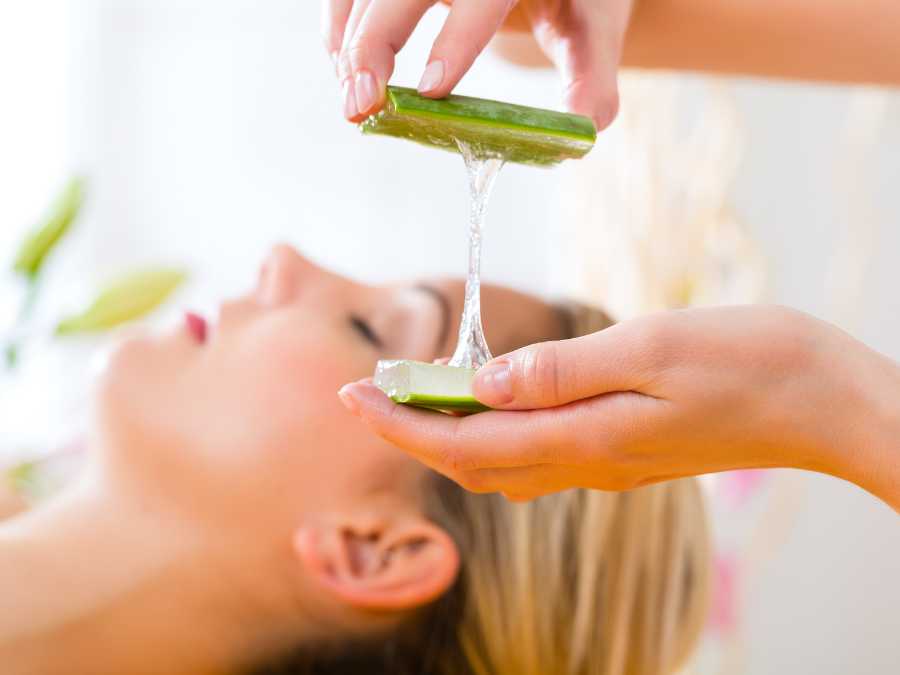 Aloe vera is a natural remedy with soothing, anti-inflammatory, and moisturizing properties.
Applying aloe vera gel directly to your scalp can reduce itchiness, combat dandruff, and restore pH balance,all of which contribute to a healthier scalp and stronger hair growth.
You can use fresh aloe gel or purchase a natural, preservative-free version and apply it once or twice a week as a scalp mask before washing.
21. Don’t Brush Excessively
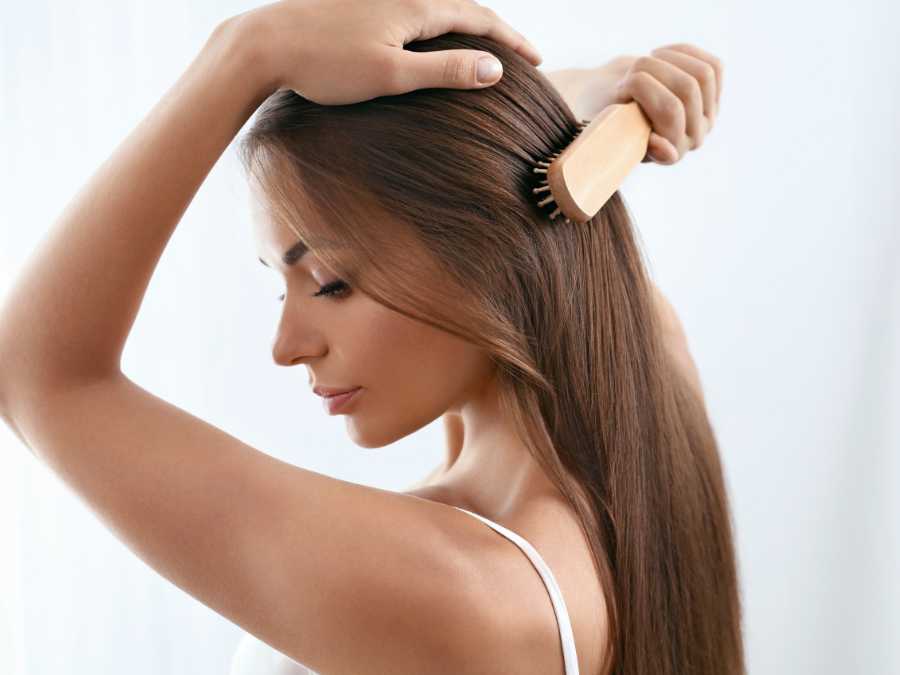 Brushing your hair too often can do more harm than good, especially if you’re using the wrong tools or technique.
Overbrushing creates friction and weakens the strands, leading to unnecessary breakage.
Stick to brushing only when needed, typically once or twice a day, and always use a gentle approach, starting at the ends and working your way up.
A boar bristle or detangling brush can help distribute natural oils without pulling or tearing.
This is one of the hair growth tips you should take serious.
22. Apply Onion Juice
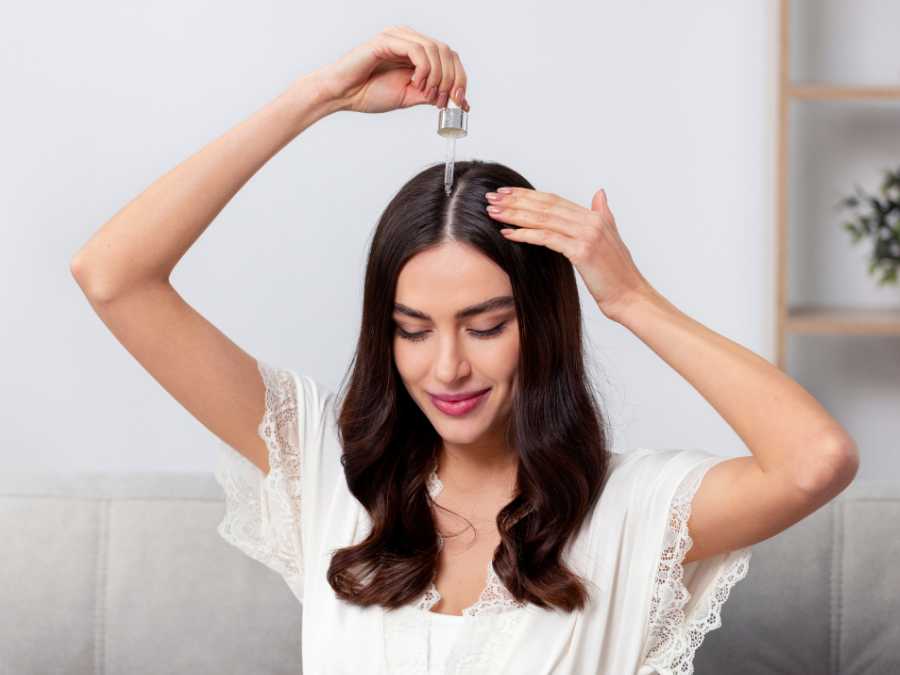 It may not smell great, but onion juice is packed with sulfur, a mineral that plays a key role in collagen production and hair growth.
When applied to the scalp, onion juice can increase blood flow to hair follicles, reduce inflammation, and stimulate regrowth in thinning areas.
Blend or juice a fresh onion, apply the liquid to your scalp, let it sit for 20–30 minutes, and rinse thoroughly with a mild shampoo.
Use once or twice a week for best results.
23. Avoid Hot Showers
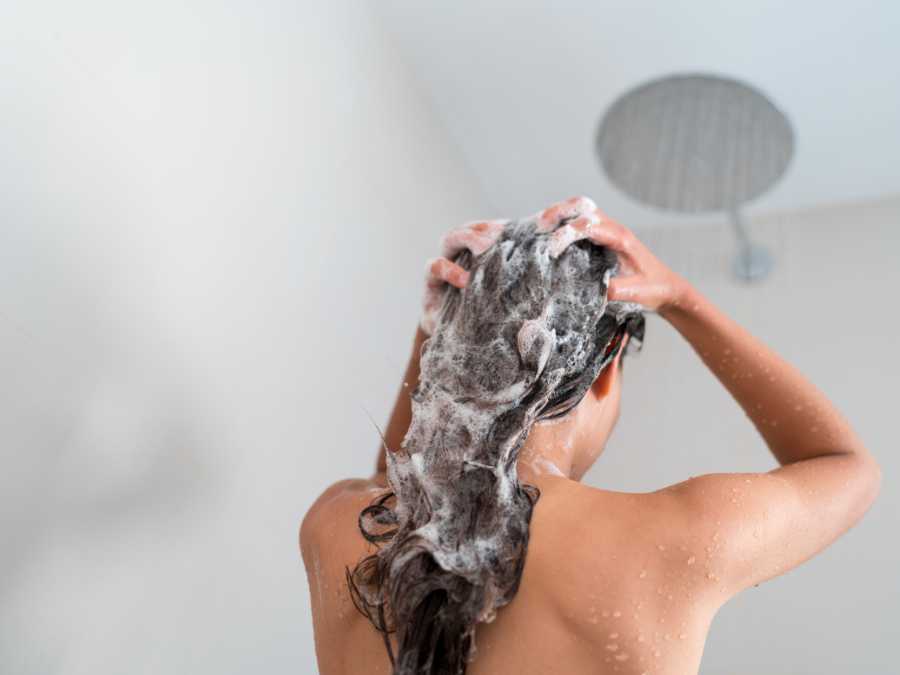 Hot water can feel relaxing, but it strips your hair and scalp of essential natural oils, leaving them dry and brittle.
Over time, this dryness can lead to breakage and irritation, slowing down healthy hair growth.
Switch to lukewarm or cool water when washing your hair.
Not only does it preserve moisture, but it also helps seal the cuticle, giving your strands a smoother, shinier appearance.
This is a hair growth tips you should avoid seriously.
24. Try Scalp Micro needling
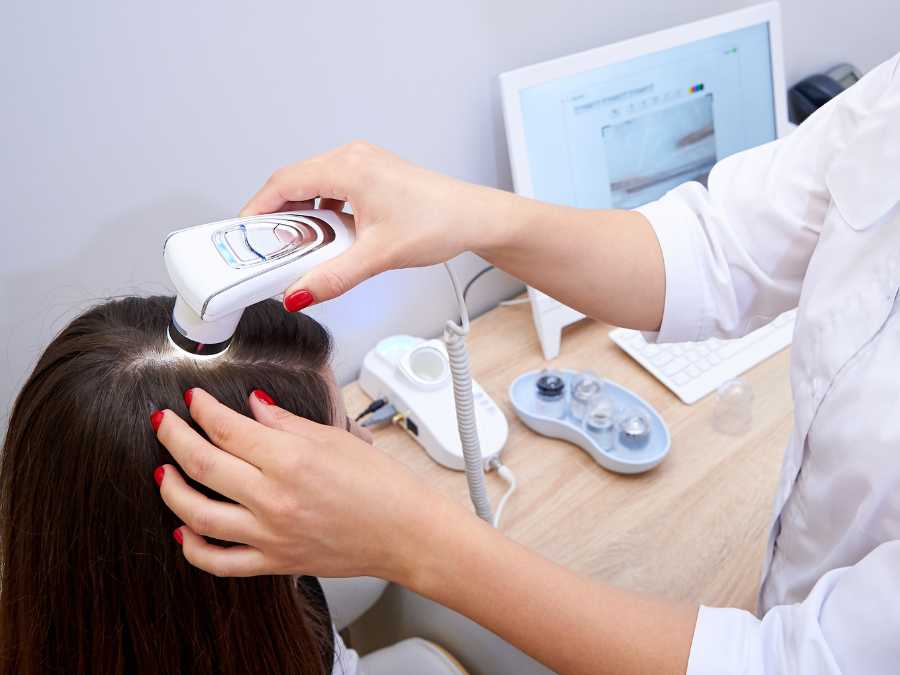 Micro needling isn’t just for skincare, it’s becoming popular in the hair growth world too.
Using a derma roller or micro needling device on the scalp creates tiny punctures that trigger the body’s healing response, stimulating collagen production and improving nutrient absorption.
When combined with hair growth serums or oils, it can accelerate results.
Always sanitize your tools properly and start with once a week to avoid irritation.
25. Use Leave-In Conditioners
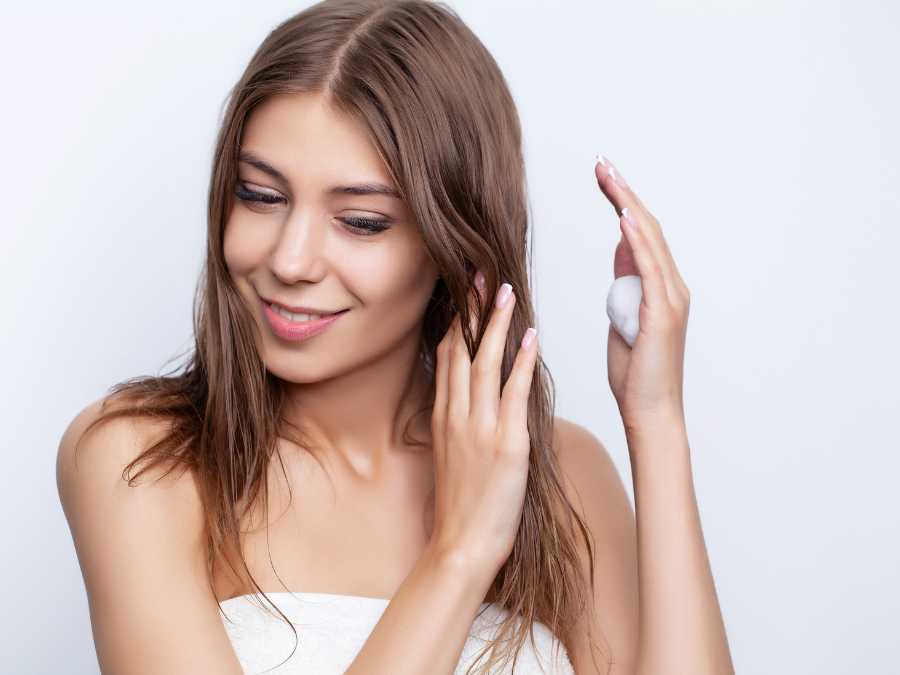 Leave-in conditioners are designed to stay in your hair after washing, providing ongoing hydration, detangling benefits, and protection from environmental stressors.
They’re especially beneficial for dry, curly, or chemically treated hair, helping reduce friction and prevent breakage.
Look for lightweight, silicone-free formulas enriched with natural oils, keratin, or humectants like glycerin to keep your hair strong and manageable throughout the day.
This is a simple hair growth tips you should add to your hair care routine.
26. Protect Hair from Sun
 Just like your skin, your hair can be damaged by prolonged sun exposure. UV rays weaken the hair shaft, fade color, and cause dryness.
When spending extended time outdoors, wear a hat, scarf, or UV-protective hair product.
Leave-in conditioners with SPF or natural oils like avocado and grapeseed can provide a protective barrier while keeping your hair soft and hydrated.
27. Don’t Sleep with Wet Hair
 Going to bed with wet or damp hair is a recipe for breakage and scalp issues.
Wet strands are more elastic and vulnerable, making them more likely to tangle or snap while you sleep.
Additionally, a damp scalp pressed against a pillow can create the perfect environment for fungal or bacterial growth.
Always allow your hair to dry fully before heading to bed, or gently blow-dry it with low heat if you’re short on time.
28. Apply Egg Mask
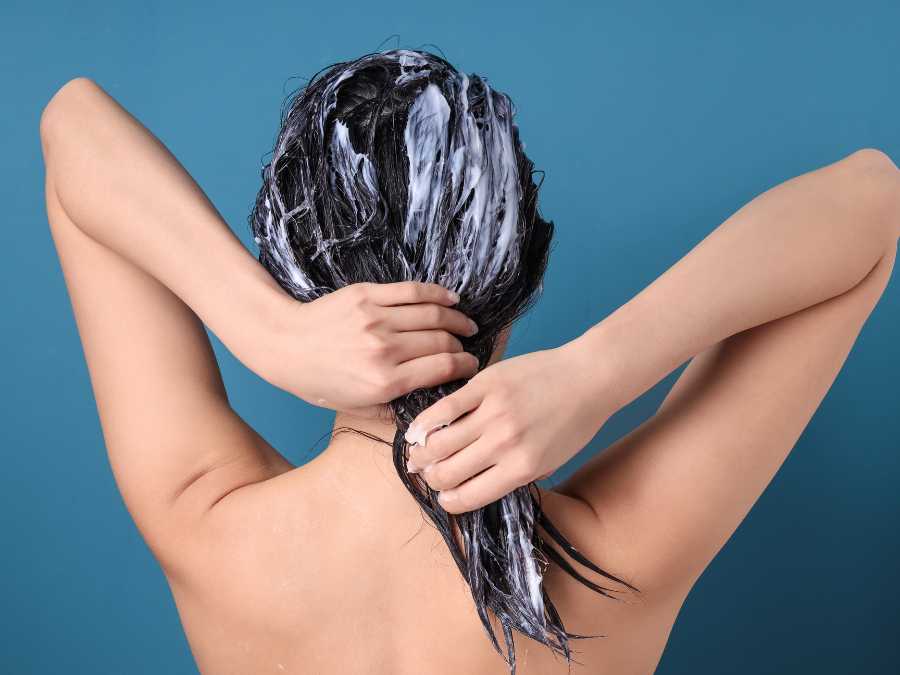 Eggs are rich in protein, biotin, and essential nutrients that strengthen and repair hair.
Using an egg mask once a week can nourish the scalp, fortify the strands, and add natural shine.
Whisk one or two eggs with a bit of olive oil or yogurt, apply the mixture to your scalp and hair, cover with a shower cap, and rinse after 20 minutes.
Be sure to use cool water to avoid cooking the egg in your hair.
This is an easy hair growth tips to try.
29. Avoid Brushing Wet Hair
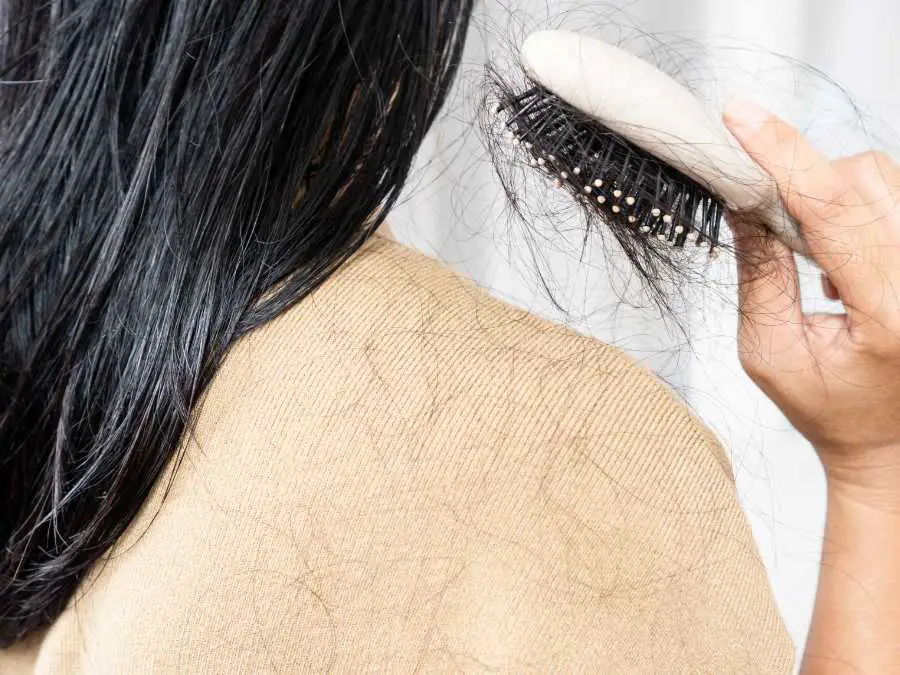 Wet hair is particularly fragile and elastic, making it more susceptible to breakage when brushed.
Instead of using a brush, detangle gently with your fingers or a wide-tooth comb while your hair is conditioned in the shower.
If you must brush wet hair, choose a detangling brush specifically designed for wet use and apply a leave-in conditioner to reduce friction.
30. Use Green Tea Rinse

Green tea is packed with antioxidants that can help stimulate hair follicles and reduce shedding.
After brewing and cooling the tea, pour it over your scalp and hair as a final rinse post-shampoo.
Leave it on for 10–15 minutes before rinsing with cold water.
The catechins in green tea can help block DHT, a hormone linked to hair thinning, making this a simple yet powerful addition to your hair care routine.
31. Maintain a Healthy Scalp pH
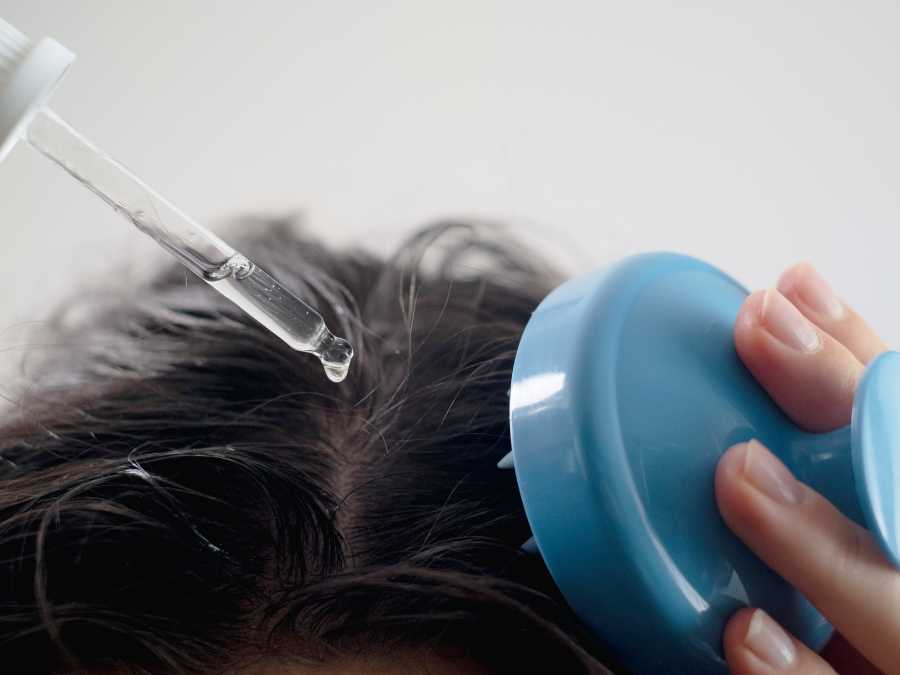 Your scalp’s pH balance plays a critical role in maintaining healthy hair.
Ideally, it should be slightly acidic, around 4.5 to 5.5, to support the natural flora and prevent dandruff, dryness, or excess oil.
Using shampoos and treatments that are pH-balanced helps keep the scalp environment ideal for hair growth.
Avoid overly alkaline products or harsh soaps that can disturb this balance and irritate your scalp over time.
This is a perfect hair growth tips.
32. Don’t Ignore Dandruff
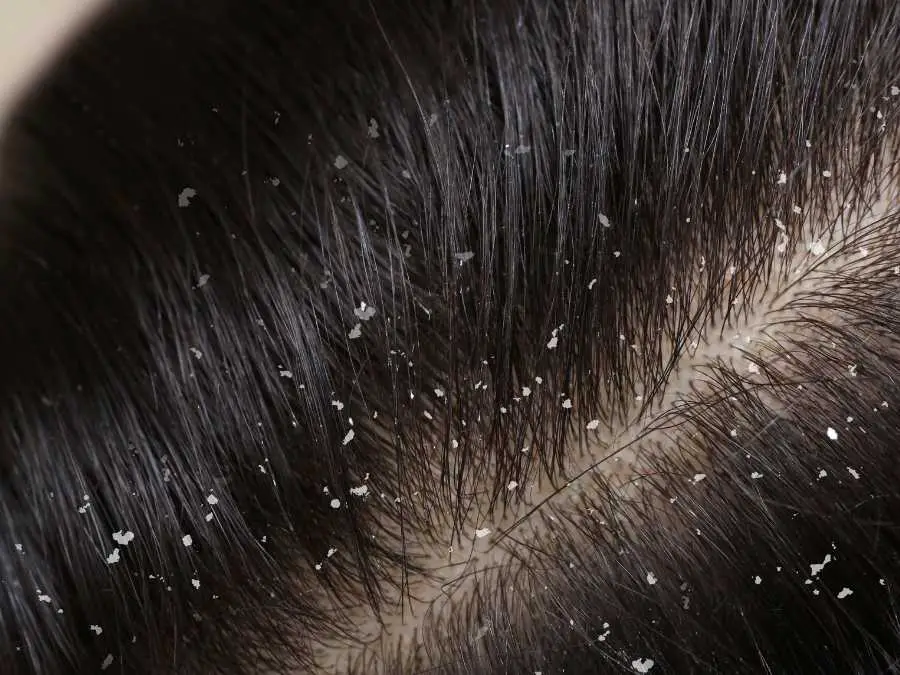 Dandruff is more than just a cosmetic issue, it can be a sign of underlying scalp problems like seborrheic dermatitis, fungal infections, or product buildup.
Left untreated, it can lead to inflammation and weakened hair follicles, which can slow down or even halt growth.
Use anti-dandruff shampoos with ingredients like ketoconazole, zinc pyrithione, or tea tree oil, and be consistent in your scalp care routine to maintain a flake-free, growth-friendly environment.
33. Use a Microfiber Towel
 Traditional cotton towels can be rough on wet hair, creating friction that leads to frizz, breakage, and split ends.
Microfiber towels, on the other hand, are soft, highly absorbent, and gentler on your strands.
They reduce drying time and help maintain the integrity of the hair shaft.
Simply wrap or blot your hair with a microfiber towel instead of rubbing, which can damage your hair’s cuticle.
This helps to improve hair care and it is a good hair growth tips
34. Hydrate with Hyaluronic Acid Hair Serums
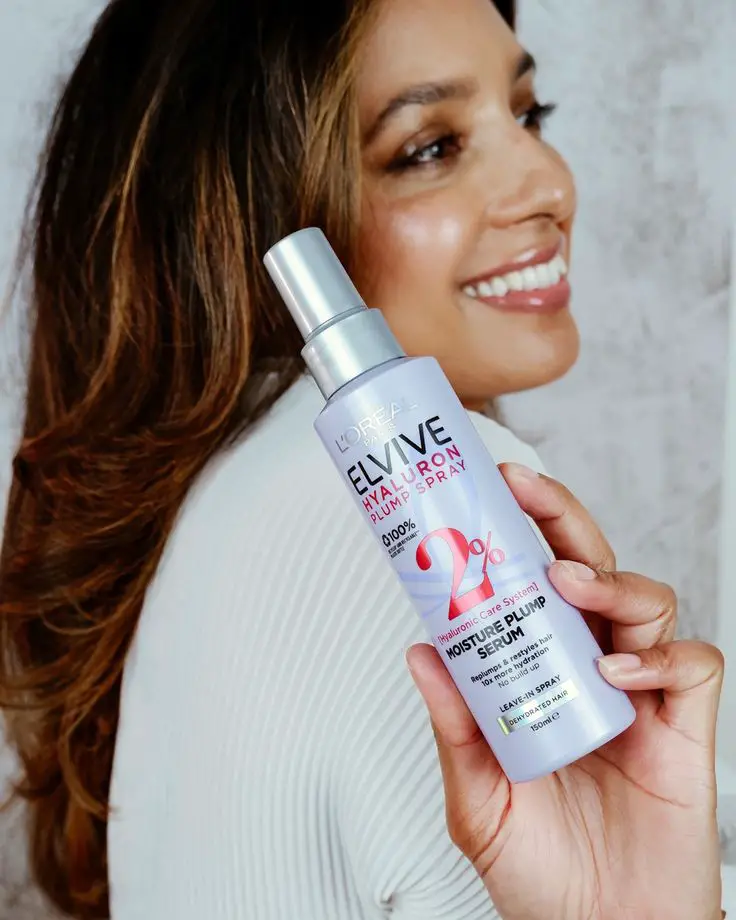 Hyaluronic acid isn’t just a skincare hero, it’s also a powerhouse for hair hydration.
When used in hair serums, it attracts and retains moisture in the scalp and strands, reducing brittleness and boosting elasticity.
This added hydration helps protect against breakage, making it easier for your hair to retain length over time.
Look for water-based, alcohol-free formulas and apply them to damp hair or directly to the scalp as needed.
35. Avoid Daily Ponytails

Wearing the same tight ponytail every day puts continuous stress on specific areas of your scalp, especially around the hairline and crown.
Over time, this can weaken those areas and result in thinning or even permanent hair loss.
Vary your hairstyles throughout the week and choose loose, low-tension looks whenever possible.
Use snag-free hair ties or silk scrunchies to minimize damage when you do tie your hair up.
36. Practice Protective Styling
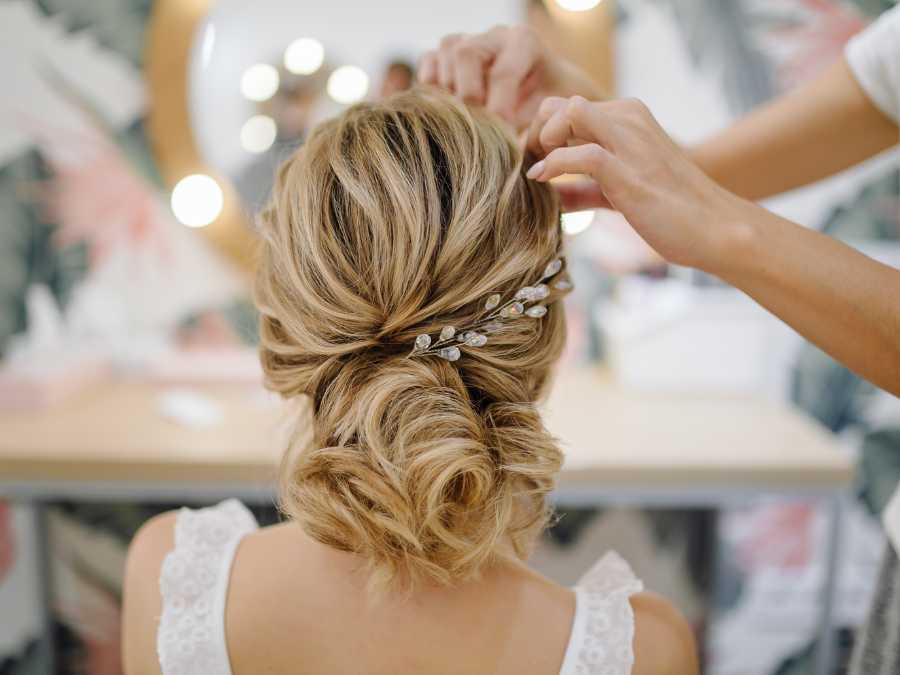 Protective styles like braids, twists, buns, or cornrows help reduce daily manipulation and shield the ends of your hair from friction, weather, and other damage.
These styles are especially beneficial for curly, coily, or natural hair types prone to dryness and breakage.
Ensure the style is not too tight, and always moisturize and cleanse your scalp while wearing a protective look.
Keep the style in for 2–6 weeks, depending on the method and your hair’s needs.
37. Be Patient and Consistent

Hair growth takes time, and there’s no shortcut to long, healthy hair. On average, hair grows about half an inch per month.
Consistency with your hair care routine, a balanced diet, and regular scalp maintenance are key.
Track your progress with photos or notes and stay committed, even if results aren’t immediate.
Patience, paired with the right practices, will yield long-lasting, beautiful results.
Growing healthy, longer hair isn’t about chasing quick fixes or miracle products, it’s about building a consistent, thoughtful routine that nurtures your scalp, supports your strands, and feeds your body from the inside out.
Even if you are battling breakage, aiming to grow out a bad cut, or simply want to boost your natural length, every small habit you commit to makes a difference over time.
Know that patience and consistency are your best allies on this journey.
With the right hair growth tips, products, and care, you can absolutely unlock your hair’s full potential and enjoy the confidence that comes with strong, beautiful hair.