50 Gentle Parenting Phrases for Setting Firm Boundaries
We have curated 50 Gentle Parenting Phrases for Setting Firm Boundaries you will love.
Gentle parenting often gets misunderstood as permissive or unclear, when in reality it is rooted in respect, consistency, and confidence.
Setting firm boundaries is a vital part of raising emotionally secure children, and the way those boundaries are communicated matters just as much as the rules themselves.
The words we choose can either create connection or resistance, calm or confusion.
This is where gentle parenting phrases become powerful, not because they are soft, but because they are intentional.
When boundaries are expressed with clarity and compassion, children learn that limits exist alongside understanding.
In this post, we will look at some thoughtful languages that can support strong boundaries while preserving trust, cooperation, and emotional safety.
50 Gentle Parenting Phrases for Setting Firm Boundaries
1. I won’t let you do that.
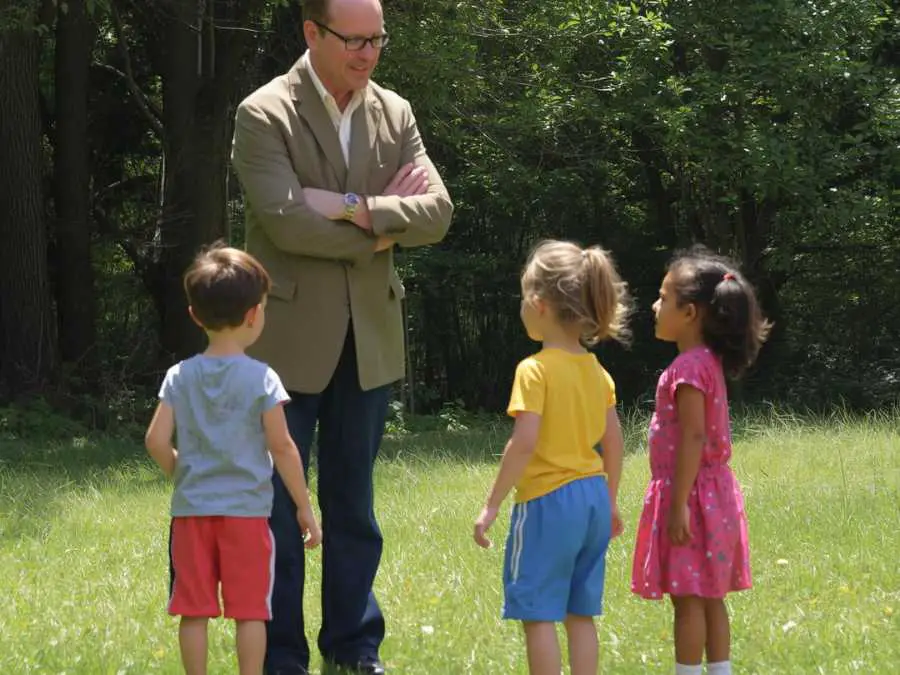 This phrase clearly communicates a boundary without shaming or threatening.
It shows that the adult is in charge and responsible for safety or limits, while staying calm and neutral.
2. I hear that you’re upset, and the rule is still the same.
 This acknowledges emotions without changing the boundary.
It teaches children that feelings are valid, but rules are not negotiable just because emotions are strong.
3. It’s okay to feel angry, it’s not okay to hurt.
 This separates emotions from behavior.
Children learn that all feelings are acceptable, but certain actions are not.
4. I’m here to help you follow the rule.
 This frames boundaries as support rather than punishment.
It reassures the child that they are not alone while still holding the limit.
5. That’s not a choice right now.
 This removes confusion and power struggles.
It tells the child clearly that the decision has already been made.
6. I can’t let you talk to me like that.
 This sets a boundary around respectful communication and models self-respect.
It teaches children how relationships should feel.
7. You may be disappointed, and we’re still leaving.
 This normalizes disappointment while reinforcing follow-through.
Children learn that adults mean what they say.
8. I will keep you safe.
 This phrase is especially effective during physical boundaries.
It reinforces trust and shows that limits exist for protection.
9. I understand what you want, and my answer is no.
 This balances empathy with firmness.
It prevents arguing while still validating the child’s perspective.
10. We can try again when you’re ready to be gentle.
 This gives the child a path forward without removing the boundary.
It encourages self-regulation and accountability.
11. That doesn’t work for me.
 This models personal boundaries and teaches children that everyone has limits, including adults.
12. I’m not changing my mind.
 This helps prevent repeated negotiations.
It teaches consistency and reduces anxiety caused by uncertainty.
13. I won’t argue about this.
 This calmly ends power struggles.
It shows that boundaries are not debates.
14. You’re allowed to say no, and I’m still saying no.
 This respects the child’s voice while maintaining adult authority.
It teaches mutual respect without giving control.
15. I can see you’re having a hard time.
 This builds connection before enforcing a boundary.
Children are more likely to cooperate when they feel understood.
16. The answer is no, and I can help you calm down.
 This combines firmness with emotional support.
It reassures the child that rejection does not equal abandonment.
17. That choice is not safe.
 This focuses on safety rather than obedience.
It helps children understand the reason behind the limit.
18. I won’t let you ignore the rule.
 This reinforces consistency.
Children learn that boundaries apply even when adults are tired or distracted.
19. We follow the same rule every time.
 This builds predictability and trust.
Consistent boundaries help children feel secure.
20. I know you don’t like this.
 This validates emotions without softening the boundary.
It shows empathy without guilt.
21. I’m responsible for making this decision.
 This removes pressure from the child.
It reinforces the adult’s role as the leader.
22. I’m going to stop you now.
 This is clear and immediate, especially during unsafe behavior.
It avoids explaining in the heat of the moment.
23. You can be mad, I will stay calm.
 This models emotional regulation.
Children learn that big emotions can exist without chaos.
24. We will talk about this later.
 This pauses conflict without dismissing the child.
It teaches that timing matters.
25. I won’t allow hitting.
 This is direct and non-judgmental.
It clearly names the behavior that is not acceptable.
26. I see what you want, and it’s not available.
 This avoids over-explaining and keeps the boundary simple.
27. That’s not how we solve problems.
 This redirects behavior while reinforcing values.
28. I’m here, and the limit stays.
This reassures connection even during disappointment.
29. You’re having big feelings, and I’ve got this.
 This helps children feel contained and safe during emotional moments.
30. I will help you make a better choice.
 This frames boundaries as guidance, not control.
31. I won’t let you break things.
 This sets a clear physical boundary without labeling the child as bad.
32. We use kind words in this family.
 This reinforces expectations while connecting them to shared values.
33. I’m listening, and the answer is still no.
 This prevents children from feeling ignored while holding firm.
34. That behavior tells me you need help.
 This shifts the focus from punishment to support.
35. I’m going to take this away until you’re ready.
 This explains a consequence calmly and clearly.
36. You don’t have to like the rule.
 This removes the pressure to agree.
Children learn that cooperation does not require approval.
37. I won’t allow yelling
 This model calms communication and sets a tone for respect.
38. I hear your frustration.
 This builds emotional literacy without changing the boundary.
39. We can talk after your body is calm.
 This teaches self-regulation and timing.
40. I’m staying right here.
This reassures children that boundaries do not threaten connection.
41. That’s enough for now.
 This ends behaviors without escalation.
42. I won’t let you hurt yourself.
 This reinforces safety-based boundaries and trust.
43. I need you to stop.
 This is simple, clear, and effective when used calmly.
44. I’m going to help your body calm down.
 This supports children who struggle with impulse control.
45. The rule doesn’t change because we’re tired.
This reinforces consistency even during challenging moments.
46. I can see this is hard for you.
 This builds empathy and connection before enforcing limits.
47. I won’t give in to yelling.
 This teaches that communication matters more than volume.
48. I will decide when you’re ready.
This supports children who need adult guidance during transitions.
49. We will try again tomorrow.
 This ends the moment with hope rather than shame.
50. I love you, and this is my decision.
 This reinforces unconditional love while maintaining authority.
Gentle parenting phrases are not about being passive, overly soft, or avoiding limits.
They are tools that help parents communicate boundaries in a way that is clear, respectful, and emotionally safe.
Children need boundaries to feel secure, but they also need to feel understood while those boundaries are being enforced.
When both needs are met at the same time, children are more likely to cooperate, regulate their emotions, and trust the adult guiding them.
Using thoughtful language allows parents to stay calm and consistent, even during moments of conflict.
Instead of reacting out of frustration or control, these phrases help shift the focus toward guidance and leadership.
The boundary itself does not change, but the delivery reduces power struggles and defensiveness.
Children are less likely to feel shamed or threatened, and more likely to learn from the moment.
Firm boundaries communicated gently teach children that their feelings are valid, even when their behavior must stop.
This distinction is critical for emotional development.
A child who learns that emotions are acceptable but harmful actions are not, develops healthier ways to express themselves over time.
They also learn accountability without fear, which supports long-term self-discipline rather than short-term compliance.
Consistency is another key reason these phrases matter.
Repeating calm, clear language helps children know what to expect.
Predictability builds trust, and trust strengthens the parent-child relationship.
When children believe that adults will follow through without yelling or harshness, they feel safer testing limits and learning from mistakes.
Ultimately, gentle parenting phrases for firm boundaries help parents lead with confidence and compassion at the same time.
They create an environment where limits are respected, emotions are acknowledged, and connection remains intact, even during difficult moments.
This balance is what allows boundaries to truly work, not through force, but through understanding and steady guidance.