23 Screen Free Activities For Kids
Are you searching for screen free activities for kids, search no more you are in the right place.
We have curated 23 screen free activities for kids you will like.
In a world where screens are everywhere, finding ways to keep kids entertained without tablets, phones, or television can feel surprisingly difficult.
Many parents want to reduce screen time, not because technology is bad, but because they miss the simple moments of creativity, movement, conversation, and connection that often happen away from a device.
The good news is that children do not need constant digital entertainment to stay happy or engaged.
Sometimes, the most meaningful memories come from the activities that encourage imagination, curiosity, and real world interaction.
Screen free activities give kids the chance to slow down, explore their interests, and develop important life skills in a more natural way.
They create opportunities for stronger family bonds, better focus, and healthier routines, all while reminding children that fun does not have to come from a glowing screen.
Even if you are looking for ways to fill rainy afternoons, weekends at home, or everyday downtime, there are plenty of enjoyable options that can bring energy and balance back into your child’s day.
23 Screen Free Activities For Kids
1. Build a Blanket Fort
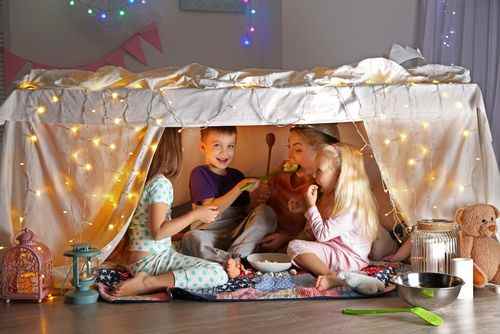
There is something timeless about turning ordinary blankets, pillows, and chairs into a magical hideout.
Kids love creating spaces that feel completely their own, and a blanket fort gives them the freedom to use their imagination in a hands on way.
They can turn it into a castle, spaceship, reading corner, or secret clubhouse depending on their mood.
This activity encourages creativity, problem solving, and teamwork if siblings or friends join in.
Once the fort is built, children can spend hours inside reading books, telling stories, drawing, or simply relaxing.
It also creates a cozy environment that feels exciting without needing any digital entertainment.
2. Start a Simple Garden
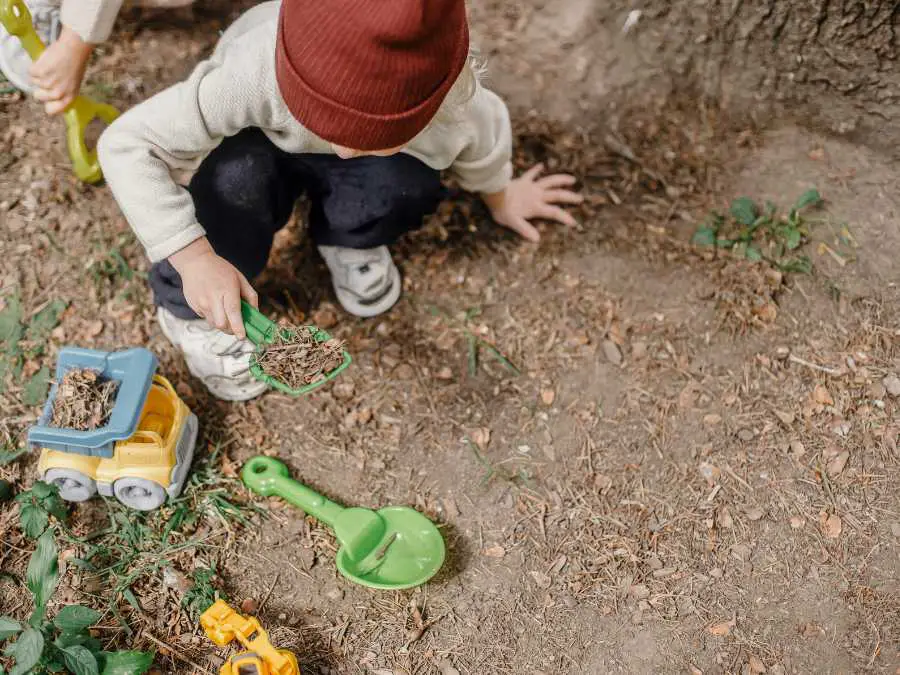 Gardening teaches patience, responsibility, and appreciation for nature.
Children can begin with something easy like planting flowers, herbs, or vegetables in small pots or a backyard patch.
Watching a tiny seed slowly grow into a real plant feels rewarding and fascinating for kids of all ages.
This activity also encourages daily routines because plants need consistent care.
Watering, checking for growth, and learning about sunlight and soil can become a fun learning experience.
Gardening gives children a sense of accomplishment while helping them spend more time outdoors.
3. Create an Indoor Treasure Hunt
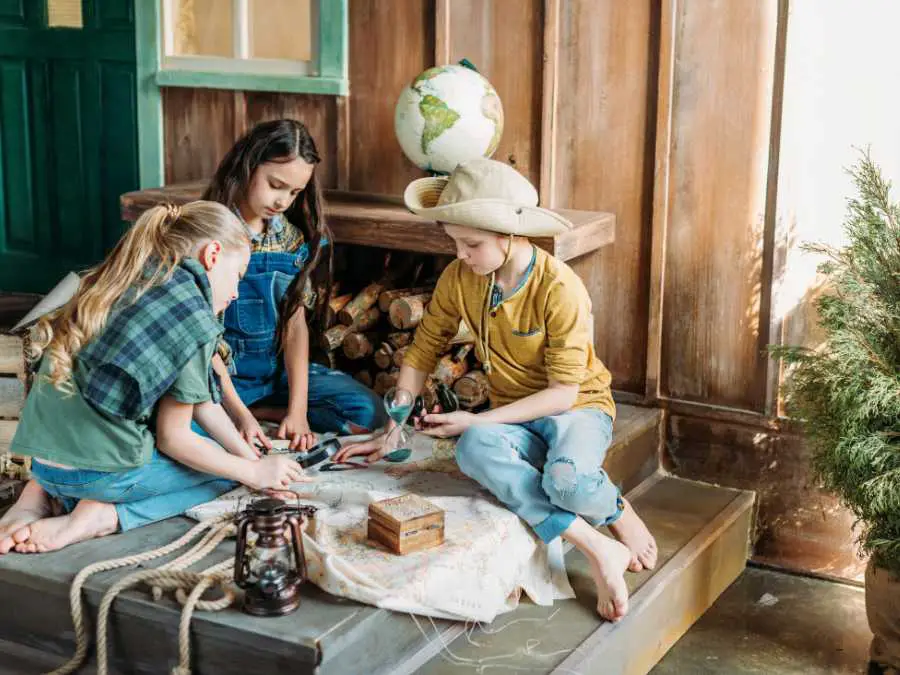 An indoor treasure hunt can turn a normal afternoon into an exciting adventure.
Parents can hide clues around the house that lead children from one location to another until they finally discover a small prize, snack, or surprise at the end.
The best part is that treasure hunts can be adjusted for different ages.
Younger kids may enjoy picture clues, while older children can solve riddles or puzzles.
This activity keeps children active, engaged, and mentally stimulated while encouraging curiosity and problem solving skills.
4. Try Baking Together
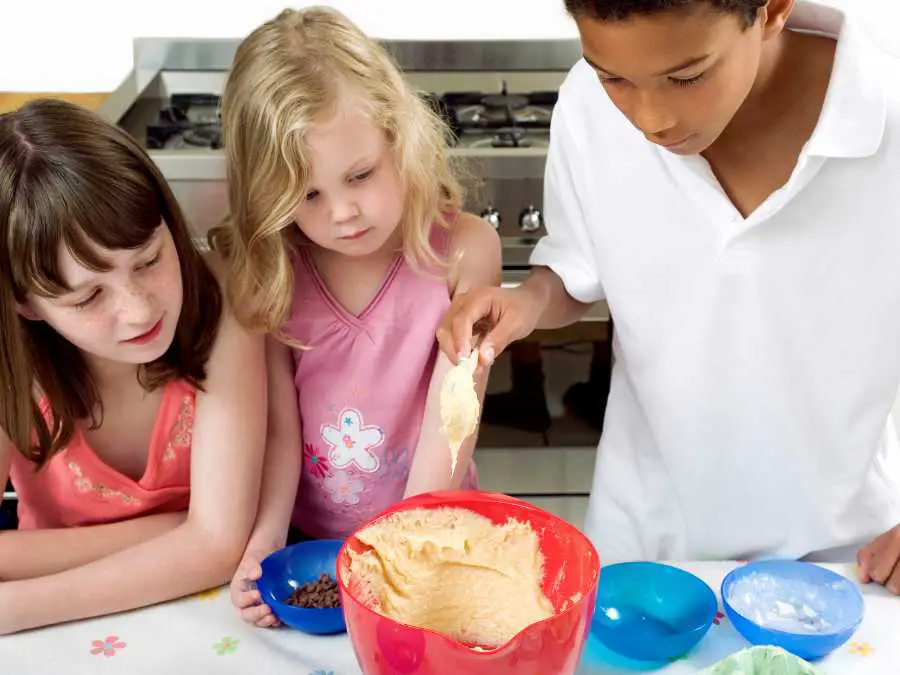 Baking is more than making treats, it is also a valuable learning activity.
Measuring ingredients helps children practice basic math skills, while mixing and decorating encourage creativity.
Even simple recipes like cookies or cupcakes can feel exciting when kids are involved in the process.
Beyond the learning aspect, baking creates meaningful family moments.
Children often feel proud seeing something they helped make come out of the oven.
It also teaches patience because they must follow steps carefully and wait for the final result.
5. Organize a Backyard Picnic
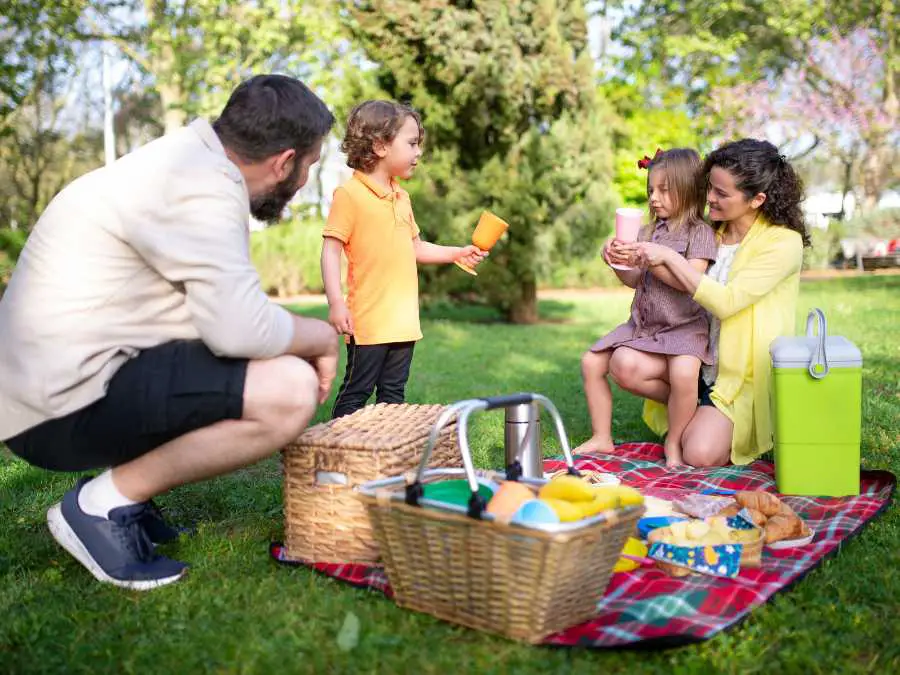 A picnic instantly makes an ordinary meal feel special.
Spread out a blanket in the backyard, pack simple snacks, and let kids enjoy eating outdoors.
Fresh air and a different environment can make children more excited and relaxed.
To make it even more memorable, children can help prepare the picnic basket or choose the menu.
You can also include games, storytelling, or music afterward.
The goal is to create a fun experience that encourages connection and outdoor time.
6. Make Homemade Crafts
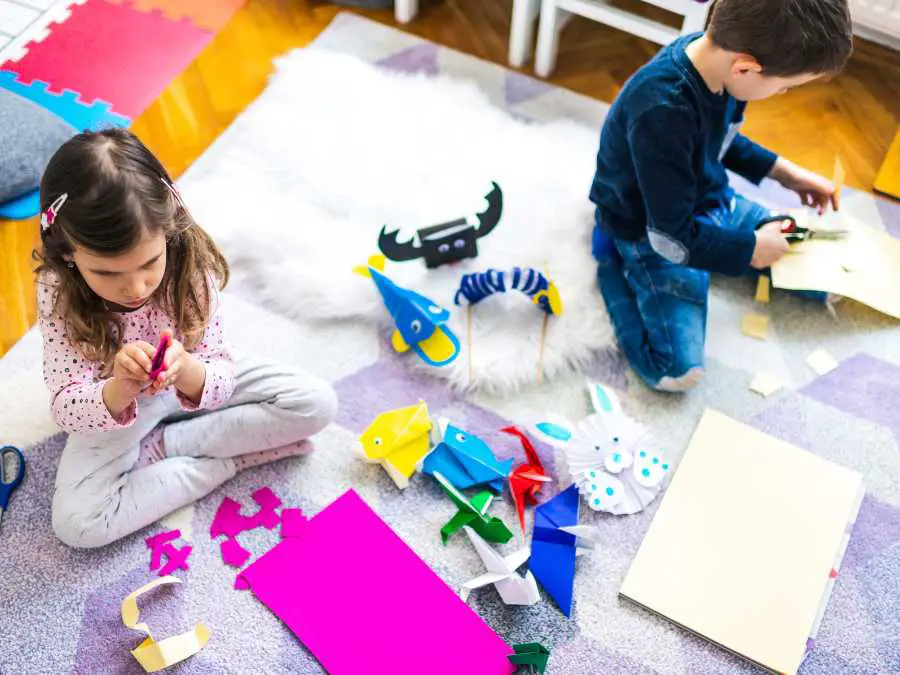 Craft activities allow children to express themselves freely.
With paper, glue, paint, markers, or recycled materials, kids can create cards, masks, decorations, or imaginative art projects.
There is no right or wrong outcome, which makes crafting especially enjoyable.
Crafting also improves fine motor skills and concentration.
It teaches children to experiment, make decisions, and take pride in their work.
Even simple craft sessions can keep kids entertained for long periods without needing screens.
7. Play Board Games
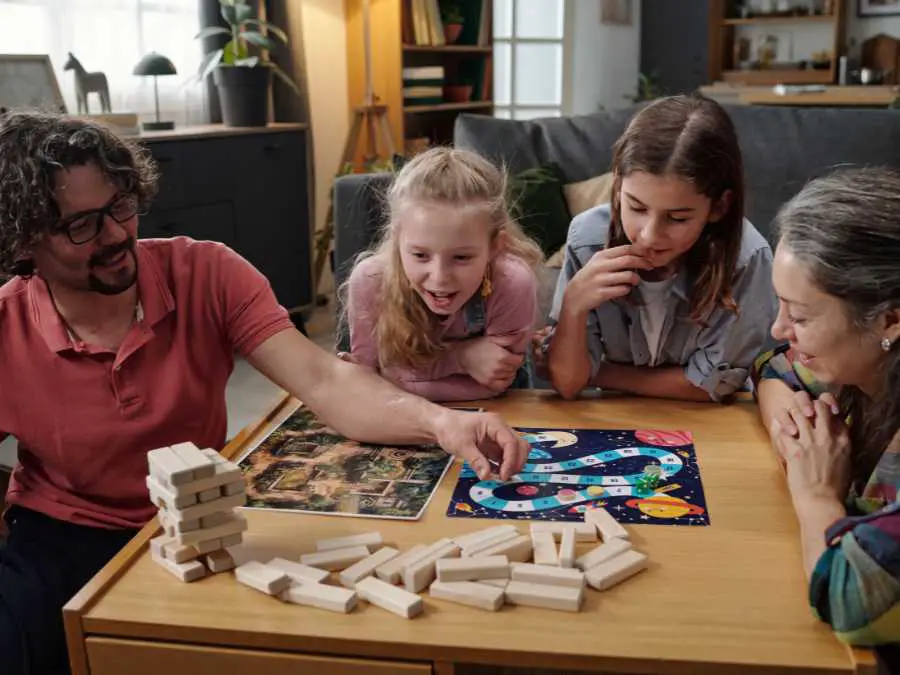 Board games are a fantastic way to bring families together while teaching important social skills.
Children learn how to take turns, follow rules, communicate, and handle both winning and losing gracefully.
Different games can challenge memory, strategy, or creativity depending on the child’s age.
More importantly, board games encourage face to face interaction and laughter, something many families miss when everyone is focused on devices.
8. Go on a Nature Walk

A simple walk outdoors can become an exciting learning experience when children are encouraged to pay attention to their surroundings.
They can collect leaves, look for insects, identify birds, or observe different plants along the way.
Nature walks help children feel calmer and more connected to the environment.
They also encourage physical activity while stimulating curiosity about the world around them.
Even a short walk through a park or neighborhood can feel refreshing and adventurous.
9. Create a Reading Corner
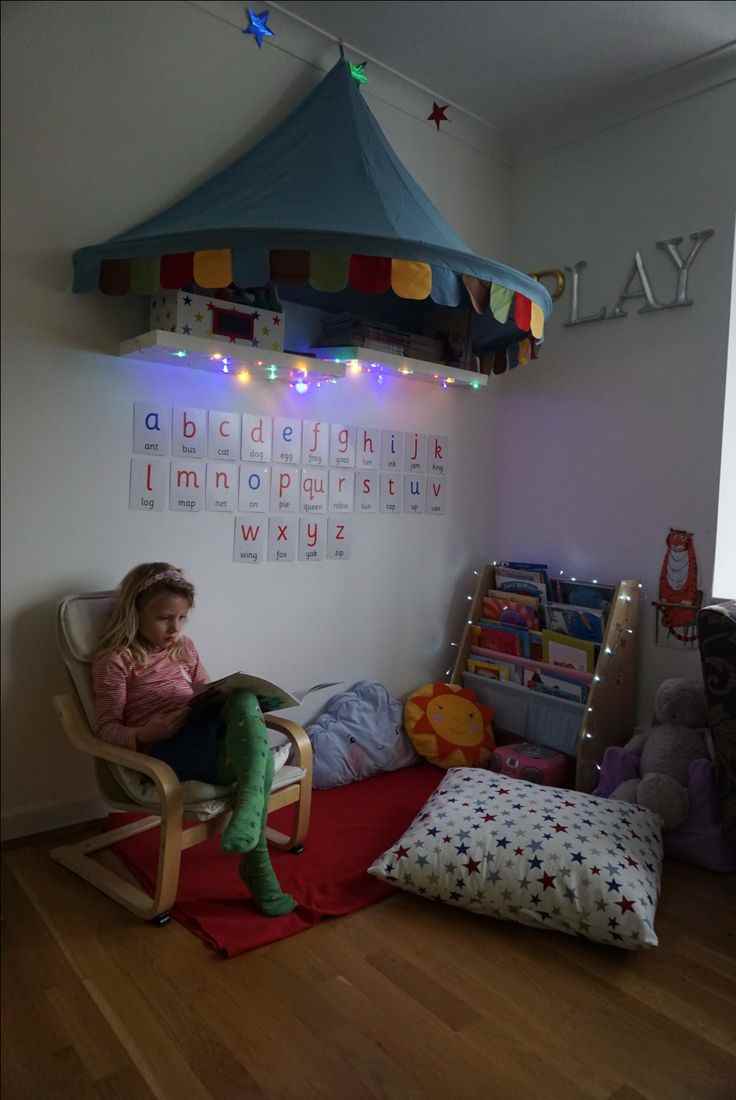
Reading becomes more appealing when children have a cozy space dedicated to books.
A few pillows, blankets, and favorite stories can transform a corner of the room into a peaceful retreat.
Children who spend time reading develop stronger imagination, language skills, and focus.
Allowing them to choose books that genuinely interest them helps make reading feel enjoyable rather than forced.
10. Put on a Puppet Show
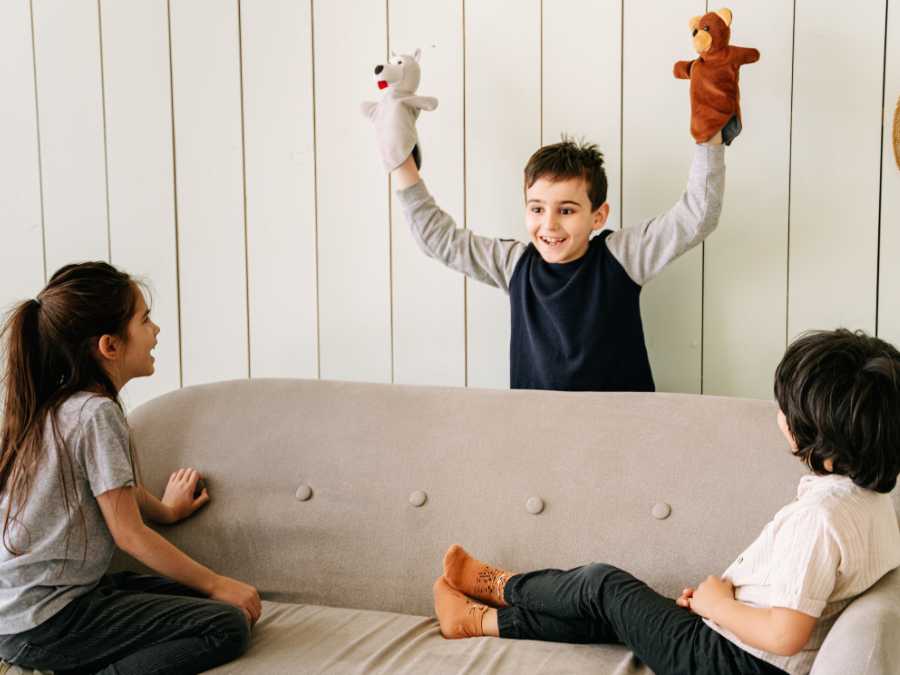 Puppet shows are a wonderful way for children to explore storytelling and creativity.
Kids can make puppets using socks, paper bags, or simple craft materials, then create their own characters and stories.
This activity builds communication skills and confidence because children learn to express ideas in fun and imaginative ways.
Performing for family members can also make the experience feel exciting and rewarding.
11. Try Simple Science Experiments
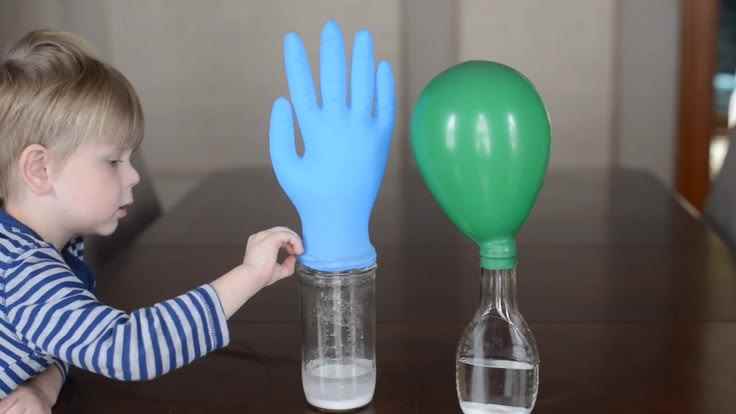
Children naturally enjoy discovering how things work.
Simple science experiments like making a volcano with baking soda and vinegar or creating homemade slime can feel both educational and entertaining.
Science activities encourage curiosity, observation, and problem solving.
They show children that learning does not always have to happen through textbooks or screens, it can happen through hands on experiences too.
12. Have a Dance Party
 A dance party is one of the easiest ways to bring energy and excitement into the house.
Turn on music and encourage kids to move freely, create dance routines, or play freeze dance games.
Dancing helps children stay physically active while improving coordination and confidence.
It is also a great way to release energy, especially during rainy days or long afternoons indoors.
13. Learn Origami
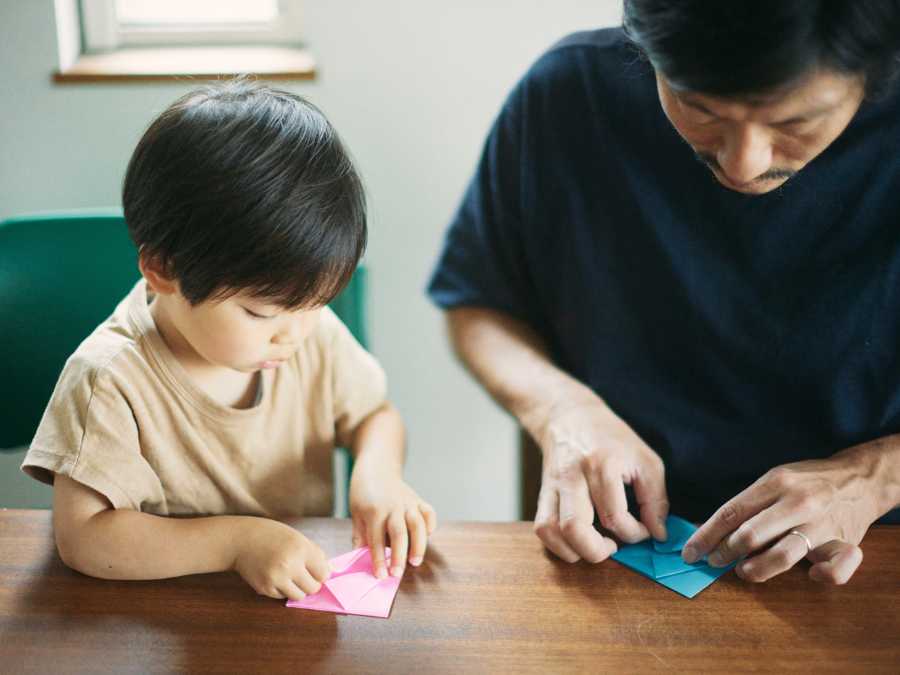 Origami introduces children to the art of paper folding while improving patience and concentration.
Starting with simple shapes like boats, birds, or flowers can help children build confidence before trying more detailed designs.
This activity strengthens fine motor skills and teaches children the importance of following instructions carefully.
Completing an origami project also gives them a satisfying sense of achievement.
14. Write Short Stories
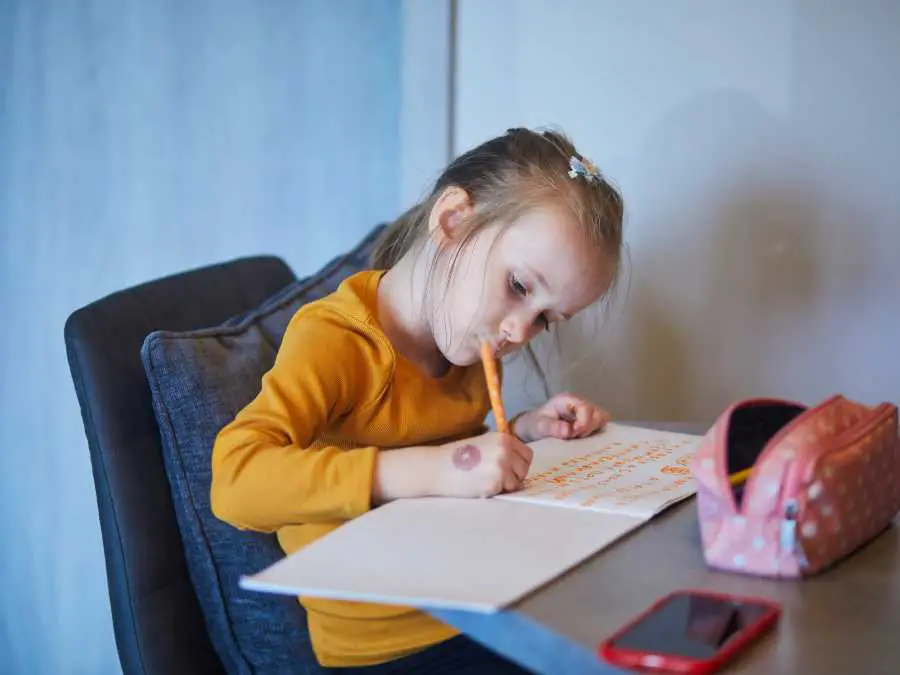 Encouraging children to create their own stories allows their imagination to grow.
They can write about superheroes, magical lands, animals, or adventures based entirely on their own ideas.
Story writing improves vocabulary, creativity, and self expression.
Younger children who are not yet confident writers can tell their stories aloud while an adult writes them down.
15. Build with Blocks or LEGO
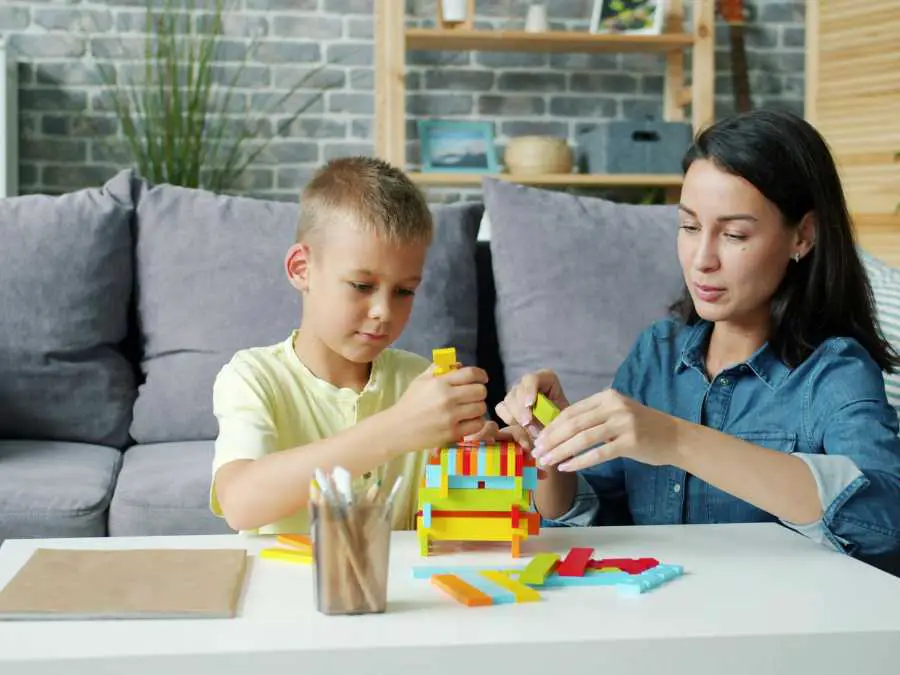 Building activities encourage children to think creatively and solve problems.
Whether they are constructing towers, cities, or imaginary worlds, kids learn how to plan, experiment, and adapt their ideas.
This type of play also improves focus and spatial awareness.
Many children become deeply engaged in building projects because they enjoy seeing their ideas come to life.
16. Cook a Simple Meal
 Cooking helps children learn practical life skills in a fun and engaging way.
Tasks like washing vegetables, stirring ingredients, or assembling sandwiches make kids feel involved and capable.
Preparing meals together also creates opportunities for conversation and teamwork.
Children are often more willing to try healthy foods when they helped prepare them themselves.
17. Try Yoga for Kids
 Yoga helps children relax while improving flexibility, balance, and body awareness.
Simple poses combined with breathing exercises can create a calming activity that helps reduce stress and restlessness.
Many children enjoy pretending to be animals or objects while practicing poses.
This playful approach makes yoga feel fun instead of serious or difficult.
18. Make a Scrapbook
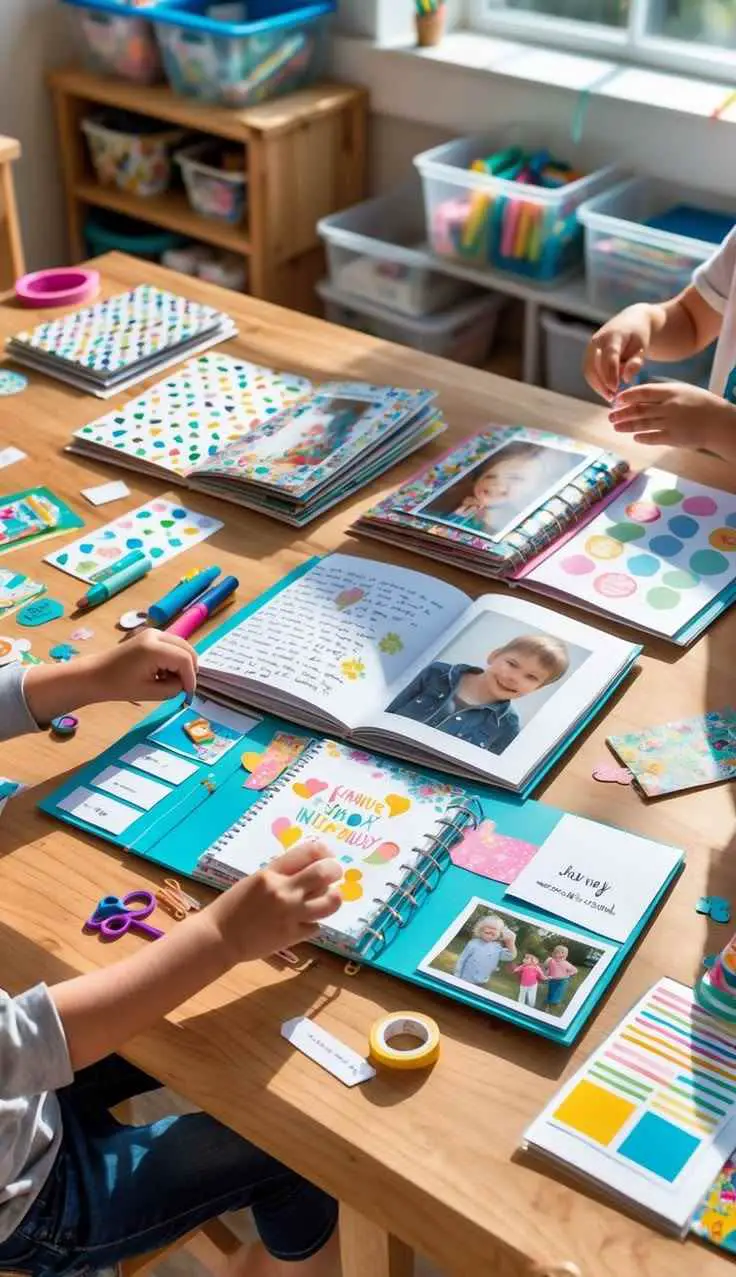
Scrapbooking allows children to preserve memories in a creative way.
They can collect photos, drawings, stickers, ticket stubs, or notes and arrange them into colorful pages.
This activity encourages reflection and creativity while giving children a project they can continue over time.
Looking back through completed pages can also become a meaningful family keepsake.
19. Create a Mini Obstacle Course
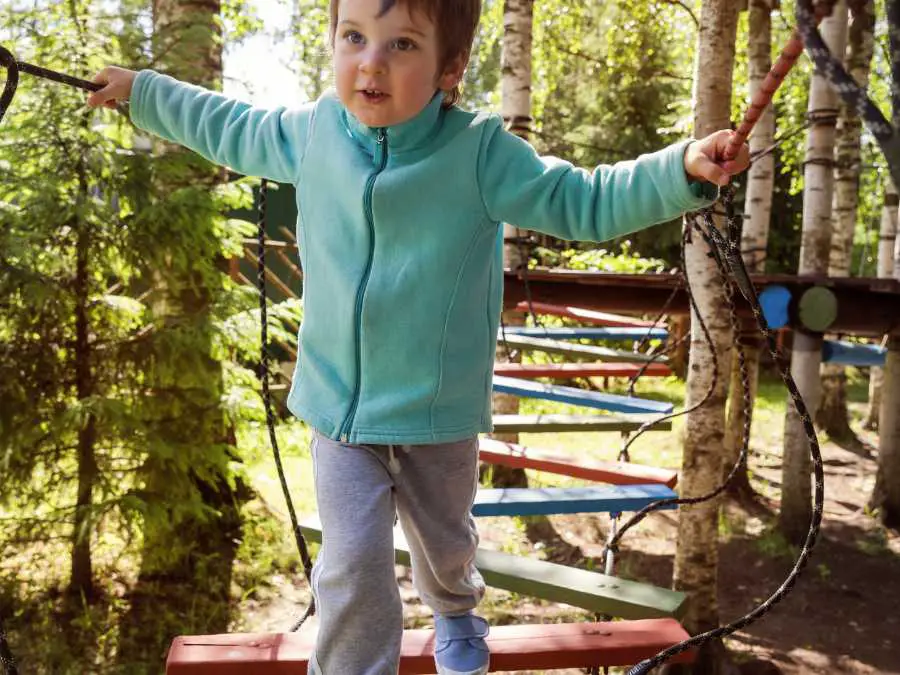 An obstacle course transforms physical activity into an exciting challenge.
Using pillows, cones, chairs, or ropes, children can crawl, jump, balance, and race through different stations.
Obstacle courses help improve coordination, strength, and confidence while allowing kids to burn off energy.
They can also redesign the course themselves, which adds another layer of creativity.
20. Learn Basic Sewing or Knitting
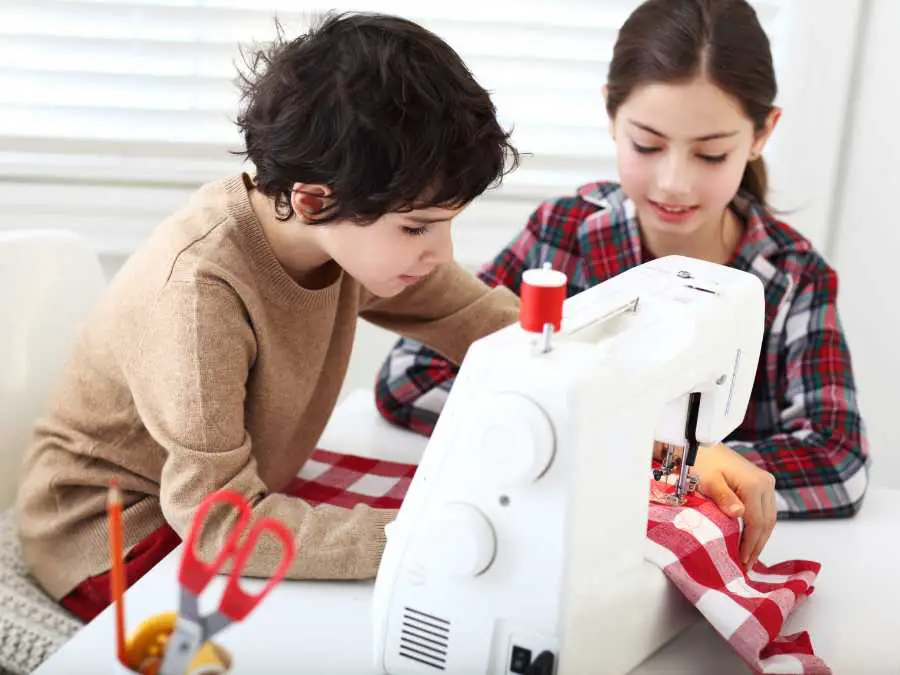 Teaching children simple sewing or knitting skills introduces them to patience and focus.
They can start with easy projects like sewing buttons, making small pouches, or knitting basic patterns.
These activities strengthen hand coordination and encourage persistence.
Completing a handmade item often gives children a strong sense of pride.
21. Play Charades
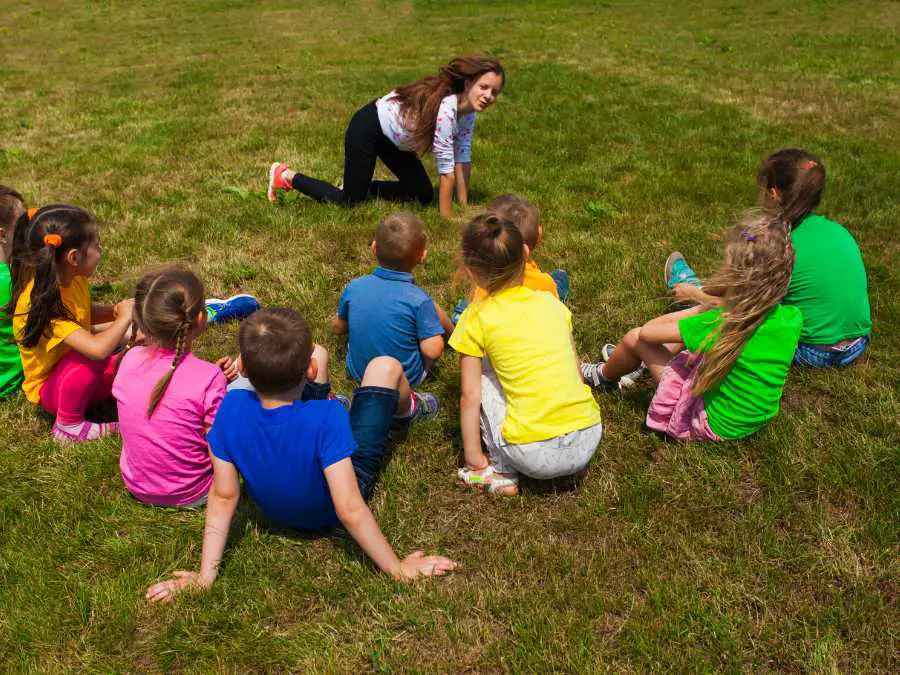 Charades is a lively game that encourages imagination and communication.
Children act out animals, movies, professions, or everyday actions while others try to guess what they are pretending to be.
The game creates lots of laughter while helping children build confidence and social interaction skills.
It also requires no special equipment, making it easy to play anytime.
22. Volunteer or Help Others
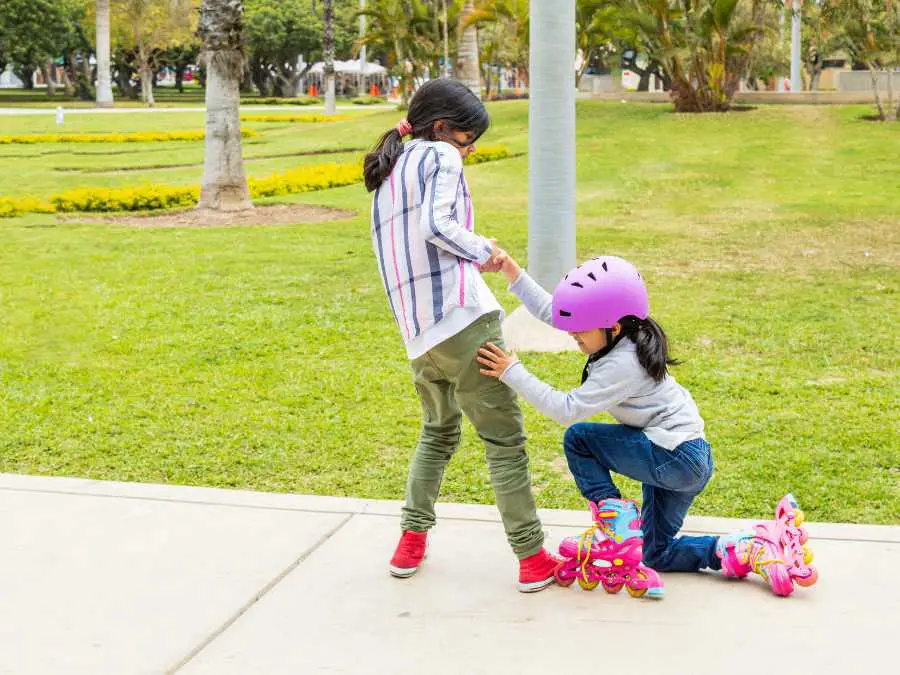 Teaching children to help others can be deeply rewarding.
Simple acts like helping cook for a neighbor, donating toys, or assisting with household chores help children develop empathy and responsibility.
These experiences teach kids that meaningful activities are not always about entertainment.
Helping others can create a sense of purpose and connection that stays with them as they grow.
23. Stargazing at Night
 Stargazing can turn an ordinary evening into something memorable.
Lying outside and looking at the stars encourages children to slow down and appreciate the beauty of nature.
Kids can search for constellations, make up stories about the shapes they see, or simply enjoy the peaceful atmosphere.
Stargazing sparks curiosity about space and often leads to thoughtful conversations and questions.
Conclusion
Reducing screen time does not mean taking away fun.
In fact, it often opens the door to experiences that are more engaging, meaningful, and memorable for children.
Screen free activities encourage kids to use their imagination, stay active, build important life skills, and strengthen their connections with family and friends.
From creative projects and outdoor adventures to simple games and hands on learning, there are countless ways to keep children entertained without relying on digital devices.
The key is not to eliminate technology completely, but to create a healthy balance that allows children to explore the world beyond a screen.
By introducing a variety of screen free activities into their daily routine, parents can help foster creativity, curiosity, confidence, and independence.
Over time, these simple moments can become valuable experiences that support a child’s growth while creating lasting memories the whole family can enjoy.