29 Amazing de-influenced nursery decor
Check out these amazing de-influenced nursery décor ideas.
There is a quiet shift happening in how parents talk about nursery decor.
After years of scrolling past perfectly styled rooms that feel more like showpieces that live in spaces, many people are starting to pause and ask what actually matters.
The conversation is moving away from chasing trends and toward something slower, more thoughtful, and far more personal.
A nursery does not have to impress the internet to feel meaningful.
This return to intention is less about rejecting beauty and more about redefining it.
When we strip away the noise of constant recommendations and curated perfection, what remains is the desire to create a space that feels calm, grounding, and true to the family who uses it every day.
De influenced nursery decor is not about rules or aesthetics, it is about presence, trust, and choosing with care.
Before diving into how that looks in practice, it helps to understand why so many parents are craving a different approach in the first place.
29 Lovely de-influenced nursery decor
1. A room designed for comfort before aesthetics
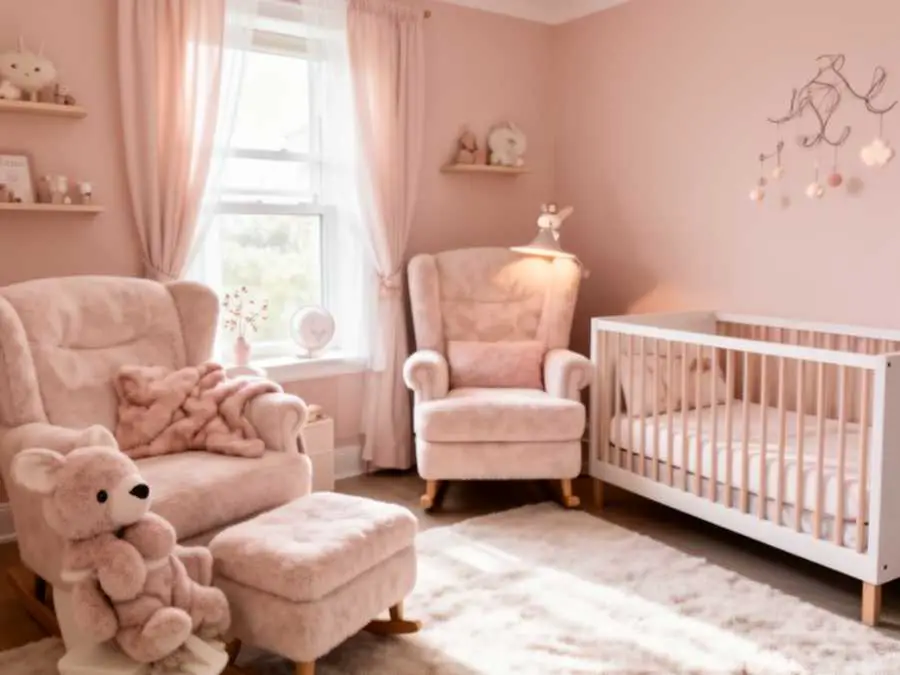 Instead of starting with a theme or color palette, this approach begins with how the room should feel when you walk into it at 3 a.m. Soft lighting, clear walkways, and furniture placed for ease matter more than how it photographs.
2. Neutral tones chosen for calm, not popularity
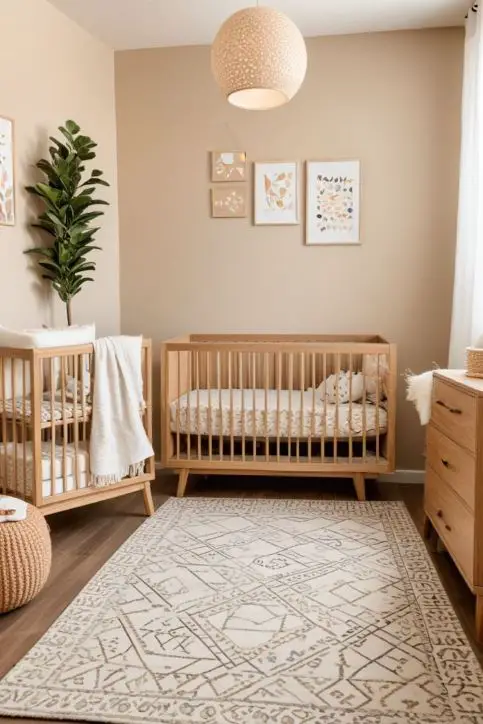
Neutral does not mean copying what is currently viral.
It means choosing colors that help the space feel steady and soothing over time, tones you personally enjoy rather than what is being labeled as timeless online.
3. Furniture chosen to grow with the child
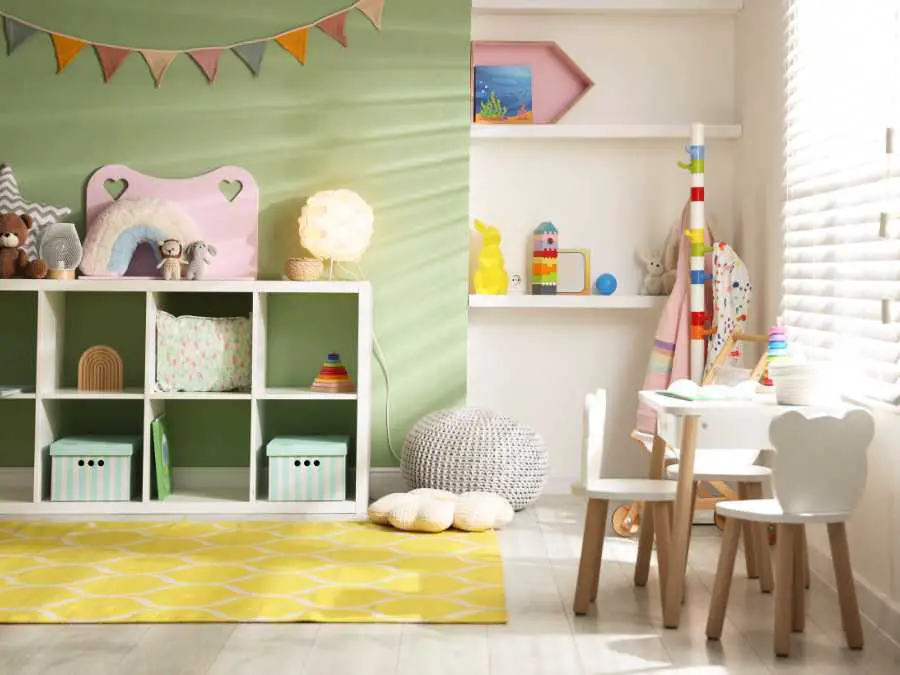 Rather than buying pieces that only work for a short phase, de-influenced decor favors items that can adapt.
A dresser that later becomes a regular storage piece or a chair that moves into another room keeps the nursery from feeling disposable.
4. Less wall decor, more breathing room
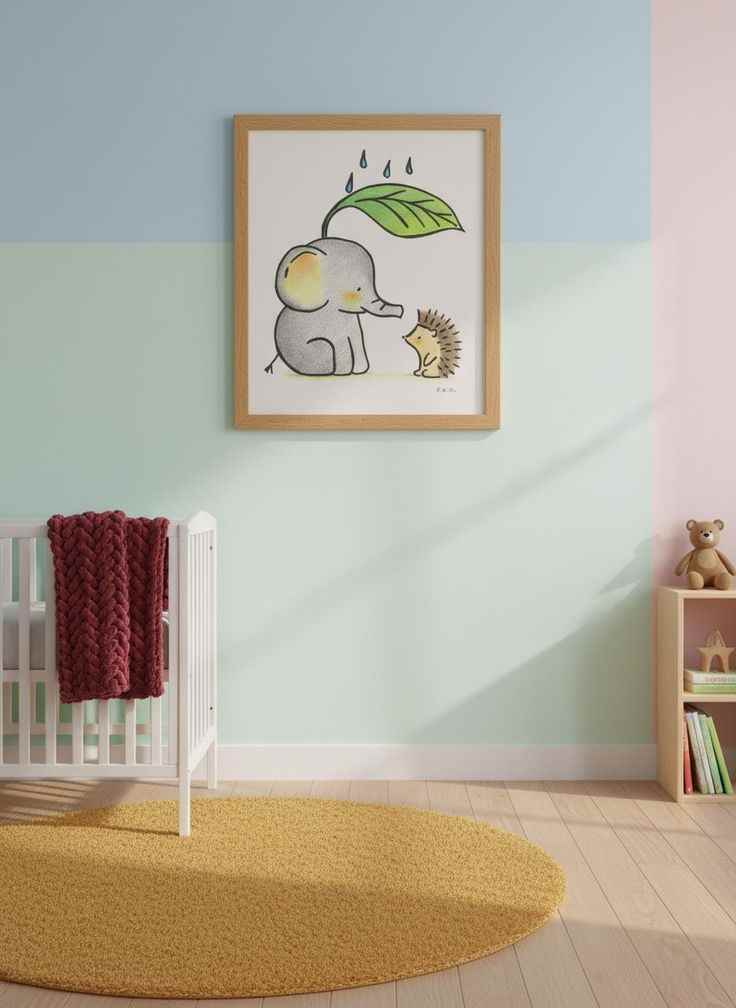
Empty space is not unfinished.
Leaving walls partially bare allows the room to feel open and reduces visual noise, which can be calming for both baby and parent.
5. Art that means something to you
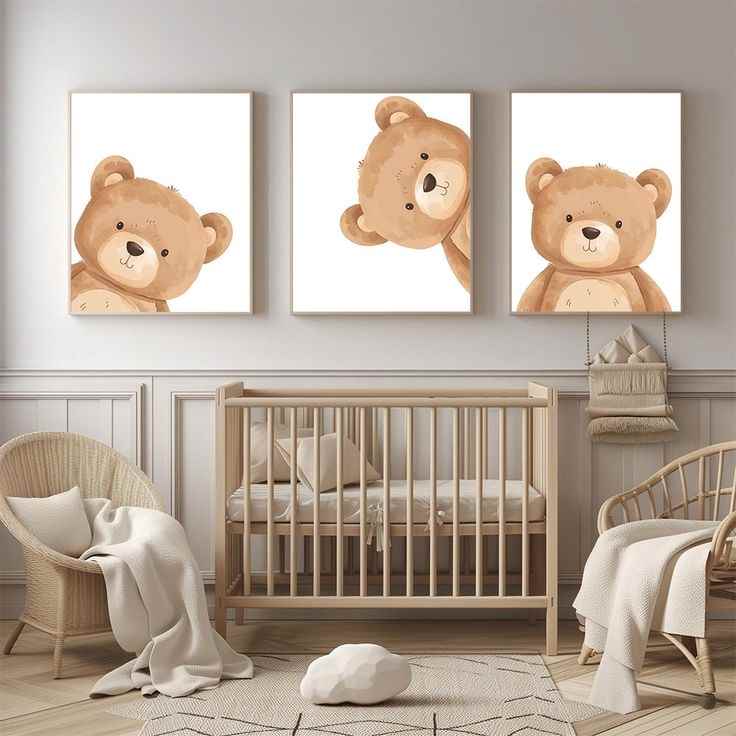 Instead of prints chosen because they are popular in nurseries, artwork might come from a personal memory, a local artist, or something you already own.
The value comes from connection, not trend alignment.
6. Natural light prioritized over layered décor
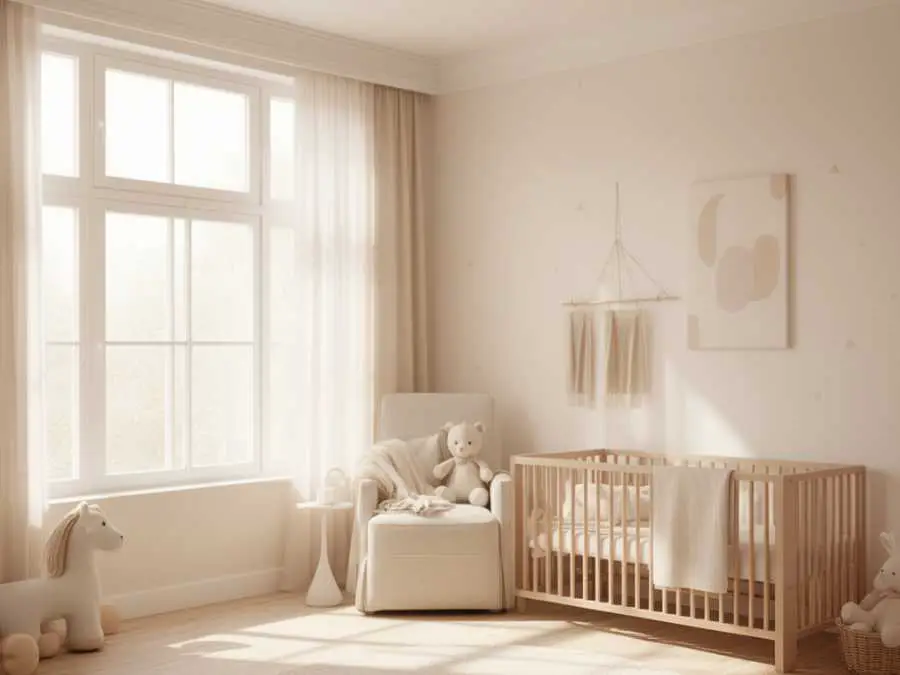 De influenced spaces often let light do the work.
Curtains are chosen for softness and function, not drama, allowing daylight to define the room rather than filling it with decorative extras.
7. A focus on texture rather than statements
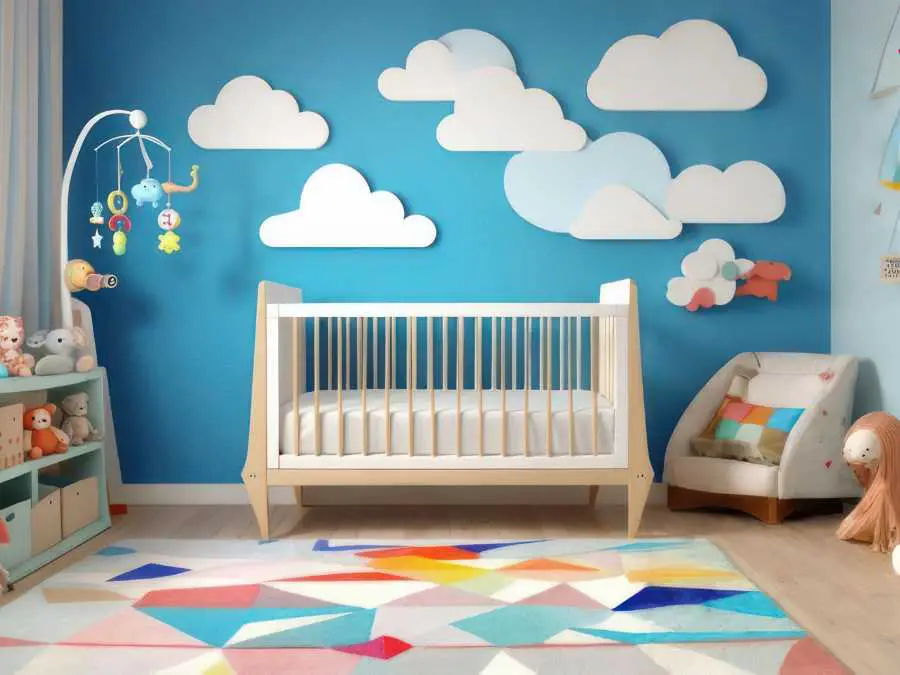 Subtle texture from wood, cotton, wool, or linen adds warmth without demanding attention.
This replaces the need for bold statement pieces that often age quickly.
8. Storage that is practical and visible
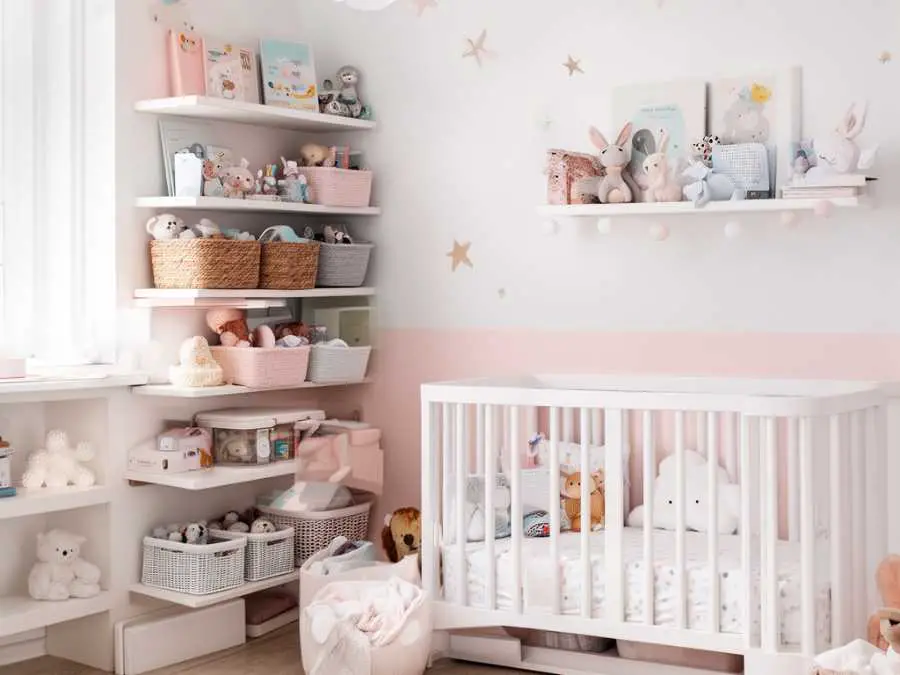 Instead of hiding everything for a clean look, useful storage is kept accessible.
Open baskets or shelves make daily care easier and acknowledge that this is a working space.
9. Fewer items, chosen with intention
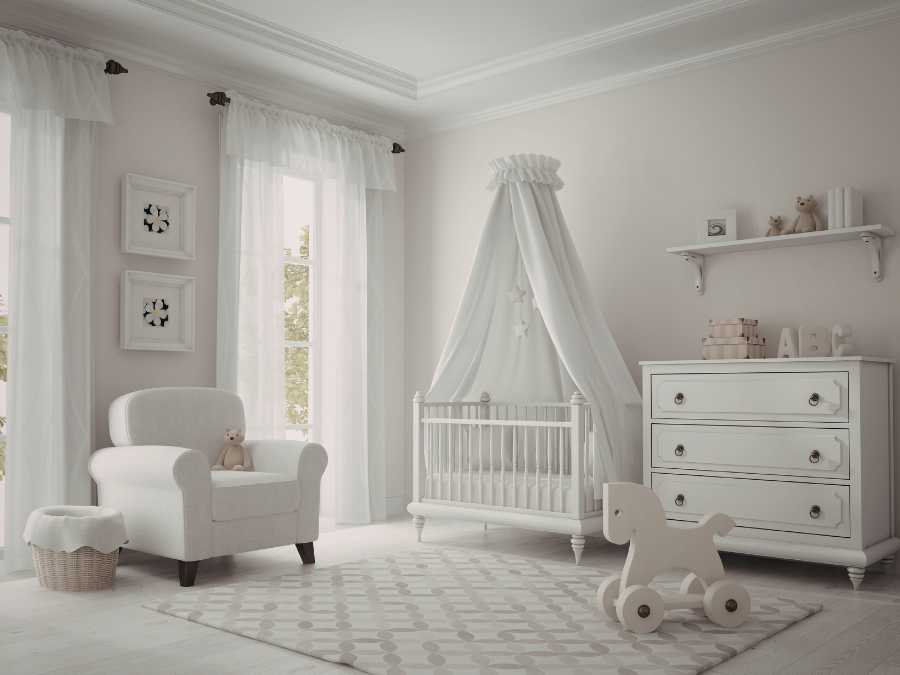 Rather than filling every corner, each item has a reason for being there.
This creates clarity and makes the room easier to maintain without constant resetting.
10. Avoiding themed rooms
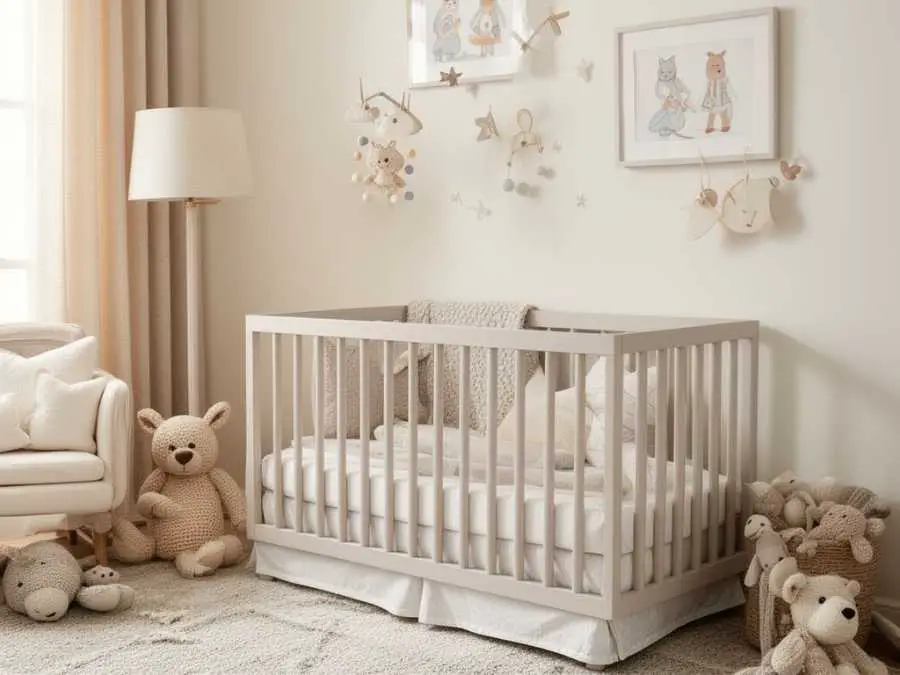 Themes can feel restrictive and short-lived.
A de-influenced nursery avoids locking the space into one idea, allowing it to evolve naturally as the child grows.
11. Handmade or imperfect elements
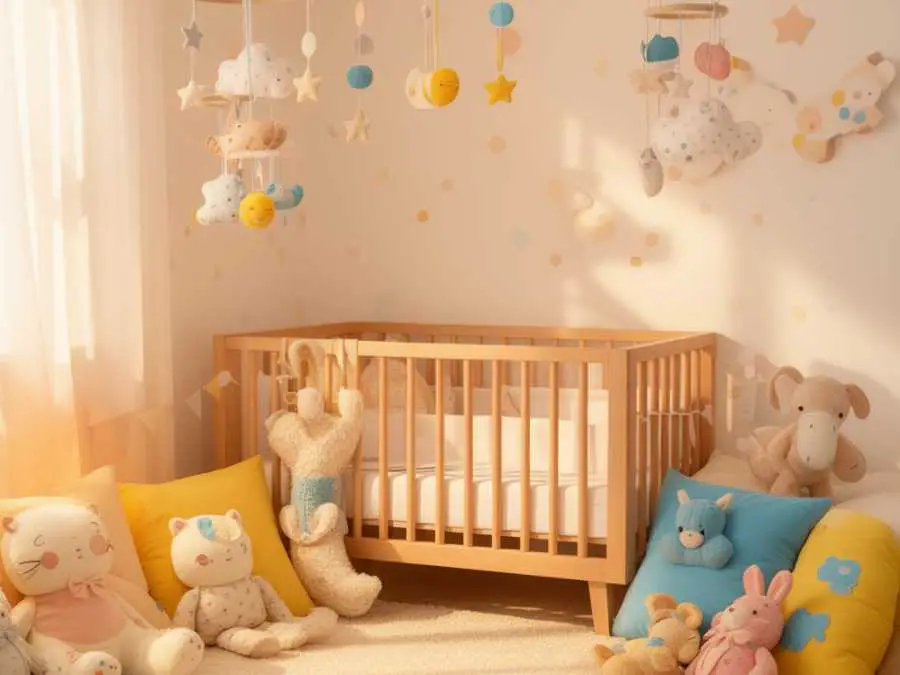 Items that show craftsmanship or wear bring warmth and realism.
They counter the overly polished look that can make a nursery feel staged instead of lived in.
12. Floor space left open
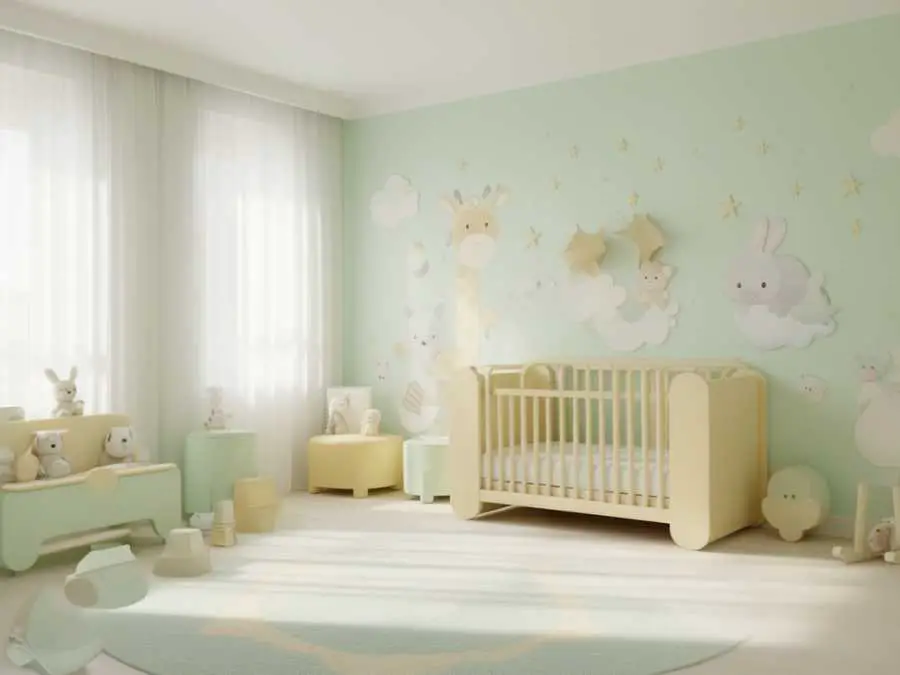 Open floor space invites movement, play, and flexibility.
It also reduces the pressure to decorate every square inch.
13. Lighting chosen for function first
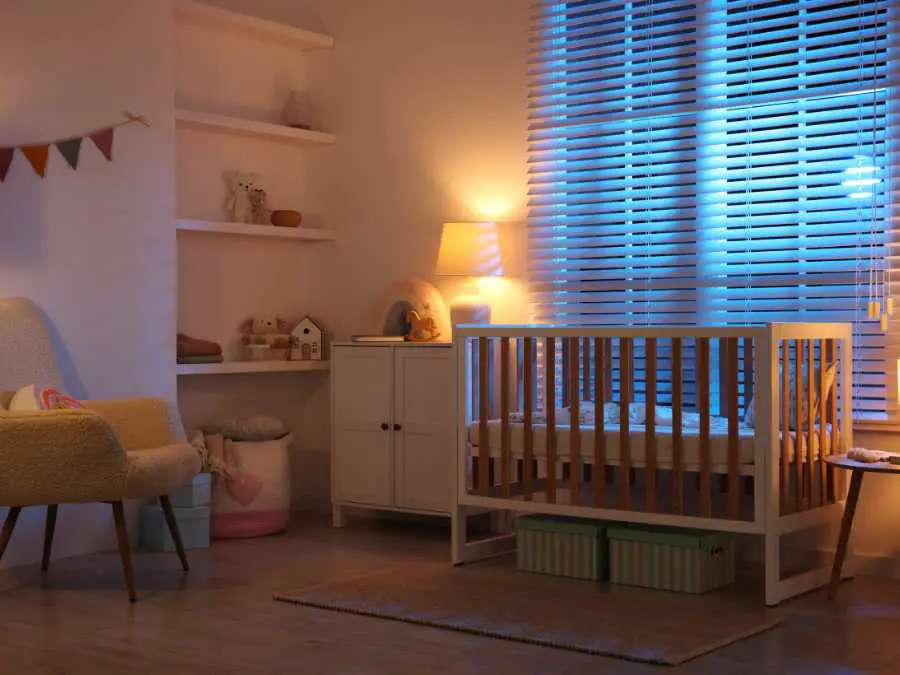 Soft lamps and adjustable lighting are selected for nighttime feeds and diaper changes, not just visual appeal.
Function leads, style follows.
14. Personal objects incorporated quietly
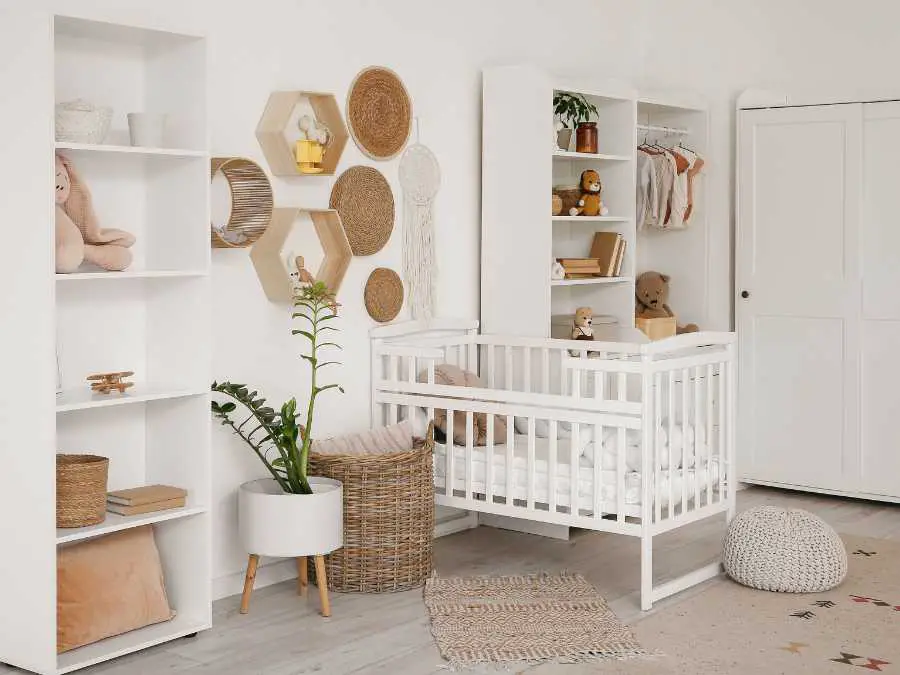 A book from childhood, a blanket passed down, or a simple photo can sit naturally in the room without becoming a focal display.
15. Decor that does not overstimulate
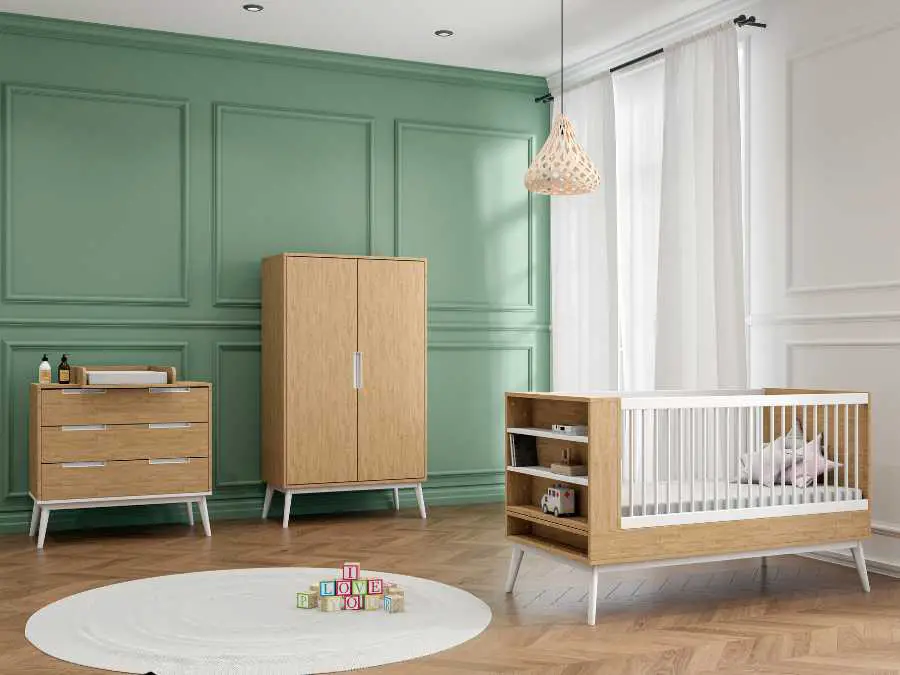 Colors and patterns are kept gentle to support rest and focus.
This does not mean boring, just considered.
16. Materials that feel good to touch
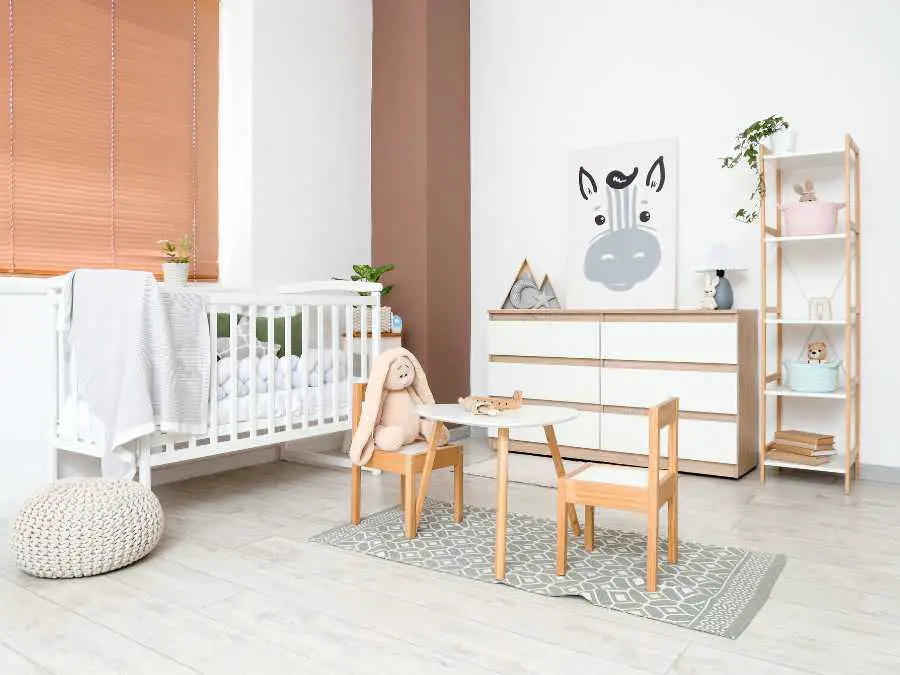 De influenced decor often prioritizes tactile comfort.
Soft rugs, smooth wood, and breathable fabrics matter more than visual trends.
17. Minimal wall lettering or quotes
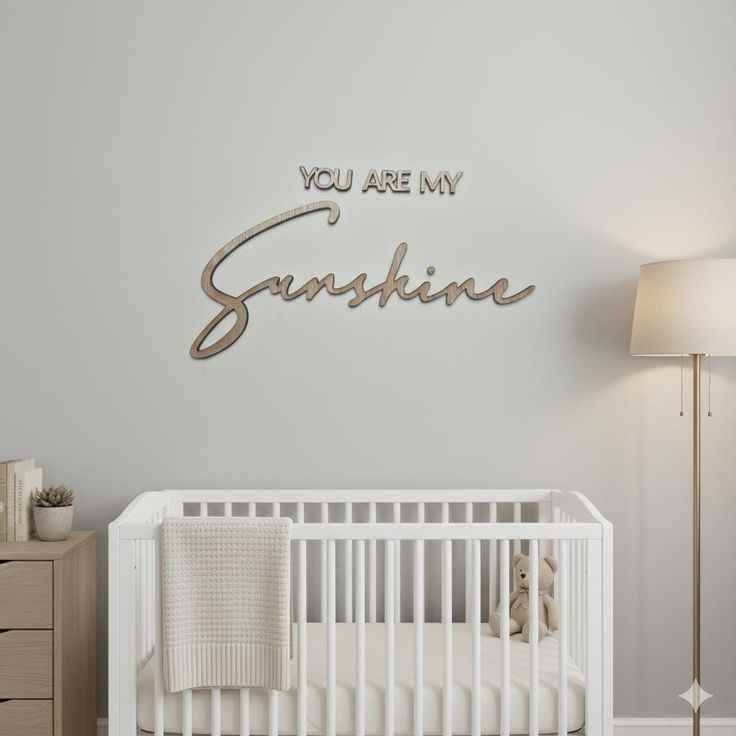
Words on the wall are used sparingly or not at all, avoiding the pressure to make the room say something rather than feel something.
18. A layout designed around routine
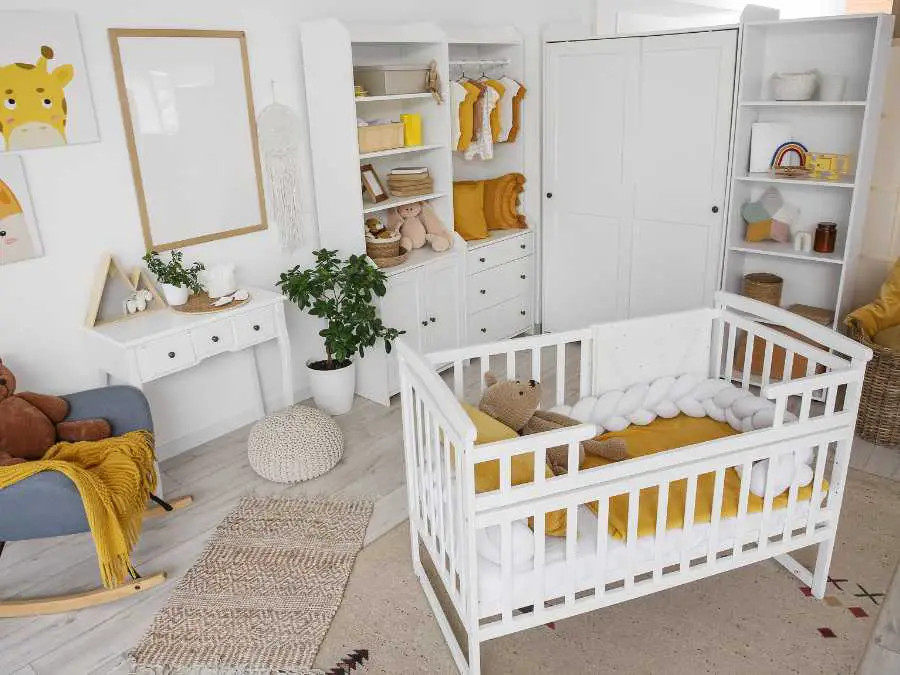 The placement of the crib, chair, and changing area reflects how the room is actually used, not how it is expected to look.
19. Secondhand or reused pieces
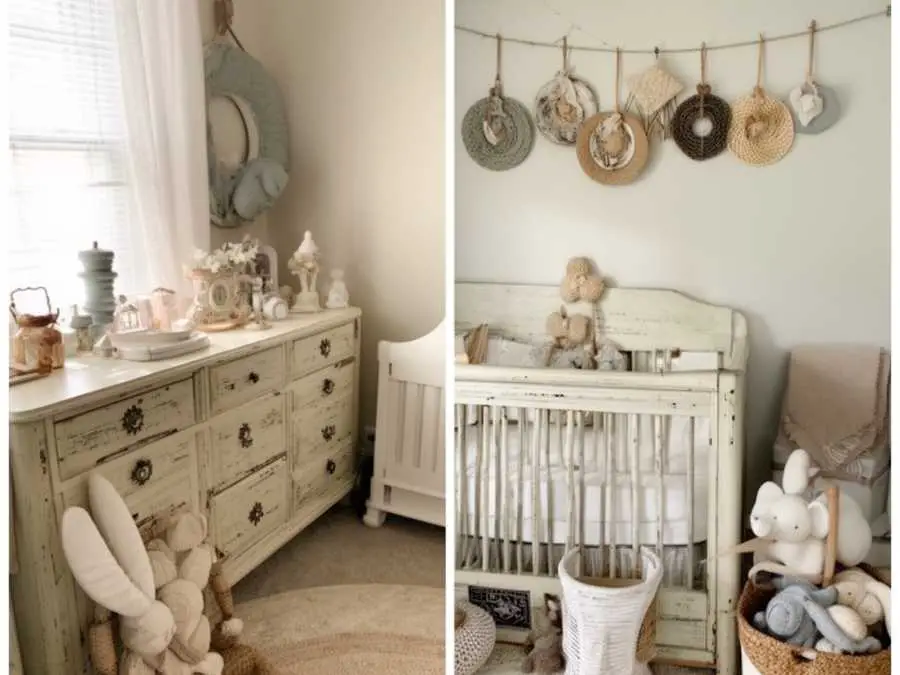 Using pre loved furniture or decor reduces the urge to constantly buy new items and adds character that cannot be replicated by mass produced pieces.
20. A calm ceiling, not an accent
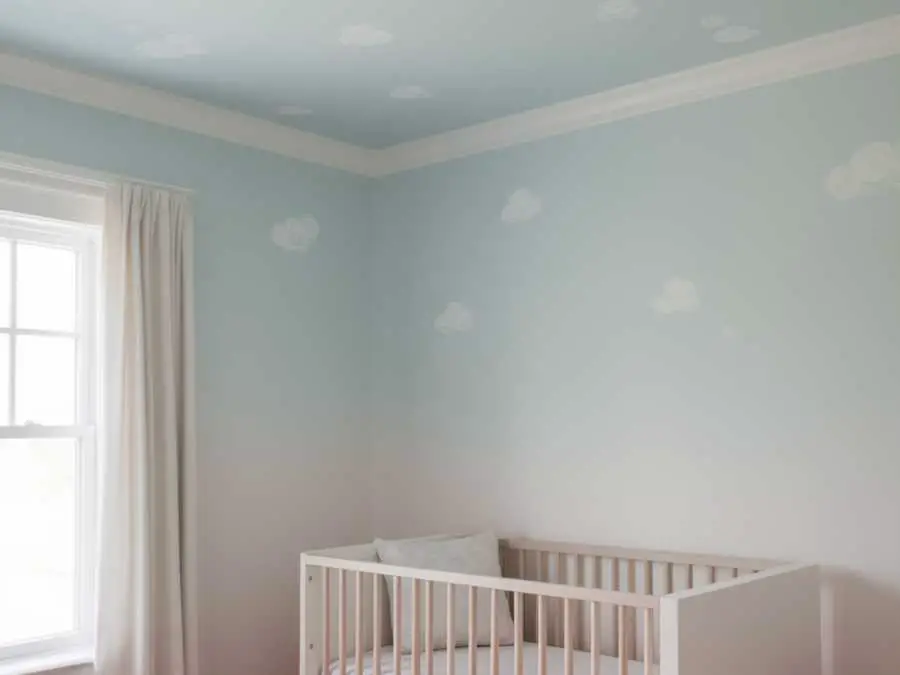 Ceilings are often left simple, allowing the room to feel taller and quieter rather than visually busy.
21. Decor chosen slowly over time
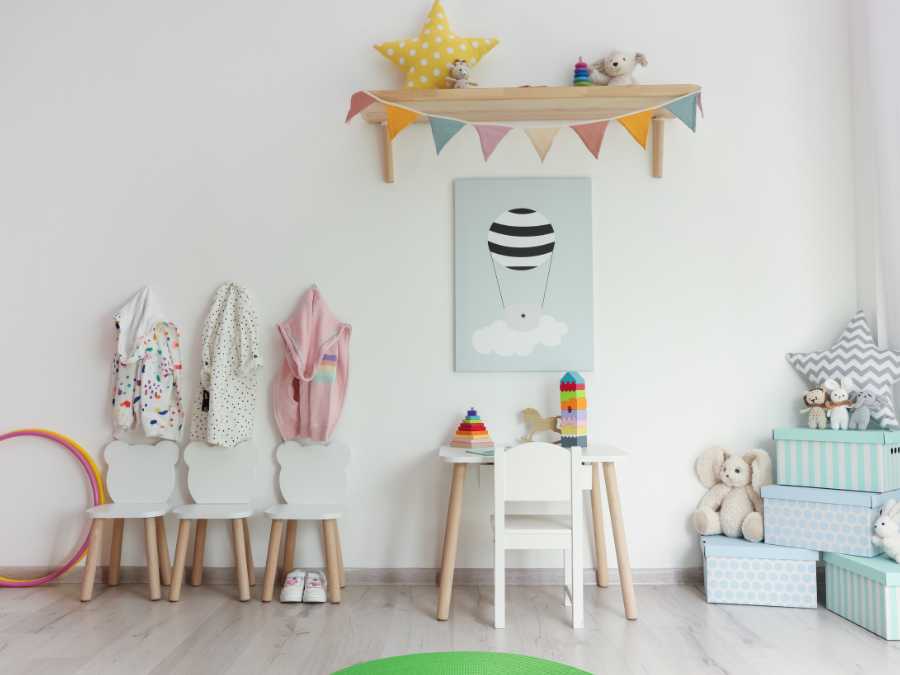 The room does not need to be finished all at once.
Adding pieces gradually allows the space to develop naturally.
22. No pressure to match everything
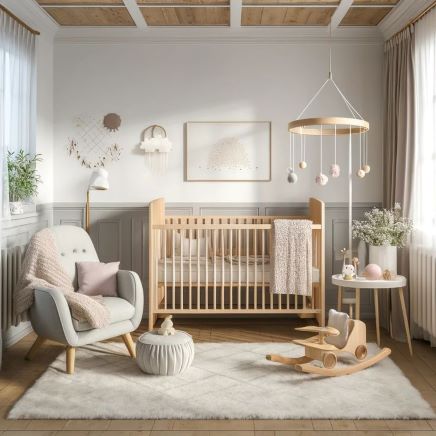
A de influenced nursery allows colors and materials to coexist without perfect coordination, which often makes the room feel more relaxed.
23. Books treated as decor and tools
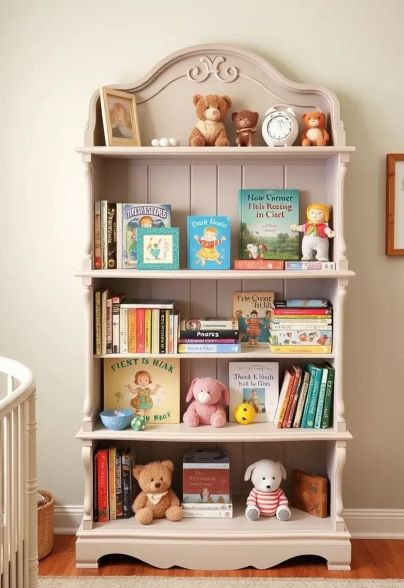
Books are displayed because they are used and loved, not arranged purely for aesthetic symmetry.
24. A chair selected for comfort, not trend
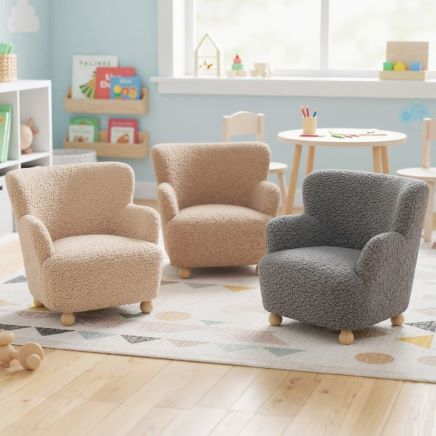
The main seating piece is chosen because it supports long hours, not because it fits a specific look.
25. Quiet corners for rest
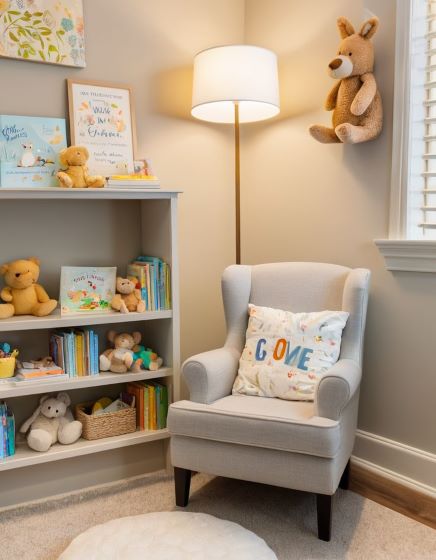
A small, simple area designed for holding, feeding, or just sitting creates emotional grounding within the room.
26. Plants only if they make sense
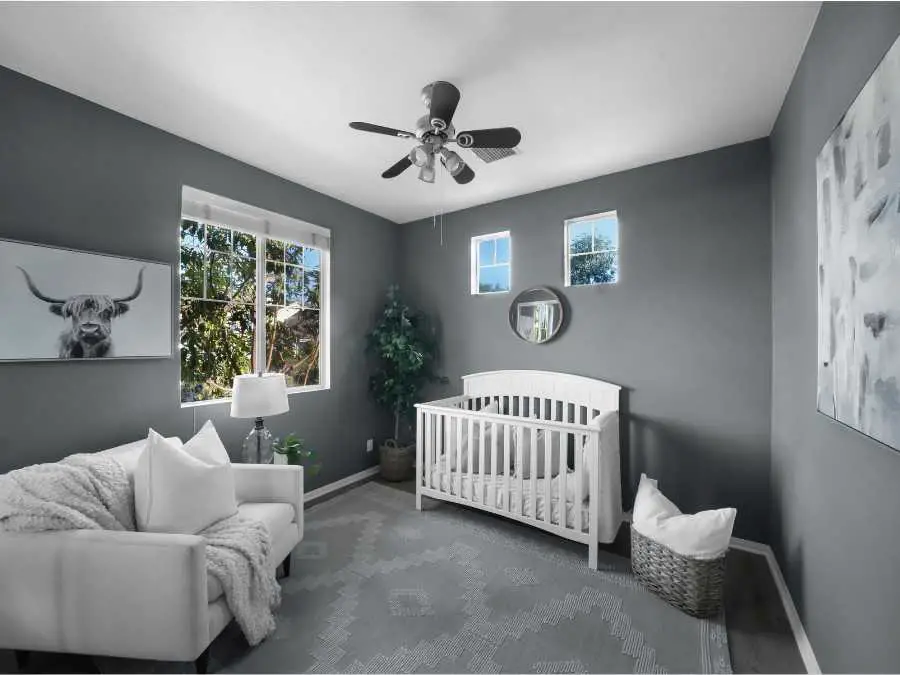 Greenery is added only when it fits the lifestyle and lighting, not because it is expected.
27. Avoiding constant updates
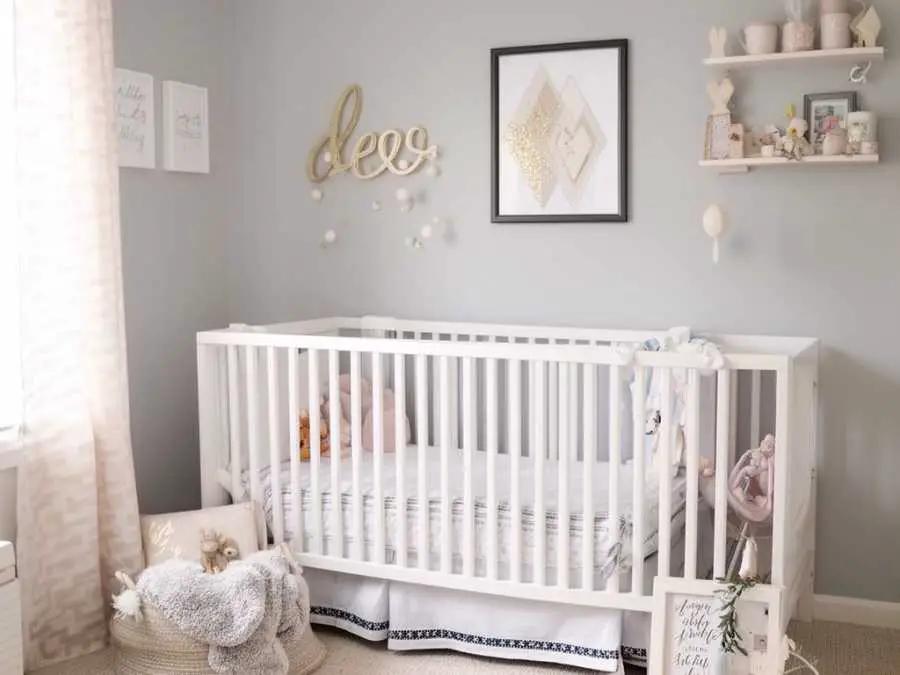 Once the room feels right, it is allowed to stay that way.
There is no need to refresh it with every new wave of inspiration.
28. A space that reflects the parent too
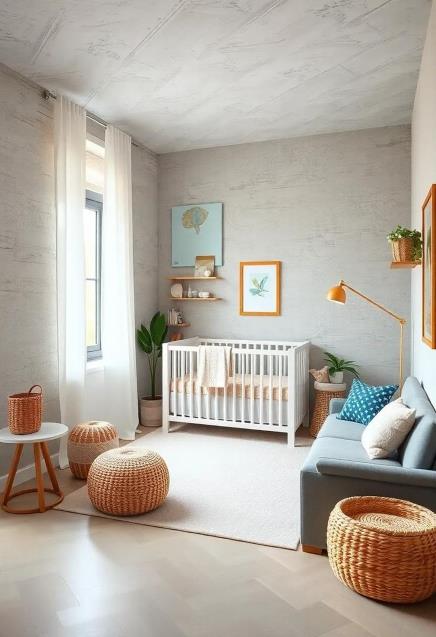
The nursery feels connected to the rest of the home, not separate from it.
This helps it feel more authentic and less performative.
29. Letting the room be imperfect
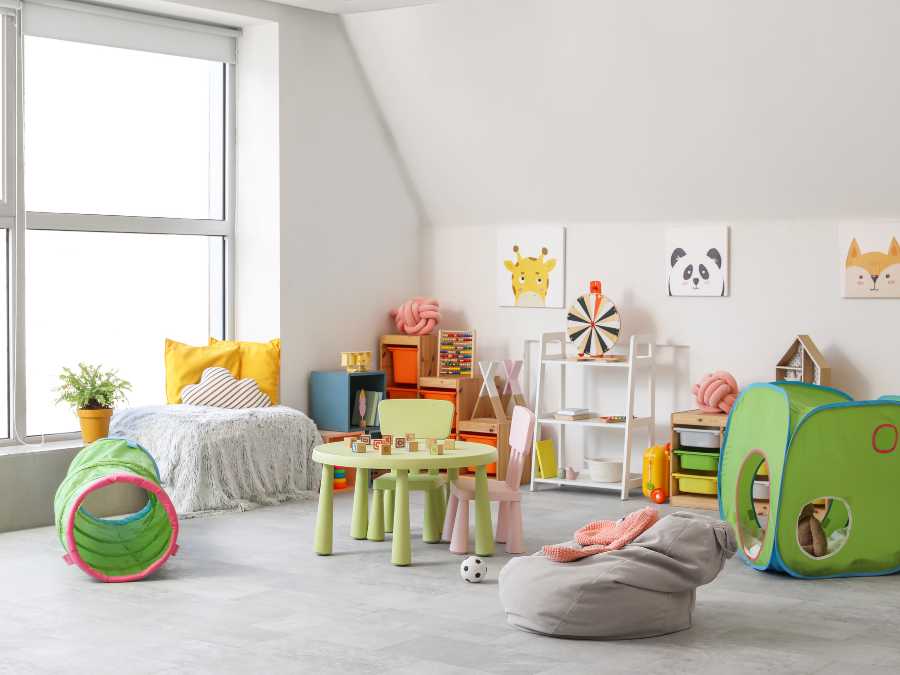 A de influenced nursery accepts mess, change, and wear.
It is a space meant to support life, not to meet external expectations.
At its core, de-influenced nursery decor is about stepping back and trusting yourself again.
It is a reminder that a nursery does not need to follow a formula or keep up with what is popular to be beautiful or functional.
When the pressure to perform is removed, the space becomes quieter, more honest, and far more supportive of real life with a baby.
Choosing this approach allows the nursery to grow alongside your family, shaped by use, memory, and care rather than outside opinions.
It becomes less about what others see and more about how it feels to be there every day.
In a season that is already full of change, creating a room rooted in intention can offer a sense of steadiness, and that, more than any trend, is what truly lasts.
Leave a Reply