Best Natural Hair Care Tips
Caring for natural hair is a beautiful routine to adopt.
If you have been searching for the best natural hair care tips, then you are in the right place.
With the right guidance and these effective natural hair care tips, you will maintain a healthy thriving natural hair without struggles.
Let us look at some simple and easy ways to support and enhance your natural hair texture, and some common causes of natural hair shrinkage.
13 Best Natural Hair Care Tips
1. Know Your Hair Type and Porosity
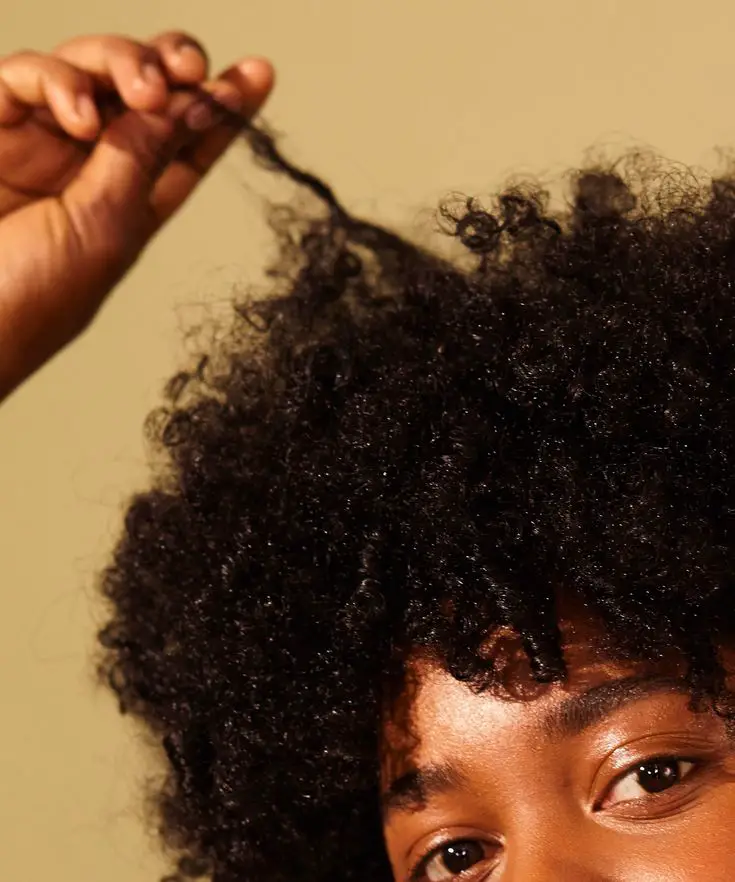
Understanding your hair type (from 3A to 4C) and porosity level (low, medium, or high) is key to tailoring a care routine that works.
Hair type influences styling needs, while porosity affects how your hair retains moisture.
Once you figure out your hair’s unique structure, choosing the right products and techniques becomes much easier.
2. Moisturize Regularly
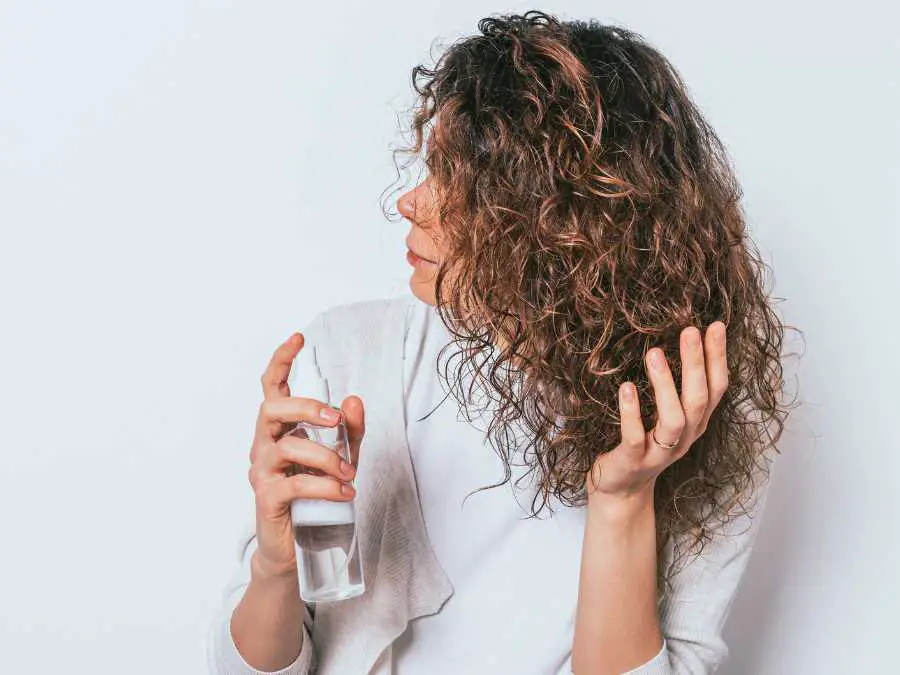 Natural hair tends to be drier because the scalp’s oils don’t easily travel down curly or coily strands.
A consistent moisturizing routine, using water-based leave-ins, hydrating creams, or oils to seal in moisture, keeps the hair soft, manageable, and protected against breakage.
3. Limit Heat Usage
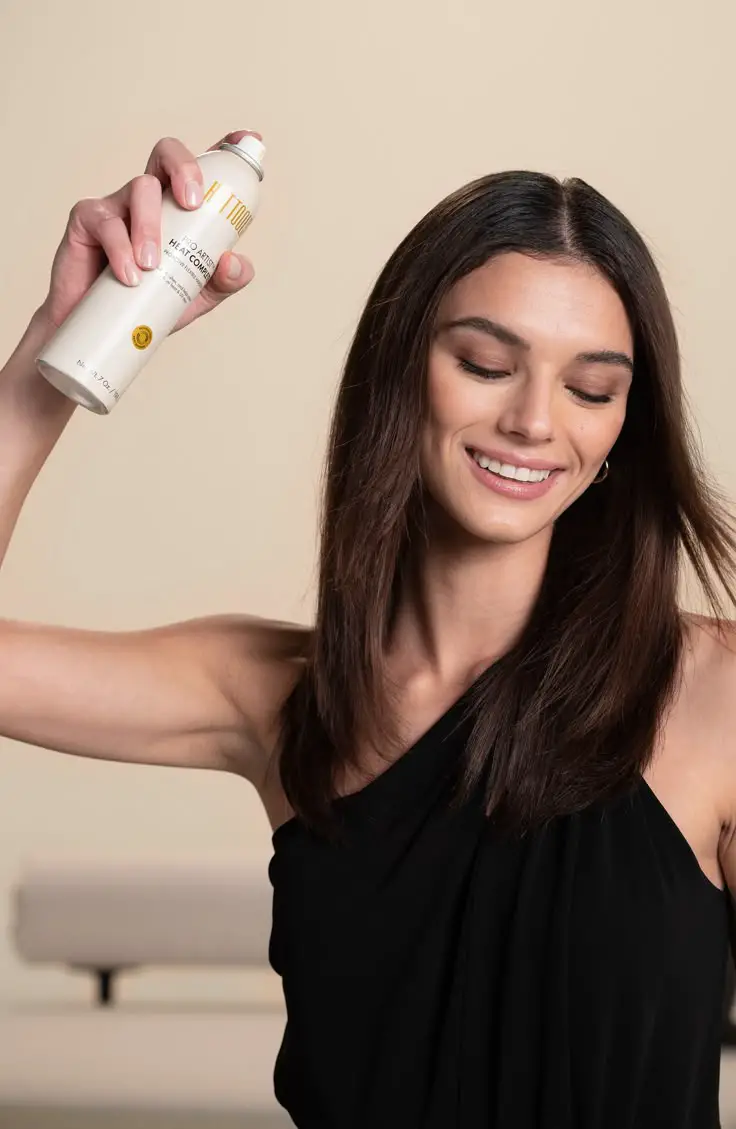
While the occasional blowout or silk press can be fun, regular heat styling can lead to dryness and heat damage.
When you do use heat, always apply a heat protectant and use lower temperature settings.
Protective styles and air drying are excellent heat-free alternatives.
4. Use a Sulfate-Free Shampoo
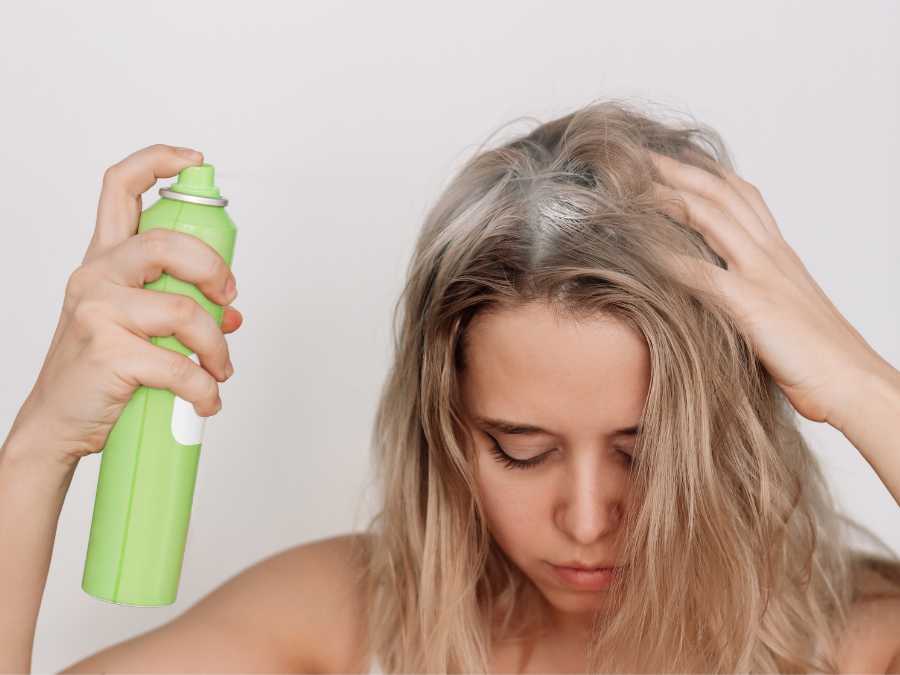 Sulfates strip the natural oils from your hair, often leaving it dry and brittle.
A gentle, sulfate-free shampoo cleanses the scalp without compromising moisture, preserving the health and elasticity of your strands.
5. Deep Condition Weekly
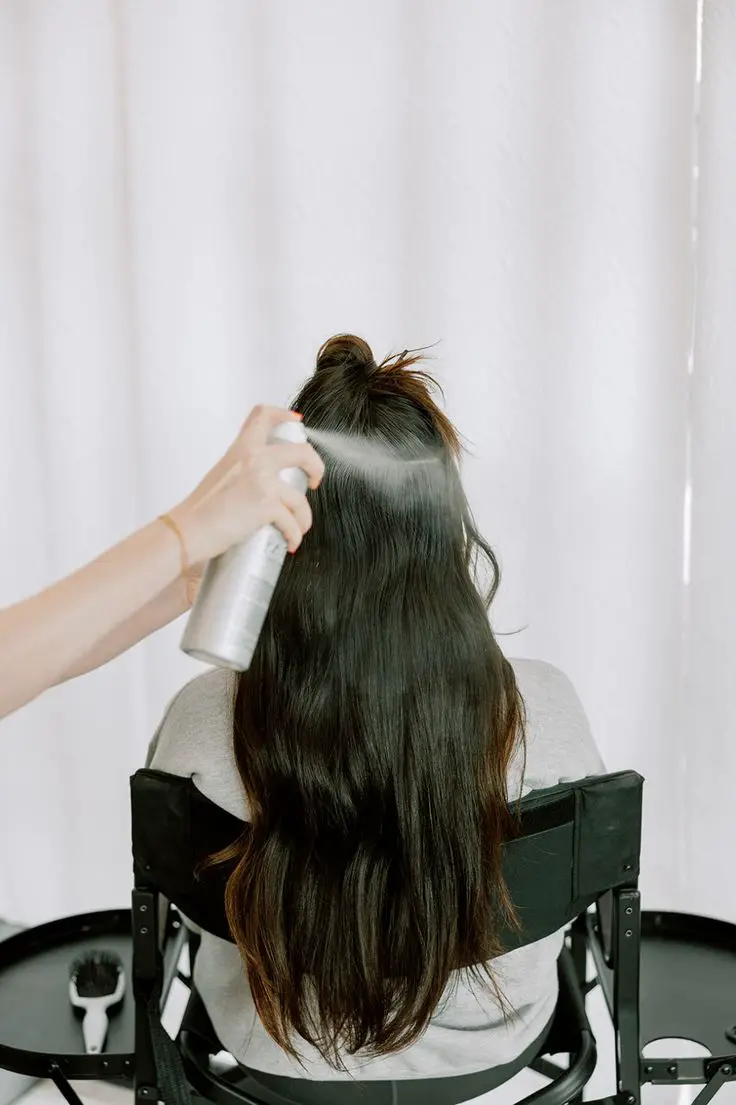
Deep conditioning replenishes moisture and strengthens the hair from within.
Choose treatments rich in natural oils, proteins, and humectants like honey or aloe vera.
Make it a weekly ritual to revive curls, reduce breakage, and promote overall hair health.
6. Protect Your Hair at Night
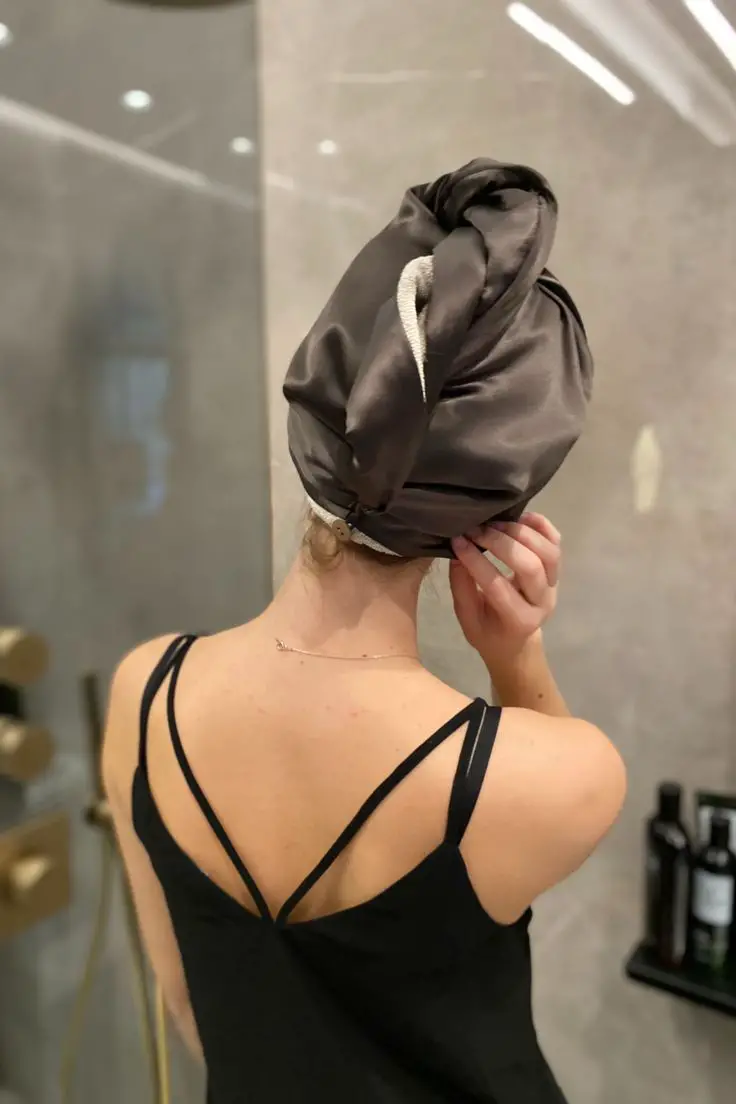
Friction from cotton pillowcases can lead to dryness, split ends, and tangles.
Sleeping with a satin or silk scarf, bonnet, or pillowcase helps retain moisture and preserves your hairstyle, reducing manipulation and stress on your hair.
7. Detangle Gently and Strategically
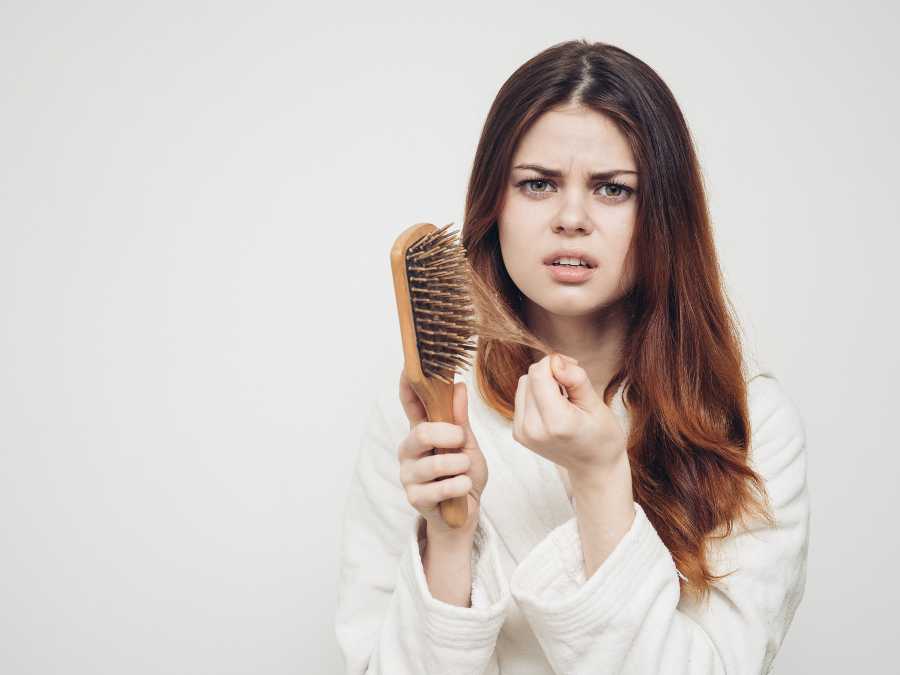 Never rush through detangling. Use a wide-tooth comb or your fingers, and work in sections from the ends upward.
Always detangle on damp or conditioned hair to minimize breakage and prevent unnecessary tension on your scalp.
8. Trim Regularly
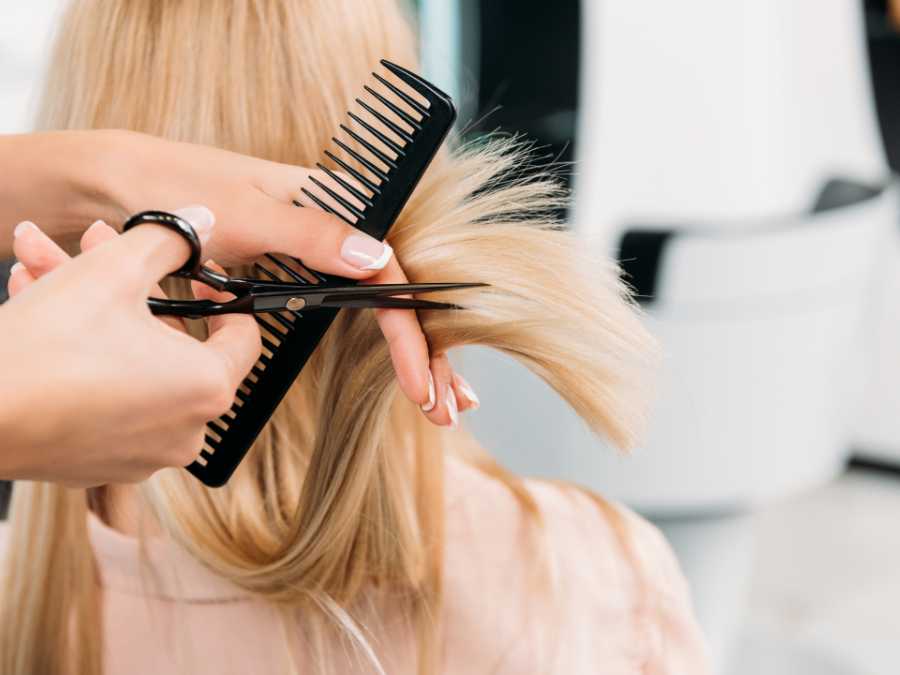 Split ends and single-strand knots can travel up the hair shaft, causing more damage.
Trimming every 8–12 weeks keeps your hair healthy, encourages length retention, and gives your curls a fuller, more defined shape.
9. Keep Your Scalp Clean and Stimulated
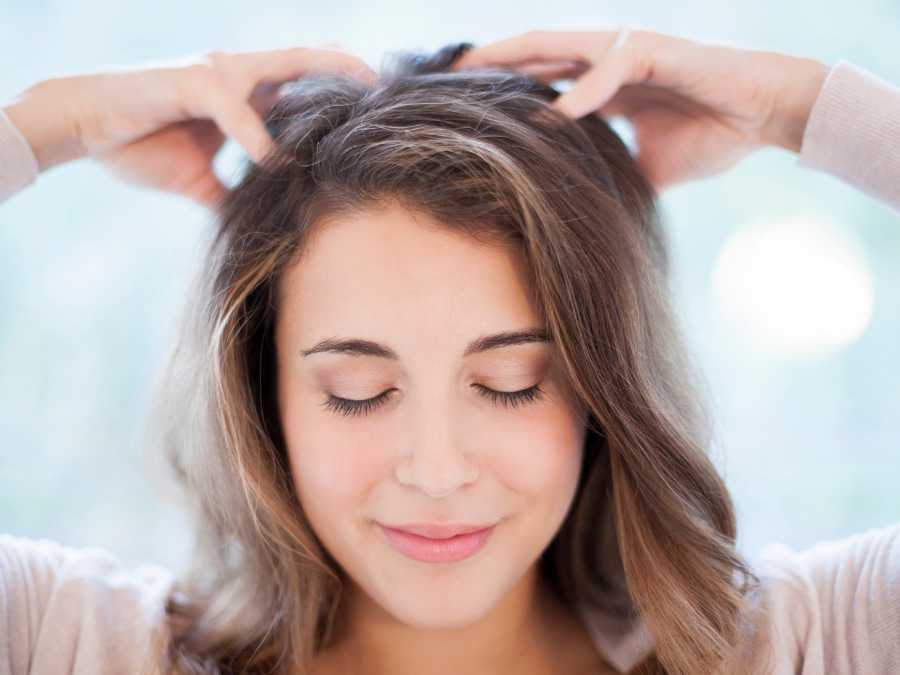 A healthy scalp equals healthy hair.
Avoid product buildup by cleansing regularly and massaging your scalp to increase blood flow.
You can also use lightweight oils like peppermint or tea tree oil to soothe irritation and promote growth.
10. Incorporate Protective Styles
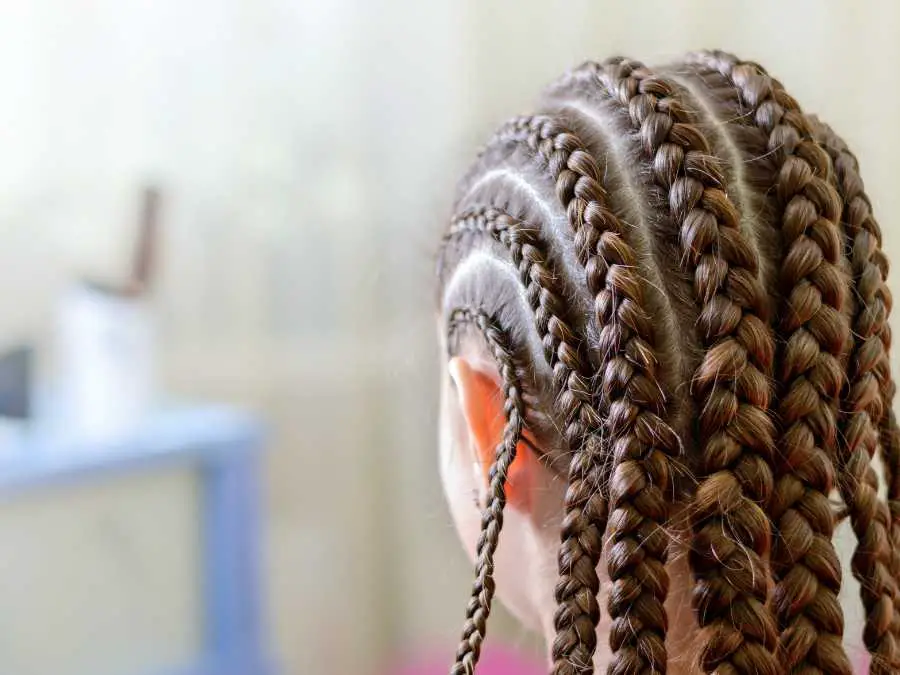 Styles like twists, braids, buns, and updos help minimize manipulation and reduce stress on your strands.
They also protect the ends of your hair, which are the oldest and most fragile part.
Just remember not to install them too tightly to avoid tension or breakage.
11. Avoid Over-Manipulation
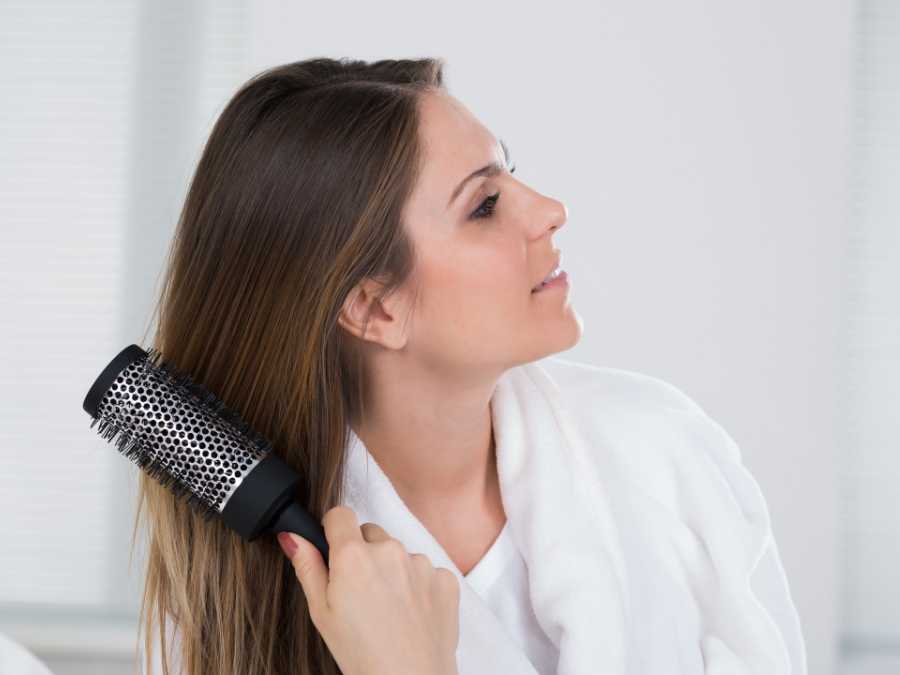 Constant combing, brushing, or styling can weaken natural hair over time.
Low-manipulation styles give your hair a break while still looking polished and intentional.
The less stress you put on your hair, the more it thrives.
12. Drink Water and Eat Well
 Hair health isn’t just about what you put on your strands, it starts from the inside.
Hydration, a balanced diet, and nutrient-rich foods (especially those high in iron, zinc, and vitamins A, C, and E) can significantly boost your hair’s strength and growth potential.
13. Be Patient and Consistent
 Natural hair growth and transformation take time.
Stick with a consistent routine, celebrate small wins, and give your hair grace.
Consistency is what turns a simple routine into lasting results.
10 Common Causes of Shrinkage in Natural Hair
1. High Water Content
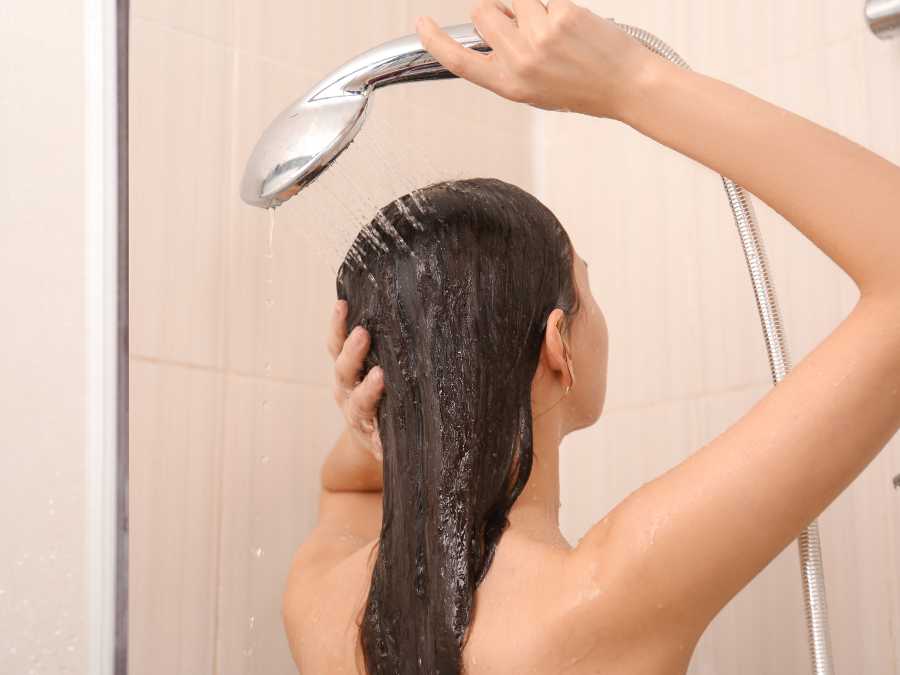 Natural hair, especially curly and coily types, absorbs water quickly.
Once wet, it coils and tightens, causing visible shrinkage as it dries.
2. High Hair Porosity
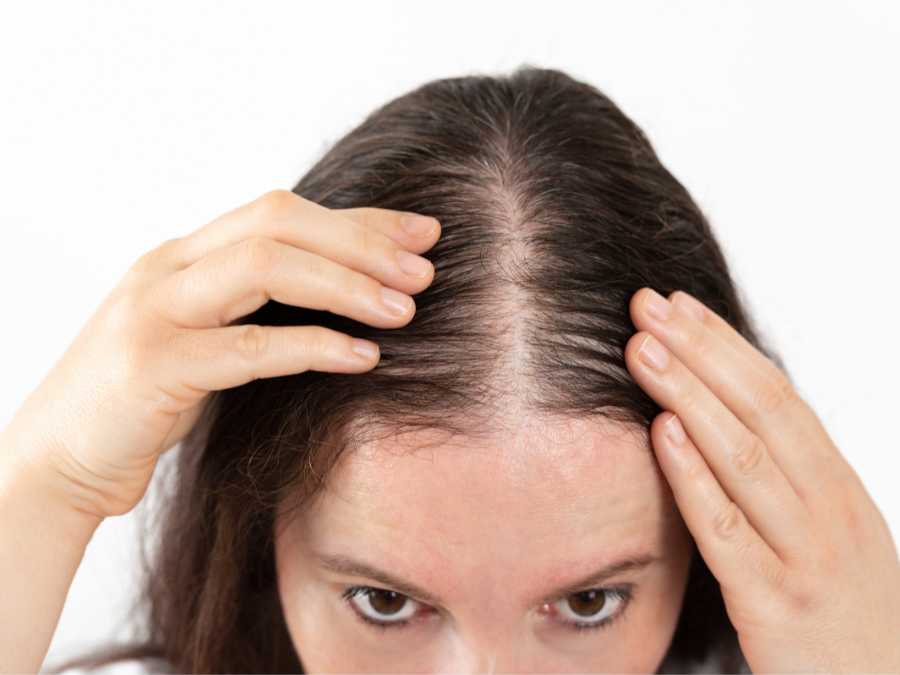 Hair with high porosity absorbs moisture rapidly but also loses it just as fast.
This cycle of expansion and contraction enhances shrinkage, especially after washing.
3. Tightly Coiled Hair Patterns
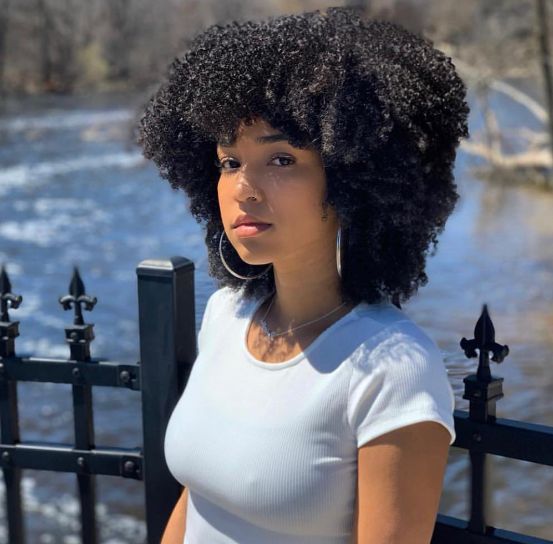
Hair types like 4A, 4B, and 4C naturally shrink more because their curl pattern is denser and tighter.
This is purely structural and nothing to worry about.
4. Lack of Moisture Retention
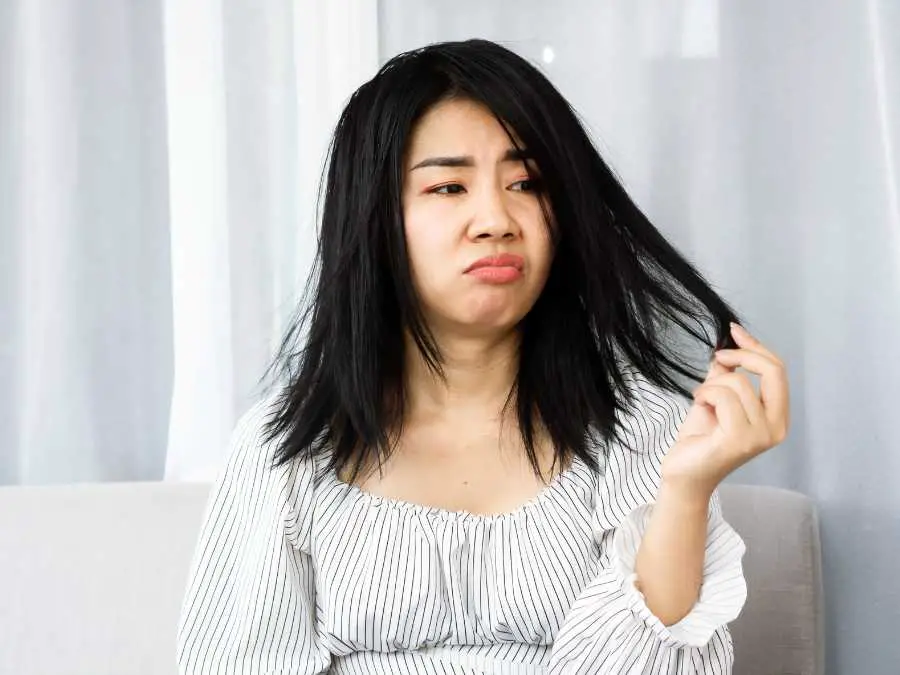 Dry hair tends to spring back tighter, appearing more shrunken.
Moisture-deficient strands shrink more as they seek hydration from the environment.
5. Humidity
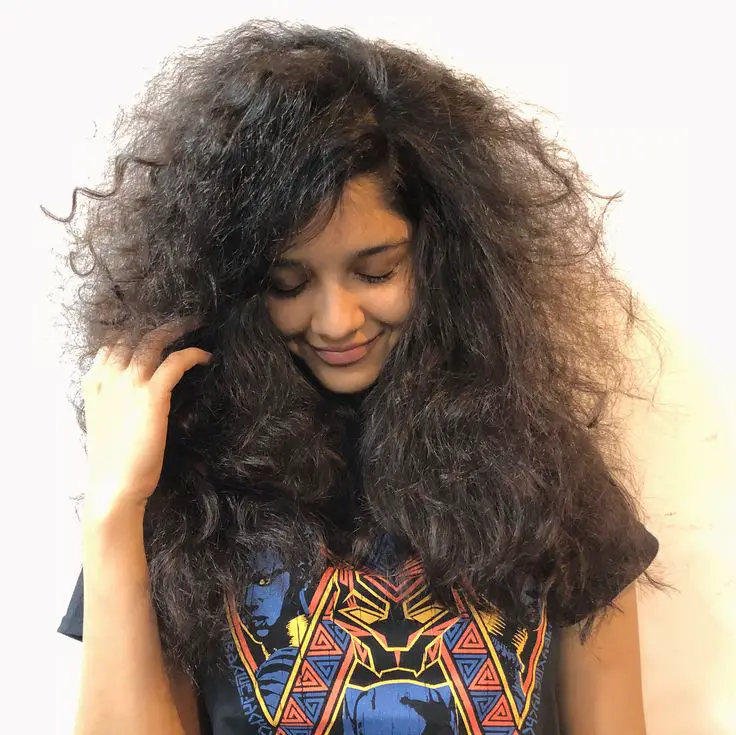
Moisture in the air can cause hair to shrink even after it’s been stretched or styled.
High humidity opens the cuticle, allowing water molecules in.
6. Product Build-Up
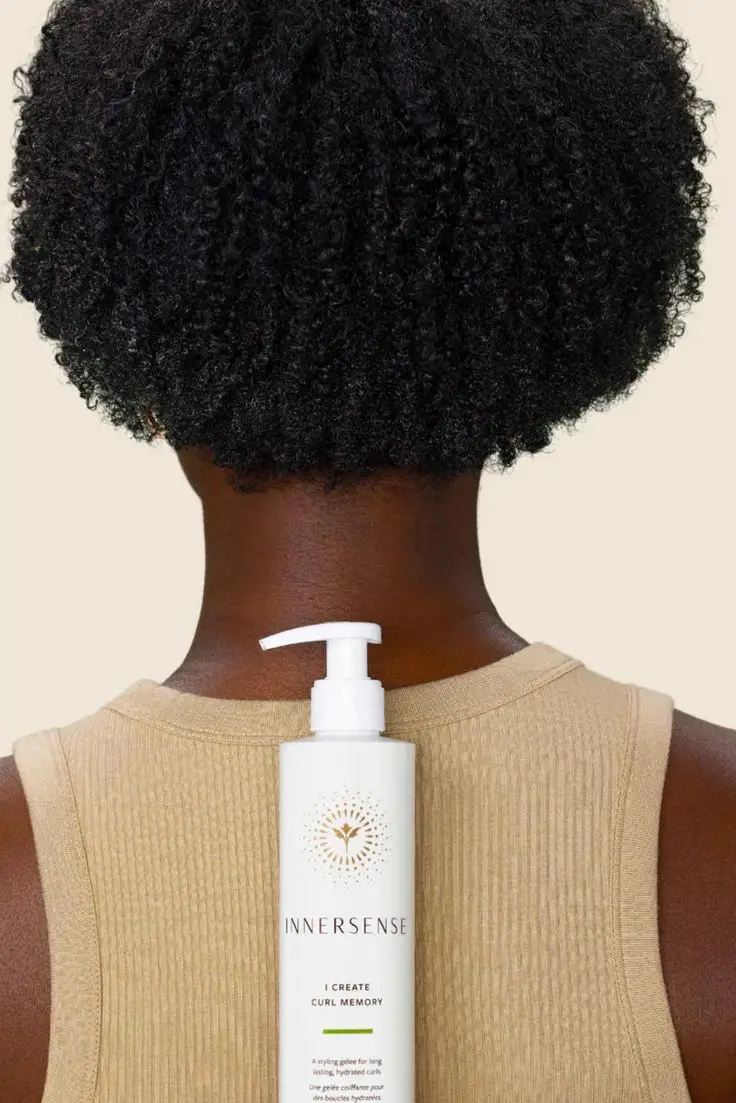
Too much product on the strands, especially heavy gels or creams, can weigh down and then coil up the hair, leading to uneven or excessive shrinkage.
7. Heat Damage Recovery
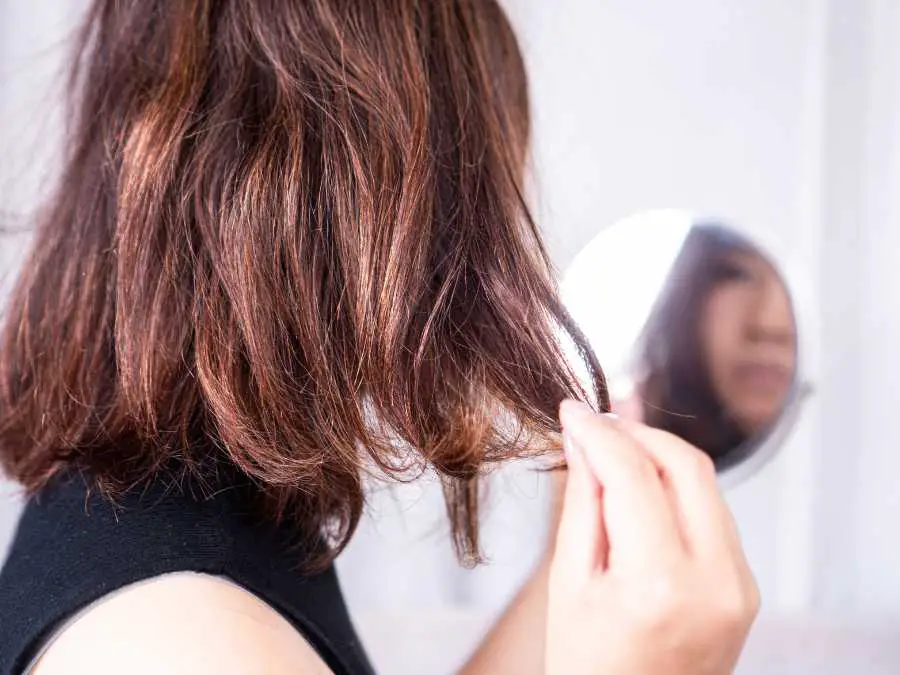 When recovering from heat damage, the healthy parts of your hair may shrink normally while damaged sections do not, making shrinkage more noticeable.
8. Improper Stretching Techniques
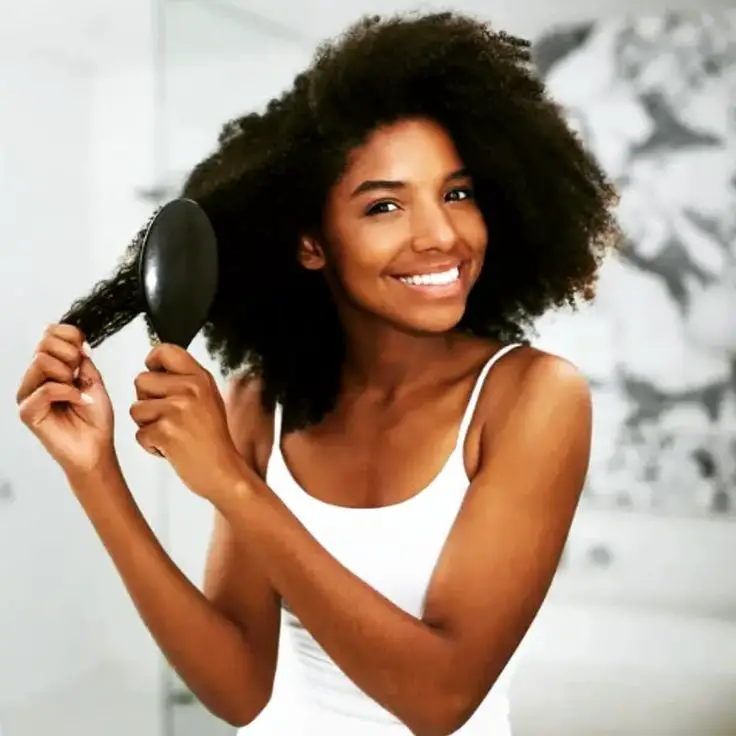
If your hair hasn’t been thoroughly stretched or dried before styling, it may revert quickly and shrink throughout the day.
9. Frequent Washing or Co-Washing
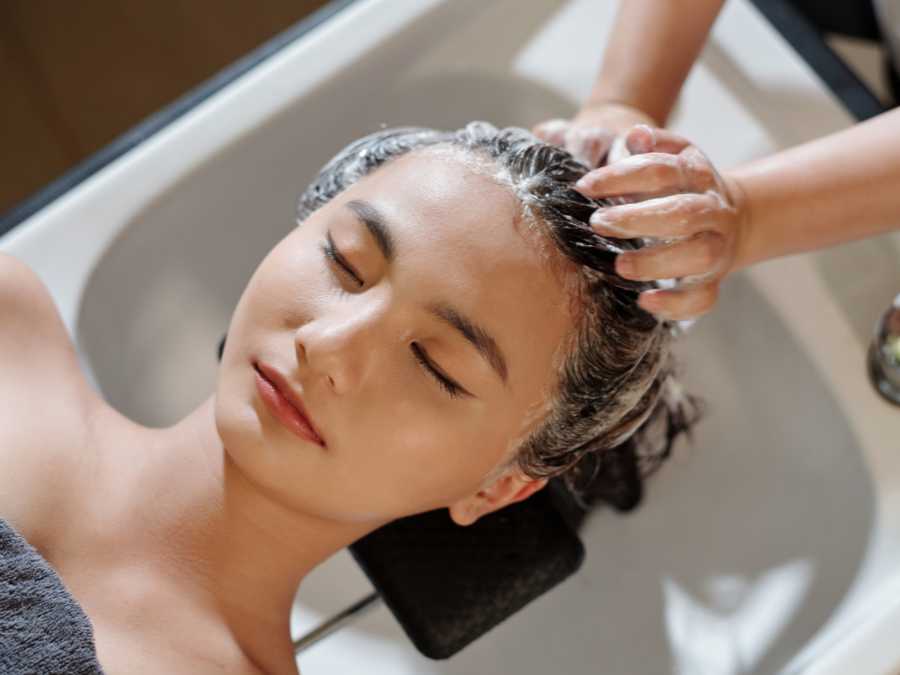 While cleansing is essential, frequent wetting without restretching can contribute to constant shrinkage.
10. Product Ingredients (like Glycerin)
 Some humectants draw moisture from the air into your hair.
This increases water absorption and can cause your strands to tighten and shrink again.
7 Ways to Manage Shrinkage Without Damaging Your Hair
1. Stretch with Heat-Free Methods
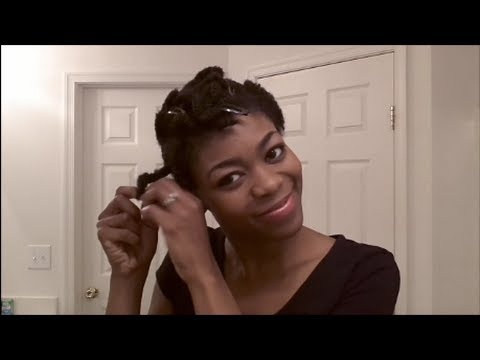
Use styles like twists, braids, bantu knots, or banding to gently stretch your hair overnight.
These techniques reduce shrinkage without heat damage.
2. Blow Dry on Low Heat or Cool Settings
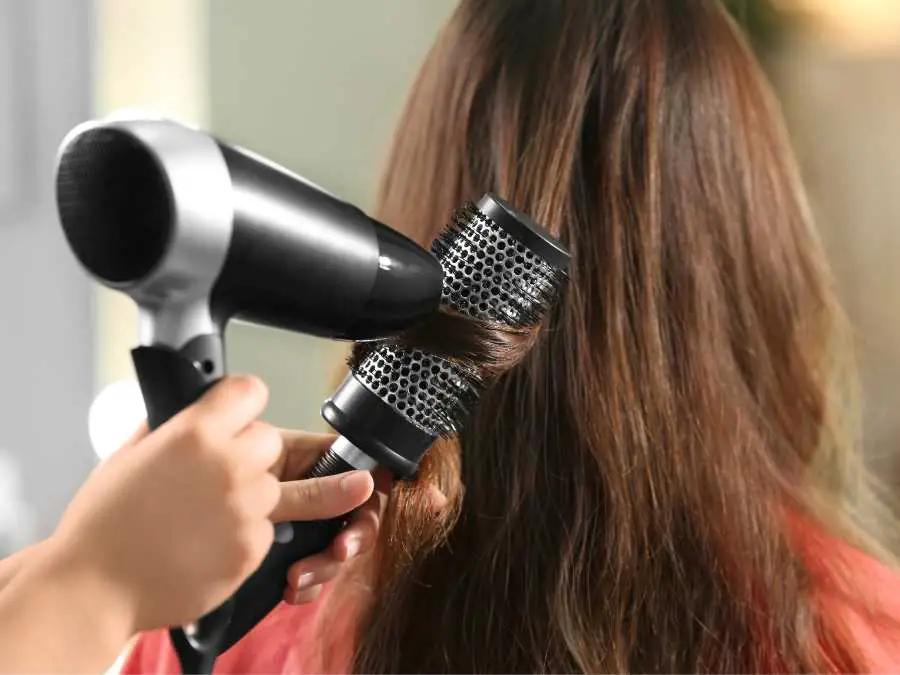 Occasional blow-drying on a cool or warm (not hot) setting using a comb attachment can help stretch the hair and control shrinkage, especially for styling.
3. Use Anti-Humidity or Holding Products
 Products designed to block humidity or hold a stretched style can help preserve your stretched length.
Look for anti-frizz serums, setting creams, or light gels.
4. Layer Moisture Strategically
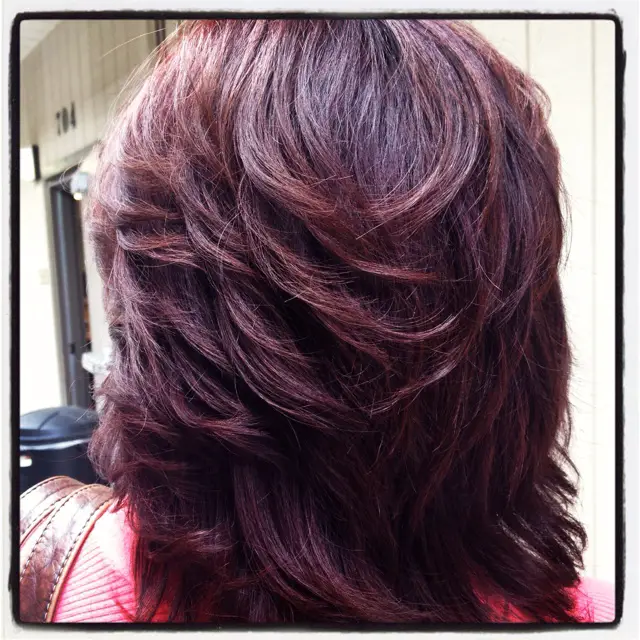
Apply your moisturizing products in layers, leave-in conditioner, cream, and then oil (LCO or LOC method).
This not only hydrates but helps maintain some length by weighing the hair slightly.
5. Style on Dry or Damp Hair
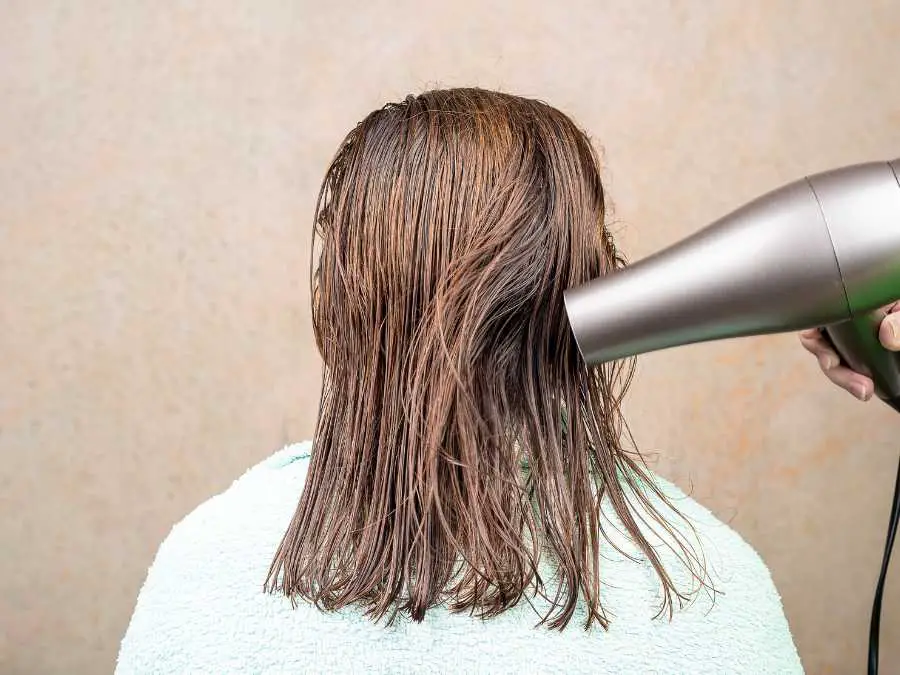 Styling on soaking wet hair increases shrinkage.
Instead, style on lightly damp or completely dry hair for more elongated results.
6. Sleep with Hair Stretched

Use a loose pineapple, large braids, or twists before bed to maintain the stretched state.
A satin scarf or bonnet helps retain the style without causing breakage.
7. Accept and Embrace Some Shrinkage
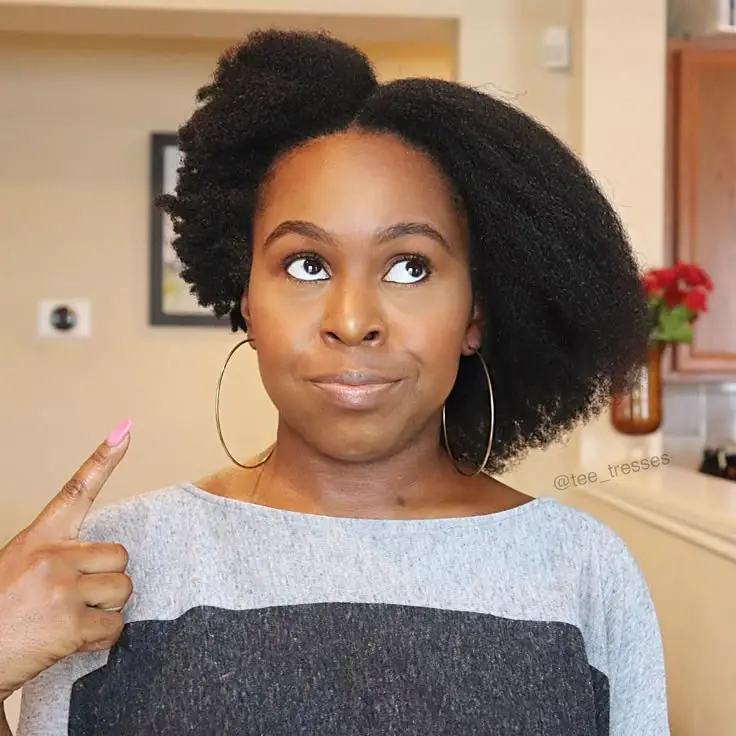 While managing it is possible, accepting shrinkage as part of your hair’s natural beauty is empowering.
It often means your hair is moisturized, elastic, and healthy.
Caring for natural hair is a rewarding journey that requires patience, understanding, and consistency.
Embracing your hair’s unique texture and needs empowers you to create a routine that nurtures its health and beauty.
If you are managing shrinkage, maintaining moisture, or experimenting with protective styles, remember that every strand deserves gentle care and respect.
By using mindful habits and choosing the right products, you can enjoy vibrant, strong, and resilient natural hair that reflects your individuality.
Celebrate your curls and coils every step of the way, your natural hair is truly a crown to wear with pride.
 |
ReplyForward |