25 Easy Preschool Learning Activities At Home
Are you searching for preschool learning activities at home, no worries you are in the right place.
We have curated 25 Easy preschool learning activities at home you will love.
The early years of a child’s life are filled with curiosity, discovery, and rapid development.
As parents and caregivers, finding meaningful ways to support learning during this stage can feel both exciting and overwhelming.
The good news is that preschool learning does not have to happen in a classroom or require expensive materials.
Home can be one of the most effective environments for nurturing creativity, building confidence, and encouraging a love for learning.
With a little intention and the right approach, everyday moments can become valuable opportunities for growth and exploration.
Even if your goal is to keep your child engaged, support their development, or simply spend quality time together, there are many simple ways to make learning enjoyable at home.
Here are easy preschool learning activities that can help young children learn, play, and thrive in a fun and relaxed setting.
25 Easy Preschool Learning Activities at Home
1. Alphabet Treasure Hunt
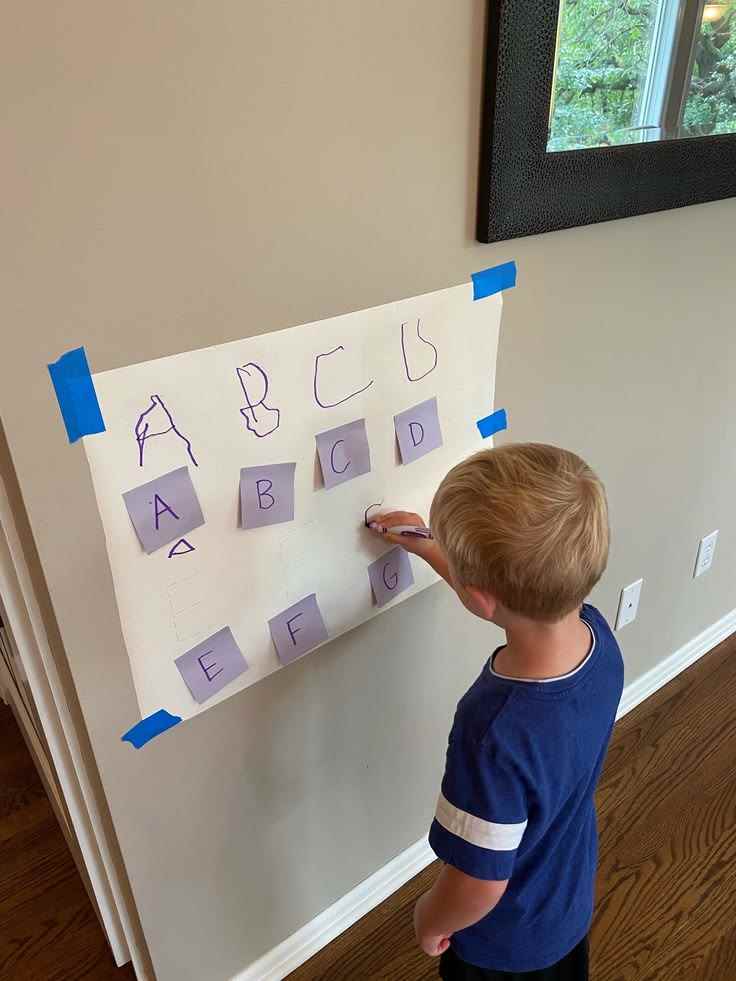
An alphabet treasure hunt is a fun way to help preschoolers recognize letters while staying active.
Choose a letter of the day and ask your child to search around the house for objects that begin with that letter.
For example, if the letter is “B,” they might find a book, a ball, or a box.
This activity strengthens letter recognition, vocabulary development, and observation skills.
It also helps children connect letters with real world objects, making early literacy more meaningful and memorable.
2. Counting with Household Objects
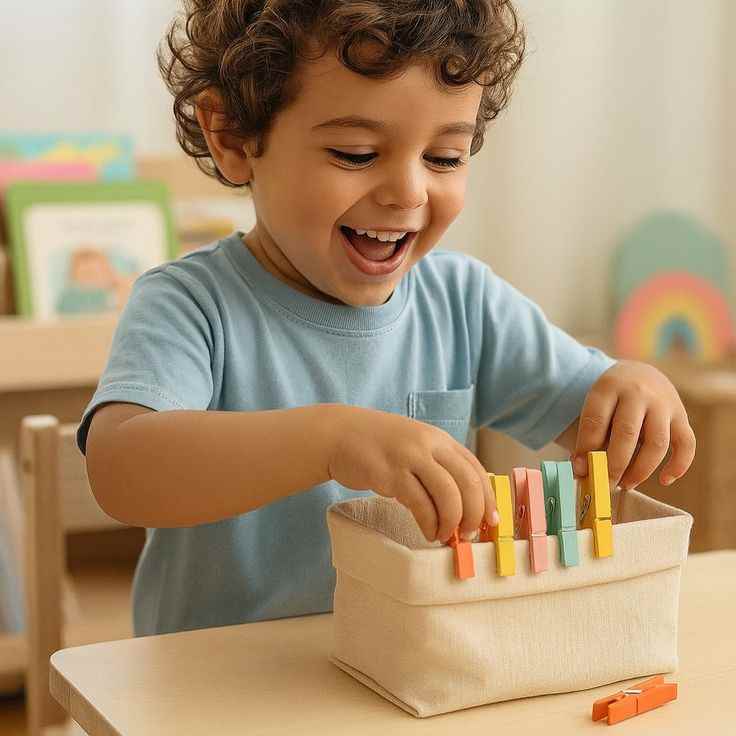
Gather everyday items such as buttons, blocks, spoons, or toy cars and encourage your child to count them.
You can ask them to group items by color, size, or shape before counting.
This simple activity develops number recognition, counting accuracy, and basic math skills.
Children also learn one to one correspondence, which is the understanding that each object counted represents one number.
3. Story Time and Picture Discussion
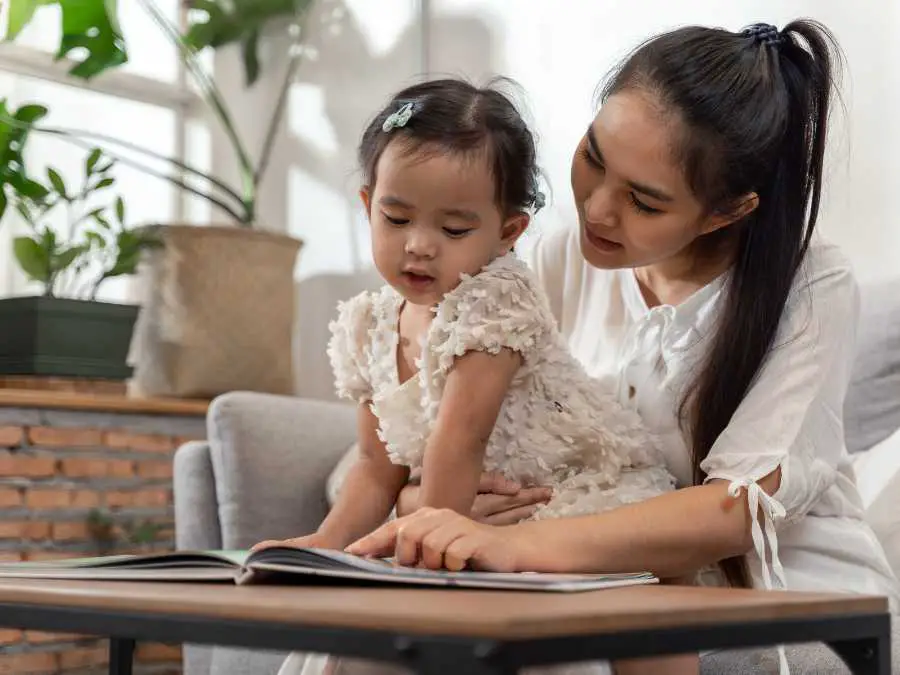 Reading together is one of the most valuable learning activities for preschoolers.
After reading a story, ask questions about the pictures, characters, and events.
Encourage your child to describe what they see and predict what might happen next.
This activity supports language development, listening skills, comprehension, and imagination while building a positive relationship with books.
4. Letter Tracing with Salt or Sand
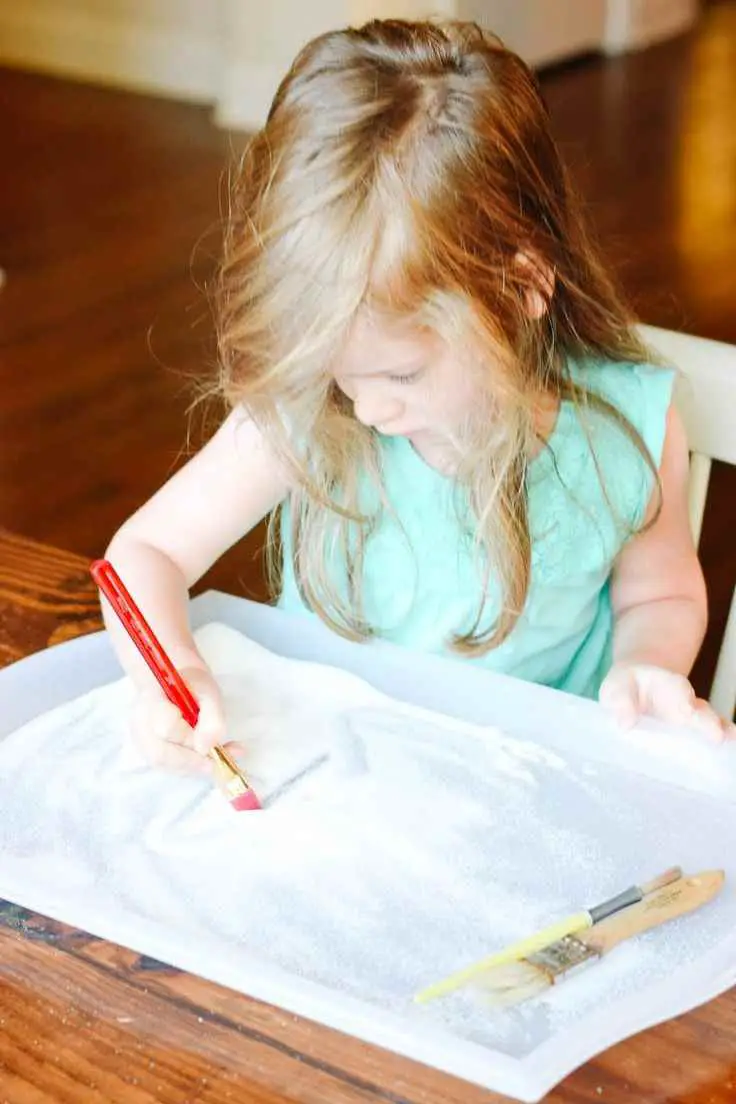
Fill a shallow tray with salt or sand and encourage your child to use their finger to trace letters, numbers, or simple shapes.
You can demonstrate first and then allow them to practice independently.
The textured surface makes learning more engaging and provides a sensory experience that many children enjoy.
This activity helps strengthen early writing skills by allowing children to practice letter formation in a low pressure environment.
It also improves fine motor control, hand coordination, and letter recognition.
Since mistakes can easily be erased with a simple swipe, children often feel more confident experimenting and learning at their own pace.
5. Homemade Obstacle Course
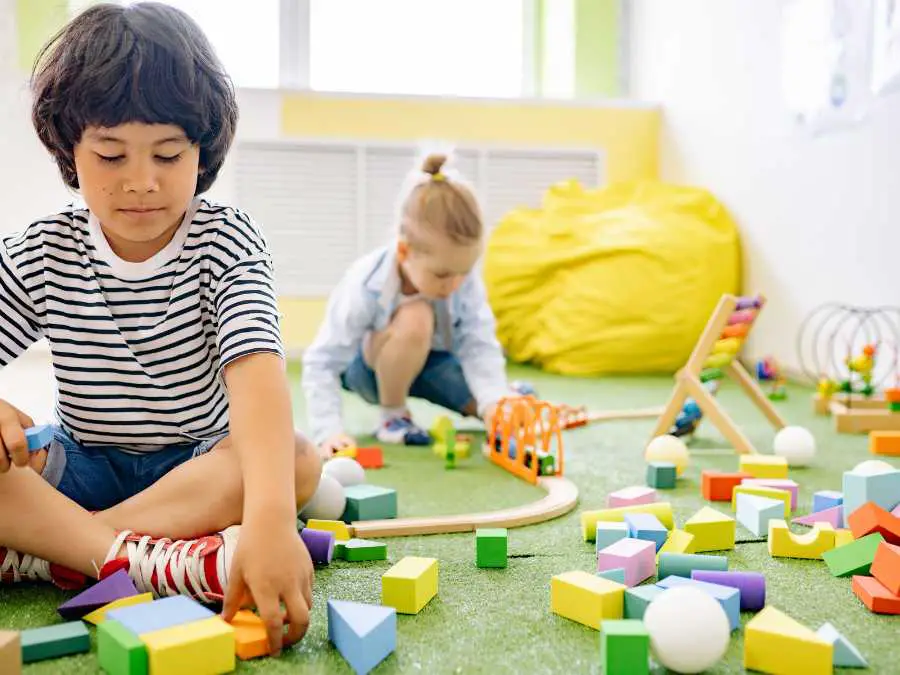 Create a simple obstacle course using pillows, chairs, blankets, and other safe household items.
Children can crawl under tables, step over objects, balance along a line of tape, or hop between designated spots.
An obstacle course encourages physical activity while developing balance, coordination, and body awareness.
It also helps children practice listening and following instructions.
Beyond the physical benefits, completing different challenges can build confidence and give children a sense of accomplishment as they navigate each part of the course.
6. Picture and Word Matching
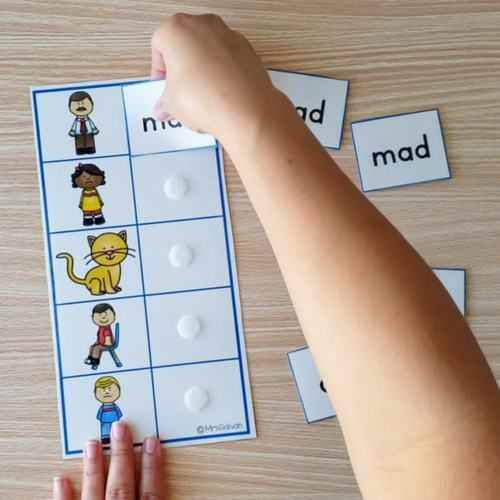
Gather pictures of common objects and create matching word cards.
Even if your child is not yet reading independently, they can begin to recognize familiar words by matching them to corresponding images.
This activity supports vocabulary development and introduces children to the relationship between spoken and written language.
Repeated exposure helps build early literacy skills and encourages children to become more comfortable with printed words in their everyday environment.
7. Plant Growing Project
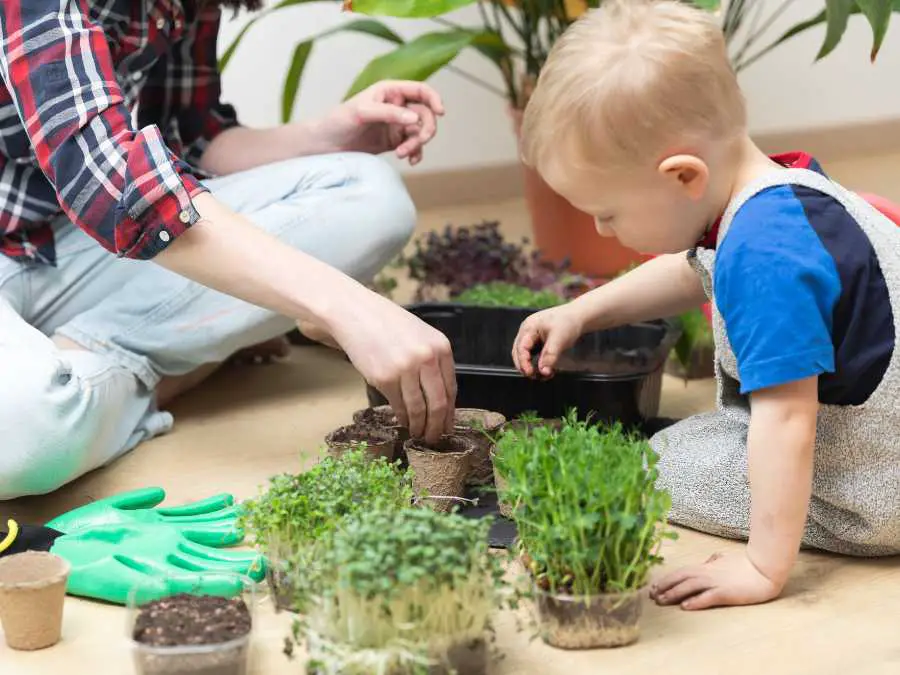 Plant seeds in small containers and allow your child to participate in watering and caring for them each day.
Encourage them to observe changes as the seeds begin to sprout and grow over time.
This hands on project introduces basic science concepts such as plant growth, life cycles, and the importance of sunlight and water.
It also teaches responsibility and patience, as children learn that growth takes time and consistent care.
Watching a plant develop from a tiny seed can be both exciting and educational.
8. Family Interview Activity
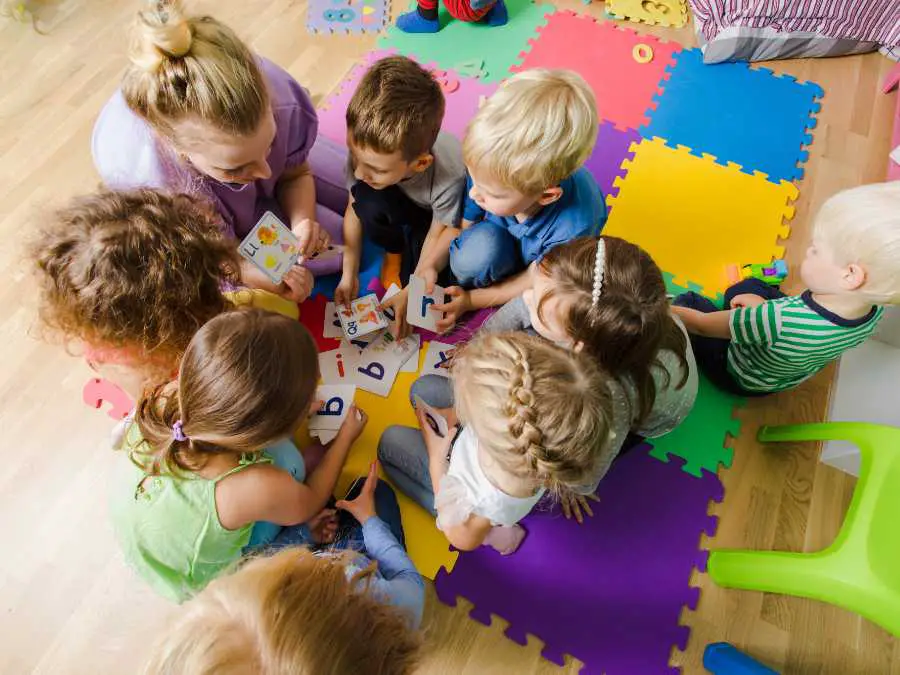 Invite your child to ask simple questions to family members, such as their favorite color, food, hobby, or childhood memory.
Help them listen carefully and discuss the answers afterward.
This activity promotes communication skills, listening comprehension, and social development.
It also helps children learn how conversations work and encourages curiosity about the people around them.
Family interviews can strengthen relationships while providing valuable opportunities for language development.
9. Create a Weather Journal
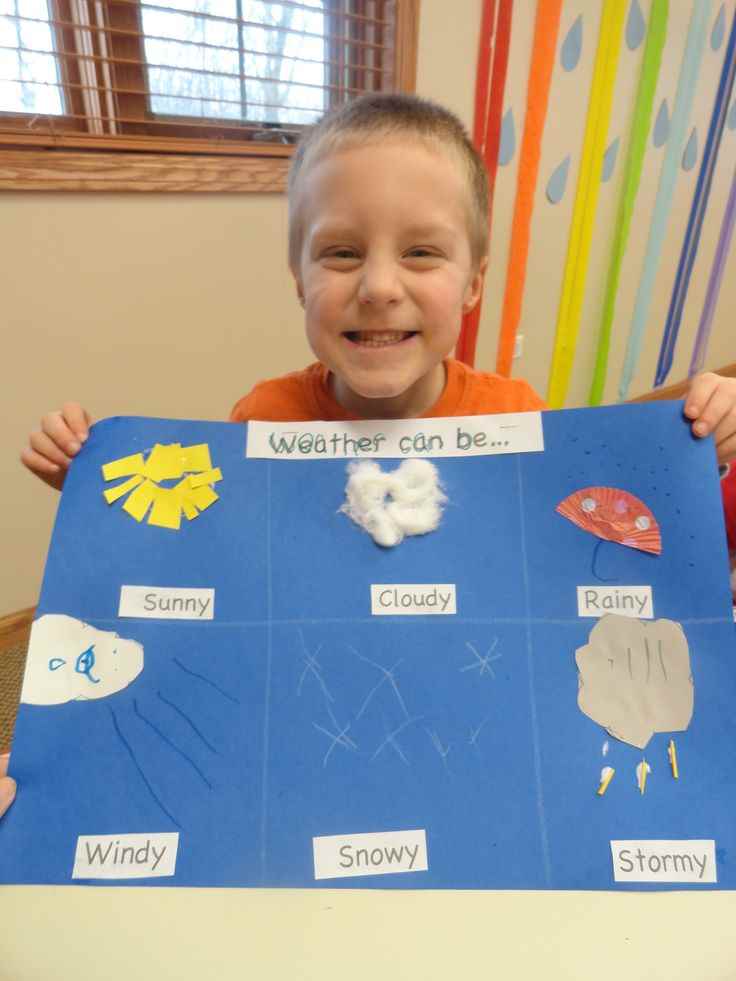
Encourage your child to observe the weather each day and record what they notice through drawings, symbols, or simple words.
They can document whether it is sunny, cloudy, rainy, windy, or hot.
Keeping a weather journal helps children develop observation skills and introduces basic scientific concepts related to weather patterns.
Over time, they can compare different days and begin recognizing changes in the environment.
This activity also supports vocabulary growth and routine building.
10. Storytelling with Pictures
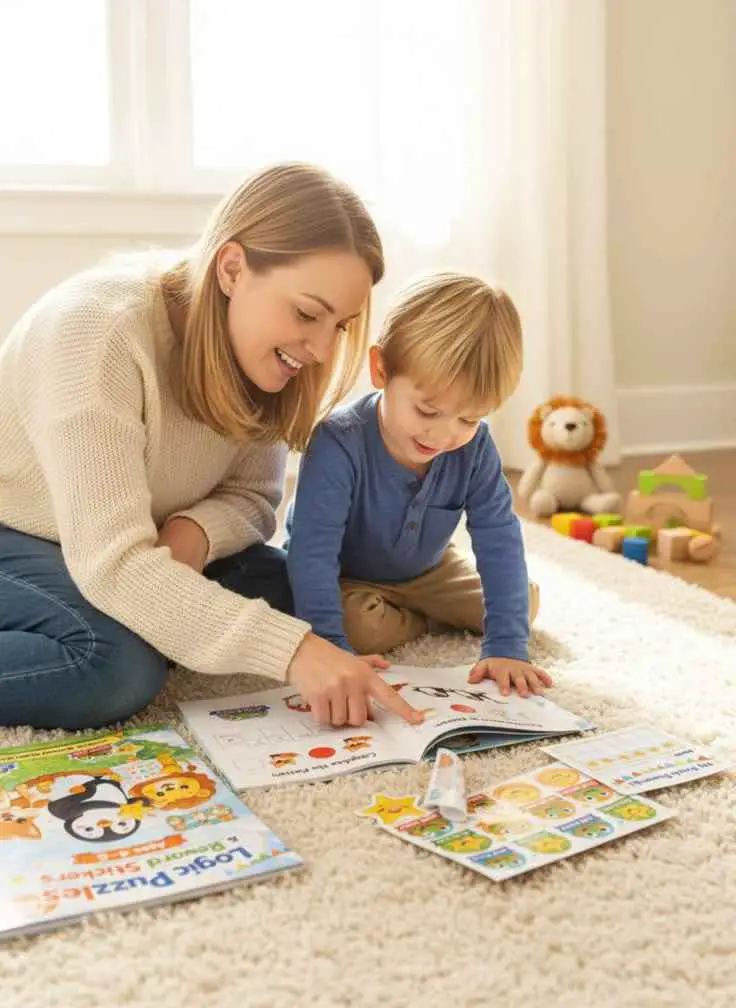
Collect a variety of pictures from magazines, books, or printed images and ask your child to create a story based on what they see.
Encourage them to describe characters, settings, and events in their own words.
Storytelling activities stimulate imagination and creative thinking while strengthening language and communication skills.
As children organize ideas into a sequence, they also develop important narrative and comprehension abilities that support future reading and writing success.
11. Coin Sorting and Identification
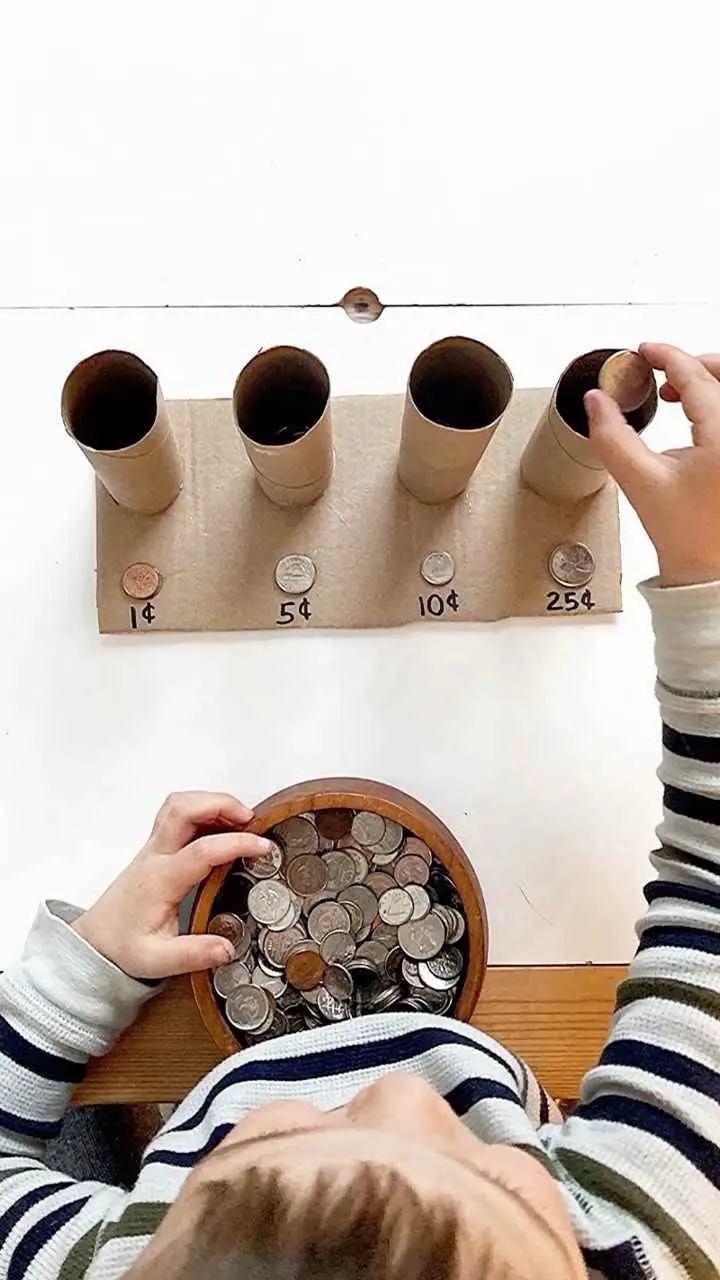
Using clean coins, introduce your child to different sizes, shapes, and values.
Ask them to sort coins into groups based on their appearance or characteristics.
This activity provides an early introduction to money concepts while developing sorting, counting, and observation skills.
Children become familiar with recognizing differences and similarities among objects, which contributes to both mathematical and cognitive development.
12. Paper Cutting Practice
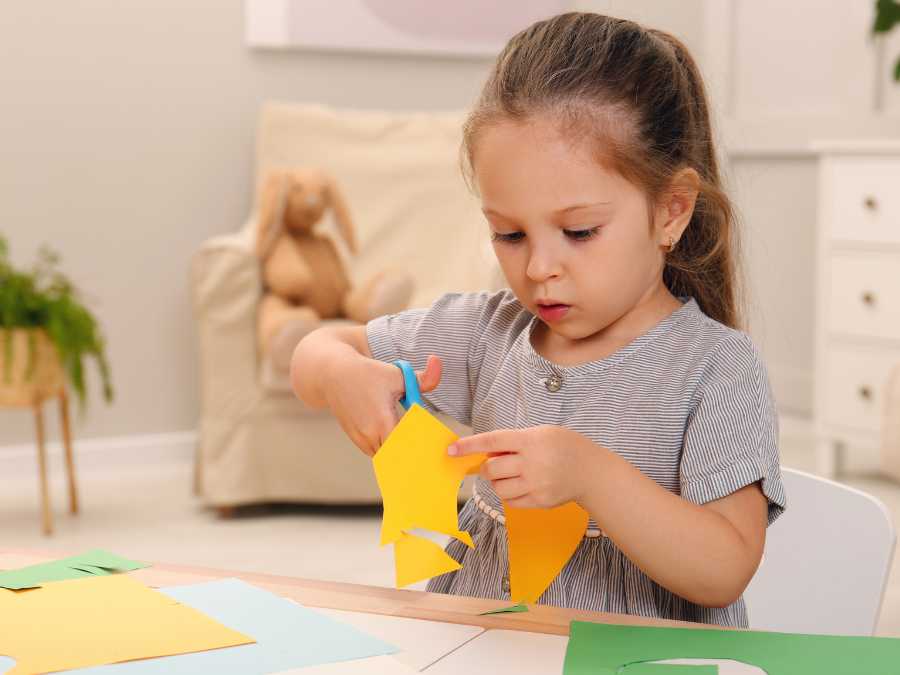 Provide child safe scissors and sheets of paper for supervised cutting practice.
Start with straight lines and gradually introduce simple shapes as their skills improve.
Cutting activities strengthen the small muscles in the hands and fingers that are essential for writing and other everyday tasks.
They also improve hand eye coordination, concentration, and precision.
Many children enjoy the sense of independence that comes from learning how to use scissors safely and effectively.
13. Create a Family Book
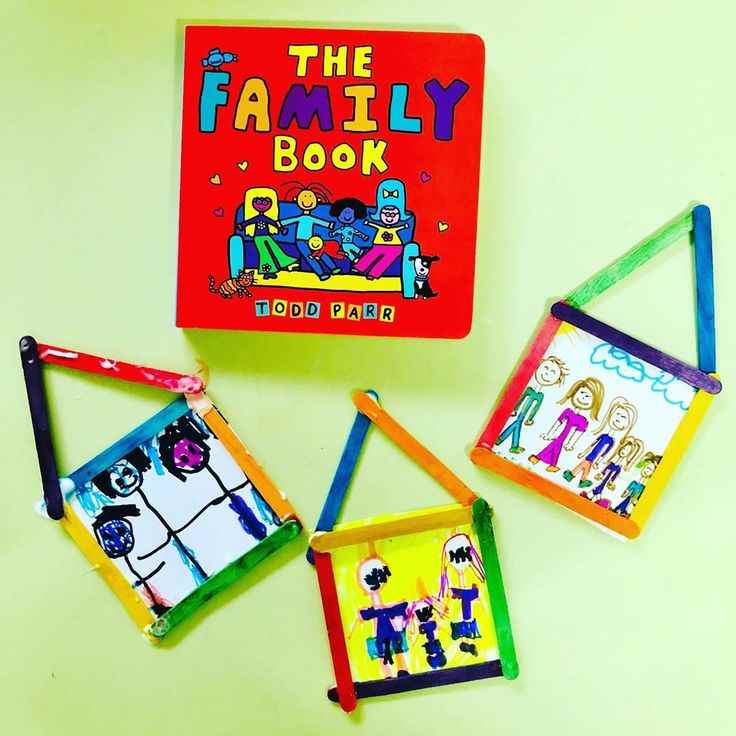
Help your child create a simple book about family members.
They can draw pictures, paste photographs, and share facts about each person.
Encourage them to talk about their family while creating the pages.
This activity combines creativity, language development, and social awareness.
It gives children an opportunity to express themselves while learning about relationships and personal identity.
Creating a book also introduces basic concepts of sequencing, storytelling, and book structure in a meaningful and engaging way.
14. Sorting Objects by Texture
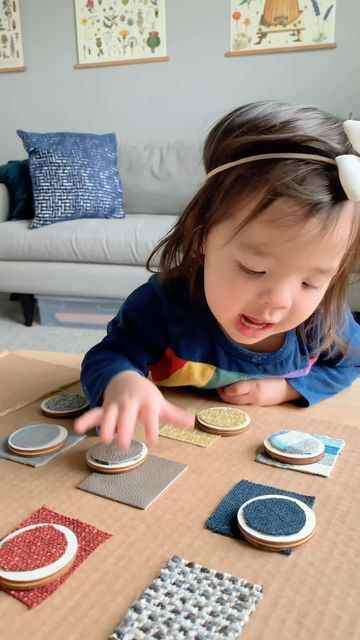
Gather a variety of safe household items with different textures, such as cotton balls, smooth plastic toys, soft fabric pieces, rough sponges, or wooden blocks.
Encourage your child to touch each item and describe how it feels before sorting them into groups based on texture.
This activity helps children develop sensory awareness and descriptive language skills.
As they compare different textures, they learn to observe details and expand their vocabulary with words such as soft, rough, smooth, bumpy, and fluffy.
These experiences support cognitive development and encourage children to use their senses to explore the world around them.
15. Create a Simple Family Tree
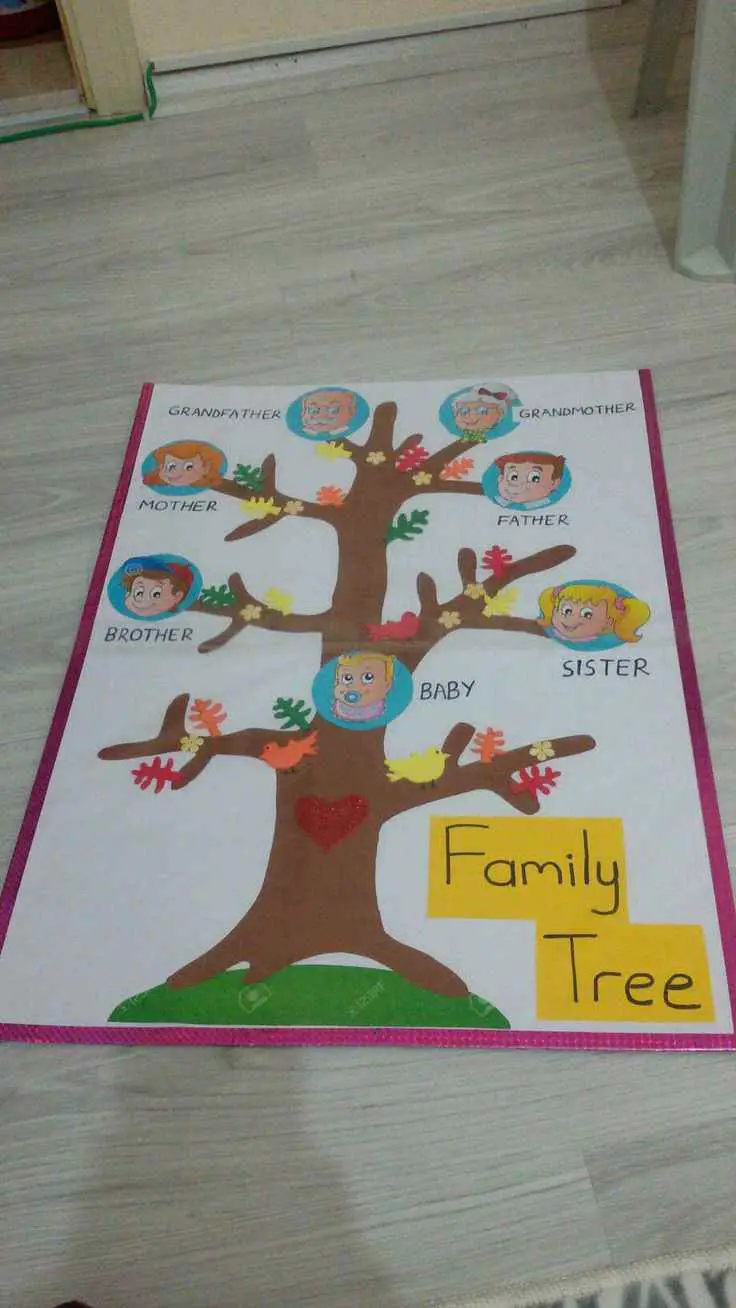
Help your child create a basic family tree using drawings or photographs of family members.
Talk about relationships such as parents, grandparents, siblings, aunts, uncles, and cousins as you build the project together.
This activity helps children understand family connections and develop a stronger sense of identity.
It also encourages conversation, memory recall, and social awareness.
Learning about family history can spark curiosity and help children appreciate the important people in their lives.
16. Follow the Directions Game
 Turn everyday instructions into a fun learning game by giving your child simple tasks to complete.
For example, ask them to touch their nose, clap three times, stand on one foot, or place a toy in a specific location.
This activity strengthens listening skills, attention span, and the ability to follow directions.
As children become more confident, you can gradually introduce instructions that involve multiple steps, helping them improve memory and concentration.
17. Build a Fort and Read Together
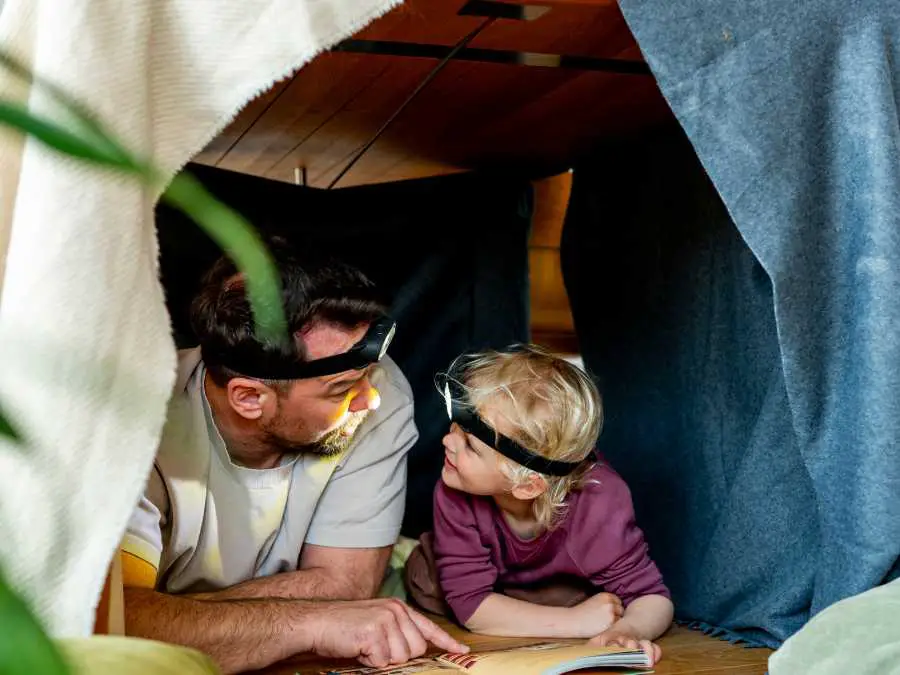 Using blankets, pillows, and chairs, create a cozy fort where your child can read books, listen to stories, or engage in quiet learning activities.
The excitement of building the fort often makes reading time feel even more special.
This activity combines creativity with literacy development.
Children enjoy having a unique space of their own, which can increase their interest in books and storytelling.
It also encourages imaginative play and strengthens the parent child bond through shared experiences.
18. Create and Compare Towers
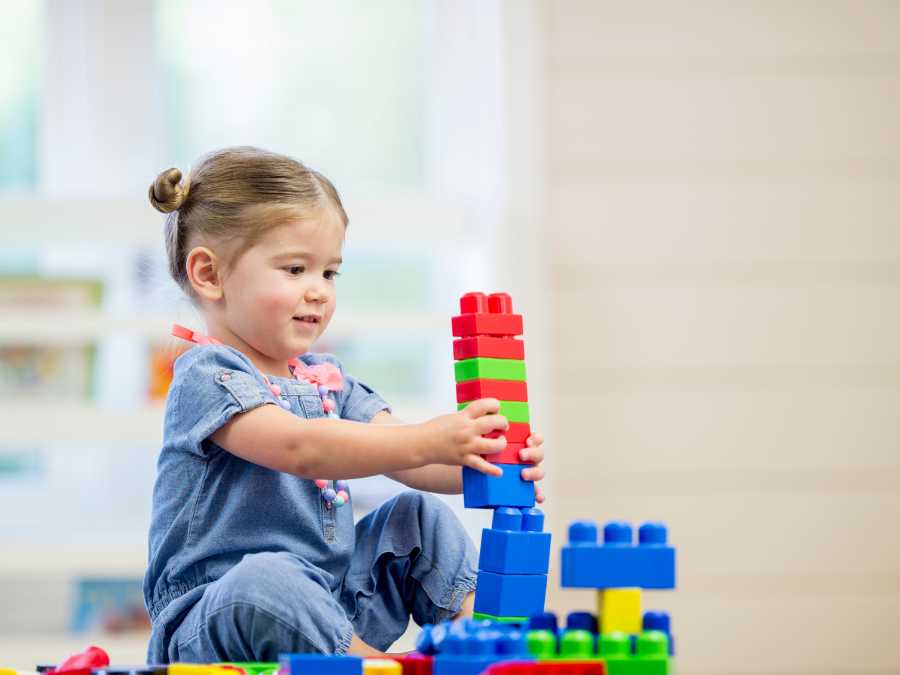 Provide building blocks, cups, or other stackable items and challenge your child to build towers of different heights.
Encourage them to compare which tower is taller, shorter, wider, or more stable.
This activity introduces important mathematical concepts such as measurement, comparison, and estimation.
It also promotes problem solving as children experiment with different ways to balance and construct their towers.
19. Make a Daily Feelings Chart
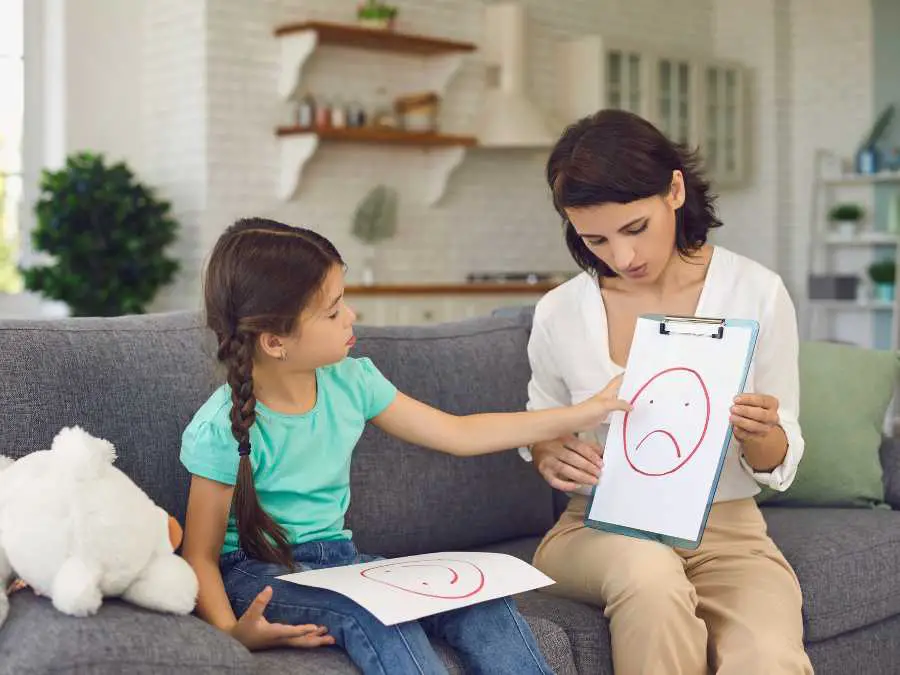 Create a simple chart with different emotions such as happy, excited, sad, surprised, calm, or frustrated.
Each day, encourage your child to identify how they are feeling and discuss why.
This activity supports emotional development by helping children recognize and express their feelings.
It also builds communication skills and emotional intelligence, which are essential for developing healthy relationships and self awareness.
20. Sink or Float Investigation
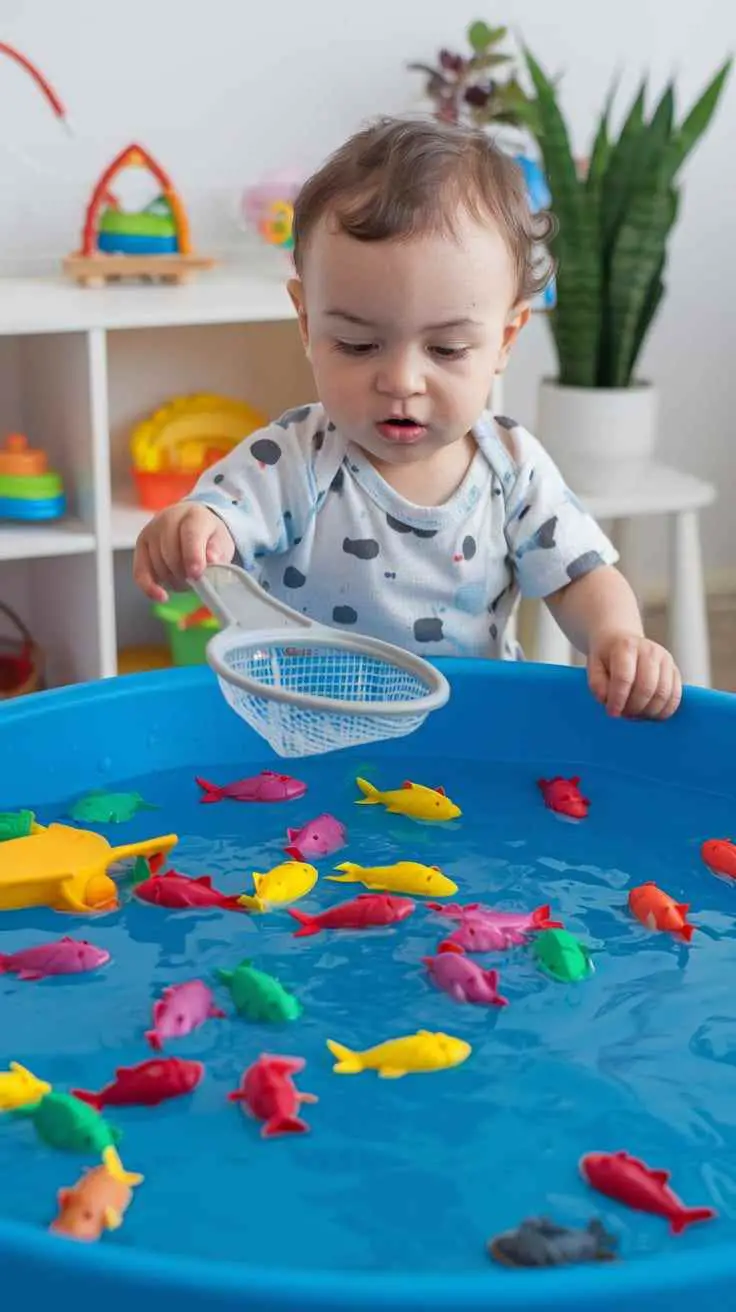
Fill a container with water and gather various household objects.
Before placing each item in the water, ask your child to predict whether it will sink or float. Afterward, discuss the results together.
This activity introduces scientific thinking by encouraging observation, prediction, and experimentation.
Children learn that science involves asking questions and exploring answers through hands on experiences.
The process helps develop curiosity and critical thinking skills.
21. Make a Collage from Recycled Materials
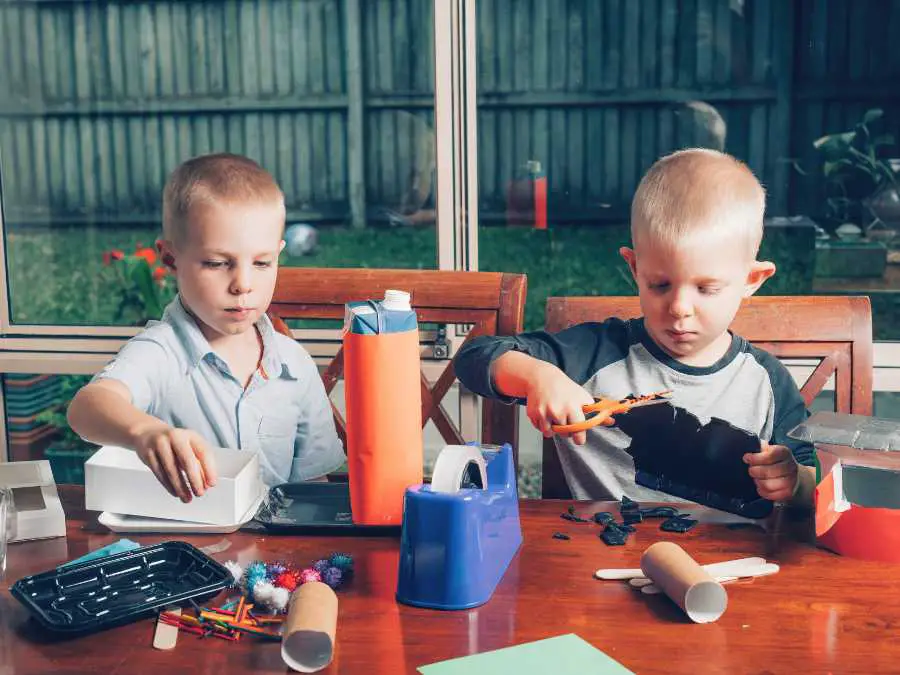 Collect old magazines, newspapers, packaging materials, and scraps of colored paper.
Allow your child to cut, tear, and glue pieces together to create a unique collage.
Collage making promotes creativity and fine motor development while teaching children that everyday materials can be reused in imaginative ways.
It also encourages decision making as children choose colors, shapes, and images to include in their artwork.
22. Practice Opposites
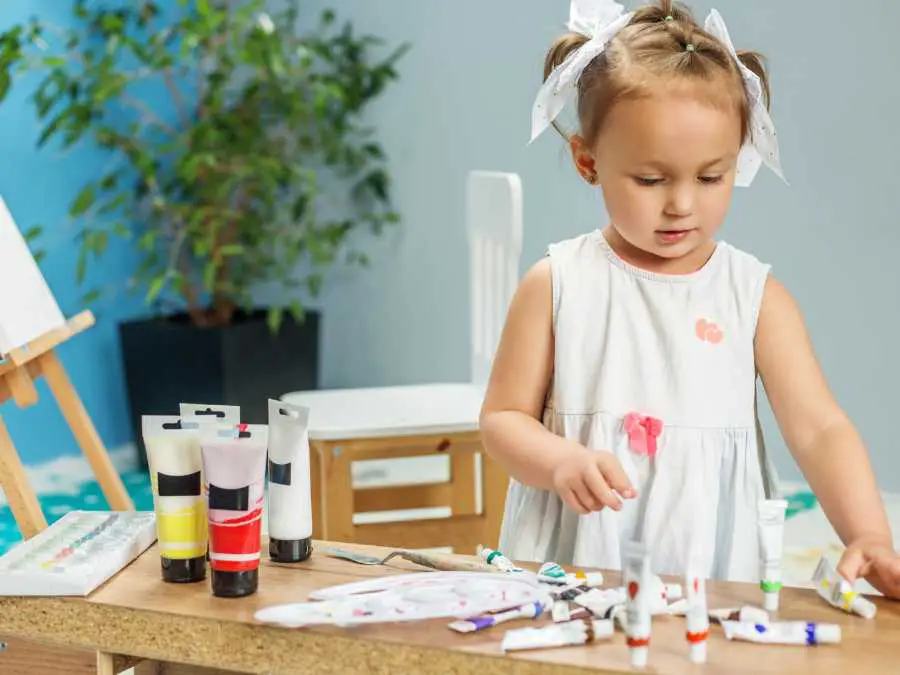 Introduce simple opposite words such as big and small, hot and cold, fast and slow, or full and empty.
Use real objects and situations around the home to demonstrate each pair.
Learning opposites helps expand vocabulary and improves language comprehension.
It also strengthens children’s ability to compare and categorize information, which supports cognitive development and early learning.
23. Create a Home Library Challenge
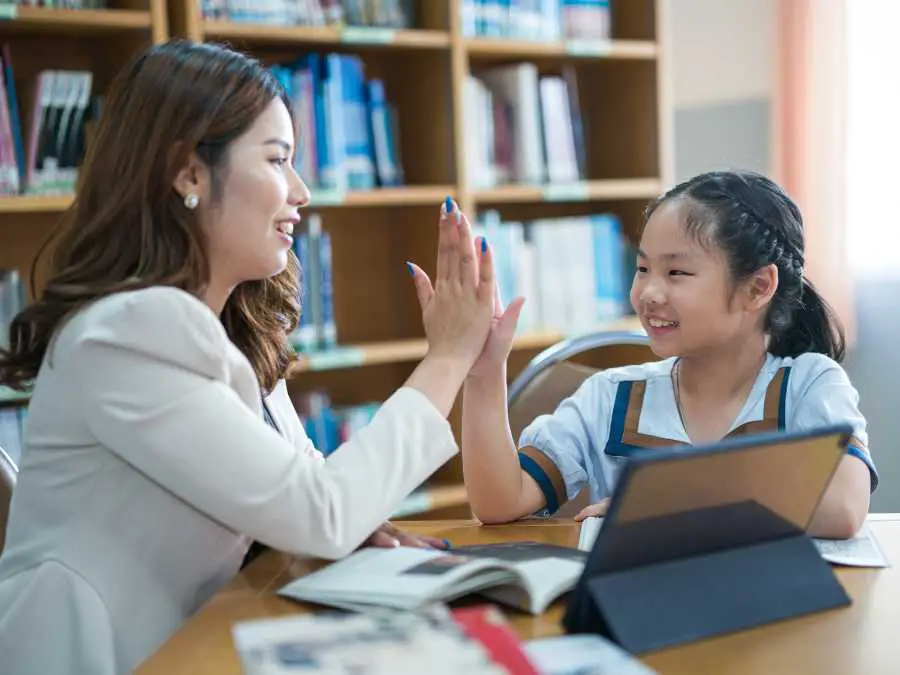 Choose a small selection of books and encourage your child to read or listen to one each day.
Keep track of completed books using a simple chart or sticker system to make the experience exciting and rewarding.
This activity helps establish positive reading habits from an early age.
Regular exposure to books strengthens vocabulary, listening skills, comprehension, and imagination.
Over time, children begin to see reading as an enjoyable part of their daily routine rather than a task.
24. Shadow Exploration
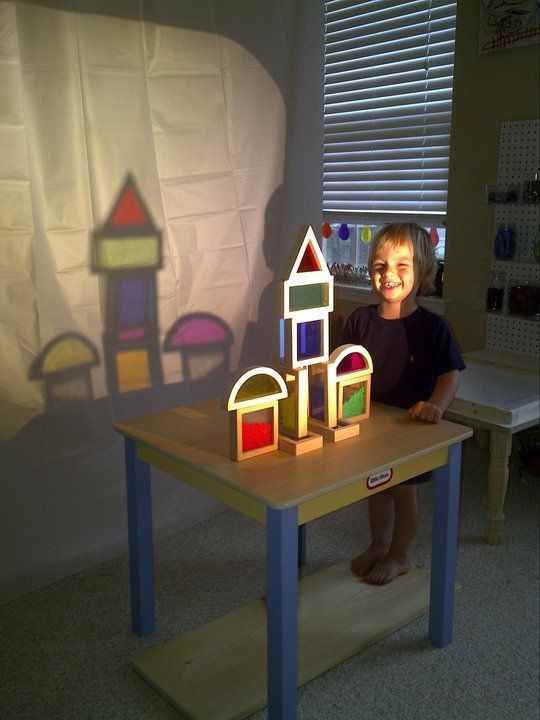
Use a flashlight or natural sunlight to create shadows.
Encourage your child to observe how shadows change when objects move.
This activity introduces basic science concepts while sparking curiosity and discovery.
25. Daily Calendar Time
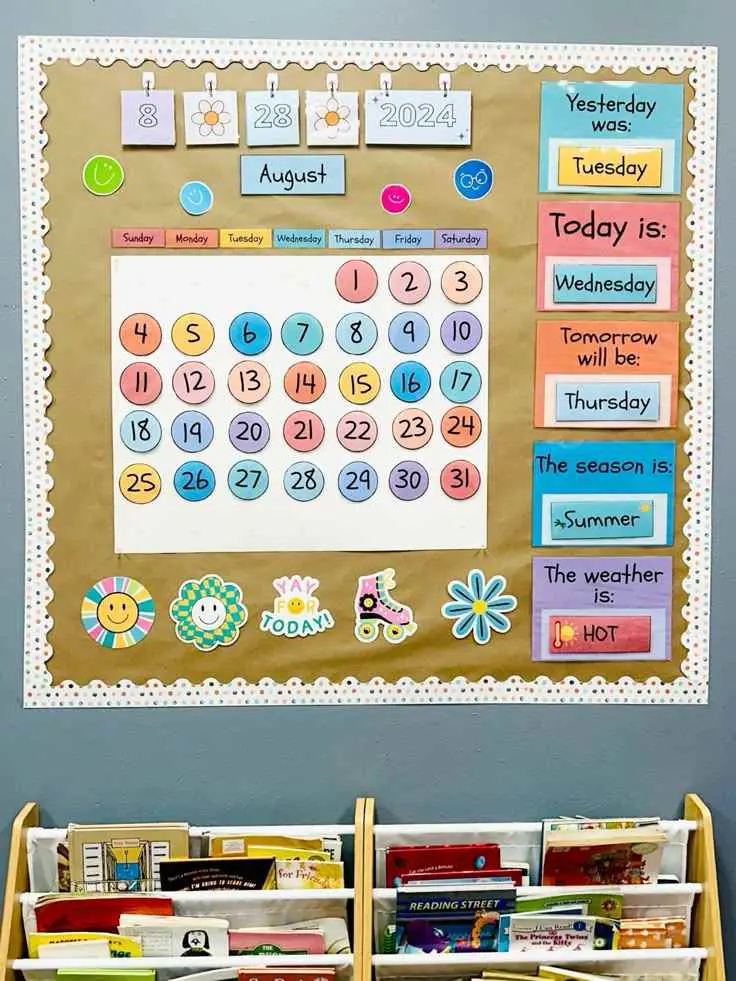
Create a simple calendar routine where your child identifies the day, date, weather, and season each morning.
Calendar activities build awareness of time, strengthen vocabulary, and help children understand daily routines and patterns.
Conclusion
Creating meaningful learning experiences for preschoolers at home does not have to be complicated or time consuming.
With a little creativity and consistency, everyday activities can become valuable opportunities for children to explore, discover, and develop important skills.
The goal is not to recreate a classroom environment, but to provide a supportive space where learning happens naturally through play, curiosity, and interaction.
By incorporating simple and engaging activities into your daily routine, you can help nurture your child’s cognitive, social, emotional, and physical development while making learning enjoyable.
Remember that every child learns at their own pace, so focus on encouraging participation, celebrating progress, and keeping the experience positive.
With patience and encouragement, these small moments of learning at home can have a lasting impact on your child’s growth and confidence.