29 Creative Toddler Daily Schedule
Are you searching for toddler daily schedule, no worries you are in the right place.
We have curated 29 Creative toddler daily schedule you will love.
Raising a toddler often feels like trying to keep up with a whirlwind of energy, curiosity, and constant discovery.
Every day brings new questions, new adventures, and sometimes, new challenges.
While routines can provide a sense of structure, they do not have to feel repetitive or restrictive.
In fact, a thoughtfully planned daily schedule can turn ordinary moments into opportunities for creativity, learning, and fun.
A creative toddler daily schedule is about more than simply filling the hours.
It is about creating a rhythm that supports a child’s natural curiosity while making room for imagination, exploration, and meaningful experiences.
With the right balance, each day can feel engaging and purposeful, helping toddlers thrive while giving parents a smoother and more enjoyable routine to follow.
29 Creative Toddler Daily Schedule
1. Morning Wake Up and Cuddle Time

The way a toddler starts the day can often influence their mood for the hours ahead.
Rather than rushing straight into breakfast or daily activities, consider setting aside a few minutes for a calm and comforting wake up routine.
Gentle cuddles, soft conversations, or simply sitting together can help toddlers transition from sleep to wakefulness in a positive way.
Young children thrive on emotional connection, and beginning the day with warmth and reassurance can help them feel secure and loved.
This quiet time also provides an opportunity for parents to check in with their child and establish a sense of connection before the busyness of the day begins.
Some toddlers wake up full of energy, while others need a little extra time to fully adjust.
A relaxed start respects their individual temperament and helps prevent unnecessary stress or frustration.
Over time, this simple routine can become a cherished part of the day for both parent and child.
2. Breakfast Adventure
 Breakfast is more than just the first meal of the day.
It can also be an opportunity for learning, communication, and exploration.
Instead of treating breakfast as a task to complete quickly, turn it into a meaningful experience that encourages curiosity and engagement.
Talk about the colors of fruits, the shapes of different foods, or the textures and flavors your toddler notices.
These conversations help develop vocabulary while making mealtime more interactive.
Toddlers are naturally curious about the world around them, and even simple observations can become valuable learning moments.
Encouraging them to describe what they see, smell, or taste helps strengthen language skills and confidence in expressing themselves.
Breakfast can also provide a predictable routine that helps children feel comfortable and prepared for the day ahead.
By making this time enjoyable and interactive, you transform an everyday activity into a valuable developmental experience.
3. Music and Movement Session
 Toddlers have an incredible amount of energy, and one of the best ways to channel that energy is through music and movement.
Setting aside dedicated time for dancing, stretching, clapping, marching, or moving to different rhythms can support both physical and cognitive development.
Music naturally captures a toddler’s attention, making it an enjoyable way to encourage active participation.
Movement activities help strengthen muscles, improve balance, and develop coordination.
At the same time, listening to music introduces toddlers to patterns, rhythm, and timing.
Dancing freely also encourages self expression and creativity, allowing children to move their bodies in ways that feel natural and fun.
Beyond the developmental benefits, music and movement sessions can simply be a joyful part of the day that helps create positive memories.
4. Nature Discovery Walk
 A simple walk outdoors can become one of the most enriching parts of a toddler’s daily routine.
Nature offers endless opportunities for exploration, observation, and discovery.
During a walk, toddlers can notice birds flying overhead, leaves moving in the breeze, flowers blooming along pathways, or insects crawling across the ground.
These experiences stimulate curiosity and encourage children to ask questions about the world around them.
Fresh air and outdoor movement also support physical well being while providing a healthy change of scenery from indoor environments.
Nature walks help toddlers develop observation skills as they learn to notice details that might otherwise go unnoticed.
Parents can encourage conversation by asking open ended questions about what their child sees or hears.
These interactions strengthen language development while fostering a sense of wonder.
Over time, regular nature walks can help children build a lasting appreciation for the environment and the beauty of everyday discoveries.
5. Creative Art Corner
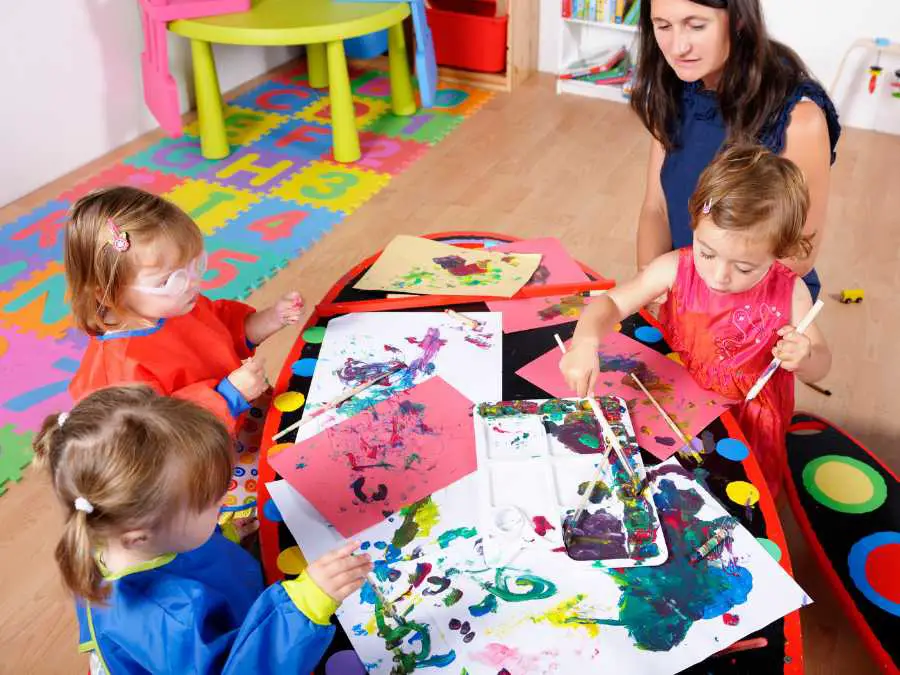 Creative activities play an important role in early childhood development, making an art corner a valuable addition to any toddler’s daily schedule.
Even if a child is drawing, painting, coloring, or experimenting with simple craft materials, artistic expression allows them to explore their imagination and communicate ideas in unique ways.
Unlike activities with right or wrong answers, art encourages freedom and creativity.
Art projects help strengthen fine motor skills as toddlers learn to hold crayons, paintbrushes, or other tools.
They also introduce concepts such as colors, shapes, patterns, and spatial awareness.
Beyond the educational benefits, art provides an outlet for self expression and emotional development.
Children often communicate feelings and ideas through their creations long before they can fully express them with words.
Creating a dedicated time for art each day encourages curiosity, builds confidence, and allows toddlers to take pride in their work while developing important developmental skills.
6. Storybook Exploration
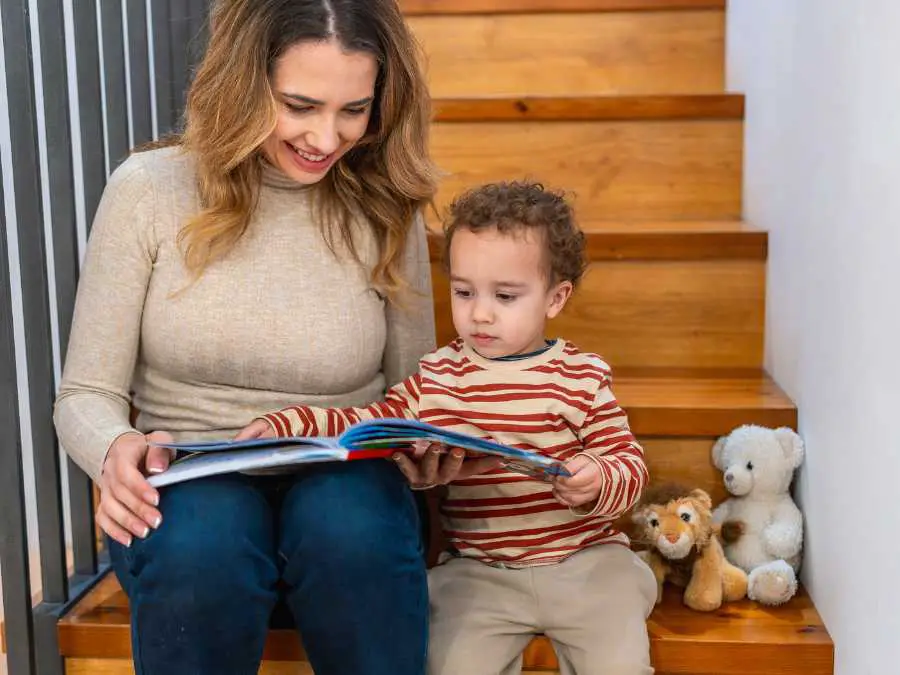 Story time is one of the most valuable activities you can include in a toddler’s daily schedule.
Reading together introduces children to new words, ideas, and experiences that they may not encounter in their everyday environment.
Even when toddlers are too young to fully understand every part of a story, they benefit from hearing language used in different ways.
The rhythm of storytelling, the sound of new vocabulary, and the interaction between parent and child all contribute to healthy language development.
Books also stimulate imagination by allowing toddlers to picture characters, places, and events in their minds.
Asking simple questions about the story can encourage critical thinking and improve listening skills.
Storybook exploration creates a calm and engaging environment where learning feels natural and enjoyable.
Over time, a consistent reading habit can foster a lifelong love of books and learning.
7. Pretend Play Adventure
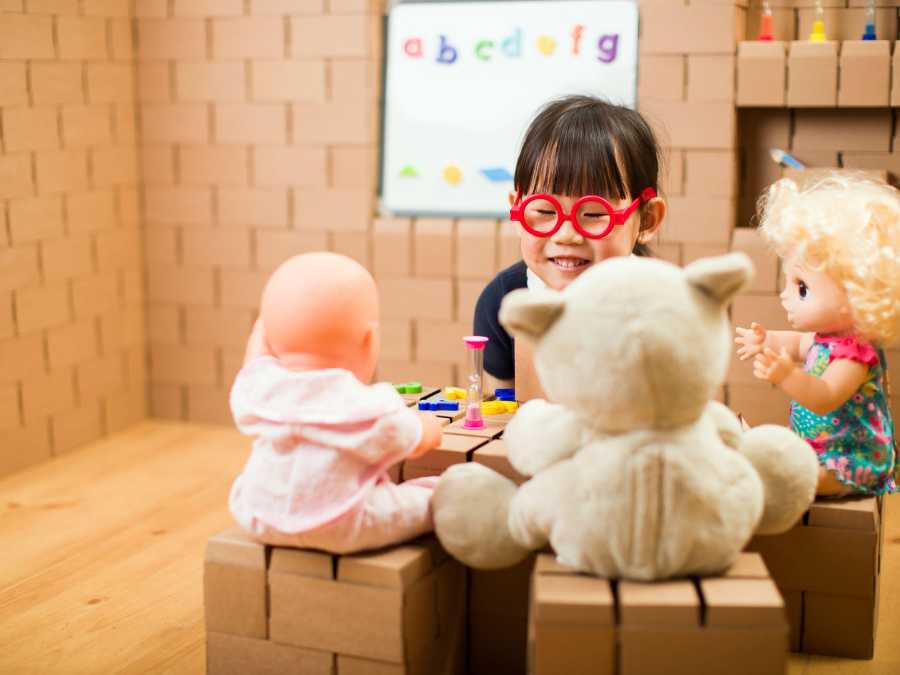 Pretend play is often where a toddler’s imagination truly comes alive.
Children naturally enjoy acting out everyday situations and creating their own stories through play.
Whether they pretend to be a doctor, chef, teacher, or explorer, these experiences allow them to experiment with different roles and perspectives.
This type of imaginative play helps develop creativity, communication, and problem solving skills.
As toddlers invent scenarios, they learn to think flexibly and use their imagination to navigate challenges.
Pretend play also supports social and emotional development by helping children understand feelings, relationships, and interactions.
Through role playing, they often process experiences they have observed in real life.
Making room for pretend play each day gives toddlers an opportunity to explore their world in a fun and meaningful way.
8. Sensory Exploration Time
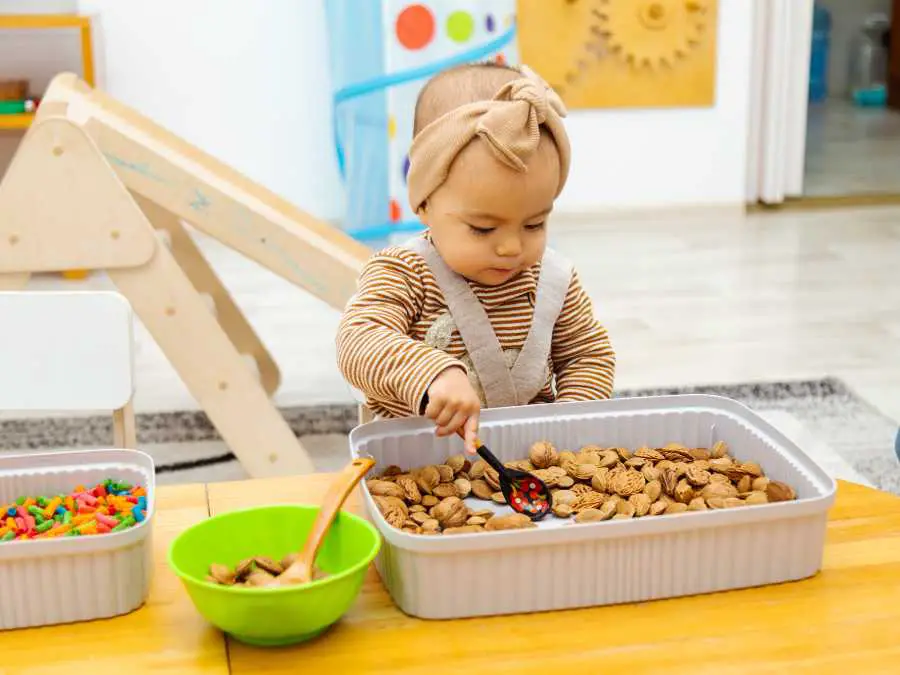 Toddlers learn best through hands on experiences, making sensory exploration an important part of their daily routine.
Activities that engage the senses of touch, sight, sound, smell, and movement encourage children to investigate their surroundings and build important developmental skills.
Sensory experiences help toddlers make sense of the world by allowing them to compare textures, notice differences, and explore cause and effect relationships.
These activities can improve focus, support cognitive development, and strengthen fine motor skills.
Sensory play also encourages curiosity because children are naturally drawn to experiences that stimulate their senses.
By providing opportunities for exploration and discovery, parents can support learning while keeping toddlers engaged and entertained.
9. Independent Play Period
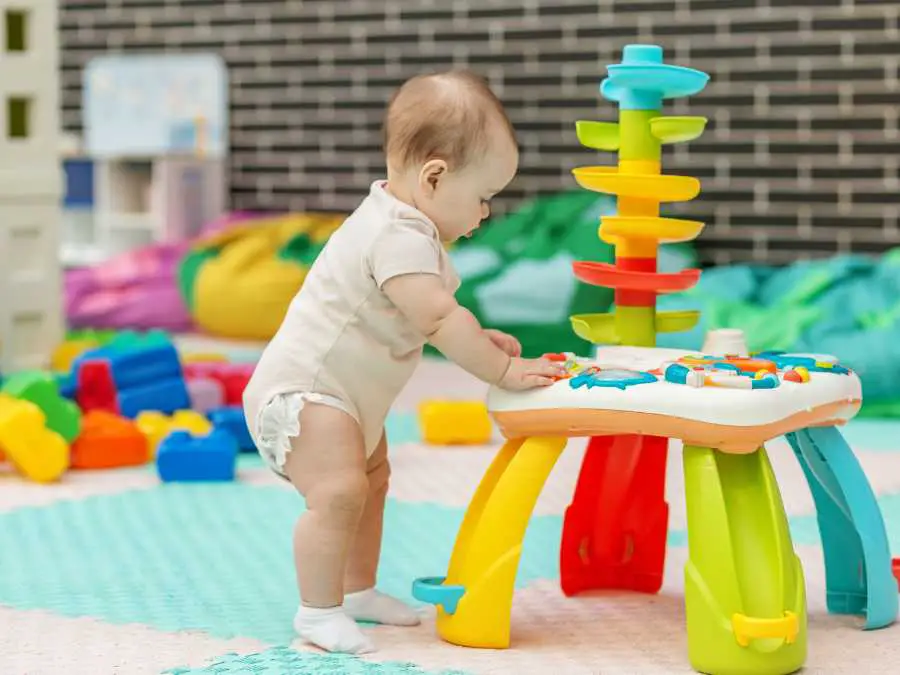 Independent play is a valuable skill that helps toddlers develop confidence and self reliance.
While interaction with caregivers is important, children also benefit from having opportunities to play on their own.
During independent play, toddlers learn how to make choices, solve problems, and explore their interests without constant guidance.
This time encourages creativity because children are free to use their imagination and engage with activities in their own way.
Independent play also helps strengthen attention span and concentration.
As toddlers become comfortable entertaining themselves, they gain a sense of accomplishment and confidence in their abilities.
Establishing a daily period for independent play can benefit both children and parents by promoting healthy development and encouraging autonomy.
10. Healthy Snack Break
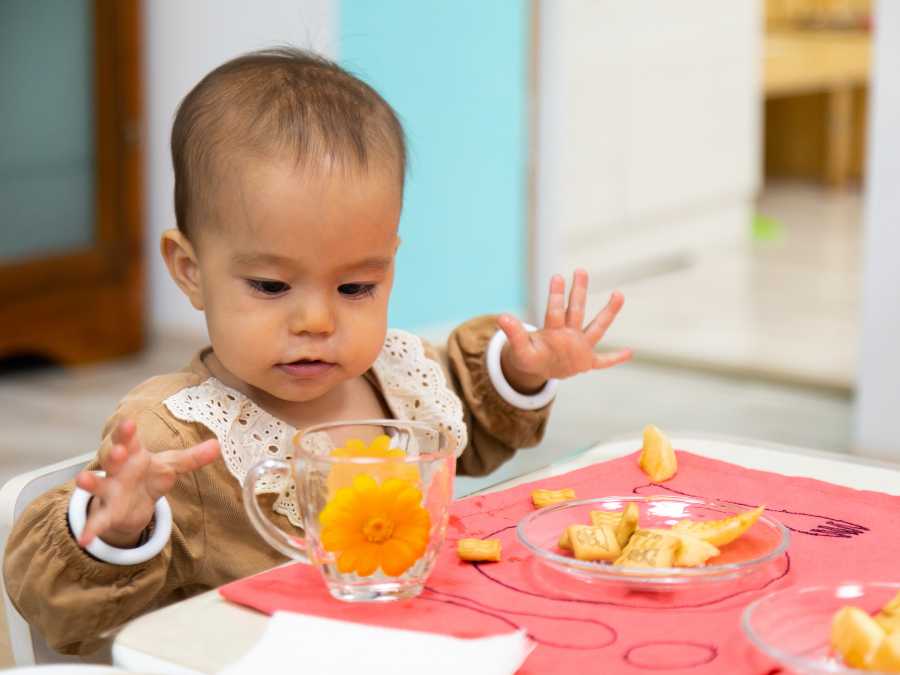 A well timed snack break provides more than just nourishment.
It gives toddlers an opportunity to recharge their energy levels and maintain focus throughout the day.
Since young children are constantly growing and active, regular snacks can help support their nutritional needs.
Snack time can also become a valuable learning opportunity.
Parents can encourage conversations about colors, shapes, and food choices while helping toddlers develop healthy eating habits.
Establishing a consistent snack routine creates predictability and structure, which many young children find comforting.
By making snack time both nutritious and engaging, parents can support physical health while encouraging positive attitudes toward food.
11. Building and Construction Time
 Building activities offer toddlers an exciting opportunity to explore creativity and problem solving.
Whether stacking blocks, arranging objects, or creating simple structures, children learn through experimentation and observation.
Every tower they build and every structure they create teaches valuable lessons about balance, stability, and spatial relationships.
Construction play also supports fine motor development as toddlers manipulate objects and practice hand control.
As they encounter challenges during building activities, they learn persistence and critical thinking.
The satisfaction of completing a structure can boost confidence and encourage a positive attitude toward learning.
Building and construction time combines fun with meaningful developmental benefits that support growth across multiple areas.
12. Backyard Exploration
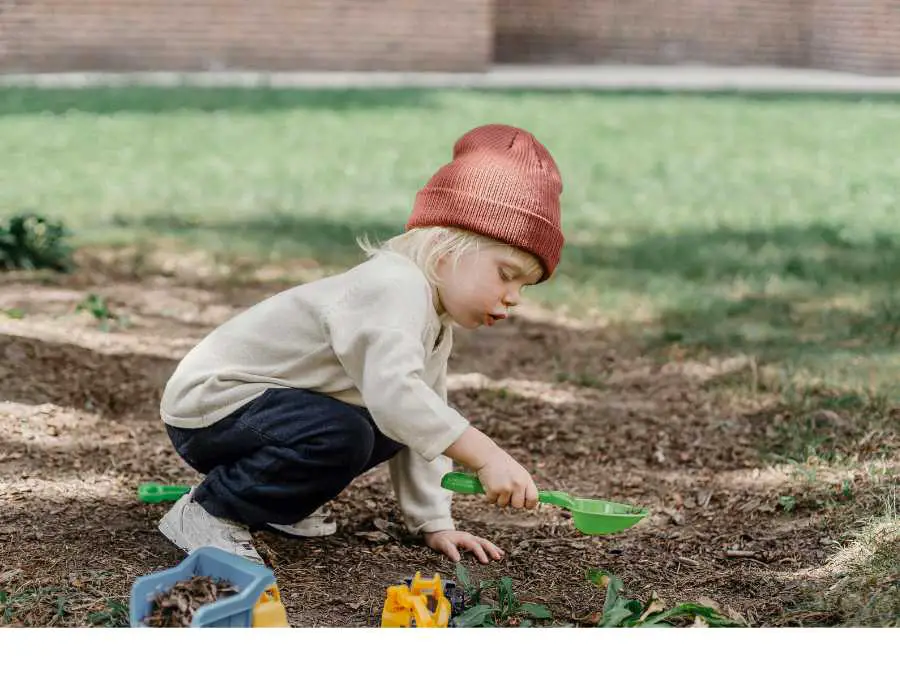 Exploring the backyard can feel like a grand adventure for a curious toddler.
Even familiar outdoor spaces contain countless opportunities for discovery.
Children may notice insects moving through the grass, birds visiting nearby trees, or changes in plants and flowers throughout the seasons.
Backyard exploration encourages observation skills and helps toddlers connect with nature in a hands on way.
Outdoor environments also provide opportunities for physical activity, which supports healthy growth and development.
Spending time outside can improve mood, reduce restlessness, and encourage curiosity about the natural world.
A simple backyard exploration session can become one of the most enjoyable and educational parts of the day.
13. Dance Party Fun
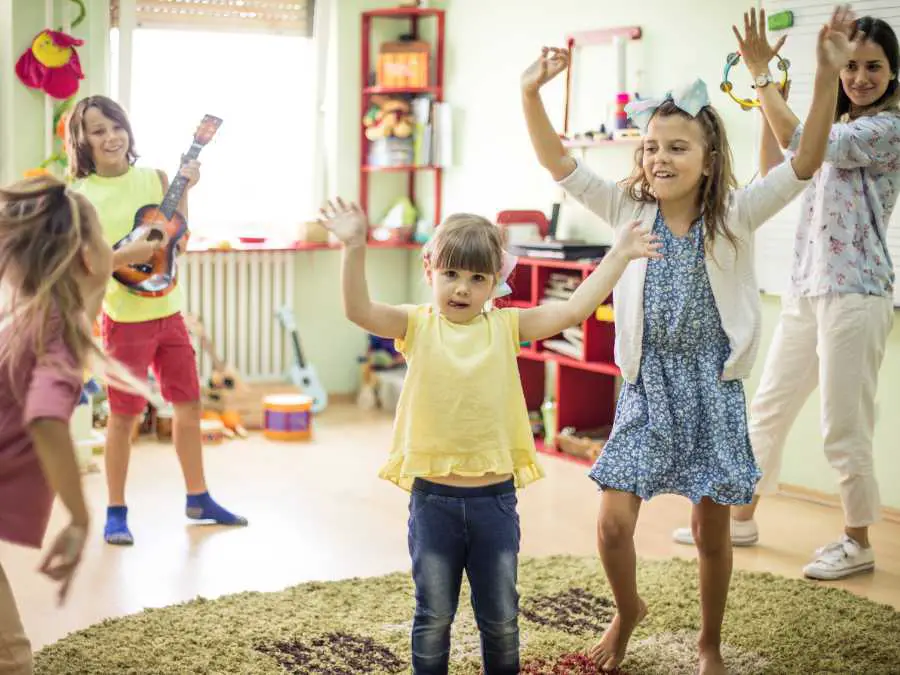 A daily dance party can instantly bring excitement and joy to a toddler’s routine.
Music naturally encourages movement, making it an effective way to combine entertainment with physical activity.
Dancing allows children to express themselves freely while developing coordination and balance.
As toddlers move to different rhythms and sounds, they become more aware of their bodies and how they move through space.
Dance also supports emotional expression by giving children a fun outlet for their energy and feelings.
Most importantly, dance parties create moments of laughter and connection that can brighten the entire day.
14. Learning Through Household Tasks
 Toddlers often enjoy helping with everyday activities because it makes them feel included and important.
Involving children in simple household tasks can provide valuable learning experiences while fostering a sense of responsibility.
Participating in daily routines helps toddlers understand how families work together.
These activities teach practical skills while encouraging independence and confidence.
Toddlers learn to follow instructions, develop patience, and practice coordination.
Household tasks also help children feel capable and valued because they can contribute in meaningful ways.
Over time, these experiences can lay the foundation for responsibility and cooperation.
15. Midday Lunch Connection

Lunch provides more than nourishment.
It offers an opportunity to pause, reconnect, and enjoy quality time together.
Sitting down for a shared meal encourages conversation and helps toddlers develop communication skills.
This routine also provides structure in the middle of the day, helping children feel secure and grounded.
Talking about the morning’s activities or plans for the afternoon encourages language development and social interaction.
A calm and positive lunch experience can contribute to a more balanced and enjoyable daily routine.
16. Quiet Reading Time
 Quiet reading time offers toddlers a chance to slow down and recharge after a busy morning.
Looking through books independently or reading with a caregiver promotes literacy development and encourages a love of learning.
This calm activity helps children practice focus and concentration while providing a peaceful break from more active play.
Books introduce new ideas, expand vocabulary, and stimulate imagination.
Establishing a daily reading routine can support cognitive development while creating a comforting and enjoyable part of the day.
17. Afternoon Nap or Rest Time
 Rest plays a crucial role in a toddler’s development.
During sleep and quiet periods, children’s bodies and brains process information, recover energy, and support healthy growth.
A consistent rest routine can help improve mood, attention, and overall well being.
Even toddlers who no longer nap may benefit from a quiet rest period where they can relax and unwind.
This downtime helps prevent overstimulation and provides an opportunity to recharge before the evening activities begin.
A well rested toddler is often happier, more focused, and better able to manage emotions.
18. Puzzle and Problem Solving Activities
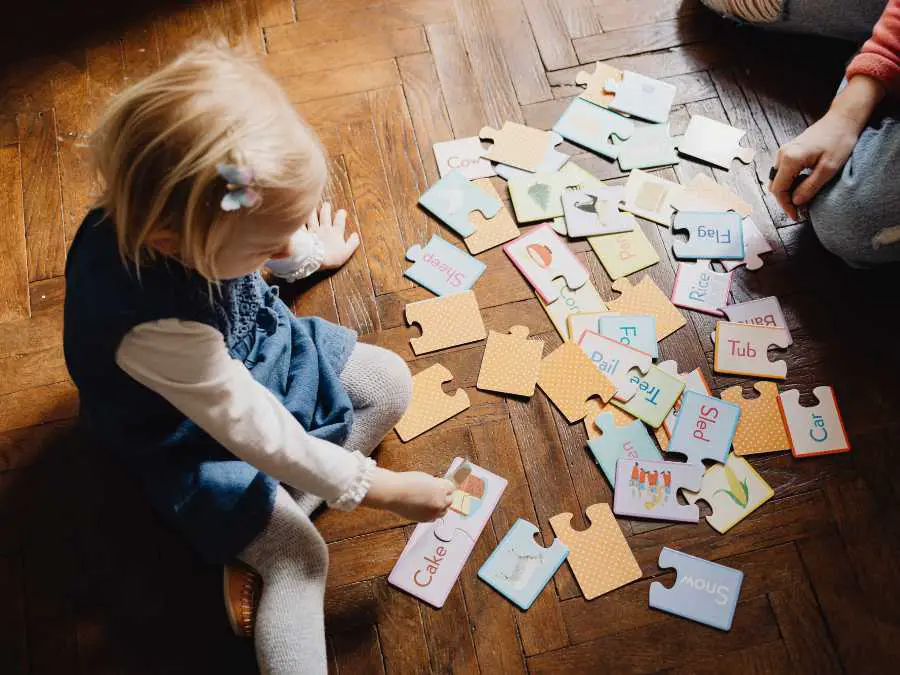 Puzzles encourage toddlers to think critically and develop problem solving skills.
As children work to fit pieces together or complete simple challenges, they learn persistence and patience.
These activities also strengthen memory and concentration.
Successfully solving a puzzle gives toddlers a sense of accomplishment and confidence.
They learn that effort can lead to success, an important lesson that supports future learning.
Regular problem solving activities help build cognitive skills while keeping young minds engaged and curious.
19. Creative Dress Up Play
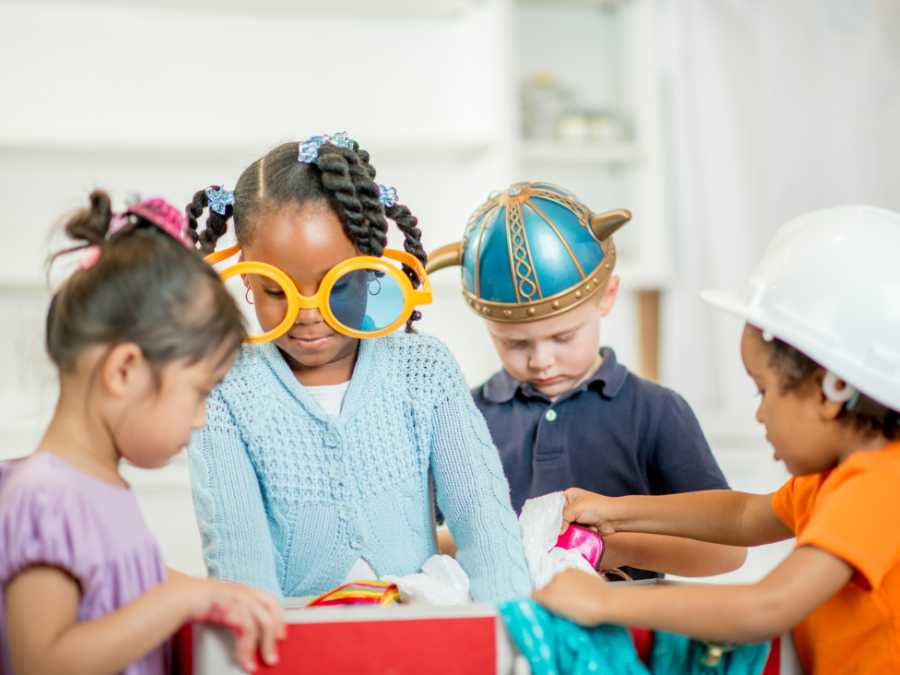 Dress up play allows toddlers to step into imaginary worlds and explore different roles.
Whether pretending to be a firefighter, veterinarian, superhero, or chef, children use their imagination to create stories and scenarios.
This type of play encourages creativity, language development, and social understanding.
As toddlers act out different situations, they practice communication and learn about emotions and relationships.
Dress up activities provide endless opportunities for imaginative exploration and self expression.
20. Water Play Session
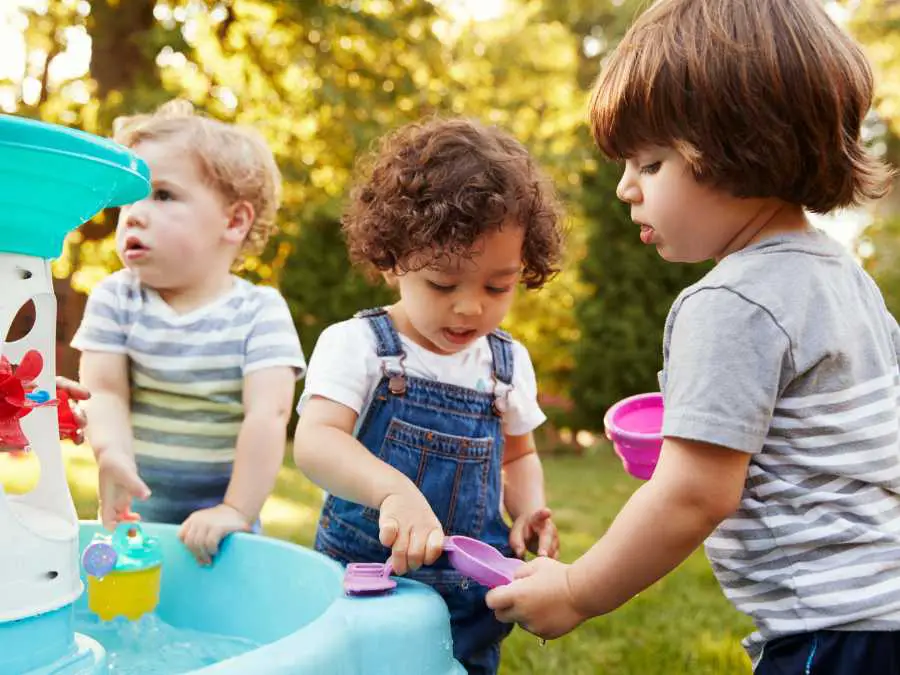 Water play is both entertaining and educational for young children.
Toddlers are naturally fascinated by how water moves, splashes, and changes shape.
Exploring these properties encourages curiosity and scientific thinking.
Water activities can also improve fine motor skills and hand eye coordination.
The calming nature of water often helps children relax while remaining engaged.
Incorporating water play into the daily schedule provides sensory stimulation and learning opportunities in an enjoyable way.
21. Language Enrichment Time
 Language skills develop rapidly during the toddler years, making daily communication especially important.
Dedicated language enrichment time encourages children to expand their vocabulary and strengthen communication abilities.
Conversations, songs, rhymes, and storytelling all contribute to language growth.
Regular exposure to rich language helps toddlers express their thoughts more clearly and understand others more effectively.
These experiences lay the groundwork for future reading, writing, and learning success
22. Gardening Exploration
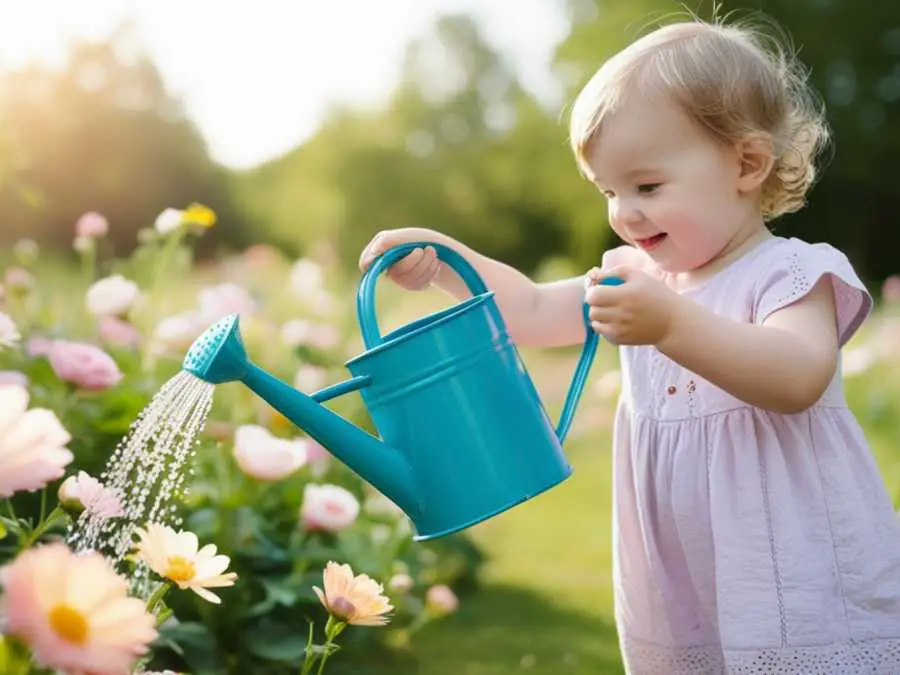 Gardening introduces toddlers to the wonders of nature and the concept of growth.
Watching plants develop over time helps children understand patience and responsibility while encouraging curiosity about the natural world.
Through gardening experiences, toddlers learn to observe changes and appreciate the process of nurturing living things.
This activity also encourages outdoor exploration and provides opportunities for hands on learning.
Gardening can inspire a sense of accomplishment as children witness the results of their care and attention.
23. Obstacle Course Challenge
 Obstacle courses transform physical activity into an exciting adventure.
Navigating different challenges helps toddlers develop balance, coordination, and body awareness.
Each obstacle encourages problem solving as children figure out how to move through the course.
These activities build confidence by allowing toddlers to overcome challenges and achieve goals.
Physical movement also supports healthy development and helps release energy in a positive way.
Obstacle courses can become a fun daily tradition that combines exercise with exploration.
24. Social Interaction Time
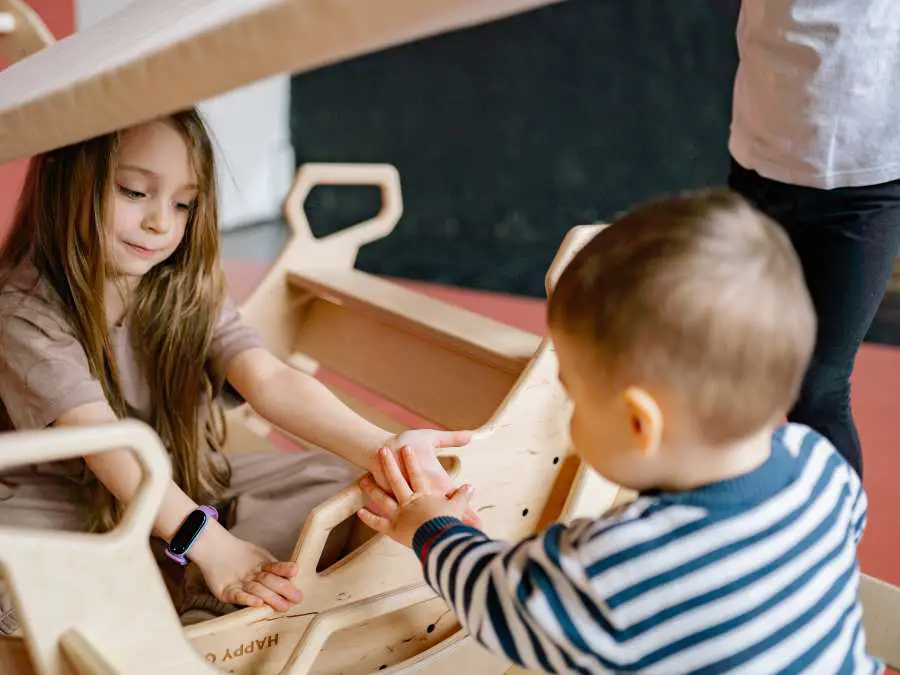 Regular social interaction helps toddlers develop important communication and relationship skills.
Spending time with family members, siblings, or peers teaches children how to share, cooperate, and express themselves appropriately.
Social experiences also help toddlers understand emotions and learn how to navigate different situations.
Through interaction, children develop empathy, confidence, and a sense of belonging.
Including social opportunities in the daily schedule supports healthy emotional and social growth.
25. Creative Cooking Experience
 Cooking activities provide opportunities for learning while allowing toddlers to participate in everyday life.
Observing and assisting with simple food preparation introduces concepts such as counting, sequencing, and following directions.
These experiences also encourage independence and confidence.
Toddlers enjoy feeling involved and often take pride in contributing to family activities.
Cooking together can strengthen family bonds while creating enjoyable memories and valuable learning opportunities.
26. Evening Family Connection
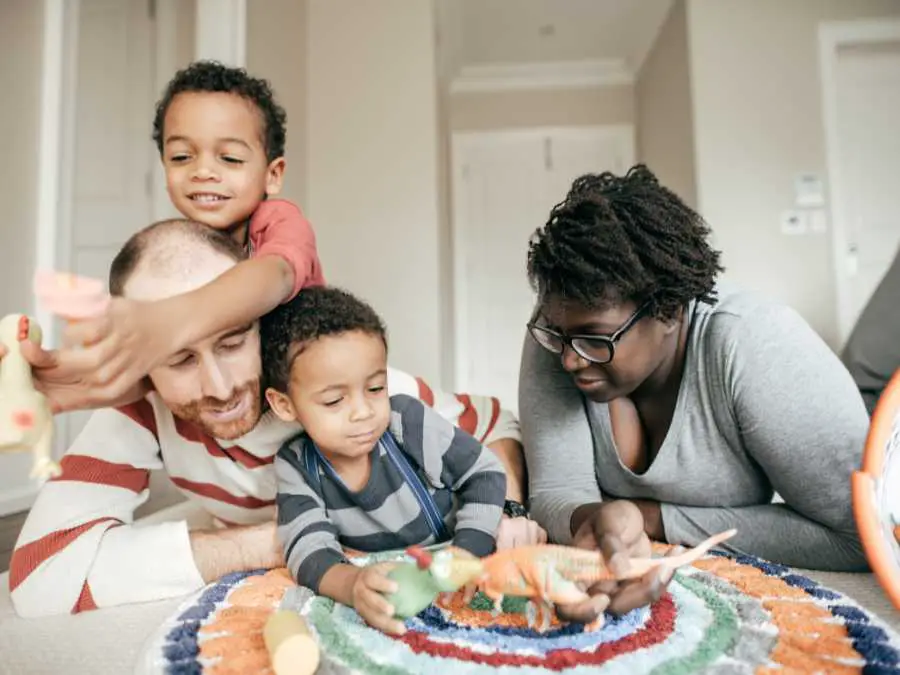 The evening is an ideal time for families to reconnect after a busy day.
Sharing experiences, talking about daily events, and spending quality time together helps strengthen relationships and create a sense of belonging.
Children benefit greatly from feeling connected to their family members.
These moments provide emotional security and reinforce positive relationships.
Consistent family connection time helps create meaningful memories that children often carry with them for years.
27. Reflection and Conversation Time
 Taking a few moments to talk about the day encourages toddlers to develop memory and communication skills.
Reflecting on activities and experiences helps children process events and express their thoughts and feelings.
These conversations provide insight into what interests or concerns a child while strengthening the parent child relationship.
Reflection time can also help toddlers develop emotional awareness by encouraging them to identify and discuss their experiences.
28. Bedtime Story Ritual
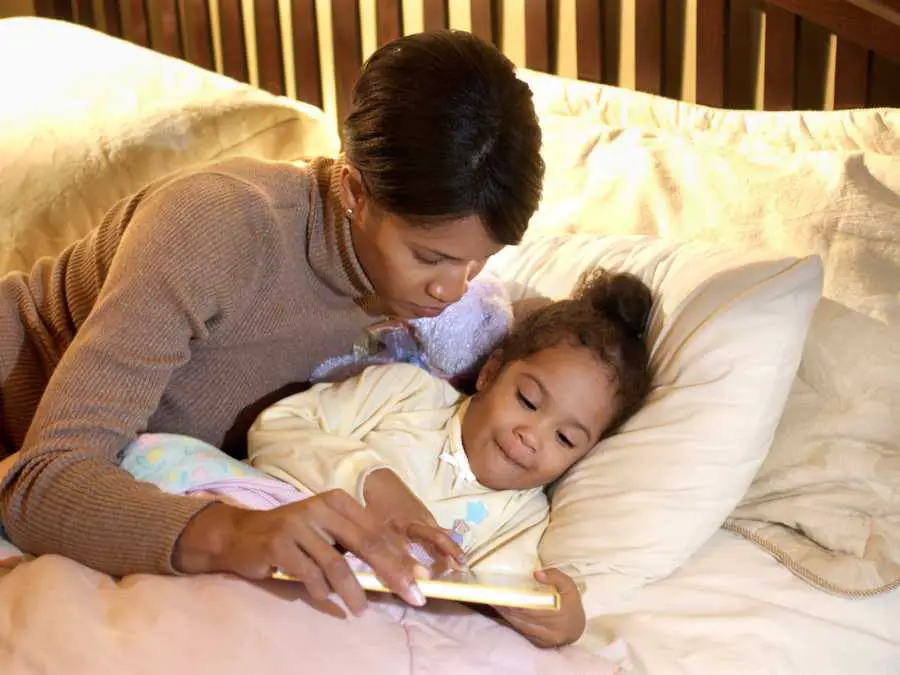 A bedtime story is a comforting tradition that signals the end of the day.
Reading before sleep helps toddlers transition from active play to a calm and relaxed state.
The familiar routine creates a sense of security and predictability.
Stories stimulate imagination while supporting language and literacy development.
They also provide a valuable opportunity for bonding and connection.
A consistent bedtime story ritual can become one of the most cherished parts of a child’s daily routine.
29. Gentle Wind Down Routine
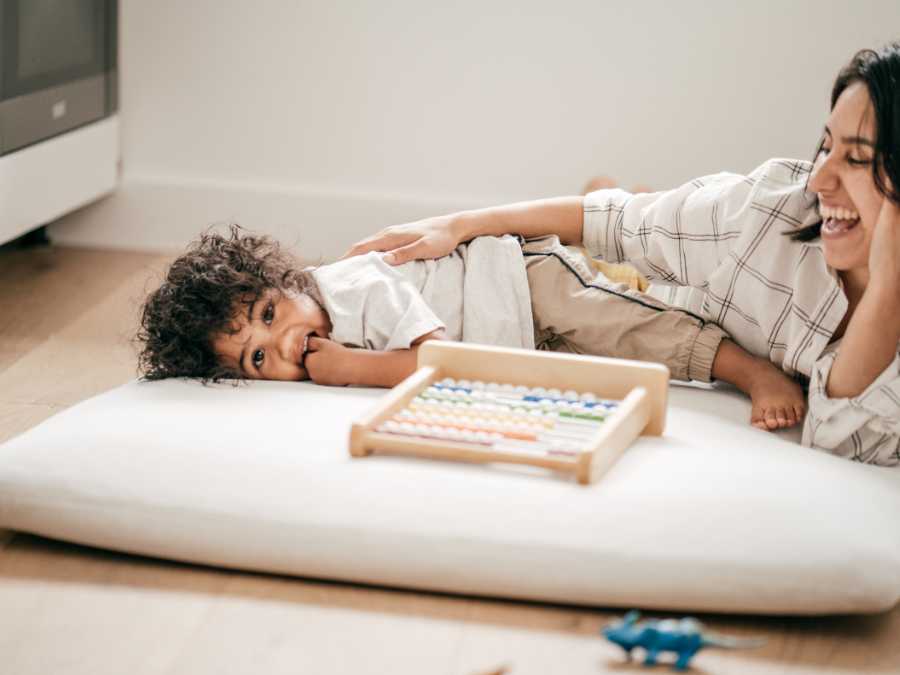 A gentle wind down routine helps toddlers prepare physically and emotionally for sleep.
Slowing the pace of activities during the evening allows children to relax and transition naturally into bedtime.
Predictable routines help reduce bedtime resistance because toddlers know what to expect.
A peaceful end to the day promotes better sleep quality and supports overall well being.
Consistency is especially important, as it helps create healthy sleep habits that can benefit children for years to come.
Conclusion
Creating a creative toddler daily schedule is not about planning every minute of the day or striving for perfection.
Instead, it is about building a balanced routine that supports your child’s growth, curiosity, and happiness while providing a sense of structure and stability.
Toddlers thrive when they have opportunities to learn, play, explore, rest, and connect with the people around them.
The beauty of a creative schedule is its flexibility.
Every child is unique, with different interests, energy levels, and developmental needs.
What works well for one toddler may need to be adjusted for another, and that is perfectly normal.
The goal is to create a rhythm that encourages discovery, nurtures creativity, and allows your child to develop important life skills in a fun and engaging way.
By incorporating a variety of meaningful activities throughout the day, you can turn ordinary moments into valuable learning experiences.
Over time, these small daily routines can help build confidence, independence, imagination, and a lifelong love of learning.
Remember, the most successful toddler schedule is not the one that looks perfect on paper, it is the one that helps your child feel supported, engaged, and excited to explore the world around them each day.