21 Easy Bedtime Routine For 3 Year Old
Are you searching for Easy Bedtime Routine For 3 Year Old, no worries you are in the right place.
We have curated 21 Easy Bedtime Routine For 3 Year Old you will love.
There is something about the end of the day that feels especially emotional when you have a 3 year old.
One minute they are full of energy, asking endless questions and running from one activity to the next, and the next, you are trying to guide them toward rest while balancing your own exhaustion.
Bedtime can feel sweet and comforting on some nights, and completely overwhelming on others.
At this age, children are learning so much about independence, emotions, and routine, which is why evenings can sometimes become unpredictable.
A simple bedtime routine is not just about helping your child fall asleep, it is about creating a sense of comfort, connection, and security at the end of a busy day.
The good news is that bedtime does not have to feel complicated or stressful to be effective.
In this post, we will look at how to create an easy bedtime routine for a 3 year old that feels calm, realistic, and manageable for both parents and children.
21 Easy Bedtime Routine For 3 Year Old
1. Start Bedtime at the Same Time Every Night
 Three year olds thrive on consistency.
When bedtime happens at a different hour every night, children can become overtired, cranky, or restless.
A predictable bedtime helps their body naturally recognize when it is time to slow down and sleep.
Even if the routine itself changes slightly, keeping the timing consistent creates stability and makes bedtime feel less stressful for both parents and children.
You do not need a perfect schedule, but choosing a bedtime that works most nights can make a huge difference over time.
2. Give a Gentle Warning Before Bedtime
 Suddenly ending playtime often leads to resistance and frustration.
Three year olds usually struggle with transitions because they become deeply focused on whatever they are doing.
Giving a calm reminder before bedtime helps them mentally prepare for what is coming next.
Simple countdowns like “five more minutes before bedtime” can help reduce tantrums and arguments.
It gives your child a sense of predictability instead of making bedtime feel abrupt.
3. Keep the Routine Simple
 Many parents feel pressure to create elaborate bedtime routines, but children this age usually respond better to simple and repeatable steps.
A routine that is too long can become overwhelming and difficult to maintain consistently.
A calm sequence that flows naturally from one activity to the next often works best because children know exactly what to expect each evening.
Simplicity also makes it easier for tired parents to stick with the routine.
4. Lower Noise and Activity Levels Before Bed
 The hour before bedtime should feel calmer than the rest of the day.
Loud play, fast running, and overstimulating activities can make it harder for children to settle down afterward.
Creating a quieter atmosphere helps signal that the day is winding down.
Speaking more softly, dimming lights slightly, and choosing peaceful activities can help your child transition into a sleepy mindset naturally.
5. Offer a Warm Bath
 A warm bath can be one of the easiest ways to relax a busy toddler before sleep.
Many children find water soothing, especially after a long and active day.
Bath time also creates a natural pause between daytime energy and nighttime calm.
The warmth of the bath may help children feel more comfortable and relaxed, making the next steps in the bedtime routine easier.
6. Let Your Child Pick Pajamas
 Three year old are learning independence and often want more control over small decisions.
Allowing your child to choose between two pairs of pajamas can make bedtime feel more cooperative instead of forced.
Simple choices help children feel included without overwhelming them.
It can also reduce bedtime battles because your child feels involved in the process.
7. Brush Teeth Together
 Tooth brushing can become difficult at this age because toddlers often resist routines they do not enjoy.
Turning it into a shared activity can make it feel less like a chore.
Some parents sing songs, make silly faces in the mirror, or brush their teeth alongside their child.
Keeping the experience playful and positive can make children more willing to participate consistently.
8. Read a Bedtime Story
 Reading before bed is one of the most comforting bedtime habits for young children.
Stories help children slow down mentally while also creating quality bonding time with parents.
At this age, many toddlers enjoy hearing the same stories repeatedly because familiarity feels safe and reassuring.
Reading together can also support language development, imagination, and emotional connection.
9. Dim the Lights
 Bright lighting can make it harder for children to feel sleepy because it signals alertness to the brain.
Lowering the lights before bed helps create a calmer atmosphere and encourages relaxation.
Soft lighting can make the bedroom feel cozy and peaceful.
This simple change often helps children settle more easily without much effort.
10. Avoid Screens Before Bedtime
 Television, tablets, and phones can overstimulate young children right before bed.
Fast moving images and bright screens may make it harder for toddlers to relax and fall asleep peacefully.
Replacing screen time with quieter activities can help children transition into bedtime more smoothly.
Even a short break from screens before sleep can positively affect bedtime behavior.
11. Use Gentle Music or White Noise
 Some children sleep better with soft background sounds.
Gentle lullabies, calming instrumental music, or white noise can help create a relaxing environment and block out distracting household noises.
Consistent sounds can also become a sleep cue, helping your child associate certain noises with bedtime and rest.
12. Offer a Comfort Item
 Many three year old feel more secure sleeping with a favorite stuffed animal, blanket, or comfort toy.
These familiar items can provide reassurance during the night, especially if your child experiences separation anxiety.
Comfort objects often help children feel safe and emotionally settled as they drift off to sleep.
13. Spend a Few Minutes Talking About the Day
 Bedtime can be a wonderful time to reconnect emotionally with your child.
Asking simple questions about their favorite part of the day or something that made them happy can help them feel heard and connected.
These small conversations often become meaningful bonding moments and can help children end the day with positive feelings.
14. Keep Bedtime Calm Even on Difficult Nights
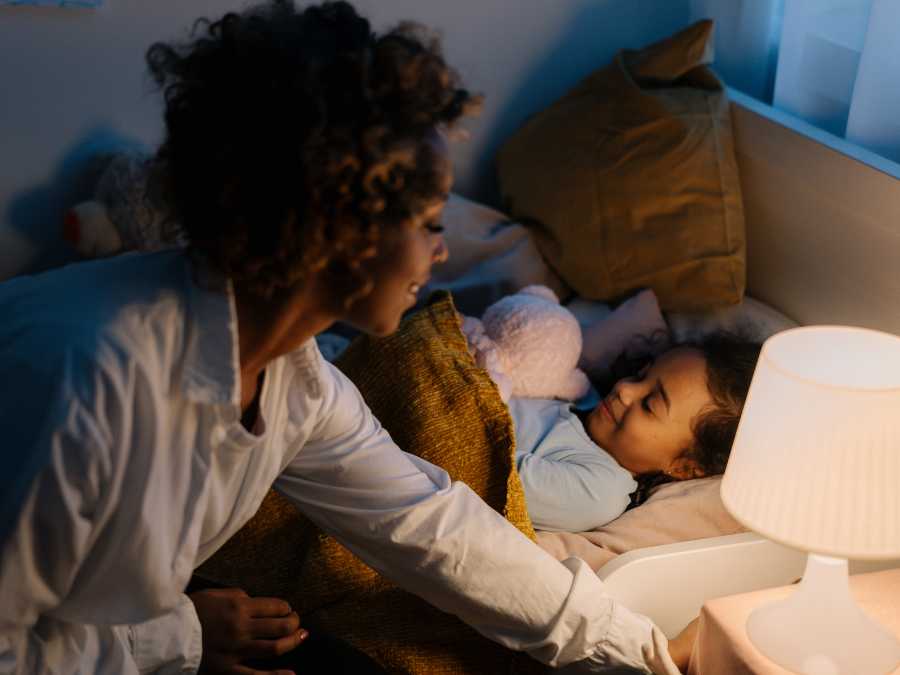 Some nights will not go as planned.
Your child may resist sleep, ask for extra attention, or become emotional for no clear reason.
Remaining calm during these moments is important because children often respond to the energy around them.
A calm parent can help create a sense of security, even when bedtime feels challenging.
15. Avoid Sugary Snacks Late in the Evening
 Too much sugar close to bedtime may leave some children feeling more energetic instead of sleepy. Offering lighter evening snacks when needed can help avoid unnecessary bursts of energy before bed.
Keeping nighttime snacks simple and balanced may help children settle more comfortably.
16. Create a Cozy Sleep Environment
 A child’s bedroom can strongly affect how easily they fall asleep.
Comfortable bedding, a cool room temperature, and a peaceful atmosphere can make bedtime more inviting.
You do not need an elaborate setup, just a space that feels safe, comfortable, and relaxing for your child.
17. Use Positive Encouragement
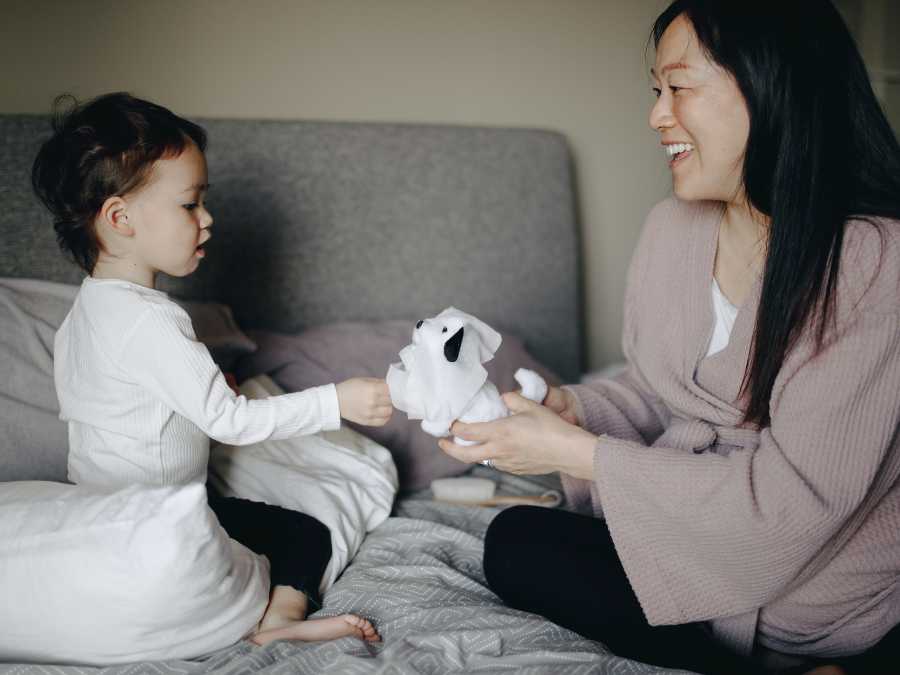 Children respond well to praise and encouragement.
Acknowledging small successes during bedtime, like putting on pajamas independently or staying in bed calmly, can motivate positive behavior over time.
Simple encouragement helps bedtime feel more positive instead of stressful or filled with constant correction.
18. Keep Goodbyes Short and Reassuring
 Long emotional goodbyes can sometimes make separation anxiety stronger.
A short, loving bedtime goodbye often works better because it feels predictable and reassuring.
Children usually feel more secure when parents confidently communicate that bedtime is safe and normal.
19. Be Patient With Sleep Resistance
 Three year olds often test boundaries because they are developing independence and emotional awareness.
Sleep resistance is common at this age and does not necessarily mean you are doing something wrong.
Patience and consistency are usually more effective than frustration or punishment when bedtime struggles happen.
20. Make Bedtime Feel Special
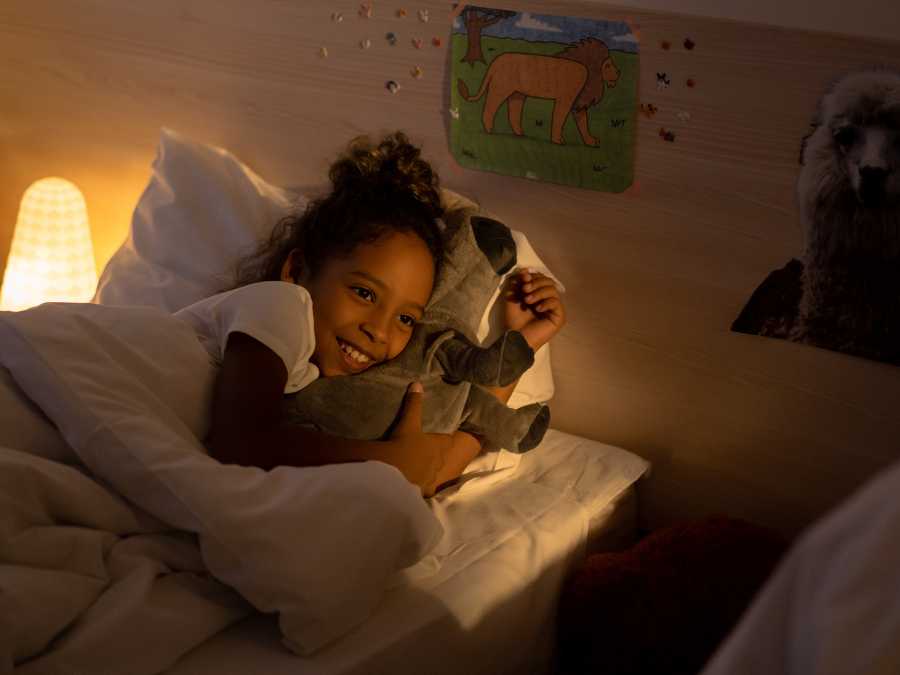 Bedtime routines do not need to feel strict or robotic.
Small moments of affection, laughter, or cuddles can make the experience feel warm and comforting.
Children often remember the emotional feeling of bedtime more than the exact routine itself.
21. Stay Consistent Without Expecting Perfection
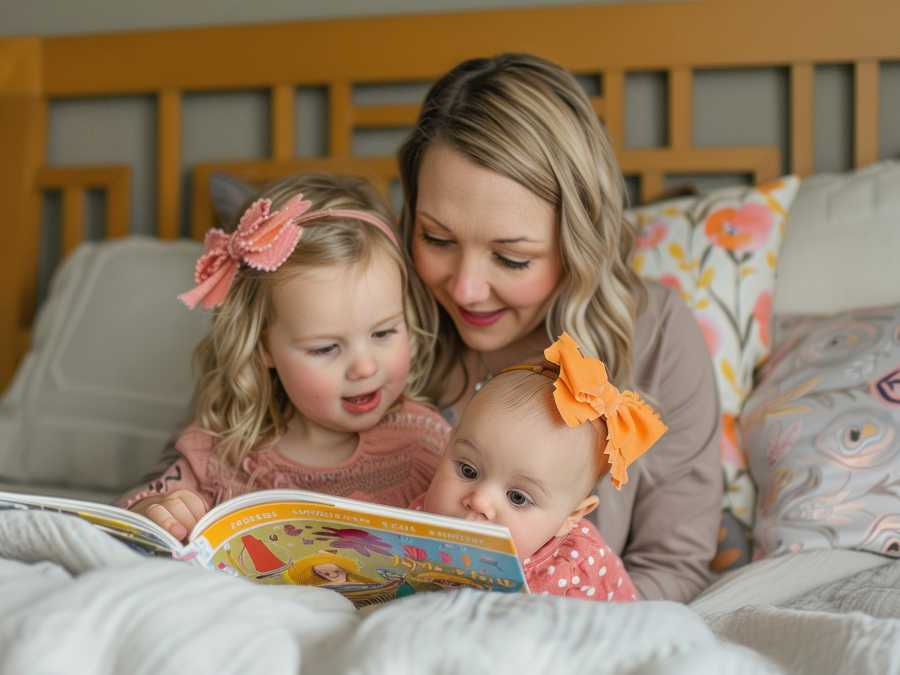 Consistency matters, but perfection is unrealistic, especially with young children.
Some nights may go smoothly, while others feel chaotic and exhausting.
That is part of parenting.
What matters most is creating a routine your child can rely on over time.
Even simple habits repeated consistently can help bedtime become easier, calmer, and more enjoyable for the entire family.
Conclusion
Creating an easy bedtime routine for your 3 year old does not have to be complicated or perfect.
The most important thing is building a routine that feels calm, comforting, and realistic for your family’s everyday life.
Small, consistent habits can help your child feel safe, secure, and more prepared for sleep each night.
There will be evenings when bedtime goes smoothly, and others when your toddler suddenly has endless energy, extra questions, or big emotions.
That is completely normal at this age. What truly matters is showing up with patience, consistency, and love, even on the difficult nights.
Over time, these simple bedtime moments can become more than just part of a schedule.
They can turn into meaningful memories, filled with comfort, connection, and reassurance for both you and your child.