33 Simple meal planning ideas
Are you searching for meal planning ideas, no worries you are in the right place.
We have curated 33 Simple meal planning ideas you will love.
Meal planning can feel like one of those things everyone says is simple, yet somehow still ends up feeling overwhelming when you sit down to actually do it.
Between busy schedules, changing cravings, and the daily question of what to cook, it is easy for meals to become a last minute decision rather than something you feel in control of.
That is where a bit of structure can make a real difference.
Not in a rigid or restrictive way, but in a way that brings more ease into your week and helps you spend less time stressing about food choices.
A good meal plan does not have to be complicated or time consuming to set up, it just needs to work with your lifestyle in a practical way.
In this post, we will explore a range of simple meal planning ideas designed to help you get started or refine your current routine.
Even if you are trying to save time, reduce food waste, or just make your week feel a little more organized, there is something here to help you build a system that actually fits into real life.
33 Simple meal planning ideas
1. Plan around 3 core meals per day
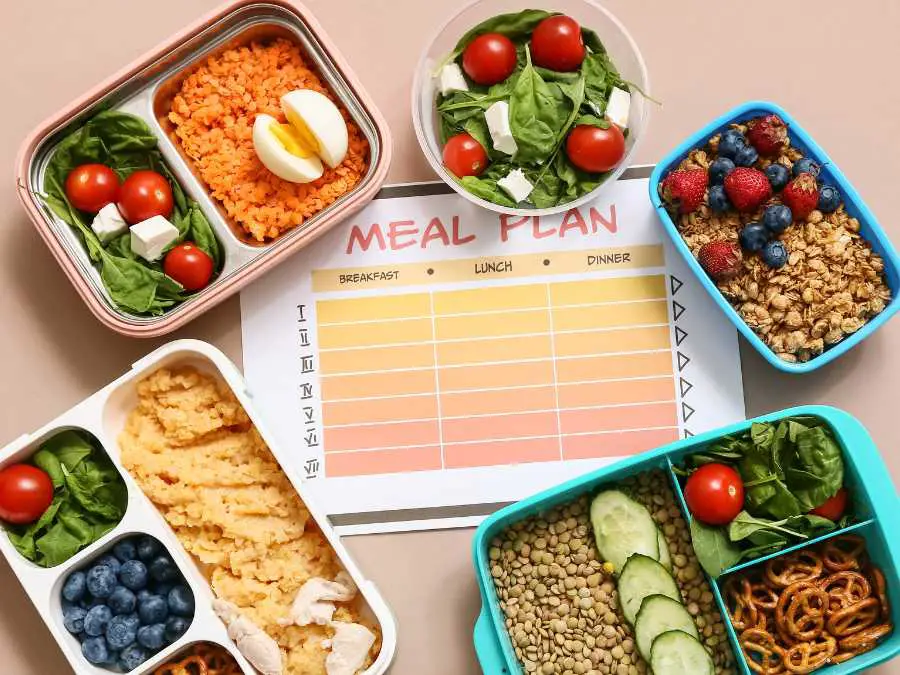 Instead of trying to plan every single bite you will eat, focus on the three main anchors of your day, breakfast, lunch, and dinner.
This approach simplifies everything because it removes the pressure of over planning and helps you concentrate on what truly matters.
When you structure your week around these three meals, you naturally create stability in your eating habits.
It also makes it easier to shop, cook, and stay consistent because you are not juggling too many moving parts at once.
2. Pick a theme for each day
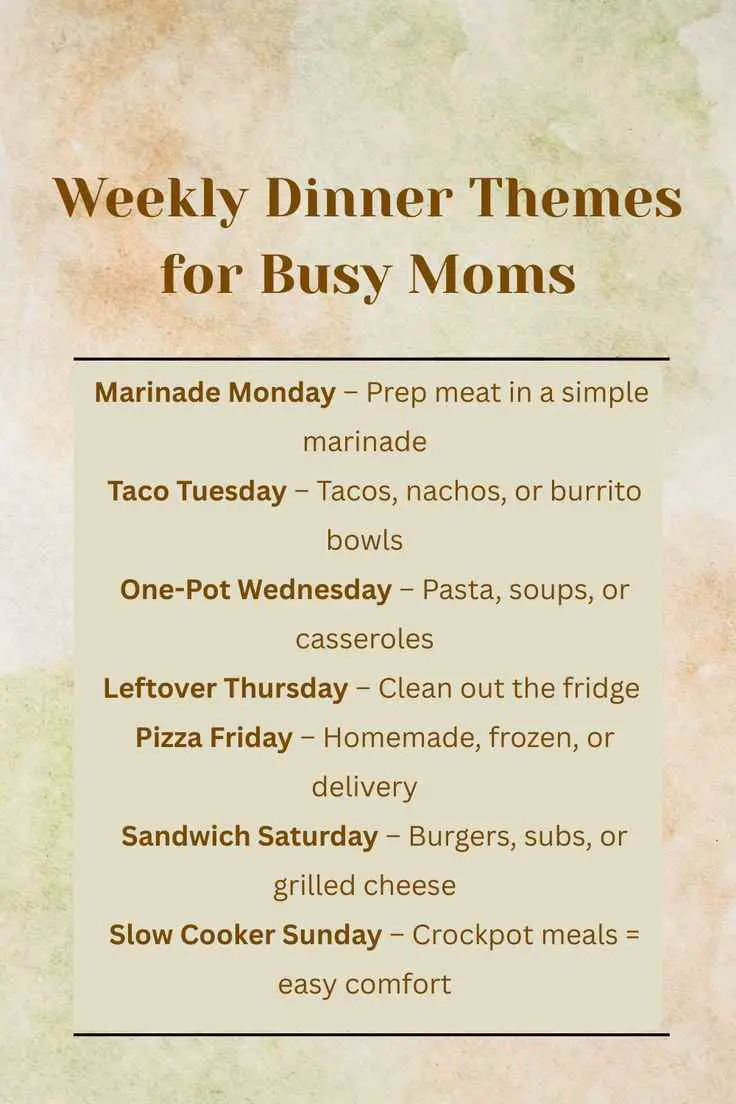
Assigning a loose theme to each day of the week can make meal planning feel more organized and less stressful.
For example, you might have rice based meals on Mondays, pasta on Tuesdays, or grilled meals on weekends.
The goal is not to be strict but to create mental shortcuts that help you decide faster.
This method reduces decision fatigue and makes grocery shopping more predictable since you already have a general direction for each day.
3. Repeat your favorite meals
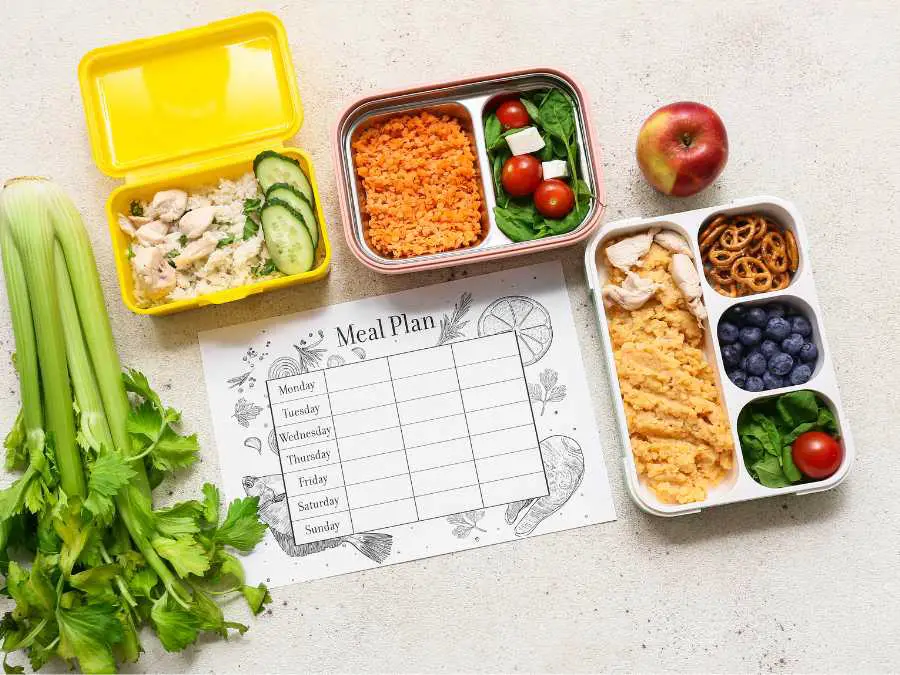 There is a common misconception that meals need to be constantly new and exciting.
In reality, repeating meals you enjoy is one of the most effective planning strategies.
It saves time, reduces stress, and helps you become more confident in your cooking routine.
When you rely on familiar meals, you also become more efficient at preparing them, which makes your weekly cooking experience smoother and less tiring.
4. Build meals around protein first
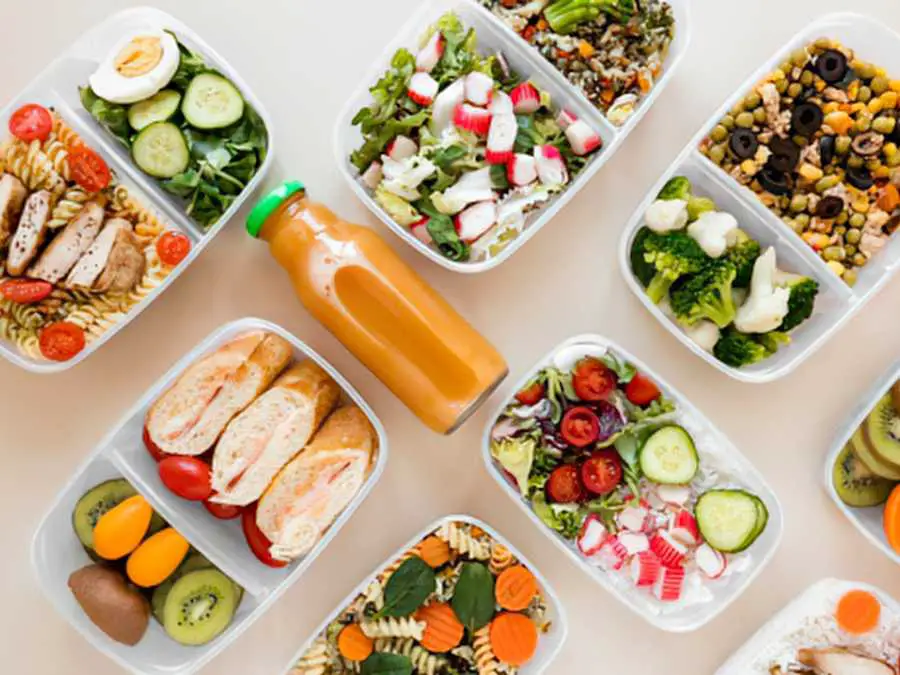 A helpful way to structure meals is to start with protein as the foundation.
Choose something like chicken, eggs, fish, beans, or tofu, and then build the rest of the meal around it.
This approach ensures that your meals are balanced while also making planning easier.
Once the protein is decided, adding vegetables, carbs, and sauces becomes much simpler because the main structure is already in place.
5. Use a basic weekly template
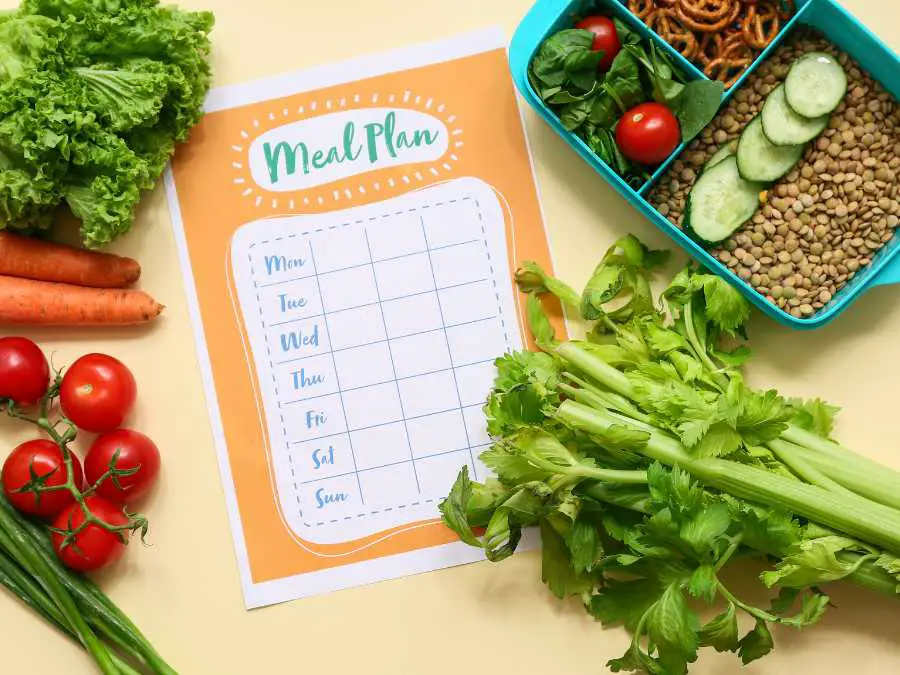 Creating a simple weekly template can remove a lot of guesswork from meal planning.
For example, you might decide that every week includes one stir fry, one pasta dish, one rice based meal, and one soup or stew.
You can rotate ingredients within this structure to keep things interesting.
This method gives you variety while still keeping your planning process predictable and easy to manage.
6. Cook once, eat twice
 This idea focuses on efficiency.
Whenever you cook a meal, intentionally prepare extra portions that can be used later in the week.
For example, dinner can easily become lunch for the next day.
This reduces the number of times you need to cook from scratch and helps you save both time and energy.
Over time, this habit can significantly reduce your daily cooking workload.
7. Keep a running meal list
 Instead of trying to remember meal ideas every time you plan, maintain a simple list of meals you already enjoy.
This becomes your personal collection of reliable options.
Whenever you are stuck, you can simply refer to the list instead of thinking from scratch.
It also helps you notice patterns in your preferences, making future planning even easier.
8. Plan for leftovers on purpose
 Rather than treating leftovers as accidental, build them intentionally into your plan.
For example, you can cook a larger batch of dinner specifically to cover the next day’s lunch.
This approach reduces food waste and ensures you always have something ready to eat.
It also makes your weekly plan more flexible since you are not cooking every meal separately.
9. Keep breakfasts extremely simple
 Breakfast does not need to be complicated or varied every day.
In fact, keeping it simple helps you save mental energy for the rest of the day.
Choose a few easy breakfast options and rotate them throughout the week.
This reduces morning decision fatigue and ensures you start your day with minimal stress.
10. Use a base and mix system
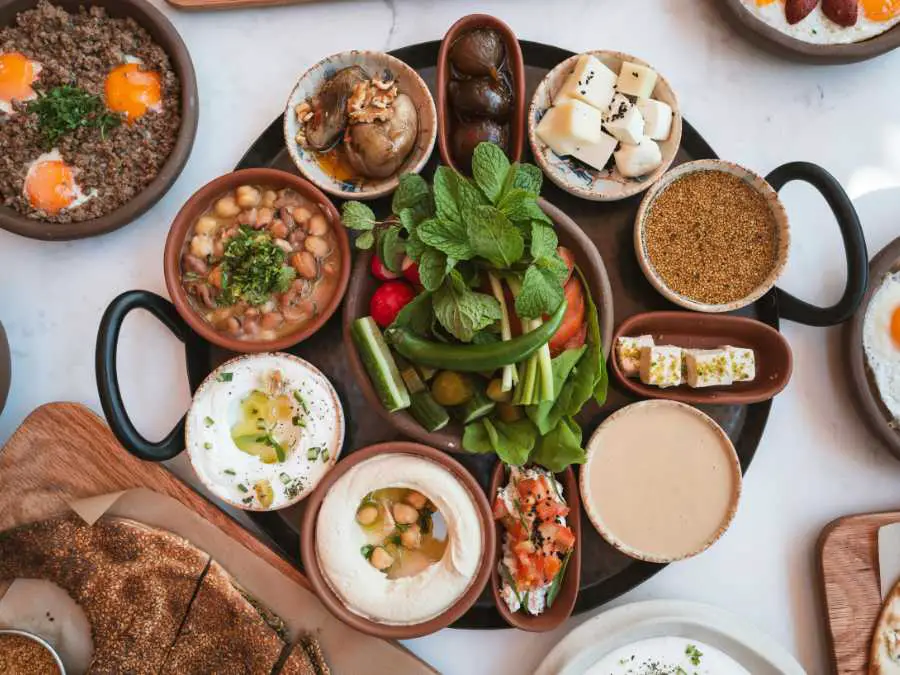 A base and mix system involves choosing a staple like rice, pasta, or potatoes, then changing toppings and sauces for variety.
This makes meal planning much easier because you are not starting from zero each time.
You can create many different meals using the same base ingredients, which also helps you use groceries more efficiently.
11. Plan groceries before meals
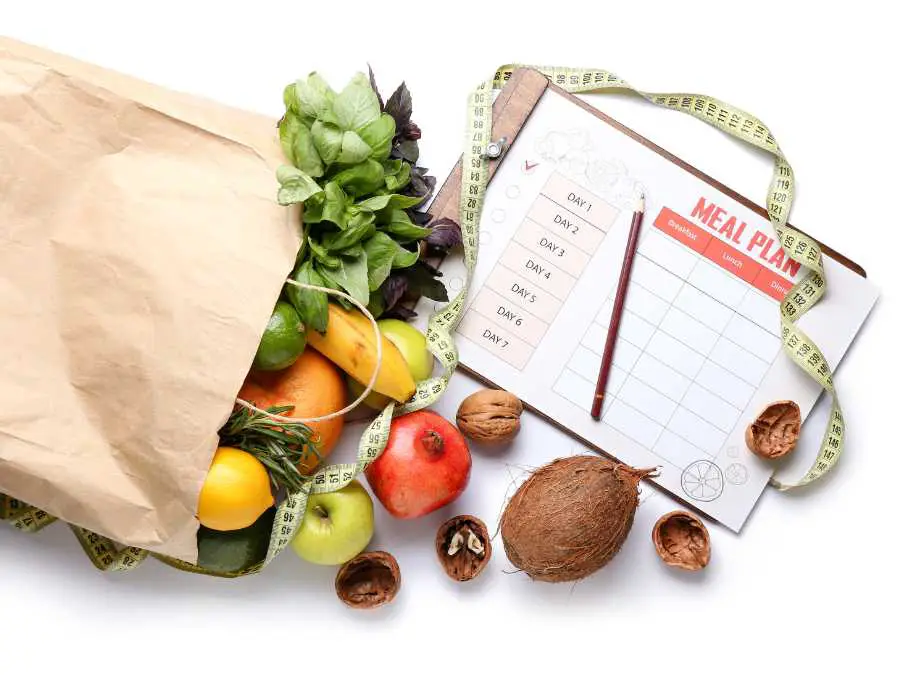 Sometimes it is easier to look at what you already have or want to buy before deciding on meals.
By building meals around your grocery list instead of the other way around, you reduce waste and avoid overbuying ingredients.
This method also helps you stay within budget while still creating balanced meals.
12. Stick to familiar cooking methods
 Limiting yourself to a few cooking methods such as baking, boiling, or stir frying can make meal planning much less overwhelming.
Instead of learning new techniques every week, you focus on mastering a few reliable ones.
This creates consistency in your cooking routine and reduces the time spent figuring out how to prepare each meal.
13. Batch cook one key ingredient
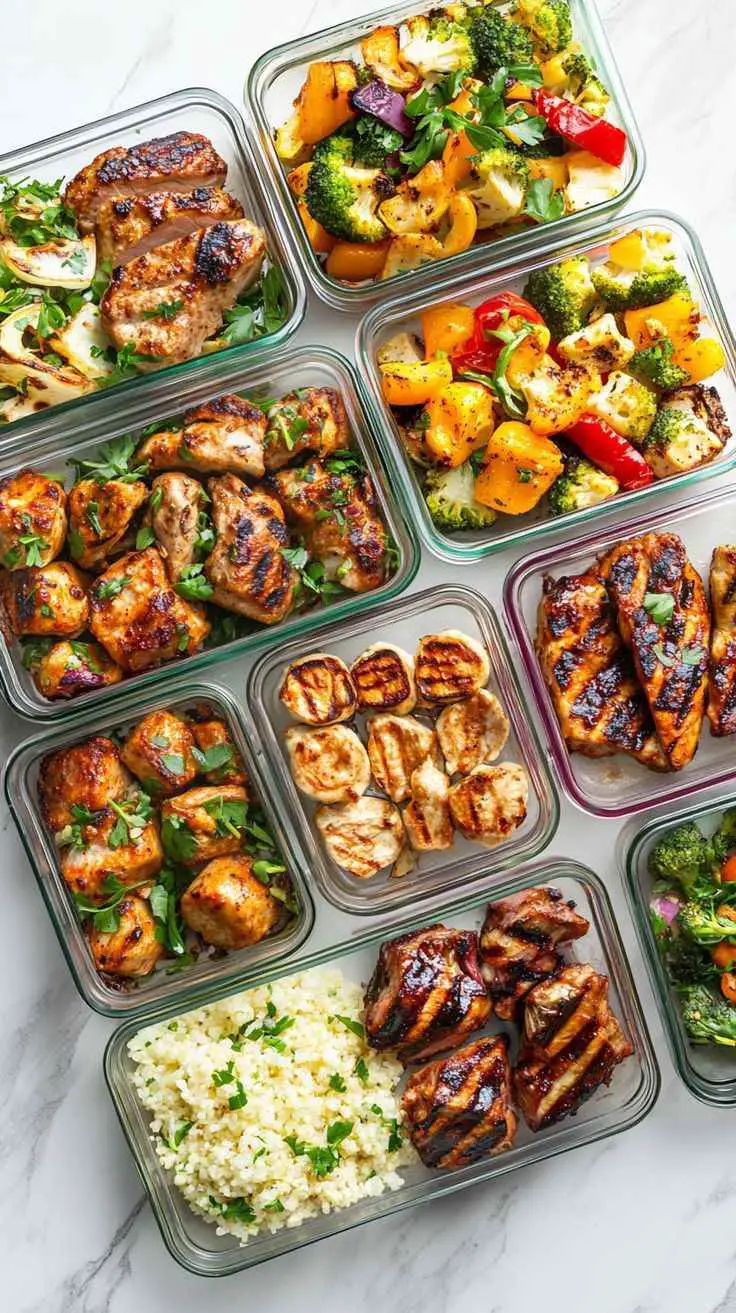
Batch cooking means preparing a large quantity of a versatile ingredient that can be used in multiple meals.
For example, you can cook a big portion of rice, chicken, or beans at the start of the week.
This allows you to quickly assemble meals later without starting from scratch each time, saving both time and effort.
14. Choose seasonal ingredients
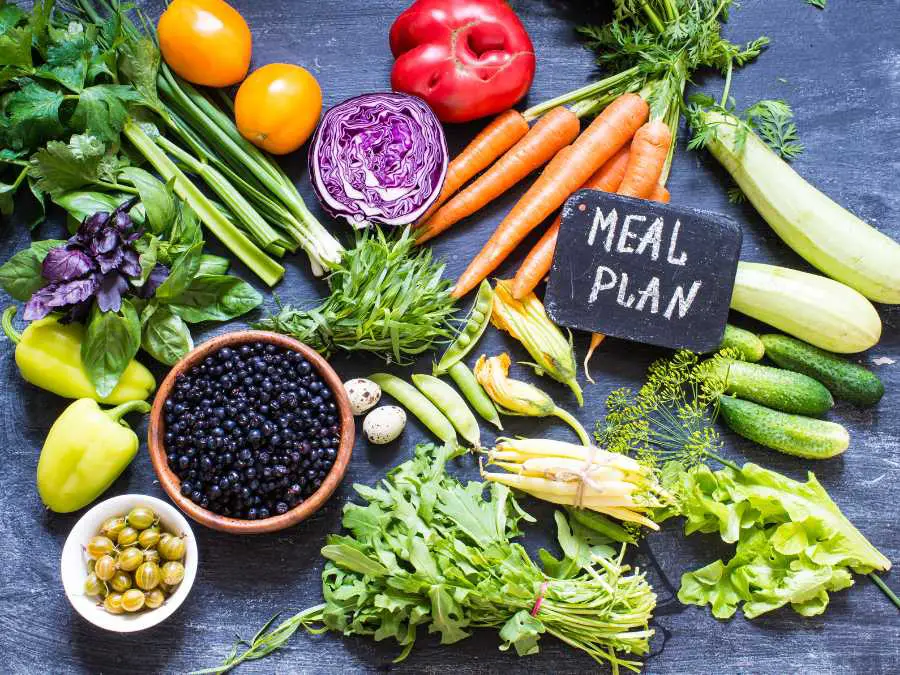 Seasonal ingredients are often fresher, more affordable, and easier to find.
Planning your meals around what is in season naturally adds variety to your diet.
It also simplifies grocery shopping because you are focusing on what is readily available instead of trying to source rare items.
15. Set a weekly planning day
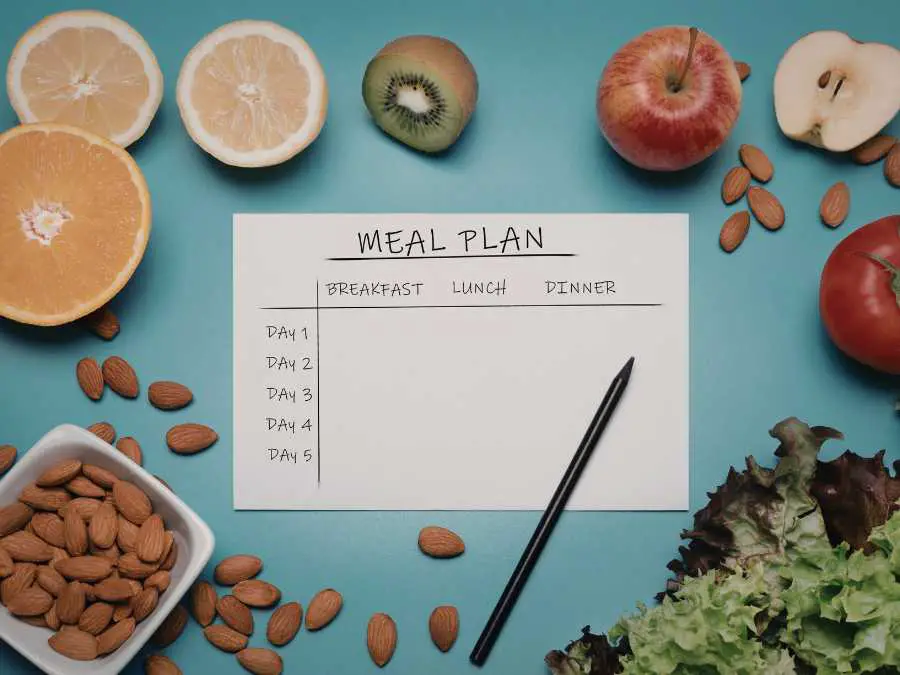 Choosing a specific day each week to plan your meals and shop for groceries helps build consistency.
This routine removes last minute stress and ensures you always have a clear plan going into the week.
Over time, it becomes a habit that makes your entire food routine more organized.
16. Keep emergency meals ready
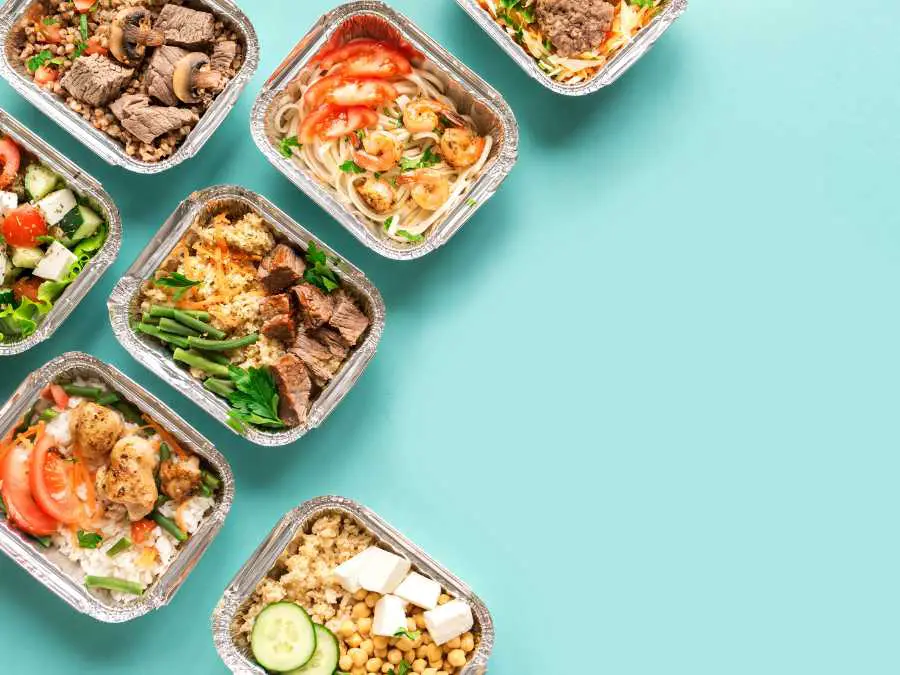 Having backup meals available is a simple but powerful strategy.
These can be frozen meals, canned foods, or quick pantry options that require minimal effort.
On busy or exhausting days, they prevent you from skipping meals or ordering expensive takeout.
They act as a safety net for your meal plan.
17. Use a short ingredient list per meal
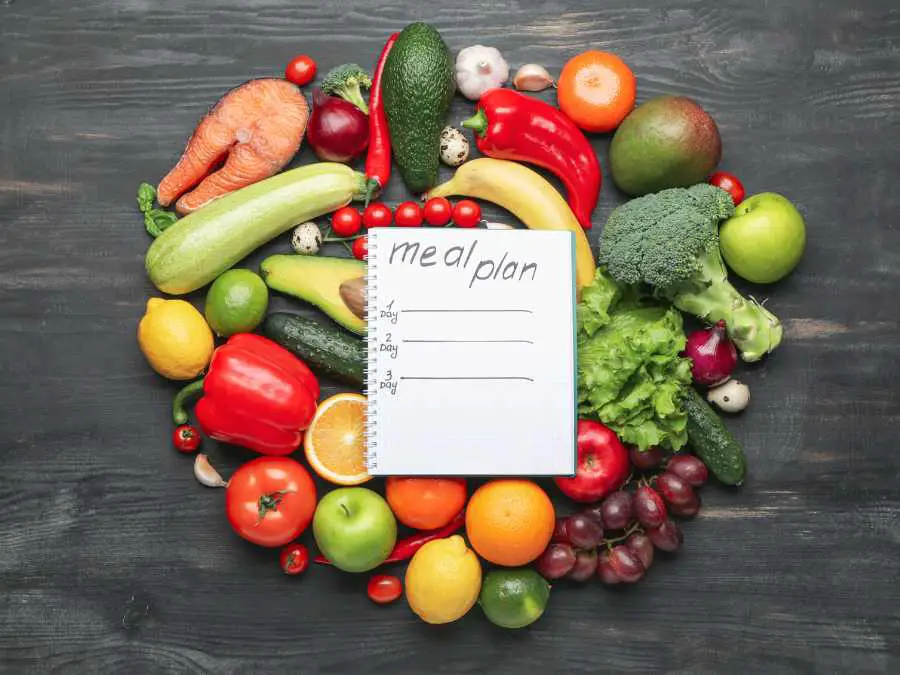 Meals do not need long or complicated ingredient lists to be satisfying.
In fact, shorter lists often make cooking easier and faster.
By limiting the number of ingredients, you reduce prep time, simplify shopping, and make cooking less overwhelming overall.
18. Plan meals based on your schedule
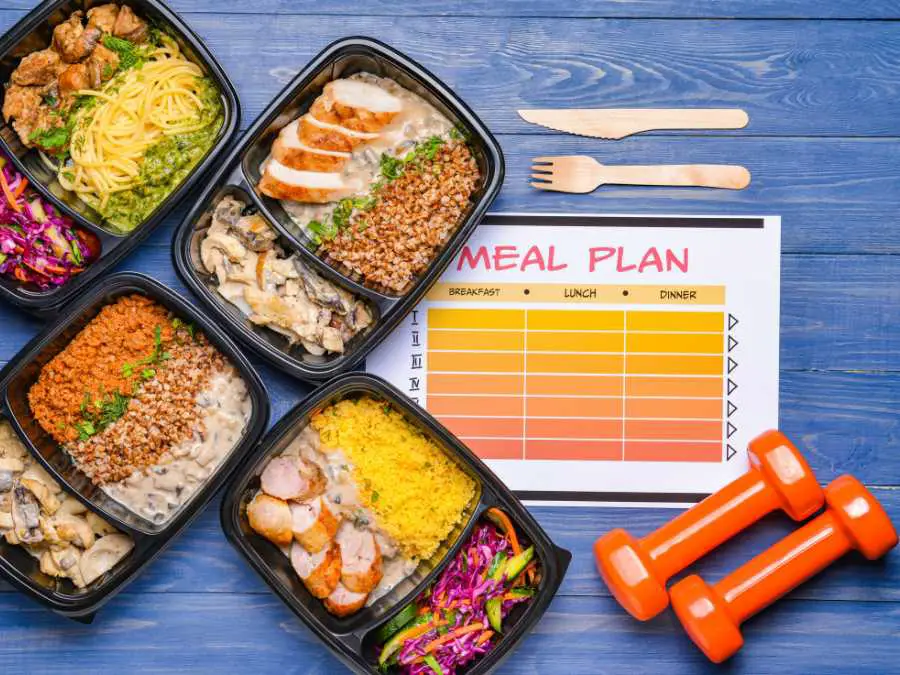 Not every day of the week has the same energy level or free time.
Plan heavier cooking meals for days when you are less busy and reserve quick meals for busier days.
This makes your meal plan more realistic and easier to maintain in the long run.
19. Create a rotation system
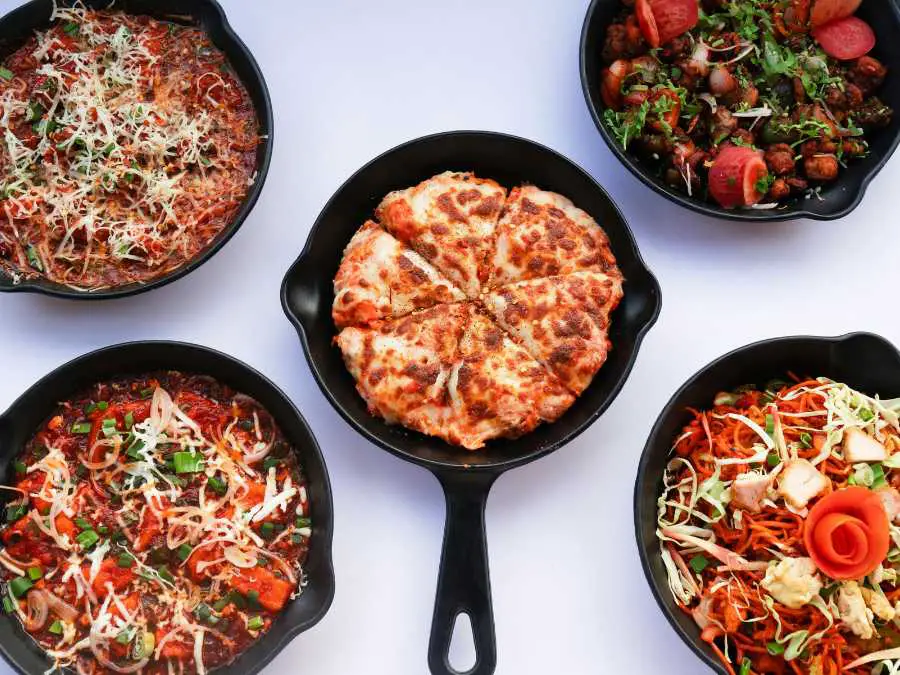 A rotation system involves cycling through a set group of meals over a period of time.
Instead of constantly thinking of new ideas, you reuse proven meals in a structured way.
This reduces decision fatigue and helps you build a consistent rhythm in your cooking routine.
20. Double up on ingredients
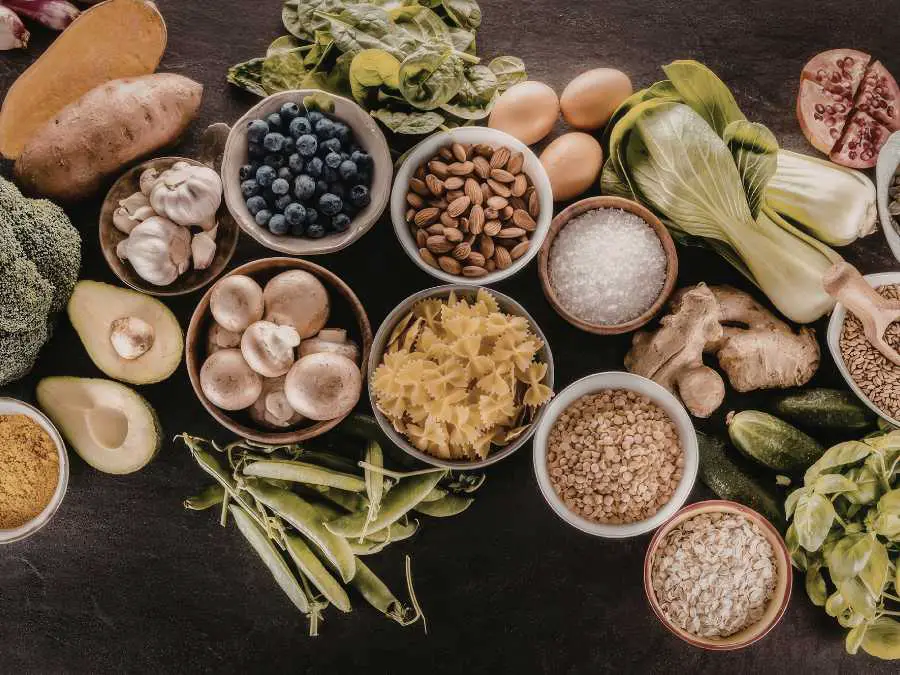 Buying ingredients that can be used in multiple meals increases flexibility.
For example, chicken can be used in salads, wraps, or rice dishes.
This approach reduces waste and ensures you always have ingredients that can adapt to different meals throughout the week.
21. Keep sauces and spices flexible
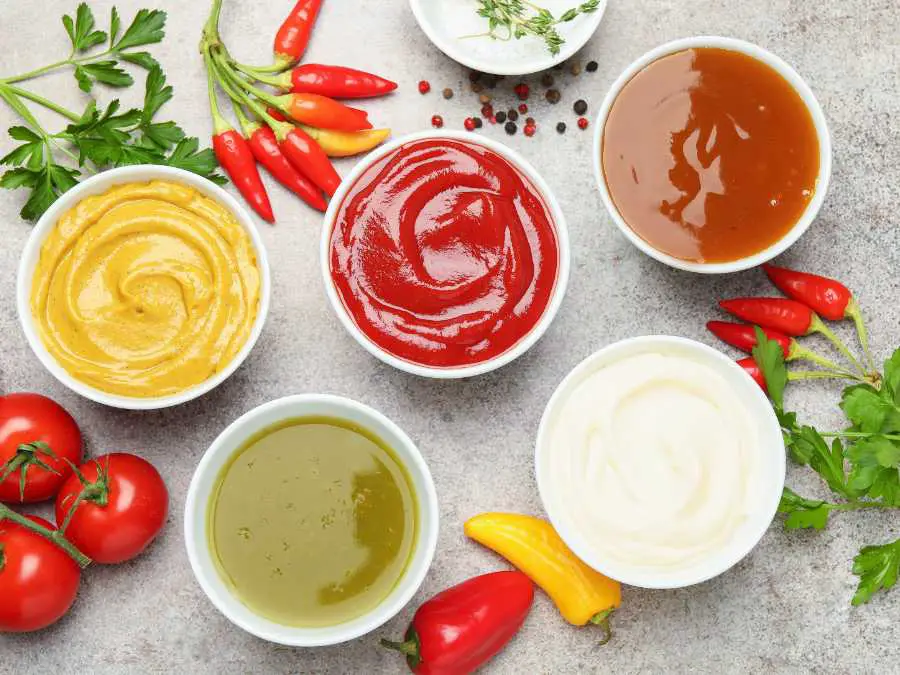 Instead of changing entire meals, you can change flavors by using different sauces or spices.
This allows you to enjoy variety without extra cooking effort.
A simple dish can feel completely different depending on the seasoning or sauce you use.
22. Use one pot or one pan meals
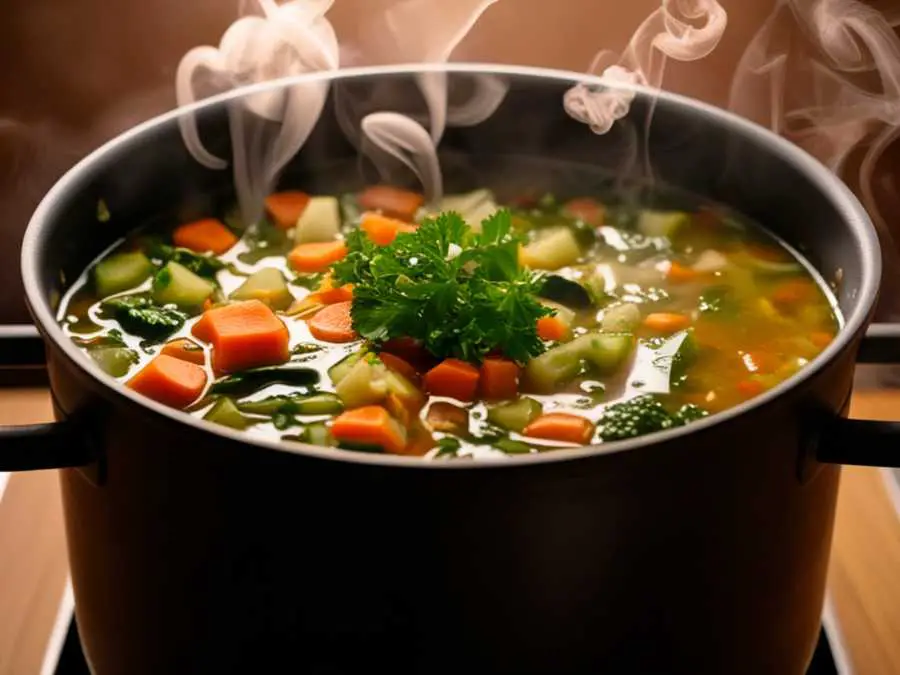 One pot or one pan meals reduce both cooking time and cleanup.
These meals are especially helpful on busy days when you do not want to deal with multiple dishes.
They also make cooking feel less overwhelming because everything is prepared in one place.
23. Plan around what is already in your kitchen
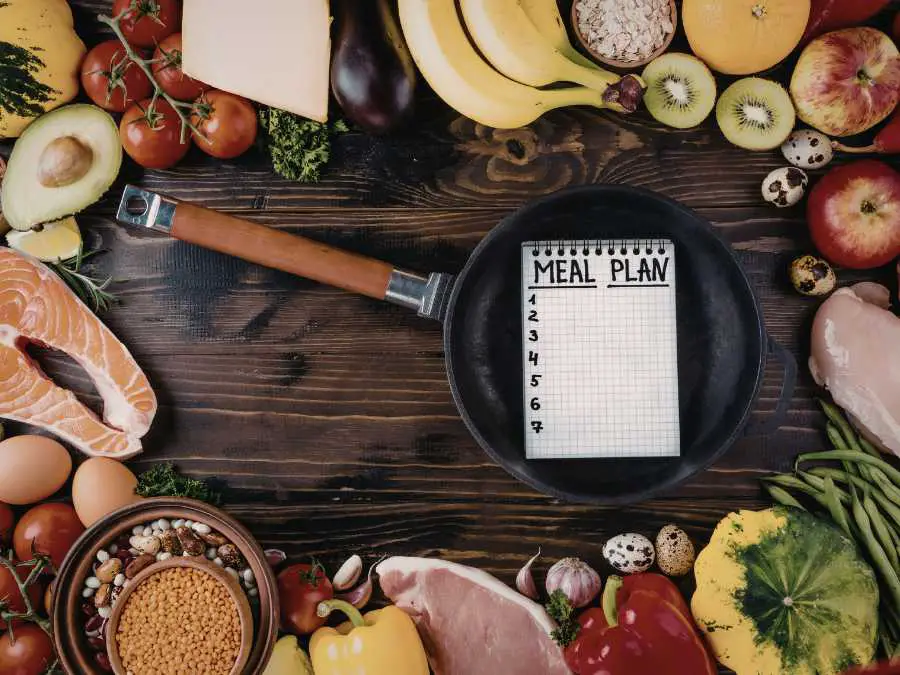 Before making a grocery list, take inventory of what you already have.
Then build your meals around those ingredients.
This helps reduce waste and saves money while ensuring you use what you already own.
24. Keep a flexible meal structure
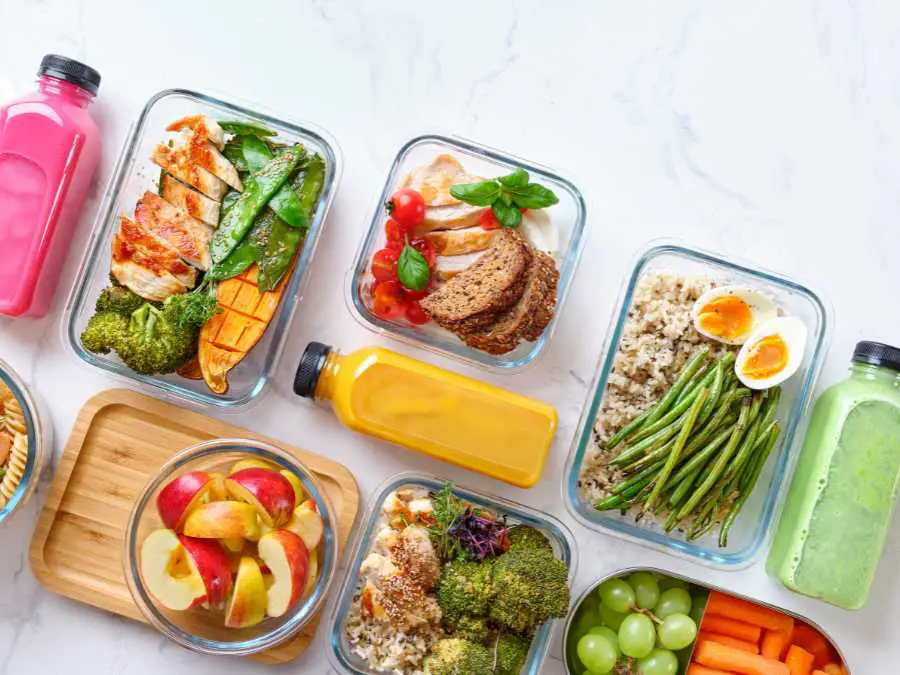 Instead of rigid recipes, think in terms of meal components like protein, carbs, and vegetables.
This flexible structure allows you to adjust meals based on what is available or what you feel like eating.
It also makes planning much more adaptable.
25. Prepare snack options ahead
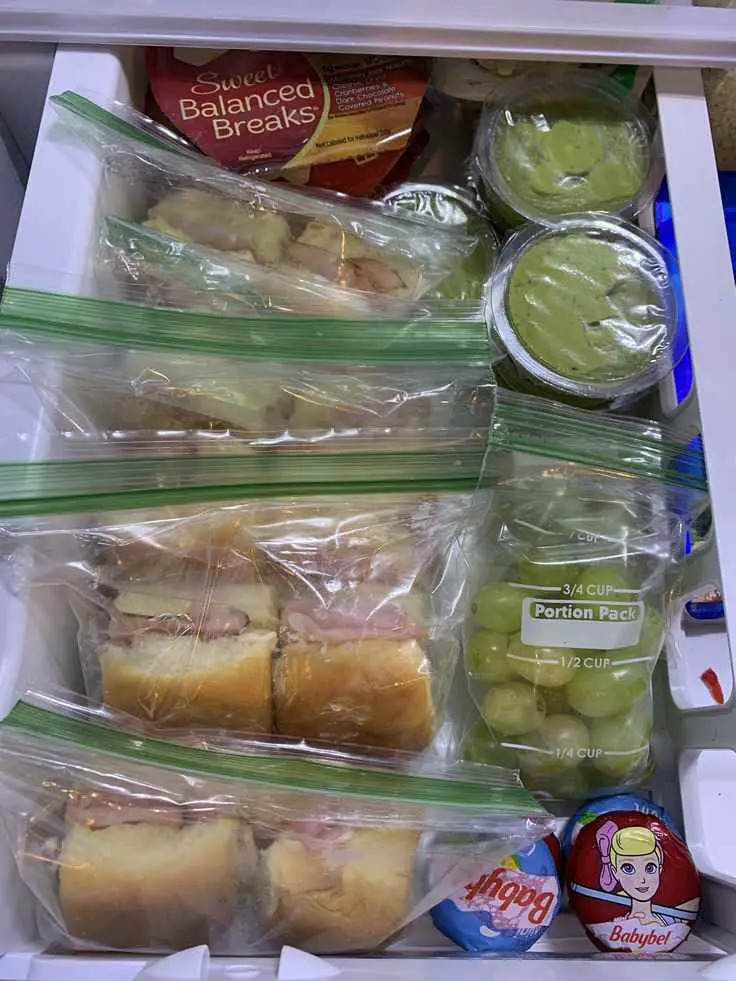
Having snacks ready in advance helps maintain energy throughout the day and prevents unnecessary impulse eating.
Simple snacks like fruits, yogurt, or nuts can be prepared ahead of time to make healthy choices easier.
26. Use freezer friendly meals
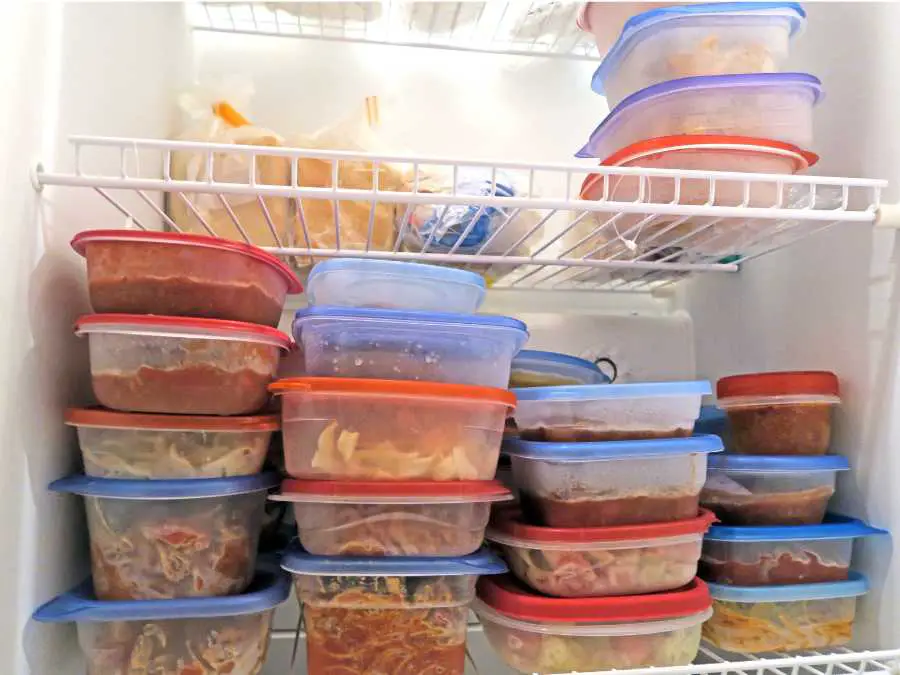 Freezer friendly meals are a great way to extend your meal plan.
You can cook in larger quantities and freeze portions for later use.
This ensures you always have something ready even on days when you do not feel like cooking.
27. Limit decision points
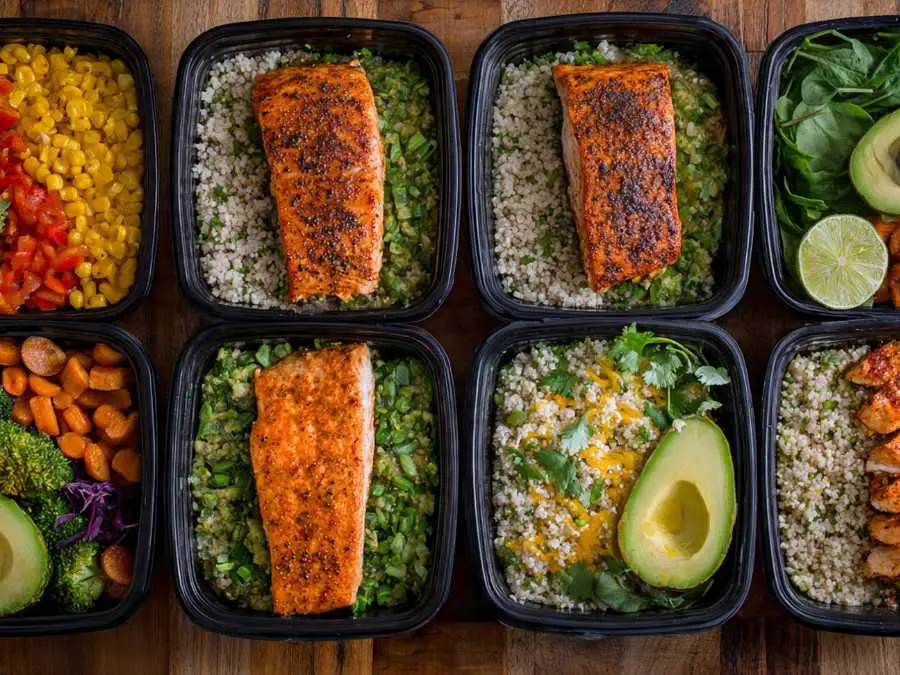 The more decisions you have to make daily, the more exhausting meal planning becomes.
By pre deciding meals for the week, you reduce mental load and make your routine smoother.
Fewer decisions lead to more consistency.
28. Keep a simple grocery list format
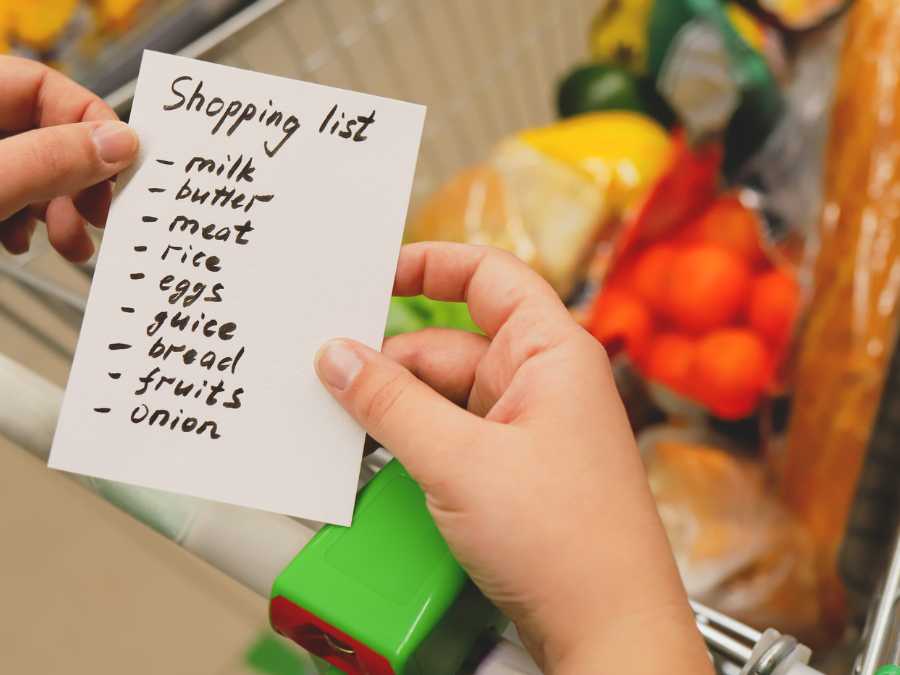 Organizing your grocery list into categories such as proteins, vegetables, and pantry items makes shopping faster and more efficient.
It also helps you avoid forgetting important ingredients.
29. Plan with portions in mind
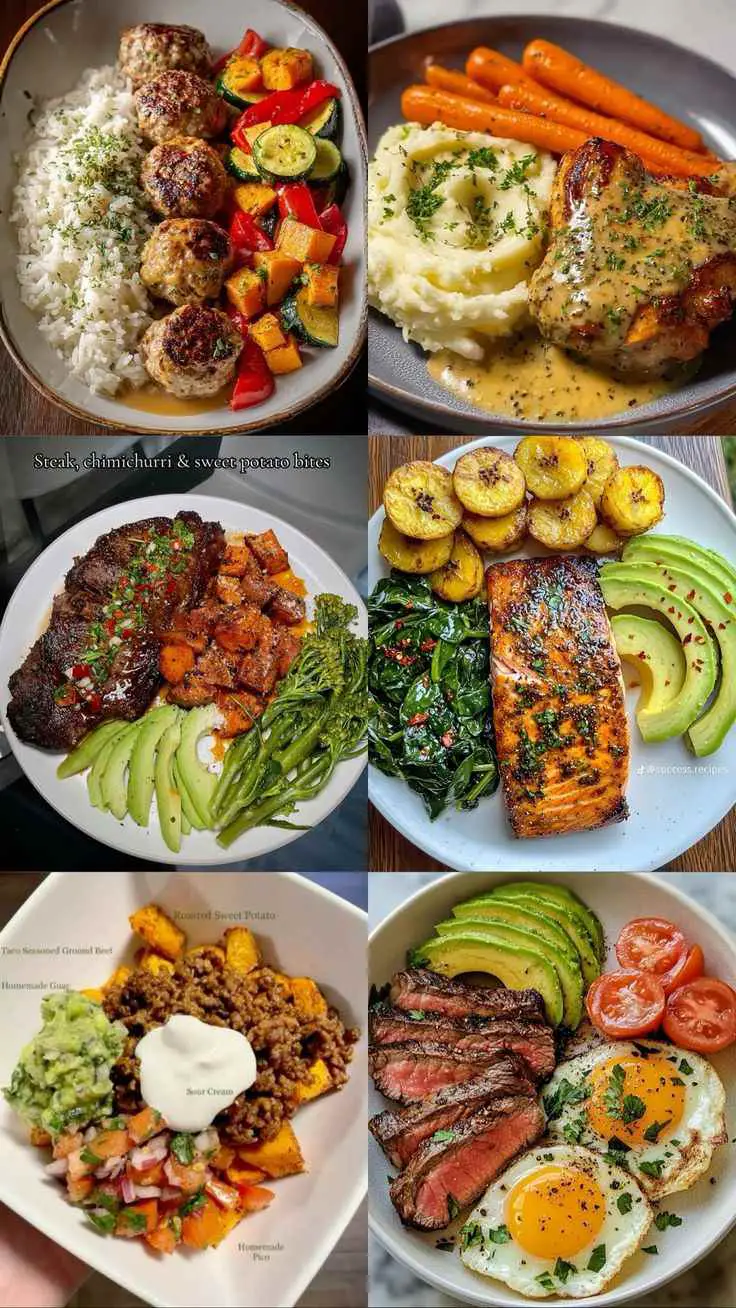
Thinking about portion sizes helps prevent both food waste and shortages.
It ensures you cook the right amount for your needs and makes your meal planning more accurate overall.
30. Use quick assembly meals
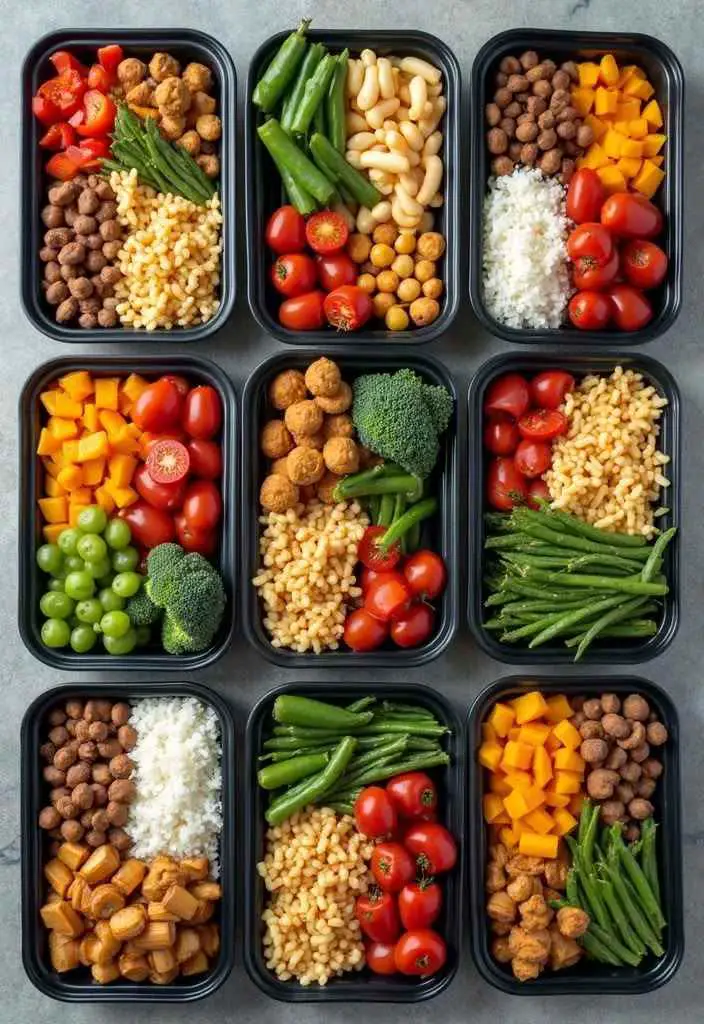
Some meals do not require cooking at all, only assembly.
Examples include salads, wraps, or yogurt bowls.
These are perfect for days when you need something quick and easy.
31. Stick to a core ingredient set each week
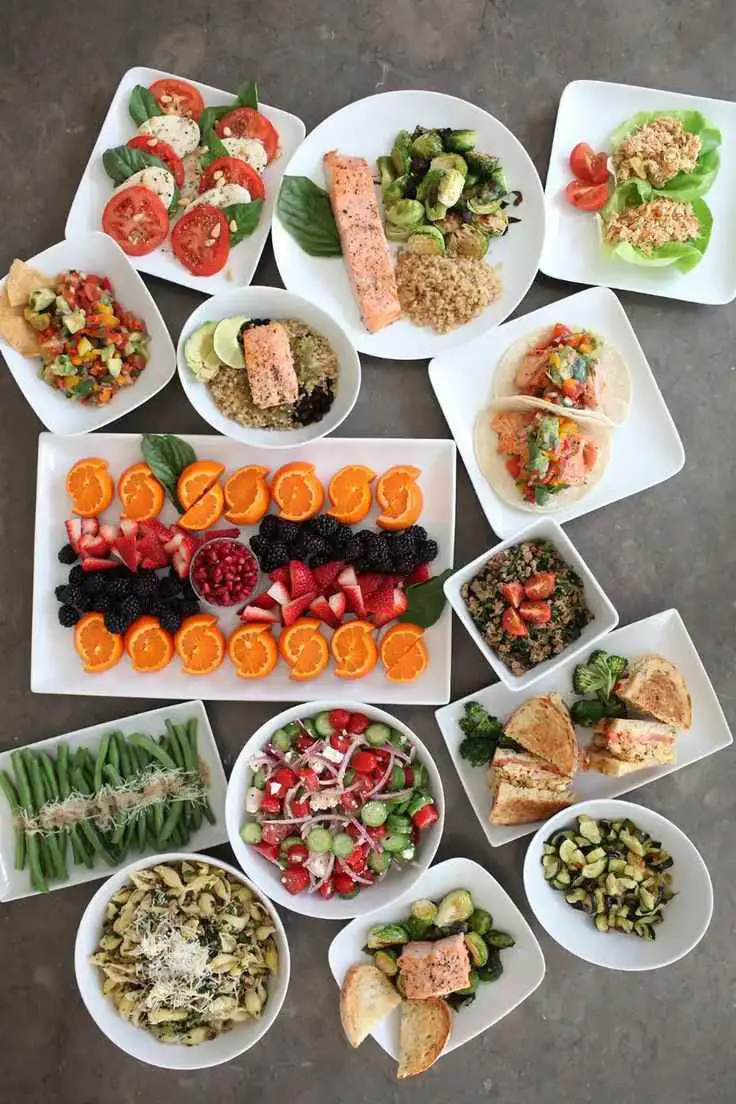
Using a consistent set of ingredients each week simplifies planning and shopping.
It reduces decision fatigue and helps you become more efficient in your cooking routine.
32. Adjust based on your energy level
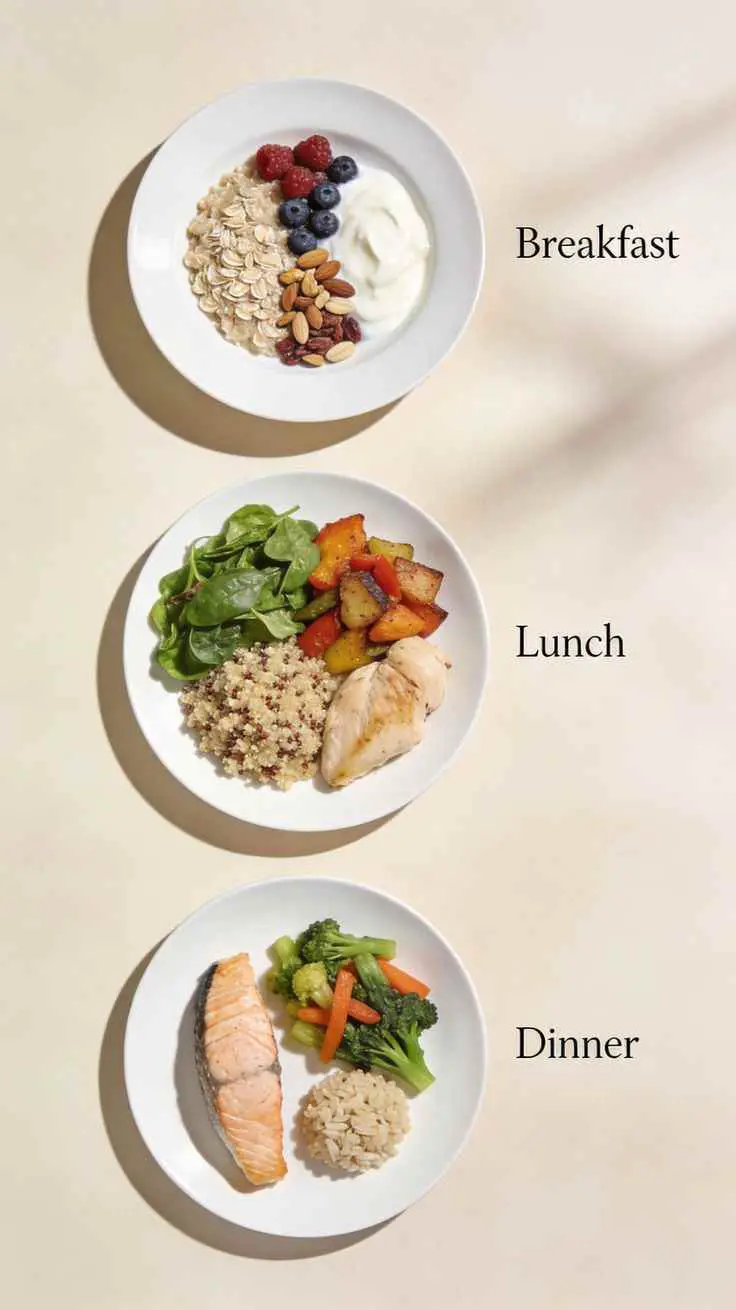
Your meal plan should be flexible enough to adapt to how you feel each day.
If you are tired, switch to something simpler.
If you have more energy, you can prepare more complex meals.
This flexibility makes your plan sustainable.
33. Review and improve weekly
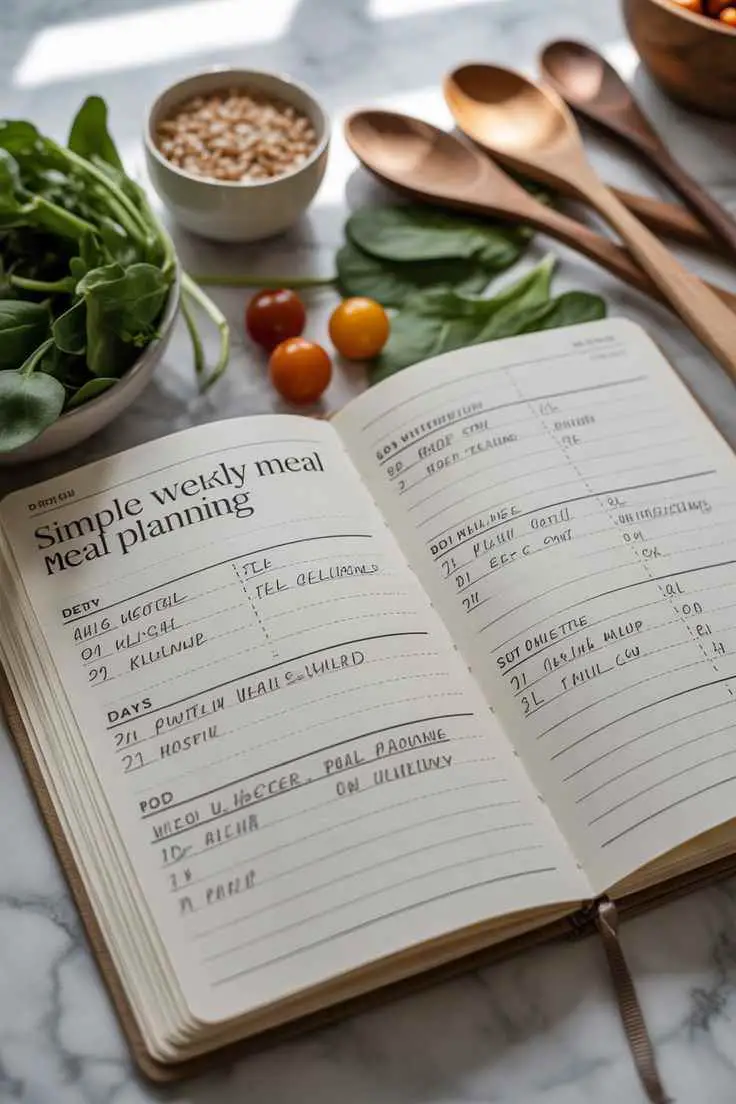
At the end of each week, take a moment to reflect on what worked and what did not.
Adjust your plan based on your experience.
Over time, this helps you build a meal planning system that becomes more personalized and effective.
Conclusion
Meal planning does not have to be perfect to be effective.
The goal is not to create a strict system that feels impossible to follow, but to build habits that make everyday life a little easier.
Even small changes, like planning a few meals ahead or keeping simple ingredients on hand, can make a noticeable difference in how organized and less stressful your week feels.
What makes meal planning truly work is finding an approach that fits your lifestyle, schedule, and energy level.
Some weeks will be more organized than others, and that is completely normal.
The important thing is creating a routine that helps you save time, reduce food waste, and feel more confident about your meals without adding unnecessary pressure.
With these simple meal planning ideas, you now have plenty of practical ways to make the process feel more manageable and realistic.
Start with a few strategies that seem easiest for you, adjust them as needed, and build from there.
Over time, meal planning can become less of a chore and more of a helpful habit that supports your daily routine.