23 Simple Gentle parenting techniques
We have curated 23 Simple Gentle parenting techniques you will love.
Gentle parenting is a phrase many parents hear often, yet it can feel unclear or even overwhelming at first.
In a world filled with loud advice, strict rules, and constant comparisons, many caregivers are simply looking for a calmer way to connect with their children without losing their sense of structure or purpose.
Gentle parenting speaks to that desire, it centers on understanding, trust, and emotional awareness, rather than fear or force.
This approach is not about perfection or letting go of boundaries, it is about creating a home where children feel safe to express themselves and parents feel confident guiding them.
It invites caregivers to slow down, reflect, and respond with intention, even during challenging moments.
Gentle parenting is rooted in everyday interactions, the small choices, the tone of voice, the way we listen, and how we show up when things do not go as planned.
For many families, gentle parenting begins as a curiosity, a quiet question of whether there might be a kinder, more balanced way forward.
This post explores that path, offering a thoughtful look into why gentle parenting resonates with so many parents today, and how simplicity and compassion can shape the foundation of a strong parent child relationship.
23 Simple Gentle parenting techniques
1. Practice active listening

Active listening means giving your child your full attention when they speak.
Put aside distractions, make eye contact, and respond thoughtfully.
When children feel heard, they are more likely to cooperate and trust you.
This habit also teaches them that their thoughts and emotions matter, which strengthens emotional security over time.
2. Validate their feelings

Children experience big emotions but often lack the words to explain them.
Instead of dismissing their reactions, acknowledge what they feel.
Saying something like, “I can see that you are upset,” helps them feel understood.
Validation does not mean you agree with the behavior, it simply shows empathy.
3. Stay calm during conflict
 Your emotional regulation sets the tone for the situation.
When you remain calm, you show your child how to handle stress without escalating it.
This may require pausing before responding or taking a deep breath.
Over time, your calm presence becomes a model they naturally follow.
4. Set clear and consistent boundaries
 Gentle parenting is not permissive.
Children feel safer when expectations are predictable.
Clearly explain rules and follow through consistently.
When boundaries are steady, children learn responsibility while still feeling supported.
5. Offer choices when possible
 Providing simple options gives children a sense of control.
For example, letting them choose between two outfits or snacks encourages independence while keeping you in charge of the larger decision.
This reduces power struggles and builds confidence.
6. Focus on teaching instead of punishing
 Mistakes are opportunities for learning.
Rather than reacting with harsh consequences, guide your child toward better choices.
Explain why a behavior is not acceptable and what they can do differently next time.
This approach promotes growth rather than fear.
7. Model the behavior you want to see
 Children learn more from what you do than what you say.
Speak respectfully, manage frustration constructively, and apologize when you are wrong.
Modeling positive behavior helps them internalize those same habits.
8. Use gentle language
 The way you communicate matters.
Replace threats or shouting with respectful, firm language.
A calm explanation is far more effective than intimidation, and it preserves the connection between you and your child.
9. Apologize when necessary
 Parents are human and make mistakes.
Offering a sincere apology teaches accountability and humility.
It also shows children that respect goes both ways, reinforcing trust within the relationship.
10. Prioritize connection before correction
 When a child feels connected to you, they are more open to guidance.
Before addressing misbehavior, try to reconnect through a hug, a soft tone, or a few understanding words.
Correction is more effective when the emotional bond is intact.
11. Create predictable routines
 Daily structure helps children know what to expect, which reduces anxiety and resistance.
Simple routines around meals, bedtime, and school preparation make transitions smoother and encourage cooperation.
12. Encourage emotional expression
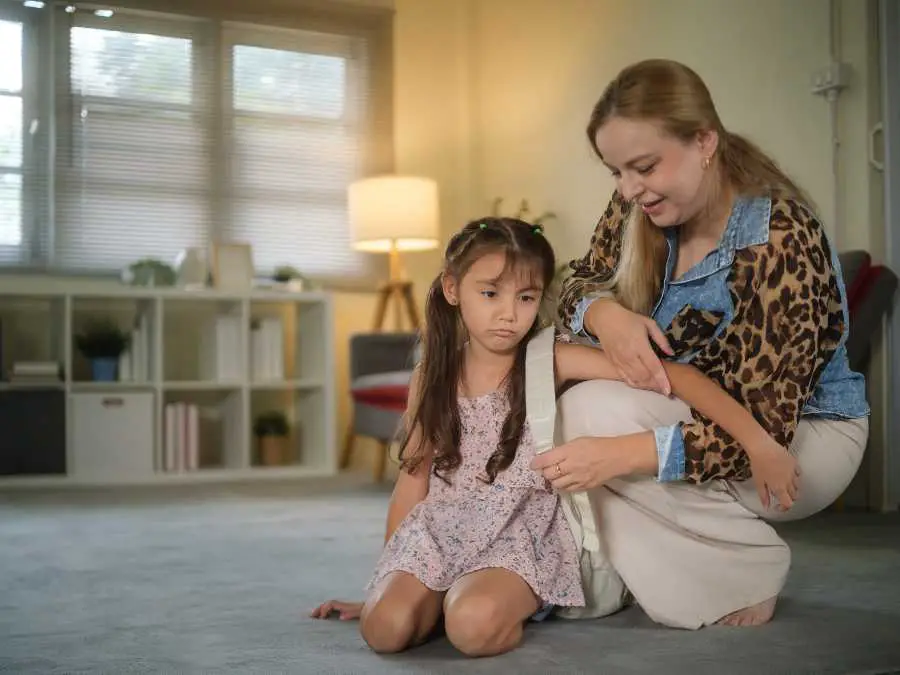 Let your child know it is safe to talk about their feelings.
Invite conversations about happiness, anger, fear, and disappointment.
When children learn to express emotions early, they develop stronger emotional intelligence.
13. Avoid labeling your child
 Describing a child as “difficult” or “stubborn” can shape how they see themselves.
Instead, address the behavior without attaching it to their identity.
This supports healthier self esteem and motivation to improve.
14. Redirect instead of simply saying no
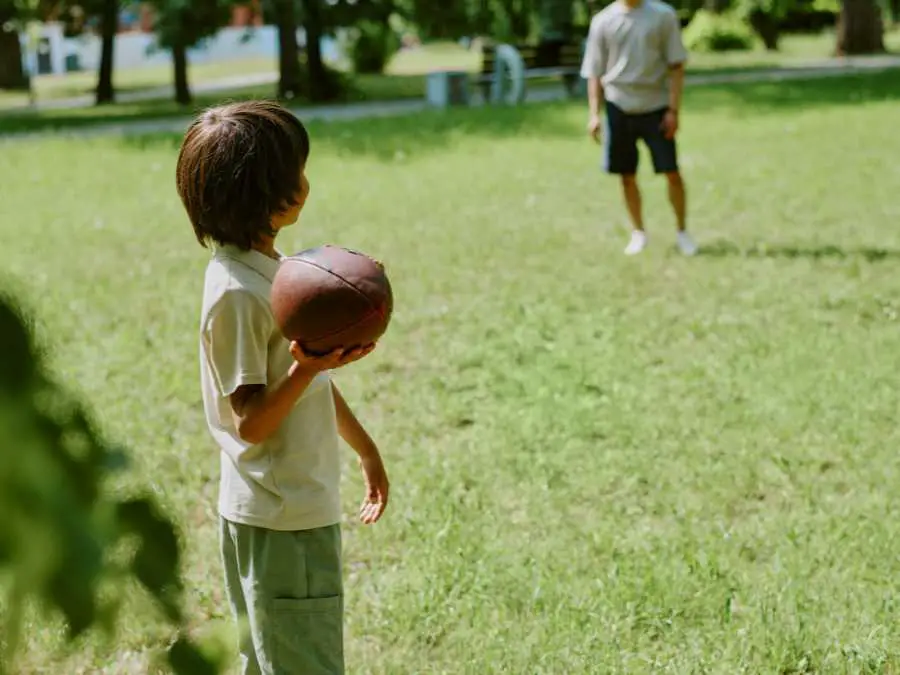 Young children especially benefit from guidance toward acceptable alternatives.
If they are throwing toys, show them how to roll a ball instead.
Redirection keeps the focus on learning rather than constant restriction.
15. Be mindful of your expectations
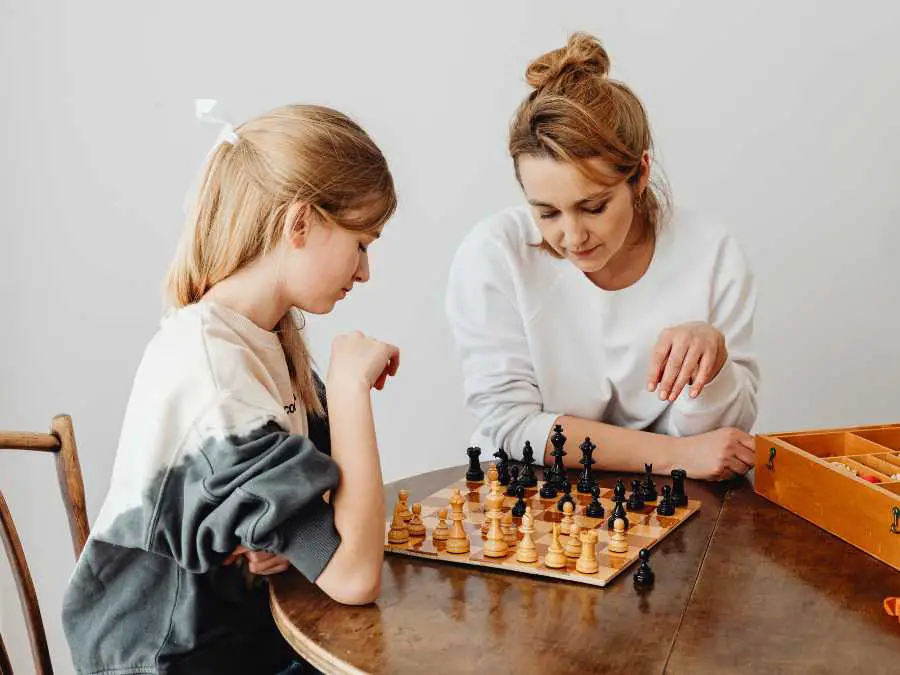 Children are still developing skills like patience and impulse control.
Expecting behavior beyond their developmental stage often leads to frustration for both of you.
Adjust expectations to match their age and abilities.
16. Use positive reinforcement
 Notice and acknowledge good behavior.
A simple comment such as, “I appreciate how you shared your toys,” encourages repetition.
Positive attention is often more powerful than criticism.
17. Give instructions that are simple and clear
 Long explanations can overwhelm children.
Use straightforward language so they understand exactly what is expected.
Clarity reduces confusion and improves cooperation.
18. Allow natural consequences when safe
 Sometimes the best teacher is experience.
If a child forgets their jacket and feels cold, they learn to remember next time.
Natural consequences build responsibility without the need for harsh discipline.
19. Protect time for one on one interaction

Even a few minutes of undivided attention each day can strengthen your bond.
Even if reading together or talking about their day, these moments reassure your child that they are valued.
20. Practice patience
 Growth takes time.
Children repeat mistakes as they learn new skills, and patience allows space for that process.
Responding with understanding rather than irritation creates a more peaceful environment.
21. Encourage problem solving
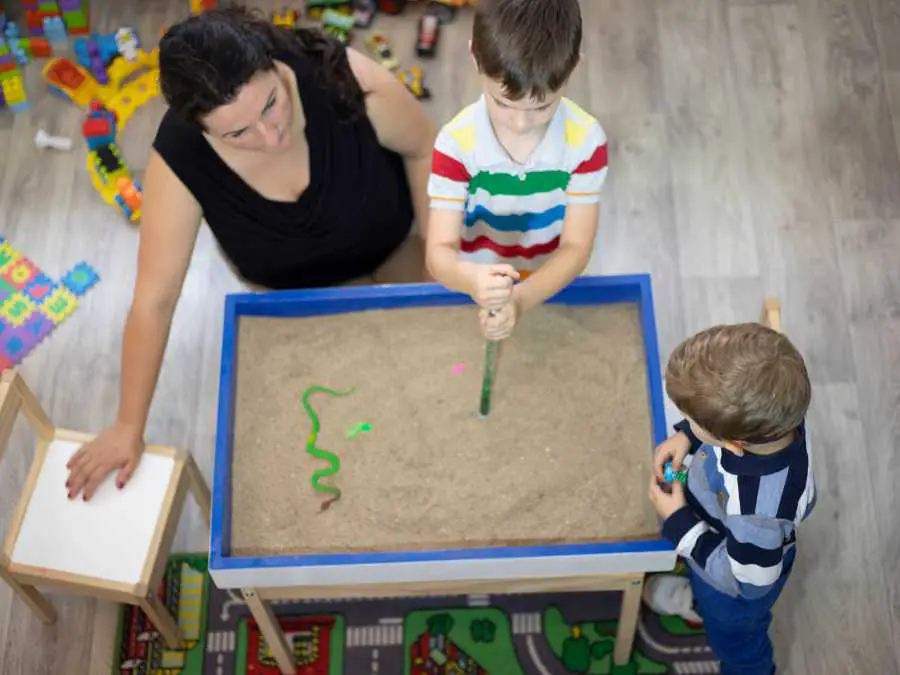 Instead of immediately fixing every issue, invite your child to think of solutions.
Ask questions like, “What do you think we could do to solve this?” This builds independence and critical thinking.
22. Recognize triggers and patterns
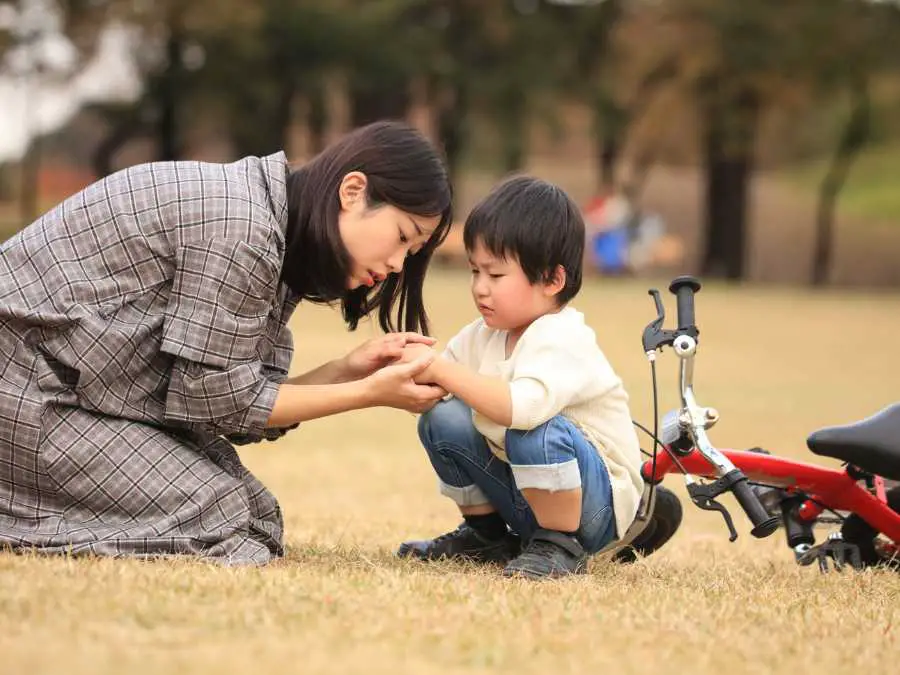 Pay attention to when challenging behaviors happen. Hunger, fatigue, or overstimulation often play a role.
When you identify patterns, you can prevent many struggles before they begin.
23. Show unconditional love
 Make sure your child knows your love is not dependent on their behavior or achievements.
Express affection openly and often.
A child who feels deeply loved develops stronger confidence and emotional resilience.
If you want, I can also help you craft a smooth transition paragraph from your introduction into these techniques so the blog flows naturally, or rewrite these in a slightly more storytelling style depending on your audience.
Gentle parenting is not about getting everything right all the time, it is about showing up with intention, patience, and a willingness to grow alongside your child.
There will be days that test you, moments that stretch your understanding, and situations that do not go as planned.
What matters most is the effort to lead with empathy while guiding your child with clarity and care.
As you begin to apply these simple techniques, remember that small, consistent actions often create the greatest impact.
The way you listen, respond, and connect each day quietly shapes the emotional world your child grows within.
Over time, these choices help nurture confidence, trust, and resilience that can last well into adulthood.
Gentle parenting is a journey rather than a destination.
Give yourself permission to learn, adjust, and try again when needed.
When compassion becomes a daily practice, both parent and child benefit from a relationship grounded in respect, understanding, and genuine connection.