30 Easy Newborn Sleep Tips
We have curated 30 Easy Newborn sleep tips you should know about.
There are few things as exciting, and exhausting, as bringing a newborn home.
One moment you are soaking in their tiny fingers and peaceful expressions, the next you are wondering if you will ever experience a full night of sleep again.
If you have found yourself searching for answers at 2 a.m., you are far from alone.
Newborn sleep can feel unpredictable, sometimes even mysterious.
Just when you think you have figured out your baby’s rhythm, it shifts, leaving you questioning what is normal and what is not.
Many parents step into this season with expectations, only to realize that newborns tend to follow their own unique timelines.
The good news is that this phase, while challenging, is also temporary.
With the right understanding and a little patience, sleep can become less stressful for both you and your baby.
In this guide, we will look at some of the simple ways to help you feel more confident as you navigate these early weeks.
You can focus less on the frustration of sleepless nights and more on the quiet, meaningful moments that make this stage so special.
30 Easy Newborn Sleep Tips
1. Understand that newborn sleep is naturally irregular
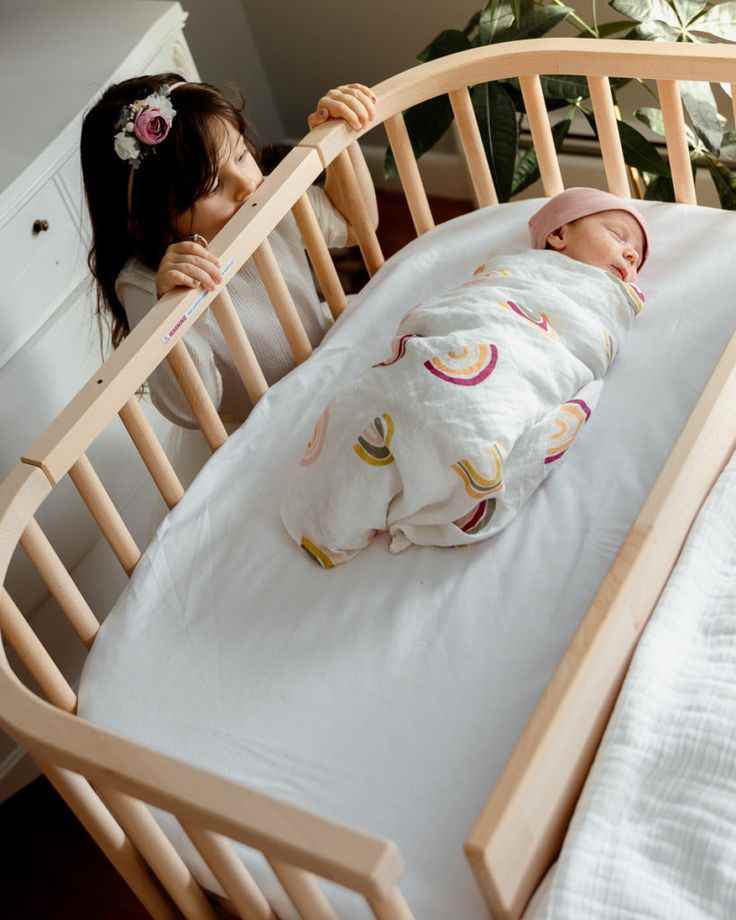
In the early weeks, babies do not know the difference between day and night.
Their internal body clock is still developing, so frequent waking is completely normal.
Reminding yourself that this is a biological phase, not a parenting failure, can reduce stress and help you respond with more patience.
2. Watch your baby, not the clock
 Every newborn has slightly different sleep needs.
Instead of forcing a strict schedule, pay attention to your baby’s cues.
Patterns will slowly emerge, and responding to their natural rhythm often leads to smoother sleep.
3. Learn early sleep cues

Many babies show subtle signs when they are tired, such as staring into space, slower movements, rubbing their face, or becoming unusually quiet.
Putting your baby down before they become overtired can make it much easier for them to fall asleep.
4. Avoid overtiredness

When newborns stay awake too long, their bodies release stress hormones that make it harder for them to settle.
A baby who seems wired or extra fussy may actually be extremely tired.
5. Create a calming sleep environment

A peaceful atmosphere helps signal that it is time to rest. Keep the sleep space comfortable, quiet, and not overly stimulating.
This does not have to be perfect, just consistent enough that your baby begins to associate it with sleep.
6. Use gentle lighting

Bright lights can feel alerting to a newborn.
During nighttime feeds or diaper changes, soft lighting helps your baby stay in a sleepy state and makes it easier for them to drift back off.
7. Encourage daytime brightness

Let natural light fill your home during the day.
Open curtains, go for short walks if possible, and allow normal household sounds.
This gentle contrast supports the development of your baby’s day and night awareness.
8. Keep nighttime interactions calm
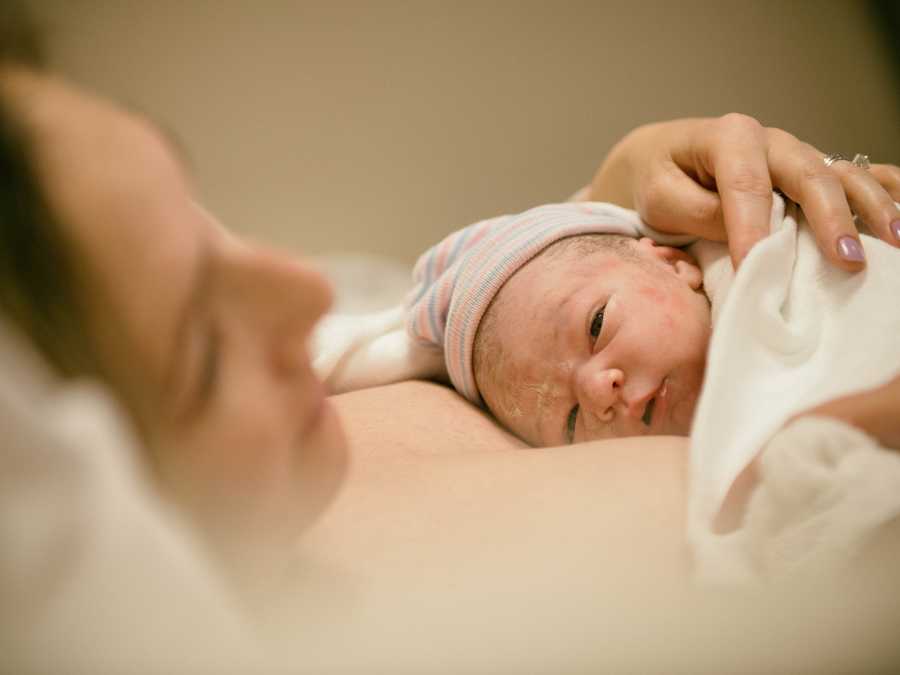 At night, focus on quiet care.
Speak softly, move slowly, and avoid playful stimulation.
Over time, your baby learns that nighttime is for sleeping, not socializing.
9. Try a simple bedtime routine
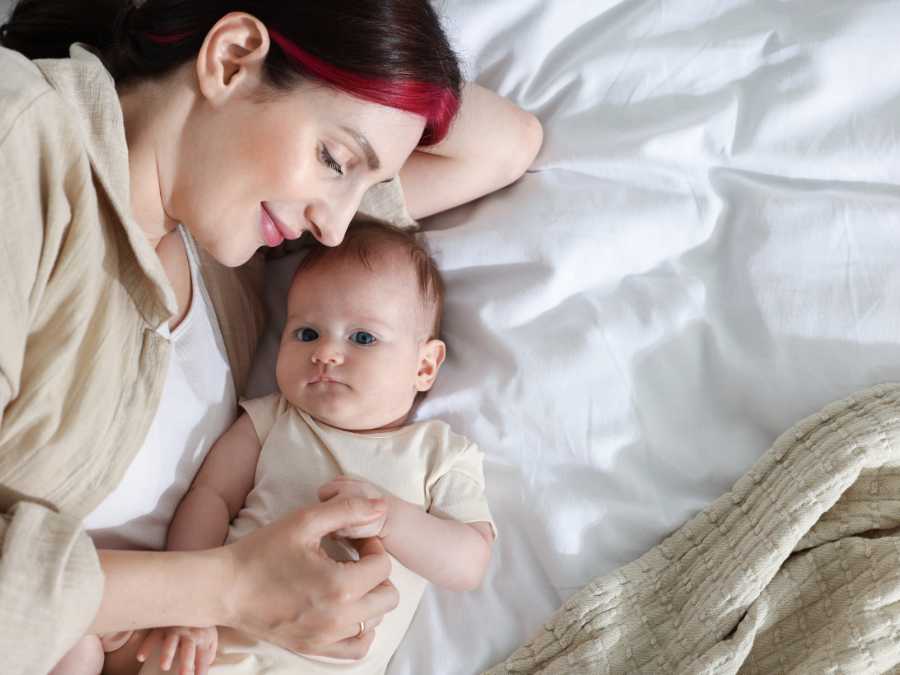 Even very young babies benefit from repetition.
A short sequence such as feeding, a diaper change, cuddling, and then laying them down can gradually become a familiar signal that sleep is coming.
10. Swaddling can provide comfort
 Many newborns enjoy the snug feeling of a proper swaddle because it reminds them of the womb.
It can also reduce sudden startle reflexes that wake them.
Always ensure it is done safely and not too tightly.
Support the startle reflexThat jerky arm movement you often see is completely normal.
Creating a secure sleep setup can help prevent this reflex from constantly interrupting your baby’s rest.
11. Use white noise if it helps
 Steady background sound can be soothing because babies are used to constant noise from before birth.
It may also soften sudden household sounds that could wake them.
12. Feed before sleep when needed
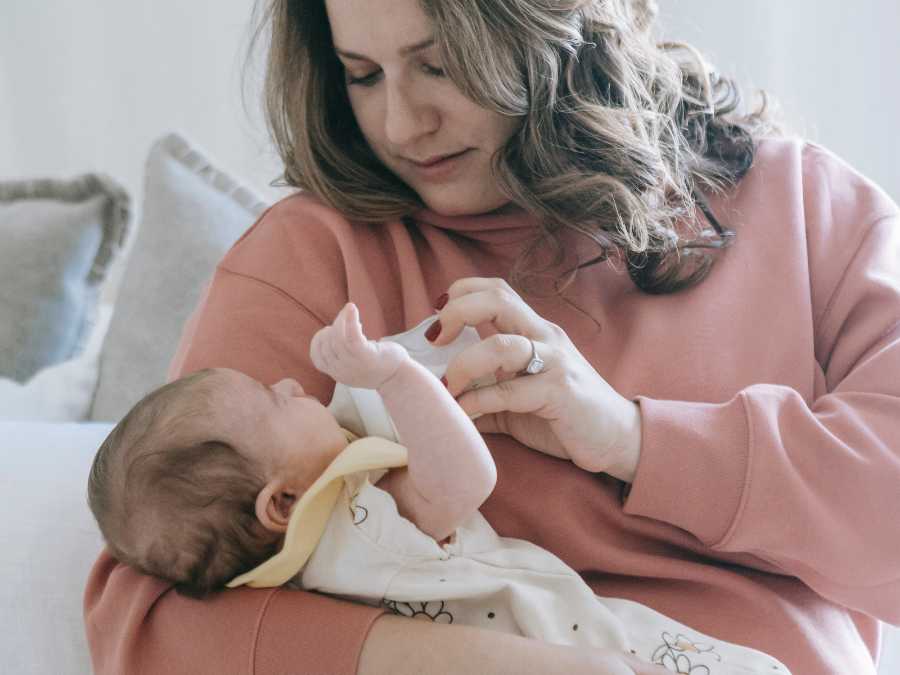 Many newborns naturally fall asleep after feeding because their stomach is full and they feel relaxed.
This is normal in the early stage, so do not worry if feeding and sleep are closely connected at first.
13. Burp your baby well
 Trapped air can cause discomfort that wakes a sleeping baby.
Taking a moment to burp them properly may lead to longer stretches of rest.
This is one newborn sleep tips that will help your baby fall asleep.
14. Change diapers strategically
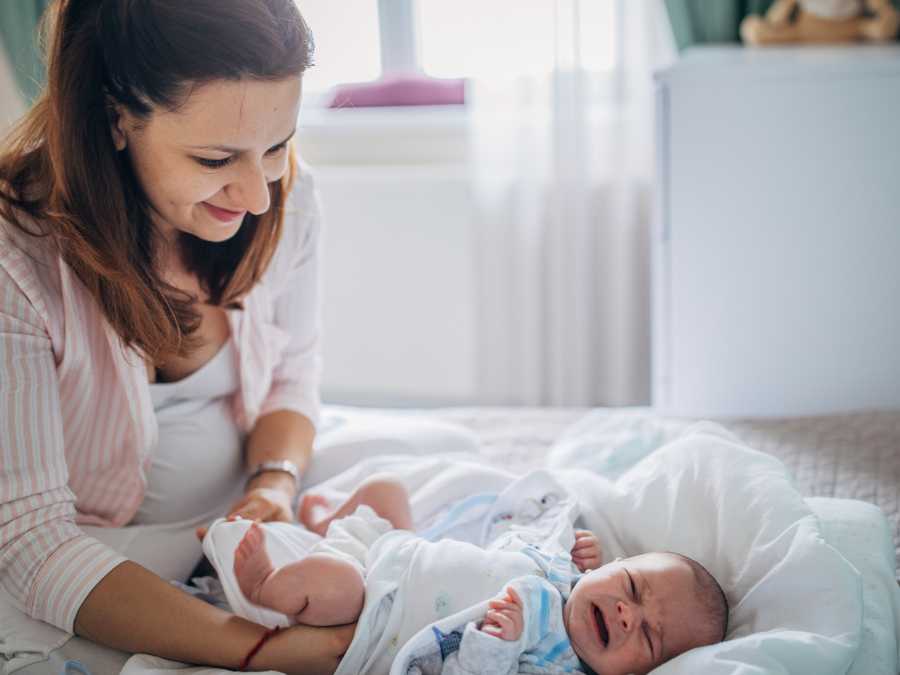 If your baby tends to wake during diaper changes, try doing it before a feed rather than after.
A full belly often makes it easier for them to fall asleep without interruption.
15. Hold your baby upright briefly after feeds
 Keeping your baby upright for a short period can help digestion and reduce spit-up, which might otherwise disturb their sleep.
16. Practice gentle transitions
 If your baby falls asleep in your arms, move slowly when placing them down.
Sudden shifts in position can startle them awake.
17. Warm the sleep surface slightly

A cold mattress can feel surprising after being held.
Lightly warming the surface beforehand, then removing the warmth source before laying the baby down, can make the transition smoother.
18. Allow small sounds
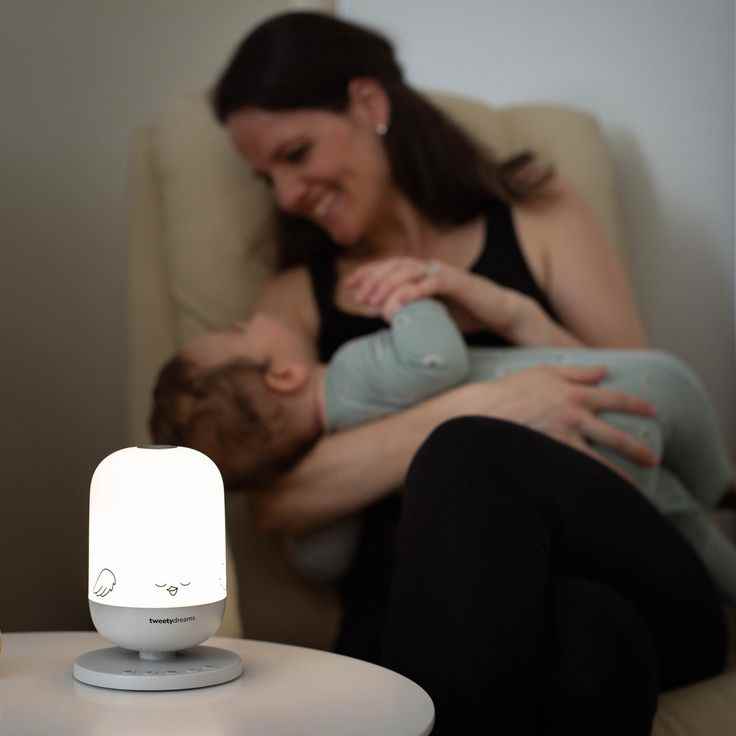
Newborns are active sleepers.
They may grunt, stretch, or make brief noises without actually waking.
Pause before rushing in, sometimes they settle on their own.
19. Accept contact naps when necessary
 Many babies crave closeness in the early weeks.
While independent sleep will come later, occasional naps on a caregiver can support emotional security and reduce fussiness.
20. Take shifts if you can
 If you have a partner or support system, dividing nighttime responsibilities can protect everyone from extreme exhaustion.
21. Sleep when your baby sleeps
 This advice is repeated often because it works.
Even short naps can help restore your energy and improve your mood.
22. Lower expectations for productivity
 The newborn stage is intense.
Giving yourself permission to focus mainly on recovery and baby care can ease pressure and mental fatigue.
23. Limit overstimulation
 Too many visitors, loud environments, or constant activity can overwhelm a newborn.
Calm periods during the day often lead to better sleep.
24. Notice your baby’s comfort level
 Temperature, clothing, and physical comfort all affect sleep.
A baby who is too warm or too cool may wake more often.
25. Be flexible
 What works one week may not work the next.
Growth spurts and developmental changes can temporarily disrupt sleep, this is normal and usually short lived.
26. Respond with reassurance
 When your baby wakes, your calm presence helps them feel safe.
Over time, this sense of security supports healthier sleep patterns.
27. Protect your own rest mindset
 Try not to measure success by how long your baby sleeps.
Instead, focus on gradual progress and realistic expectations.
28. Avoid comparing your baby to others
 Some newborns sleep longer stretches earlier than others.
Differences are normal and rarely indicate a problem.
29. Remember that frequent waking is protective
 Biologically, newborns are designed to wake often.
It supports feeding needs and overall development, even though it can be tiring for parents.
30. Trust that sleep will mature
 Newborn sleep is a phase of rapid change.
As your baby grows, their nervous system develops, feeding becomes more efficient, and longer sleep periods naturally begin to appear.
Most importantly, be gentle with yourself.
You are learning your baby just as much as they are adjusting to the world.
With time, patience, and growing confidence, sleep will become less puzzling and far more manageable.
In the end, it helps to remember that newborn sleep is not something you have to perfect, it is something you learn to navigate.
There will be nights that feel long and mornings that arrive too quickly, but each day you and your baby are slowly finding your rhythm together.
Give yourself grace during this season.
You are adjusting, your baby is adjusting, and neither of you is expected to have it all figured out.
Progress may come in small, almost unnoticeable ways, a slightly longer stretch of sleep, an easier bedtime, a calmer night, but those small wins matter more than you think.
Most importantly, try not to lose sight of the beauty tucked inside this tiring phase.
The quiet cuddles, the sleepy sighs, the moments when your baby settles peacefully in your arms, these are memories in the making.
With patience, consistency, and self-compassion, this challenging stage will gradually give way to more restful nights, leaving you stronger, more confident, and deeply connected to the little person who depends on you.
This article has shown you creative newborn sleep tips you should know about.
25 Effective Breastfeeding Tips While Working From Home