33 Best First Trimester Essentials
Here are 33 first trimester essentials for moms and new moms you should check out.
The moment you see those two lines, everything changes.
Excitement, disbelief, joy, and sometimes a quiet wave of anxiety can all show up at once.
The first trimester is often described as the beginning of a remarkable journey, but it can also feel like stepping into unfamiliar territory without a clear map.
Your body is already working overtime, your emotions may be shifting, and suddenly the smallest decisions can feel surprisingly important.
For many expecting parents, these early weeks are filled with questions.
What will make this transition smoother? What will help you feel more comfortable, prepared, and supported?
While every pregnancy is different, one thing remains true.
Having the right first trimester essentials close by can make a meaningful difference in how you experience this stage.
Think of this as a gentle starting point rather than a strict guide.
Even when you are a first-time parent or adding another little one to your family, preparing for the first trimester is less about perfection and more about creating ease for yourself.
A few thoughtful choices can help you focus less on the overwhelm and more on the quiet, incredible reality that something new is beginning.
In this guide, we will walk through some of the best first trimester essentials that can support you physically, mentally, and emotionally, helping you move through these early months with greater confidence and care.
33 Best First Trimester Essentials
1. Prenatal Vitamins
 Prenatal vitamins are a cornerstone of early pregnancy care because they provide essential nutrients your body needs to support the growth of a developing baby.
Folic acid, for example, is crucial in the first few weeks to help prevent neural tube defects, while iron supports increased blood volume and helps prevent anemia.
Calcium and vitamin D strengthen your bones and your baby’s skeleton.
Choosing a high-quality prenatal vitamin ensures you are filling in gaps that might be difficult to cover with diet alone, especially if nausea or food aversions limit your appetite.
2. DHA Supplement

DHA is an Omega 3 fatty acid that plays a key role in brain and eye development.
While you can get some DHA from fatty fish, many pregnant people are advised to take a supplement because dietary sources may not provide enough, and some fish carry mercury.
Taking a DHA supplement can help ensure your baby’s nervous system develops properly and may also support your mood during pregnancy, as DHA is known to influence brain function.
3. A Reliable Water Bottle
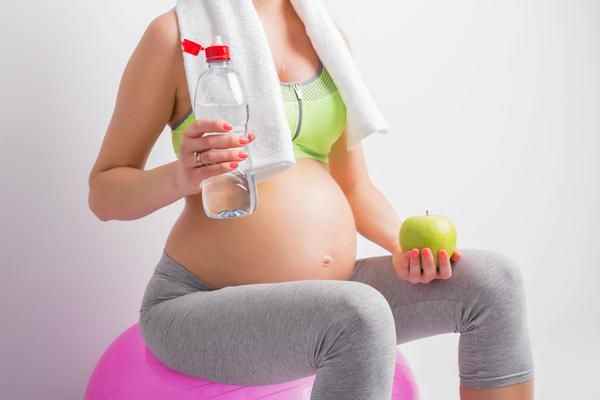
Staying hydrated is essential in the first trimester, not only to prevent dehydration but also to support increased blood volume and proper organ function for both you and your baby.
Having a large, reusable water bottle with measurement markers can remind you to sip throughout the day.
It also makes it easier to track fluid intake and encourages small, consistent hydration, which can reduce headaches, fatigue, and even nausea.
4. Ginger Tea or Ginger Products

Ginger has long been used to naturally calm nausea, which is a common symptom in early pregnancy.
Drinking ginger tea, nibbling ginger chews, or using ginger in meals can be an effective, gentle way to soothe your stomach without relying on medications.
Many people find that sipping warm ginger tea between meals is particularly comforting and can help reduce queasiness in the morning or after meals.
5. Acupressure Nausea Wristbands
 These wristbands work by applying gentle pressure to specific points on the wrist thought to influence nausea and vomiting.
While results vary, many pregnant people find them to be a simple, drug-free solution for managing mild morning sickness.
They are lightweight, discreet, and portable, making them a practical tool for use at home or on the go.
This is one first trimester essentials you don’t want to miss.
6. Pregnancy Safe Snacks
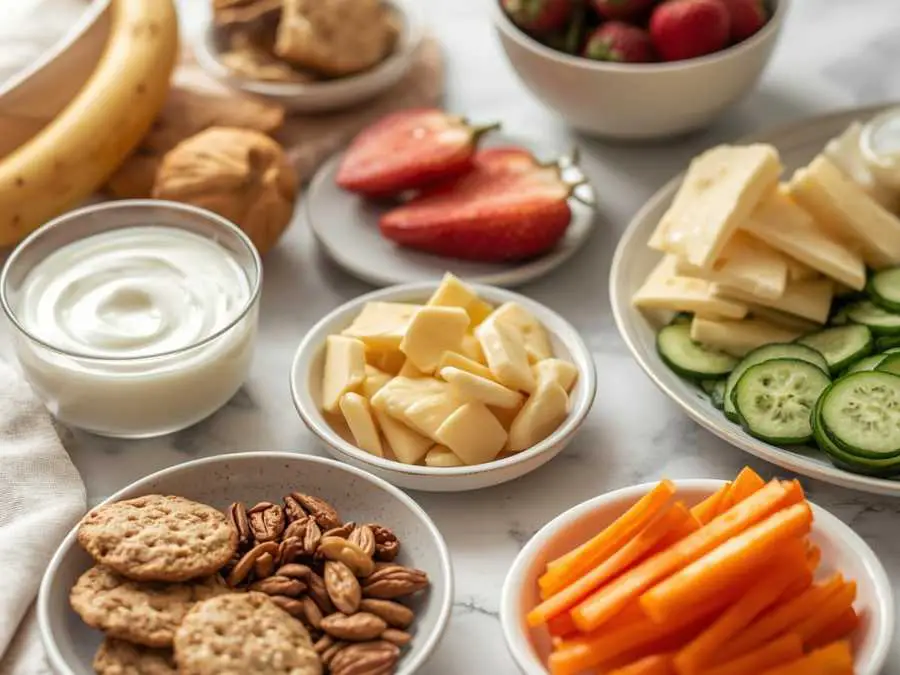 Morning sickness and food aversions can make eating balanced meals difficult.
Keeping small, nutrient-rich snacks on hand can help stabilize blood sugar and provide energy throughout the day.
Nuts, yogurt, whole-grain crackers, fruit, or protein bars are convenient and can be eaten even when you don’t feel like sitting down for a full meal.
This approach helps maintain energy levels and prevents the fatigue that often comes with low blood sugar.
7. Comfortable Maternity Leggings
 Even before your bump appears, bloating and increased sensitivity around the waistline can make regular pants uncomfortable.
High-rise, stretchy maternity leggings provide gentle support and adapt to your changing body.
Many find that leggings with a soft waistband reduce pressure, are comfortable for long periods of sitting or walking, and allow flexibility as your body naturally changes in the first trimester.
8. A Supportive Bra
 Hormonal changes can cause breast tenderness and swelling early in pregnancy, making previously comfortable bras restrictive or painful.
A soft, wireless bra or a maternity bra designed for early pregnancy can relieve discomfort while providing gentle support.
Opting for adjustable straps and a soft, breathable material can make a big difference, especially during long days or periods of rest.
This is one of the first trimester essentials you should consider.
9. Pregnancy Pillow
 While you might not need a full-body pregnancy pillow in the first trimester, many people notice improved sleep by using extra cushions to support the lower back, hips, or knees.
Sleep can be more difficult in early pregnancy due to hormonal changes, frequent bathroom trips, or discomfort from bloating.
Even a small wedge pillow can help you find a more comfortable position and get much-needed rest.
10. Unscented Body Wash
 Heightened sensitivity to smells is common during early pregnancy, and strong fragrances in body wash, shampoo, or lotion can trigger nausea.
Switching to gentle, fragrance-free products can make daily routines more pleasant.
In addition, many unscented options are free from harsh chemicals that are best avoided in pregnancy, making this a safe and comfortable choice.
11. Stretch Mark Cream or Belly Moisturizer
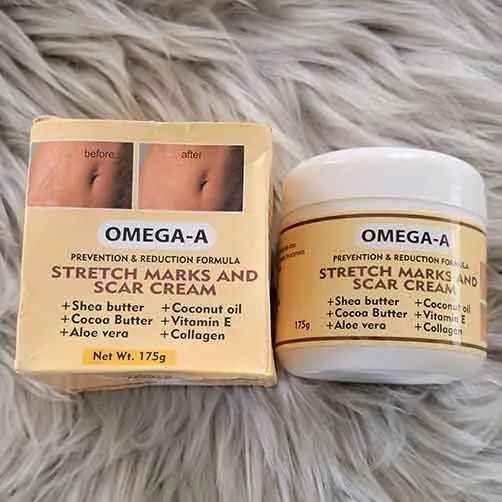
As your body begins to change and skin stretches, itchiness or dryness can become uncomfortable.
Applying a hydrating cream or oil regularly helps maintain skin elasticity and can reduce irritation.
While stretch marks cannot always be prevented, keeping your skin moisturized can make the changes feel more comfortable and may improve how your skin looks and feels.
12. Lip Balm
 Dry, chapped lips are common in early pregnancy, often due to hormonal changes or mild dehydration.
Keeping a nourishing lip balm on hand ensures that your lips stay hydrated, smooth, and comfortable, especially if you are experiencing nausea and vomiting, which can further dry out your lips.
13. Compression Socks
 Mild compression socks improve circulation in the legs and can help prevent swelling or discomfort, which sometimes begins as early as the first trimester.
Even if swelling is not yet noticeable, wearing compression socks during long periods of standing or sitting can reduce fatigue and support overall leg health, which becomes increasingly important as pregnancy progresses.
14. A Pregnancy Journal
 The first trimester can feel like a whirlwind of appointments, emotions, and physical changes.
Keeping a journal allows you to document symptoms, emotions, thoughts, and milestones.
This can help you track patterns, remember details for doctor visits, and create a meaningful record of this transformative time.
Many parents look back on these journals as treasured memories.
This is another first trimester essentials that will help you keep memorable track.
15. Planner or Appointment Tracker

Early pregnancy often involves frequent checkups, ultrasounds, lab tests, and discussions with specialists.
A planner or digital tracker helps you stay organized and reduces stress from juggling appointments.
It can also be useful for noting symptoms, medications, and questions for your healthcare provider, ensuring you feel informed and prepared for each visit.
16. Healthy Sleep Setup
 The first trimester often brings fatigue, making restful sleep a top priority.
Creating a comfortable sleep environment with blackout curtains, supportive pillows, a cool temperature, and minimal noise can improve sleep quality.
Establishing a consistent bedtime routine and limiting screen time before bed can also help combat the exhaustion that many people experience early in pregnancy.
17. Electrolyte Drinks

Pregnancy-related nausea, vomiting, or increased urination can lead to dehydration and electrolyte imbalances.
Having electrolyte drinks on hand can help maintain hydration and energy.
These drinks can be particularly useful after a bout of morning sickness, providing fluids, minerals, and a gentle boost without overwhelming the stomach.
18. Crackers by the Bed
 For many, nausea is worst first thing in the morning.
Keeping simple snacks like crackers next to the bed allows you to eat something small before getting up, which can help prevent queasiness.
This small, practical habit can make mornings more manageable and improve energy levels throughout the day.
19. A Gentle Toothbrush
 Hormonal changes in pregnancy can increase gum sensitivity, swelling, or bleeding, especially in the first trimester.
Using a soft-bristled toothbrush helps protect sensitive gums while maintaining good oral hygiene.
Brushing gently and consistently is important, as oral health can impact overall health during pregnancy.
20. Pregnancy Safe Skincare
 Certain skincare ingredients, like retinoids and salicylic acid, are often avoided during pregnancy.
Switching to gentle, pregnancy-safe products helps maintain your routine without risking exposure to ingredients that may not be recommended.
Using mild cleansers, moisturizers, and sunscreens can keep your skin healthy and comfortable during these early months.
21. Loose Fitting Tops
 Even in the first trimester, hormonal changes and bloating can make tight clothing uncomfortable.
Loose, breathable tops allow you to feel more comfortable and accommodate early body changes.
Layering options can also help manage temperature fluctuations that are common in early pregnancy.
22. Heating Pad, Used Carefully
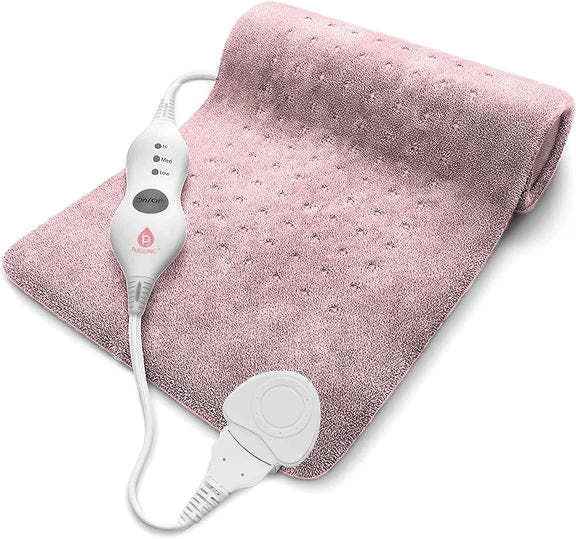
Mild back or abdominal discomfort can occur as your body adjusts to pregnancy changes.
A heating pad can help soothe these aches when used safely, avoiding prolonged direct contact on the abdomen.
Pairing it with relaxation or gentle stretching can provide extra relief, helping you feel more comfortable throughout the day.
23. A Good Book on Pregnancy
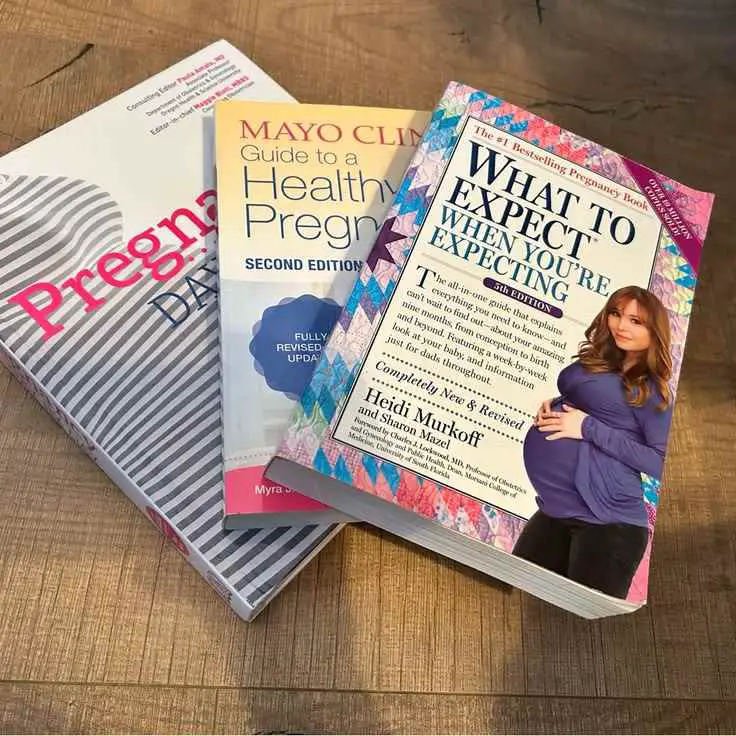
Understanding what your body is going through can reduce anxiety and increase confidence.
A well-written, medically accurate pregnancy book can provide insight into symptoms, fetal development, nutrition, and self-care practices.
Knowledge helps you feel more in control during a time of rapid physical and emotional change.
24. Mental Health Support Tools
 Pregnancy can bring heightened emotions, anxiety, or mood swings due to hormonal changes.
Meditation apps, journaling, therapy, or daily mindfulness practices can help manage stress and promote emotional well-being.
Prioritizing mental health early sets a strong foundation for the months ahead.
25. Protein Powder Approved by Your Provider

Early pregnancy food aversions or nausea can make meeting protein needs difficult.
Protein powders that are safe for pregnancy can help maintain muscle mass, support energy, and provide essential amino acids for your baby’s growth.
Always consult your healthcare provider before adding supplements to your routine.
26. Sick Bags or Disposable Bags
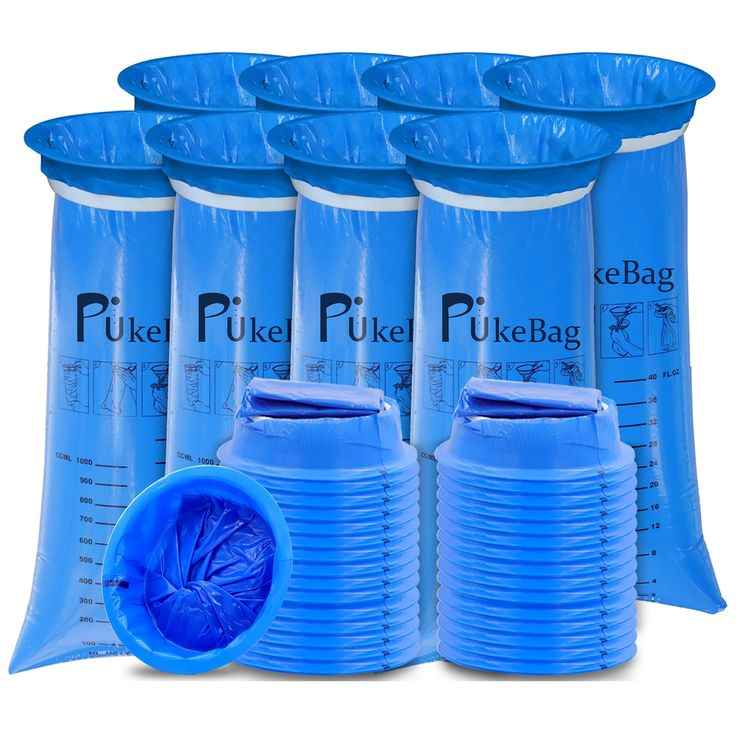
Morning sickness can strike unexpectedly, making sick bags a practical and discreet essential.
Keeping a few on hand at home, in your bag, or in the car provides peace of mind and helps you manage nausea without unnecessary stress or mess.
27. Dry Shampoo
 Fatigue and nausea can make regular hair washing difficult.
Dry shampoo helps you feel refreshed and maintain confidence even on days when standing in the shower feels overwhelming.
Choosing a gentle, pregnancy-safe formula ensures your scalp stays healthy.
28. A Lightweight Blanket
 Hormonal changes can affect body temperature regulation, causing sudden chills or heat.
A lightweight, easy-to-layer blanket provides comfort during naps or rest periods, helping you manage temperature fluctuations throughout the day and night.
29. Comfortable Slip-On Shoes
 Fatigue, swelling, or discomfort can make bending down or tying shoes challenging.
Slip-on shoes offer convenience and comfort, especially when you are on your feet for extended periods.
Look for cushioned soles and supportive designs to reduce strain on your back and le
30. A Trusted Healthcare Provider
 Having a healthcare provider you trust is essential for guidance, reassurance, and monitoring your pregnancy.
Feeling confident in your provider’s advice allows you to ask questions, address concerns, and feel supported throughout the first trimester and beyond.
Your provider becomes a key partner in this journey.
31. A Support System
 Emotional support from a partner, family, friends, or community is invaluable.
Sharing your experiences, concerns, and joys with people who care can reduce stress.
Provide practical help, and help you feel less isolated during the early months of pregnancy.
32. Educational Resources
 Reliable, medically reviewed resources help you navigate early pregnancy symptoms, nutrition, lifestyle changes, and common concerns.
They can empower you to make informed decisions and reduce anxiety caused by conflicting information online.
Being well-informed supports both physical and emotional well-being.
33. Permission to Rest
 The first trimester is a time of immense internal change, and your body requires extra energy to support a developing baby.
Giving yourself permission to rest, nap, or slow down without guilt is one of the most important essentials.
Prioritizing rest helps reduce fatigue, supports mental health, and allows you to be more present for yourself and your growing baby.
As the first trimester unfolds, it often becomes clear that preparation is less about having everything figured out and more about creating a sense of comfort and support for yourself.
These early weeks can bring a mix of anticipation, vulnerability, excitement, and adjustment, and having the right essentials nearby can help you move through them with greater ease.
Remember, there is no perfect way to experience pregnancy.
What feels essential to one person may not matter as much to another, and that is completely normal.
Listen to your body, trust your instincts, and allow yourself the flexibility to adapt as your needs change.
Most importantly, be gentle with yourself.
You are doing something extraordinary, even on the days when it feels quiet or challenging.
Take things one step at a time, lean on the support around you, and celebrate the small moments along the way.
The first trimester is only the beginning of a powerful journey, and giving yourself the care you deserve now sets the tone for the months ahead.
This article has shown you the best first trimester essentials you should know about.
You could also like;
25 Effective Breastfeeding Tips While Working From Home
21 Proven fourth trimester survival guide