Parenting with Boundaries without Yelling, 27 Strategies
Here are creative strategies on parenting with boundaries without yelling you should check out.
Parenting can be deeply loving and deeply exhausting, sometimes all in the same moment.
Many parents find themselves raising their voice not because they want to, but because they feel unheard, overwhelmed, or stretched past their limits.
Over time, yelling can start to feel like the only way to regain control, even when it leaves behind guilt, distance, and frustration on both sides.
At the same time, the idea of setting boundaries without raising your voice can feel unrealistic, especially in the middle of busy days and big emotions.
This is where the conversation about boundaries becomes important.
Healthy boundaries are not about being harsh or permissive, they are about creating clarity, safety, and respect within the parent-child relationship.
Learning how to hold limits calmly can transform the emotional climate of a home, helping parents feel more grounded and children feel more secure.
Parenting without yelling is not about perfection, it is about intention, awareness, and choosing a different path forward, even when it feels hard.
Parenting with Boundaries without Yelling, 27 Unique Strategies
- Get clear on your non-negotiables
 Boundaries work best when you know exactly what matters most.
When parents are unsure or constantly changing limits, frustration builds quickly.
Decide ahead of time which behaviors truly need boundaries and which ones can be flexible.
This clarity helps you respond calmly instead of reacting emotionally in the moment.
- Regulate yourself before responding
 Children borrow their emotional cues from adults.
If you respond while flooded with anger or stress, yelling becomes more likely.
Taking a brief pause, even a few deep breaths, helps your nervous system settle so you can speak firmly without raising your voice.
- Use fewer words
 Long explanations often escalate situations.
When emotions are high, children process less language.
A short, clear statement delivered calmly is more effective than a lecture and reduces the chance of yelling out of frustration.
- Separate discipline from emotion
 Boundaries are about guidance, not punishment.
When consequences are driven by anger, they feel unpredictable and threatening.
Calm, consistent follow through teaches responsibility while keeping the emotional temperature low.
- Set expectations before problems arise
 Many power struggles come from surprise boundaries.
When children know expectations ahead of time, they feel safer and more cooperative.
This reduces repeated reminders and the urge to raise your voice to be heard.
- Be consistent even when it is inconvenient
 Inconsistency trains children to test limits.
Each time a boundary is enforced calmly, it builds trust and reduces future conflict.
Consistency lowers the emotional load on parents because fewer battles repeat themselves.
- Focus on teaching, not controlling
 Yelling often comes from a desire to control behavior quickly.
Shifting your mindset toward teaching long term skills changes your tone naturally.
Teaching requires patience, repetition, and calm communication.
- Acknowledge feelings without changing the boundary
 Children are more receptive when they feel understood.
Validating emotions does not mean giving in.
You can hold a firm limit while still acknowledging disappointment, anger, or frustration.
- Use your presence more than your voice
 Moving closer, making eye contact, or gently placing a hand nearby can be more effective than speaking loudly across a room.
Physical presence communicates authority without volume.
- Practice natural consequences
 When children experience logical outcomes connected to their choices, parents do not need to yell to enforce rules.
Natural consequences feel fair and predictable, which reduces resistance.
- Model the behavior you want to see
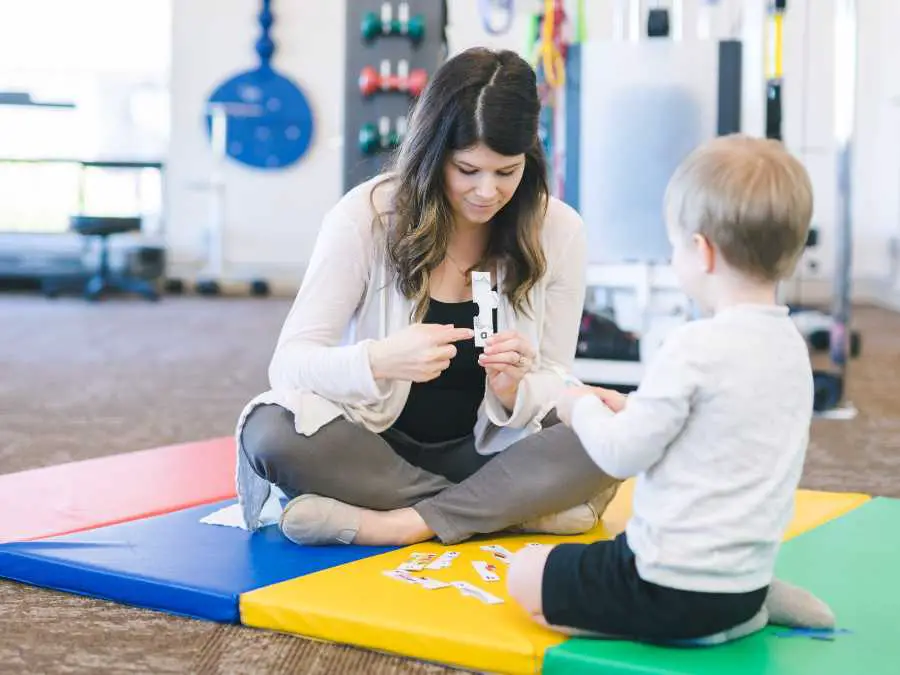 Children learn emotional regulation by watching adults.
When you handle conflict calmly, you teach them how to do the same.
This modeling makes yelling less necessary over time.
- Choose your timing wisely
 Trying to enforce boundaries when a child is overtired or hungry often leads to escalation.
Whenever possible, address issues when both of you are more regulated.
This leads to calmer conversations.
- Use calm repetition
 Repeating a boundary in the same steady tone shows confidence and resolve.
Escalating volume sends the message that the first request was optional.
Calm repetition keeps authority intact without yelling.
- Lower your voice instead of raising it
 A quieter voice often draws attention more effectively than a loud one.
It signals seriousness and control, encouraging children to listen rather than react defensively.
15. Create predictable routines
 Routines reduce the number of decisions and reminders needed throughout the day.
Fewer repeated instructions mean fewer opportunities for frustration and raised voices.
- Repair after mistakes
 No parent avoids yelling completely.
Repairing afterward by apologizing and reconnecting restores trust and shows children accountability.
This repair strengthens the relationship and reduces future tension.
- Let go of perfection
 High expectations for yourself can fuel guilt and anger.
Accepting that parenting is imperfect helps you respond with more grace, both toward your child and yourself.
- Pick your battles intentionally
 Not every behavior needs correction.
When parents try to manage everything, overwhelm builds.
Letting go of minor issues preserves energy for the boundaries that truly matter.
- Use visual reminders
 Charts, schedules, or written rules reduce the need for repeated verbal reminders.
This shifts responsibility away from constant parental prompting and lowers frustration.
- Stay curious instead of reactive
 When behavior feels challenging, curiosity opens the door to understanding.
Asking yourself what need or emotion is driving the behavior helps you respond thoughtfully instead of yelling.
- Build connection daily
 Strong connection makes cooperation easier.
When children feel seen and valued, they are more receptive to boundaries.
Connection reduces defiance and emotional escalation.
- Keep consequences calm and immediate
 Delayed or emotionally charged consequences often lead to arguments.
Calm, timely follow through reinforces boundaries without the need for raised voices.
- Avoid power struggles
 Yelling often signals a power struggle.
Offering limited choices within boundaries helps children feel some control while still respecting the limit.
- Practice saying less no
 Constant refusal can increase resistance.
When children hear no too often, they push harder.
Being selective with refusals makes boundaries feel more meaningful.
- Take care of your own needs
 Exhaustion lowers patience.
Adequate rest, support, and self care directly affect your ability to parent calmly.
Yelling often reflects burnout rather than bad parenting.
- Reflect on triggers
 Certain behaviors trigger stronger reactions.
Identifying these patterns allows you to prepare and respond differently next time.
Awareness reduces impulsive yelling.
- Trust the long term process
 Calm boundary setting takes time to show results.
Progress may feel slow, but consistency builds emotional safety and cooperation over time.
Trusting the process helps you stay grounded and patient.
Parenting with boundaries without yelling is not about having endless patience or getting it right every time.
It is about choosing a calmer, more intentional way to lead, even when emotions run high.
Boundaries set with steadiness and respect create an environment where children feel safe, understood, and guided, rather than controlled or feared.
Over time, this approach strengthens trust and reduces the need for raised voices because the relationship itself becomes the foundation for cooperation.
There will still be hard days, moments of frustration, and times when old habits resurface.
What matters most is the willingness to pause, reflect, and try again.
Each calm response is a step toward a more peaceful home, and each repaired moment reinforces connection.
When parents commit to holding boundaries with clarity and compassion, they are not just managing behavior, they are shaping how their children understand respect, communication, and emotional regulation for years to come.