25 Easy Ways To Embrace Boredom For Kids Development
Are you searching for ways to embrace boredom for kids development, no worries you are in the right place.
We have curated 25 ways on how to embrace boredom for kids development you will love.
Boredom often gets a bad reputation, especially when it shows up in childhood.
Many adults see it as something to fix quickly, a sign that a child needs more activity, more input, more direction.
But boredom is not empty or useless.
It is a quiet space where important inner work can begin, even if it looks unproductive on the surface.
When children are bored, they are left alone with their thoughts, their curiosity, and their emotions.
That pause can feel uncomfortable, yet it is often the starting point for imagination, problem-solving, and a deeper sense of self.
In a world that moves fast and offers constant stimulation, boredom has become rare.
Understanding its value asks us to slow down and look more closely at what children gain when nothing is planned for them.
Embracing boredom is less about doing more, and more about trusting what can grow in the space in between.
25 Easy Ways To Embrace Boredom For Kids Development
1. Allow unplanned time in the day
 Children benefit from having stretches of time with nothing scheduled.
When there is no activity waiting for them, they learn to notice their own interests and decide what to do next.
This supports independence and builds confidence in their ability to manage time and ideas.
2. Resist the urge to entertain immediately
 When a child says they are bored, it can feel natural to offer ideas right away.
Pausing instead gives them space to think, reflect, and initiate something on their own.
Over time, they learn that boredom is a feeling they can move through, not a problem someone else must solve.
3. Create a simple environment
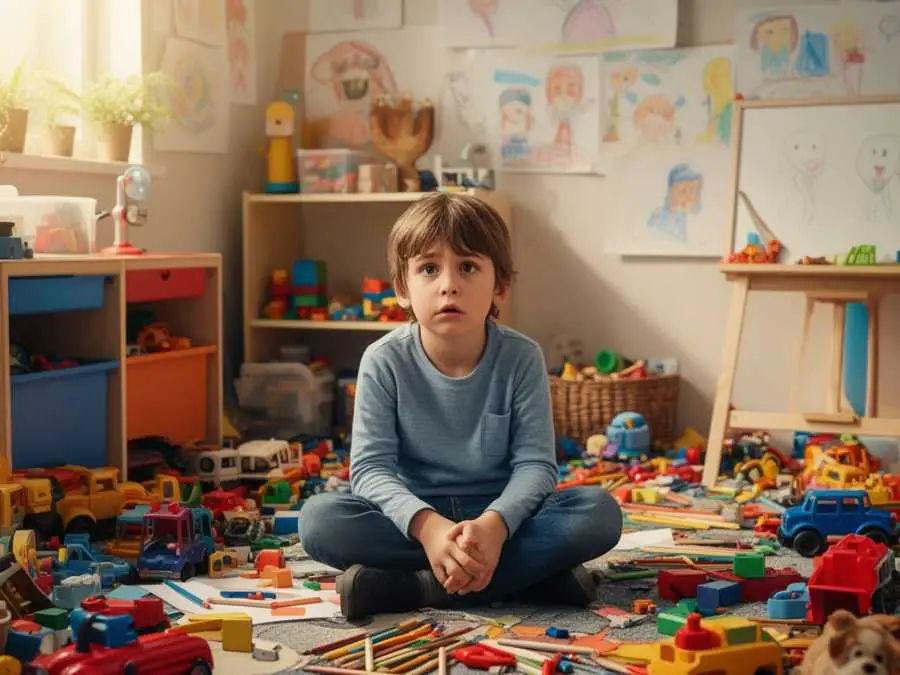 Too many toys or materials can overwhelm children and shut down creativity.
A simpler space encourages deeper play, as children are more likely to explore one object in many ways rather than jumping quickly between options.
4. Normalize boredom as a feeling
 Talking openly about boredom helps children understand that it is normal and temporary.
When adults treat boredom calmly, children learn emotional awareness and resilience, realizing they do not need constant excitement to feel okay.
5. Encourage daydreaming
 Daydreaming often begins in moments of boredom.
This quiet mental wandering helps children imagine possibilities, explore emotions, and build creative thinking.
It also supports inner reflection, which is essential for emotional growth.
6. Offer open-ended materials
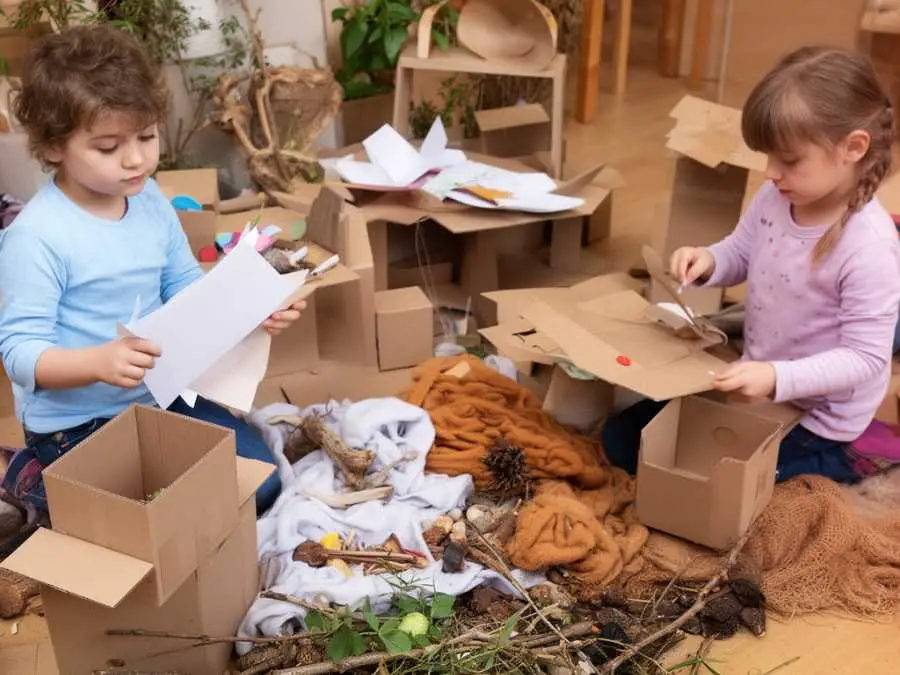 Items like paper, boxes, fabric, or natural objects invite imagination without telling children exactly what to do.
During bored moments, these materials allow children to invent their own games, stories, and solutions.
7. Let children struggle a little
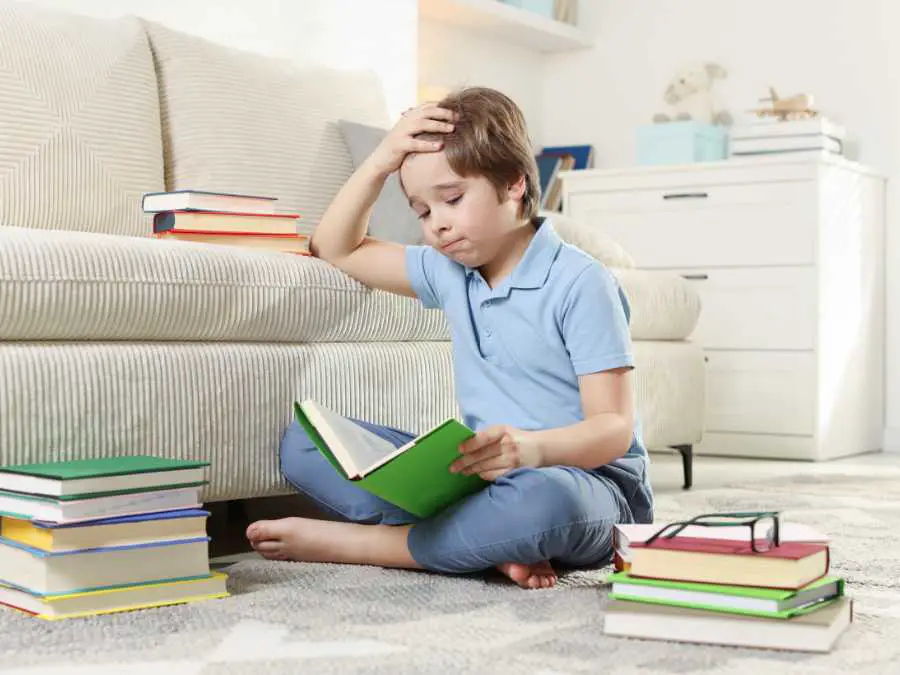 Boredom often comes with discomfort, and that is not a bad thing.
When children sit with that feeling, they practice patience and problem-solving.
Learning to work through mild frustration builds perseverance.
8. Avoid overscheduling
 A calendar packed with activities leaves little room for rest and reflection.
Downtime gives children the chance to process experiences, notice their own thoughts, and develop intrinsic motivation rather than always following external structure.
9. Encourage solo play
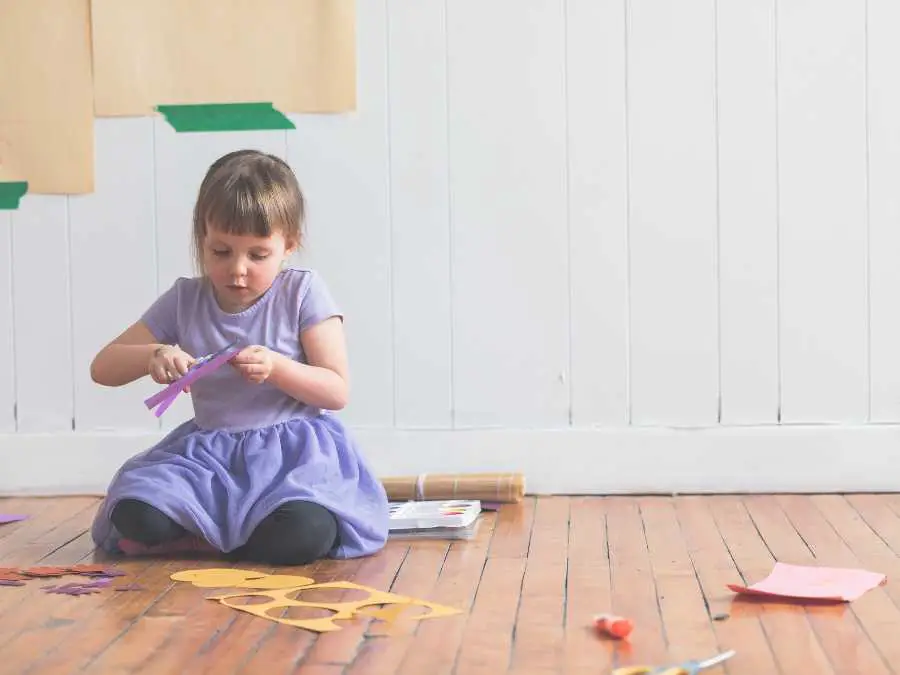 Playing alone helps children develop focus and self-awareness.
In bored moments, solo play allows them to explore their interests deeply, without relying on others to direct the experience.
10. Allow repetition
 When bored, children often repeat familiar actions or games.
This repetition supports mastery, confidence, and cognitive development.
What may look dull to adults is often meaningful practice for children.
11. Model comfort with boredom
 Children learn from watching adults.
When they see caregivers sitting quietly, thinking, or doing nothing without anxiety, they learn that stillness is acceptable and even valuable.
12. Provide access to books
 Books offer an open door when boredom strikes, without overstimulation.
Reading encourages imagination, language development, and sustained attention, especially when the child chooses what to read.
13. Encourage observation
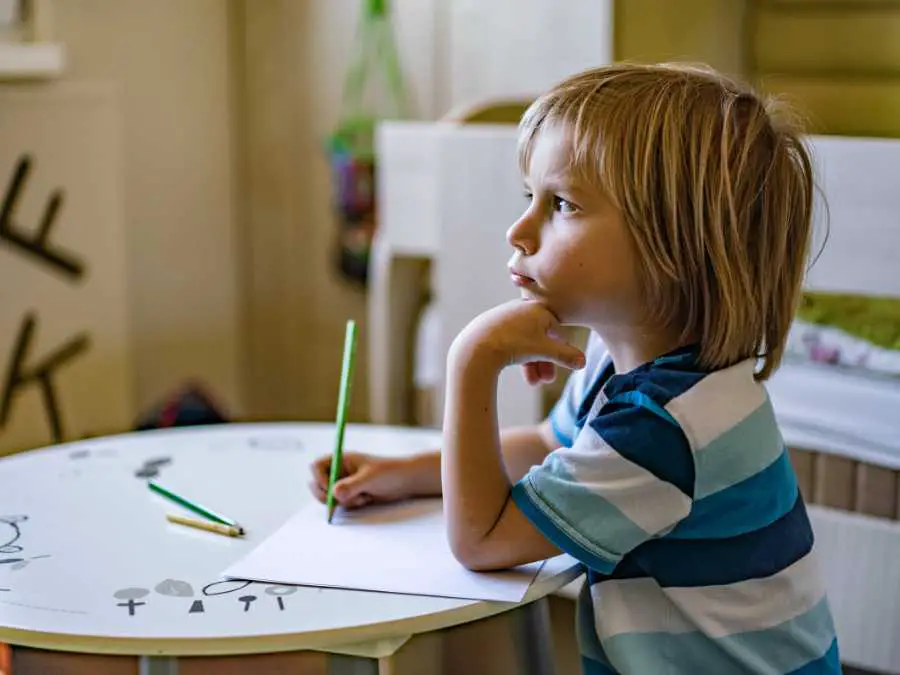 Boredom can slow children down enough to notice small details around them.
Watching shadows, listening to sounds, or noticing changes in nature builds mindfulness and curiosity.
14. Limit quick rewards
 Instant rewards can train children to expect constant stimulation.
When rewards are less immediate, boredom becomes a space where motivation grows from within, supporting long-term emotional regulation.
15. Support creative expression
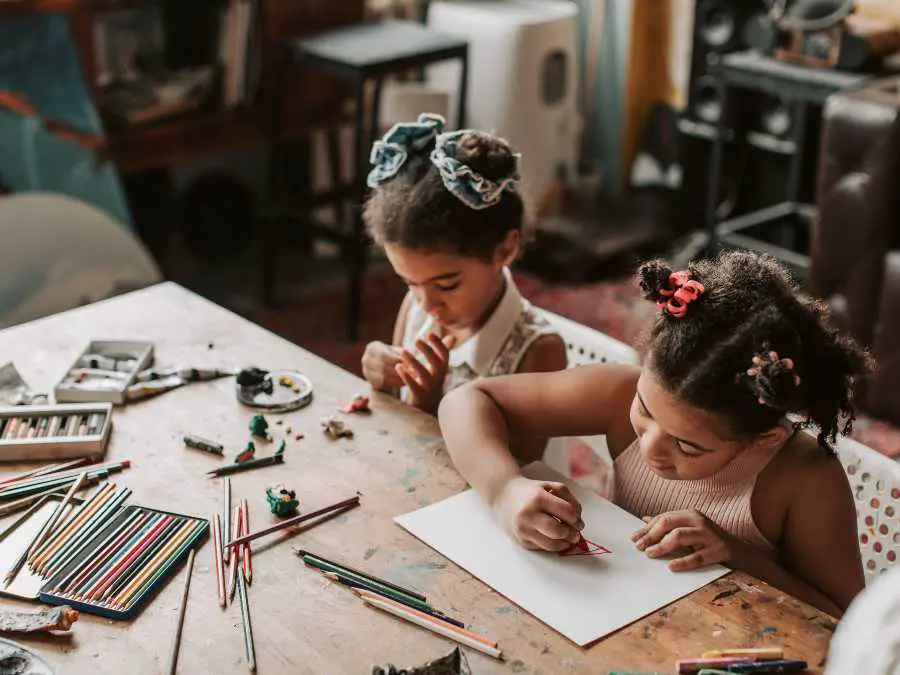 Drawing, writing, building, or pretending often emerge from boredom.
These activities help children express feelings, test ideas, and explore identity in a natural and self-guided way.
16. Allow quiet reflection time
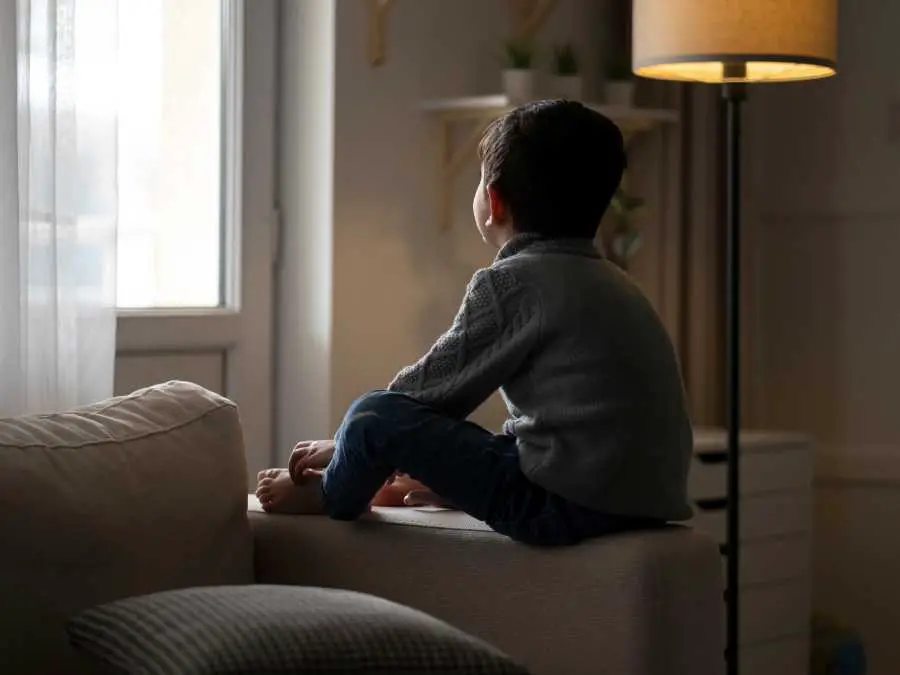 Quiet moments help children process emotions and experiences.
This reflection strengthens self-understanding and supports emotional intelligence, which develops best without constant distraction.
17. Encourage asking questions
 Boredom can spark curiosity.
When children begin asking why or how, they are engaging in deeper thinking.
Supporting questions rather than providing quick answers nurtures learning and exploration.
18. Avoid labeling boredom as negative
 When boredom is framed as bad, children may fear it.
When it is treated as a neutral or even useful state, children learn to approach it with openness rather than avoidance.
19. Let children invent rules and games
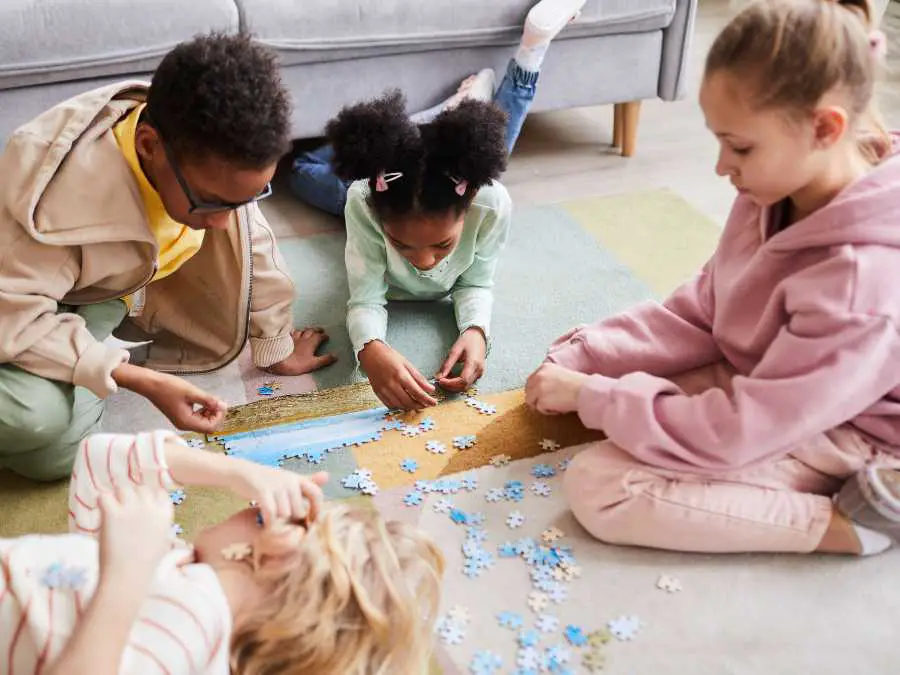 Without structured activities, children often create their own games.
This builds creativity, planning skills, and social understanding when others are involved.
20. Give responsibility during downtime
 Simple responsibilities during bored moments help children feel capable and involved.
This supports a sense of purpose and teaches that meaningful activity does not always come from entertainment.
21. Encourage listening to thoughts
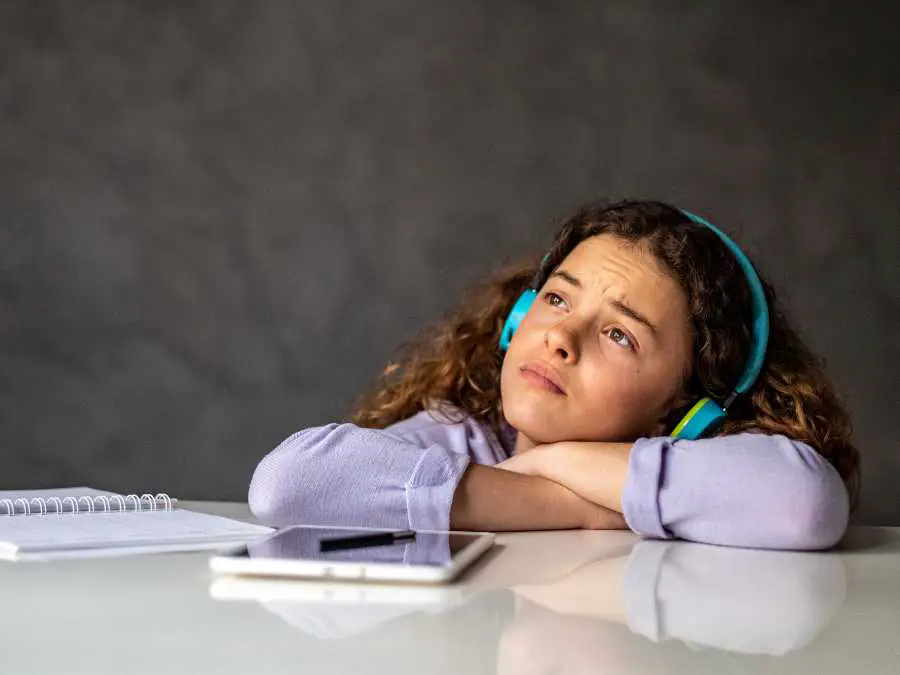 Boredom gives children access to their inner voice.
Learning to listen to their thoughts helps develop self trust and emotional awareness, which are key for healthy development.
22. Allow nature time without direction
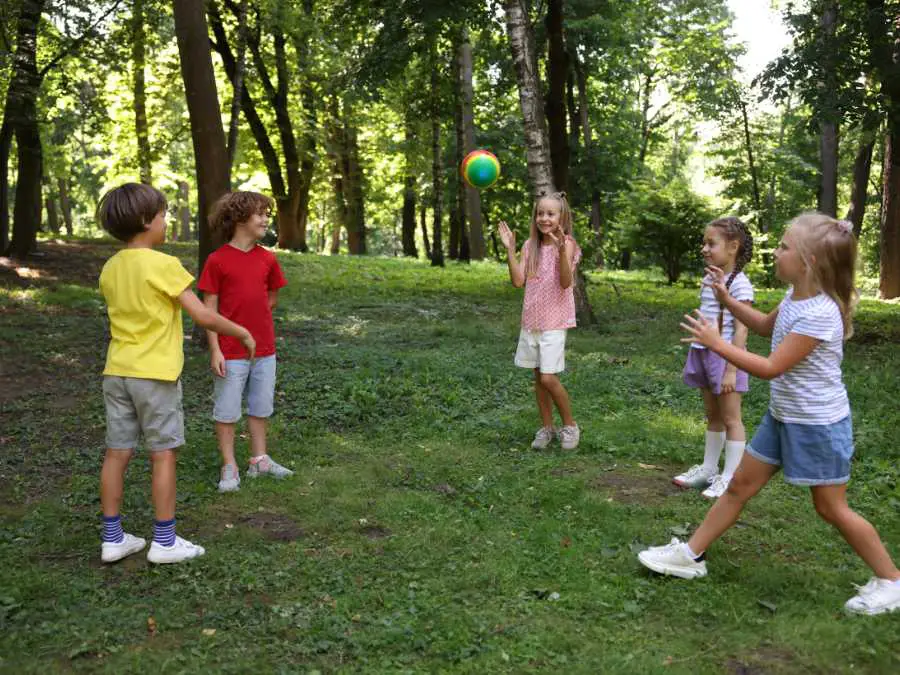 Being outdoors with no planned agenda encourages exploration and imagination.
Nature offers endless sensory input that invites curiosity without overwhelming the child.
23. Practice patience together
 Waiting and doing nothing for a short time helps children learn patience.
This skill supports emotional regulation and prepares them for challenges that require delayed gratification.
24. Reduce reliance on screens
 Screens quickly eliminate boredom but also remove the chance for internal creativity.
Limiting their use allows boredom to do its natural work in developing focus and imagination.
25. Trust the process
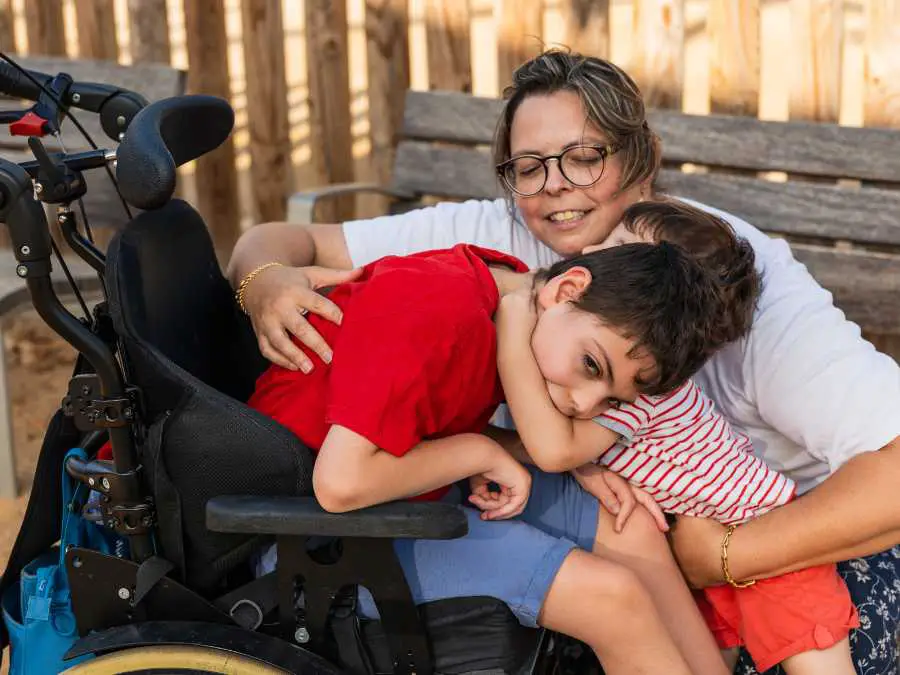 Embracing boredom requires trust in children and in development itself.
When adults step back, children often surprise us with their ideas, resilience, and creativity that emerge from quiet moments.
Boredom does not mean something is missing in a child’s life, often it means there is space for something important to grow.
When we stop rushing to fill every quiet moment, we give children the chance to explore their inner world, discover their interests, and develop skills that cannot be taught through constant activity.
Embracing boredom asks for patience and trust from adults, but the reward is children who are more creative, emotionally aware, and confident in themselves.
By allowing boredom to exist, we are not doing less for children, we are giving them room to become more.
50 Gentle Parenting Phrases for Setting Firm Boundaries