25 Gentle Ways to Keep Your Toddler in Bed at Night
Are you searching for gentle Ways to Keep Your Toddler in Bed at Night? search no more you are in the right place.
We have curated 25 Gentle Ways to Keep Your Toddler in Bed at Night you will love.
Nighttime with a toddler can feel like a quiet hope followed by repeated footsteps down the hallway.
Just when the house settles, your little one is suddenly wide awake, calling for you, climbing out of bed, or insisting they are not tired at all.
If you are navigating this stage, you are not alone.
Many parents find that keeping a toddler in bed is less about strict rules and more about understanding, patience, and connection.
This phase often comes with big emotions, growing independence, and a strong need for reassurance after a busy day.
The good news is that bedtime does not have to become a nightly battle.
With gentle, thoughtful approaches, it is possible to create calmer evenings and help your toddler feel safe and secure as they drift off to sleep.
25 Gentle Ways to Keep Your Toddler in Bed at Night
1. Create a predictable bedtime routine
 Toddlers feel safest when they know what comes next.
A consistent routine signals that sleep is approaching and helps their body and mind slow down.
Doing the same steps in the same order each night builds familiarity and reduces resistance because bedtime feels expected, not sudden.
2. Keep bedtime calm and unrushed
 When bedtime feels hurried or stressful, toddlers can absorb that energy and resist sleep.
Slowing down allows them to transition gently from play to rest.
6A calm parent presence helps them relax and feel secure enough to stay in bed.
3. Offer reassurance before they ask for it
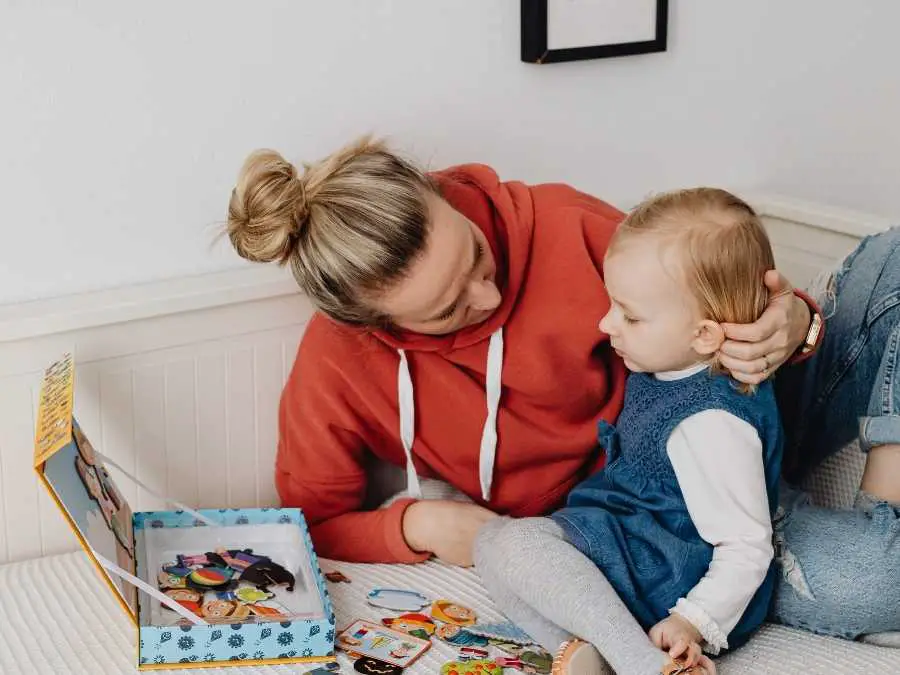 Many toddlers leave their bed because they need reassurance.
Offering comfort, kind words, and affection before lights out can meet that need ahead of time.
This reduces the urge to get up later looking for connection.
4. Use a consistent bedtime phrase
 Saying the same loving phrase every night creates a sense of closure and security.
Over time, your toddler associates those words with safety and sleep.
This consistency can be more powerful than repeated explanations.
5. Make their bed feel safe and inviting
 A toddler is more likely to stay in bed if it feels like a comforting place.
Soft lighting, familiar bedding, and favorite items can help them feel protected.
Their bed should feel like a place they want to be, not a place they are sent to.
6. Acknowledge their feelings about bedtime
 If your toddler says they are not tired or they want you, acknowledge it without arguing.
Feeling heard helps them relax.
When emotions are validated, resistance often softens naturally.
7. Stay calm during nighttime wake ups
 Your response during wake ups matters.
A calm, steady presence reassures your toddler that everything is okay.
Big reactions can unintentionally encourage more wake ups.
8. Keep nighttime interactions brief
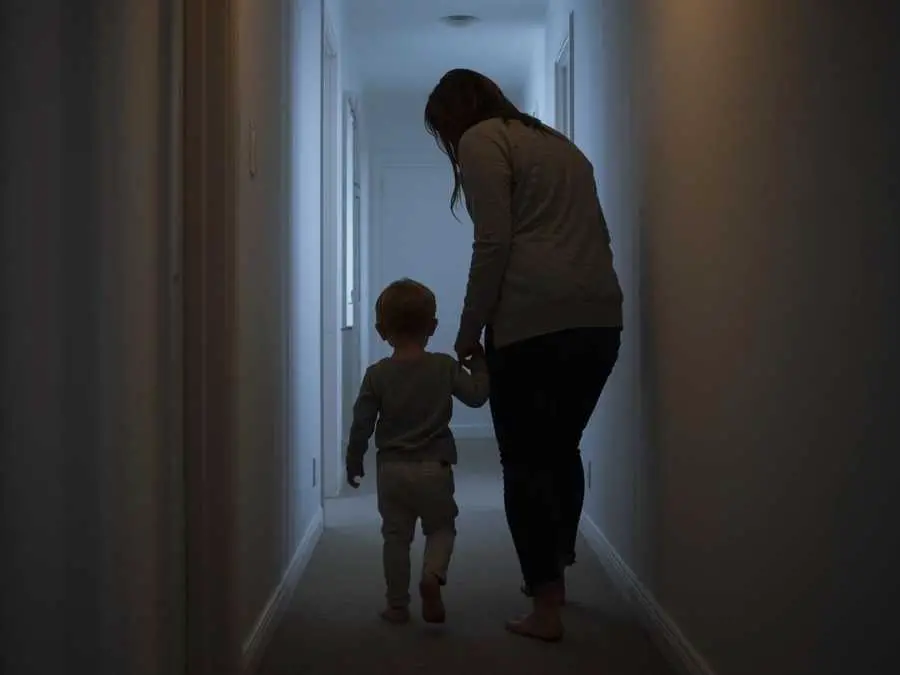 When your toddler gets out of bed, gently guide them back with minimal conversation.
This keeps the message clear that nighttime is for sleep, while still offering reassurance.
Too much engagement can turn wake ups into a habit.
9. Be consistent with your response
 Gentle approaches work best when they are consistent.
If your toddler receives different reactions each night, they may keep testing.
A steady response builds trust and helps them learn what to expect.
10. Avoid threats or punishments
 Fear based tactics can increase anxiety and make bedtime harder.
Toddlers need to feel safe to fall asleep and stay asleep.
Gentle guidance builds cooperation without damaging trust.
11. Offer a sense of control
 Giving small choices helps toddlers feel empowered.
Letting them choose pajamas or a book gives them ownership over bedtime.
This can reduce power struggles that lead to getting out of bed.
12. Use a comfort object
 A favorite stuffed animal or blanket can provide reassurance when you are not in the room.
This helps toddlers soothe themselves if they wake up.
Comfort items can act as a stand in for your presence.
13. Talk about bedtime during the day
 Discussing sleep positively when everyone is calm helps set expectations.
During the day, toddlers are more open to learning and understanding.
This makes nighttime feel less emotional.
14. Watch for overtiredness
 An overtired toddler often has more difficulty staying in bed.
Their body may be exhausted but their mind overstimulated.
An earlier bedtime can sometimes solve repeated night waking’s.
15. Keep daytime naps balanced
 Too much or too little daytime sleep can affect nighttime rest.
Observing your toddler’s natural rhythm helps you adjust naps appropriately.
Balanced rest supports better nighttime sleep.
16. Maintain a comfortable sleep environment
 Temperature, noise, and lighting all influence sleep.
A room that is too bright or uncomfortable can prompt a toddler to get up.
Creating a cozy environment supports longer stretches of rest.
17. Model calm bedtime behavior
 Toddlers learn by watching you.
If evenings are calm and relaxed, they are more likely to settle easily.
Your energy sets the tone for how bedtime feels.
18. Respond with empathy instead of frustration
 Even when you are tired, responding gently builds trust.
A toddler who feels safe is more likely to relax and return to sleep.
Frustration can increase anxiety and prolong wakefulness.
19. Set clear and simple expectations
 Toddlers benefit from simple language.
Explaining that nighttime is for staying in bed helps them understand boundaries.
Clear expectations reduce confusion and testing.
20. Praise staying in bed
 Positive reinforcement can be powerful.
Noticing and praising when your toddler stays in bed builds confidence.
This encourages repeat behavior without pressure.
21. Use a soft night light if needed
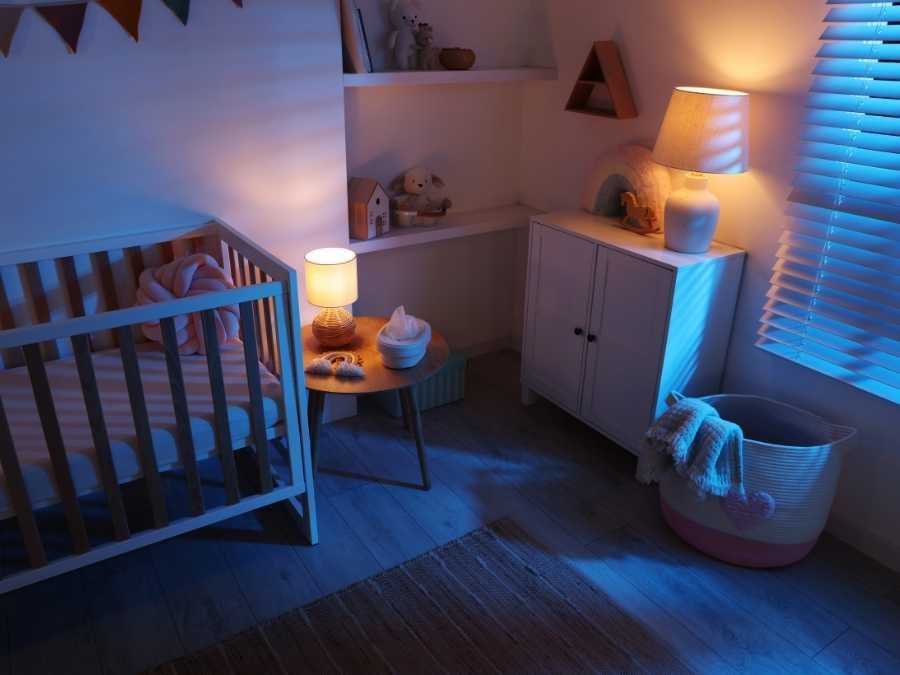 Some toddlers fear the dark and leave their bed because of it.
A gentle night light can ease that fear.
Feeling secure visually can help them remain settled.
22. Keep goodbyes consistent
 Long or emotional goodbyes can make separation harder.
A brief, loving goodbye helps toddlers learn that bedtime separation is safe and temporary.
Consistency builds confidence.
23. Be patient with progress
 Change rarely happens overnight.
Gentle methods take time because they respect your child’s emotional development.
Patience allows trust to grow naturally.
24. Trust your child’s development
 Nighttime independence develops gradually.
Trusting that your toddler is learning at their own pace reduces pressure on both of you.
Confidence in their ability supports calmer nights.
25. Remember that this phase will pass
 Many bedtime challenges are temporary.
Keeping perspective helps you stay calm and compassionate.
Gentle consistency now builds lifelong feelings of safety around sleep.
Helping your toddler stay in bed at night is less about achieving perfect sleep and more about building a sense of safety, trust, and understanding.
These moments, even the challenging ones, are part of your child learning how to feel secure on their own.
Progress may come slowly, with steps forward and occasional setbacks, but every calm response and consistent effort matters.
By choosing gentle approaches, you are not only supporting better sleep, you are also strengthening your connection with your child.
Over time, those quiet nights will become more familiar, and this phase, like so many others, will gently fade into the background.
You could also like;