23 Ways On How to Make Siblings Share a Room Without the Constant Fighting
Are you searching for a solution on how to Make Siblings Share a Room Without the Constant Fighting? Then, you are in the right place.
We have curated 23 Ways on how to Make Siblings Share a Room Without the Constant Fighting you will like.
Sharing a room can feel like a daily test of patience for both siblings and parents.
What starts as a simple living arrangement often turns into a battlefield of misplaced toys, whispered arguments, and loud disagreements over space that suddenly feels too small.
For children, a shared room is more than just a place to sleep, it is where personalities clash, boundaries are tested, and independence begins to form.
For parents, the constant bickering can be exhausting and discouraging, especially when the goal is to create a peaceful home.
Yet room sharing does not have to be a source of endless conflict.
When handled thoughtfully, it can become an opportunity for children to learn cooperation, empathy, and respect for one another.
This post explores how families can move past the daily struggles and help siblings coexist more peacefully in a shared space.
With the right mindset and approach, a shared room can shift from a place of tension to one of understanding, growth, and even connection.
23 Ways On How to Make Siblings Share a Room Without the Constant Fighting
- Set Clear Boundaries
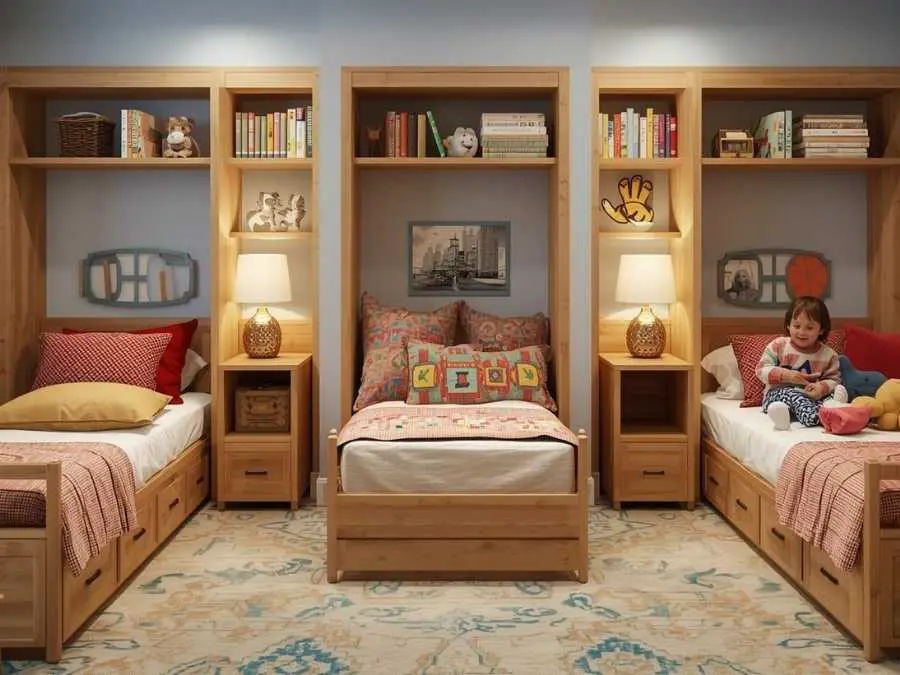 Define personal space for each child, whether it’s a bed, a shelf, or a corner.
Boundaries help children know where they can have privacy and where they need to share, reducing conflicts over personal items.
- Create a Room Layout Together
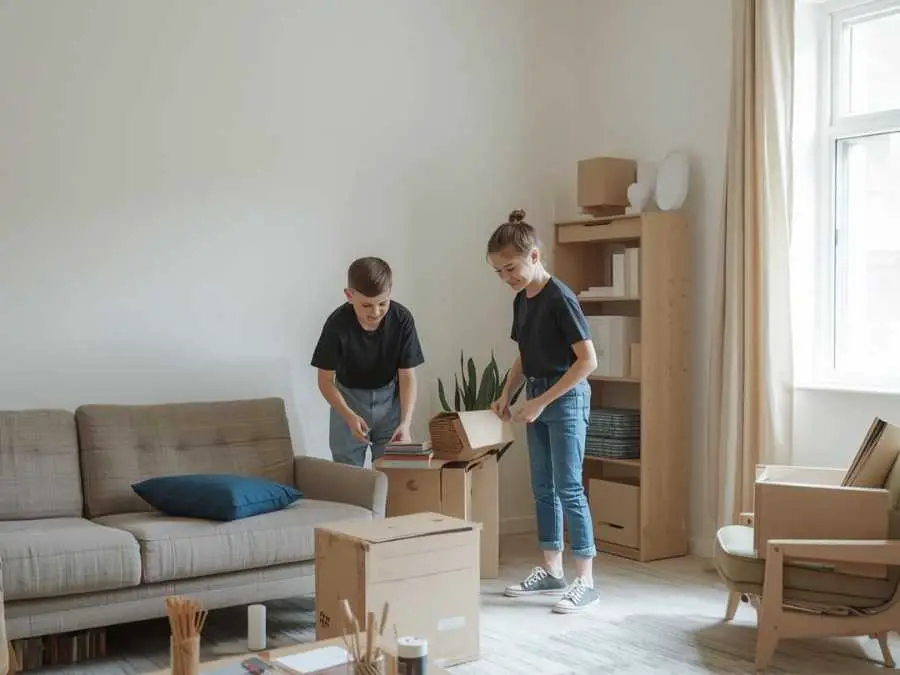 Involve both siblings in arranging the room.
Let them decide where beds, desks, or storage will go.
When children have a say, they feel ownership, which decreases disputes.
- Use Storage Solutions
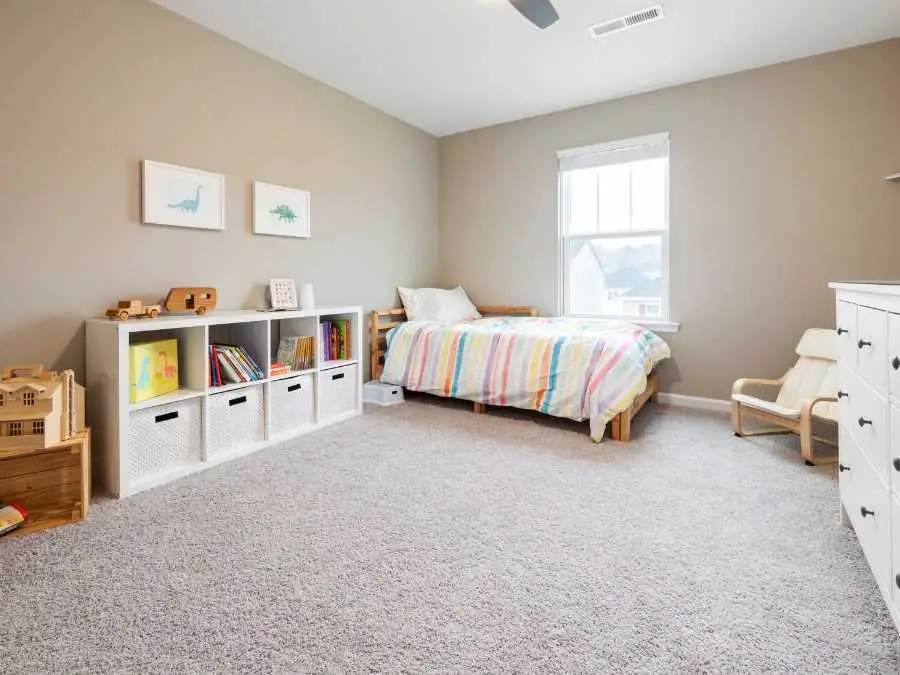 Provide separate bins, drawers, or cubbies for each child.
Clearly labeled storage prevents fights over toys, clothes, or school supplies because each child has their own space.
- Assign Chores in the Room
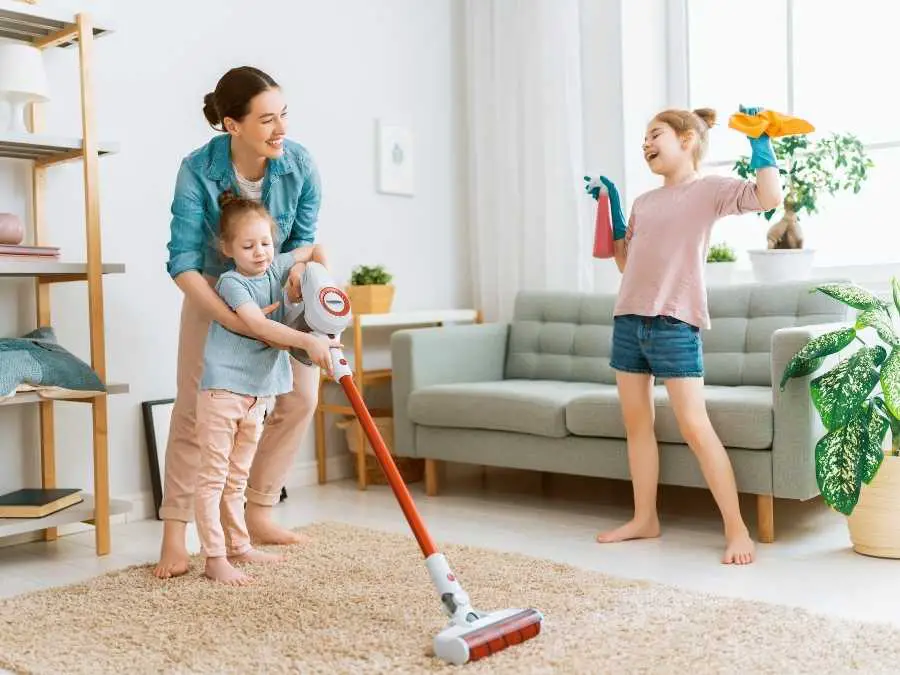 Teach children responsibility by having them take turns keeping the shared space tidy.
When each child contributes, it reduces tension over messiness or cleanliness.
- Set Quiet and Play Zones
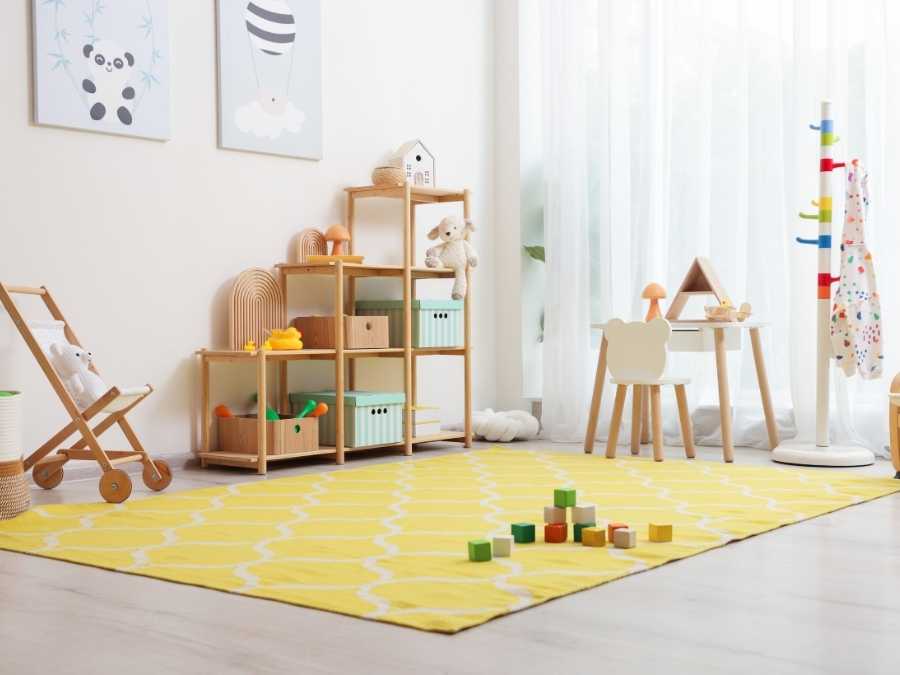 Designate areas for sleeping, studying, and playing. For example, the desk area is for homework only, while the play corner is for toys.
This keeps activities from overlapping and causing disputes.
- Establish a Daily Routine
 A structured routine for bedtime, homework, and free time helps prevent conflicts.
When children know what to expect and when, there is less room for power struggles.
- Encourage Personalization
 Allow each child to decorate their side of the room with posters, bedding, or small items.
Personal touches give children a sense of ownership without encroaching on the other’s space.
- Use Visual Dividers
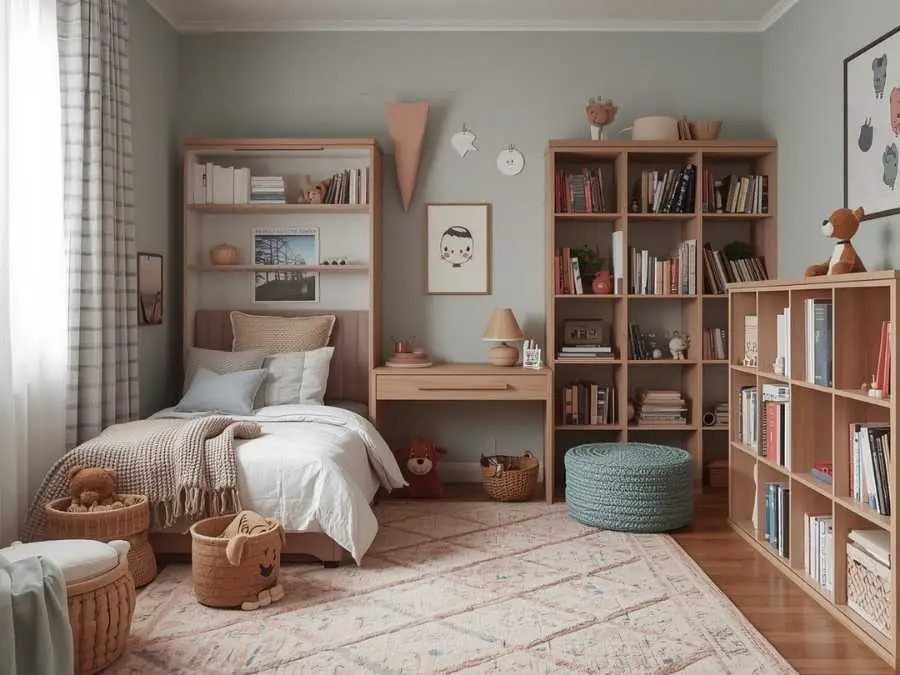 Even simple items like curtains, rugs, or bookshelves can create visual separation.
Dividers make each child feel like they have a personal area, reducing arguments over overlapping spaces.
- Set Rules for Shared Items
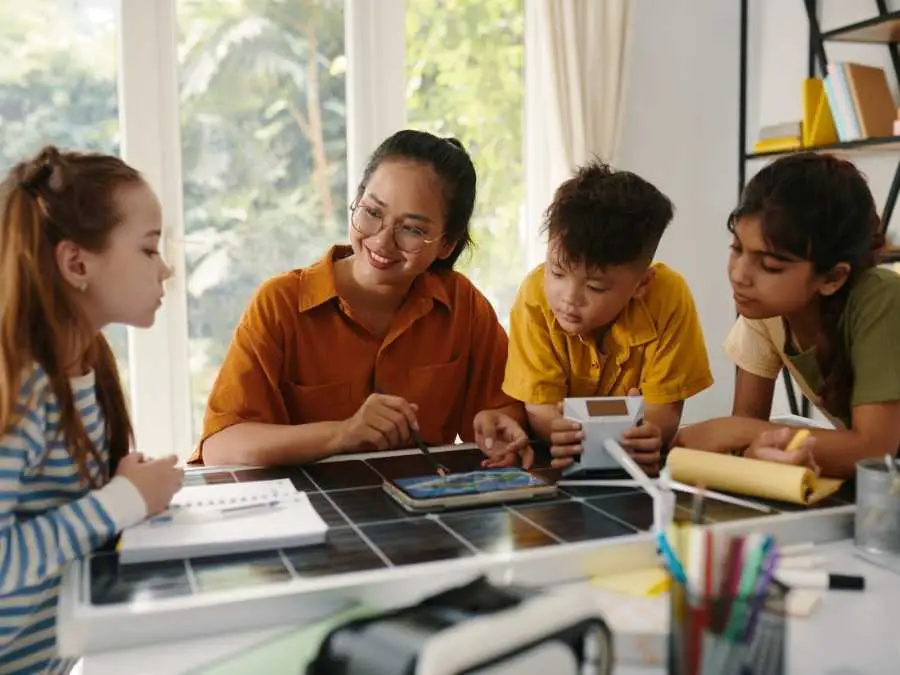 Establish clear guidelines about what can be shared, like toys, books, or electronics, and what is off-limits.
Rules prevent confusion and disagreements over property.
- Teach Conflict Resolution Skills
 Instead of immediately stepping in, guide siblings on how to resolve disputes calmly.
Role-play scenarios and teach phrases like “Can I use this after you?” or “Let’s take turns.”
- Rotate Responsibilities
 If sharing tasks like cleaning or organizing, rotate responsibilities weekly.
This ensures fairness and prevents resentment that can lead to fights.
- Encourage Teamwork Activities
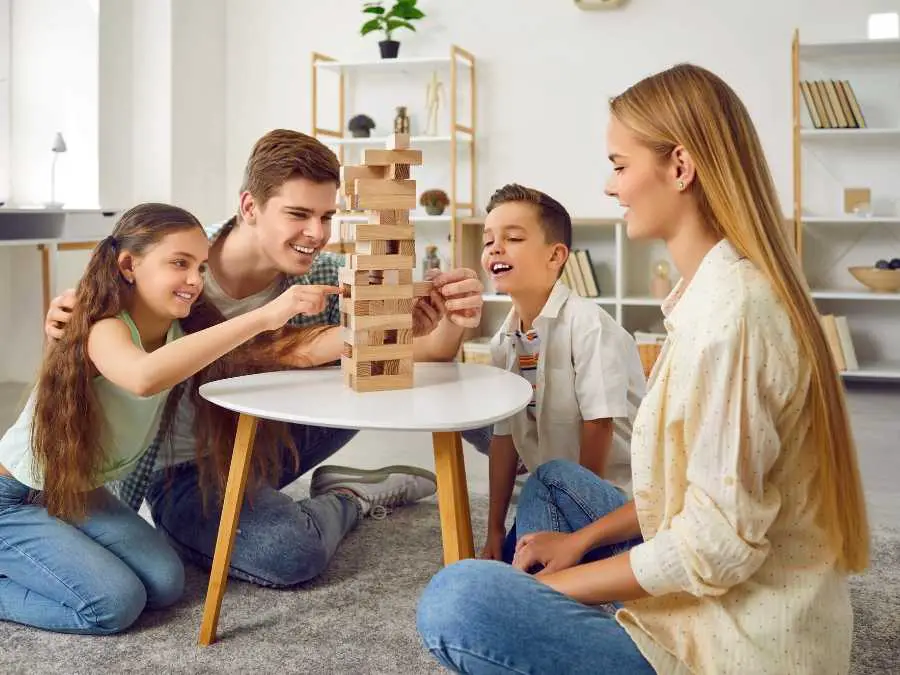 Introduce games or small projects they can do together in the room.
Shared positive experiences build camaraderie and make coexisting easier.
- Respect Individual Sleep Needs
 One sibling might be an early riser while the other prefers late nights.
Provide headphones, nightlights, or soft lighting to accommodate differences without conflict.
- Have a “Quiet Time” Rule
 Implement a daily quiet period where both children read, draw, or do an individual activity.
This teaches respect for each other’s need for peace and reduces tension.
- Offer Choices, Not Orders
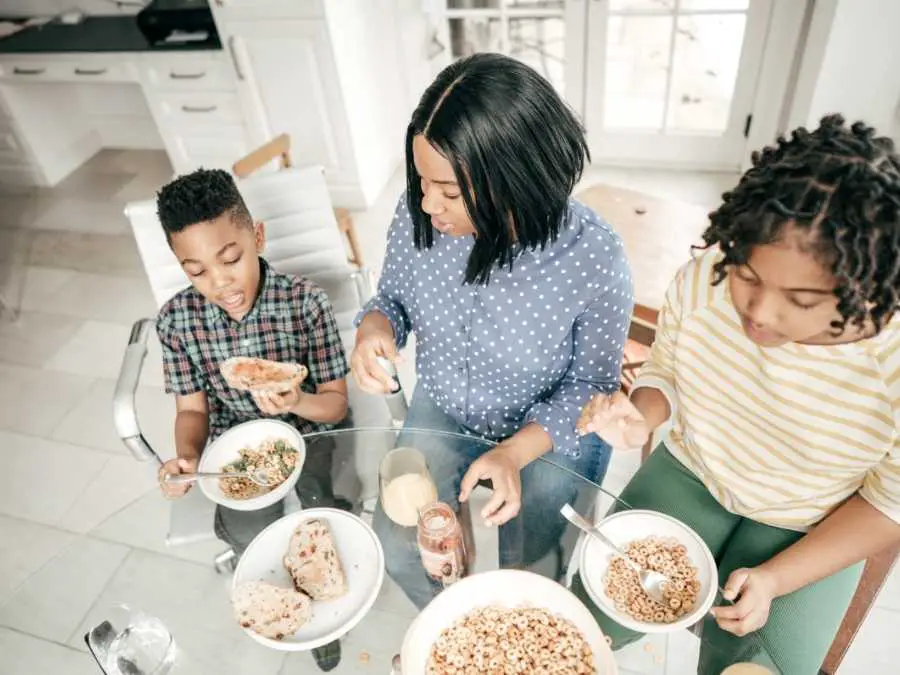 When conflicts arise, give choices instead of dictating solutions.
For example, “Do you want to do homework at the desk or on the bed?” Children are more likely to cooperate when they feel in control.
- Praise Positive Interactions
 Acknowledge and reward moments of sharing, compromise, or teamwork.
Positive reinforcement encourages more cooperative behavior.
- Provide Private Breaks Outside the Room
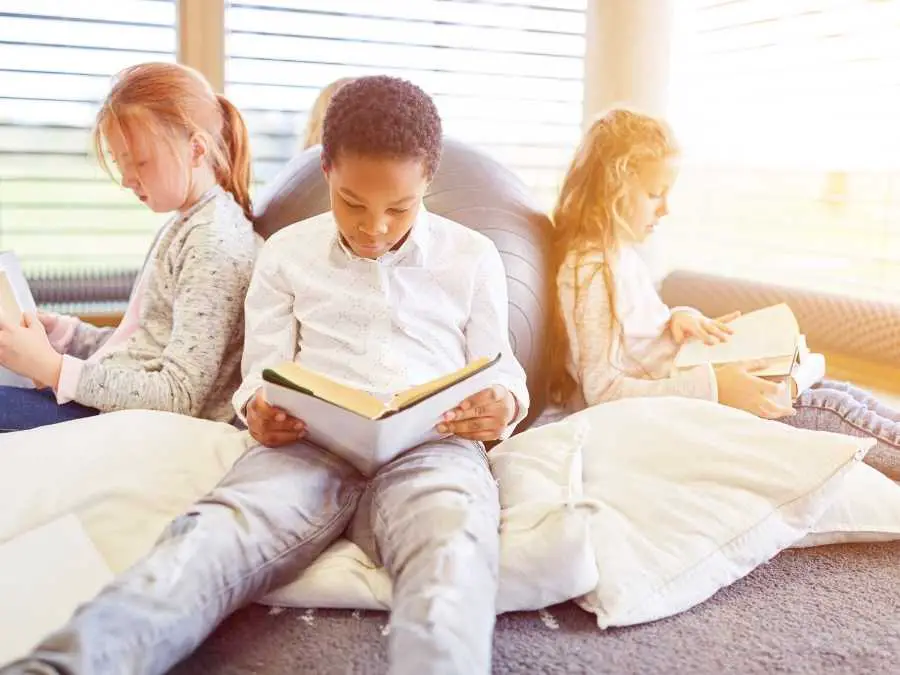 Even with a shared room, children need time apart.
Encourage activities in other areas, like reading in a different corner or playing outdoors, to prevent constant friction.
- Set Limits on Electronics
 If siblings share devices or screens, create rules to prevent arguments, such as set time limits or a sign-up schedule.
Clear guidelines prevent constant disputes over usage.
- Encourage Empathy Through Discussion
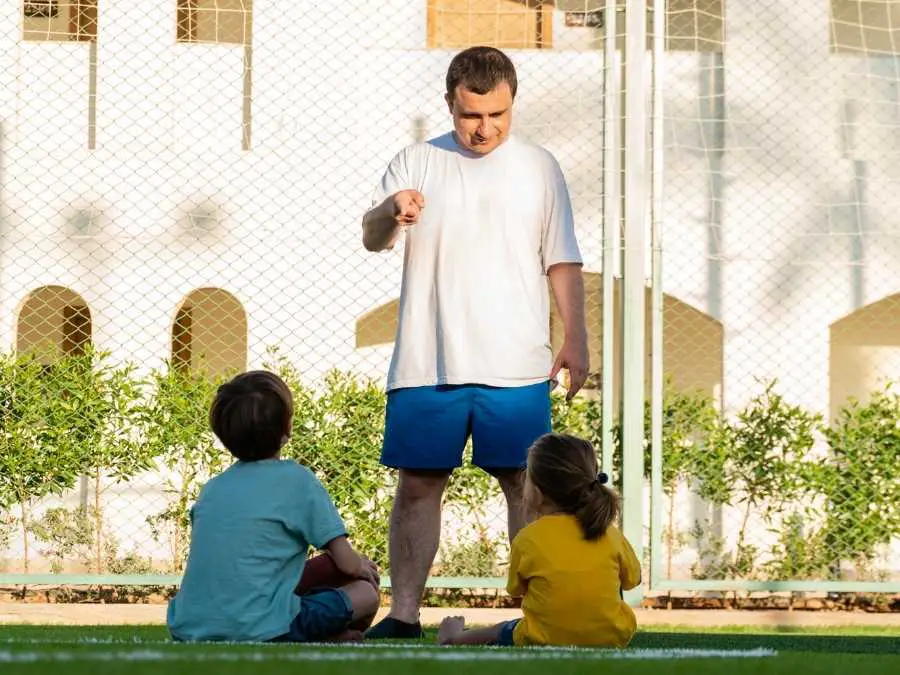 Talk about feelings when fights occur.
Help children understand how their actions affect the other sibling.
This builds emotional intelligence and reduces repeated conflicts.
- Use a Reward System for Cooperation
 Introduce a chart or small incentives for sharing, taking turns, or keeping the room tidy.
Tangible rewards can motivate children to maintain harmony.
- Implement a Problem-Solving Routine
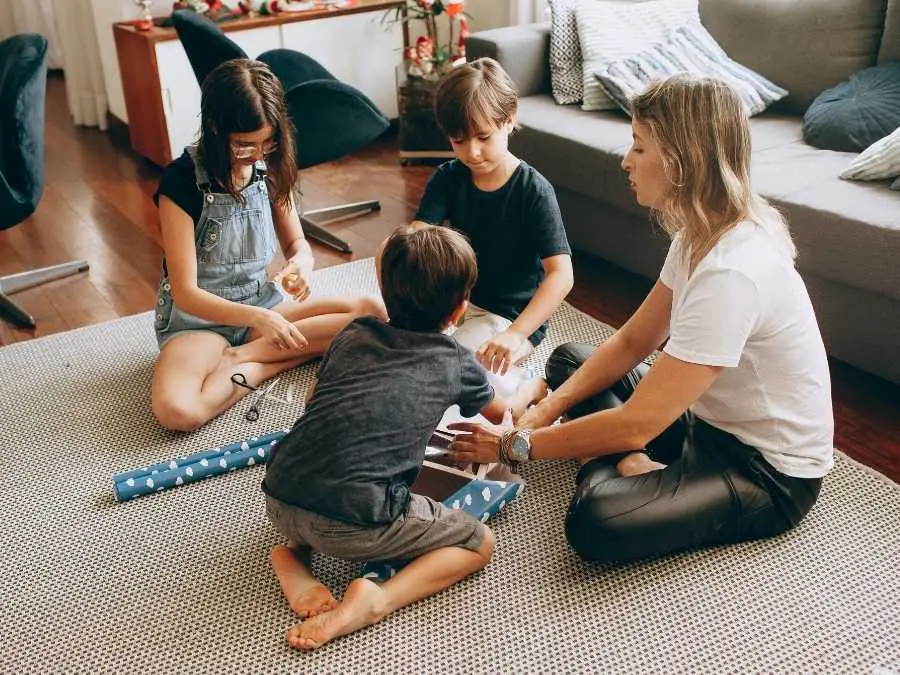 When a fight happens, guide them through a structured approach: identify the problem, brainstorm solutions, agree on one, and follow through.
This turns conflicts into learning opportunities.
- Keep the Room Organized Together
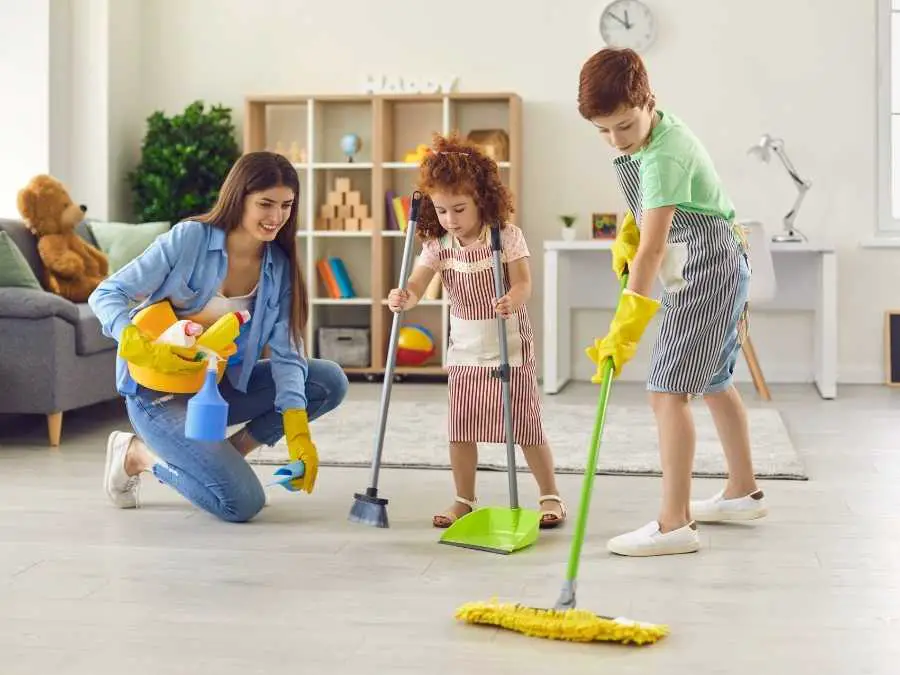 Have a weekly “room reset” where both children tidy up together.
Shared responsibility promotes teamwork and reduces disputes over cleanliness.
- Model Calm Behavior
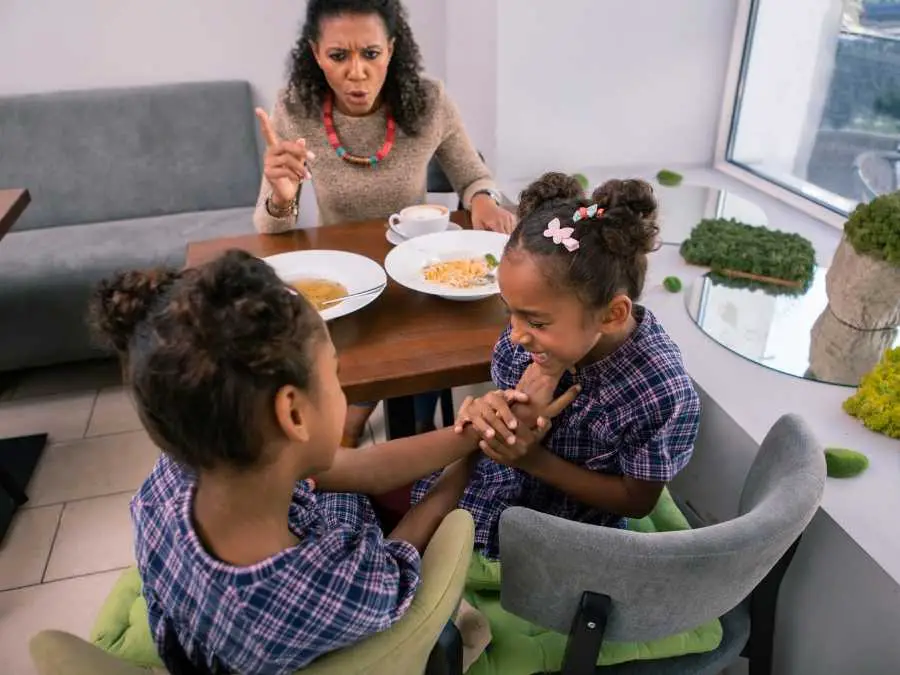 Children mirror adult reactions.
When conflicts arise, demonstrate calm communication, negotiation, and compromise.
Modeling respectful behavior sets the standard for how siblings should interact.
Sharing a room is often one of the first challenges children face in learning how to coexist closely with others.
When two personalities, habits, and preferences collide in a limited space, conflict is almost inevitable.
The key is not to eliminate disagreements entirely—that’s impossible—but to manage them in a way that teaches cooperation, respect, and compromise.
Many of the strategies listed above work because they address the root causes of conflict rather than just the symptoms.
For example, arguments often stem from unclear boundaries, differences in routines, or competing needs for privacy and autonomy.
By clearly defining personal spaces, setting routines, and giving each child a sense of control, these strategies reduce friction before it escalates into fighting.
Another important principle is fairness and shared responsibility.
When children feel that rules, chores, and privileges are balanced, they are less likely to feel resentful or act out.
Encouraging teamwork and empathy also fosters emotional intelligence.
When siblings understand each other’s feelings and perspectives, even small compromises become easier.
Additionally, positive reinforcement and modeling calm behavior play a huge role.
Children naturally mirror adult behavior, so seeing parents handle disputes respectfully teaches them to do the same.
Praising cooperation and celebrating small successes creates an environment where collaboration is valued more than competition.
Ultimately, making siblings share a room successfully is about combining structure with flexibility, fairness with empathy, and guidance with independence.
The result is not just a peaceful room, but a space where children learn lifelong skills like negotiation, patience, and problem-solving, while also building a stronger bond with each other.