Postpartum Hair Care Tips: Complete Guide to Hair Loss, Regrowth & Recovery
Postpartum Hair Care Tips
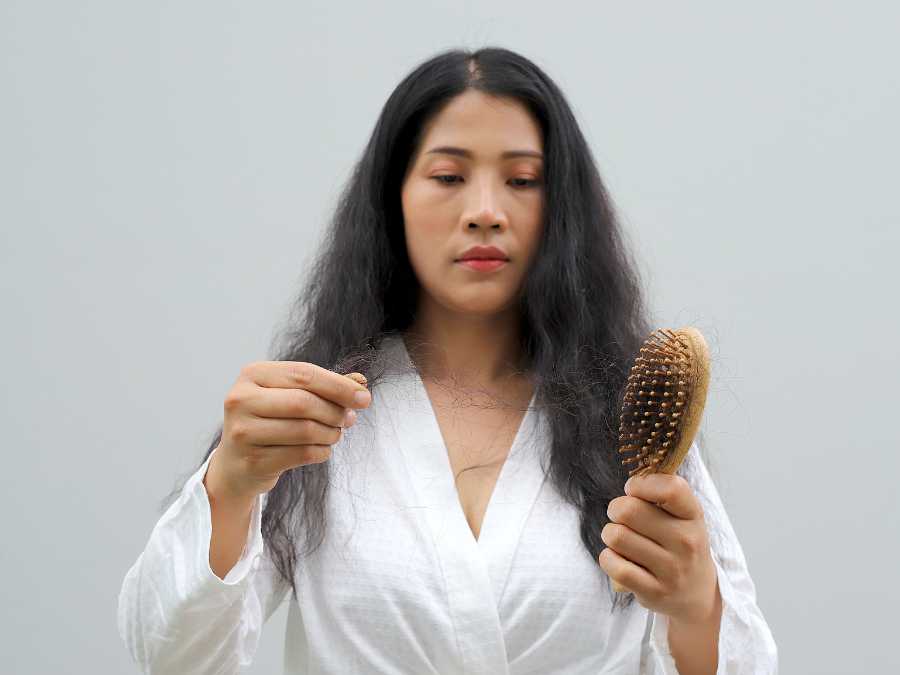
Postpartum hair care is one of those topics nobody warns you about until you’re standing in the shower watching handfuls of hair circle the drain, wondering if you’ll go bald.
Postpartum hair loss, medically known as postpartum telogen effluvium, affects up to 50% of new mothers and can be one of the most distressing physical changes after having a baby.
From understanding why postpartum hair loss happens to effective treatments, styling strategies for thinning hair, and realistic timelines for recovery.
This comprehensive guide covers everything you need to know about caring for your hair during the postpartum period.
Let’s navigate this challenging phase together and help you feel confident about your hair again.
Understanding Postpartum Hair Loss
Before panic sets in, understanding what’s happening to your hair and why can provide reassurance that this is normal, temporary, and manageable.
Why Postpartum Hair Loss Happens
 The pregnancy hair advantage
During pregnancy, elevated estrogen levels extend the growth phase of your hair cycle, meaning fewer hairs enter the shedding phase.
This is why most pregnant women experience thicker, fuller, more lustrous hair.
You’re not actually growing more hair, you’re just losing less of it than usual, so it accumulates and appears thicker.
The postpartum shift
After delivery, estrogen levels drop dramatically and suddenly.
All those hairs that were “paused” in the growth phase now enter the resting phase (telogen) simultaneously.
About 2-4 months postpartum, these resting hairs begin to shed all at once, creating what feels like alarming hair loss.
You’re not actually losing more hair than normal , you’re catching up on all the shedding that didn’t happen during pregnancy.
Hormonal factors
Beyond estrogen, other hormones affect postpartum hair including progesterone (drops after delivery), prolactin (elevated if breastfeeding), thyroid hormones (can be disrupted postpartum), and cortisol (elevated with stress and sleep deprivation).
Additional contributing factors
Sleep deprivation affects hair growth cycles, nutritional depletion from pregnancy and breastfeeding impacts hair health, stress of new motherhood triggers additional shedding, and physical trauma of childbirth affects the entire body including hair follicles.
What’s Normal vs. Concerning
Normal postpartum hair loss
Begins 2-4 months after delivery
Peaks around 4-6 months postpartum
Gradually improves over several months
Total duration of 6-12 months
Affects hairline, temples, and overall thickness
No bald patches or scalp issues
Hair eventually returns to pre-pregnancy state
Signs to see a doctor
Excessive hair loss starting immediately after birth
Large bald patches or scalp visibility
Hair loss continuing beyond 12-15 months postpartum
Scalp pain, burning, or itching
Other symptoms like extreme fatigue, weight changes, cold intolerance
Hair loss accompanied by skin changes
Family history of autoimmune conditions
Conditions to rule out
Thyroid dysfunction (very common postpartum)
Iron deficiency anemia
Autoimmune conditions like alopecia areata
Nutritional deficiencies
Telogen effluvium from other causes
Hormonal imbalances beyond normal postpartum changes
Timeline of Postpartum Hair Changes
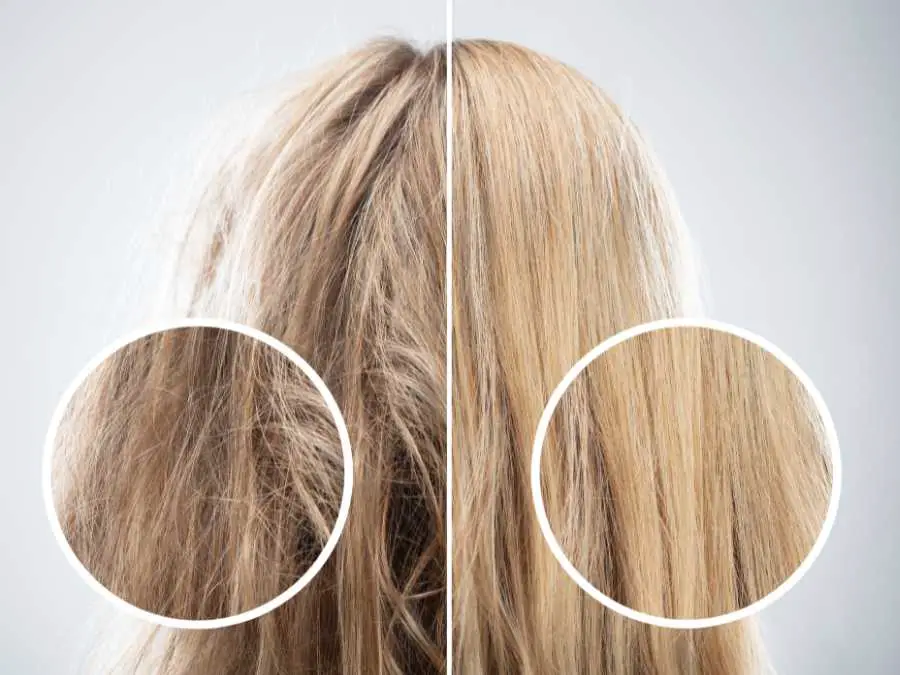 Months 1-3:
Still enjoying pregnancy hair thickness
Hormones beginning to shift
Early shedding may start for some
Focus on gentle care
Months 3-6:
Peak shedding period for most women
Most distressing phase emotionally
Visible thinning, especially at hairline
May notice baby hairs starting to grow
Months 6-12:
Shedding gradually decreases
New growth becomes more visible
Lots of short, flyaway baby hairs
Overall thickness slowly improving
Months 12-18:
Hair mostly returned to baseline
New growth reaching noticeable length
Normal hair cycle restored
May still have some catching up to do
Essential Postpartum Hair Care Routine
Implementing a hair-healthy routine minimizes damage during this vulnerable period and supports regrowth.
Gentle Washing Practices
 Frequency
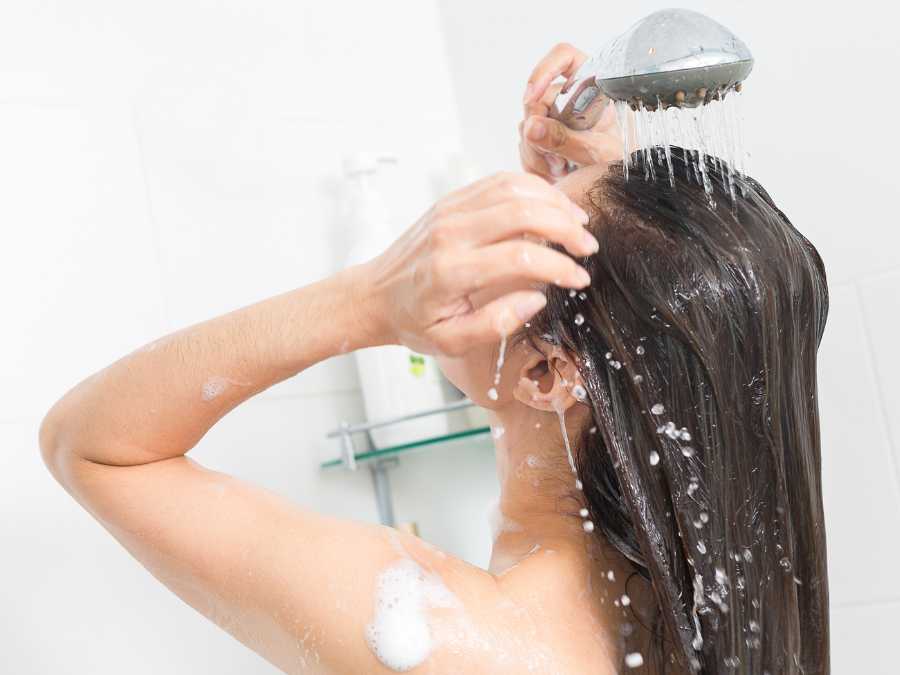
Wash hair 2-3 times per week unless very oily or you exercise heavily.
Over-washing strips natural oils that protect vulnerable postpartum hair.
On non-wash days, use dry shampoo at roots to extend time between washes.
Water temperature
Use lukewarm water, never hot. Hot water strips protective oils and can worsen shedding.
Finish with cool water rinse to close cuticles and add shine.
Cold water may feel uncomfortable but makes a noticeable difference.
Shampooing technique
Apply shampoo directly to the scalp, not lengths.
Massage scalp gently with fingertips, never nails.
Let suds run down lengths rather than scrubbing hair itself.
Avoid piling hair on top of head while washing.
Focus on scalp health rather than hair lengths.
Product selection
Choose sulfate-free shampoos that clean gently without stripping.
Look for nourishing ingredients like biotin, keratin, or collagen.
Avoid clarifying shampoos that are too harsh for postpartum hair.
Consider volumizing formulas if hair feels limp. Skip 2-in-1 products – use separate shampoo and conditioner.
Conditioning and Deep Treatment
 Regular conditioning
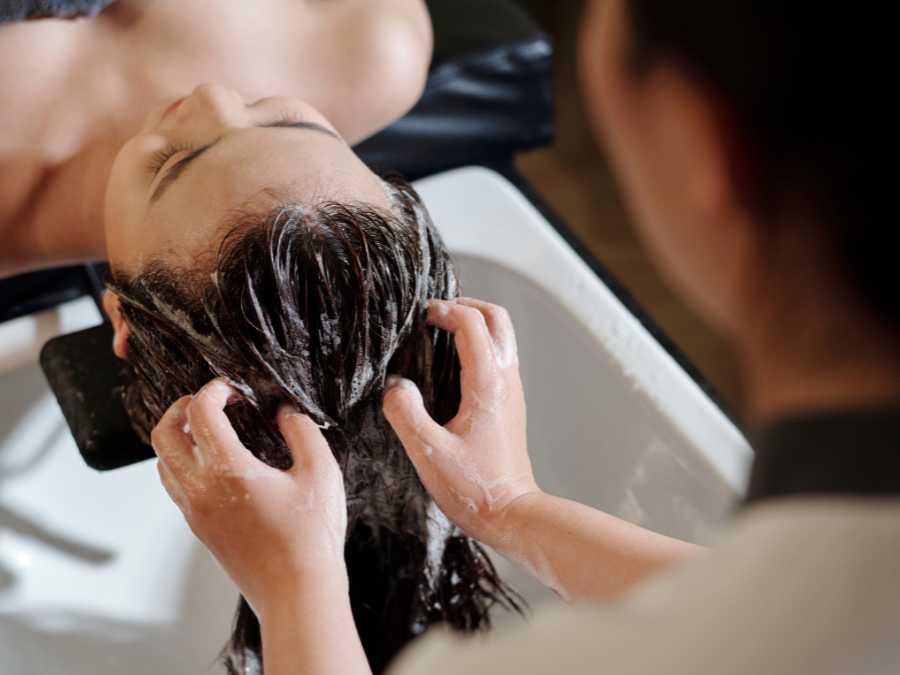
Apply conditioner from mid-lengths to ends, avoiding roots.
Let sit for 2-3 minutes before rinsing. Use enough product but don’t overdo it.
Rinse thoroughly – residue weighs hair down. Consider leave-in conditioner for extra moisture.
Deep conditioning treatments
Once weekly, use an intensive mask or treatment.
Apply to damp hair and cover with a shower cap.
Leave on for 15-30 minutes or as directed.
Focus on ends which are oldest and most damaged. Rinse thoroughly with cool water.
DIY treatments
Coconut oil pre-shampoo treatment:
Apply to dry hair, leave 30 minutes, then shampoo. Avocado and egg mask: Mash avocado with one egg, apply to hair, leave 20 minutes. Olive oil scalp massage: Warm oil slightly, massage into scalp, leave 30 minutes. Honey and yogurt mask: Mix equal parts, apply to lengths, leave 20 minutes.
Scalp Care and Massage
 Why scalp health matters
A healthy scalp environment supports new hair growth.
Increased blood flow delivers nutrients to follicles.
Reduces buildup that can impede growth.
Promotes relaxation and reduces stress. Creates optimal conditions for regrowth.
Scalp massage technique
Use fingertips, never nails. Apply gentle, circular motions.
Work from front hairline to back.
Cover the entire scalp systematically. Spend 5-10 minutes daily.
Can be done on dry or oily hair. Best times: before washing, before bed, or during TV time.
Scalp treatments
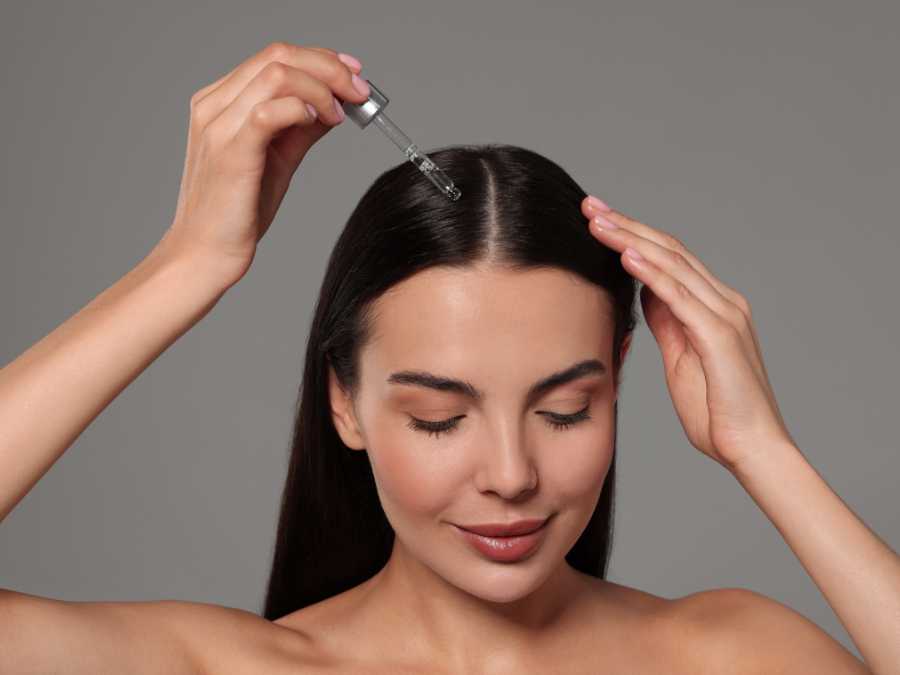
Rosemary oil (diluted in carrier oil) stimulates growth.
Peppermint oil increases blood flow. Tea tree oil addresses any scalp issues.
Castor oil promotes thickness. Biotin scalp serums support growth.
Commercially available scalp treatments designed for hair loss.
Nutrition for Postpartum Hair Health
What you eat significantly impacts hair regrowth and overall health during the postpartum period.
Essential Nutrients for Hair Growth
 Protein
Hair is made of protein (keratin). Aim for 75-100g daily, especially if breastfeeding.
Sources: lean meat, fish, eggs, dairy, beans, lentils, quinoa, Greek yogurt. Include protein at every meal and snack.
Iron
Critical for hair growth and often depleted postpartum.
Have iron levels checked by doctor. Sources: red meat, spinach, lentils, fortified cereals, pumpkin seeds.
Pair with vitamin C for better absorption. Consider supplementation if deficient.
Biotin (Vitamin B7)
Supports hair structure and growth.
Most prenatal vitamins contain adequate amounts.
Sources: eggs, almonds, sweet potatoes, spinach, salmon. Supplements available but whole food sources preferred.
Vitamin D
Affects hair follicle cycling. Many postpartum women are deficient.
Get levels checked by doctor. Sources: sunlight exposure, fatty fish, fortified milk, supplements if needed.
Omega-3 fatty acids
Support scalp health and hair growth.
Anti-inflammatory properties beneficial. Sources: fatty fish (salmon, sardines), walnuts, flaxseeds, chia seeds, fish oil supplements.
Zinc
Essential for hair growth and repair. Deficiency can worsen hair loss. Sources: oysters, beef, pumpkin seeds, lentils, yogurt.
Vitamin E
Antioxidant that supports scalp health.
Improves blood circulation to scalp. Sources: almonds, sunflower seeds, spinach, avocado.
Vitamin C
Aids iron absorption. Supports collagen production for hair strength.
Sources: citrus fruits, strawberries, bell peppers, broccoli.
Postpartum Supplementation
 Prenatal vitamins
Continue taking throughout breastfeeding.
Provide baseline nutritional support.
Contain most essential hair nutrients. Choose a high-quality brand.
Additional supplements to consider
Biotin (5,000-10,000 mcg daily).
Collagen peptides (supports hair structure). Iron (if deficient – check with doctor).
Omega-3 fish oil. Vitamin D (if deficient). Multivitamin specifically for hair, skin, nails.
Important notes
Always consult healthcare provider before starting new supplements.
Some can affect breastfeeding or interact with medications.
More isn’t always better – stick to recommended doses.
Give supplements 3-6 months to show effects.
Focus on whole foods first, supplements second.
Hydration and Diet Quality
 Water intake
Aim for 10-12 cups daily, more if breastfeeding.
Carries nutrients to hair follicles. Keeps the scalp hydrated.
Supports overall health. Add lemon or fruit for flavor if plain water is boring.
Overall diet quality
Eat variety of whole foods. Include all food groups.
Minimize processed foods. Avoid crash diets or extreme restrictions.
Focus on nourishment, not weight loss.
Irregular eating patterns stress the body and worsen hair loss.
Styling Strategies for Thinning Postpartum Hair
Strategic styling makes hair appear fuller while minimizing damage during the recovery period.
Gentle Styling Techniques
 Detangling
Always detangle when hair is damp, not wet or dry.
Use wide-tooth comb or detangling brush.
Start at ends and work up to roots. Be patient – rushing causes breakage.
Apply leave-in conditioner or detangler first. Never force through knots.
Brushing
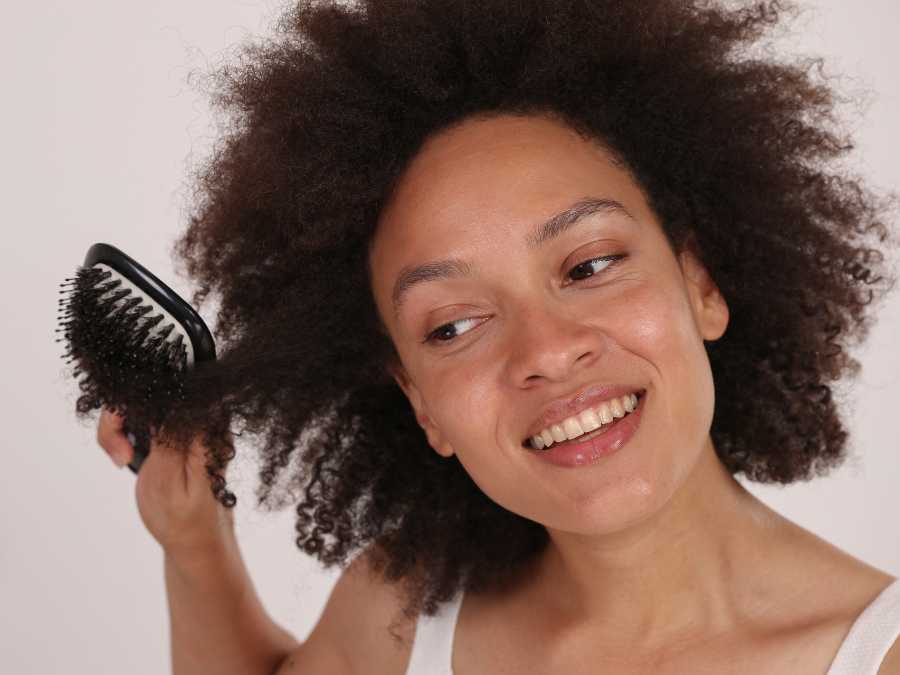
Use a soft bristle brush or wide-tooth comb.
Brush gently from the ends upward. Limit brushing to 1-2 times daily.
Avoid brushing wet hair.
Clean brushes weekly. Replace brushes when bristles are damaged.
Towel drying
Use a microfiber towel or old t-shirt.
Gently squeeze water out, don’t rub.
Pat and blot rather than rubbing vigorously.
Never twist hair into a towel turban (causes breakage).
Let air dry partially before heat styling.
Air drying vs. heat styling
Air drying is the gentlest option whenever possible.
Apply mousse or styling cream to damp hair for natural texture.
Scrunch gently to encourage waves.
Pin back while drying if needed. If heat styling is necessary, always use heat protectant first.
Volume-Boosting Techniques
 Root lifting
Use volumizing mousse at roots on damp hair.
Blow dry roots lifting hair away from the scalp with round brush.
Flip head upside down while drying for extra volume.
Use Velcro rollers at the crown while hair cools.
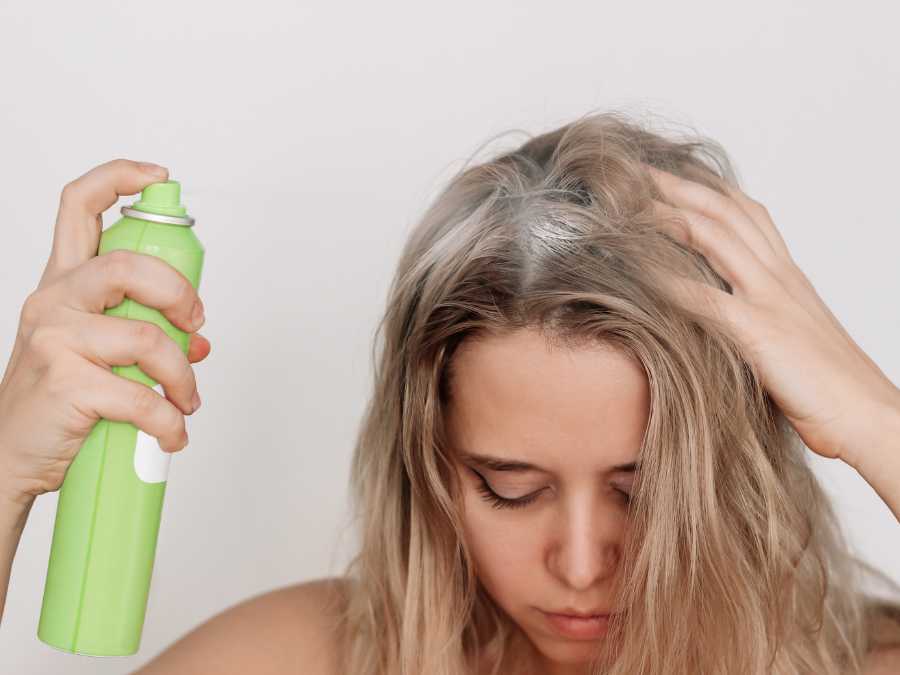
Tease roots gently for special occasions. Use dry shampoo at roots for instant lift.
Strategic parting
Change your part location regularly to prevent thinning along the part line.
Try the zigzag part for instant volume.
Side parts are often more flattering than center parts.
Move parts slightly every few days. Avoid tight, precise parts.
Texturizing products
Sea salt spray adds gritty texture that looks fuller.
Dry shampoo creates volume and absorbs oil.
Volumizing powder at roots lifts hair. Texturizing spray gives piecey, fuller look.
Apply products to roots for maximum lift.
Hairstyles That Minimize Stress
 Low-maintenance cuts
Consider shorter length to reduce weight pulling on follicles.
Layers add movement and volume illusion.
Avoid blunt, one-length cuts that emphasize thinness.
Long bob (lob) flattering for most faces.
Consult stylist experienced with fine/thinning hair.
Protective styles
Loose buns secured with soft scrunchies.
Low ponytails with plenty of volume at crown.
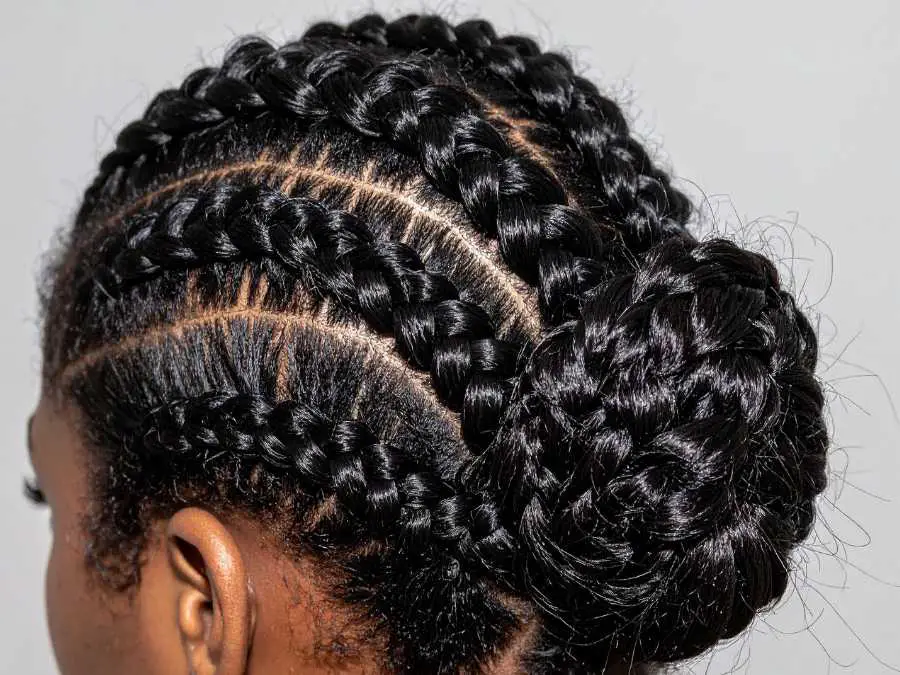
Braids that don’t pull tightly. Headbands and scarves to cover thin areas.
Hats when appropriate. Half-up styles that hide hairline thinning.
Styles to avoid
Tight ponytails or buns that stress follicles. Braids pulled taut against the scalp.
Extensions that add weight and tension. Heavy clips or accessories.
Styles requiring excessive teasing. Anything causing scalp pain or tension.
Hair Accessories and Camouflage
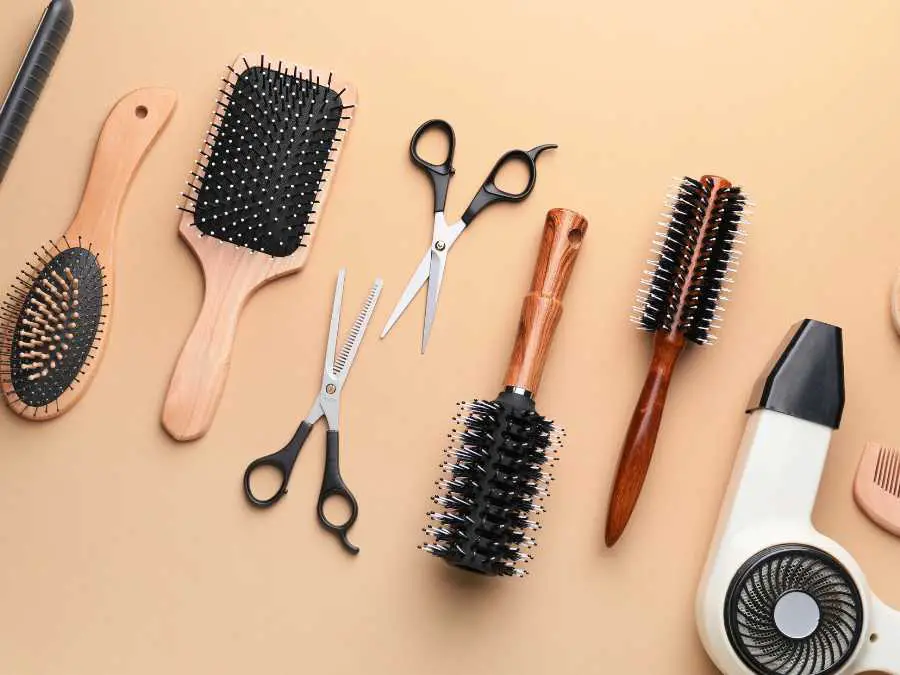 Volumizing accessories
Teasing combs for gentle root lift. Velcro rollers for volume.
Soft scrunchies that don’t cause breakage. Wide, padded headbands.
Decorative clips that add dimension.
Coverage options
Headbands covering thin hairline.
Scarves tied as headwraps. Hats for casual occasions. Hair toppers or wiglets for special events (temporary solution). Colored dry shampoo matching hair color to camouflage scalp.
Styling products that help
Tinted hair powder matches hair color and fills the appearance of gaps.
Volumizing mousse adds body.
Root lift spray provides immediate lift.
Hair fibers stick to existing hair and create a fuller appearance.
Texturizing spray creates the illusion of more hair.
Minimizing Further Hair Loss
While some postpartum shedding is inevitable, you can minimize additional damage and loss.
What to Avoid
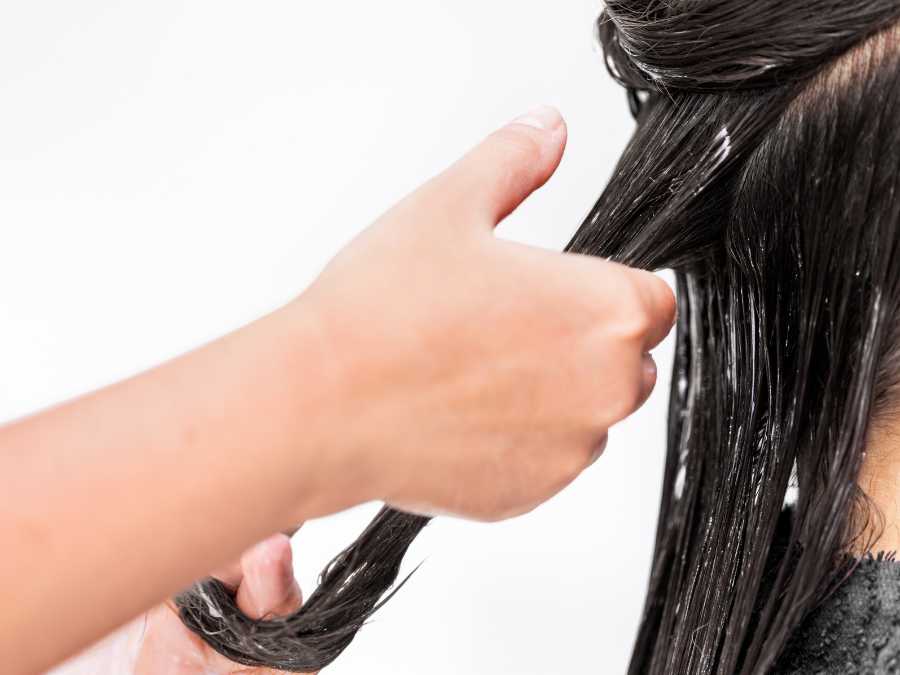 Harsh chemical treatments
Skip hair color if possible during peak shedding.
Avoid bleaching or highlighting.
Postpone perms or chemical straightening.
Skip keratin treatments until recovery.
When you do color, choose a demi-permanent and condition well.
Heat styling damage
Minimize flat iron and curling iron use.
Always use heat protectant products.
Use the lowest effective temperature setting.
Limit heat styling to 1-2 times weekly. Let hair air dry when possible.
Give hair “off days” from all styling.
Tight hairstyles
Avoid tight ponytails, especially while sleeping.
Skip tight buns or topknots. Loosen braids and don’t pull taut.
Avoid styles causing scalp tension. Vary hairstyles to prevent stress on same areas.
Never sleep with tight hair elastics.
Rough handling
Don’t brush aggressively. Avoid pulling hair back when wet.
Be gentle when styling baby hairs.
Don’t over-manipulate hair throughout the day.
Resist the urge to constantly touch thin areas.
Stress Management
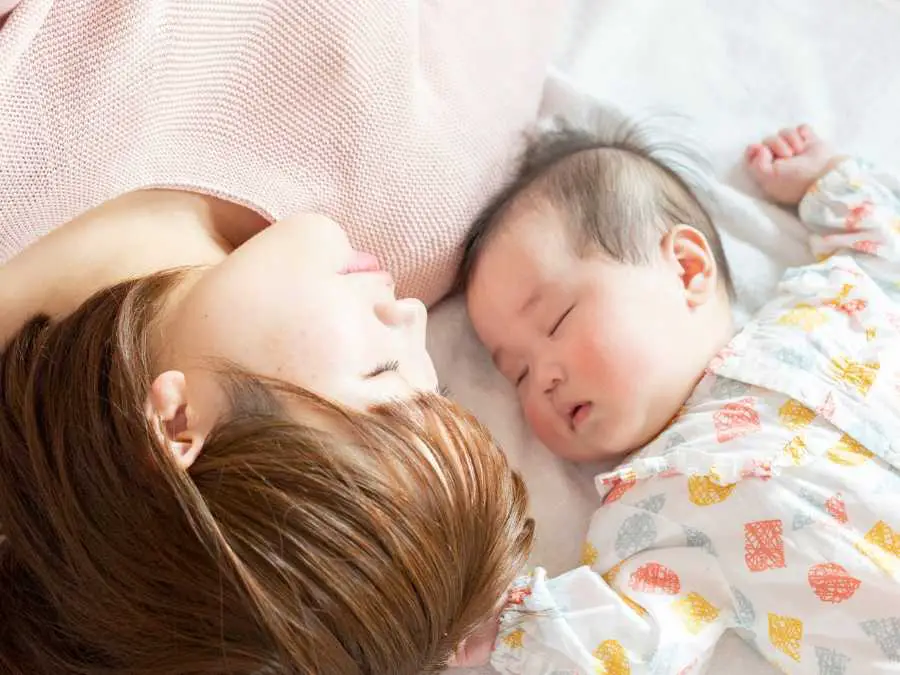 Why stress matters
Chronic stress worsens hair loss.
Elevated cortisol affects hair growth cycle.
Stress depletes nutrients needed for hair.
Poor stress management delays recovery.
Mental health impacts physical health.
Stress reduction strategies
Practice daily meditation or deep breathing (even 5 minutes helps).
Get outside in nature regularly.
Accept help from others. Lower expectations of yourself.
Prioritize sleep when possible. Connect with other new moms.
Consider therapy if you are struggling. Practice self-compassion.
Remember this phase is temporary.
Sleep considerations
Sleep is crucial for healing and regrowth.
Sleep when the baby sleeps if possible.
Ask for help with night duties.
Create a calm bedtime routine.
Avoid screens before bed. Keep the bedroom cool and dark.
Accept that sleep will be imperfect.
Environmental Protection
 Sun protection
UV damage weakens hair structure.
Wear hats in direct sunlight. Use hair products with SPF.
Protect scalp from burning. Be especially careful at temples and part line.
Water quality
Consider a shower filter if you have hard water.
Hard water minerals build up on hair.
Chlorine from pools damages hair.
Rinse immediately after swimming.
Use clarifying shampoo monthly to remove buildup.
Pollution and environment
Protect hair from wind damage.
Rinse hair after exposure to smoke or pollution.
Keep hair covered in dusty environments.
Use protective products before going outside.
Topical Treatments and Products
Certain products may help stimulate regrowth and minimize shedding, though results vary individually.
Over-the-Counter Options
Minoxidil (Rogaine)
Only FDA-approved treatment for hair loss.
Available in 2% and 5% strengths. Can be used during breastfeeding (consult doctor).
Applied to the scalp twice daily. It takes 4-6 months to see results.
Must continue to maintain benefits.
Can cause initial increased shedding (normal).
May cause scalp irritation in some users.
Caffeine-based products
Caffeine stimulates hair follicles.
Available in shampoos and topical serums.
Apply to scalp and leave on. Less research than minoxidil but generally safe.
May provide modest benefits. Good option if concerned about stronger treatments.
Biotin shampoos and treatments
Topical biotin in hair products.
Strengthens hair shaft. May reduce breakage.
Works best combined with oral biotin.
Choose products with high biotin concentration.
Natural oils
Rosemary oil shows promise in studies (similar to minoxidil in some research).
Peppermint oil may stimulate growth.
Castor oil is traditionally used for hair growth.
Always dilute essential oils in carrier oil.
Massage into the scalp and leave for several hours or overnight.
May take several months for visible effects.
Prescription Options
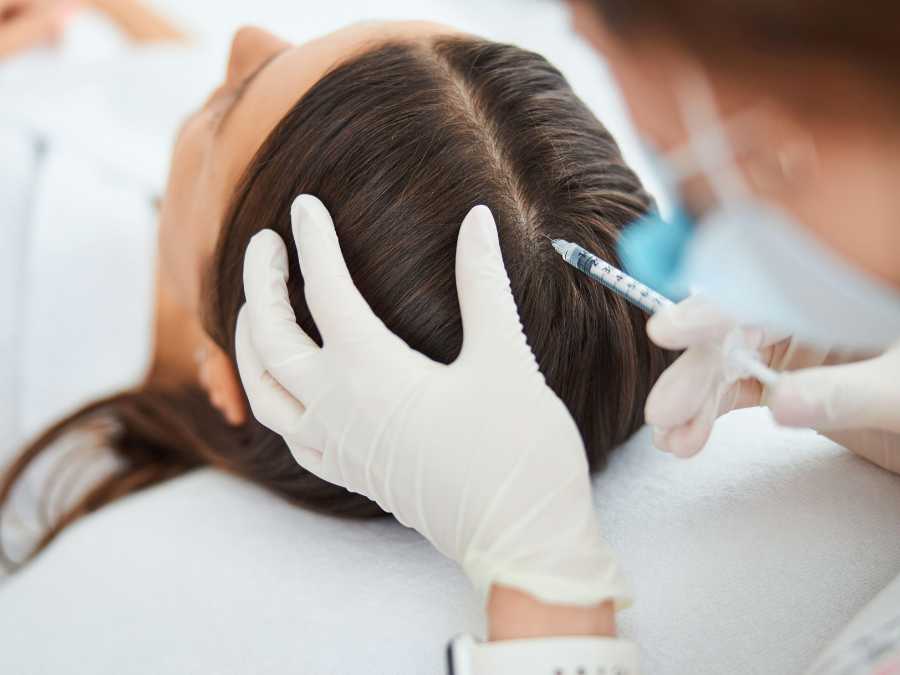 When to consider
Hair loss is severe or prolonged beyond normal timeframe.
Significant emotional distress. Other symptoms suggesting hormonal issues.
No improvement with conservative measures. Family history of hair loss.
Options to discuss with a doctor
Spironolactone (anti-androgen medication).
Finasteride (typically not used in women of childbearing age). Hormonal treatments if appropriate.
Thyroid medication if thyroid issues are identified.
Iron supplementation for deficiency. Steroid injections for specific conditions.
Important considerations
Many prescription options are not compatible with breastfeeding.
Risks and benefits must be weighed carefully.
I work with a dermatologist specializing in hair loss.
Be patient – treatments take months to show effects.
Continue conservative measures alongside prescriptions.
Product Recommendations
 Shampoos for postpartum hair
Look for: sulfate-free, biotin-enriched, volumizing formulas, gentle cleansing.
Avoid: harsh sulfates, heavy moisturizers, products with silicones that build up.
Conditioners and treatments
Lightweight conditioners that don’t weigh hair down.
Protein treatments for strength. Keratin products for structure. Scalp treatments with growth-supporting ingredients.
Styling products
Volumizing mousses and sprays.
Dry shampoos for texture and volume. Heat protectants for heat styling.
Lightweight serums for shine without weight.
Regrowth Phase: Dealing with Baby Hairs
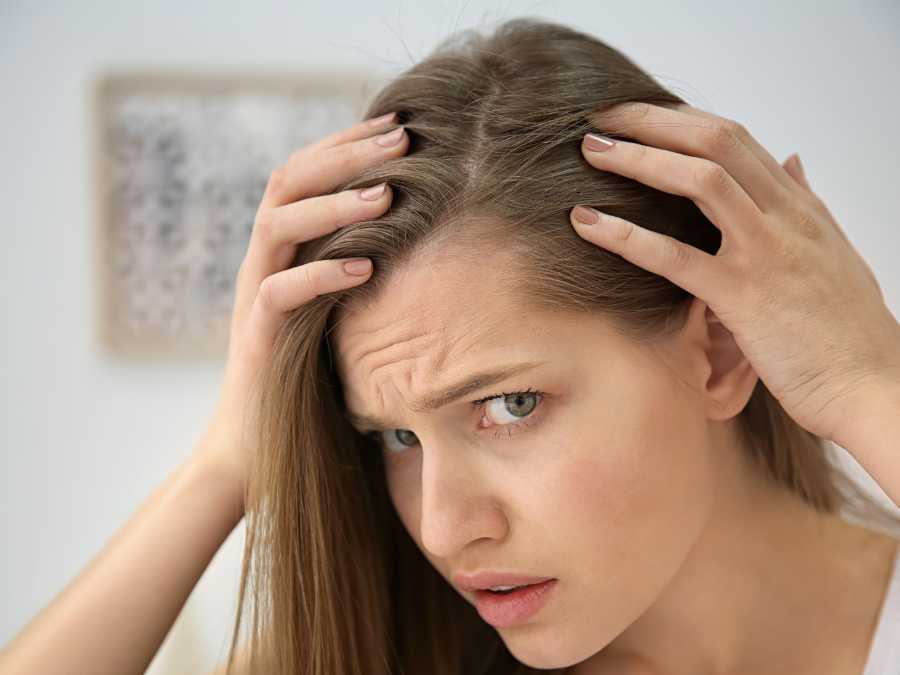
As your hair recovers, you’ll notice lots of new growth creating a “halo” of short hairs around your face and hairline.
Understanding the Regrowth Process
 What to expect
Short, fine hairs appearing at hairline 3-6 months postpartum.
Hairs of varying lengths creating texture. “Fuzzy” appearance around face.
Hairs may stick straight up initially. Takes 6-12+ months for new growth to blend.
New hair may differ in texture initially.
Timeline
Months 3-6: First new growth appears. Months 6-9:
Baby hairs become more noticeable. Months 9-12:
New growth reaching 2-4 inches. Months 12-18:
Growth starting to blend with existing hair. 18+ months: Hair approaching pre-pregnancy state.
Styling Baby Hairs
Embracing the fuzz
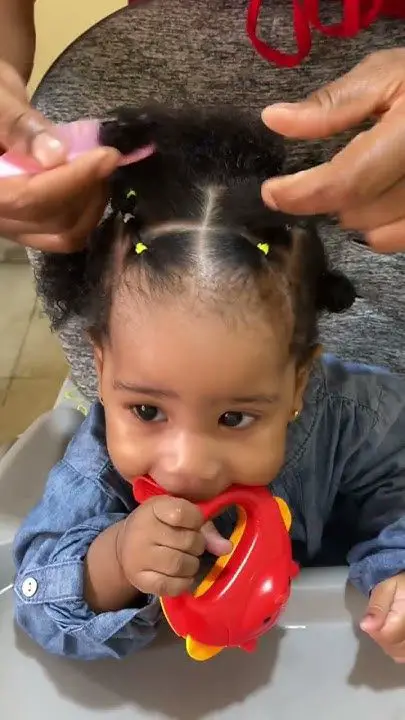
Accept that some flyaways are normal during regrowth.
These short hairs are a good sign! Work with them rather than fighting them.
Consider them evidence of recovery.
Smoothing techniques
Light gel or pomade on fingertips.
Smooth gently over baby hairs. Use a soft-bristle toothbrush for precise smoothing.
Light hairspray mist to set. Avoid heavy products that create crunch.
Blending strategies
Part hair to minimize visible new growth.
Use headbands to smooth flyaways.
Gentle teasing helps blend different lengths.
Strategic layers from stylists can help.
Embrace textured styles that camouflage transitions.
What not to do
Don’t cut baby hairs (they’re your new growth!).
Avoid harsh gels that damage delicate new hair.
Don’t pull or style them tightly. Resist the urge to constantly smooth them.
Be patient, they will grow and blend eventually.
Emotional Support and Mental Health
Postpartum hair loss can be emotionally devastating, especially when combined with other postpartum challenges.
The Emotional Impact
 Common feelings
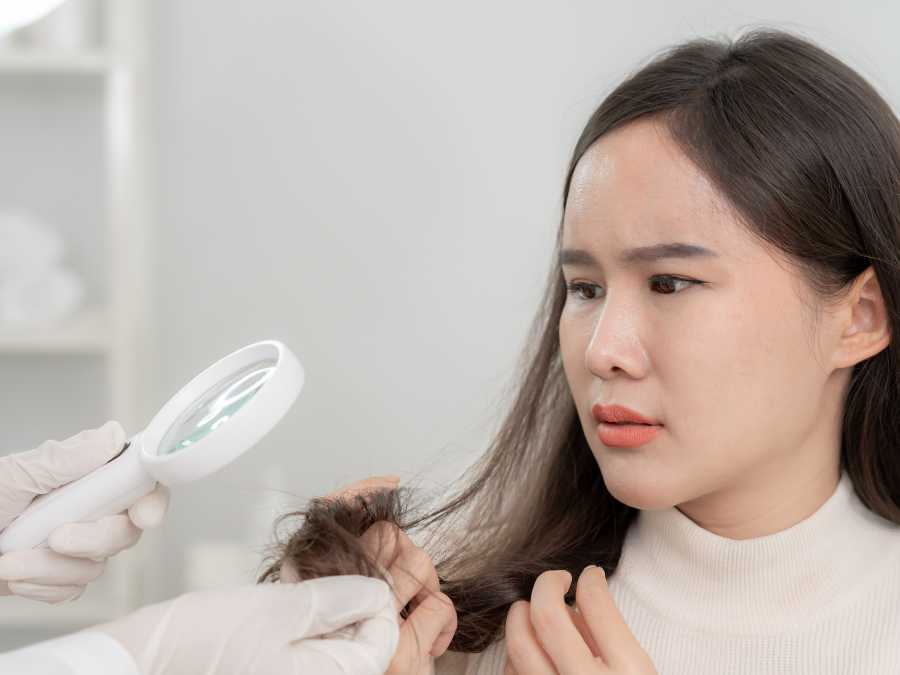
Shock and distress at the amount of shedding.
Grief over loss of pregnancy hair. Fear of permanent baldness.
Self-consciousness about appearance.
Frustration with lack of control. Anger that nobody warned you.
Embarrassment in public or photos.
Why it hits hard
Already vulnerable postpartum period.
Changes to identity and body image.
Societal emphasis on hair as feminine.
Visible change others comment on. Loss of control during chaotic times.
Additional stress when already overwhelmed.
Normalizing the experience
Up to 50% of mothers experience significant postpartum shedding.
It’s a universal biological process.
Temporary, not permanent. Not your fault or preventable.
Doesn’t reflect on your health or mothering. Other mothers understand completely.
Coping Strategies
Reframe your perspective
Hair loss means hormones are regulating (positive sign).
Each lost hair will be replaced with new growth.
Temporary inconvenience, not permanent condition.
Many other mothers are going through the same thing.
Focus on the baby you gained, not the hair you lost temporarily.
Practical coping
Avoid constantly checking or counting lost hairs.
Clean hair from the drain immediately (seeing less is better).
Focus on what you can control (nutrition, gentle care).
Set realistic expectations for the recovery timeline. Celebrate small signs of progress.
Self-compassion
Speak kindly to yourself about your appearance.
Acknowledge this is hard without judging yourself.
Remember you just grew and birthed a human.
Give yourself grace for imperfection. Focus on overall health, not just hair.
When to Seek Help
 Red flags
Obsessive thoughts about hair loss.
Severe anxiety or depression related to appearance.
Avoiding social situations due to hair. Intrusive thoughts about hair.
Impact on bonding with babies. Suicidal thoughts (seek help immediately).
Support resources
Postpartum support groups (online or in-person).
Therapy, especially with perinatal focus.
Your healthcare provider. Online communities of mothers experiencing the same thing.
Friends and family who understand. Postpartum doulas or support specialists.
Success Stories and Realistic Expectations
Understanding what recovery looks like helps set realistic expectations and provides hope.
Typical Recovery Patterns
Best case scenario
Minimal shedding (though still noticeable to you).
Quick recovery starting around 6 months. New growth clearly visible by 9 months.
Nearly back to baseline by 12 months. Full recovery by 15 months.
Average experience
Moderate to significant shedding 3-6 months postpartum.
Peak stress around 5-6 months when shedding is most noticeable.
Gradual improvement 6-9 months. Visible new growth 8-12 months.
Near complete recovery 12-18 months. Some residual thinning up to 24 months.
Challenging recovery
Severe shedding or earlier onset. Extended shedding beyond 6 months.
Slower regrowth rate. Underlying issues like thyroid or nutritional deficiencies.
Recovery taking 18-24+ months. May not fully return to pre-pregnancy density (especially with multiple pregnancies).
Factors Affecting Recovery
Individual variation
Genetics play a significant role. Baseline hair density and growth rate. Age (recovery may be slower after 35).
Overall health and nutrition status. Stress levels and sleep quality. Number of previous pregnancies.
Supporting factors for better recovery
Excellent nutrition throughout the postpartum period.
Managing stress effectively. Adequate sleep (when possible).
Good scalp care and gentle hair handling.
Addressing any underlying deficiencies promptly.
Realistic expectations and patience. Emotional support system.
Professional Help: When and Who to See
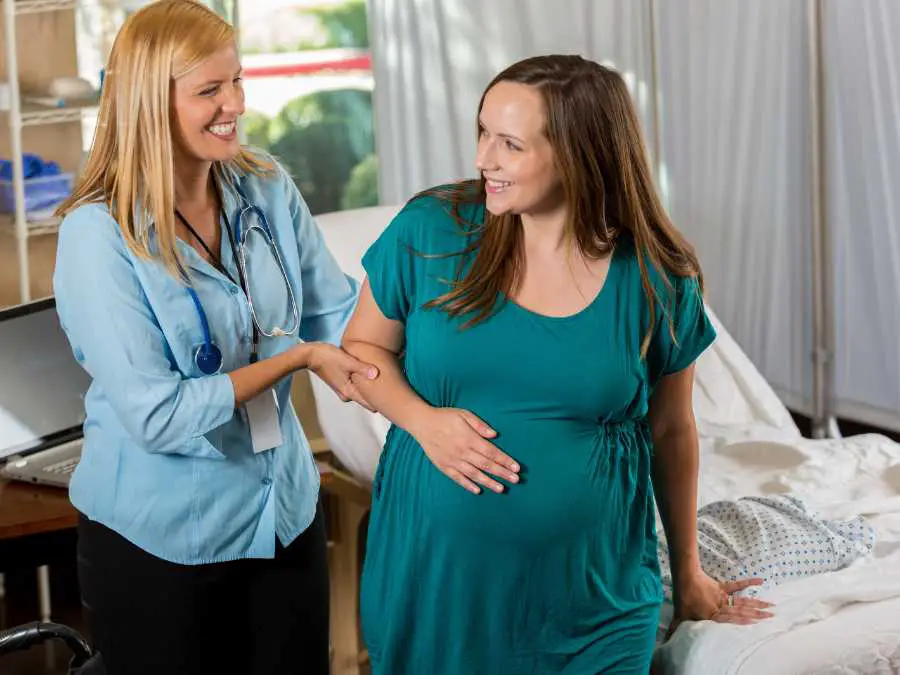
Sometimes postpartum hair loss requires professional evaluation and treatment.
Primary Care Provider or OB/GYN
 When to see them
First stop for unusual or concerning hair loss.
Can order basic blood work. Check thyroid function.
Evaluate for anemia. Rule out other health issues.
Provide baseline care and referrals.
What they’ll check
Thyroid panel (TSH, T3, T4). Complete blood count (checking for anemia).
Iron levels and ferritin. Vitamin D levels. Sometimes vitamin B12. Basic metabolic panel.
Dermatologist
When to see one
Hair loss is severe or prolonged. Bald patches or unusual patterns.
Scalp issues like pain, burning, or itching.
No improvement after 12-15 months. Family history of alopecia.
Desire for prescription treatments.
What they offer
Specialized hair loss evaluation. Scalp examination and possible biopsy.
Prescription treatments like minoxidil or others. Injection treatments if appropriate.
Diagnosis of specific conditions. Long-term management plan.
Endocrinologist
When hormonal issues are suspected
Thyroid problems beyond primary care scope.
Suspected PCOS or hormonal imbalances.
Multiple hormonal symptoms. Complex endocrine conditions.
Difficult-to-manage thyroid conditions.
Nutritionist or Dietitian
When nutrition support needed
Difficulty meeting nutritional needs.
Restrictive diets or food allergies. History of eating disorders.
Need help with meal planning while caring for the baby.
Questions about supplementation. Breastfeeding while managing diet.
Conclusion
Postpartum hair loss is one of those challenging realities of the postpartum period that catches many new mothers off guard.
Walking to your shower drain filled with hair or running your hands through your hair and coming away with fistfuls can be truly alarming, especially when you’re already navigating the overwhelming world of new motherhood.
But here’s what’s important to remember: postpartum hair loss is normal, temporary, and incredibly common.
It doesn’t mean something is wrong with you, that you’re going bald, or that your hair won’t recover.
Your body is simply readjusting after the dramatic hormonal changes of pregnancy and childbirth.
The hair you’re losing now should have fallen out during pregnancy but was temporarily held in place by elevated hormones.
Recovery takes time – typically 12-18 months for most women, but it does happen.
In the meantime, focus on what you can control: gentle hair care, good nutrition, stress management, and being kind to yourself.
Use the styling strategies that help you feel more confident, try topical treatments if you’re comfortable with them, and most importantly, give yourself grace during this transition.
Your hair will recover, just as your body is recovering from the incredible feat of growing and birthing a human being.
Some days you’ll feel confident despite the shedding, and some days you’ll feel devastated looking in the mirror – both reactions are completely valid and normal.
Reach out for support when you need it, whether from other mothers who understand, healthcare providers, or mental health professionals.
This phase will pass. Your hair will grow back. You will feel like yourself again.
Until then, be patient with your body, celebrate small signs of progress, and remember that this temporary hair loss doesn’t diminish your beauty, your strength, or your worth as a mother.