25 New Year’s Resolutions for Moms
As the clock strikes midnight and a new year begins, moms everywhere feel torn between two worlds: the hopeful excitement of new beginnings and the tiring reality of daily responsibilities.
While others make big promises about gym memberships and career aspirations, you just want to find five minutes to enjoy your coffee while it’s still hot.
New Year’s resolutions for moms are different, and they should be.
Between managing schedules, coordinating everyone else’s lives, and keeping little ones alive and happy, the usual resolution advice doesn’t fit the beautiful chaos of motherhood.
You don’t need another impossible standard or another item on your already full to-do list.
What you need are realistic and meaningful resolutions that actually fit your life as a mom.
These goals should respect where you are now, recognize the stage of motherhood you’re in, and genuinely improve your days instead of adding more pressure.
You need goals that understand self-care isn’t selfish, that small steps are still progress, and that some days just getting by is a win.
This year can be different. Not because you will suddenly have more hours in the day or your kids will stop needing you, but because you will approach your resolutions with kindness, flexibility, and the belief that being a good mom and taking care of yourself can go hand in hand.
Whether you are dealing with the sleepless nights of new motherhood, juggling toddler tantrums with work deadlines.
Managing the challenges of school-age kids, or guiding teenagers toward independence, this guide is tailored for you, the mom who deserves resolutions that truly support her life rather than complicate it.
Let’s make this the year you set goals that celebrate who you are as a mom while also nurturing who you want to become.
25 New Year’s Resolutions for Moms
Self-Care and Personal Health
1. Drink water before coffee each morning
 After a night of sleep, your body is dehydrated and needs hydration.
While that first cup of coffee is tempting, drinking 8-16 ounces of water before your morning caffeine helps your body and mind.
Water jumpstarts your metabolism, helps remove toxins that build up overnight, rehydrates your cells, and can even raise your energy levels naturally before the caffeine kicks in.
How to implement
Keep a large glass or water bottle on your nightstand.
As soon as you wake up, drink it before heading to the kitchen for coffee.
You can add lemon, cucumber, or mint if plain water doesn’t appeal to you.
Many moms find that this simple habit reduces headaches, improves skin clarity, and makes them feel more alert during the morning.
If you’re breastfeeding, this habit is especially important since your body needs extra hydration.
Start with one glass and gradually increase to two if it feels comfortable.
2. Take a 10-minute walk daily
 Movement doesn’t have to involve hour-long gym sessions or intense workout classes.
A simple 10-minute walk offers significant physical and mental health benefits that are perfect for busy moms.
Walking reduces stress, improves heart health, boosts your mood through endorphin release, helps with postpartum recovery, and gives you valuable moments of peace and mental clarity.
How to implement
Find a time that works consistently in your schedule.
If it’s early morning before the kids wake up, during your baby’s naptime, on your lunch break if you work, or right after dinner as a family activity.
You can push a stroller, walk with a friend for support, listen to a podcast or music, or simply enjoy the quiet.
If the weather is an issue, walk inside your home, at a mall, or invest in a small under-desk treadmill.
The key is consistency over intensity; even walking in place while watching TV counts.
Track your walks on your phone or a simple calendar to stay motivated.
Some movement is always better than none.
3. Go to bed 30 minutes earlier
 Sleep deprivation is a major challenge for moms.
It affects everything from your mood and patience to your physical health and decision-making abilities.
While you can’t always control when your children wake you up, you can control when you go to bed.
Adding just 30 minutes of sleep can greatly improve your energy levels, emotional stability, immune system function, and overall quality of life.
How to implement
Start by identifying your current average bedtime and then work backward by 30 minutes for your new goal.
Set an alarm on your phone for one hour before your new bedtime as a “wind-down warning.”
Use that hour to finish tasks, prepare for the next day, and begin your evening routine.
Avoid screens for the last 30 minutes before bed, read a book, do gentle stretching, practice skincare, or have a quiet conversation with your partner.
If you struggle with late-night scrolling, put your phone in another room or use app blockers.
Prepare for the morning the night before by laying out clothes, prepping breakfast items, and packing bags so you won’t be tempted to stay up doing these things.
If 30 minutes feels impossible, start with just 15 minutes earlier and gradually adjust.
4. Schedule annual health checkups
 Moms often take care of everyone else’s health while neglecting their own.
You schedule your children’s pediatric appointments, remember their dental cleanings, and rush them to the doctor at the first sign of illness, but when was the last time you saw your own doctor for a checkup?
Regular health screenings are vital for early detection of potential issues, managing chronic conditions, updating vaccinations, and establishing baseline health metrics.
How to implement
Right now, before doing anything else, pull out your phone and schedule these appointments:
A primary care physician for an annual physical, dentist for a cleaning and exam, eye doctor for a vision check, gynecologist for annual exams and screenings, dermatologist for a skin check if you have risk factors, and any specialists you’ve been putting off visiting.
Book them all at once for the entire year if you can, treating them as non-negotiable appointments.
Put them in your calendar with reminders set for one week before.
Arrange childcare ahead of time, trade babysitting with another mom, ask your partner to take time off, or bring a trusted family member.
If cost is a concern, check if your insurance covers preventive care (most do at 100%), consider community health centers, or ask about payment plans.
Remember: you cannot pour from an empty cup, and your family needs you healthy.
5. Practice saying “no” without guilt
 As a mom, you’re constantly faced with requests, expectations, and obligations, such as volunteering for school events.
Joining the PTA, attending every birthday party, hosting holiday gatherings, helping friends move, taking on extra work projects, and somehow doing it all with a smile.
Learning to say “no” without guilt or lengthy explanations is a powerful skill for protecting your time, energy, and mental health.
How to implement
Start by recognizing that “no” is a complete sentence, though you can soften it with brief explanations if necessary.
Practice phrases like: “I appreciate you thinking of me, but I can’t commit to that right now,”
“That sounds wonderful, but it doesn’t fit our family’s schedule,” “I need to check with my family first,” or simply “I’m not available, but thank you for asking.”
Remember that every “yes” to something that drains you is a “no” to something more important.
Before agreeing to anything, give yourself permission to say “Let me check my calendar and get back to you”, this allows you to consider if it aligns with your priorities.
Identify your non-negotiables, such as family dinner time, self-care, and children’s bedtimes, and protect them fiercely.
When guilt creeps in, remind yourself that you’re setting a positive example for your children and that being unavailable sometimes allows you to be more present when you do say yes.
6. Establish a simple skincare routine
 Between sleepless nights, stress, hormonal changes, and constantly touching little hands and faces, your skin can suffer during motherhood.
While elaborate 10-step skincare routines might sound appealing, they’re often unrealistic for busy moms.
A simple, consistent skincare routine can improve your skin’s health, boost your confidence, and give you a few moments of self-care that send a message to your brain: “I’m worth caring for.”
How to implement
Keep it simple with three essential steps: cleanse, moisturize, and protect.
In the morning, wash your face with a gentle cleanser (or just water if your skin is dry), apply a moisturizer with SPF, and you’re done, it takes just 2 minutes.
At night, cleanse to remove dirt and oil, apply a night moisturizer or retinol for specific concerns, and that’s it, another 2 minutes.
Keep your products visible on the bathroom counter so you don’t forget.
If this feels like too much, start with just a moisturizer with SPF in the morning.
As you build the habit, you can add treatments for specific issues.
Consider setting up a skincare station next to your toothbrush so it becomes part of your existing routine.
If the budget is tight, drugstore brands work just fine, the key is consistency, not expensive products.
Make it enjoyable by choosing products with scents you love or textures that feel nice.
7. Take your vitamins daily
 You bought the prenatal vitamins, iron supplements, and vitamin D that your doctor recommended.
They sit in your cabinet while you deal with fatigue, brain fog, and frequent illnesses.
Taking your vitamins consistently helps support your immune system, energy levels, bone health, mood, and overall wellness, especially during the demanding years of motherhood.
How to implement
Set a specific time and place for taking your vitamins, perhaps with breakfast, after brushing your teeth, with your morning coffee, or before bed.
Use your phone to set a daily alarm as a reminder.
Keep your vitamins visible, whether on the kitchen counter, by the coffee maker, or on your bathroom sink, instead of hiding them in a cabinet where you might forget.
If you take multiple vitamins, organize them in a weekly pill organizer every Sunday so you can grab and go.
Pair the habit with something you already do consistently; put your vitamins next to your phone charger or coffee mug.
If you struggle with swallowing pills, look for gummy versions, chewables, or powders you can add to smoothies.
Keep a backup bottle in your purse or car for days you forget at home.
Track your consistency with a simple checkmark on a calendar or a habit-tracking app. After a few weeks, it will become automatic.
Mental and Emotional Wellness
8. Start a gratitude journal
 Motherhood can feel like an endless cycle of tasks, complaints, and chaos.
A gratitude journal helps retrain your brain to notice the good moments, even on the hardest days.
Research shows that practicing gratitude regularly reduces stress and anxiety, improves sleep quality, increases overall happiness and life satisfaction, strengthens relationships, and builds resilience during tough times.
How to implement
Keep a small notebook and pen by your bed or use a notes app on your phone.
Each evening before bed (or whenever it works for you), write down three things you’re grateful for from that day.
They can be big (“My child said ‘I love you’ unprompted”) or small (“My coffee was the perfect temperature”).
Be specific, rather than saying “my family,” write “the way my toddler laughed at bubbles today” or “my partner doing dishes without being asked.”
On particularly hard days when gratitude feels impossible, you can write simple notes like “We all survived today,” “Hot shower,” or “Food in the fridge.”
Searching for gratitude, even when it’s difficult, creates a mental shift.
If writing feels like too much, try a gratitude jar where family members can drop in notes throughout the week, then read them together on Sundays.
You can also practice verbal gratitude by sharing one thing at dinner or bedtime with your family.
9. Practice 5-minute morning meditation
 Your day often starts with immediate demands like crying babies, breakfast requests, and chaos.
Five minutes of morning meditation helps create a calm space between sleep and the day’s challenges, allowing you to approach motherhood from a more centered place.
Meditation lowers stress hormone levels, improves emotional control and patience, enhances focus and decision-making, reduces blood pressure, and creates mental space before the day’s demands begin.
How to implement
Set your alarm 5 minutes earlier than usual.
Before checking your phone, getting out of bed, or thinking about your to-do list, sit up comfortably with your back supported.
You can sit on the edge of your bed, in a chair, or remain lying down if that’s more comfortable.
Close your eyes and focus on your breath, breathe in for four counts, hold for four, and breathe out for four.
When thoughts about the day intrude (and they will), gently acknowledge them and return your focus to your breath.
Use free apps like Insight Timer, Headspace, or Calm for guided meditations aimed at busy moms.
If 5 minutes feels too hard, start with just 2 minutes and gradually increase.
You can also meditate in the car before entering your house after work, in the bathroom if it’s your only private space, or during your baby’s first nap of the day.
10. Set phone boundaries after 8 PM
 Your phone constantly demands attention with texts, emails, social media notifications, and news alerts.
Using your phone at night disrupts sleep, raises anxiety and stress, reduces quality time with family, and fosters a habit of constant availability that can feel exhausting for moms.
Setting phone boundaries after 8 PM helps you reclaim your evening for rest, connection, and real relaxation.
How to implement
At 8 PM (or whenever you choose), set your phone to “Do Not Disturb” mode, allowing only emergency calls from certain contacts.
Put your phone somewhere inconvenient, like in another room or a drawer, or plug it in far from where you’ll be.
If you use your phone as an alarm, get an inexpensive alarm clock instead.
Use this phone-free time for activities that refresh you: reading, talking with your partner, gentle stretching, taking a bath, working on a hobby, or simply enjoying quiet time.
If you’re concerned about emergencies, specify certain people (like your child’s caregivers or elderly parents) whose calls will come through.
Set your phone to grayscale after 8 PM, the lack of color makes scrolling less appealing. Inform friends and family about your boundary so they won’t expect immediate responses at night.
If you must use your phone for something specific (like online banking), set a 10-minute timer to stay focused on that task.
The first few evenings may feel odd, but within a week, you’ll notice how much more rested and present you feel.
11. Schedule monthly “me time”
 You carefully schedule pediatrician appointments, playdates, school events, and everyone else’s activities, but when was the last time you scheduled time for yourself?
Monthly “me time” isn’t selfish, it’s necessary to help you continue being the amazing mom, partner, and person you are.
Taking regular time alone reduces burnout and resentment, allows you to reconnect with your identity outside of motherhood, boosts mood and mental health, and makes you more patient and present with your family.
How to implement
Right now, check your calendar and set aside 2-4 hours on one day each month for the rest of the year.
Treat these appointments as essential; you wouldn’t cancel your child’s doctor appointment, so don’t cancel your self-care time.
Arrange childcare in advance: swap with another mom (you watch her kids one afternoon, and she watches yours another).
Ask your partner to take solo parenting duty, hire a babysitter if your budget allows, or ask grandparents or trusted family members for help.
Decide what genuinely refreshes you, this isn’t time for errands or chores.
Maybe it’s getting a massage, browsing a bookstore, enjoying lunch alone while reading, having your nails done, taking a long walk in nature, working on a hobby, or simply napping in a quiet home.
Don’t feel guilty for wanting time away from your kids; wanting breaks is normal and healthy, and your children will benefit from having a mom who isn’t constantly worn out.
If several hours feels impossible, start with just one and gradually increase the time as you recognize how much better you feel afterward.
12. Join a mom support group
 Motherhood can feel isolating, especially in the early years when you’re with young children or balancing work and parenting with little time for friends.
Mom support groups offer validation that you’re not alone in your challenges.
Practical advice from those in similar situations, adult conversation and connection.
Reduced feelings of isolation, and perspective on normal parenting issues versus situations that require professional help.
How to implement
Start by searching for local mom groups on Facebook (look for “[your city] moms group”),
Meetup.com, the Peanut app (like Tinder for mom friends), local library storytime programs, church or community center family groups, or MOMS Club chapters.
Look for groups that fit your situation: stay-at-home moms, working moms, single moms, moms of multiples, or moms with special needs children.
If in-person groups don’t match your schedule, there are many online communities on Facebook, Reddit (r/Moms, r/breakingmom), and dedicated forums.
Begin by watching and reading to see if the group’s vibe works for you, then slowly engage by commenting or attending meetups.
Don’t stop if the first group isn’t the right fit; keep trying until you find your people.
Be open and honest about your struggles; vulnerability builds real connection.
Consider starting your own small group if nothing exists nearby, post on local social media asking if other moms want to meet for coffee, walk, or playdates.
Even one good mom friend who truly understands can greatly improve your mental health.
13. Read for pleasure 15 minutes daily
 Do you remember when you loved reading?
Before motherhood took over all your free time, you would dive into novels and eagerly await new releases.
Reading for pleasure (not parenting books or work material) provides a mental escape from daily stress and routines
Improves focus and concentration, lowers blood pressure and heart rate, boosts empathy and emotional intelligence.
Enhances sleep quality when done before bed, and reconnects you with a part of yourself that exists beyond “mom.”
How to implement
The key is to make it easy and remove barriers.
Keep a book on your nightstand and read for 15 minutes before bed, it’s better than scrolling social media and helps you sleep better.
Keep a book in your car for pickup lines or early arrivals at appointments.
Download e-books or audiobooks to your phone through Libby, Kindle, or Audible so you always have reading material handy.
Listen to audiobooks while washing dishes, folding laundry, commuting, or walking.
Join or start a book club for accountability and social interaction.
Lower your expectations; it’s fine to read “lighter” books like romance, mystery, or young adult novels instead of just literary fiction.
If you struggle to focus on books, try short stories or essay collections.
Ask friends for recommendations, follow bookstagram accounts for ideas, or check out Goodreads for inspiration.
Track what you read in a simple list or app to see your progress over the year.
Remember, 15 minutes daily adds up to over 90 hours of reading a year, that’s about 25-30 books!
Family and Relationships
14. Institute weekly family game night
 In our screen-dominated world, intentional time together without devices helps build connections and memories your family will cherish.
A weekly family game night offers unplugged quality time, teaches children important skills like taking turns, winning graciously, and dealing with disappointment.
Creates family traditions and inside jokes, lets parents see different sides of their children’s personalities, and gives everyone something to look forward to each week.
How to implement
Pick a consistent night that suits your family, Friday nights to kick off the weekend, Sunday evenings to connect before the week starts, or Wednesday as a mid-week break.
Put it on the calendar and protect this time from other commitments.
Keep it simple, especially at the start, choose games suitable for your youngest child’s age so everyone can take part.
For younger kids: Candy Land, Chutes and Ladders, Go Fish, or simple card games.
For elementary age: Uno, Connect Four, Jenga, Guess Who, or Sequence.
For older kids and teens: Monopoly Deal, Codenames, Ticket to Ride, Apples to Apples, or Exploding Kittens.
Alternate picking the game each week to keep everyone engaged.
Make it special with snacks like popcorn or treats, or let the winner pick next week’s game.
Keep your phone in another room to signal this is family time.
If someone loses interest, it’s fine to switch games or end early, the goal is connection, not forcing fun.
For families with varied ages, play team games with younger kids teamed up with older siblings or parents.
Don’t worry about following rules perfectly; adjust games to fit your family’s needs and development.
15. Have monthly date nights with your partner
 Your relationship is the core of your family, yet it’s often the first thing to suffer amid parenting chaos.
Monthly date nights help maintain emotional and romantic connection, offer chances for conversations beyond logistics and kid talk, remind you both that you’re partners, not just co-parents.
Model healthy relationships for your children, and give you something to look forward to together.
How to implement
Schedule dates for the whole year now and add them to both calendars as non-negotiable appointments.
Arrange childcare in advance: set up a regular babysitter, trade date nights with another couple (you watch their kids one night, they watch yours another), hire a local teenager, ask grandparents, or use trusted family members.
If funds are tight, dates don’t have to be costly, pack a picnic for the park, enjoy coffee and dessert instead of a full dinner, take a walk somewhere new, visit a bookstore together, or simply sit in your car and talk without interruptions.
For at-home dates after kids’ bedtime, cook a special meal together, have a movie night with wine, play board games, do a puzzle, or sit outside by a fire pit.
The goal is to have focused time, 90 minutes can make a difference.
Take turns planning dates to share the load and surprise one another.
Use date time to talk about things other than your children, your dreams, current events, memories from before kids, or future plans.
Protect this time even when tired or stressed; connection requires ongoing effort.
16. Create one-on-one time with each child
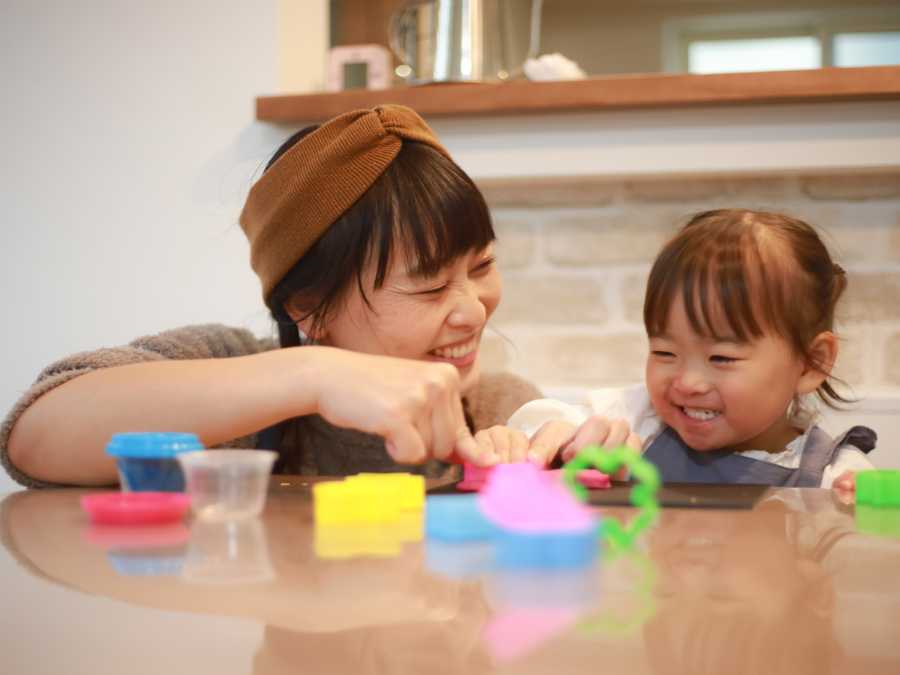 Managing multiple children often means individual needs get lost in the shuffle of family life.
Dedicated one-on-one time shows each child they matter as individuals, lessens sibling rivalry and attention-seeking behavior.
Allows you to connect with their unique personality and interests, creates space for deeper conversations, and forms special memories that children cherish.
How to implement
For each child, schedule 15-30 minutes of completely focused, uninterrupted time at least once a week, more often if you can.
These moments don’t need to involve elaborate or costly activities; simpler times together often hold the most meaning.
Let each child choose the activity: reading together, playing with favorite toys, going for a walk and talking, helping you cook or bake something special, doing a craft, shooting hoops, playing video games, or just lying on their bed and chatting before sleep.
The key is to be fully present, put your phone away, keep siblings busy elsewhere, and avoid multitasking.
For larger families, consider staggered bedtimes, rotating weekend mornings where you take one child out while your partner stays with the others, or assigning specific days (“Tuesdays are for Emma, Thursdays for Jack”).
Give these time slots special titles like “Mommy and Me Time” or “Special Time” that signal to children they have dedicated attention.
Use this time to listen more than direct, allowing them to lead the conversation and activity.
For older kids, this might involve driving them somewhere and chatting in the car, getting coffee or ice cream together, or joining them in their interests.
Keep track of each child’s turn on a calendar so no one is overlooked, and be flexible when life gets in the way, consistency matters more than perfection.
17. Start a family gratitude practice at dinner
 Dinnertime can often feel rushed and focused on eating quickly, managing behaviors, and cleaning up.
Starting a family gratitude practice can turn dinner into a time for connecting.
It teaches children to notice and appreciate positive moments.
This practice creates a better family atmosphere, helps everyone end the day on a positive note, and establishes a meaningful family ritual.
How to implement
At dinner (or another meal that fits your schedule), have each family member share one thing they are grateful for from their day before or during the meal.
For younger children who may not fully grasp gratitude, ask, “What made you smile today?” or “What was the best part of your day?” Parents should go first to show how this works.
Be specific and genuine rather than generic. Some days, answers will be big, like “I got an A on my test!” Other days, they may be small, like “The sun was shining at recess.”
All responses are valid. If someone can’t think of anything, that’s okay.
They can pass or share something simple like, “I’m grateful for this food.”
Consider keeping a family gratitude jar where you write down these moments on slips of paper weekly and read them together on Sundays.
For resistant teenagers, make it optional at first or have them text you their gratitude if they aren’t home for dinner.
Keep the mood light and positive; this shouldn’t feel like another chore or forced family activity.
Some families find it works better at bedtime or during the car ride home from school.
The specific timing matters less than the consistency and genuine participation.
18. Reduce yelling and practice calm responses
 Most moms yell at their kids sometimes.
Parenting is hard. Kids know how to push buttons, and stress can lead to raised voices.
However, frequent yelling increases stress for everyone, harms trust in parent-child relationships, teaches children to respond with anger, creates tension at home, and often doesn’t change behavior long-term.
Learning to respond calmly to difficult situations is one of the hardest but most important parenting skills.
How to implement
Start by recognizing your triggers.
What situations make you most likely to yell? Morning chaos, repeated non-listening, sibling fights, mealtime struggles, bedtime resistance?
Once you know your triggers, you can create strategies to prevent yelling and plan alternative responses.
When you feel the urge to yell rising, try these techniques:
Take three deep breaths before responding, physically step away for a moment if safe, lower your voice instead of raising it (whispers can be more effective), count to ten slowly, and remind yourself, “My child is not giving me a hard time; they are having a hard time.”
Create a personal signal, like touching your wrist, to remind you to pause.
If you do yell, apologize. Model accountability by saying, “I’m sorry I yelled. I was frustrated, but I shouldn’t have raised my voice.
Let’s try this again calmly.” Practice preventive strategies: ensure kids are well-fed and rested when possible, give warnings about transitions, set clear expectations, and reduce your own stress through the other resolutions in this list.
Remember, you’re learning new skills too, and changing old habits takes time.
Be patient with yourself, celebrate small victories, and focus on progress rather than perfection.
If yelling feels out of control or tied to deeper issues from your past, consider therapy or parenting classes.
19. Call or text distant family members monthly
 With the demands of daily life, keeping in touch with distant relatives often ends up at the bottom of the list.
However, regular contact with extended family gives children ties to their heritage and a broader support system.
It provides you with adult relationships and support, keeps family bonds strong across distances, and gives children a chance to connect with grandparents, aunts, uncles, and cousins while showing them the importance of family relationships.
How to implement
Make a simple list of family members you want to connect with regularly, grandparents, siblings, cousins, aunts, and uncles.
Set monthly reminders in your phone for each person or family unit.
Schedule specific times that work for you, like during your commute, while folding laundry, when the kids are on screens, or while cooking dinner (hands-free calls).
For grandparents and older relatives, prioritize video calls through FaceTime, Zoom, or Facebook Messenger so they can see the grandchildren.
Even ten minutes can brighten their month.
For siblings or friends, texting is great, send funny pictures of your kids, share a quick update, or simply check in to see how they are doing.
Involve your children; let them help call grandparents, encourage them to draw pictures to text to aunts or uncles, or have them share about their day.
Use technology to stay connected: share photo albums through Google Photos or iCloud, create private family Facebook groups for updates, use Marco Polo for video messages, or maintain a shared family calendar.
Don’t let guilt about time between contacts stop you from reaching out.
People understand that life is busy, and they would prefer to hear from you late than not at all.
Quality matters more than frequency; one meaningful conversation a month is better than weekly check-ins that feel like chores.
Home and Organization
20. Declutter one area per month
 Clutter adds visual noise that heightens stress, makes cleaning tougher and more time-consuming, causes frustration when you can’t find things, teaches children that accumulating items is normal, and takes up space that could be used better.
Decluttering one area per month is a manageable way to see noticeable improvements without feeling overwhelmed by tackling everything at once.
How to implement
Make a list of 12 areas to address throughout the year, planning one per month:
January – kitchen pantry/cabinets;
February – primary bedroom closet;
March – kids’ toys;
April – bathroom cabinets;
May – entry/mudroom;
June – kids’ clothing;
July – garage or storage area;
August – office/paperwork;
September – linen closet;
October – kitchen gadgets/appliances;
November – holiday decorations;
December – books and media.
Set aside 1-3 hours one weekend day each month for decluttering.
Use the “keep, donate, trash” method: Keep items that you regularly use and genuinely love, donate items in good condition that you don’t need, and throw away anything broken or unusable.
Be ruthless; if you haven’t used it in a year, you probably don’t need it.
For items that hold sentimental value but no practical use, take photos before donating to keep the memory without the clutter. Involve kids in decluttering their spaces and teach them to let go of outgrown or unused items.
Make donation runs immediately instead of letting bags sit in your garage for months.
For paper clutter, set up a simple filing system or go digital by photographing important documents.
As you declutter, resist the urge to immediately buy new organizing products.
Often, you need to reduce the amount of stuff you have, not find more ways to store it.
Celebrate each completed area and notice how much better the space feels.
21. Meal plan every Sunday
 The daily question, “What’s for dinner?” creates stress, leads to unhealthy last-minute choices, wastes money on takeout or spoiled groceries, and drains your decision-making energy.
Weekly meal planning reduces mental load and dinnertime stress, saves money by minimizing food waste and takeout, supports healthier eating, saves time during busy weeknights, and lets you grocery shop efficiently at once.
How to implement
Set aside 20-30 minutes every Sunday afternoon (or another day that fits before grocery shopping).
First, check your calendar for the upcoming week: which nights are busy with activities, which allow for more cooking time, and which may need slow cooker or make-ahead meals?
Then, plan 5-7 dinners (having 1-2 “leftover nights” or “fend for yourself nights” is smart).
Keep it simple; you don’t need to create Pinterest-perfect meals.
Rotate favorite family meals, plan one new recipe, and don’t forget easy options like breakfast for dinner, sandwiches and soup, or pasta.
Involve family members by asking for their input or letting kids choose one meal each week. Create a straightforward template:
Monday – slow cooker meal,
Tuesday – pasta night,
Wednesday – leftover or easy night,
Thursday – chicken/protein,
Friday – pizza or takeout,
Saturday – family favorite,
Sunday – meal prep for the week.
Write your plan somewhere visible, like a whiteboard on the fridge, a note on your phone, or a printed template on the counter so everyone knows what to expect, and you don’t forget your own plan.
Make a shopping list based on your meal plan, checking what you already have to avoid duplicates.
Consider theme nights to reduce planning fatigue, like Meatless Monday, Taco Tuesday, or Crockpot Wednesday.
Prep ingredients on Sundays whenever you can. Chop vegetables, marinate meat, and make overnight oats ahead of time.
Keep a running list of family-approved meals so you aren’t starting from scratch each week.
22. Do a 10-minute evening tidy
 Going to bed in a messy house and waking up to the previous day’s chaos can start your day with stress.
A quick 10-minute evening tidy can reset your space, create a more peaceful morning, prevent small messes from turning into overwhelming problems, teach children that maintaining order is a daily task, and give you a sense of accomplishment.
How to implement
Set a timer for ten minutes around 8 or 9 PM each evening (before you sit down for the night, or you might not get back up).
During these ten minutes, work quickly with tidying as the goal, not deep cleaning.
Follow a consistent pattern:
Pick up items in the living areas and return them to their homes, take dishes to the kitchen and load or run the dishwasher, wipe down the kitchen counters and table, gather up toys (or have kids do this before bedtime).
Put away any items that migrated from other rooms, quickly tidy the bathroom (hang towels, put toothbrushes in the holder), and check the entry area, putting away shoes and bags.
Set the coffee maker for the morning and lay out breakfast items if possible.
Get the whole family involved. Assign age-appropriate tasks to children, have your partner tackle different areas, or make it a game with music.
The goal isn’t perfection; you are just resetting the most used spaces.
Some nights may be harder than others, and that’s okay.
On particularly tiring days, even five minutes is better than nothing.
You’ll be amazed at how much better you sleep and how much more peacefully your mornings begin when you aren’t facing yesterday’s mess.
23. Create a family command center

Papers, permission slips, schedules, and important information can get lost in piles, creating stress when you can’t find what you need and causing family members to miss important dates or events.
A family command center organizes all this information in one accessible spot, reducing the mental load of remembering everyone’s schedules.
Acts as a central reference for the family, teaches children to take responsibility for their own schedules, and simply makes life run more smoothly.
How to implement
Choose a central area that everyone walks by daily.
This is usually a wall near the main entry, in the kitchen, or in a mudroom.
At minimum, your command center should include:
a large family calendar showing everyone’s activities color-coded by person,
a mail organizer with slots for incoming mail, bills to pay, and action items,
hooks or a key holder for keys, individual bins or folders for each family member’s school papers and forms,
a small bulletin board for permission slips or current important papers, a charging station for devices, and a list for grocery needs or to-dos.
You can buy command center systems or make one with a large cork board, hanging files, baskets, and hooks.
Create a habit of checking the command center every morning and evening.
Train family members to put their papers in their designated spots as soon as they get home.
Update the calendar weekly from your phone calendar or school newsletters.
Regularly remove old papers, once an event has passed or a permission slip is returned, throw it out. Keep pens, pencils, and other supplies in a cup nearby.
Some families add inspirational quotes, family photos, or children’s artwork to make the space feel welcoming, rather than just practical.
The key is consistency. A command center only works if everyone uses it, so model the behavior and gently encourage family members until it becomes a habit.
24. Establish morning and bedtime routines
 Mornings and bedtimes are often the most chaotic and stressful parts of the day for many families.
Rushing, forgetting things, arguing over tasks, and starting or ending the day in conflict can create a lot of stress.
Consistent routines reduce decision fatigue by making actions automatic, minimize arguments by setting clear expectations.
Help with smooth transitions between activities, lower stress for both parents and children, and create predictable rhythms that make everyone feel more secure.
How to implement: Start with bedtime routines since they are usually easier to control than mornings.
Determine the ideal bedtime for each child and work backward to create a step-by-step routine:
Bedtime routine example (for children)
7:30 PM – Bath time with calm play
7:45 PM – Pajamas and brush teeth
7:50 PM – Pick out tomorrow’s clothes together
8:00 PM – Read 2-3 books or have story time
8:15 PM – Prayers, gratitude sharing, or quiet conversation
8:20 PM – Lights out, lullaby, or white noise
Keep the sequence the same each night so children’s bodies start recognizing sleep cues.
For multiple children, you might stagger routines by 15-30 minutes or do group activities (like bathing, tooth brushing, and storytime) together and individual activities (like clothes selection and tucking in) separately.
Post a visual routine chart with pictures for young children who cannot read yet.
Use timers to help with transitions, like saying, “When this timer goes off, it’s time to start bath.”
Stay consistent even on weekends; you can make slight adjustments to bedtime, but keep the same routine sequence.
Morning routine example:
6:30 AM – Wake up, use bathroom, and get dressed (in clothes picked the night before)
6:45 AM – Make bed or straighten room briefly
6:50 AM – Breakfast (predetermined options to reduce decisions)
7:10 AM – Brush teeth, hair, and wash face
7:20 AM – Gather backpacks and items needed (already packed the night before)
7:30 AM – Shoes on and out the door
Prepare everything possible the night before: lay out clothes, pack lunches and backpacks, place items needed by the door, and prep breakfast items.
Create visual routine charts for children. Have kids set their own alarms if they are old enough.
Build in buffer time for slowdowns and sibling conflicts.
Consider a “when-then” approach: “When you’re dressed and teeth are brushed, then you can have screen time until we leave.”
For yourself, establish personal mini-routines:
Night routine: Set out your clothes, prepare your bag/work items, do your skincare routine, set up the coffee maker, and spend 10 minutes reading or meditating.
Morning routine: Enjoy 15 minutes before the kids wake (if possible) for coffee, quiet time, or exercise; your own morning hygiene routine; quick breakfast; and gather your items.
Write down routines and post them where everyone can see them.
The first few weeks will need constant reminders and reinforcement, but routines usually take 21-30 days to become automatic.
Stay patient and consistent. Celebrate successes and adjust routines that aren’t working, rather than giving up on the idea entirely.
Remember that routines should help your family, not add stress. If something isn’t working, modify it.
The goal is to create a predictable flow that reduces daily friction, not rigid rules that cause conflict.
Personal Growth and Hobbies
25. Learn one new skill this year
 Motherhood often takes over your identity, leaving little room for personal growth or pursuing interests unrelated to your children.
Learning a new skill can reconnect you with the person you were before becoming a mom, provide mental stimulation and challenge beyond parenting, and build confidence through achievements in new areas.
It also models lifelong learning for your children and gives you something interesting to discuss beyond kid topics.
How to implement
Choose a skill you’ve always wanted to learn or something that genuinely interests you, not something you feel you “should” learn.
Consider trying a new language using Duolingo or Babbel (15 minutes daily), photography basics through YouTube tutorials or an online course, basic coding with free resources like Codecademy, calligraphy or hand lettering, playing a musical instrument (keyboard, guitar, ukulele), baking or cake decorating techniques, knitting, crocheting, sewing, gardening and plant care, home repair and basic DIY skills, painting or drawing through Skillshare or local classes, or taking dance lessons through online tutorials.
Set realistic goals; you don’t need to become an expert, just make steady progress.
Schedule dedicated practice time weekly, even if it’s just 20-30 minutes.
Join online communities of other learners for support, inspiration, and accountability.
Look for free resources before investing in expensive courses or equipment, many skills can be learned through YouTube, library books, or free trials.
Track your progress with photos, journals, or simple logs to see improvement over time.
Share your learning journey with your kids; let them see you struggle, practice, improve, and sometimes fail.
This teaches them that learning is a lifelong process and mistakes are part of growth.
If one skill doesn’t engage you after a month or two, it’s okay to switch, this is about personal enrichment, not adding another obligation.
You don’t have to tackle all 31 of these resolutions.
Pick 3 to 5 that really resonate with you and your motherhood journey.
Choose ones that will truly improve your life.
The aim is progress, not perfection. Small, consistent changes in a few key areas will be more effective than trying to change everything at once and burning out by February.
Start with resolutions that tackle your biggest challenges or reflect your deepest values.
If you’re overwhelmed by clutter, focus on organization resolutions.
If you feel drained, prioritize self-care resolutions. If you’re feeling distant from your partner, think about relationship resolutions. Trust what feels most important right now.
Be flexible and allow yourself some grace.
Some months will go smoothly, while others will be all about survival.
That’s completely normal. Motherhood has its ups and downs, and your ability to stick to these resolutions will change with the demands of each stage.
The key is to recommit when you stray off course, not to give up entirely.
These resolutions work best when you integrate them into your daily life and values instead of adding to your already full to-do list.
Look for ways to build new habits onto what you already do, involve your family, and make changes that genuinely improve your life rather than just ticking off boxes.
You are doing a great job, even on days it doesn’t feel that way.
These resolutions should support you in becoming the best version of yourself, not because you’re not enough now, but because you deserve to feel fulfilled, rested, connected, and joyful as a mom.