Skip January burnout and make lasting changes with resolutions backed by science that lead to long-term success.
Are you tired of setting the same resolutions every year and giving up by February? You’re not alone; studies show that 92% of New Year resolutions fail.
But what if this year is different? These sustainable New Year resolutions are designed using behavioral psychology and habit science to create genuine change in your life.
Say goodbye to unrealistic goals and embrace meaningful transformations that become permanent parts of who you are!
Why Most New Year Resolutions Fail (And How to Fix It)
The Science of Resolution Failure:
– Too ambitious: “Lose 50 pounds” vs. “Walk 10 minutes daily.”
– All-or-nothing thinking: Missing one day means complete failure.
– No plans in place: Goals without action steps.
– External motivation: Should vs. want.
– No tracking or accountability: Out of sight, out of mind.
The Secret to Sustainable Resolutions:
Focus on systems rather than goals, progress over perfection, and identity change instead of just outcome change.
Instead of saying, “I want to lose weight,” consider saying, “I’m becoming someone who prioritizes their health every day.”
The SUSTAINABLE Framework for Lasting Change
S – Specific and Small: Start with tiny, clear actions.
U – Understandable: Simple enough to remember and do.
S – Systems-Based: Focus on the process, not just outcomes.
T – Trackable: Measure progress consistently.
A – Aligned: Match your values and identity.
I – Incremental: Build gradually over time.
N – Non-Negotiable: Make it as easy as possible.
A – Accountable: Have support systems in place.
B – Bounce-Back Ready: Plan for setbacks.
L – Linked: Connect to existing habits.
E – Enjoyable: Find ways to make it pleasant.
50 Sustainable New Year Resolutions by Category
Health & Wellness (Physical)
1. Drink One Extra Glass of Water Daily
 Start with: Place a water bottle on your nightstand.
Why it works: This tiny habit compounds over time.
Track it: Mark an X on your calendar each day.
Make it stick: Link it to an existing routine (drink water when you brush your teeth).
2. Take the Stairs When Possible
 Start with: Opt for stairs for 2 floors or less.
Why it works: Utilizes existing infrastructure; no extra time needed.
Track it: Count flights of stairs weekly.
Make it stick: Turn it into a game – count total floors climbed monthly.
3. Eat One Serving of Vegetables at Lunch
 Start with: Add tomatoes to your sandwich or salad.
Why it works: Focuses on adding, not restricting.
Track it: Take a photo of your lunch for one week to build awareness.
Make it stick: Prep veggies every Sunday for the week ahead.
4. Walk for 10 Minutes After Dinner
 Start with: Just walk to the end of your street and back.
Why it works: Aids digestion, creates family time, and fits into a routine.
Track it: Use your phone’s step counter or a health app.
Make it stick: Invite family members or call a friend while walking.
5. Go to Bed 15 Minutes Earlier
 Start with: Set a phone reminder for 15 minutes before your current bedtime.
Why it works: A small change can improve everything else.
Track it: Log sleep hours in a simple app.
Make it stick: Create a calming pre-sleep routine.
6. Stretch for 5 Minutes Every Morning
 Start with: Do 3 basic stretches while your coffee brews.
Why it works: Reduces stiffness, improves mood, and is easy to maintain.
Track it: Check it off on your bathroom mirror.
Make it stick: Follow a YouTube routine that lasts exactly 5 minutes.
7. Take Vitamins with Breakfast
 Start with: Place the vitamin bottle next to your coffee maker.
Why it works: Links to an existing habit and is a simple addition.
Track it: Use a weekly pill organizer to show compliance.
Make it stick: Buy a 90-day supply to avoid running out.
8. Park Farther Away from Destinations
Start with: Choose spots that are 20-30 steps farther.
Why it works: Automatically adds extra movement without changing your schedule.
Track it: Estimate your extra steps weekly.
Make it stick: Practice mindfulness while you walk – notice your surroundings.
Mental Health & Mindfulness
9. Practice 3 Deep Breaths When Stressed
 Start with: Set phone reminders three times daily.
Why it works: It’s immediately accessible and scientifically backed.
Track it: Note your stress levels before and after in a journal.
Make it stick: Use a specific breathing technique (like the 4-7-8 method).
10. Write Down 3 Things You’re Grateful For Weekly
Start with: Reflect on gratitude every Sunday evening.
Why it works: It rewires your brain for positivity and is a simple practice.
Track it: Use a dedicated gratitude journal or a note on your phone.
Make it stick: Share one gratitude item with someone each week.
11. Spend 10 Minutes Outside Daily
 Start with: Drink your morning coffee on the porch or balcony.
Why it works: Natural light boosts mood and is easy to fit into your day.
Track it: Mark outdoor time on your calendar.
Make it stick: Combine it with existing activities (walking to the car counts!).
12. Do One Thing Mindfully Each Day
 Start with: Eat breakfast without using your phone or watching TV.
Why it works: Improves your focus and enjoyment without taking extra time.
Track it: Note which activity you chose to do mindfully.
Make it stick: Rotate through different activities (eating, walking, showering).
13. Compliment One Person Daily
 Start with: Show genuine appreciation for family, colleagues, or strangers.
Why it works: It enhances relationships and boosts your mood.
Track it: Remember who you complimented each day.
Make it stick: Notice how it feels to spread positivity.
14. Limit News Consumption to 15 Minutes Daily
Start with: Set a timer when checking the news.
Why it works: Reduces anxiety and improves your mental space.
Track it: Use screen time tracking on your phone.
Make it stick: Replace extra news time with something positive.
15. Practice Saying “No” to One Small Thing Weekly
Start with: Decline one social obligation that doesn’t benefit you.
Why it works: Builds boundaries and reduces overwhelm.
Track it: Journal about what you said no to and how it felt.
Make it stick: Practice different variations of the phrase that feel comfortable.
Personal Growth & Learning
16. Read 10 Pages of a Non-Fiction Book Daily
 Start with: Choose a book that interests you.
Why it works: It’s a manageable amount and builds knowledge consistently.
Track it: Mark pages read or use a reading app.
Make it stick: Read at the same time daily (like with your morning coffee or before bed).
17. Learn 5 Words in a New Language Weekly
Start with: Use a language app for 10 minutes, two to three times a week.
Why it works: It’s a small commitment that builds over time.
Track it: Keep a vocabulary list in your phone notes.
Make it stick: Practice new words with family or friends.
18. Write in a Journal for 5 Minutes Daily
 Start with: Write freely without any rules.
Why it works: It enhances self-awareness and emotional processing.
Track it: Count the days you journal per month.
Make it stick: Keep your journal and pen in the same spot, and write at the same time.
19. Listen to One Educational Podcast Weekly
 Start with: Choose podcasts during your commute or while doing chores.
Why it works: It uses existing time and promotes passive learning.
Track it: List episodes you’ve listened to.
Make it stick: Subscribe to two to three quality podcasts and queue them up.
20. Practice One New Skill for 15 Minutes Weekly
 Start with: Explore YouTube tutorials for something you’ve always wanted to try.
Why it works: It requires low commitment and satisfies curiosity.
Track it: Document what you learned in each session.
Make it stick: Schedule it like an appointment with yourself.
21. Ask One Thoughtful Question in Conversations
Start with: “What’s been the highlight of your week?”
Why it works: It enhances relationships and makes conversations more meaningful.
Track it: Note interesting things you learn about others.
Make it stick: Prepare two to three go-to questions for different situations.
Relationships & Social
22. Text One Person You Haven’t Talked to in a While Monthly
Start with: Set a monthly phone reminder to reach out.
Why it works: It maintains connections and shows you care.
Track it: Keep a list of people to rotate through.
Make it stick: Use social media memories as prompts for reaching out.
23. Have One Device-Free Meal with Family/Friends Weekly
 Start with: Sunday dinner or Saturday breakfast.
Why it works: It improves the quality of connections and creates a tradition.
Track it: Note topics discussed or memories made.
Make it stick: Create a phone basket or charging station away from the table.
24. Give One Specific Compliment Weekly
Start with: Notice and acknowledge others’ efforts, not just their appearance.
Why it works: It strengthens relationships and spreads positivity.
Track it: Remember what you complimented and the reaction you received.
Make it stick: Look for efforts, improvements, or character traits to praise.
25. Schedule One Social Activity Monthly
 Start with: Plan coffee dates, walks, or shared hobbies with friends.
Why it works: It maintains friendships and provides accountability.
Track it: Put your social commitments on the calendar.
Make it stick: Alternate who initiates plans with different friends.
26. Write One Handwritten Note Monthly
 Start with: Thank you notes, birthday cards, or just-because messages.
Why it works: It’s a thoughtful gesture that stands out in a digital world.
Track it: Keep stamps and cards easily accessible.
Make it stick: Set a monthly reminder and have a stash of cards ready.
Career & Professional Development
27. Update Your Resume or LinkedIn Monthly
 Start with: Add one new accomplishment or skill each month.
Why it works: It keeps your professional presence current and boosts confidence.
Track it: Set a calendar reminder for monthly updates.
Make it stick: Maintain a running list of achievements throughout the month.
28. Learn One New Work-Related Skill Quarterly
Start with: Identify a skill gap and find a free online course.
Why it works: It provides a manageable timeline for career growth.
Track it: Complete certificates or take note of skills gained.
Make it stick: Apply new skills immediately to work projects.
29. Network with One New Person Monthly
 Start with: Attend one professional event or reach out to someone online.
Why it works: It expands opportunities and builds relationships over time.
Track it: Keep a list of new contacts you make.
Make it stick: Follow up within a week after meeting someone new.
30. Organize Your Digital Workspace Weekly
 Start with: Spend 15 minutes on Friday cleaning up your desktop, emails, and files.
Why it works: It boosts productivity and reduces stress.
Track it: Note time saved when you can find files easily.
Make it stick: Create folders and naming systems that suit your needs.
31. Save $1 the First Week, $2 the Second Week, etc.
Start with: Automatic transfer increasing by $1 weekly.
Why it works: Builds gradually and creates significant savings over time.
Track it: Watch your savings account grow weekly.
Make it stick: Automate the transfers so you don’t have to remember.
32. Review and Categorize Expenses Weekly.
 Start with: 15-minute money check-in every Sunday.
Why it works: Builds awareness and prevents overspending.
Track it: Use a budgeting app or a simple spreadsheet.
Make it stick: Link it to your weekly planning or Sunday routine.
33. Learn One New Financial Concept Monthly.
Start with: Read one article about investing, budgeting, or financial planning.
Why it works: Builds financial knowledge gradually.
Track it: Keep a list of concepts you’ve learned.
Make it stick: Apply each concept to your finances.
34. Use Cash for One Spending Category.
Start with: Choose groceries, entertainment, or coffee.
Why it works: Increases spending awareness and creates a natural budget limit.
Track it: Notice the difference in your spending patterns.
Make it stick: Withdraw weekly cash amounts.
35. Cancel One Unused Subscription Monthly.
 Start with: Review bank statements for forgotten subscriptions.
Why it works: Frees up money and reduces financial clutter.
Track it: Calculate monthly savings from cancellations.
Make it stick: Set a monthly reminder to review subscriptions.
Environment & Organization
36. Declutter One Small Area Weekly.
 Start with: One drawer, shelf, or corner at a time.
Why it works: Manageable size creates momentum.
Track it: Take before and after photos.
Make it stick: Donate items immediately, so they don’t pile up.
37. Make Your Bed Every Morning.
 Start with: As soon as you get out of bed.
Why it works: An easy win that starts your day positively.
Track it: Check it off on your bathroom mirror.
Make it stick: Include it in your getting dressed routine.
38. Do Dishes Immediately After Meals.
 Start with: Clean as you cook and wash dishes right after eating.
Why it works: Prevents overwhelming buildup.
Track it: Notice how a clean kitchen makes you feel.
Make it stick: Tie it to finishing a meal, like clearing the table.
39. Prep One Thing for Tomorrow Before Bed.
Start with: Lay out clothes, prepare coffee, or pack lunch.
Why it works: Makes mornings easier and reduces decision fatigue.
Track it: Notice how prepared you feel in the morning.
Make it stick: Choose one consistent prep activity that saves time.
40. Use Reusable Items Instead of Disposable Once Daily.
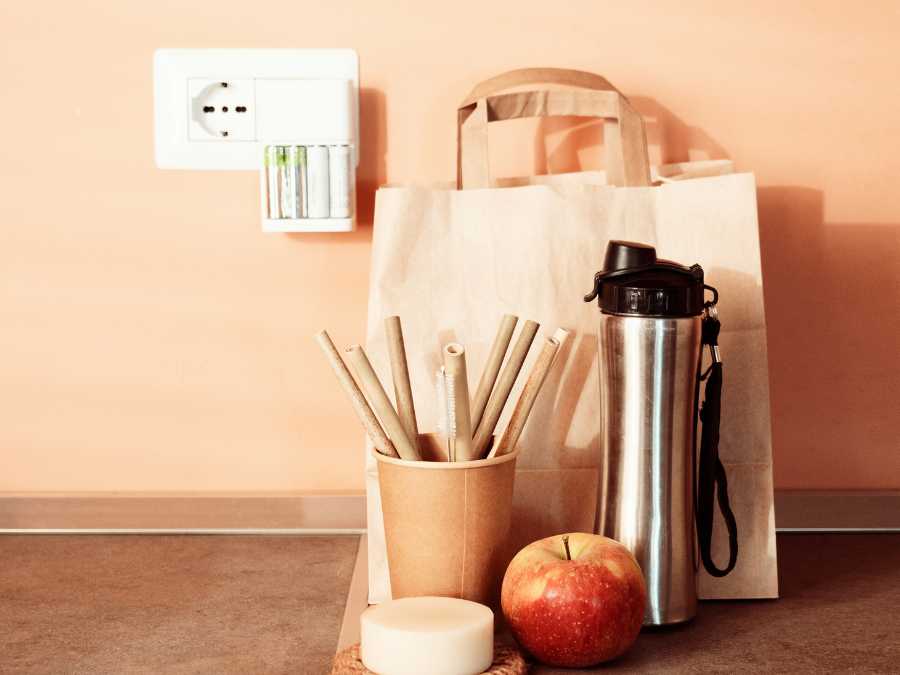 Start with: Bring a water bottle, use cloth napkins, or shopping bags.
Why it works: Reduces waste and saves money over time.
Track it: Count how many disposable items you avoid weekly.
Make it stick: Keep reusable items in convenient spots.
Creativity & Hobbies
41. Take One Creative Photo Weekly.
 Start with: Notice interesting light, colors, or compositions around you.
Why it works: Develops your artistic eye at no extra cost.
Track it: Create a weekly photo album on your phone.
Make it stick: Share favorites with friends or on social media.
42. Try One New Recipe Monthly.
 Start with: Choose recipes with ingredients you already like.
Why it works: Expands your cooking skills and prevents food boredom.
Track it: Keep a list of tried recipes and ratings.
Make it stick: Cook new recipes on the same day each month, like the first Sunday.
43. Write One Page in a Creative Project Weekly.
 Start with: Write a story, poem, memoir, or blog post.
Why it works: Builds your creative muscle with a manageable commitment.
Track it: Count the pages or words you’ve written.
Make it stick: Set a specific day and time for writing each week.
44. Learn One Song on an Instrument Quarterly.
 Start with: Choose songs slightly above your current skill level.
Why it works: Clear progress markers make it enjoyable.
Track it: Record yourself playing to see your improvement.
Make it stick: Practice for 10-15 minutes daily instead of long sessions.
45. Visit One New Place in Your City Monthly.
 Start with: Explore parks, museums, neighborhoods, or restaurants you haven’t tried.
Why it works: Increases your appreciation for where you live.
Track it: Keep a list or photo album of the new places you’ve visited.
Make it stick: Research options at the beginning of each month.
Spiritual & Personal Values
46. Practice Random Acts of Kindness Weekly.
Start with: Hold doors, compliment strangers, or help neighbors.
Why it works: Connects you to the community and improves your mood.
Track it: Note the acts of kindness you give and receive.
Make it stick: Look for opportunities instead of planning specific acts.
47. Spend 10 Minutes in Nature Weekly.
 Start with: Sit outside, walk in a park, or tend to houseplants.
Why it works: Reduces stress and connects you to natural rhythms.
Track it: Note how you feel before and after your time in nature.
Make it stick: Link it to regular outdoor activities or weekly routines.
48. Donate or Volunteer for One Hour Monthly.
 Start with: Choose a cause that matches your values.
Why it works: Creates purpose and builds community connections.
Track it: Keep a record of your contributions.
Make it stick: Set up ongoing donations or a volunteer schedule.
49. Practice Forgiveness (Self or Others) Weekly.
Start with: Let go of one small grudge or self-criticism.
Why it works: Reduces emotional burden and improves relationships.
Track it: Journal about your forgiveness practices.
Make it stick: Use specific forgiveness techniques or prayers.
50. Align One Decision with Your Values Weekly.
 Start with: Make choices based on what matters most to you.
Why it works: Builds an authentic life and increases satisfaction.
Track it: Note the decisions you’ve made and how they felt.
Make it stick: Clarify your top three values and reference them often.
The Science of Making Resolutions Stick
Habit Stacking Technique
Link new behaviors to existing habits for automatic implementation:
After I pour my morning coffee, I will write in my gratitude journal.
After I brush my teeth, I will do five push-ups.
After I eat dinner, I will take a 10-minute walk.
The 2-Minute Rule
Start with tasks that take less than two minutes:
“Read for 30 minutes daily” becomes “Read one page daily.”
“Exercise for an hour” becomes “Put on workout clothes.”
“Meditate for 20 minutes” becomes “Sit quietly for two minutes.”
Identity-Based Change
Focus on who you want to become:
Instead of “I want to lose weight,” say “I am someone who prioritizes their health.”
Instead of “I want to save money,” say “I am someone who makes wise financial decisions.”
Instead of “I want to be organized,” say “I am someone who values order and simplicity.”
Creating Your Personal Resolution Action Plan
Step 1: Choose Your Focus Areas (Week 1)
Select three to five resolutions from different categories:
1-2 health/wellness goals
1 relationship/social goal
1 personal growth goal
1 practical life improvement
Step 2: Design Your Systems (Week 2)
For each resolution, create:
Trigger: What will remind you to do it?
Routine: What exactly will you do?
Reward: How will you celebrate small wins?
Tracking: How will you measure progress?
Step 3: Start Small (Week 3)
Begin with the smallest possible version:
Week 1-2: Establish the routine.
Week 3-4: Add consistency.
Month 2: Gradually increase difficulty.
Month 3+: Fine-tune and optimize.
Step 4: Build Accountability (Week 4)
Tell someone about your goals.
Join online communities or local groups.
Use apps or tools for tracking.
Schedule regular check-ins with yourself.
Monthly Resolution Review Process
Week 1 of Each Month: Assess
What worked well last month?
What challenges did you face?
Which systems need adjustment?
What support do you need?
Week 2: Adjust
Modify goals that aren’t working.
Increase difficulty of goals that feel too easy.
Add new elements to maintain interest.
Remove barriers you’ve identified.
Week 3: Recommit
Renew your motivation for each goal.
Visualize the benefits of continuing.
Plan for anticipated challenges.
Celebrate progress made so far.
Week 4: Plan Ahead
Set up next month’s systems.
Schedule any needed resources or appointments.
Prepare for seasonal or calendar challenges.
Choose focus areas for the upcoming month.
Common Pitfalls and How to Avoid Them
The Perfectionism Trap
Problem: “I missed one day so I might as well give up.”
Solution: Plan for imperfection and focus on getting back on track quickly.
The Motivation Myth
Problem: Waiting to feel motivated before taking action.
Solution: Action creates motivation, not the other way around.
The Comparison Game
Problem: Measuring your progress against others.
Solution: Track only your own improvement from your starting point.
The Complexity Creep
Problem: Making goals more complicated over time.
Solution: Keep it simple and only add complexity after habits are solid.
The All-or-Nothing Mindset
Problem: Abandoning goals when life gets busy.
Solution: Have minimum versions for challenging days.
Technology Tools for Sustainable Resolutions
Habit Tracking Apps:
Habitica: Gamifies habit building.
Streaks: Simple, visual habit tracking.
Way of Life: Color-coded daily tracking.
Productive: Flexible scheduling options.
Goal Setting Platforms:
Todoist: Project-based goal management.
Notion: Comprehensive life planning.
Trello: Visual goal and project tracking.
Google Calendar: Time-blocking and reminders.
Accountability Tools:
StickK: Financial commitment to goals.
Coach.me: Professional coaching support.
Spar: Social accountability groups.
MyFitnessPal: Community tracking and support.
Resolution Success Stories
Sarah’s Story – The Tiny Changes Champion:
Instead of ‘get fit,’ I committed to parking farther away wherever I went.
Six months later, I was walking an extra 2 miles daily without thinking about it.
This led naturally to wanting to eat better and eventually joining a hiking group.
Mike’s Story – The Habit Stacker:
I linked my new reading goal to my existing coffee routine.
Every morning with my first cup, I read 10 pages. One year later, I had read 24 books – more than the previous five years combined.
Lisa’s Story – The Identity Shifter:
I stopped saying ‘I’m trying to be organized’ and started saying ‘I’m someone who values order.’
This small mindset shift changed everything. I began naturally making choices that an organized person would make.
Creating a Support System
Family and Friends:
Share your goals with people who care about your success.
Ask for specific support, like reminders or encouragement.
Create mutual accountability partnerships.
Celebrate milestones together.
Online Communities:
Join groups focused on your specific goals.
Share progress and setbacks honestly.
Offer support to others working on similar goals.
Learn from people further along in their journey.
Professional Support:
Consider coaches or therapists for significant life changes.
Use apps with built-in coaching features.
Join classes or workshops related to your goals.
Hire services that remove barriers, like meal prep or housecleaning.
Seasonal Strategies for Year-Long Success
Spring (March-May): Renewal Energy
Add outdoor activities to existing goals.
Use longer daylight for evening routines.
Spring cleaning can support organization goals.
Take advantage of the fresh start mentality.
Summer (June-August): Flexibility Focus
Adapt routines for vacation schedules.
Use social gatherings for relationship goals.
Take advantage of fresh produce for health goals.
Use extra daylight for extended activities.
Fall (September-November): Back-to-School Momentum
Recommit with fresh energy after summer.
Use routine establishment for habit reinforcement.
Prepare systems for winter challenges.
Focus on skill-building and learning goals.
Winter (December-February): Consistency Maintenance
Simplify goals during the busy holiday season.
Use indoor time for reflection and planning.
Focus on mental health and relationship goals.
Prepare for next year’s goal setting.
Advanced Strategies for Long-Term Success
The Compound Effect
Small, consistent actions create big results over time:
Reading 10 pages daily equals 3,650 pages (12+ books) per year.
Saving $5 daily equals $1,825 per year.
Walking 1,000 extra steps daily equals 365,000 steps (150+ miles) per year.
The Plateau Strategy
When progress stalls:
Celebrate maintaining your current level.
Add slight variations to stay interested.
Focus on consistency rather than improvement.
Use plateaus as preparation for the next growth phase.
The Integration Approach
Make resolutions part of your identity:
Year 1: Establish the habit.
Year 2: Optimize and improve.
Year 3: Integrate naturally into life.
Year 4+: Teach others and expand.
Conclusion
Sustainable New Year’s resolutions that stick aren’t about dramatic changes or superhuman willpower.
They focus on small, consistent actions that match who you want to become.
By emphasizing systems over outcomes, progress over perfection, and identity change over behavior change, you create lasting transformation that feels natural and enjoyable.
The key is starting small, being consistent, and seeing setbacks as information instead of failure.
Choose resolutions that excite you, support them with solid systems, and trust the compound effect of small daily actions.
This could be the year everything changes, not because you made dramatic resolutions, but because you created sustainable ones that truly stick.
You don’t need to be perfect. You just need to be consistent.
Your future self is counting on the small, positive choices you make today.
Which sustainable resolution speaks to you the most?
Pin this guide and commit to one small change that could transform your entire year.
Share your resolution in the comments. Accountability begins with stating your intentions.
Free Resources:
Resolution Planning Worksheet: [YourWebsite.com/resolution-
Monthly Review Template: [YourWebsite.com/monthly-
Habit Stacking Guide: [YourWebsite.com/habit-
50 Resolution Tracking Sheets: [YourWebsite.com/resolution-