25 creative 90s inspired-kids activities
Are you searching for creative 90s-inspired kids activities, no worries you are in the right place.
The nineties had a kind of magic that felt effortless, kids filled their afternoons with imagination, curiosity, and just enough chaos to make memories stick.
There were fewer screens, more freedom, and a strong sense that fun did not need to be complicated or expensive to be meaningful.
That era encouraged creativity in a very natural way, where playtime often blurred into learning, storytelling, and self-expression without anyone calling it that.
Looking back now, there is something deeply appealing about bringing that spirit into modern childhood.
A nineties-inspired approach to kids activities invites us to slow down, lean into hands-on fun, and reconnect with the joy of making something from scratch.
It is about celebrating creativity as an experience, not a result, and giving kids the space to explore, experiment, and just be kids, the way many of us remember it.
25 creative 90s-inspired kids activities
1. Friendship bracelet making
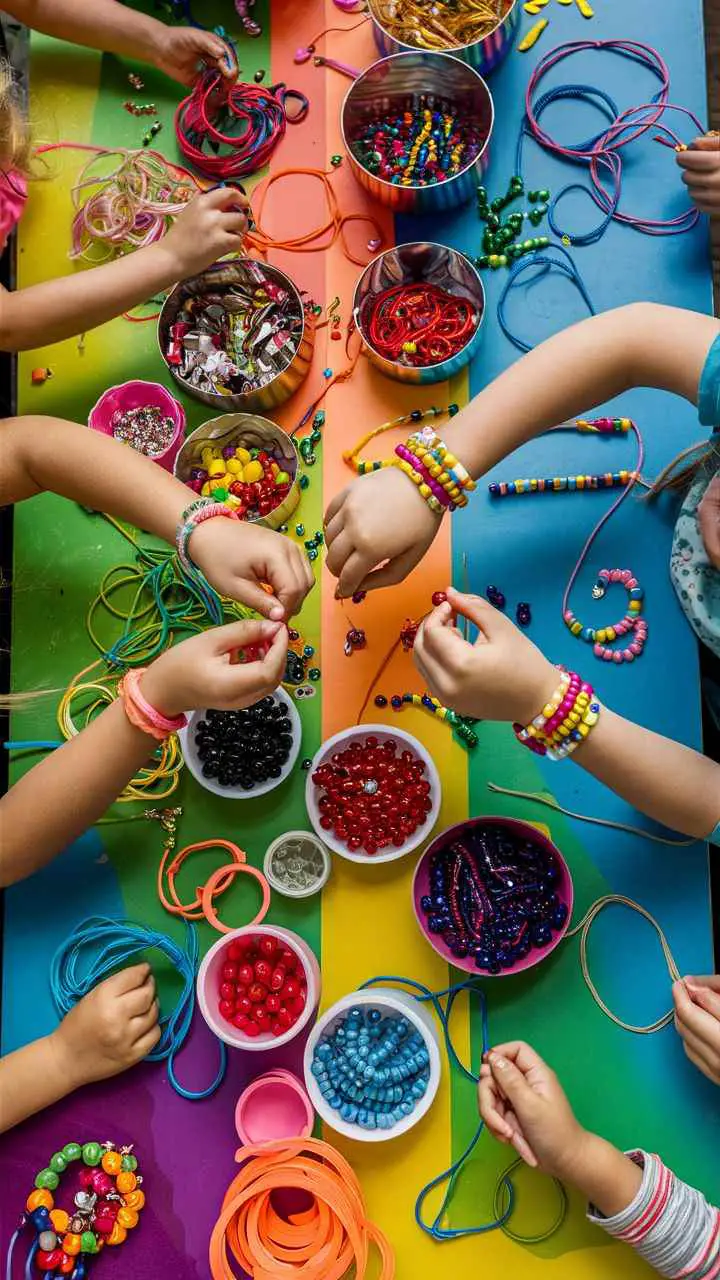
Kids use colorful string or yarn to create bracelets for friends or family.
The process teaches patience and simple pattern following, while also encouraging kids to think about giving and connection.
It is as much about the time spent chatting and creating as it is about the final bracelet.
2. Cardboard box creations
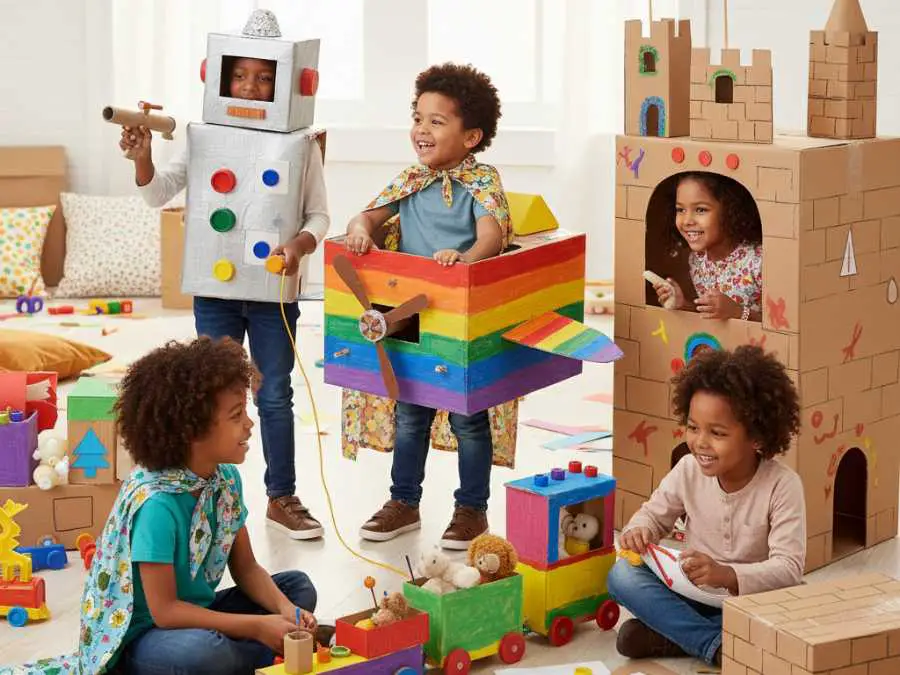 Give kids a few large cardboard boxes and basic supplies like markers and tape.
They can turn them into forts, cars, houses, or anything they imagine.
This activity builds problem-solving skills and shows kids how ordinary objects can become something exciting.
3. Make your own board game
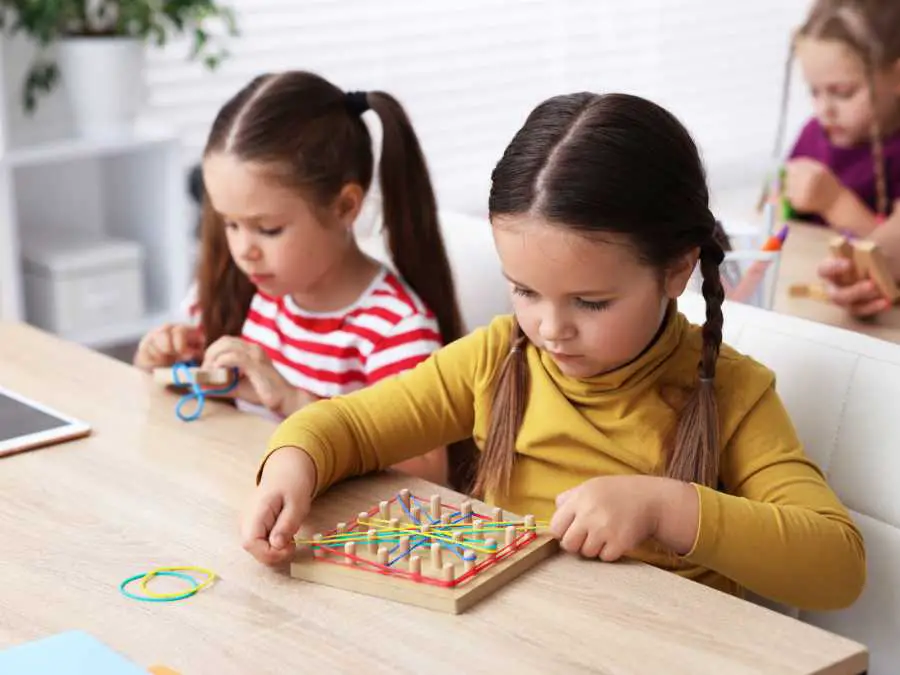 Kids design a game from scratch using paper and household items.
They decide the rules, the goal, and how to win.
This encourages creativity, logical thinking, and collaboration, especially when friends or siblings test the game together.
4. Comic strip drawing
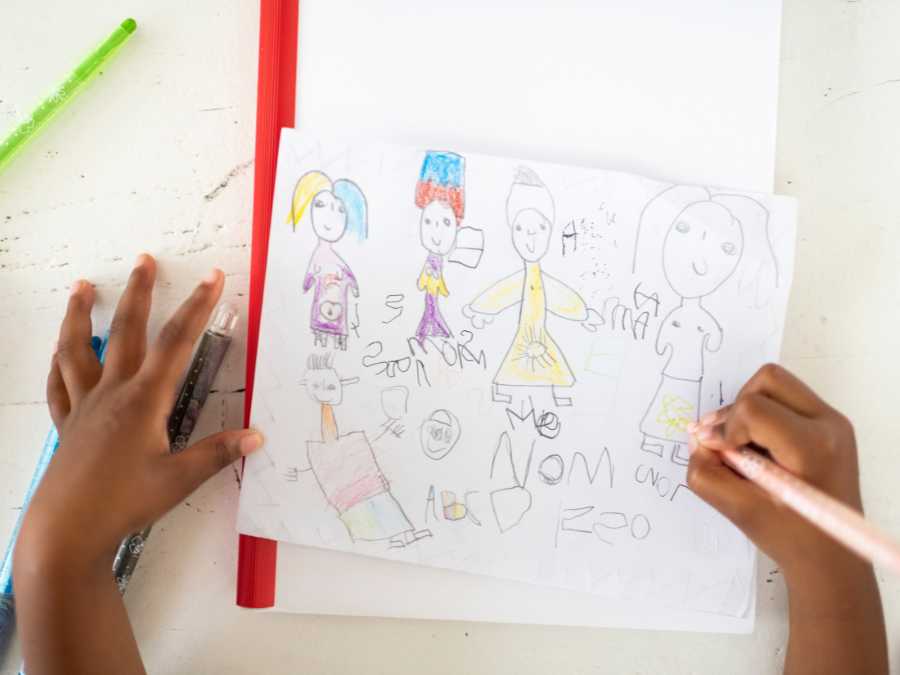 Children create short comic stories using simple panels and characters.
They focus on storytelling, humor, and visual expression.
This activity helps kids practice writing and drawing while learning how stories flow from beginning to end.
5. Paper dolls and characters
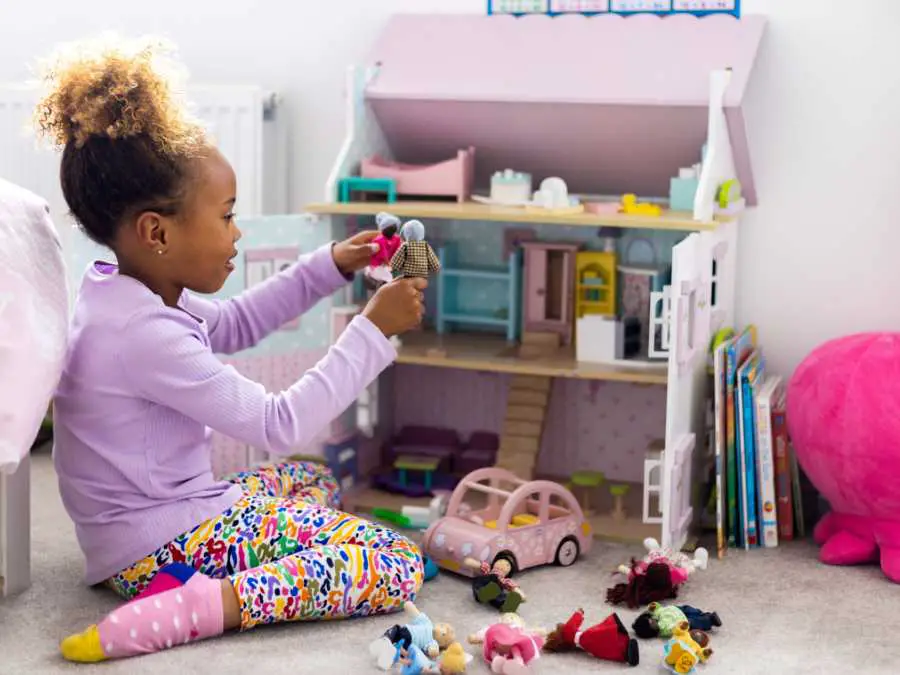 Kids draw and cut out characters along with outfits and accessories.
This sparks imagination and storytelling as kids create personalities and scenarios for their characters.
It is a calm activity that can last for hours.
6. Journaling or diary writing
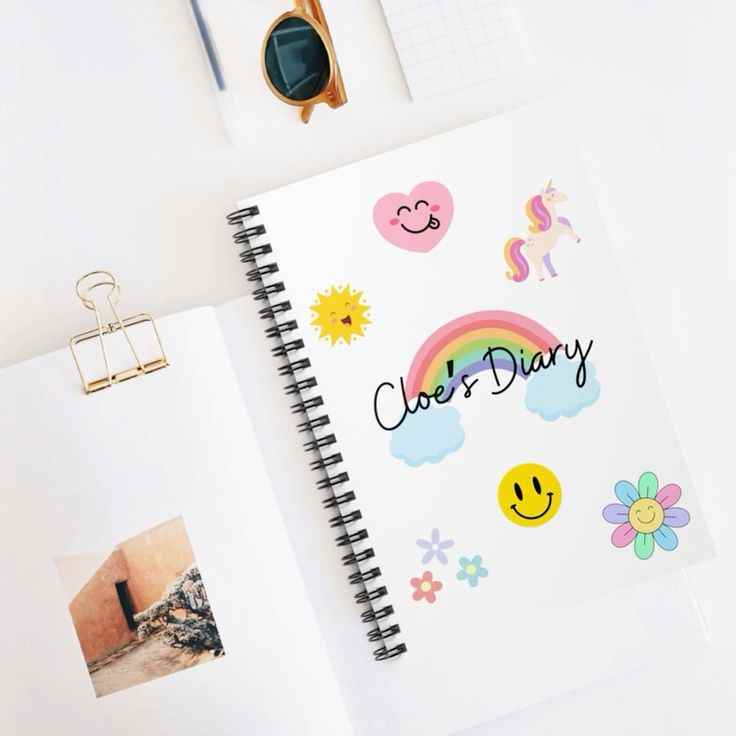
Provide a notebook and encourage kids to write about their day, thoughts, or imaginary stories.
This builds self-expression and emotional awareness, and it gives kids a private creative outlet that feels special and persona.
7. Home talent show
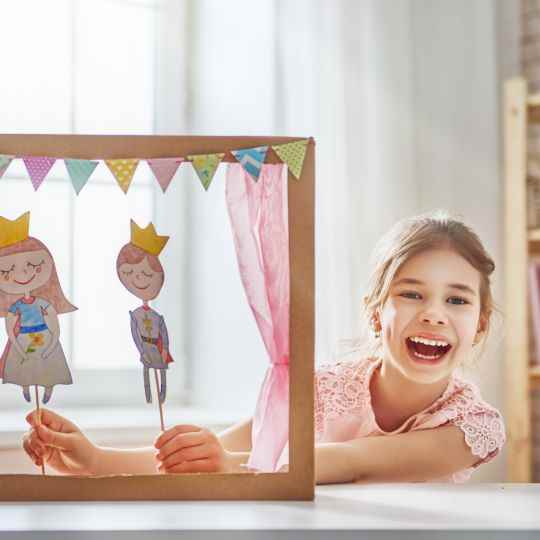
Kids prepare a performance such as singing, dancing, jokes, or acting.
Planning the show gives them confidence and helps them practice presentation skills.
The focus is on fun and self-expression, not perfection.
8. Paper fortune tellers
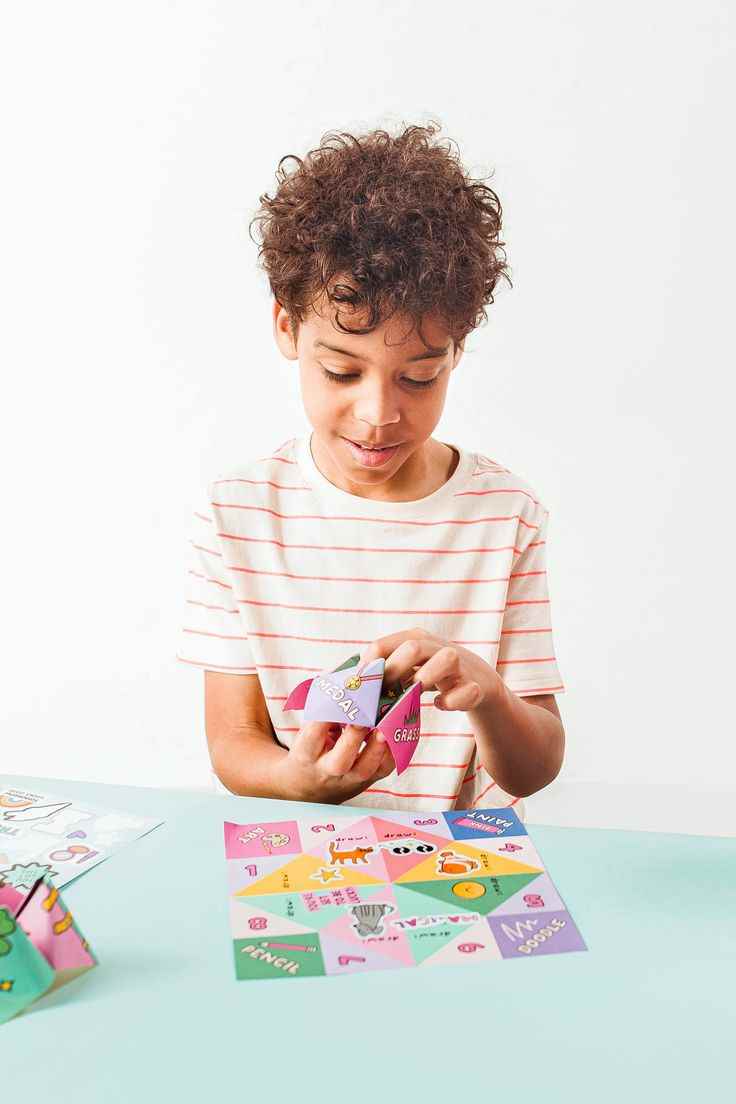
Kids fold paper into fortune tellers and fill them with silly predictions or challenges.
This blends simple crafting with social play, and it encourages kids to interact, laugh, and share ideas.
9. Outdoor chalk art
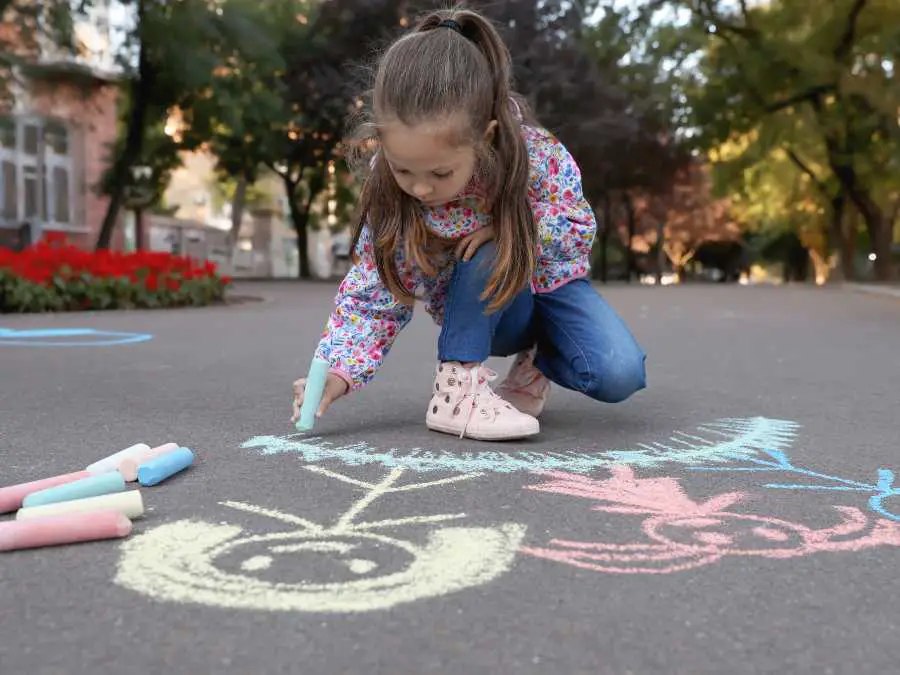 Using sidewalk chalk, kids create drawings, patterns, or even full scenes on the ground.
This activity encourages large-scale creativity and lets kids work freely without worrying about mistakes, since everything washes away.
10. Mix tape style music sharing
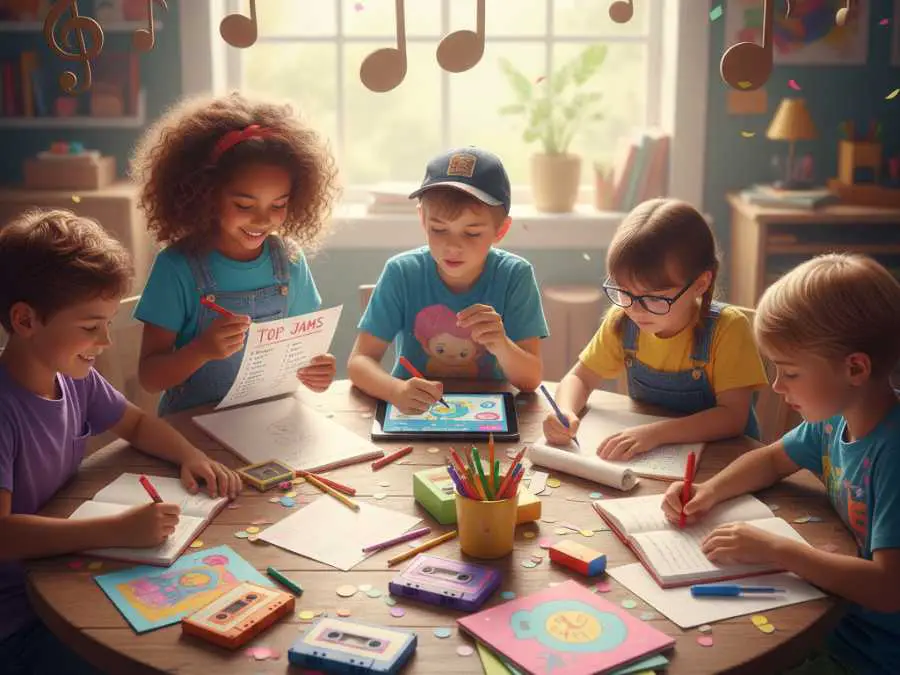 Kids choose favorite songs and write them down as if creating a personal music collection for someone else.
They can explain why each song matters to them.
This builds emotional expression and introduces the idea of sharing taste and feelings through music.
11. Scrapbook making
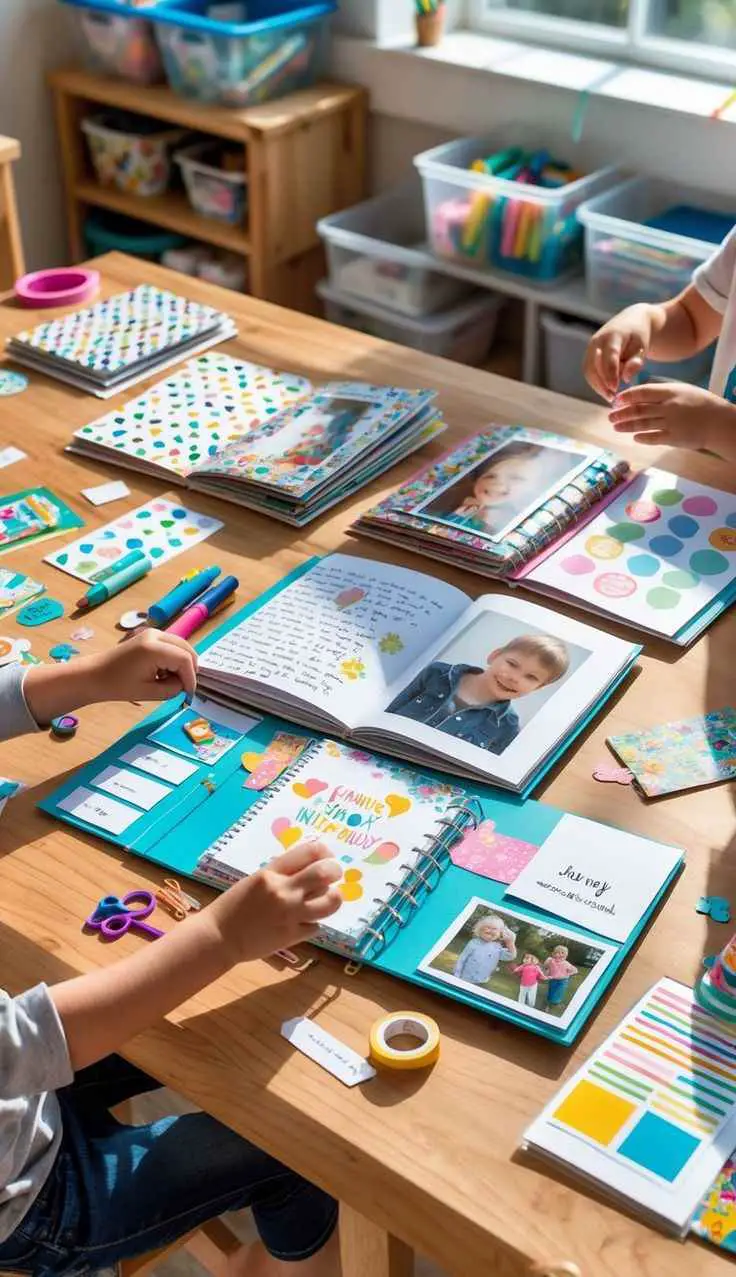
Children collect drawings, photos, ticket stubs, or notes and glue them into a scrapbook.
This helps them reflect on memories and tell their own story in a creative way.
12. Paper airplane experiments
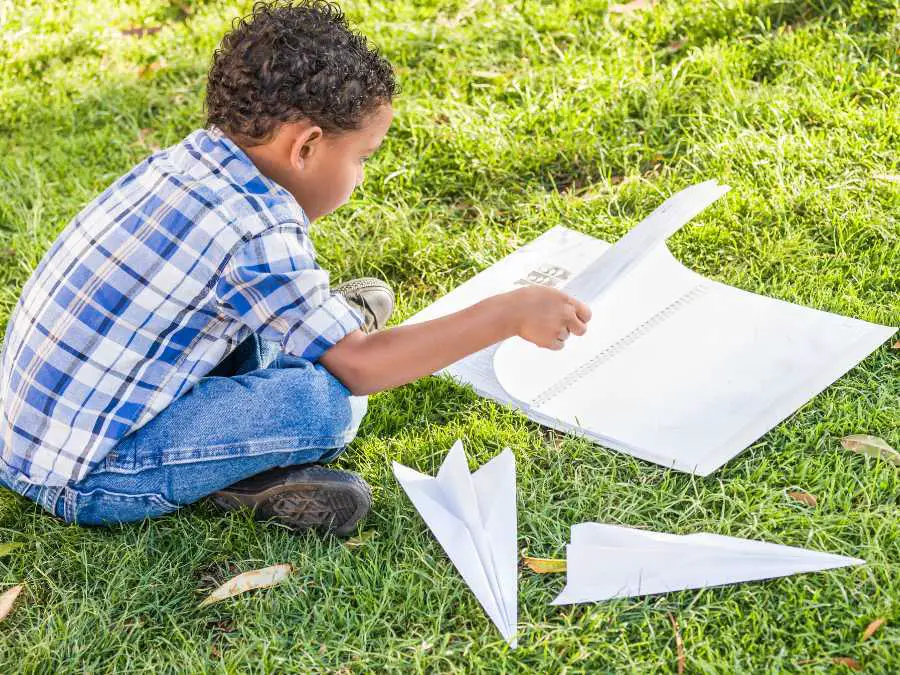 Kids design and fold different paper airplanes and test how they fly.
They can compare distance, speed, and shape.
This blends creativity with basic science and experimentation.
13. Dress up and role-play
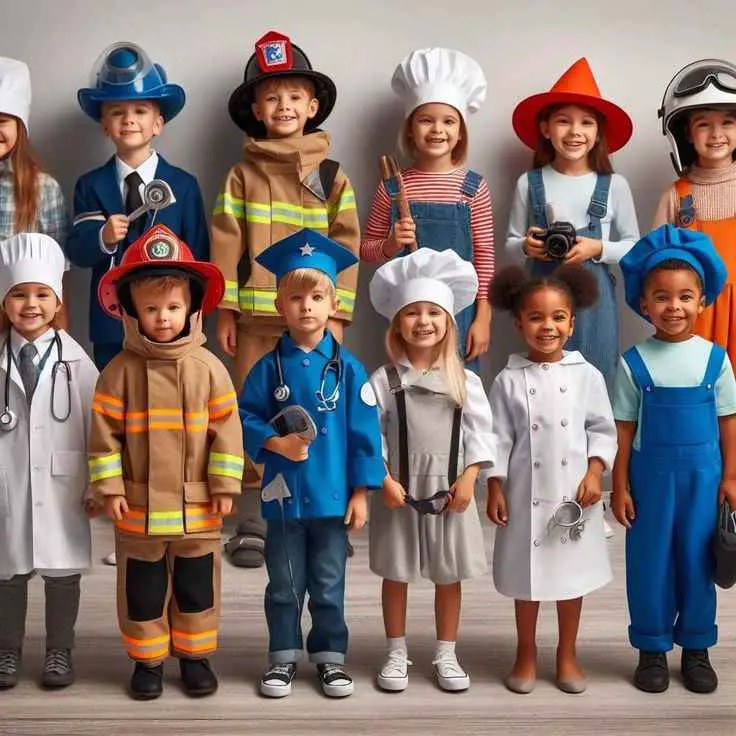
Using old clothes or costumes, kids pretend to be different characters or professions.
Role play builds empathy, storytelling skills, and confidence as kids explore different perspectives.
14. Homemade puzzles
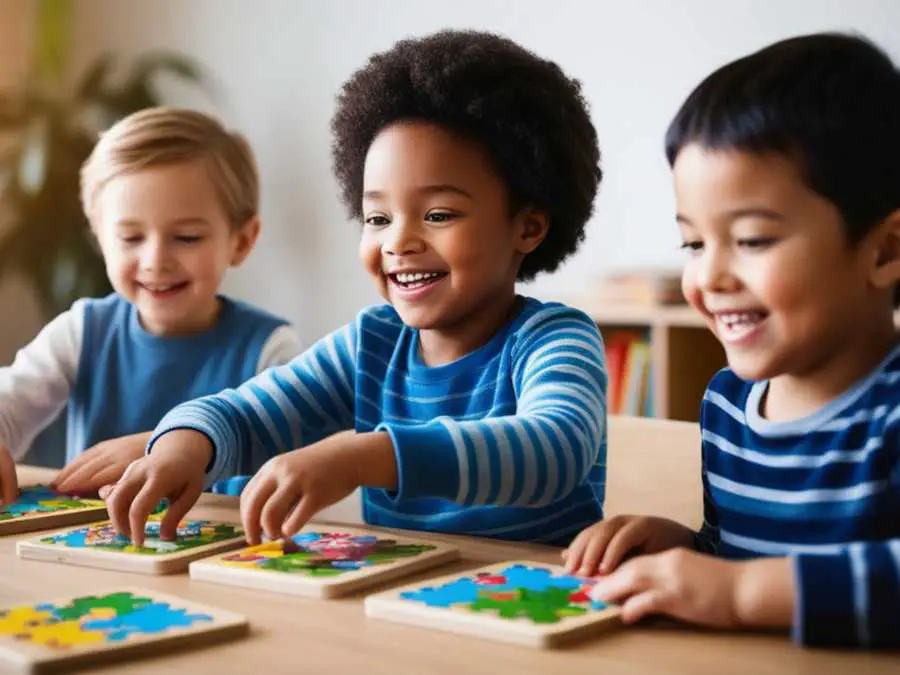 Kids draw a picture on cardboard and cut it into puzzle pieces.
They can challenge others to put it back together.
This encourages planning and spatial awareness.
15. Puppet making and shows
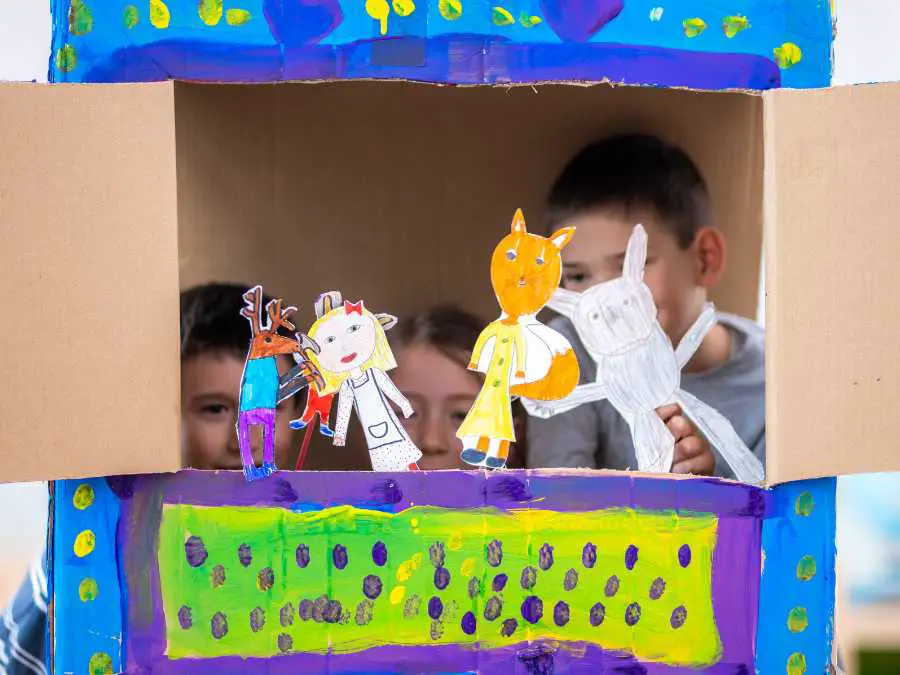 Using socks, paper bags, or simple materials, kids create puppets and perform stories.
This helps shy kids express themselves and encourages imaginative storytelling.
16. Nature collection and display
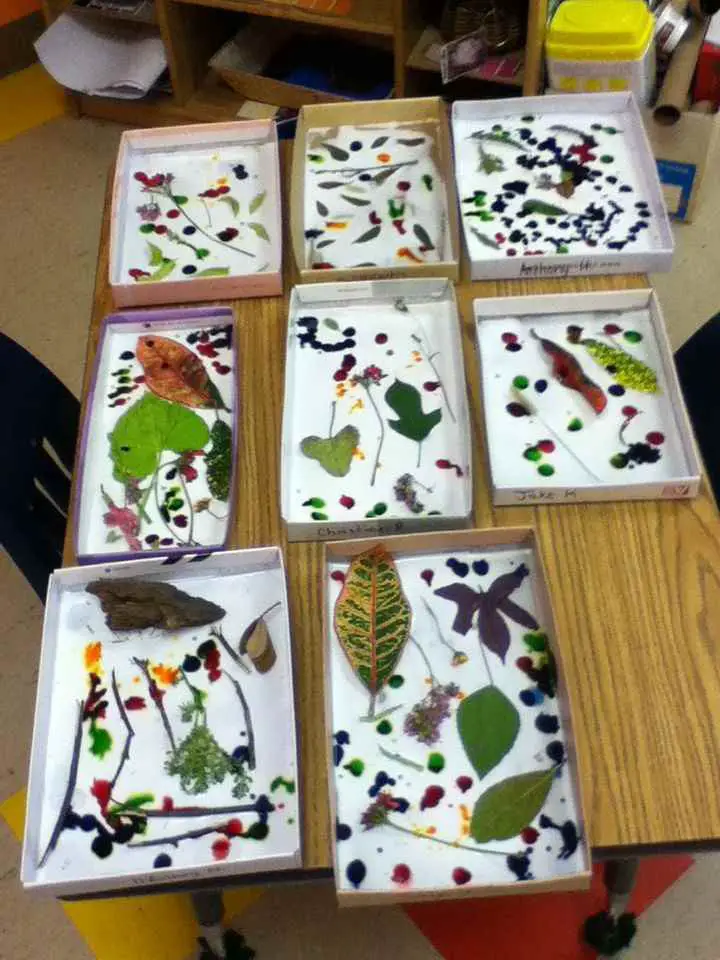
Kids collect leaves, rocks, or small natural objects and organize them into a display.
They can label or describe each item, which builds observation skills and appreciation for nature.
17. Stop motion style flip books
Children draw small changes on each page of a notebook to create movement when flipped.
This teaches patience and shows how animation works in a simple, hands-on way.
18. Pen pal style letter writing
Kids write letters to a friend or family member and decorate the pages.
This builds writing skills and teaches the value of thoughtful communication.
19. Board and card game afternoons
Kids spend time playing classic games together, focusing on interaction and strategy.
These moments encourage turn-taking, problem-solving, and social bonding.
20. DIY magazines
Children create their own magazine with stories, drawings, quizzes, and fake ads.
This gives them full creative control and encourages a mix of writing, art, and humor.
21. Backyard obstacle courses
Kids design a course using household items and decide how to move through it.
This promotes physical activity, planning, and teamwork.
22. Cooking without cooking projects
Kids assemble simple snacks like layered desserts or decorated crackers.
This builds independence and creativity while teaching basic food skills.
23. Radio show pretending
Children pretend to host a radio show, talking about music, stories, or imaginary interviews.
This builds confidence, storytelling skills, and verbal expression.
24. Memory games with everyday items
Kids place objects on a tray, study them, then try to remember what is missing.
This sharpens focus and memory in a playful way.
25. Free play afternoons
Set aside time with no planned outcome and minimal rules.
Kids choose what to do and how to do it.
This mirrors the spirit of the 90s, trusting kids to lead their own fun and creativity.
At its heart, creative nineties-inspired play is not about recreating the past perfectly.
It is about remembering what made it special in the first place.
Those moments were built on curiosity, imagination, and the freedom to explore without pressure or constant direction.
Kids were trusted to turn simple materials into big ideas, and that trust made creativity feel natural and exciting.
Bringing that mindset into kids activities today offers something truly valuable.
It gives children the space to slow down, connect with themselves and others, and discover joy in creating rather than consuming.
By leaning into this nostalgic approach, we are not just offering fun ways to pass the time, we are helping kids build confidence, independence, and a lifelong love for creativity