29 Creative screen-free activities for toddlers
We have curated 29 Creative screen-free activities for toddlers you will love.
In recent times, screens are everywhere, parents and caregivers find themselves wondering what life looks like without them, especially for toddlers who are learning about the world at lightning speed.
Early childhood is a time filled with curiosity, movement, and imagination, and it does not actually require glowing screens to be rich or engaging.
In fact, some of the most meaningful moments happen when young children are given the space to explore with their senses and their surroundings.
Choosing screen free time is not about perfection or pressure, it is about intention.
It is about slowing down, noticing small moments, and creating opportunities for connection, creativity, and discovery.
For toddlers, these moments help build focus, confidence, and a sense of joy that comes from doing, not watching.
This is where simple, thoughtful activities can make a lasting difference, turning everyday time into something special.
29 Creative screen-free activities for toddlers
- Sensory bin exploration
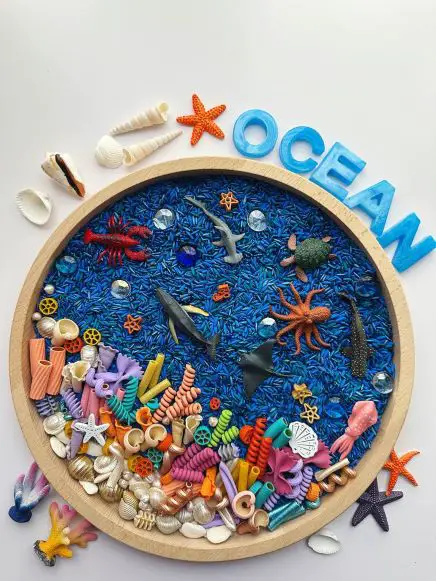
A sensory bin is a simple container filled with materials that invite touch, scooping, pouring, and sorting.
Toddlers learn through their senses, and this kind of play supports fine motor skills, concentration, and curiosity.
The open-ended nature allows children to explore at their own pace and make discoveries without rules or pressure.
2. Story time with picture books
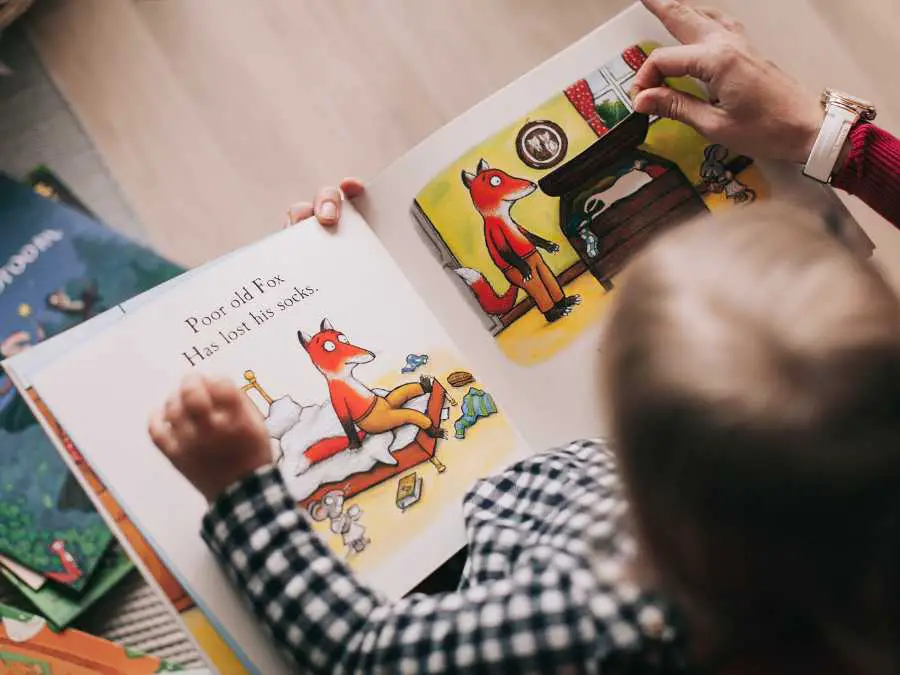 Reading together builds language, attention, and emotional connection.
Toddlers benefit from hearing rhythm, tone, and repetition, even if they cannot sit still for long.
Turning pages, pointing at pictures, and reacting to familiar words helps them feel involved and engaged.
- Music and movement play
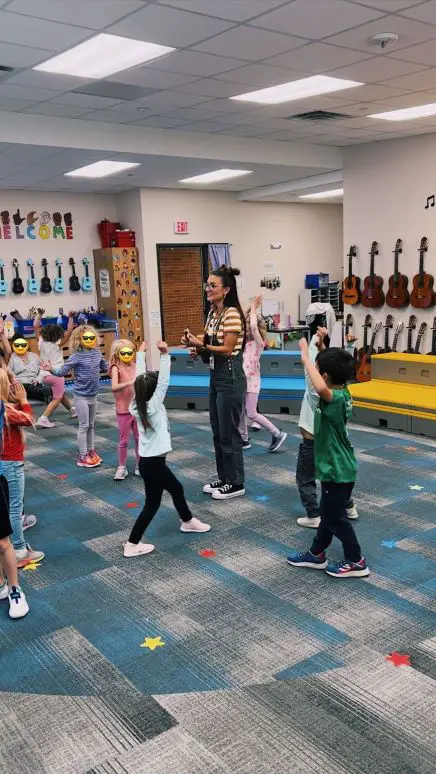
Toddlers naturally respond to music with movement.
Dancing, clapping, or swaying supports coordination and body awareness.
Music also helps children express emotions and develop listening skills while enjoying a joyful shared experience.
- Pretend play with everyday objects
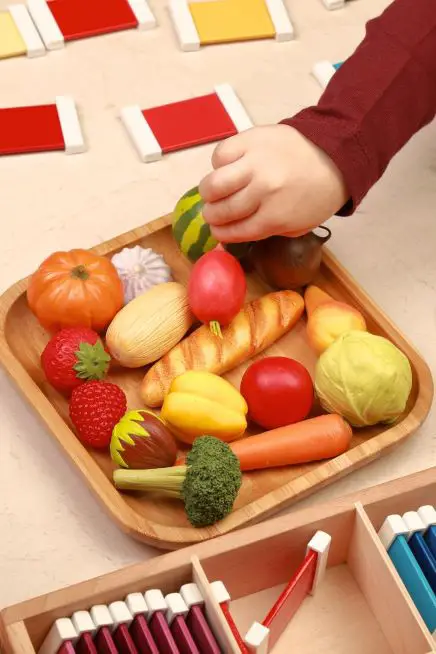
Using household items like boxes, bowls, or scarves encourages imagination.
Toddlers begin to understand the world by copying what they see around them.
Pretend play supports creativity, problem solving, and early social skills as they act out simple scenarios.
- Art with crayons and paper
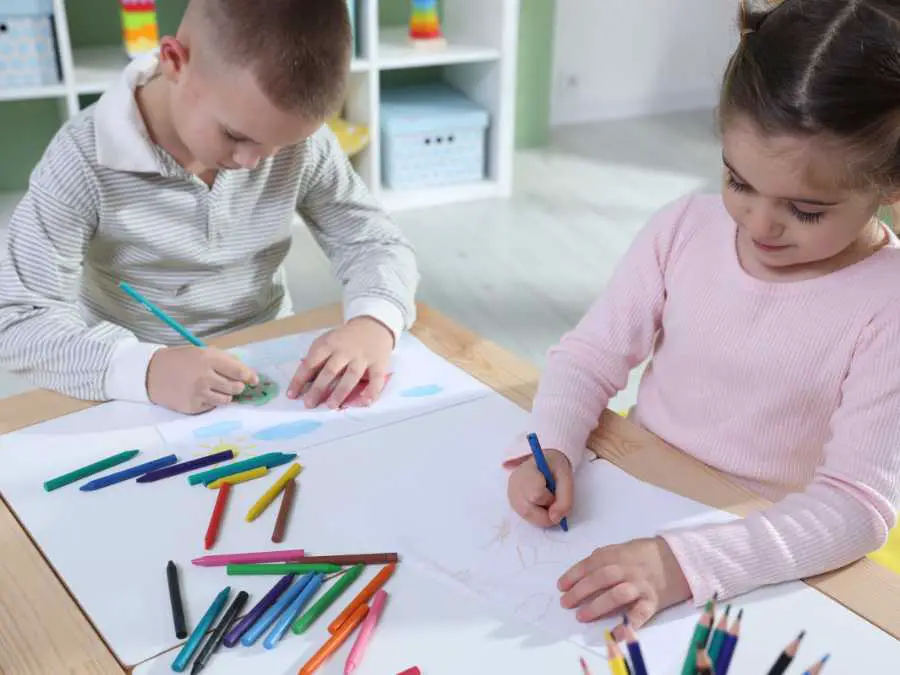 Drawing allows toddlers to explore color, movement, and self expression.
At this stage it is not about creating pictures but about the process itself.
Holding crayons strengthens hand muscles and early writing skills while giving children a sense of independence.
- Building with blocks
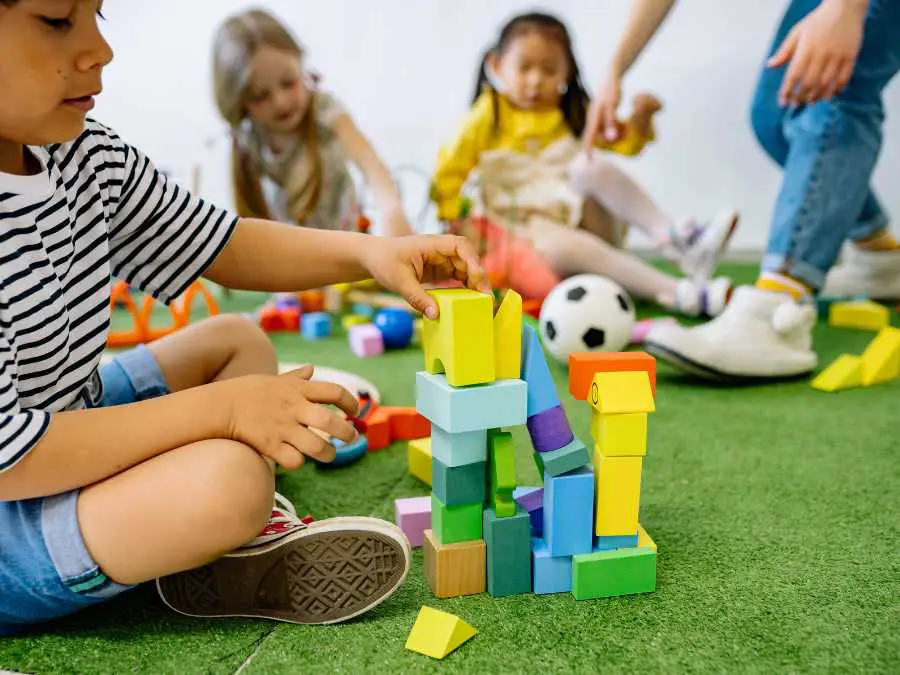 Stacking and knocking down blocks may look simple, but it teaches balance, cause and effect, and persistence.
Toddlers learn through trial and error, gaining confidence each time they try again.
- Outdoor free play
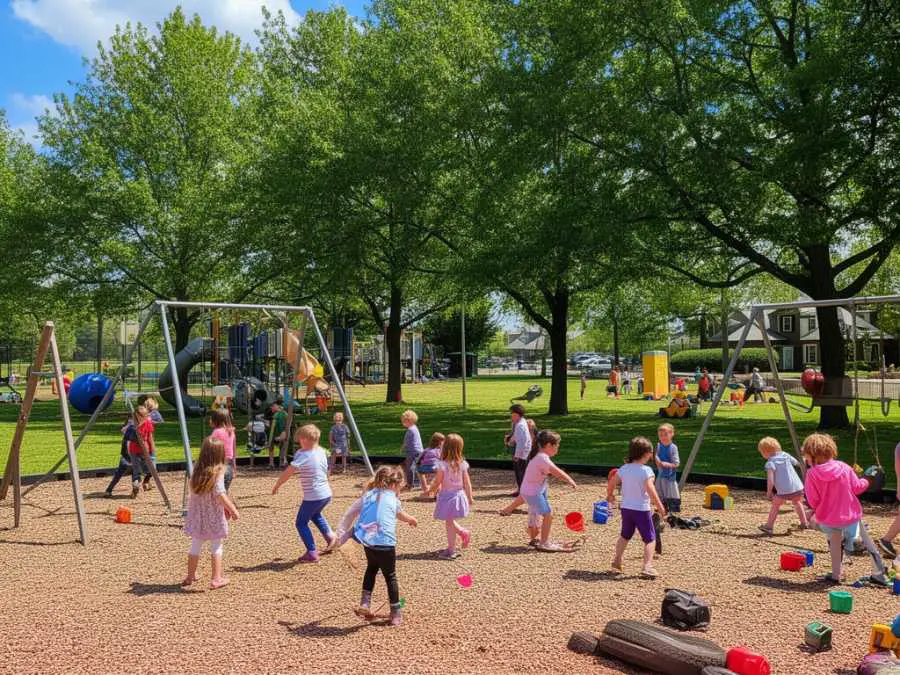 Time outside gives toddlers space to move, explore, and connect with nature.
Fresh air and open environments support physical development and reduce restlessness.
Outdoor play also encourages observation and curiosity about the world.
- Simple puzzles
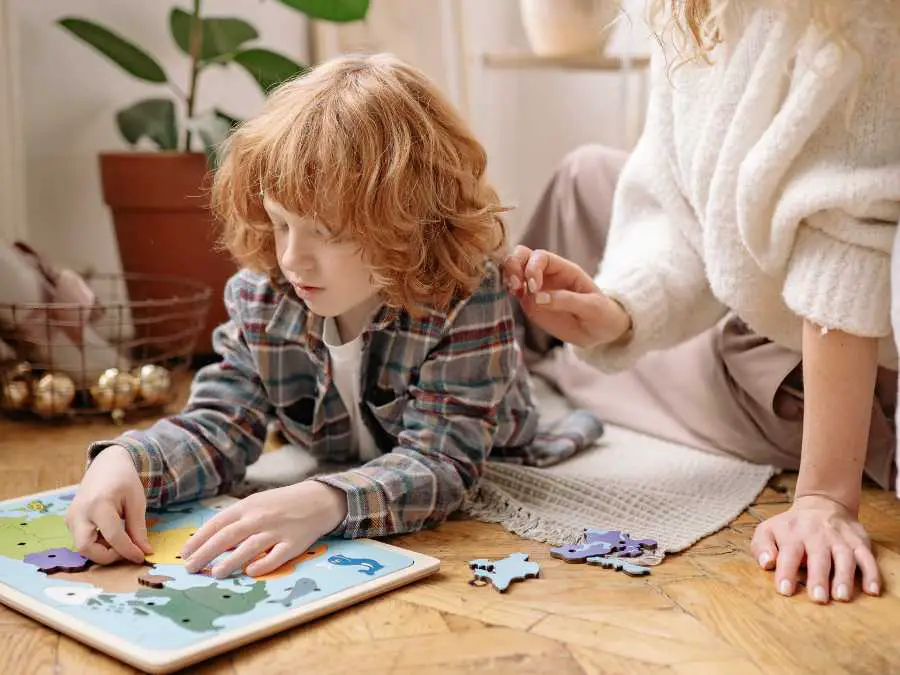 Puzzles help toddlers recognize shapes, patterns, and relationships between objects.
Completing a puzzle builds patience and problem solving skills, along with a strong sense of accomplishment.
- Water play
 Playing with water captures a toddler’s attention and encourages exploration.
Pouring, splashing, and floating objects help develop coordination and an understanding of basic concepts like full and empty.
- Sorting activities
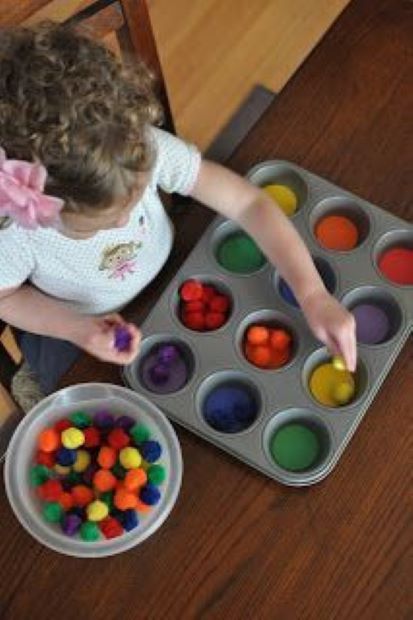
Sorting objects by color, size, or shape helps toddlers organize information.
This type of play supports early math skills and logical thinking while feeling like a game rather than learning.
- Imaginative role play
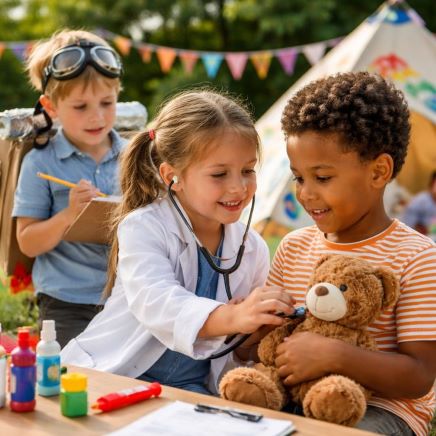
Toddlers enjoy pretending to be caregivers, animals, or characters they recognize.
This helps them process experiences and emotions while building language and social understanding.
- Nature walks
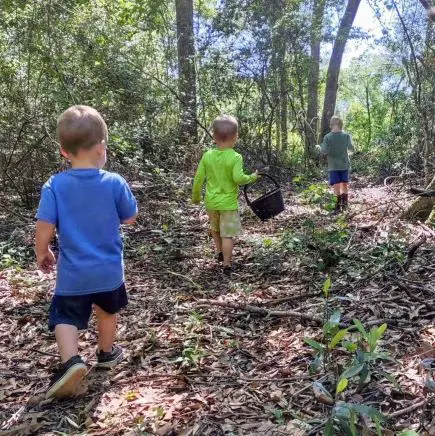
A slow walk focused on noticing leaves, stones, or insects helps toddlers practice observation.
It encourages calm attention and appreciation for small details in their environment.
- Singing nursery rhymes
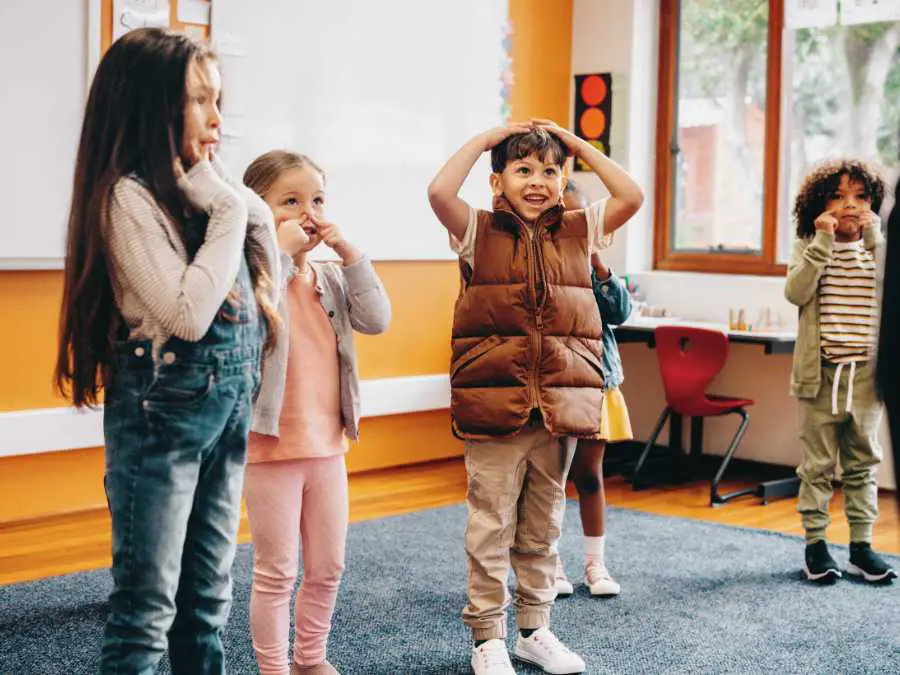 Songs with repetition and gestures help toddlers learn language patterns and memory skills.
Singing together also strengthens emotional connection and creates a comforting routine.
- Simple cooking participation
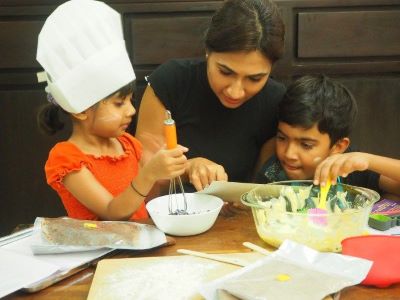
Being involved in simple kitchen tasks makes toddlers feel included and capable.
Watching, stirring, or smelling ingredients builds sensory awareness and early life skills.
- Obstacle courses
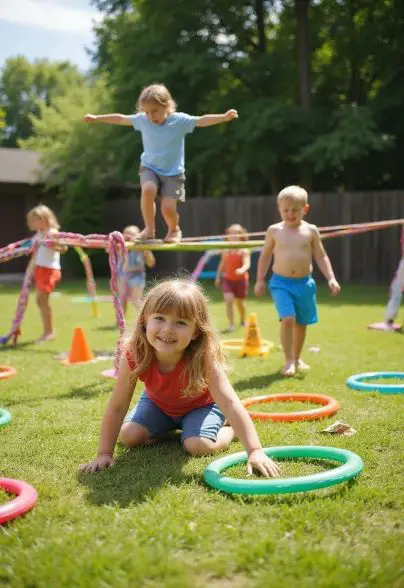
Crawling under, stepping over, or balancing on safe objects supports gross motor development.
Obstacle courses also help toddlers learn body control and problem solving through movement.
16. Play dough exploration
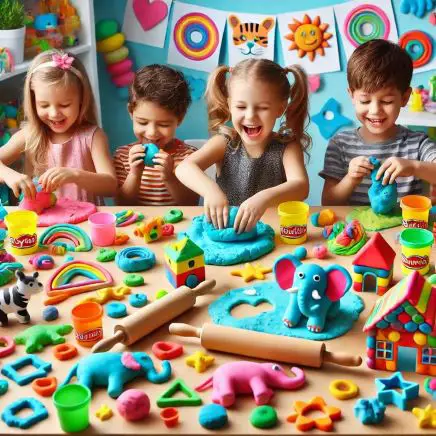
Squishing, rolling, and shaping dough strengthens hands and fingers.
It also provides a calming sensory experience and encourages creativity without needing a finished result.
- Dress up play
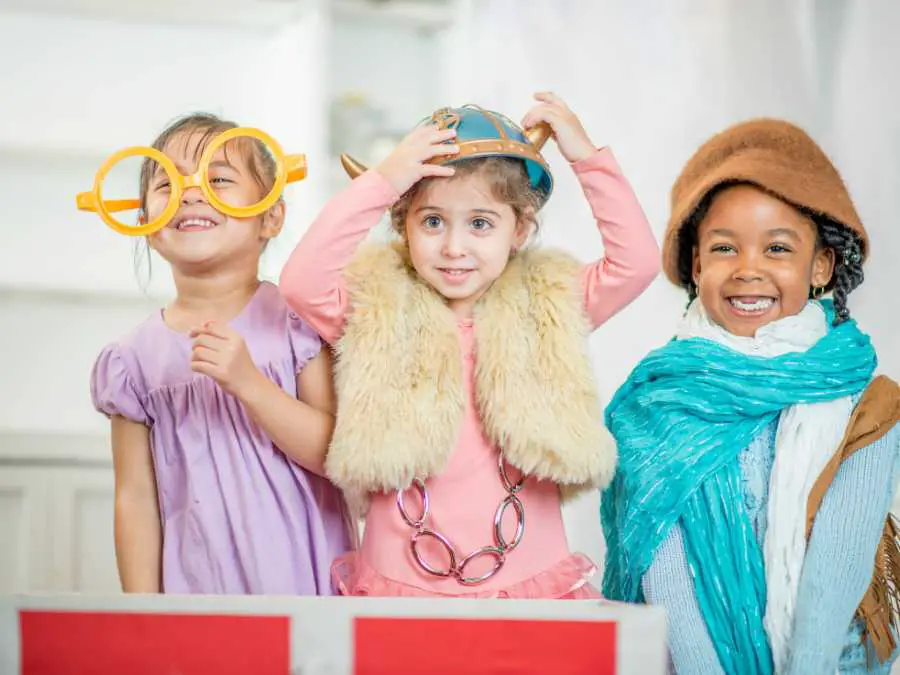 Trying on hats, scarves, or oversized clothing encourages imagination and self discovery. Toddlers enjoy experimenting with identity and movement through dress up.
- Animal movement games
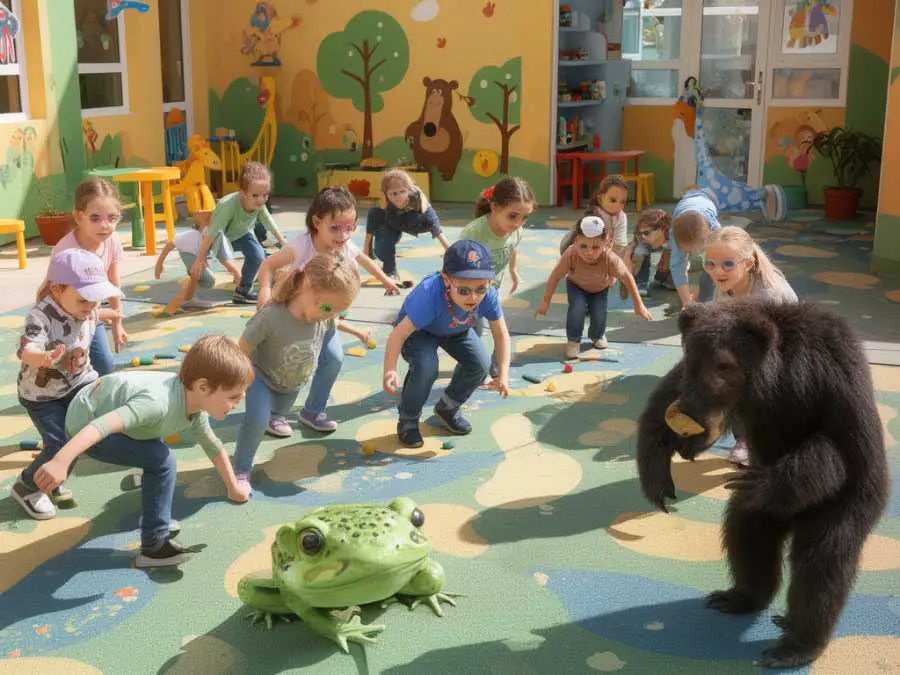 Pretending to move like animals helps toddlers connect imagination with physical activity.
This supports coordination, listening skills, and playful learning.
- Ball play
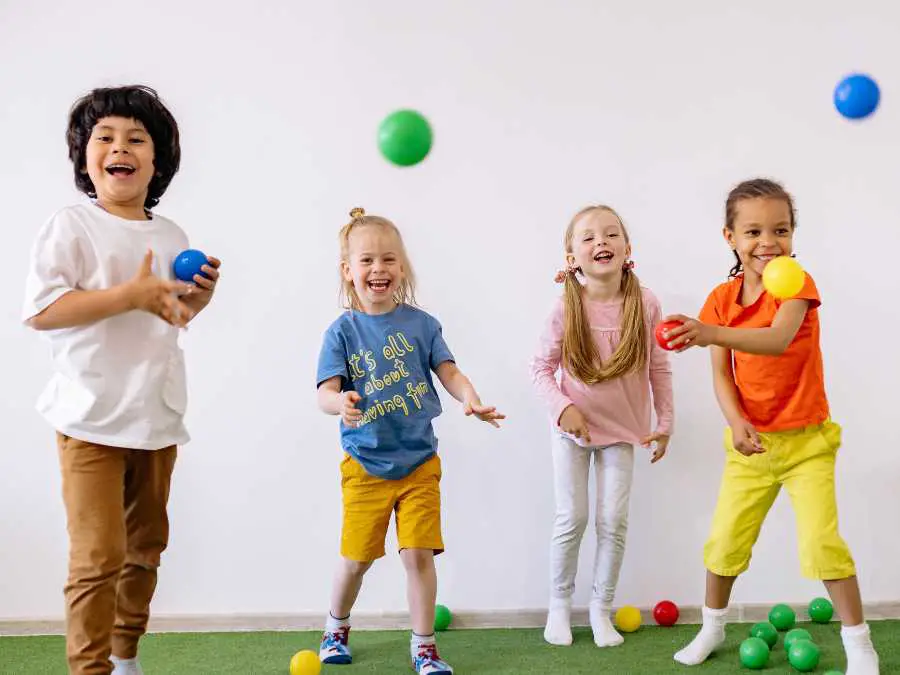 Rolling, throwing, or kicking a ball develops coordination and spatial awareness.
Ball play also introduces turn taking and shared play experiences.
- Mirror play
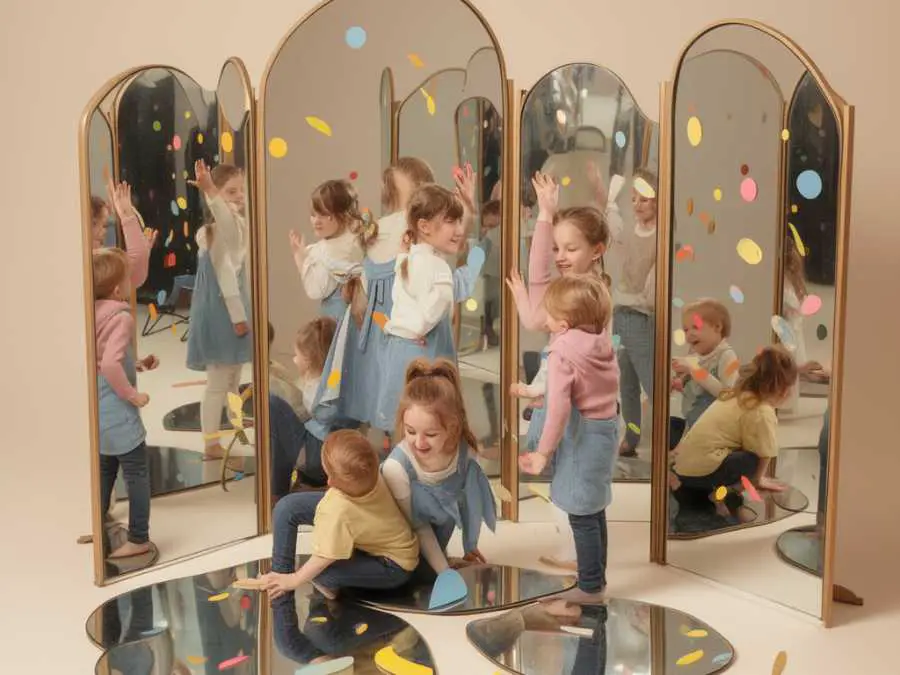 Looking at reflections helps toddlers recognize themselves and express emotions.
Making faces or copying movements supports emotional awareness and self identity.
- Stacking cups or rings
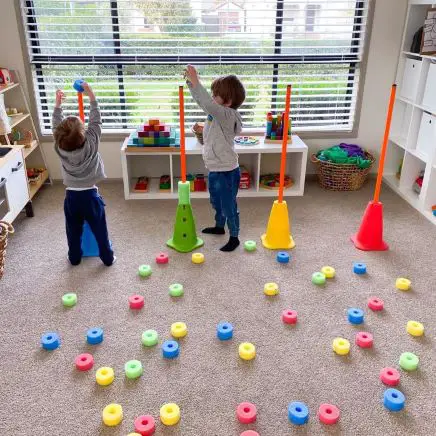
This activity teaches size relationships and hand eye coordination.
Toddlers enjoy the predictability and satisfaction of stacking and unstacking repeatedly.
- Quiet time with soft toys
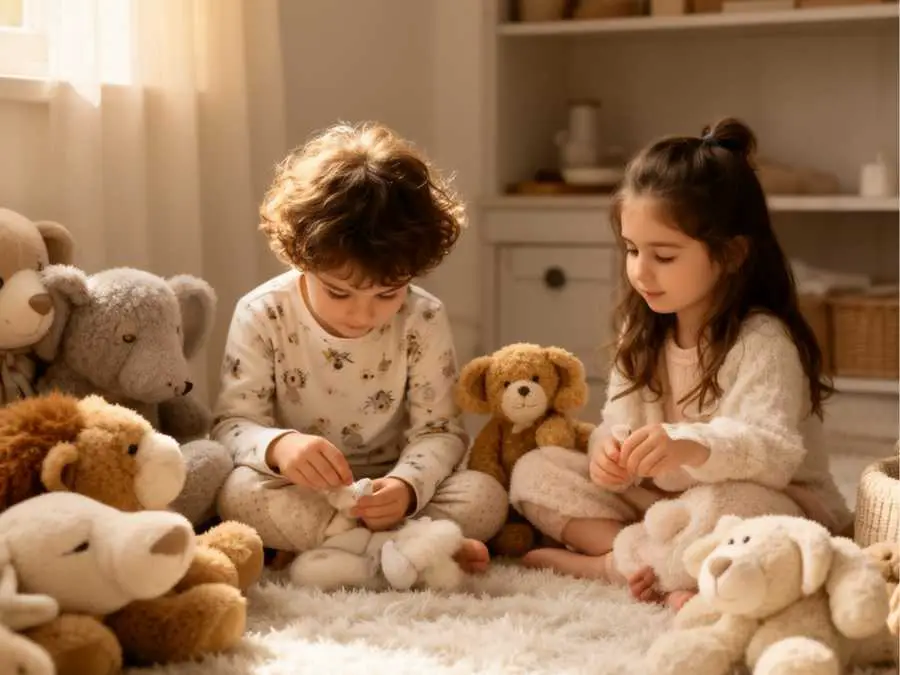 Spending calm moments with comfort objects helps toddlers learn self soothing.
Quiet play supports emotional regulation and independence.
- Finger painting
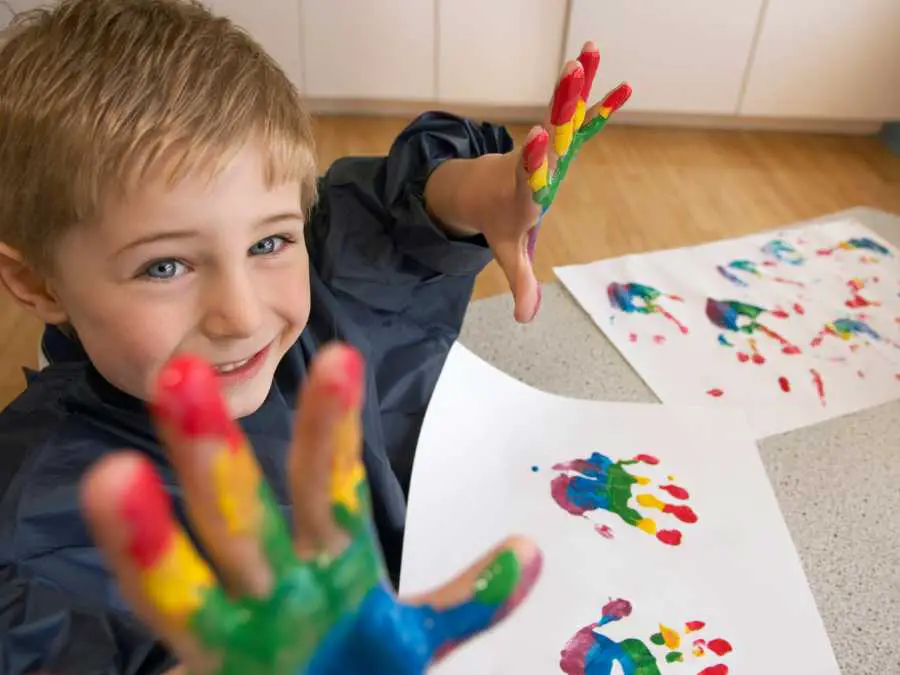 Using hands to paint offers a rich sensory experience.
Toddlers explore texture and color freely, which supports creativity and emotional expression.
- Shadow play
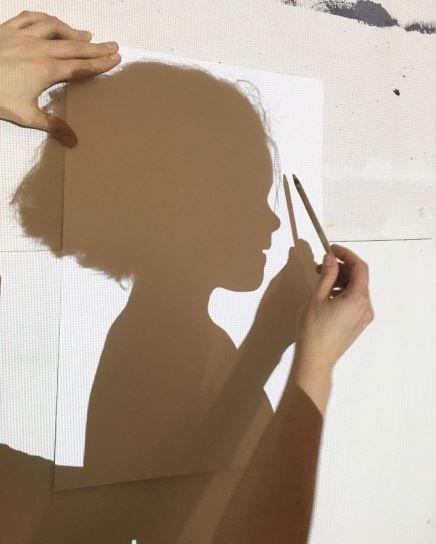
Playing with light and shadows sparks curiosity and wonder.
Toddlers begin to notice cause and effect while experimenting with movement and shapes.
- Simple scavenger hunts
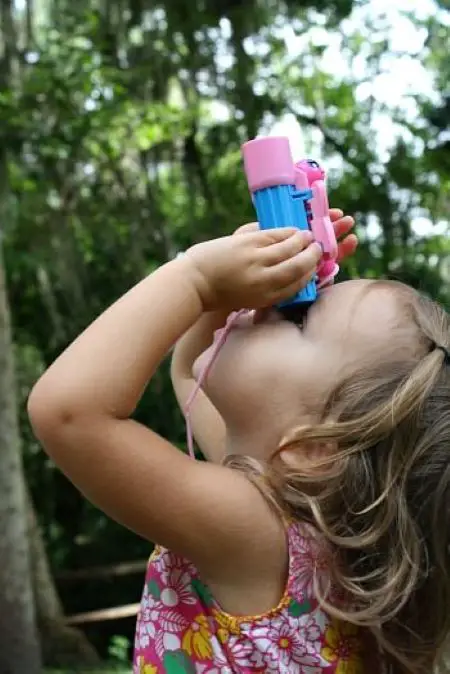
Looking for familiar objects builds attention and memory.
Scavenger hunts turn everyday spaces into playful learning environments.
- Imitating sounds and actions
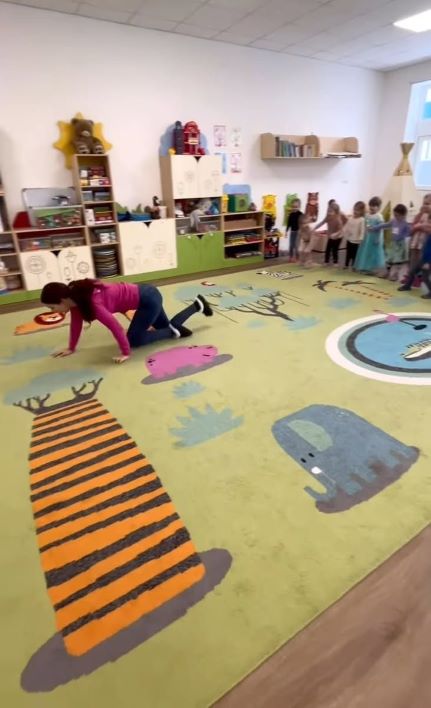
Copying sounds, gestures, or facial expressions helps toddlers develop communication skills.
This back and forth interaction strengthens social connection and understanding.
27. Rolling cars or toy animals
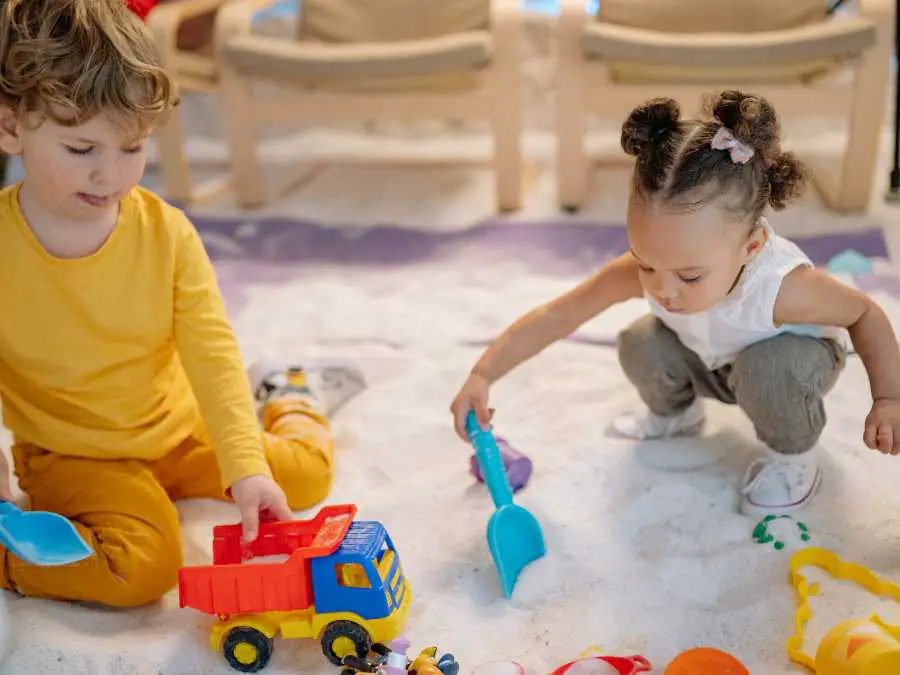 Pushing toys along the floor supports coordination and imaginative storytelling.
Toddlers often repeat actions as a way of learning and mastering skills.
- Exploring textures
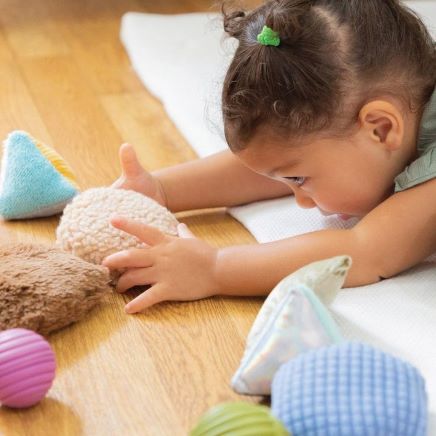
Touching different fabrics or surfaces helps toddlers understand sensory differences.
Texture play supports brain development and sensory processing.
- Helping with simple chores
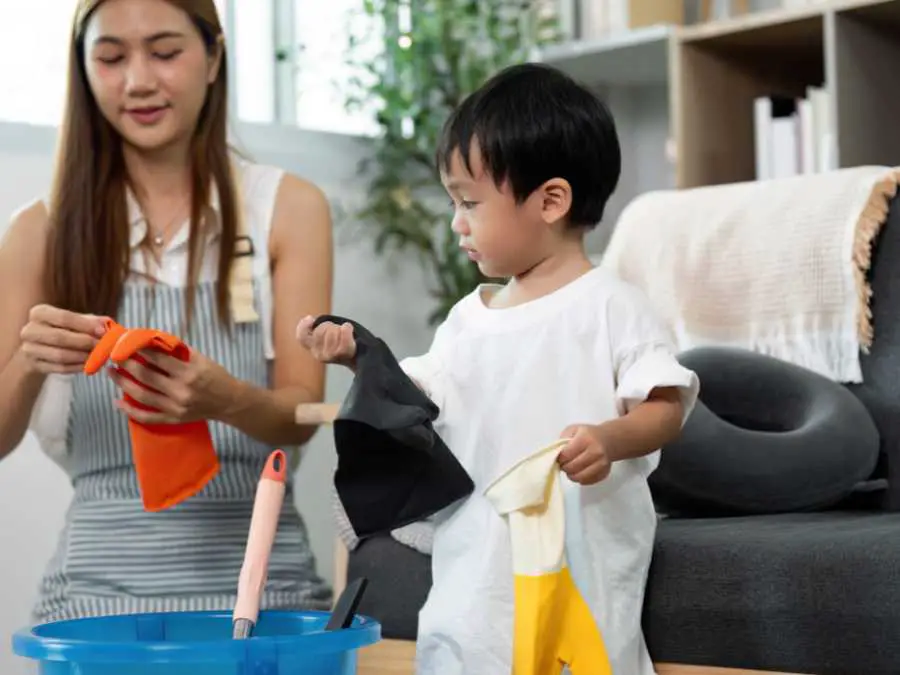 Toddlers love feeling helpful.
Participating in age appropriate tasks builds confidence, responsibility, and a sense of belonging within the family.
Here is a thoughtful, natural sounding conclusion that gently wraps everything together without repeating the activities themselves:
Creative screen free activities offer toddlers far more than simple entertainment.
They create space for curiosity, movement, imagination, and connection to grow naturally.
When children engage with their surroundings, their bodies, and the people around them, they are building skills that support learning, emotional balance, and confidence in quiet but powerful ways.
Choosing screen-free moments does not require elaborate plans or perfect routines.
It is often the simplest experiences that leave the strongest impressions, moments of shared laughter, focused play, and discovery.
By making room for these experiences, caregivers are giving toddlers the chance to develop at their own pace, guided by wonder rather than screens, and supported by presence rather than distraction.
Leave a Reply