29 Budget-friendly Activities for Overstimulated Toddlers
We have curated 29 Budget-friendly activities for overstimulated toddlers you will love.
If you live with a toddler, you know how quickly a normal day can tip into sensory overload.
Big feelings, loud reactions, constant motion, it can be exhausting for everyone involved.
Many parents feel pressure to fix this with expensive toys, classes, or endless activities, yet that often adds more noise instead of calm.
What overstimulated toddlers usually need is not more, but different.
This is where budget-friendly approaches really matter.
When money is tight or time is limited, it helps to step back and rethink what support can look like.
With a little intention and understanding of how young children experience the world, it is possible to create moments of calm and connection without spending much at all.
This post will look at the mindset, focusing on realistic, gentle ways to support toddlers when everything feels like too much.
29 Budget-friendly Activities for Overstimulated Toddlers
- Sensory bins with rice or pasta
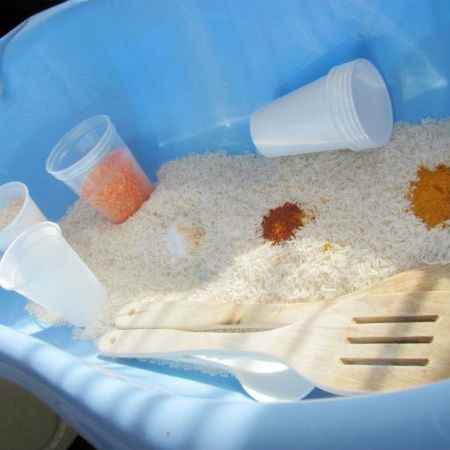
Fill a shallow container with uncooked rice, pasta, or beans.
Add small scoops, cups, or spoons. This helps toddlers explore textures quietly and encourages focused attention.
2. Water play in the sink or small tub
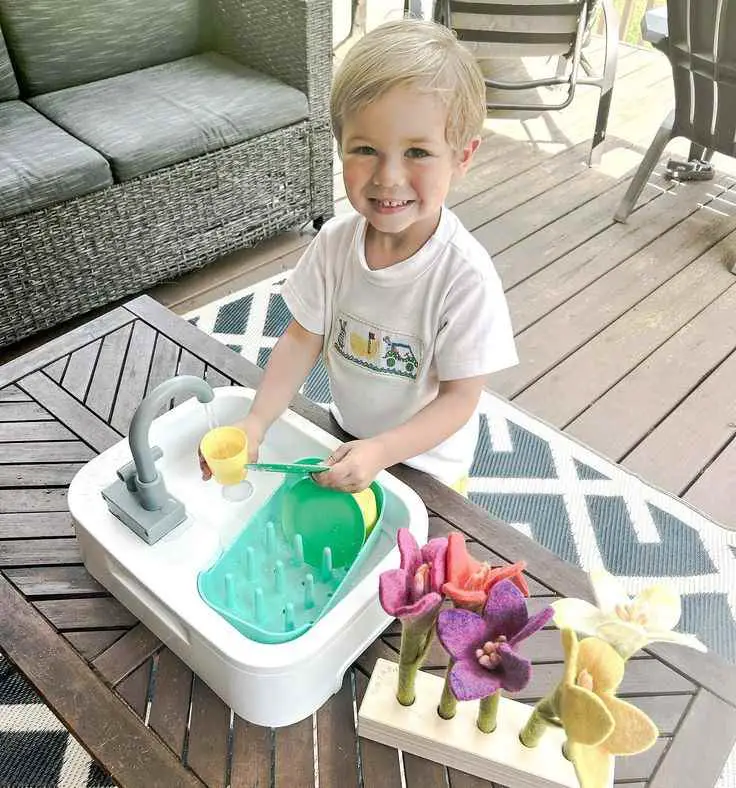
A bowl of water with cups or spoons can keep toddlers engaged while providing a soothing, repetitive sensory experience.
Warm water can be extra calming.
- Playdough squishing
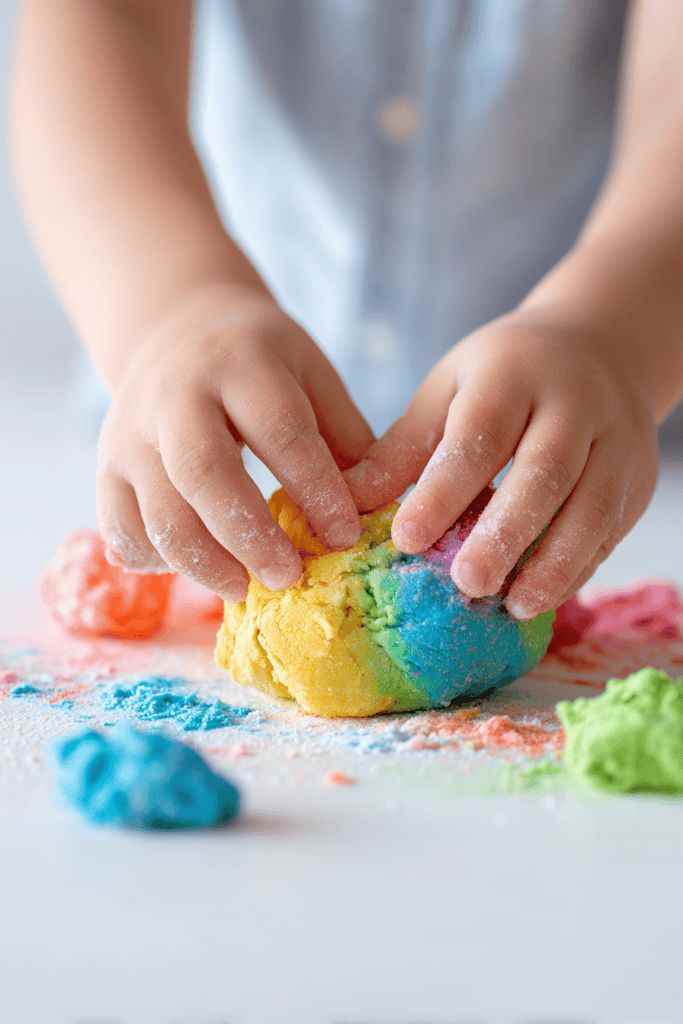
Homemade or store-bought playdough encourages hand strength, fine motor skills, and stress relief.
Rolling, squishing, and cutting is quietly satisfying.
- Bubble popping
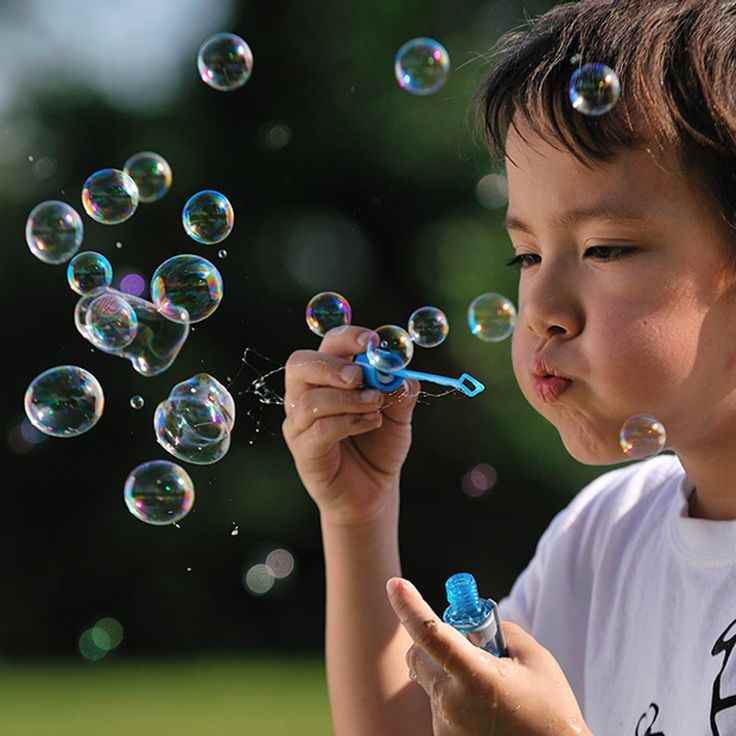 Blowing bubbles and letting toddlers pop them gives gentle sensory stimulation and encourages motor skills.
It’s visually engaging without being overwhelming.
- Nature walks
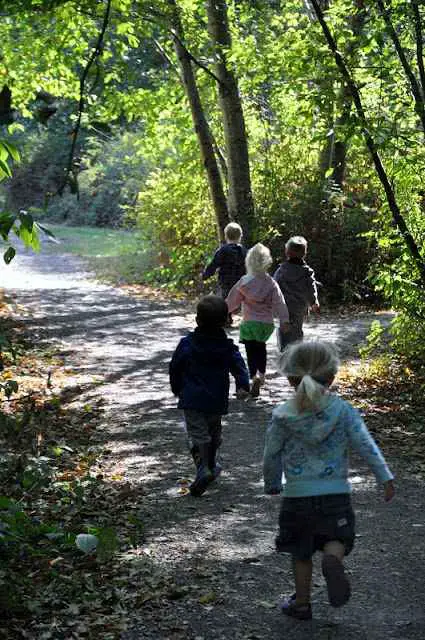
A slow walk outside allows toddlers to explore textures, colors, and smells.
Collect leaves, rocks, or sticks for calm exploration and mindfulness.
- Reading corner with soft lighting
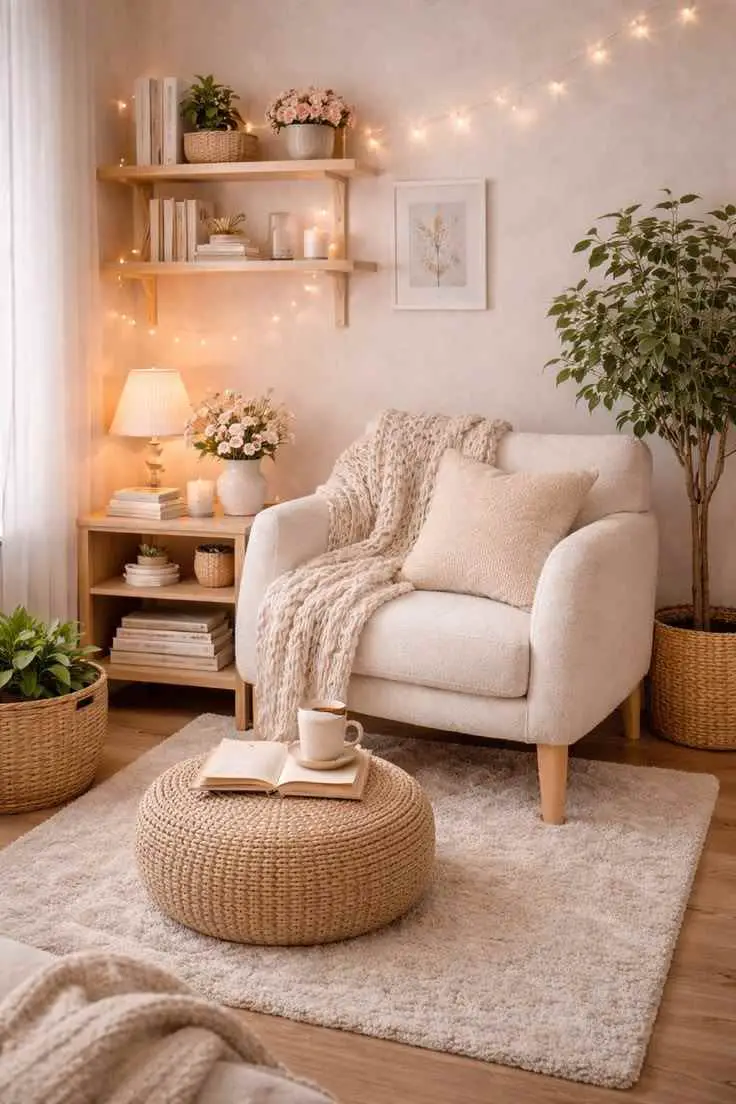
Creating a cozy reading spot with a small blanket and favorite books gives toddlers a quiet escape from overstimulation.
- Finger painting
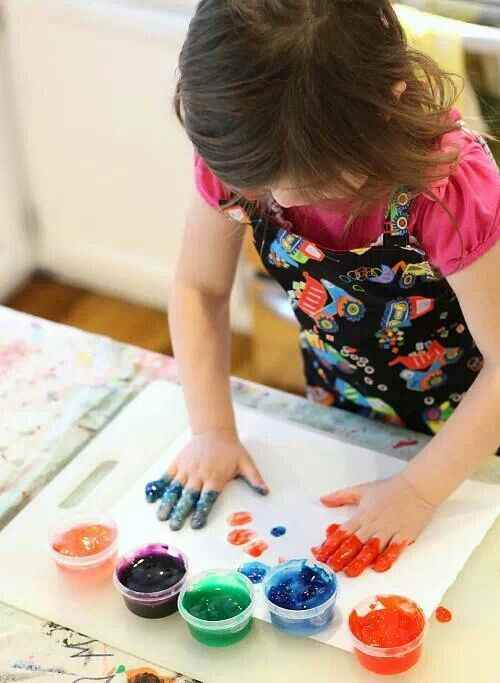
Use non-toxic paints on paper or even cardboard.
The tactile experience is soothing, and children can move at their own pace.
- Listening to soft music or lullabies
 Background calming music helps regulate emotions.
It can be paired with gentle rocking or quiet play.
- Simple puzzles
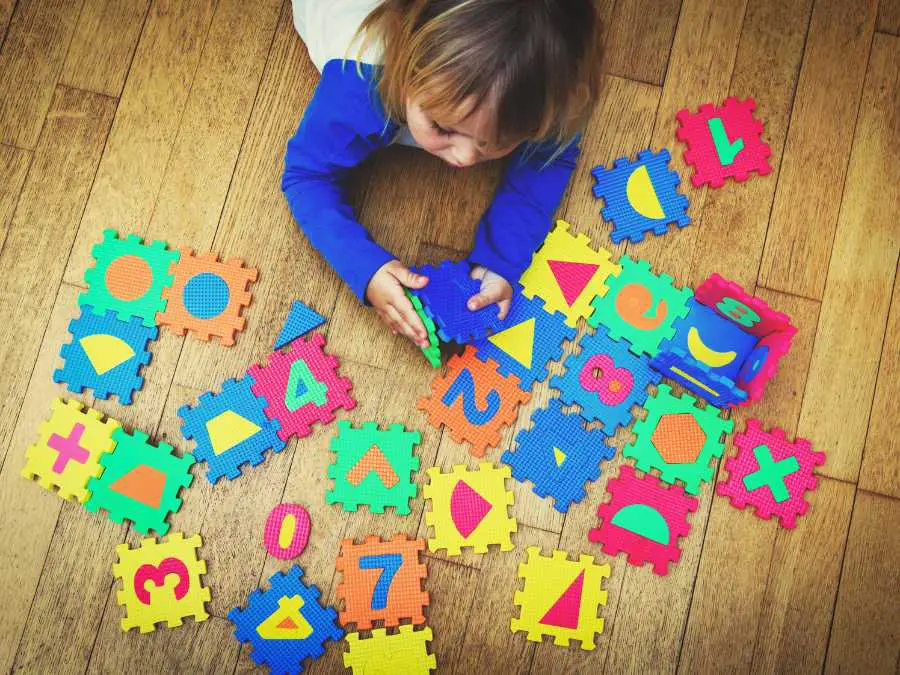 Large-piece puzzles encourage problem-solving and focused attention without overstimulation.
- Sorting games
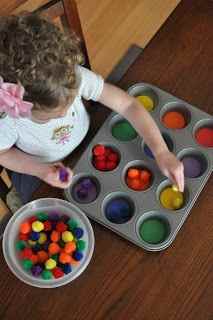
Use everyday items like buttons, socks, or blocks to sort by color or size.
This is calm, structured play that promotes concentration.
- Building towers with blocks
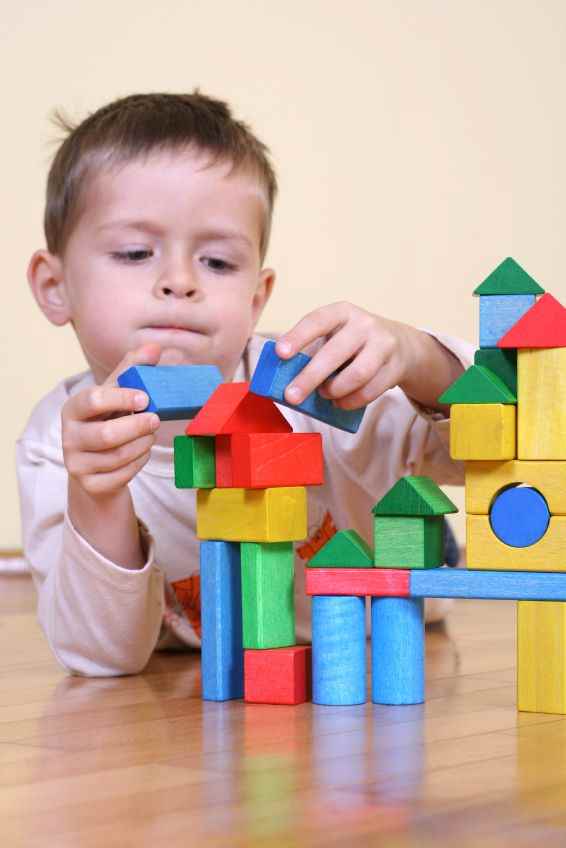
Stacking and knocking down blocks is repetitive and satisfying.
Toddlers can focus on one task without excessive sensory input.
12. Hide and seek with toys
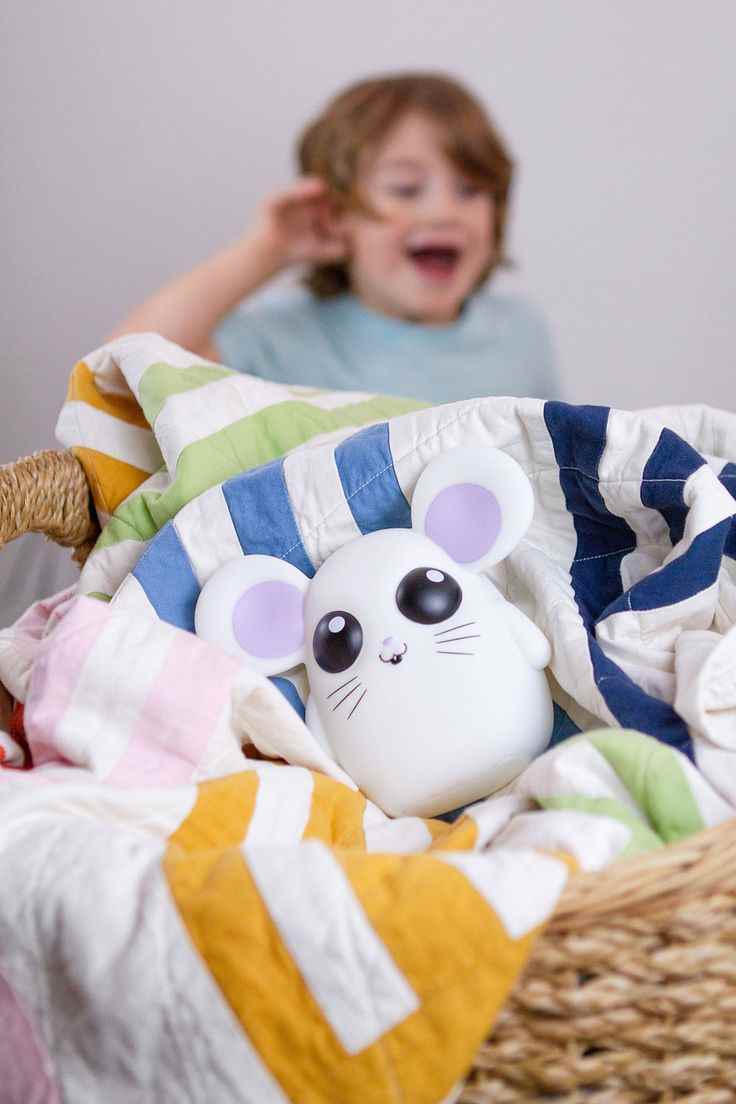
Hide a favorite toy under cups or cloths.
It’s interactive, slow-paced, and promotes cognitive engagement.
- Sticker activities
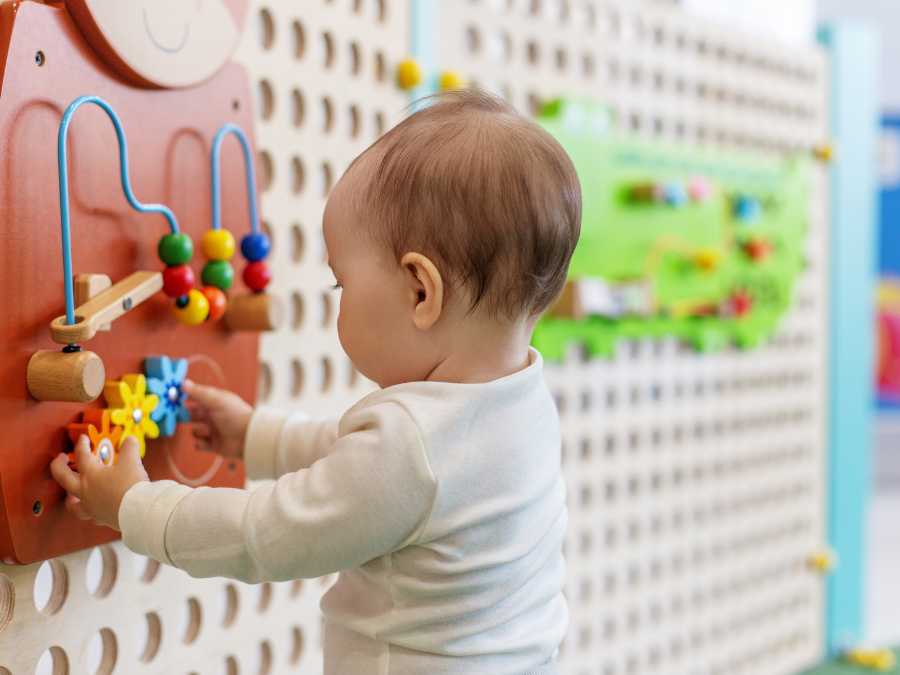 Peeling and sticking stickers helps fine motor skills and gives toddlers a sense of accomplishment without much noise.
- Quiet ball rolling
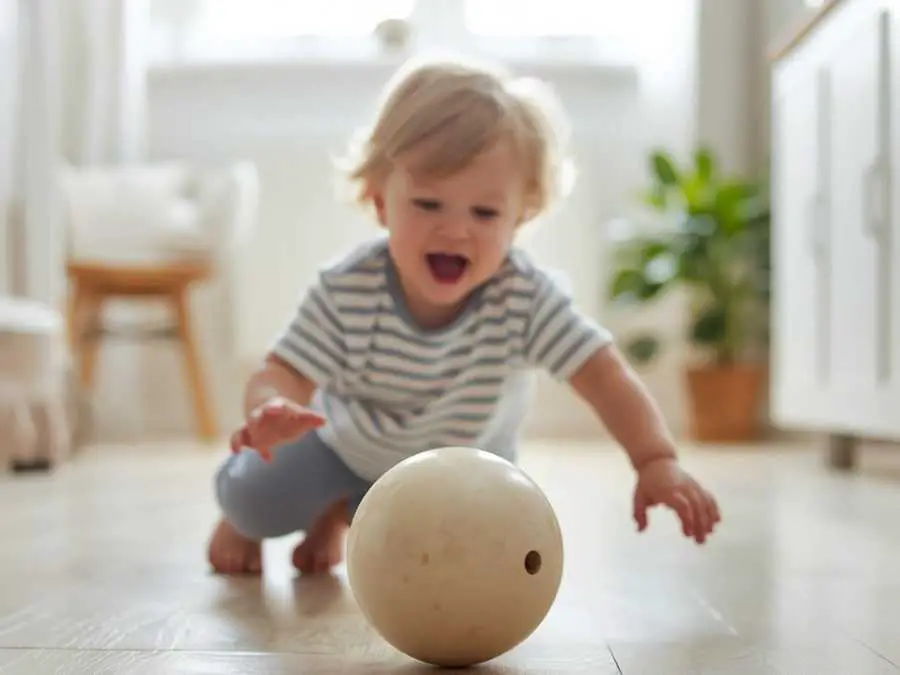 Roll a soft ball back and forth on the floor.
It promotes gentle movement and interaction without overwhelming.
- Cloud watching or star gazing
 Lay outside or near a window to watch clouds or stars.
This encourages calm observation and imagination.
- Nature scavenger hunt
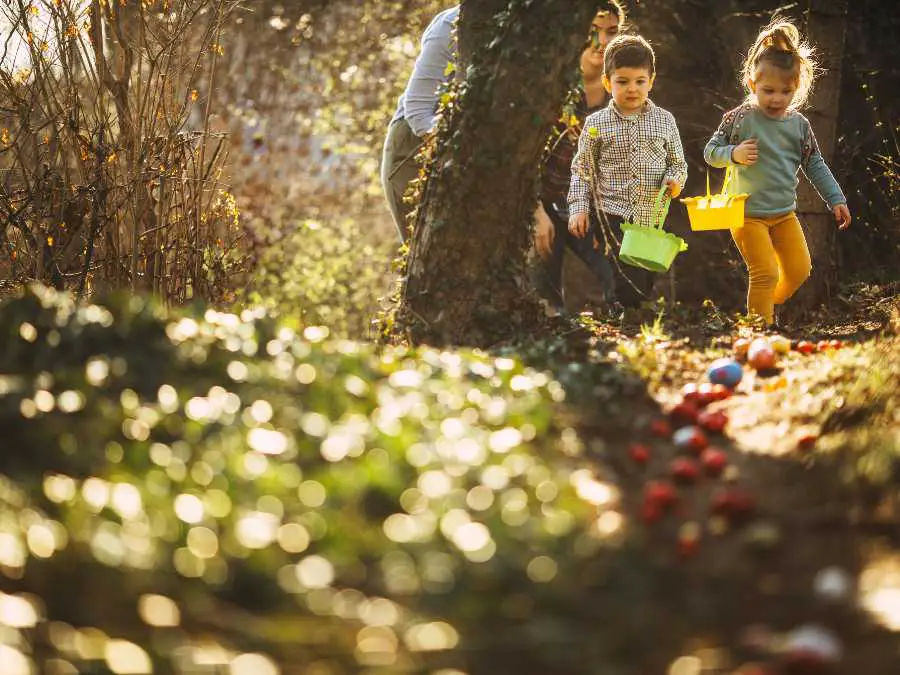 Collect simple natural items like pinecones or pebbles.
It’s structured yet slow, giving toddlers time to focus.
17. Sorting sensory bottles
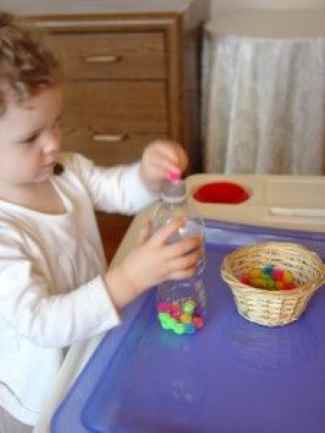
Fill clear bottles with water, glitter, beads, or small objects.
Toddlers can shake and watch the movement, which is mesmerizing and calming.
- Threading pasta or large beads
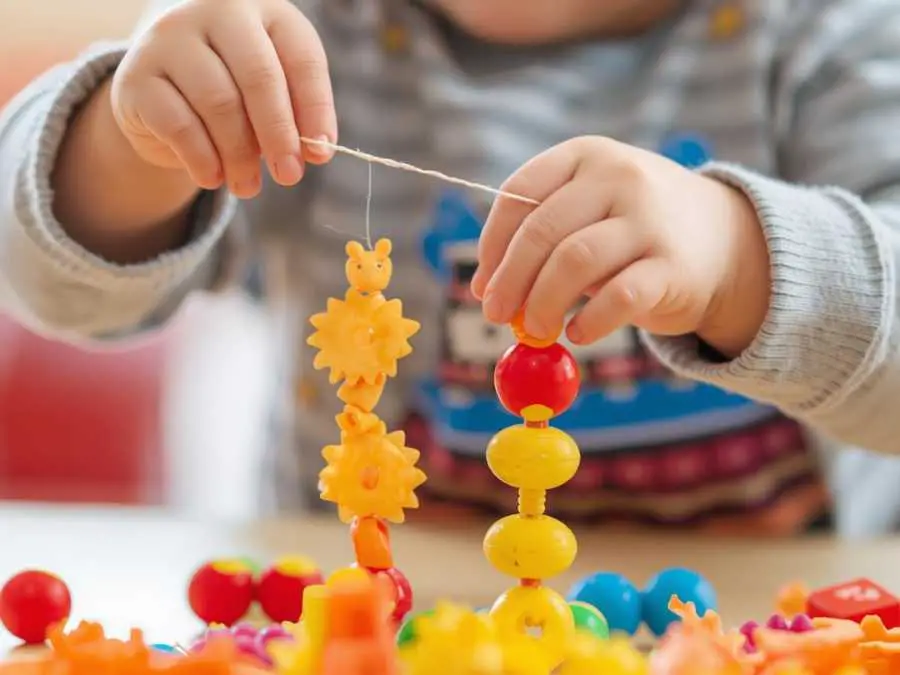 Large noodles or beads on a string develop fine motor skills and patience without loud distractions.
- Simple yoga stretches
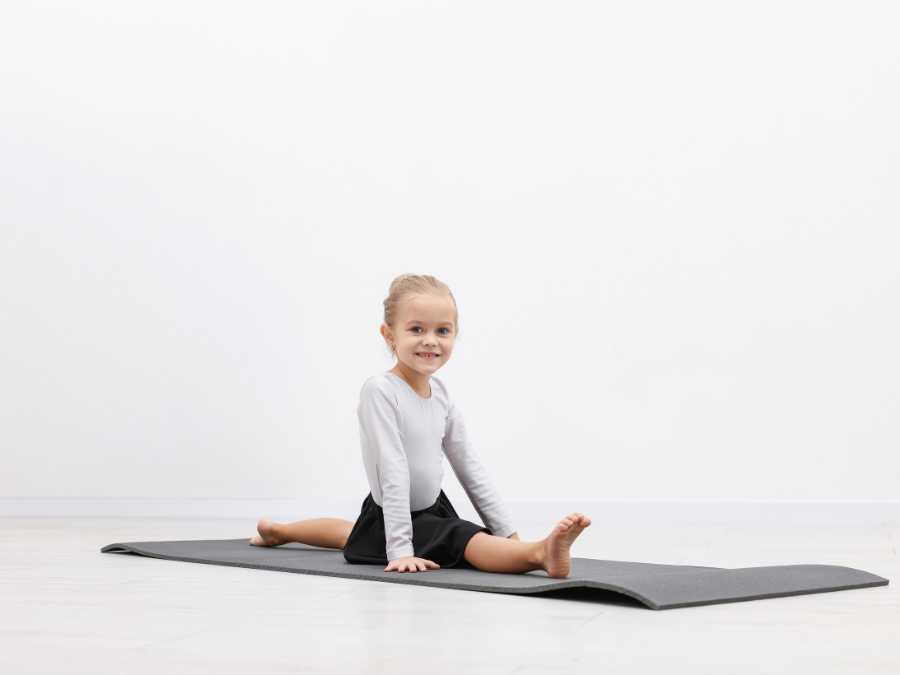 Child-friendly stretches or poses help toddlers release tension and encourage body awareness.
- Shadow play
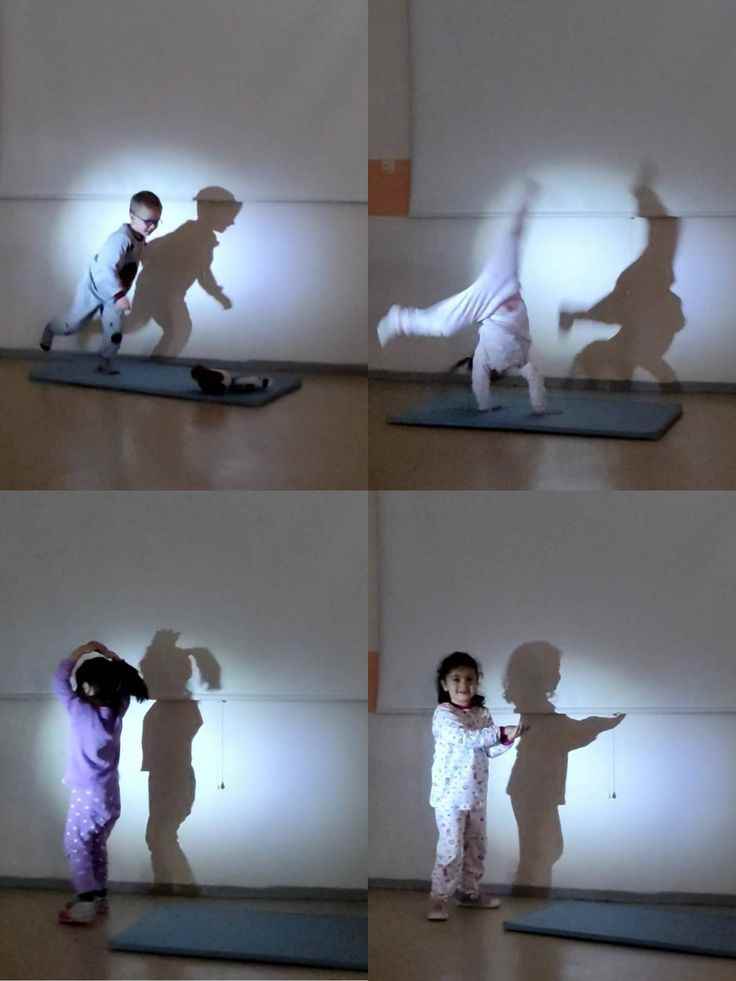
Use a flashlight or sunlight to make shadows with hands or toys.
It’s visually engaging but gentle.
- Scented sensory jars

Fill jars with water and add a drop of mild essential oils (like lavender) for smelling practice.
Scents can calm the nervous system.
22. Pretend cooking with play food
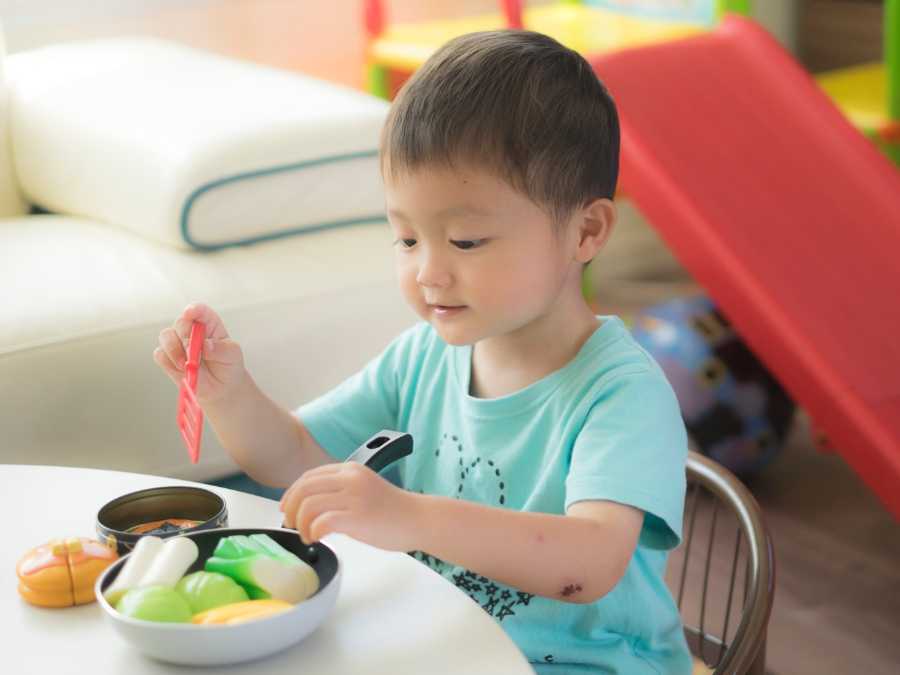 Using plastic or homemade food items allows imaginative play in a controlled, quiet environment.
- Calm box
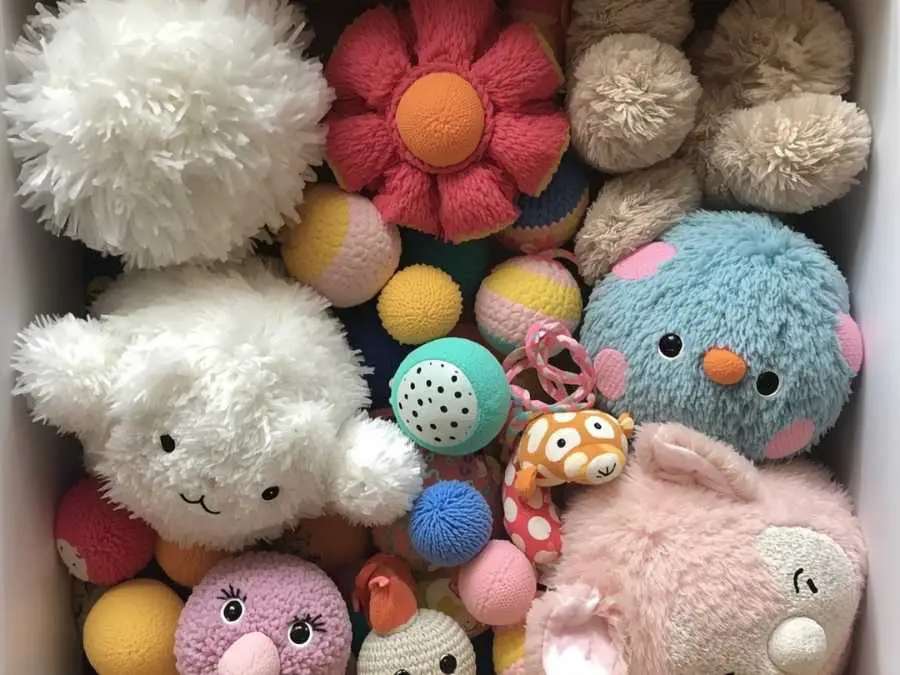 Fill a box with soft toys, squishy balls, or small fabric pieces.
Toddlers can self-soothe by exploring textures.
- Mirror play
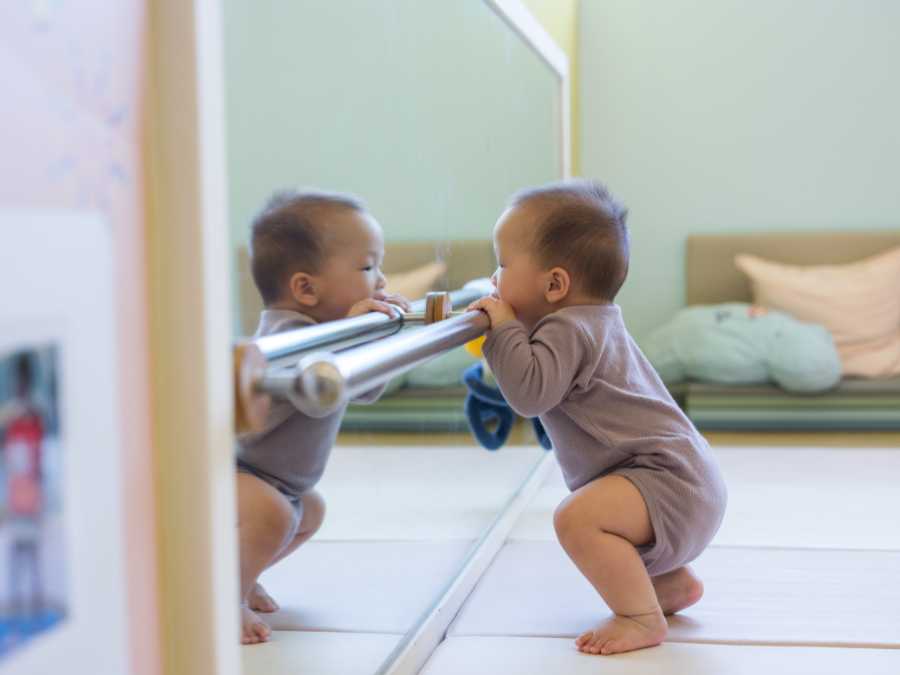 Simple activities in front of a mirror like making faces or waving help toddlers engage socially and visually without noise.
- Watercolor painting with brushes
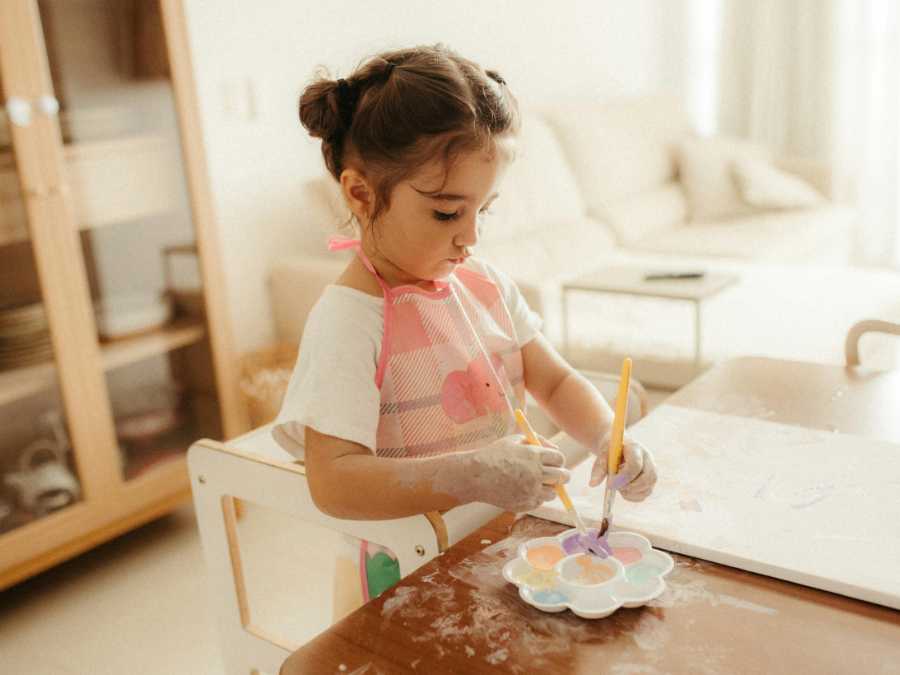 Using water on paper with a brush creates subtle patterns and is much less messy and overstimulating than paints.
- Sock puppets
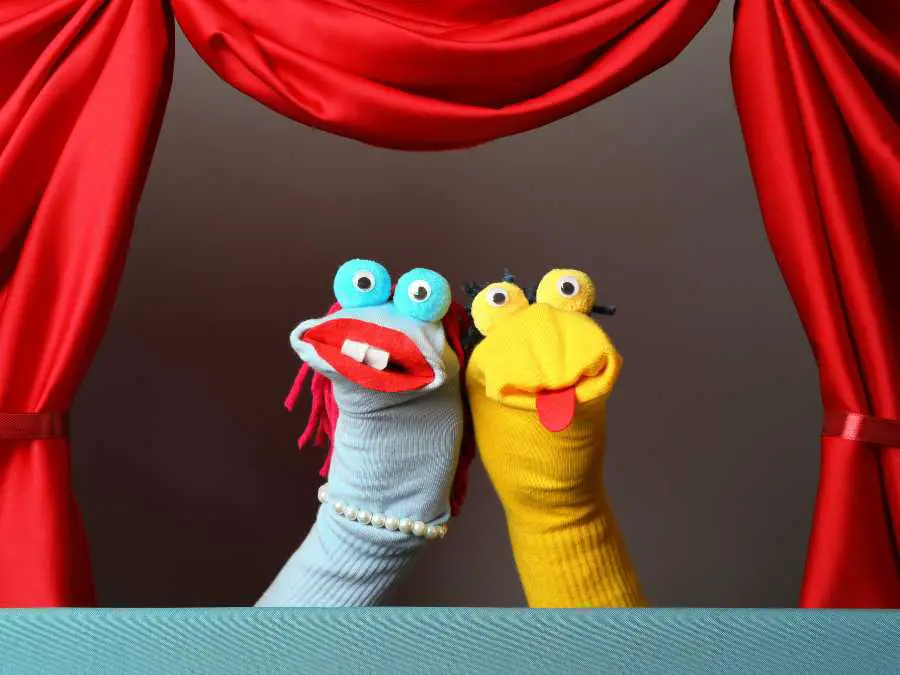 Create simple puppets from old socks.
This encourages imaginative play at a slow pace and can be calming.
27. Rolling a small toy car back and forth
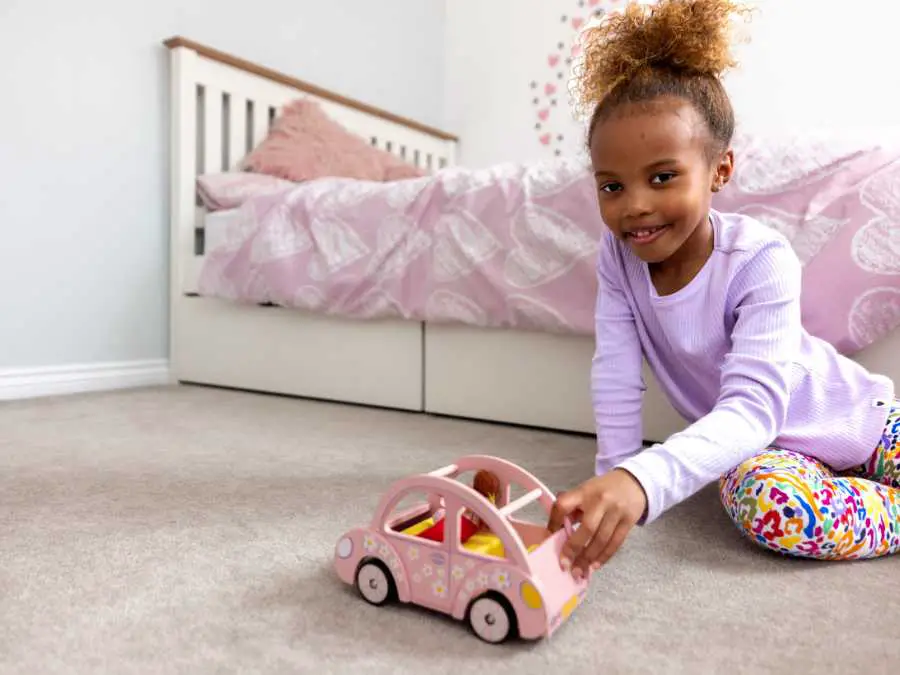 This repetitive motion is satisfying for toddlers and can be done on the floor or table without excessive stimulation.
- Sand or dirt play outside
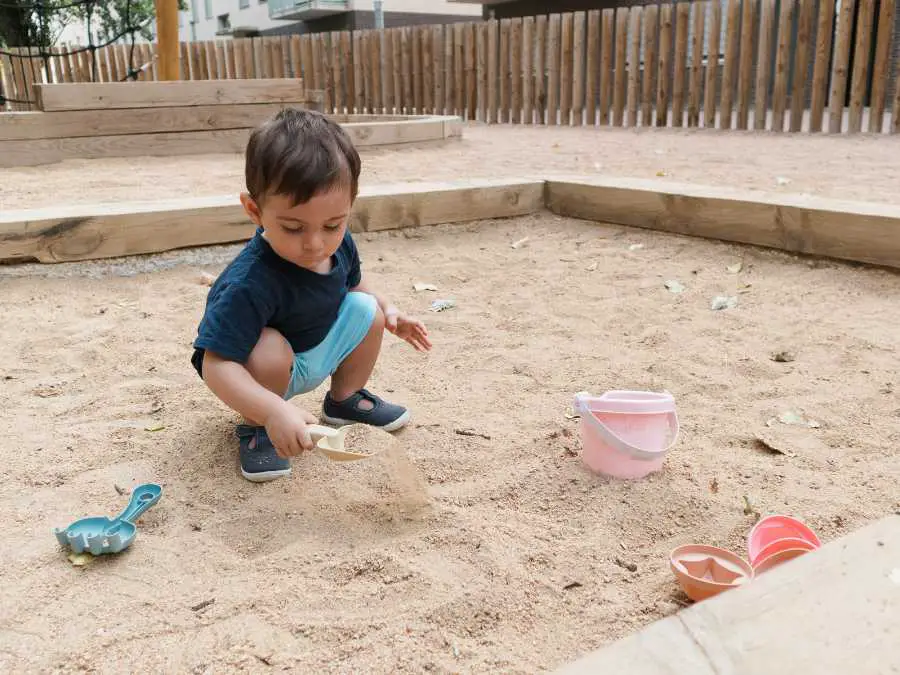 A small patch of sand or dirt allows sensory exploration and quiet digging, shaping, and filling containers.
- Breathing games
 Blow on feathers, bubbles, or pinwheels together.
This teaches toddlers basic self-regulation and has a calming effect.
Supporting an overstimulated toddler does not require a house full of toys or a packed schedule of activities.
Often, what makes the biggest difference is slowing down, paying attention to how a child responds to their environment, and offering simple opportunities for calm engagement.
When activities are gentle, familiar, and flexible, toddlers are more likely to feel safe and regulated.
Budget friendly activities also give parents freedom from the pressure to constantly do more or spend more.
They encourage creativity, connection, and responsiveness instead of overstimulation.
By choosing simple, intentional ways to support your toddler, you create space for both your child and yourself to breathe, reset, and enjoy these early years with a little more ease.
Leave a Reply