25 Terrible twos survival
Are you searching for Terrible twos survival, search no more you are in the right place.
We have curated 25 Terrible twos survival you will love.
If you have ever watched a sweet, giggling toddler suddenly dissolve into a puddle of tears over the “wrong” cup, the terrible twos probably need no introduction.
One minute your child is wrapping their tiny arms around your legs, the next they are flat on the floor protesting a boundary you did not even realize existed.
It is confusing, exhausting, and at times oddly impressive how such a small person can hold such big emotions.
For many parents and caregivers, this stage can feel like an emotional rollercoaster you did not exactly agree to ride.
Just when you think you have figured your child out, they surprise you with a new reaction, a stronger opinion, or a determination that stops you in your tracks.
You may find yourself questioning your patience, your parenting, and occasionally your sanity.
Yet beneath the chaos is a deeply important season of growth.
Your toddler is discovering independence, testing limits, and learning how to exist as their own person in a very large world.
It is messy, unpredictable, and completely normal.
If you are in this phase right now, take a breath.
You are not alone, and more importantly, you are not failing.
25 Terrible twos survival
- Adjust your expectations
 Toddlers are not miniature adults.
Their brains are still developing, especially the parts responsible for impulse control and emotional regulation.
When you expect perfect behavior, you set yourself up for frustration.
Instead, remind yourself that meltdowns, defiance, and sudden mood swings are developmentally normal.
Shifting your expectations reduces stress and helps you respond with more patience.
- Stay calm, even when they are not
 Your toddler borrows emotional cues from you.
If you escalate, the situation often worsens.
Staying calm does not mean you are not frustrated, it means you are choosing control over reaction.
Speak slowly, lower your voice, and move deliberately.
A regulated parent is one of the fastest ways to help a child regulate.
- Create predictable routines
 Toddlers thrive on knowing what comes next.
Consistent meal times, nap times, bath times, and bedtime routines help them feel secure.
When children feel safe and grounded, they are less likely to push back constantly.
Predictability removes a lot of unnecessary battles.
- Offer limited choices
 Toddlers crave independence, but too many options overwhelm them.
Instead of asking, “What do you want to wear?” try “Do you want the blue shirt or the yellow one?”
This gives them a sense of control while keeping you in charge of the bigger decision.
- Learn their triggers
 Notice patterns.
Does your child melt down when tired? Hungry? Overstimulated? Many tantrums are preventable once you identify what sets them off.
Planning ahead, carrying snacks, protecting nap time, and avoiding overly busy schedules can make a huge difference.
- Prioritize sleep
 An overtired toddler is far less flexible and far more emotional.
Protect naps as much as possible and establish a calming bedtime routine.
Think dim lights, quiet play, and fewer screens.
Good sleep often equals better behavior.
7. Do not underestimate hunger
 Low blood sugar can turn even the happiest toddler into a storm.
Keep simple snacks nearby when you are out.
A small container of fruit, crackers, or yogurt can prevent a public meltdown before it begins.
- Pick your battles wisely
 Not everything deserves a firm “no.”
Ask yourself if the issue is about safety, health, or respect.
If it is not, consider letting it go.
Saving your energy for the important boundaries prevents constant power struggles.
- Be consistent with boundaries

Once you set a rule, stick to it.
If you give in after a long protest, you accidentally teach your child that persistence leads to a different answer.
Consistency builds trust and reduces testing over time.
- Validate their feelings

You do not have to agree with the behavior to acknowledge the emotion.
Saying, “I see you are upset because you wanted the red cup,” helps your child feel understood.
Feeling heard often shortens the intensity of a tantrum.
- Keep language simple

Toddlers process short, clear sentences better than long explanations.
Instead of lecturing, say, “We use gentle hands,” or “Toys stay on the floor.”
Clear communication prevents confusion.
- Use distraction strategically
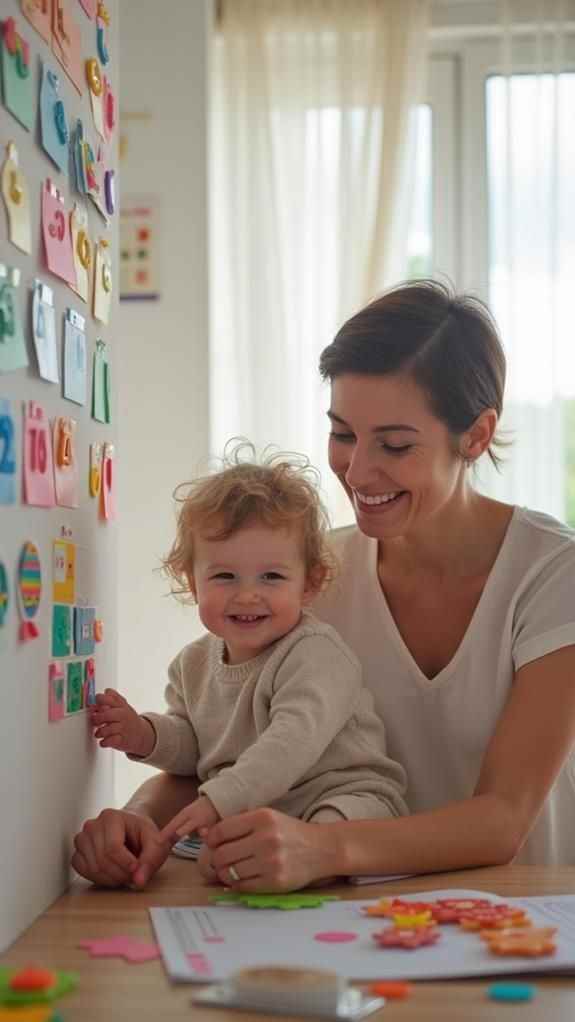
Toddlers have short attention spans, which can work in your favor.
Redirecting them to a new activity, pointing out something interesting, or changing environments can quickly dissolve rising tension.
- Get down to their level

Physically kneel or sit so you are eye to eye.
This position feels less intimidating and more connecting.
It signals that you are present and engaged, not towering over them in authority.
- Build connection daily

Even ten minutes of uninterrupted play where your phone is away can fill your child’s emotional cup.
When toddlers feel connected, they are often more cooperative.
Connection reduces attention seeking behavior.
- Encourage independence safely
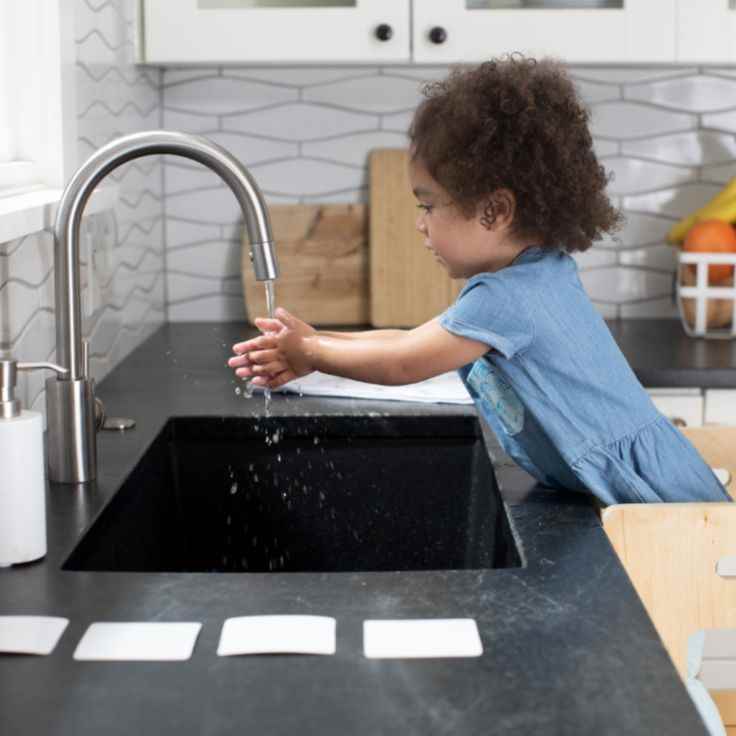
Let them try things like feeding themselves, washing their hands, or putting away toys, even if it takes longer.
Independence builds confidence and reduces frustration.
- Narrate what is happening
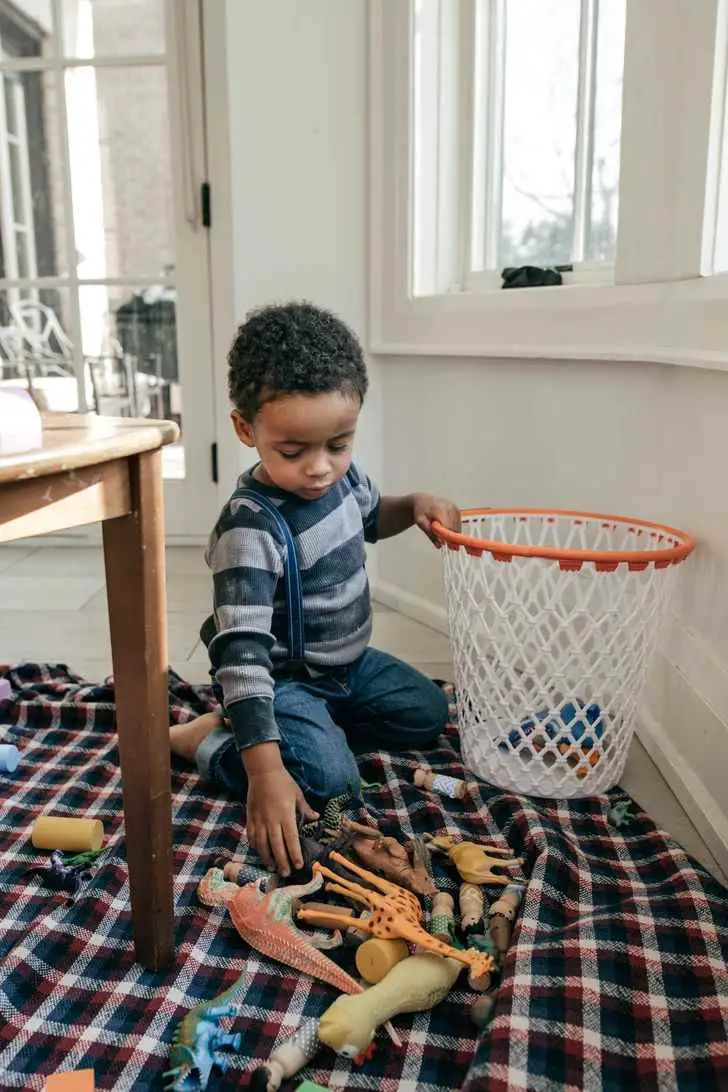
Transitions are hard for toddlers.
Give gentle warnings such as, “Five more minutes, then we clean up,” followed by a one minute reminder.
This prepares their brain for change instead of shocking them with it.
- Avoid labeling your child

Source
Calling a toddler “stubborn” or “difficult” can subtly shape how you see them.
Often what looks like stubbornness is determination, a trait that will serve them well later in life.
- Model the behavior you want to see

Toddlers are incredible imitators.
If you want kindness, patience, and respectful communication, demonstrate it daily.
They absorb more from what you do than what you say.
19. Accept that public tantrums happen

Almost every parent experiences the grocery store meltdown.
Try not to parent for the audience.
Most people understand because they have been there.
Focus on your child, not the stares.
- Use humor when appropriate

Sometimes a silly voice, exaggerated surprise, or playful moment can break tension.
Laughter shifts the emotional atmosphere for both of you.
- Reduce overstimulation

Busy environments, loud noises, and packed schedules can overwhelm toddlers quickly.
Balance outings with quiet time at home so their nervous system can reset.
- Teach emotional words early
 Helping toddlers name feelings like angry, sad, frustrated, or excited gives them tools beyond crying or screaming.
Emotional vocabulary is the beginning of emotional regulation.
- Take breaks when you need them

If you feel yourself reaching your limit, ensure your child is safe and step away briefly.
A few deep breaths can prevent a reaction you might regret.
Caring for yourself is part of caring for your child.
- Lean on your support system
 You were never meant to do this alone.
Even when it is a partner, friend, relative, or trusted caregiver, accepting help allows you to recharge and return more patient.
- Remember that this phase is temporary
 The days can feel long, but the stage passes faster than you think.
One day the tantrums will fade, replaced by conversations, jokes, and surprising independence.
Holding onto that perspective can help you move through the harder moments with more grace.
Surviving the terrible twos is less about mastering every moment and more about learning to move with the rhythm of this unpredictable stage.
Some days will test your patience in ways you never imagined, while others will surprise you with laughter, affection, and small victories that make the hard moments fade into the background.
It helps to remember that behind every tantrum is a child trying to figure out a world that is still very new to them.
They are learning how to communicate, how to manage feelings they do not yet understand, and how to balance their growing independence with their need for comfort and security.
It is not always graceful, but it is deeply human.
Give yourself permission to be imperfect.
There is no parent who gets it right all the time, and you are not expected to.
What matters most is your willingness to keep showing up with patience, love, and the intention to guide rather than control.
One day you will look back and realize that the phase you were simply trying to survive was also filled with first words, tight hugs, and a personality beginning to shine.
The terrible twos may feel overwhelming now, but they are only a small chapter in a much larger, beautiful story.